Just now, Tian Yuandong, whom the entire AI circle has been vying for, officially announced his entrepreneurship, and Jensen Huang also invested.
Half a year ago, if you had clicked into the comment section of the official announcement tweet of Tian Yuandong, a former Meta AI scientist, you would have thought you had accidentally stumbled into the scene of a high - end "Boss Zhipin" recruitment event.

Upon Tian Yuandong's departure, leading AI companies such as OpenAI, XAI, and Anthropic all extended olive branches. However, in the face of such a great opportunity, Tian Yuandong waved them off and declined them all.




Fast - forward to today, Tian Yuandong has finally unveiled an extremely impressive new business card - Co - founder of Recursive Superintelligence.
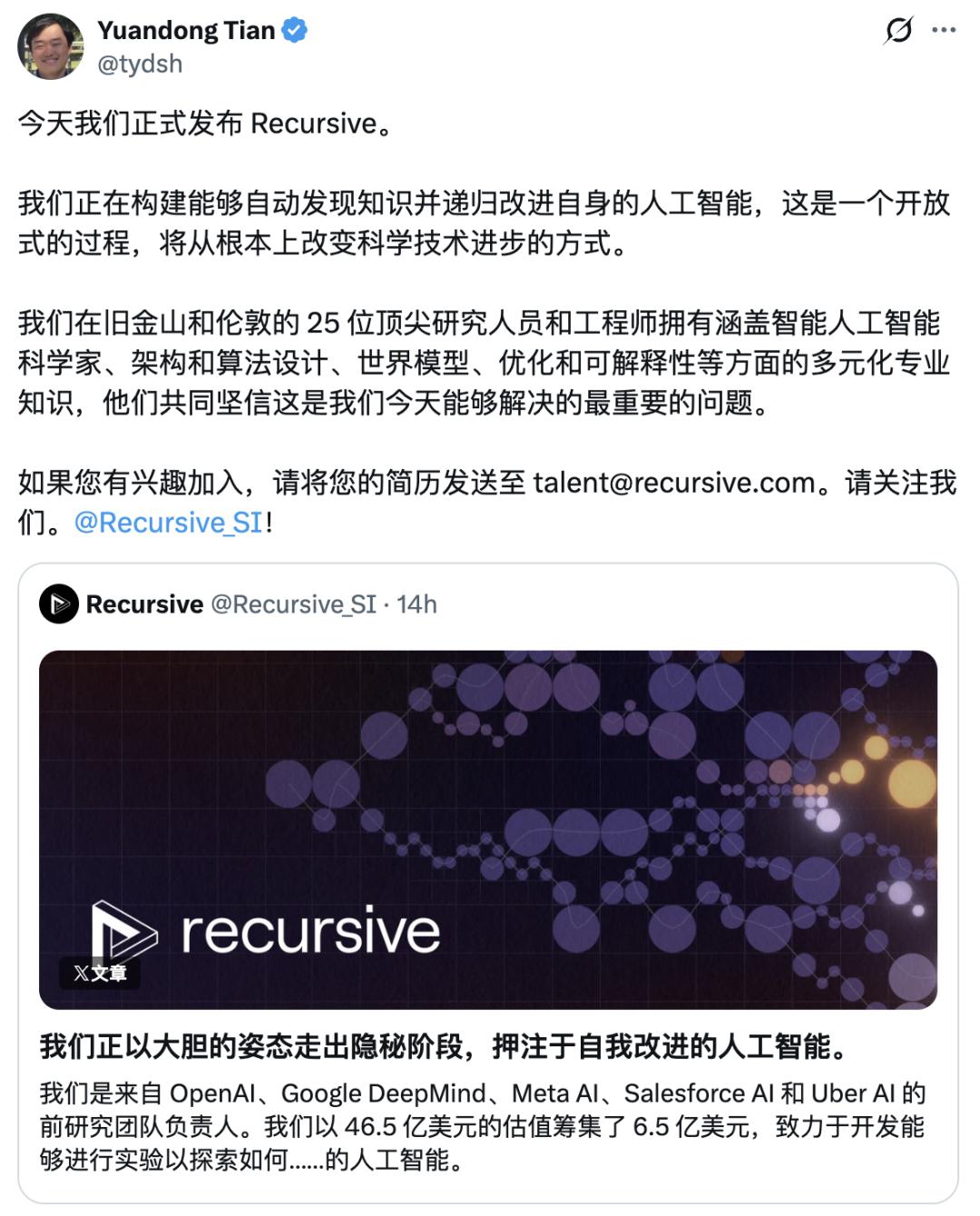
Exactly half a year has passed since he confirmed his departure on social media with a bitter smile.
This mysterious startup not only made its public debut today, but also raised a round of $650 million in financing, with a valuation reaching $4.65 billion. Who provided the funds? GV (Google Ventures) and Greycroft led the investment, with AMD Ventures and NVIDIA participating.
Currently, Recursive has 25 top - notch researchers and engineers in San Francisco and London. The team members have diverse backgrounds, covering areas such as agent - based AI scientists, architecture and algorithm design, world models, optimization, and interpretability.
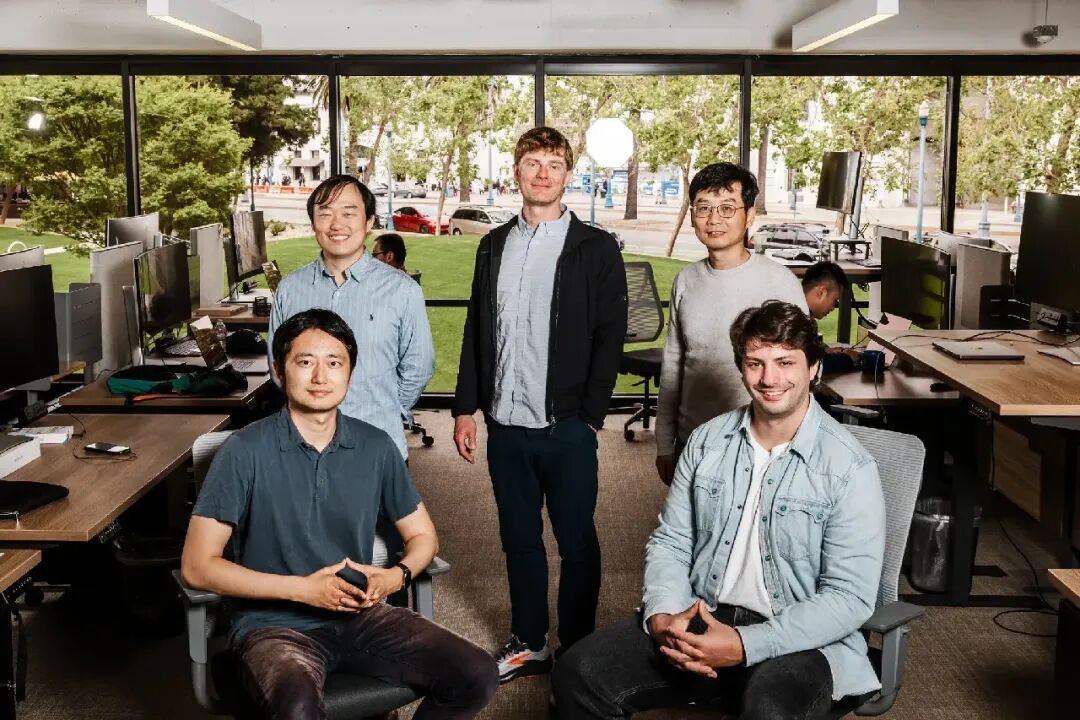
The resumes of this founding team are also quite impressive. The eight co - founders come from traditional tech giants or emerging AI startups such as OpenAI, Google DeepMind, Meta AI, Salesforce AI, and Uber AI.
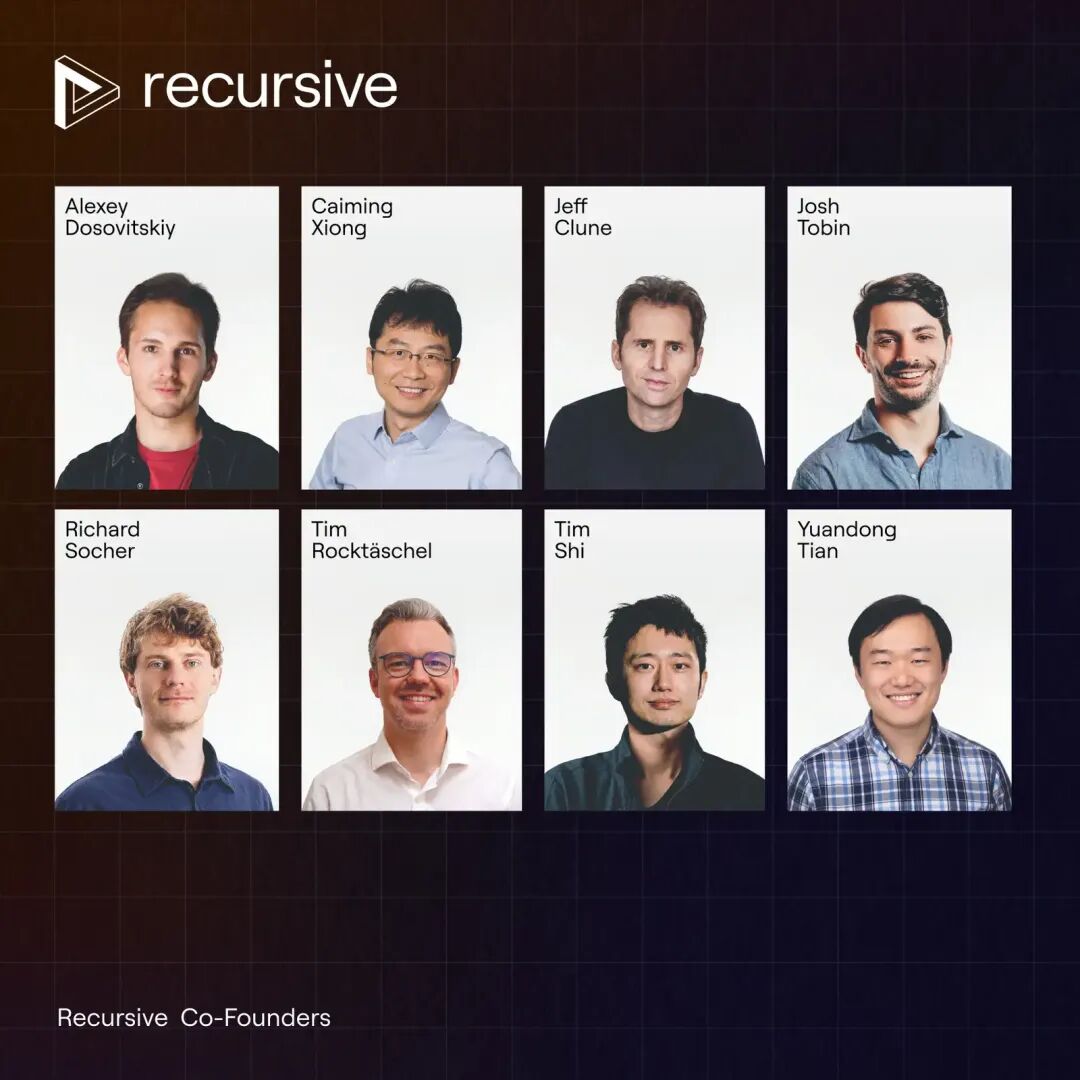
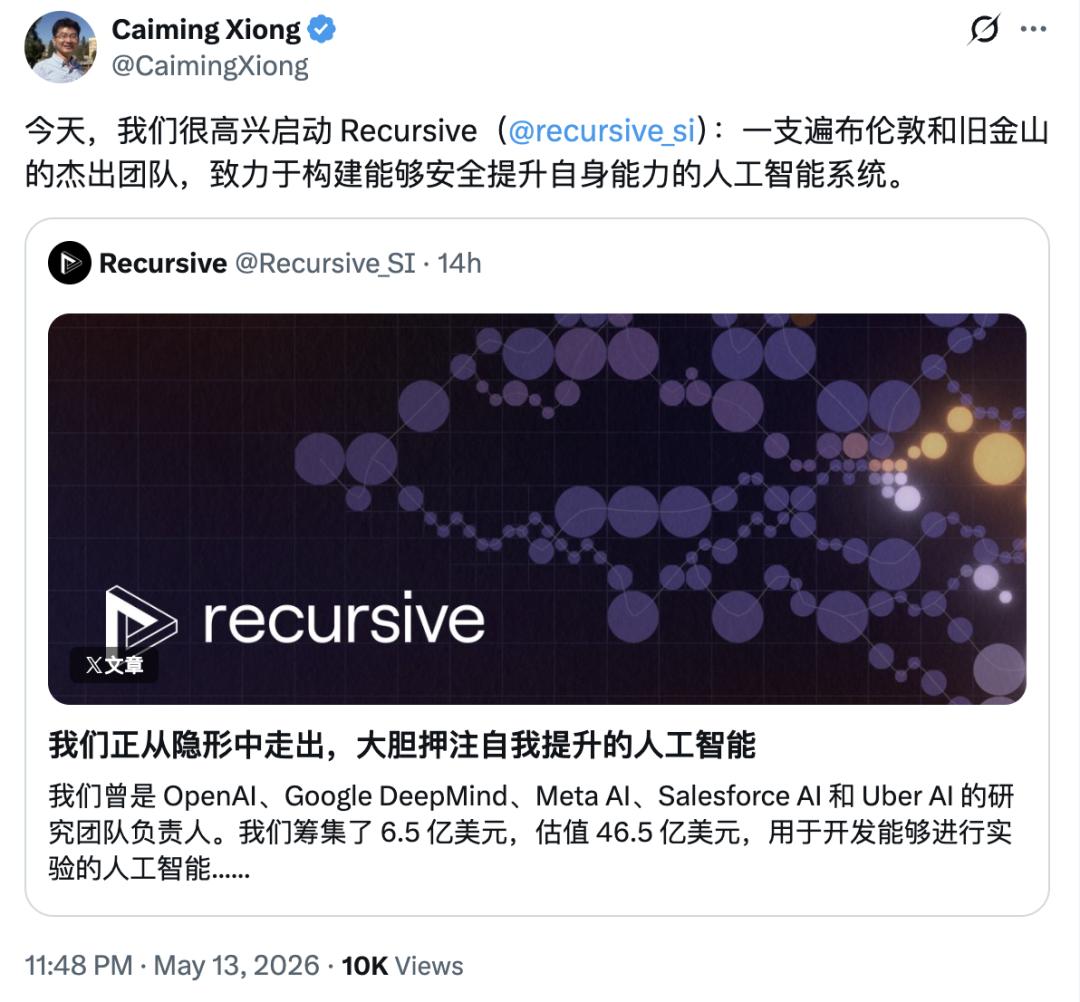
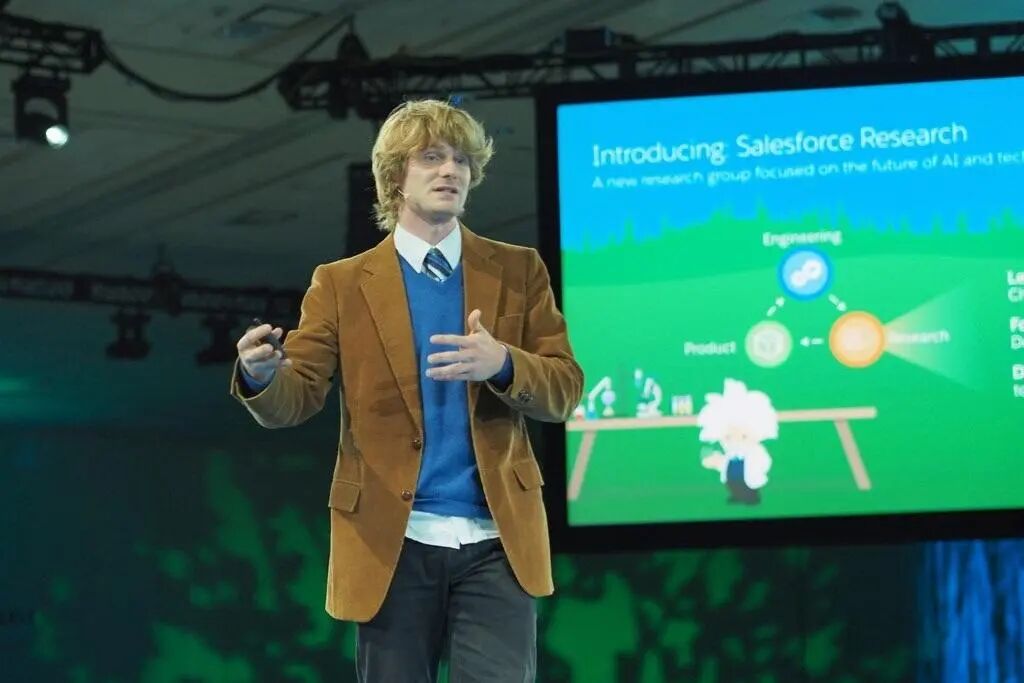
For example, Richard Socher, the CEO of Recursive, is the former head of Salesforce AI research and the founder of the search engine You.com. His old partner, Caiming Xiong, has also joined. He was the one who led the multimodal pre - training at Salesforce back then. Josh Tobin, Jeff Clune, and Tim Shi are veterans who left OpenAI, and so on.
That's not all. Peter Norvig, the AI master who wrote the "AI Bible" "Artificial Intelligence: A Modern Approach" for global universities over the past thirty years, has also joined Recursive.
What on earth are these top - notch experts up to when they come together? The answer lies in the name of the new company: Recursive. The ultimate direction they are betting on is called "Recursive Self - Improvement".
It sounds like a term from The Matrix. Simply put, it means enabling AI to automatically discover knowledge, continuously optimize itself, and never stop, just like climbing up by stepping on one's own feet.
In their view, Darwin's theory of evolution or the evolution of human culture is an endless and completely open - ended process. From the first self - replicating molecule, through a series of technological advancements, language and science emerged, and finally, humans landed on the moon.
They believe that AI research should follow the same pattern.
The only difference is that in the past, it was human scientists who advanced technological progress; now, these tasks can be handed over to AI itself. When interviewed by a New York Times reporter, Socher made an extremely bold and insightful statement: "AI itself is code. Now, AI can also write code. All the necessary elements are in place."
Their short - term goal is to use AI to improve AI. Once this approach is successful, they will move on to fields such as drug research and development and biological research. When we see Tian Yuandong at the center of this grand blueprint, we can't help but think of the absurd lay - offs at Meta in October last year.
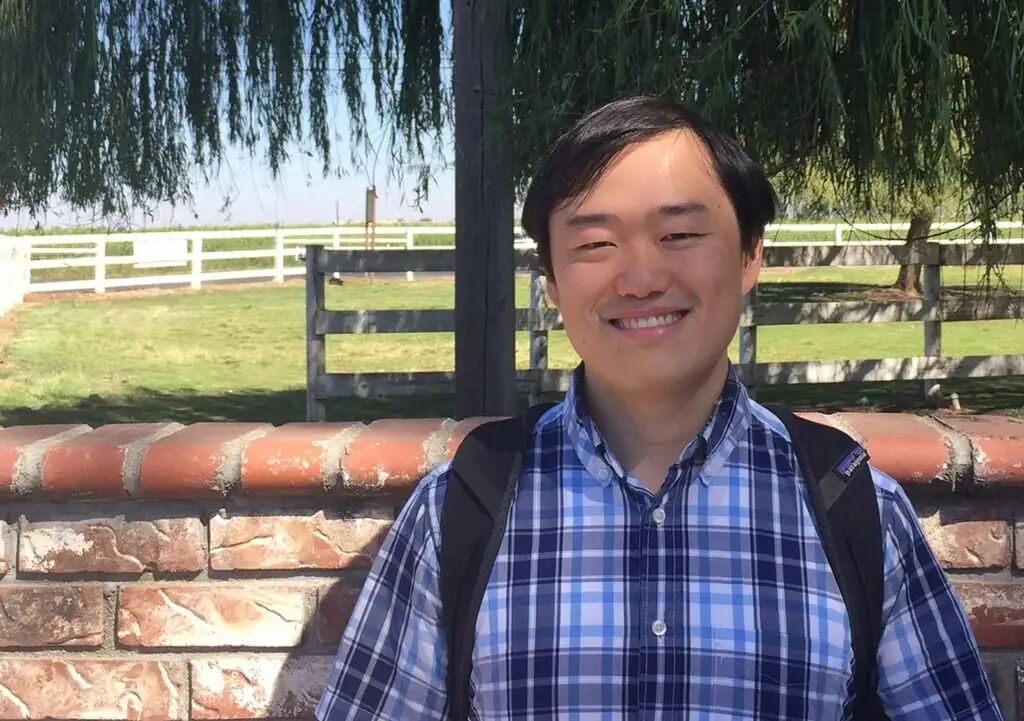
Those who know Tian Yuandong well know that he is a pure academic expert. He was born in Shanghai, graduated from Shanghai Jiao Tong University with a bachelor's and a master's degree. After obtaining his doctorate from the Robotics Institute of Carnegie Mellon University (CMU) in 2013, he worked at Meta's FAIR (Fundamental AI Research) for nearly a decade.
His core research areas include reinforcement learning and multi - agent learning, reasoning, planning, and decision - making of large language models (LLMs), and theoretical analysis of deep learning. He has long served as the area chair for top conferences such as NeurIPS and ICML.
Unexpectedly, in January 2025, with less than two months left until the release of Llama 4, Meta's senior management directly ordered to halt all the forward - looking exploratory research projects of the FAIR team led by Tian Yuandong and forced them to support the GenAI department.
According to Tian Yuandong's subsequent recollection, the so - called "support" actually meant that they had to take on all the "dirty and tiring work" such as post - training and bug fixing, and continued to troubleshoot and fix a large number of problems after the release. However, this was just the tip of the iceberg, and there was a lot more going on beneath the surface.
At that time, Meta was undergoing a brutal power reshuffle. The newly appointed Chief AI Officer, Alexandr Wang, was frantically expanding his own in - house TBD Lab. To assert his authority, the FAIR team had to seek additional approval from TBD even when publishing a paper.
What was the result? After Llama 4 was launched, the market response was mediocre. Mark Zuckerberg was extremely unhappy. On October 22nd, Meta laid off 600 employees in the AI department. The FAIR team, which had been forced to fix bugs, was the hardest - hit area.
On that day, Tian Yuandong posted an extremely decent tweet on X: "My team members and I have been affected by the lay - offs today." However, he couldn't hold back and later added a more critical tweet: "The people who should really be responsible for solving the problems are not the ones who were laid off."
Thus, we saw the scene at the beginning, where AI experts from across the network extended olive branches in his comment section. However, he finally decided to start his own business: "While I'm still young, I want to be a co - founder of a new startup."
Interestingly, around the same time, his former boss, Turing Award winner Yann LeCun, also left Meta due to dissatisfaction. LeCun founded a company called Advanced Machine Intelligence and is focusing on open - source world models.
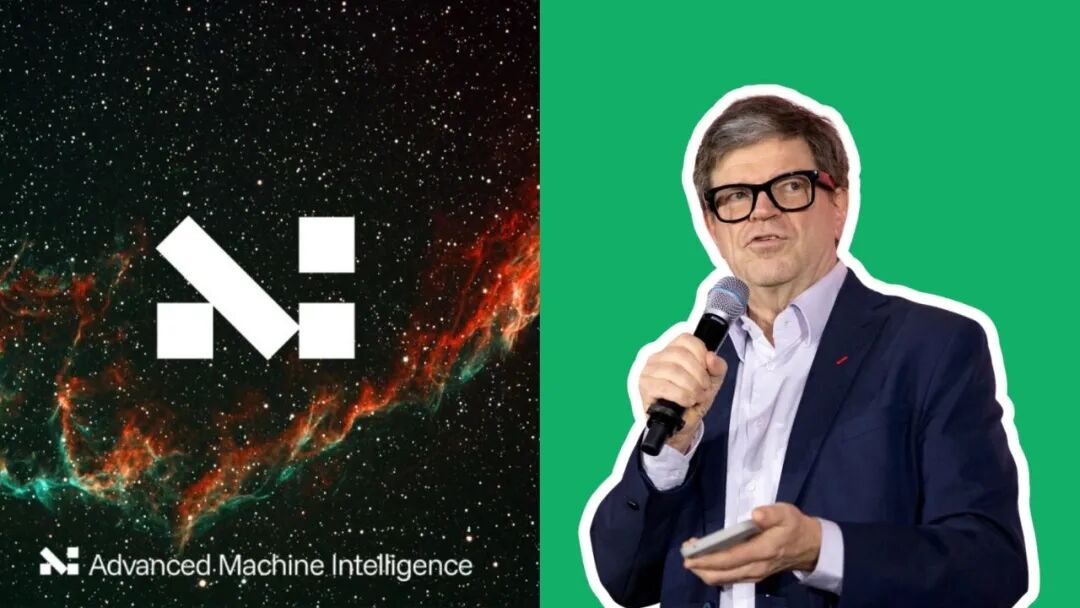
Although they have different directions, this former superior - subordinate pair has made the same choice: they will never be a cog in any large - scale company again.
Actually, Tian Yuandong has always had several views on AI. He believes that there is no upper limit to AI, and we are only scratching the surface of intelligence. In his opinion, the current industry's belief in the "Scaling law" points to a pessimistic future that relies solely on brute - force computing power.
Compared to blindly increasing computing power, he cares more about "interpretability" and the underlying theoretical logic. He firmly believes that the sudden insights and unique perspectives of humans are skills that current AI can never learn.
Recursive's research directions are highly consistent with these views - interpretability, continuous - space reasoning, and reasoning efficiency are all on his list of areas to be further explored.
However, Socher also admitted that it will take several years to build the technology they envision. This timeline is not uncommon in today's AI industry, but in the context of "recursive self - improvement", it has a somewhat self - referential meaning: A group of people researching how to make AI self - iterate are themselves in the middle of an iterative process.
This article is from the WeChat official account "APPSO". Author: APPSO, which discovers tomorrow's products. It is published by 36Kr with authorization.