DeepSeek raises 50 billion in financing, and LIANG Wenfeng can't escape the capital game.
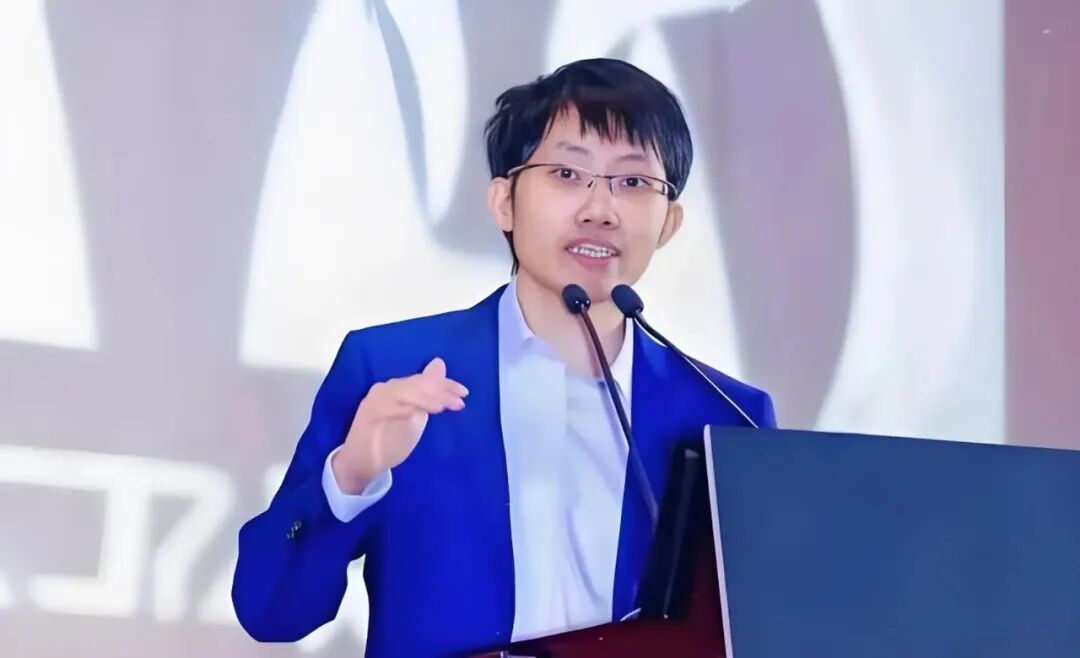
Although Liang Wenfeng comes from the quantitative circle, he has never been interested in capital.
That's why, in the tech circle in May, no news was more impactful than the financing of DeepSeek.
According to The Information, citing multiple sources familiar with the matter, DeepSeek is seeking to complete a round of financing exceeding 50 billion yuan (about $7.35 billion). Among them, founder Liang Wenfeng plans to personally invest 20 billion yuan in this round of financing, accounting for 40% of the total fundraising. Tencent intends to invest 6 billion yuan to obtain about 2% equity, and the National Integrated Circuit Industry Investment Fund (the Big Fund) is in talks to lead the investment.
If it is successfully implemented, this will break the single-round financing record of Chinese AI companies, and the post-investment valuation is expected to exceed 350 billion yuan (about $51.5 billion).
21 days ago, at the beginning of April, the market valuation of DeepSeek was still at $10 billion, and the initial financing plan was only $300 million for option pricing. 21 days later, the valuation soared by more than 4 times, and the financing scale increased by 24 times.
For those who are familiar with Liang Wenfeng, this news is like a "nuclear explosion." This technological idealist, who has repeatedly declared "no financing for the time being" and declined the investment invitations from Tencent and Alibaba, why did he suddenly change his stance, and with such an astonishing scale?
In fact, recently, from the domestic to the overseas market, several leading AI large model companies, including OpenAI, Zhipu AI, and Dark Side of the Moon, are all conducting large-scale financing. As we said at the beginning of the boom of large models, this is a market where "gods fight."
Among them, DeepSeek is not a regular army in the celestial court; it may be the unique "Zhen Yuanzi."
The protagonist of the story, Liang Wenfeng, was born in Zhanjiang, Guangdong in 1985. He graduated from Zhejiang University with a bachelor's and master's degree. From the helmsman of the quantitative private equity giant Magic Square Quant to the founder of DeepSeek, he has always been the most "maverick" existence in the tech circle.
Now, the situation has changed. In the past, companies begged for financing but couldn't get it, while DeepSeek has been caught up in the capital wave of AI.
The "Technological Purity" from Magic Square Quant to DeepSeek
To understand this financing, we must first understand Liang Wenfeng and the "DeepSeek-style utopia" he created.
Liang Wenfeng's starting point is the financial circle.
In 2008, just after graduation, Liang Wenfeng led a 7-person team to conduct quantitative trading with machine learning models and achieved a 500% return in three months. In 2015, Magic Square Quant was officially established. Relying on AI-driven quantitative strategies, it quickly rose to become a leading player in the industry.
In 2021, the asset management scale of Magic Square Quant exceeded 100 billion yuan. From 2021 to 2025, the average annual return rate reached 56.6%, bringing Liang Wenfeng an income of more than $700 million in that year alone. DeepSeek's "not short of money" has never been an empty talk.
But Liang Wenfeng's ambition has never been limited to finance.
As early as 2020 or even earlier, Liang Wenfeng and his team firmly believed that artificial intelligence is the core driving force of the future, and computing power is the fundamental foundation. Therefore, when most institutions in the industry focused on strategies and scale, Magic Square made a strategic decision that was extremely forward-looking and asset-heavy at that time, that is, to continuously invest a large amount of profits in building a super-large GPU computing cluster.
In March 2020, the "Firefly No. 1" supercomputer, which cost hundreds of millions of yuan and was equipped with thousands of high-end GPUs, was officially put into operation. This investment, far beyond the industry's conventional practices at that time, laid a solid foundation for its AI quantitative research and also foreshadowed its subsequent layout in general artificial intelligence (such as incubating DeepSeek).
In April 2023, Magic Square Quant announced the establishment of the large model company DeepSeek, officially entering the AI field; in July, Hangzhou DeepSeek Artificial Intelligence Basic Technology Research Co., Ltd. was registered and established, led by Liang Wenfeng himself, crossing from fintech to the AGI track.
At that time, DeepSeek was the most "Buddha-like" outlier in the AI circle.
In the early days of its establishment, Liang Wenfeng set three iron rules for DeepSeek: no financing, no listing, and no commercialization. In 2023 - 2024, when capital was pouring into the AI track crazily, this was an almost "rebellious" choice.
While Internet giants such as ByteDance, Alibaba, and Baidu were spending money on model development and quickly implementing ToB and ToC businesses, and startups such as Zhipu AI, Baichuan Intelligence, and Dark Side of the Moon started multiple rounds of financing soon after their establishment and expanded rapidly with capital infusion, DeepSeek relied on the "unlimited blood supply" from Magic Square Quant to conduct closed-door R & D, without roadshows, promotions, or accepting commercial orders.
Liang Wenfeng's reason is simple: technological idealism cannot be kidnapped by capital and commercialization.
He once publicly stated: "The goal of DeepSeek is to build a world-class general large model, not for making money or going public. Capital will pursue short-term returns, and commercialization will compromise the technical route, which will all interfere with our core goal."
This purity has enabled DeepSeek to quickly rank among the first echelon of domestic large models.
In May 2024, DeepSeek-V2 was released, and its innovative model architecture and extreme cost - effectiveness sparked heated discussions; in December 2024, DeepSeek-V3 was open - sourced, and 53 pages of technical details were released.
In January 2025, DeepSeek-R1 was released. In tasks such as mathematics, code, and reasoning, its performance is comparable to that of OpenAI's o1 official version. According to a paper published by its team in the British journal Nature, the training cost of the DeepSeek-R1 model is only $294,000, and it only cost about $6 million to build the basic large language model. This cost is far lower than the figures disclosed by American counterparts.
The technological success has made DeepSeek a technological benchmark for domestic large models, and Liang Wenfeng's "three no - iron rules" have once become a good story in the industry - it turns out that without relying on capital and commercialization, a world - class large model can also be developed.
But the ideal is plump, while the undercurrent of reality has long been surging.
DeepSeek's Ideal Shattered by Reality under Triple Pressure
Liang Wenfeng's stance of staying away from the capital circle, which he had always adhered to, underwent a strategic adjustment in April 2026.
People from quantitative hedge funds don't make impulsive decisions. Liang Wenfeng's turn to capital must have been after a calm calculation. The background of the calculation is that the competitive landscape faced by DeepSeek is undergoing a qualitative change.
Judging from the information reported in the current public media, one of the key factors that led to his decision is the talent issue.
DeepSeek has always been regarded as the most special company in the Chinese large model industry - a small - scale team, extremely high talent density, and almost no external recruitment, mainly relying on fresh graduates and interns to stay.
But it is precisely this elite model of a small team that has magnified the weight of each core researcher to the extreme.
In the past year, many technical backbones of DeepSeek have been poached with high salaries. AI talent Luo Fuli was poached by Lei Jun to Xiaomi, and researcher Guo Daya has also joined ByteDance, serving as one of the heads of the Agent. Public information shows that since the second half of 2025, at least 5 core R & D personnel of the company have successively left, and well - known technology companies are poaching people regardless of cost.
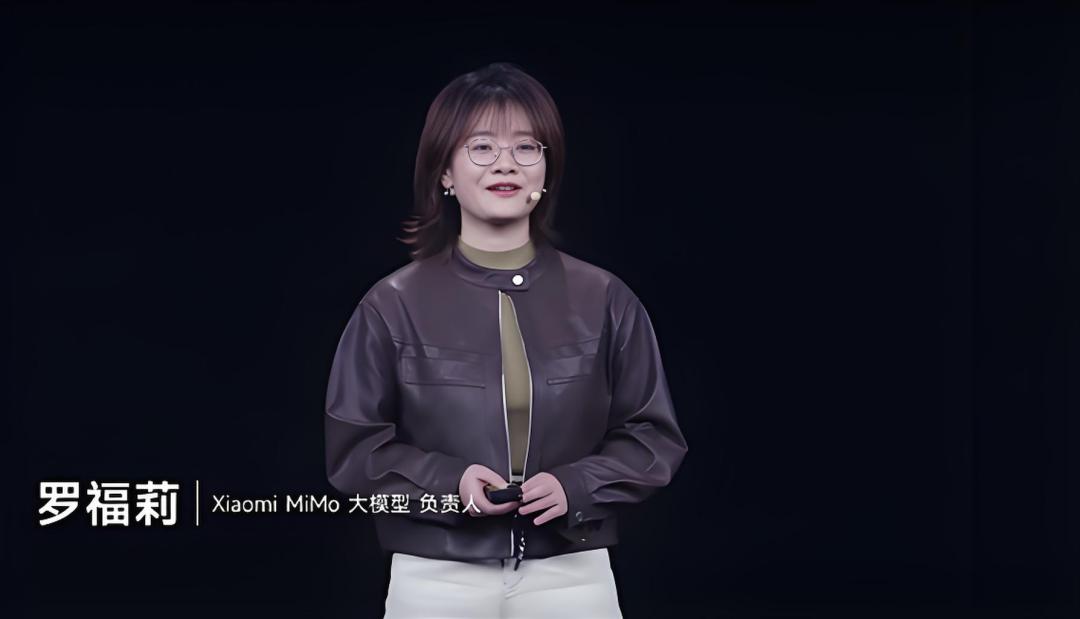
That's why, there is a saying in the industry that Liang Wenfeng's recent search for financing is precisely to price the employee options to retain talents.
If the talent loss is the "immediate worry," then the capital pressure is the "long - term concern," especially the computing power cost.
It is well - known in the industry that the R & D of AI large models is a typical business of "heavy assets, high investment, and long cycle." If two years ago, the competition of large models could rely on algorithmic ingenuity to achieve more with less, now it is a naked computing power consumption war.
The release of V4.1 is scheduled for June 2026, which will focus on optimizing reasoning, multi - modality, and stability. Behind this, from training to reasoning, from NVIDIA to Ascend, from a cluster of a thousand cards to a cluster of ten thousand cards - every step requires astronomical investment.
No matter how rich Magic Square Quant is, it can't support a computing power arms race against global giants. More importantly, the competition in the AI industry is "if you don't advance, you will retreat." Once the capital chain fails to keep up, the technological iteration will stagnate, and it will soon be overtaken by competitors.
Most importantly, the competition in the current AI industry itself has undergone a qualitative change, and at the same time, the valuation logic of the overall capital market for AI large model companies has also changed.
In China, ByteDance and Alibaba are increasing their investment in AI with huge amounts of capital. Dark Side of the Moon has just completed a $2 billion financing, and its post - investment valuation has exceeded $20 billion. Its annual recurring revenue exceeded $200 million in April. MiniMax, Jieyue Xingchen, etc. are also conducting intensive financing.
In addition, the crazy rise of Zhipu AI and MiniMax after their listing has also set a benchmark for the valuation of the entire industry. This means that if other startups in the industry cannot complete the pricing during the current window period, their valuations in the primary market may be instantly broken down.
It is reported that Jieyue Xingchen is also actively preparing for its listing.
Overall, considering multiple factors, this explains why Liang Wenfeng has to start financing, and it must be now.
But obviously, his way of entering the game has once again subverted the industry's perception: without diluting the control right, without introducing short - term capital, he personally invests 20 billion yuan to lead the investment, firmly holding the initiative of capital in his own hands.
The Game in the Capital Bureau: Liang Wenfeng's Battle to Defend Control
DeepSeek's 50 - billion - yuan financing may never be as simple as "being short of money and looking for investment."
Obviously, this is a carefully designed capital game, and Liang Wenfeng's core goal is only one: while introducing capital, firmly hold the company's control right and prevent capital from influencing the technical route.
According to the industrial and commercial information on Tianyancha, on April 27, 2026, the registered capital of Hangzhou DeepSeek Artificial Intelligence Basic Technology Research Co., Ltd. (DeepSeek) increased from 10 million yuan to 15 million yuan. Founder Liang Wenfeng increased his shareholding ratio from 1% to 34% through direct capital increase, and the shareholding ratio of the original major shareholder, Ningbo Cheng'en Enterprise Management Consulting Partnership, was diluted to 66%.
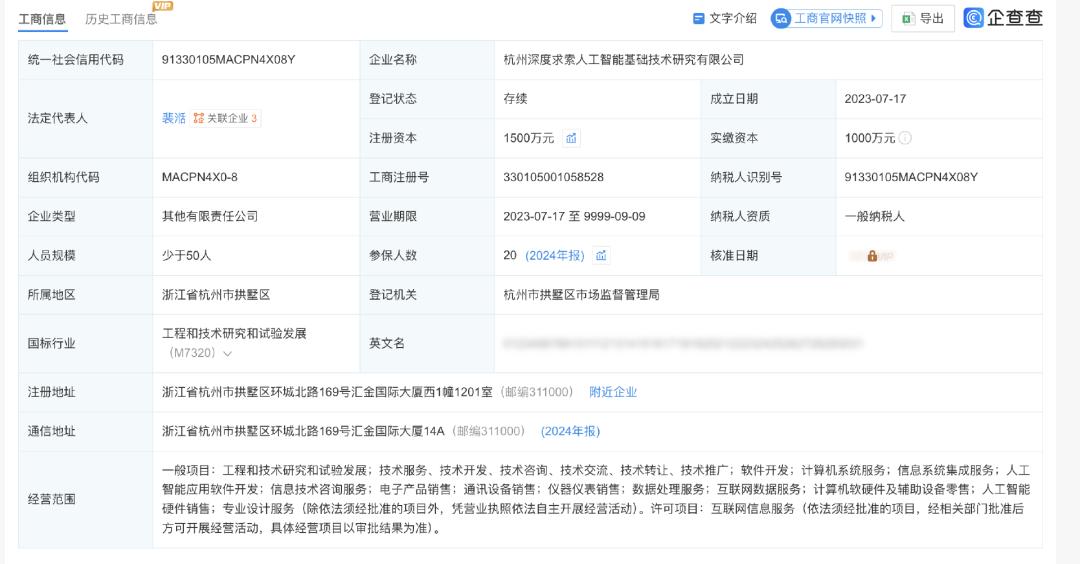
Through direct and indirect shareholding, Liang Wenfeng controls about 84.29% of the company's equity in total. It can be seen that this capital increase is a restructuring of the company's internal equity structure. Liang Wenfeng personally invested 5 million yuan for the capital increase, without introducing any new external shareholders.
This shows that before officially starting large - scale external financing, DeepSeek has first completed the optimization of its internal equity structure. This also means that before introducing the capital of giants such as the National Big Fund and Tencent, Liang Wenfeng has consolidated his control position through equity adjustment.
Regarding this financing, there are two biggest differences between DeepSeek's financing and that of other AI large model startups:
First, according to public information, the most shocking detail of this round of financing is not the scale of 50 billion yuan, but that Liang Wenfeng personally invests 20 billion yuan, accounting for 40% of the total financing and becoming the largest investor.
This "model of the founder leading a large - scale investment" is extremely rare in the global AI history. In essence, this is Liang Wenfeng's "battle to defend control": I can accept the capital, but I will never accept the control of the capital.
Second, from the current news, the investors of DeepSeek are also carefully selected, only accepting two types of capital: national - team capital and entity - industry capital. Traditional financial VCs (such as Sequoia and Hillhouse) are all excluded.
According to a source cited by Shanghai Securities News, the National Integrated Circuit Industry Investment Fund is in talks with DeepSeek to lead its first - round financing. The talks between the two sides are true, but the final valuation has not been finalized. In addition to the National Big Fund, the investors participating in the financing negotiation also include several Internet giants and other funds with state - owned backgrounds.
Subsequent news further confirmed that in this round of financing of DeepSeek, Liang Wenfeng plans to personally invest 20 billion yuan, accounting for 40% of the total fundraising. Tencent intends to invest 6 billion yuan to obtain about 2% equity, and the National Big Fund is expected to become the second - largest investor in this round of financing. Another piece of news said that Alibaba has broken off talks with DeepSeek, and the two sides failed to reach an agreement on the specific financing terms.
This investor structure reflects Liang Wenfeng's in - depth consideration: rejecting financial VCs. After all, traditional VCs pursue a 3 - 5 - year exit, which will force the company to commercialize and go public quickly, which is contrary to DeepSeek's concept of "doing technology with long - termism."
In contrast, national - team and industry capital pay more attention to long - term strategic value rather than short - term returns. They will not interfere with the technical route and can also provide core resources such as policies, computing power, and scenarios.
And Liang Wenfeng's personal investment of 20 billion yuan buys the right to lead the dialogue in this valuation range. If he only makes a small follow - up investment or even does not participate in the investment in this round of financing, external investors will have more pricing power over the company, and the company's strategic direction will also be more restricted.
The 20 - billion - yuan personal investment represents a clear stance: I am more confident in this company than any external investor. You can participate, but your right to speak is naturally restricted by me.
Undoubtedly, this is a very clever founder - game strategy.
Therefore, it can be seen that DeepSeek's financing also reflects a combination of multiple logics of "national strategy + founder's determination + ecosystem construction + talent protection," while other companies mostly follow the path of "technological expansion + commercialization promotion + market share competition."
This difference also reflects DeepSeek's special