Global automotive giants stumble in electrification, with losses exceeding $100 billion
According to mainstream media such as Japan's Kyodo News on May 6th, and widely re - reported by Xinhua News Agency and major domestic financial media the next day, due to weak demand in the US market and huge losses faced by the company, Honda decided to freeze indefinitely a large - scale electric vehicle and battery manufacturing industrial park project worth C$15 billion (approximately US$11 billion).
This is another major financial loss for Honda, a Japanese automotive giant once widely praised as a representative of the "conservative school", after it reported a huge net loss in the latest fiscal year in March this year. It is bound to seriously affect Honda's future market value and medium - to long - term business prospects.
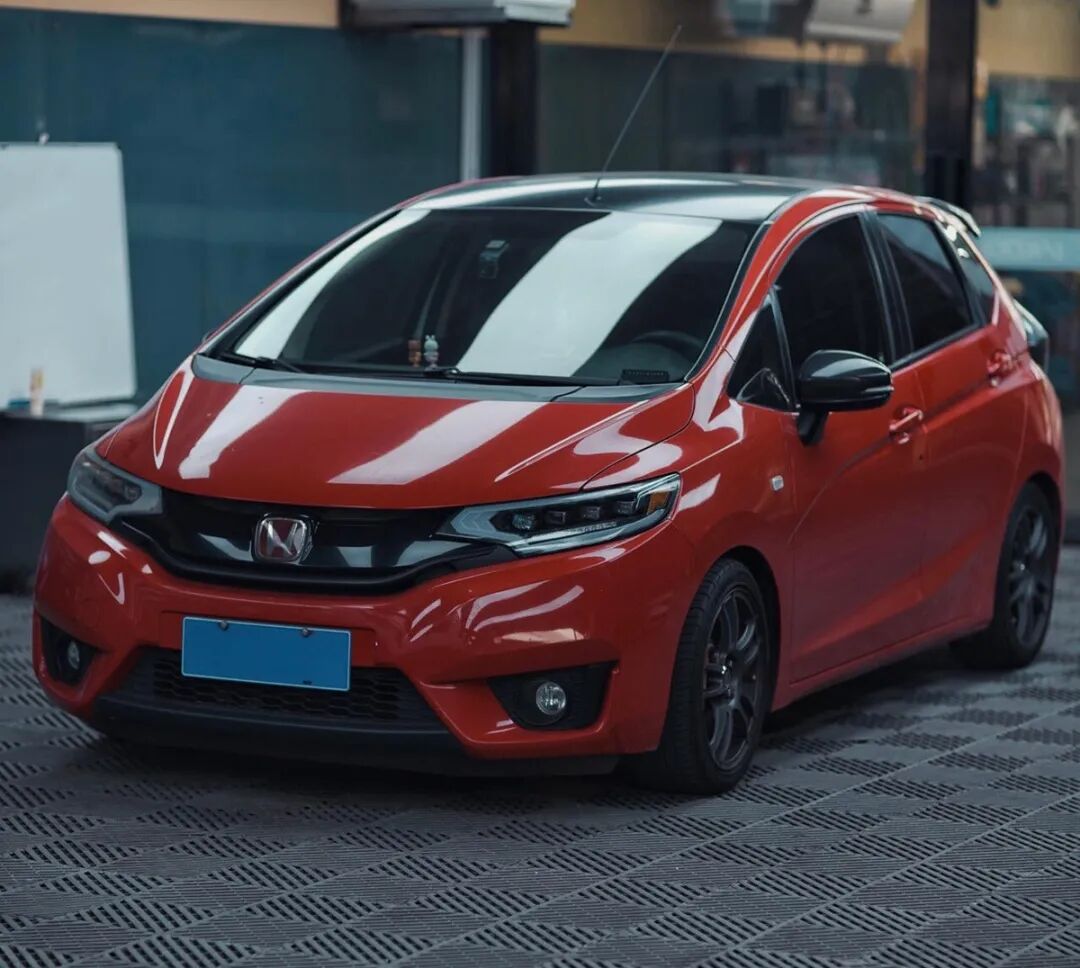
Photo | Honda also had its glorious days in China, but even this once "legendary car" has quietly left the stage.
In fact, Honda is not an isolated case. Since the end of 2025, Ford dissolved its battery joint venture, General Motors terminated its highly - anticipated pure - electric logistics vehicle project, and Volkswagen and Mercedes - Benz successively made provisions for billions of euros in impairment due to huge investments in new - energy R & D... From the beginning of the year to now, European, American, and Japanese automakers have successively launched wave after wave of "strategic emergency brakes" and financial bombshells.
The disappearance of tens of billions of dollars in "tuition fees" has completely exposed the rigid underlying logic of traditional giants during the industrial transformation. And all this forms a sharp contrast with the just - concluded Beijing Auto Show -
While there is despair across the ocean, the Chinese market is booming. Foreign audiences and exhibitors are shuttling back and forth at the new China International Exhibition Center west of the Capital Airport. The grand occasion of the Shanghai Auto Show in 2021 has reappeared in China's capital after five years.
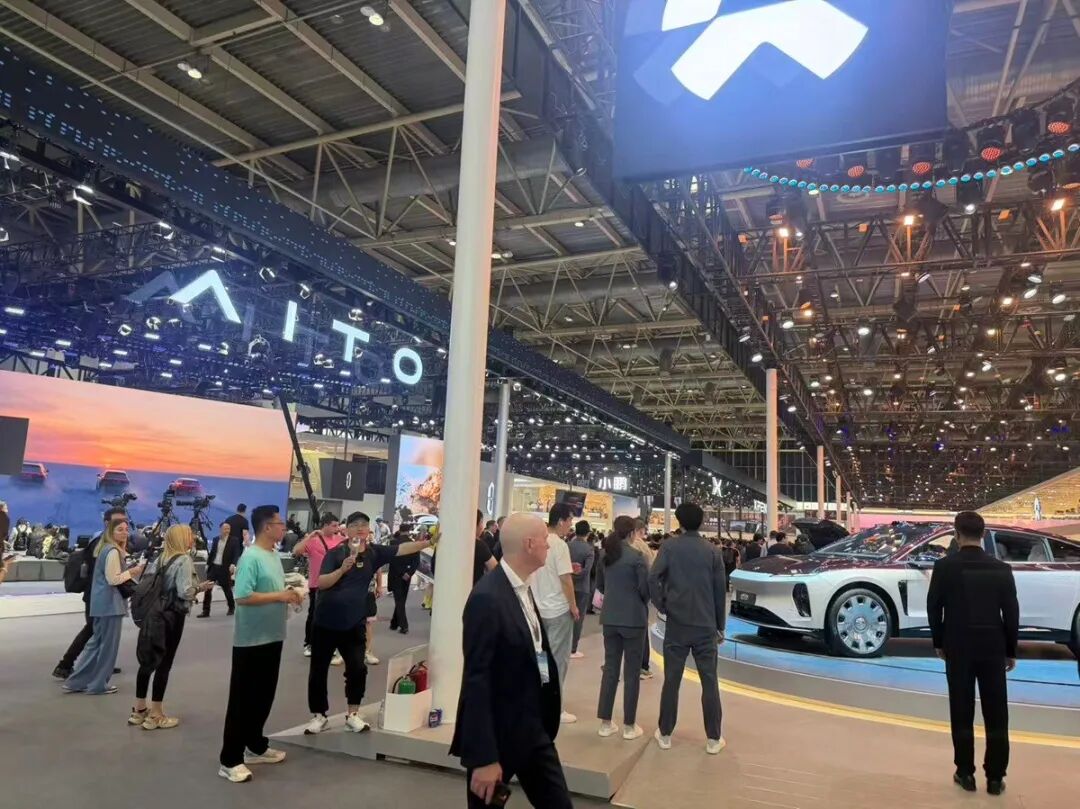
While overseas established giants are still struggling with how to avoid damaging their huge legacy from the internal - combustion engine era while trying to enter the electrification track, the Chinese new - energy army has gradually built a technological Great Wall in their home market, which was once dominated by overseas brands, with excellent supply chains and intelligent experiences.
This is not an accidental market fluctuation, but an unprecedented reconstruction of industrial power.
01
Behind the "strategic emergency brakes" lies the "sunk cost" of hundreds of billions of dollars
Throughout 2025, the global automotive industry, swept by the electrification wave, experienced an unprecedented financial "clean - up".
This so - called "epic" strategic contraction in the industry is not an accidental market fluctuation, but a "financial minefield" detonated by traditional automotive giants due to strategic misjudgment, path dependence, and fierce competition in the face of the new - energy transformation.
Stellantis is undoubtedly the one with the most obvious losses in the continuous "minefield".
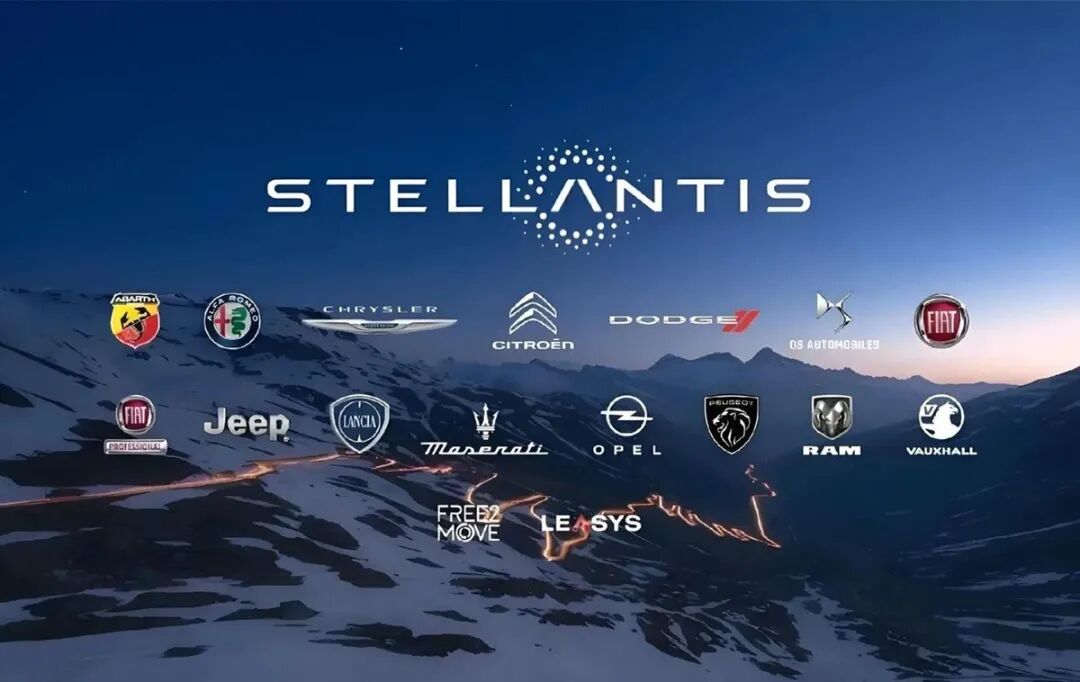
Photo | Stellantis originally meant to shine like stars, but now, as the group's performance collapses, it has a bit of the flavor of an alliance of losers.
This global fourth - largest automotive group, formed by the merger of Fiat Chrysler and PSA Group, suddenly announced in early 2026 that it would make provisions for a huge restructuring cost of up to €22.2 billion (approximately US$26 billion). This market - shocking move stems from its decision to completely halt the production of pure - electric pickups, divest its equity in the battery joint - venture company, and postpone multiple electric - vehicle investment plans.
The once - highly - anticipated electrification breakthrough battle in the North American market failed due to high costs, complex supply chains, and the wavering of US policy. The huge impairment, like a sudden snowstorm, instantly eroded its book profits, exposing the severe cash - flow pressure it faced after aggressive expansion.
The defeats of the Big Three in Detroit are also shocking.
Ford Motor was forced to cut off its electrification department at the end of 2025. It announced the dissolution of its battery joint venture with South Korea's SK On and cut the R & D of multiple electric - vehicle models, resulting in an impairment loss of approximately US$19.5 billion.
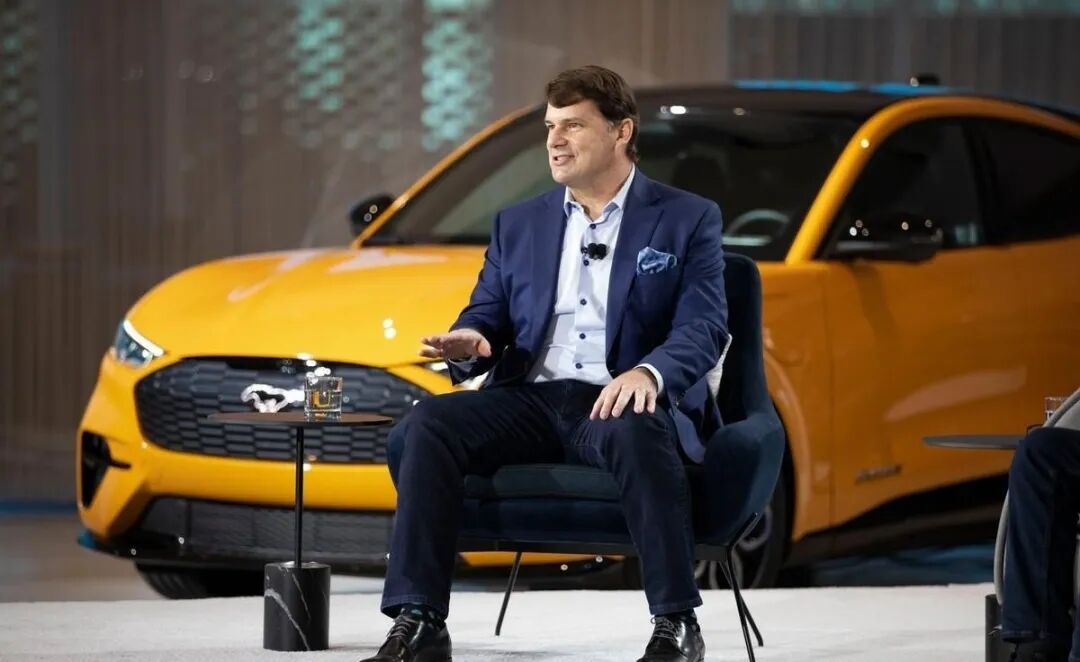
Photo | "The entry of Chinese cars into the US market will destroy the US manufacturing industry!" Ford CEO Jim Farley recently ranted during a TV program. I think everyone can understand the reason by now.
Meanwhile, General Motors was not spared either. In its financial report in early 2026, it admitted that due to the reduction of its electric - vehicle business scale and the termination of the BrightDrop electric logistics vehicle project, it had to make a one - time expenditure of US$7.6 billion.
The "braking" of these two century - old automakers is not a simple financial contraction, but a helpless compromise to the capricious industrial policies of US politicians.
At the end of 2024, with the "sudden return" of a certain figure, when the subsidy dividends of the Inflation Reduction Act ebbed and the Trump administration relaxed emission regulations again, the profit - seeking nature of capital made them unhesitatingly abandon their unprofitable pure - electric businesses and turn to the arms of profitable fuel pickups and SUVs.

Photo | The short - term policy fluctuations are the biggest risk in the US market.
Across the Atlantic, the old European aristocrats are also deeply mired in the quagmire of electrification.
Volkswagen Group presented a heavy report card at the financial report press conference in March this year. Affected by the goodwill impairment of Porsche and the strategic adjustment of its product line, it recorded a special loss of €5.9 billion in its 2025 financial report. Mercedes - Benz paid the price for the radical "full electrification" strategy of its former CEO Ola Källenius, spending €1.6 billion on restructuring and being forced to correct its course and return to the "parallel development of fuel and electric vehicles" path.
Even the relatively conservative BMW, although it did not make direct large - scale impairment provisions in 2025, has accumulated investments of up to billions of euros in electrification in recent years. However, this investment has not translated into impressive market performance, invisibly creating a huge financial burden.
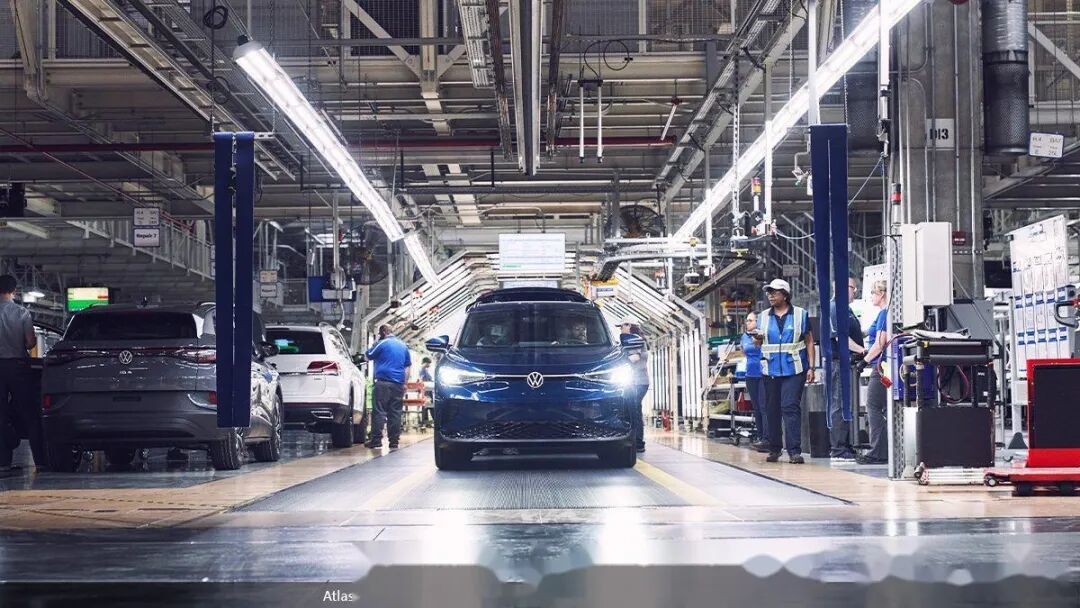
Photo | Volkswagen Group is the only one among the established giants to build a systematic pure - electric product matrix. Although its ID. series has achieved a certain sales volume, its overall strength is insufficient to establish a stable position in markets outside Europe due to the drag of intelligence.
The dilemma of European automakers stems from their lack of effective countermeasures against China's overwhelming advantages in battery supply chains and intelligent cockpit technologies. In the era of "software - defined vehicles", they are still paying high maintenance costs for the glory of the internal - combustion engine era.
In the face of the rolling tide, those who do not advance will retreat. The awakening of Japanese automakers is particularly slow and costly.
According to the 2026 fiscal - year financial report released on March 12th this year, while maintaining the total sales volume at the same level as the previous year, which was 21.1 trillion yen, it is expected to incur a loss between 420 billion and 690 billion yen (approximately US$2.68 - 4.4 billion). However, the annual financial - report loss only shows a part of the total loss. The total loss of Honda in its electric - vehicle strategy amounts to 2.5 trillion yen (nearly US$16 billion).
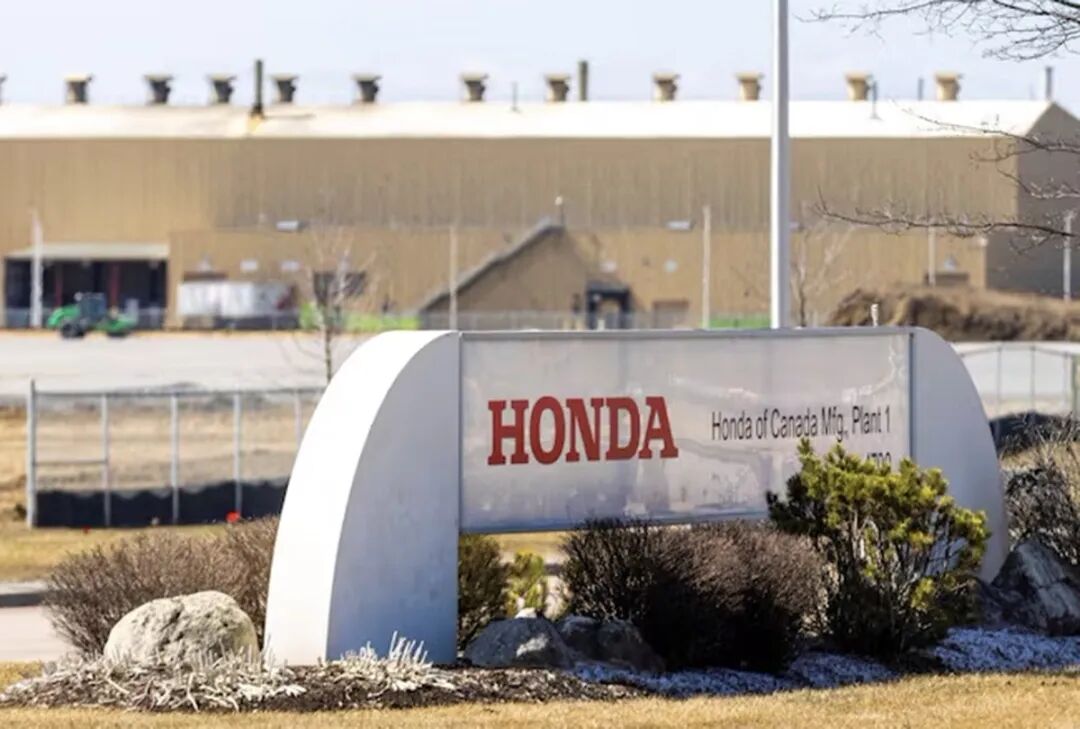
In addition to the huge loss of C$15 billion (nearly US$11 billion) caused by freezing and subsequently canceling the Canadian project mentioned above, there are also losses caused by the forced cancellation of three pure - electric vehicle models that had completed the R & D plan and were to be launched in the US.
All these financial bombs detonated since this year may have different occurrence dates and time spans, but they can basically be summarized as the financial costs paid by the above - mentioned six major European, American, and Japanese giants (BMW has no obvious relevant losses) for electrification, with a total of more than US$77 billion. And if the marginal costs are calculated, the total amount will surely far exceed hundreds of billions of dollars. This is the cruel reality of the global automotive industry's power restructuring.
02
Those who are hesitant, muddle - along, and feign sleep
The complete disadvantage of the established European, American, and Japanese automakers in this "all - around defeat" is almost entirely self - inflicted.
First of all, it must be clear that the origin of this transformation lies in the systematic "emission - reduction" policies planned by the European Parliament for various reasons, especially the ban on internal - combustion engine vehicles in 2035. Although in addition to the absolutely correct reasons, the attached intention is to establish the long - term technological advantages of the European automotive and even the entire manufacturing industry in the future.
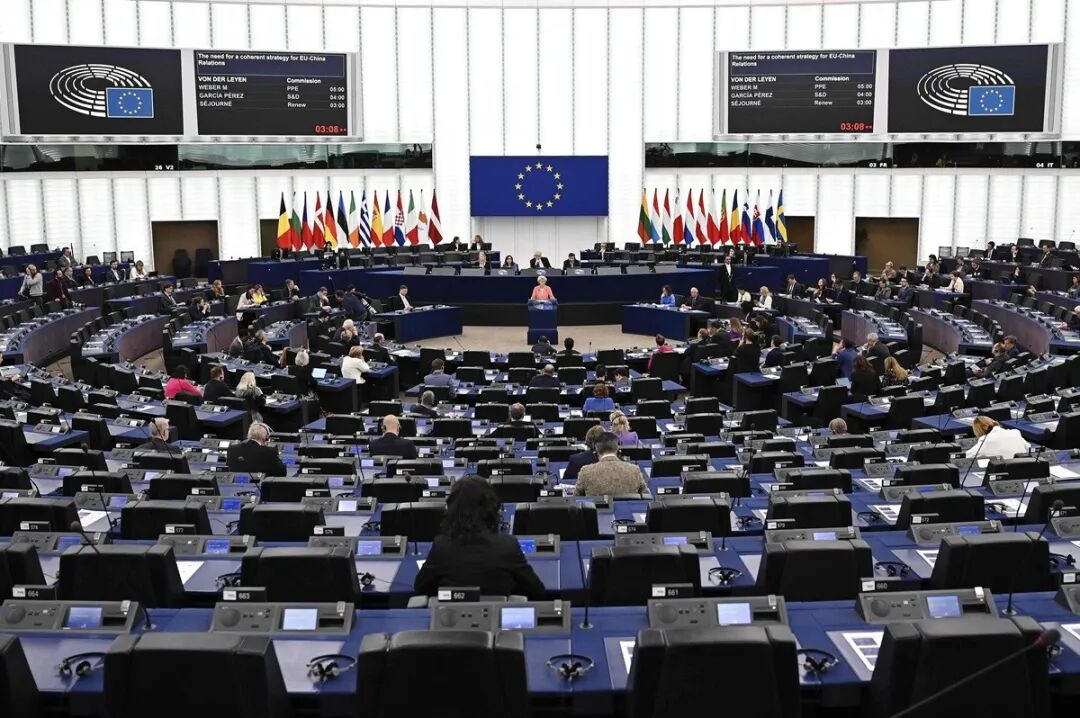
Photo | From the perspective of the Chinese people, this is a makeshift group full of mediocre officials, but it happens to have great power.
Almost all European traditional automakers are in a passive and negative attitude during the transformation. They are completely reluctant to give up the fuel technologies they have invested huge amounts of money in for decades.
And the mindset precisely determines the willingness and participation. In addition, the overly loose system in Europe means that although it was the first to propose the initiative and used its media influence to promote the change, it lacks the overall industrial planning ability, and there is no talk of overall strategic planning in the industrial cooperation between countries.
In fact, up to now, the European new - energy vehicle system still cannot form a closed - loop in key systems such as power batteries. It is also unable to compete with the Chinese new - energy army and Tesla in terms of large - scale mass production and software - defined vehicle capabilities.
Currently, European enterprises are faced with a profound dilemma -
If they do not transform, the huge internal - combustion engine empire will collapse instantly; but if they blindly transform, they will face the siege of Chinese automakers and Tesla and the risk of technological dimensionality reduction. Under such a dilemma, Europe has actually chosen a third option: delaying the implementation of emission policies and trying to build trade barriers again. It has to be said that this is extremely ridiculous.
Compared with the mediocre officials in old Europe, the electrification path of the Big Three in Detroit (General Motors, Ford, and Stellantis) is full of a strong flavor of "speculation".
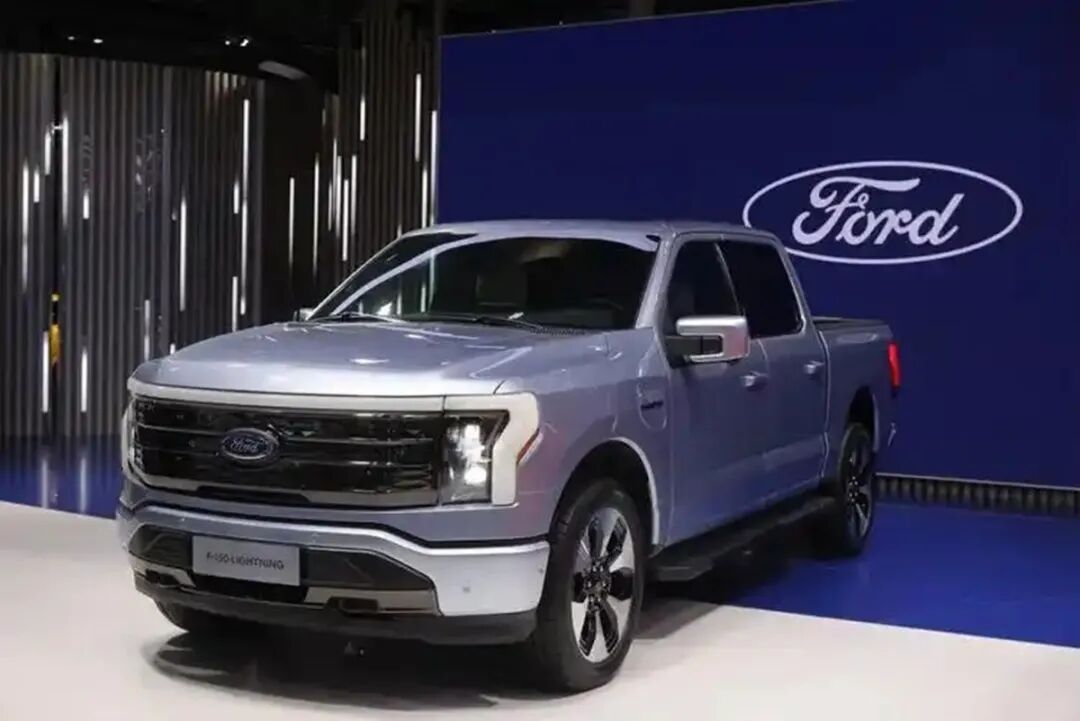
Photo | The electric F - 150 Raptor was highly anticipated, but the market response was not very good.
During the rise of Tesla, these companies have often tried to hinder Elon Musk. Since 2022, the active electrification of General Motors and Ford has a strong flavor of meeting the emission standards of the California Air Resources Board (CARB) and enjoying the federal government's tax - credit policies.
Once the policy direction is reversed, for example, in 2025, when the new US government raised the subsidy threshold, relaxed fuel - economy indicators, and effectively abolished the Inflation Reduction Act, Ford and General Motors immediately tore off the disguise of pure - electric vehicles, significantly reduced the budget for electric - vehicle business, and turned to embrace profitable fuel vehicles and pickups.
If American companies are speculating, then Japanese automakers are simply "feigning sleep".
Japanese companies are indulged in the market dividends brought by small - displacement economy cars and HEV technologies decades ago and are reluctant to let go of the sunk costs of hydrogen - energy technologies in the new - energy route. It was not until the past two years, in the face of the sharp decline in sales in the Chinese market and the rapid erosion of their global market share by Tesla and Chinese brands, that giants such as Toyota and Honda were forced to significantly increase their electrification budgets at the cost of worsening their financial statements, using the profits from the fuel - vehicle market.

Photo | It's very likely that Honda's president, Toshihiro Mibe, will have to take the blame for the company's mess - but it's just taking the blame and won't help solve the problem at all.
However, this step came too late, and the technological gap between them and their Chinese competitors and Tesla has actually been formed. Among them, Honda's actions are particularly "eye - catching".
Toshihiro Mibe's misjudgment of electric vehicles has made Honda the laggard in new - energy development among the three major Japanese automakers. Its pure - electric models based on the