Multinationale Automobilkonzerne scheitern bei der Elektromobilität, und die Verluste haben bereits über 100 Milliarden US-Dollar erreicht.
According to reports from Japanese mainstream media such as Kyodo News on May 6 and subsequent extensive coverage by Xinhua News Agency and major Chinese financial media the next day, Honda has decided to indefinitely freeze its large - scale project for manufacturing electric vehicles and batteries worth C$15 billion (about US$11 billion) due to weak demand in the US market and the company's significant losses.
This is already another serious financial loss for Honda, which was once celebrated as a representative of the "conservative faction" among Japanese automotive giants. Since it was announced in March this year that the company had to accept a significant net loss in the latest fiscal year, this loss will surely severely affect Honda's future market value and medium - and long - term business prospects.
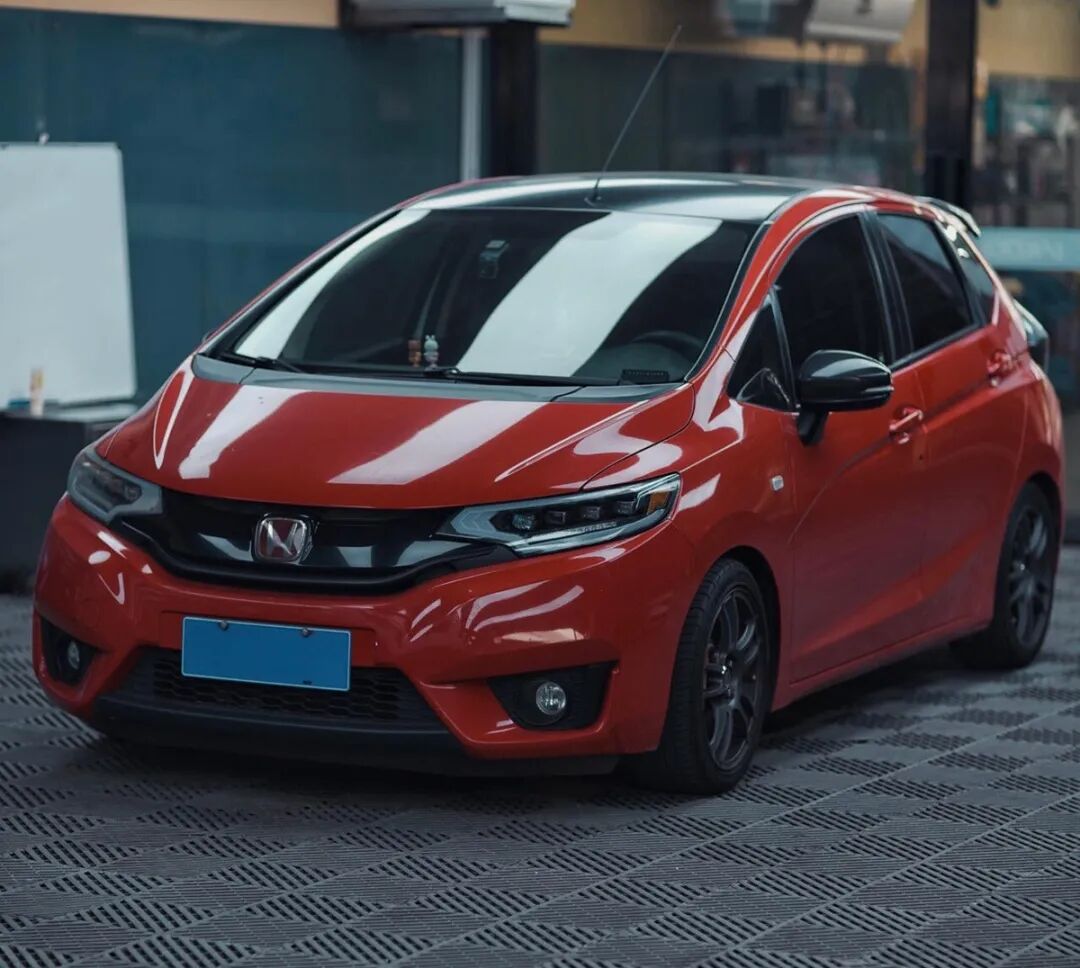
Image | Honda also had times of great success in China, but even this once "mythical car" has now disappeared from the market.
In fact, Honda is not an isolated case. Since the end of 2025, Ford has dissolved its battery joint - venture, General Motors has ended a once - promising project for pure electric delivery vehicles, and Volkswagen and Mercedes - Benz have each made write - offs worth billions of euros due to high investments in electric mobility R & D. Since the beginning of the year, automotive companies from Europe, the US, and Japan have successively triggered a wave of "strategic slowdowns" and financial disasters.
The loss of hundreds of billions of US dollars has completely exposed the rigidity of the underlying logic of traditional giants in the transition to the new industry. And this is in stark contrast to the just - ended Beijing Auto Show -
While on the other side of the ocean everything is in ruins, the Chinese market is in full swing. Foreign visitors and exhibitors are moving back and forth in the new National Exhibition Center west of the capital airport. The impressive scene of the 2021 Shanghai Auto Show has repeated itself in the Chinese capital after five years.
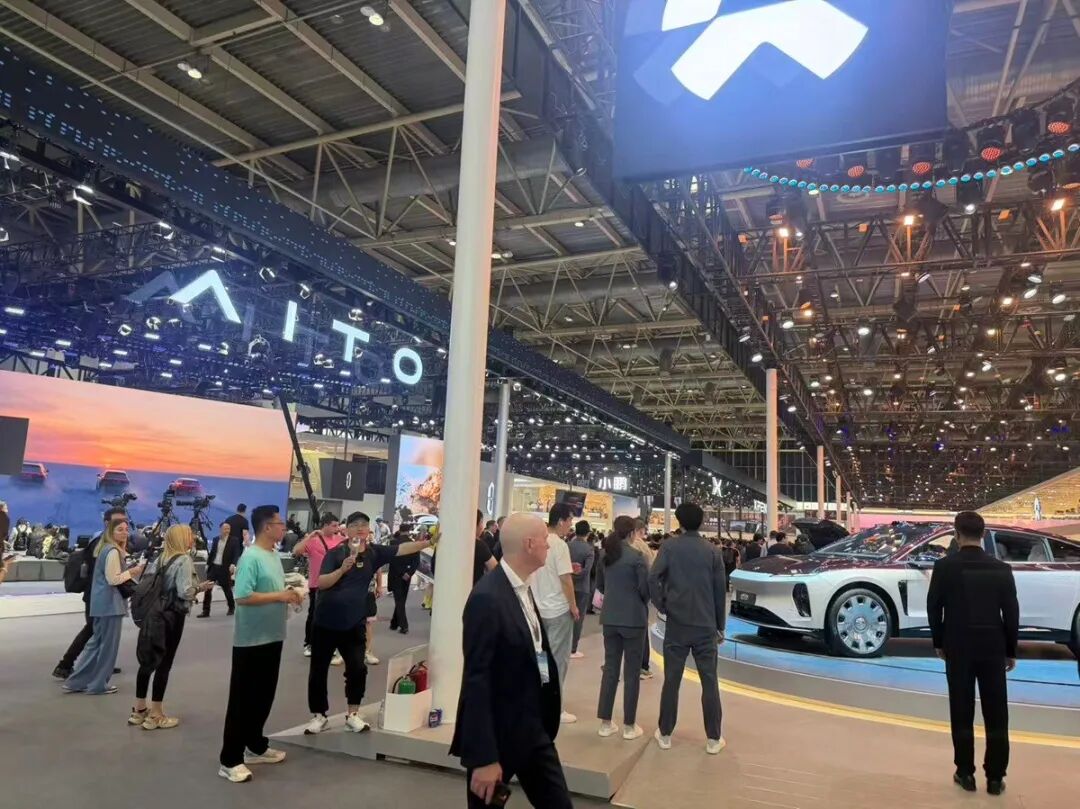
While foreign traditional companies are still struggling with how to not damage their huge assets from the combustion - engine era and at the same time switch to the electric mobility industry, the Chinese electric mobility legion has gradually built a technological wall on its own home market, where foreign brands once dominated, with its excellent supply chain and intelligent driving experience.
This is not a random market fluctuation, but an unprecedented restructuring of industrial policy.
01
Behind the "strategic slowdown" lies a loss of billions of US dollars
Throughout 2025, the global automotive industry has experienced an unprecedented financial "clean - up" under the wave of electric mobility.
This movement, which the industry calls an "epic" strategic retreat maneuver, is not a random market fluctuation, but a "financial minefield" triggered by traditional automotive giants in the transition to electric mobility due to strategic misjudgments, path dependencies, and fierce competition.
Stellantis is undoubtedly the company with the largest visible losses in this endless "minefield".
Image | The name Stellantis is supposed to symbolize starlight, but with the decline of the company's performance, it now has more of the tone of a losers' alliance.
This world's fourth - largest automotive group, formed by the merger of Fiat Chrysler and PSA, surprisingly announced at the beginning of 2026 that it would record reorganization costs of €22.2 billion (about US$26 billion). This market - shocking step is based on the complete halt of the production of pure electric pickups, the divestment from a battery joint - venture, and the postponement of several investment plans for electric vehicles.
The once - promising attack on the electric mobility market in North America has failed due to high costs, a complex supply chain, and fluctuating US policies. The huge write - offs have, like a sudden snowstorm, eaten up the company's book profits in a very short time and exposed the serious liquidity stress after aggressive growth.
The downfall of the "Big Three" from Detroit is also shocking.
Ford was forced to restructure its electric mobility department at the end of 2025, dissolve its battery joint - venture with South Korea's SK On, and reduce the R & D of several electric models, which caused write - off losses of about US$19.5 billion.
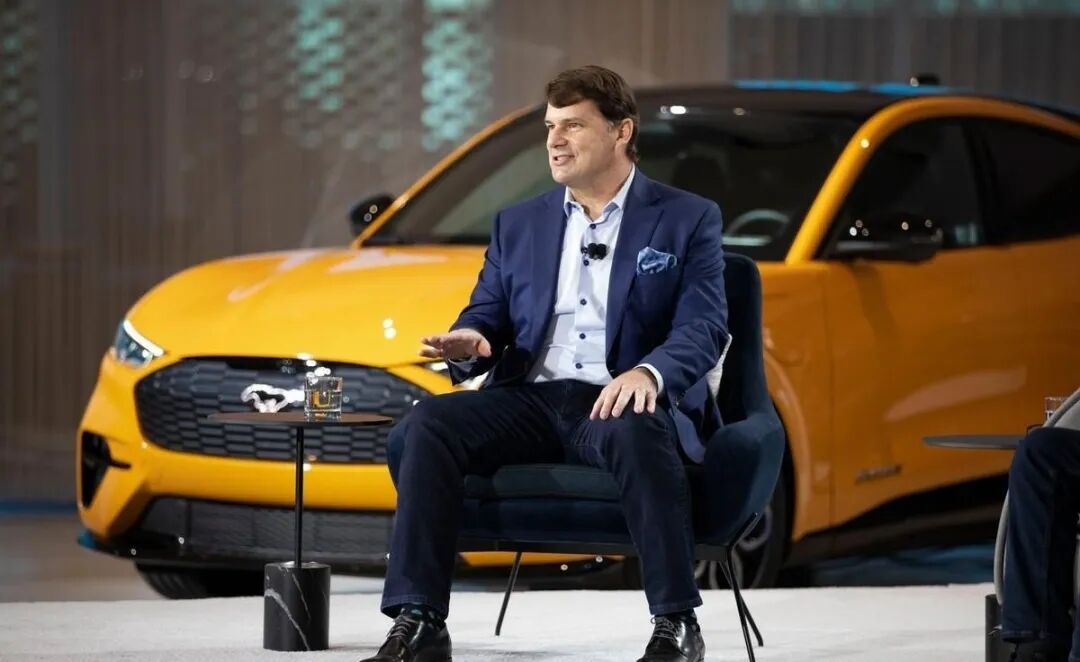
Image | "The entry of Chinese cars into the US market would destroy the US industry!" Ford CEO Jim Farley recently said something similar on a TV show. The reasons are probably obvious here.
Unfortunately, General Motors was not spared either. In its annual report at the beginning of 2026, the company had to admit that it would record one - time expenses of US$7.6 billion due to the reduction of its electric mobility business and the end of the BrightDrop electric delivery vehicle project.
The "braking" of these two century - old companies is not just a simple financial reduction, but a helpless compromise in the face of the wavering industrial policy of US politicians.
At the end of 2024, when Donald Trump "returned like a lightning bolt", when the subsidy advantages of the Inflation Reduction Act faded, and when the Trump administration loosened emission regulations again, due to the profit - oriented nature of capital, the companies unhesitatingly abandoned their unprofitable electric mobility businesses and instead turned to the lucrative combustion - engine pickups and SUVs.

Image | The rapid change of policy is the biggest risk in the US market.
Across the Atlantic, European traditional companies are also in a dead - end in the field of electric mobility.
The Volkswagen Group had a heavy reckoning at its annual report presentation in March this year. Due to the write - off of Porsche's goodwill and the strategic adjustment of the product line, it recorded special losses of €5.9 billion in its 2025 annual report. Mercedes - Benz paid €1.6 billion in reorganization costs for the former CEO Ola Källenius' aggressive "full electric mobility" strategy and was forced to change the strategy and return to the "parallel development of combustion engines and electric motors".
Even the relatively conservative BMW, although it did not make any direct large - scale write - offs in 2025, it can be seen from its annual report that the cumulative investments in electric mobility in recent years total several billion euros, but these investments could not be translated into impressive market performance, which in turn represents a huge financial burden.
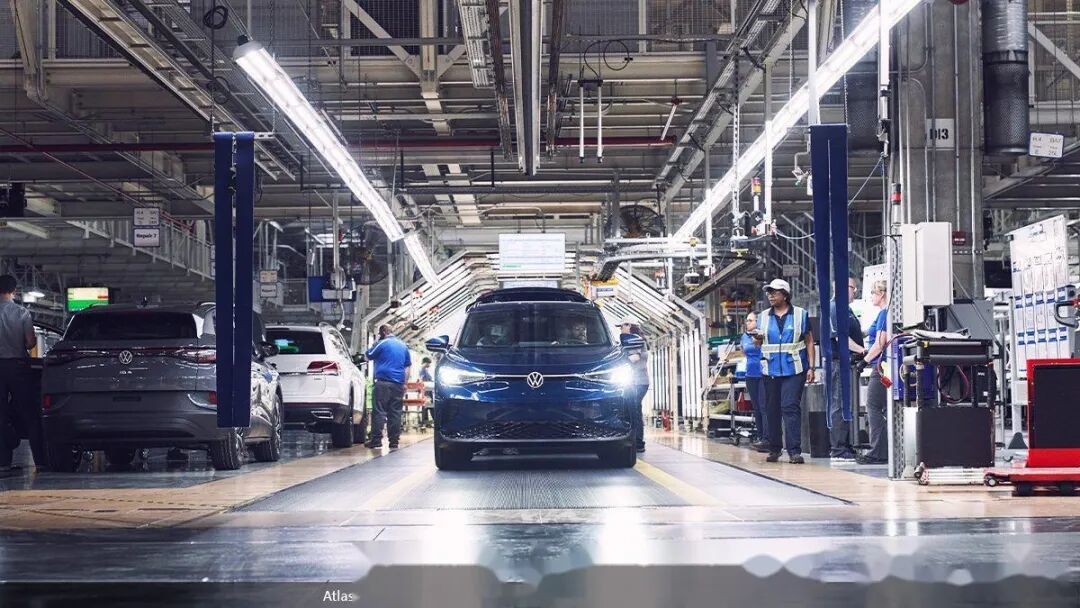
Image | The Volkswagen Group is the only company among the old giants that has built an integrated portfolio of pure electric models. Although the ID series has achieved a certain sales volume, the overall performance is not sufficient to gain a firm position in markets outside Europe due to weaknesses in intelligence.
The difficulties of European automotive companies stem from their inability to deal with China's outstanding position in the battery supply chain and intelligent cockpit technology. In the era of the "software - defined vehicle", they are still paying a high price for maintaining their success from the combustion - engine era.
In the rapid development of electric mobility, Japanese automotive companies have woken up late and at a high price.
The annual report for the fiscal year 2026, released on March 12, shows that with a total sales of 21.1 trillion yen, which is at the same level as the previous year, a loss between 420 and 690 billion yen (about US$2.68 to 4.4 billion) is expected. But the annual loss in the report only shows part of the total loss. The total loss of Honda in its electric mobility strategy amounts to 2.5 trillion yen (nearly US$16 billion).

Besides the already - mentioned loss of C$15 billion (nearly US$11 billion) from freezing and later canceling the Canadian project, the loss from canceling three already - developed pure electric models in the US also accounts for a significant portion of these huge losses.
All these financial mines that have exploded since the beginning of the year have different dates and time periods, but in essence, they can be summarized as the financial costs that the six major automotive groups from Europe, the US, and Japan (BMW has no visible losses) have spent on electric mobility. The sum of these costs has already exceeded the mark of US$77 billion. If marginal costs are considered, the total number will surely be far over US$100 billion. And this is the harsh reality of the restructuring of the global automotive industry.
02
Those who worry, the dreamers, and those who want to sleep
The fact that traditional automotive companies from Europe, the US, and Japan have fallen into a completely inferior position in this "all - or - nothing situation" is almost entirely their own fault.
First of all, it must be clear that the origin of this transition lies in the systematic "emission reduction" policy developed by the European Parliament for various reasons, especially the ban on combustion engines from 2035. Although this policy, in addition to absolutely correct reasons, also aims to ensure the future medium - and long - term technological superiority of the European automotive and even the entire manufacturing industry.

Image | From a Chinese perspective, this is an incompetent group, but it still has a lot of power.
Almost all European traditional automotive companies behave passively and negatively in the transition. They are not at all willing to give up the billions of euros invested in combustion - engine technology in the past decades.
And attitude determines willingness and participation. Moreover, the European system is too loose. Although Europe took the initiative first and promoted the change with its media influence, it lacks the ability for holistic industrial planning. There is even less industrial cooperation between countries, let alone holistic strategic planning.
In fact, the European electric mobility system still cannot form a closed loop in key areas such as battery technology. In terms of mass production and the ability of the software - defined vehicle, it cannot compete with the Chinese electric mobility legion and Tesla.
Currently, European companies are facing a difficult decision -
If they do not make the transition, the huge combustion - engine empire will collapse immediately.