Biosphere Shock: A post-2000s guy completed genome sequencing in his living room, shattering the $2.7 billion barrier.
Today, the entire internet has been flooded with the story of this post - 2000s young man!
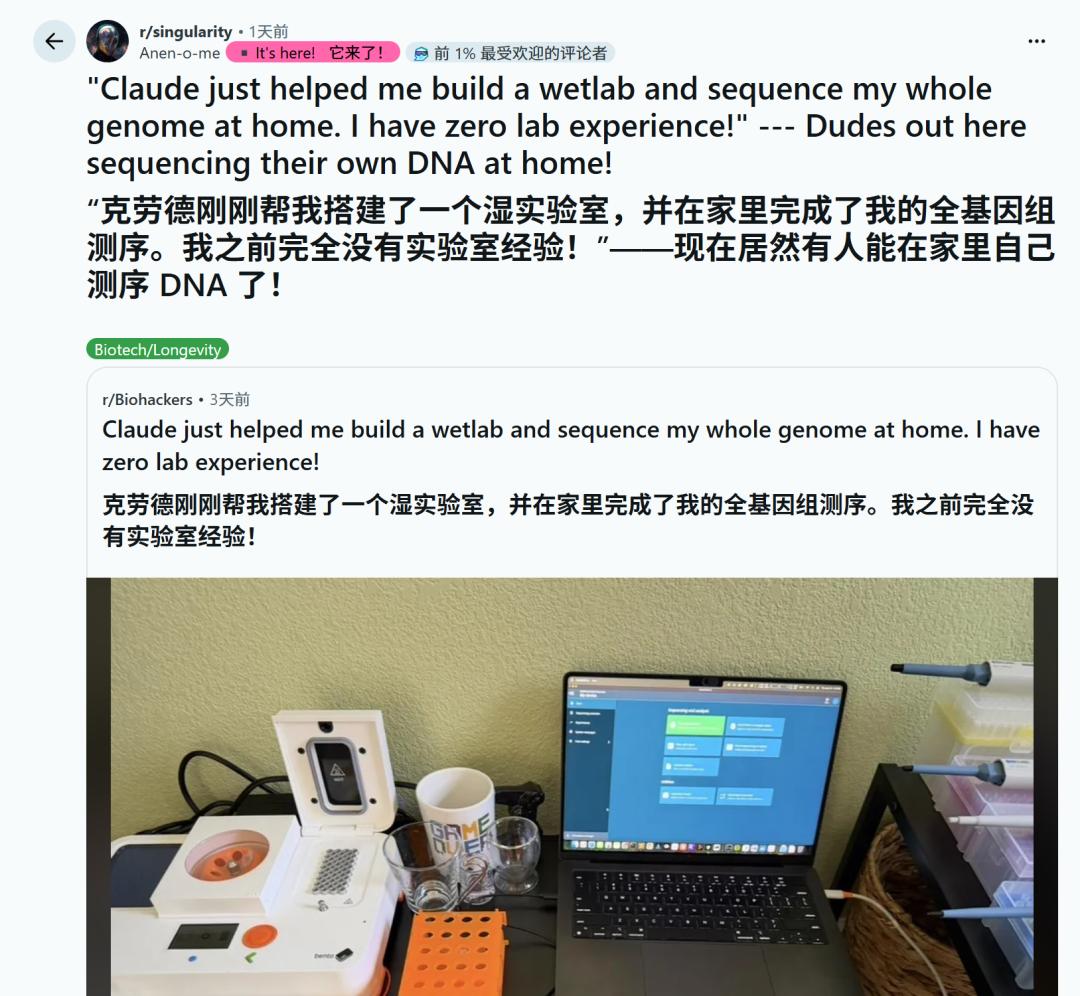
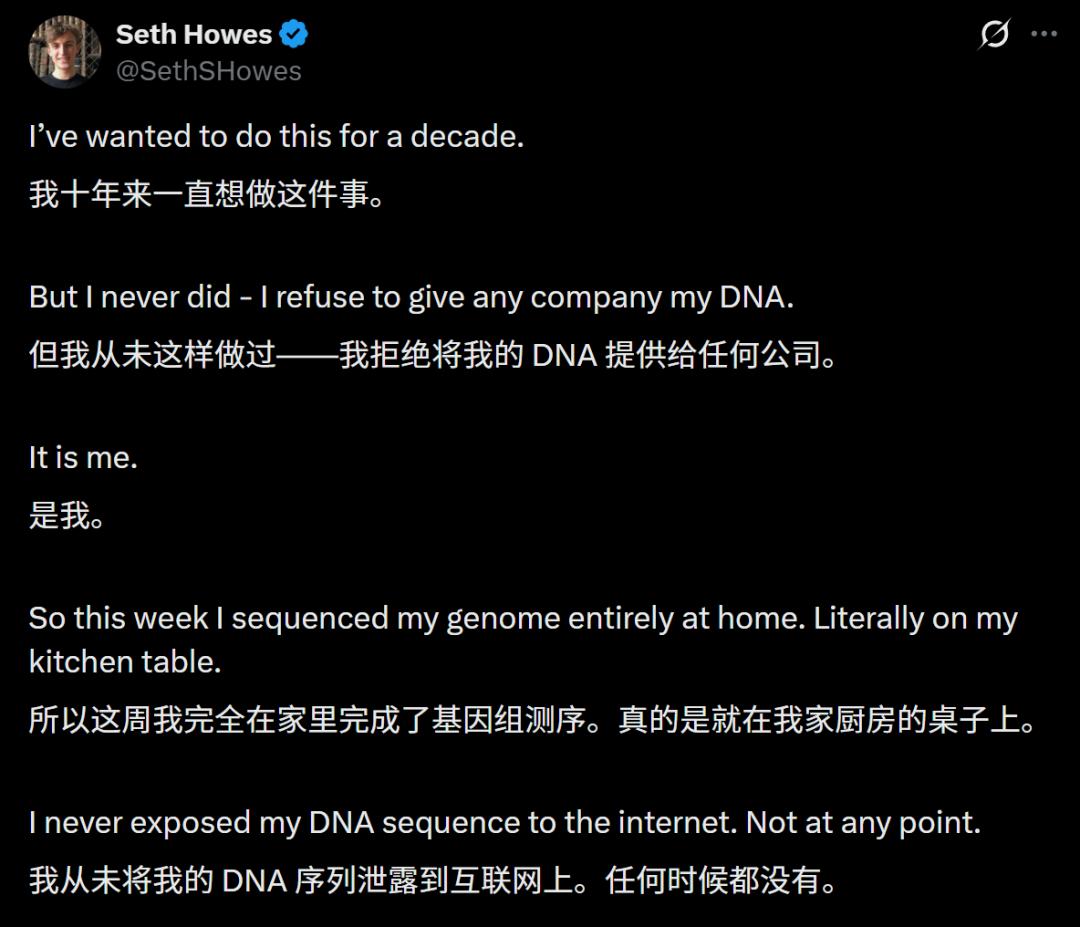
This netizen named Seth Howes used a portable sequencer and Claude to independently complete a full - scale genome sequencing in his living room. Moreover, he successfully traced the pathogenic mechanism of multi - generational autoimmune diseases in his family.
These problems have left countless clinical doctors helpless.
Previously, no clinical doctor could explain these mechanisms. After seeing doctors for more than a decade and visiting numerous hospitals, the answer was finally found in his own living room.
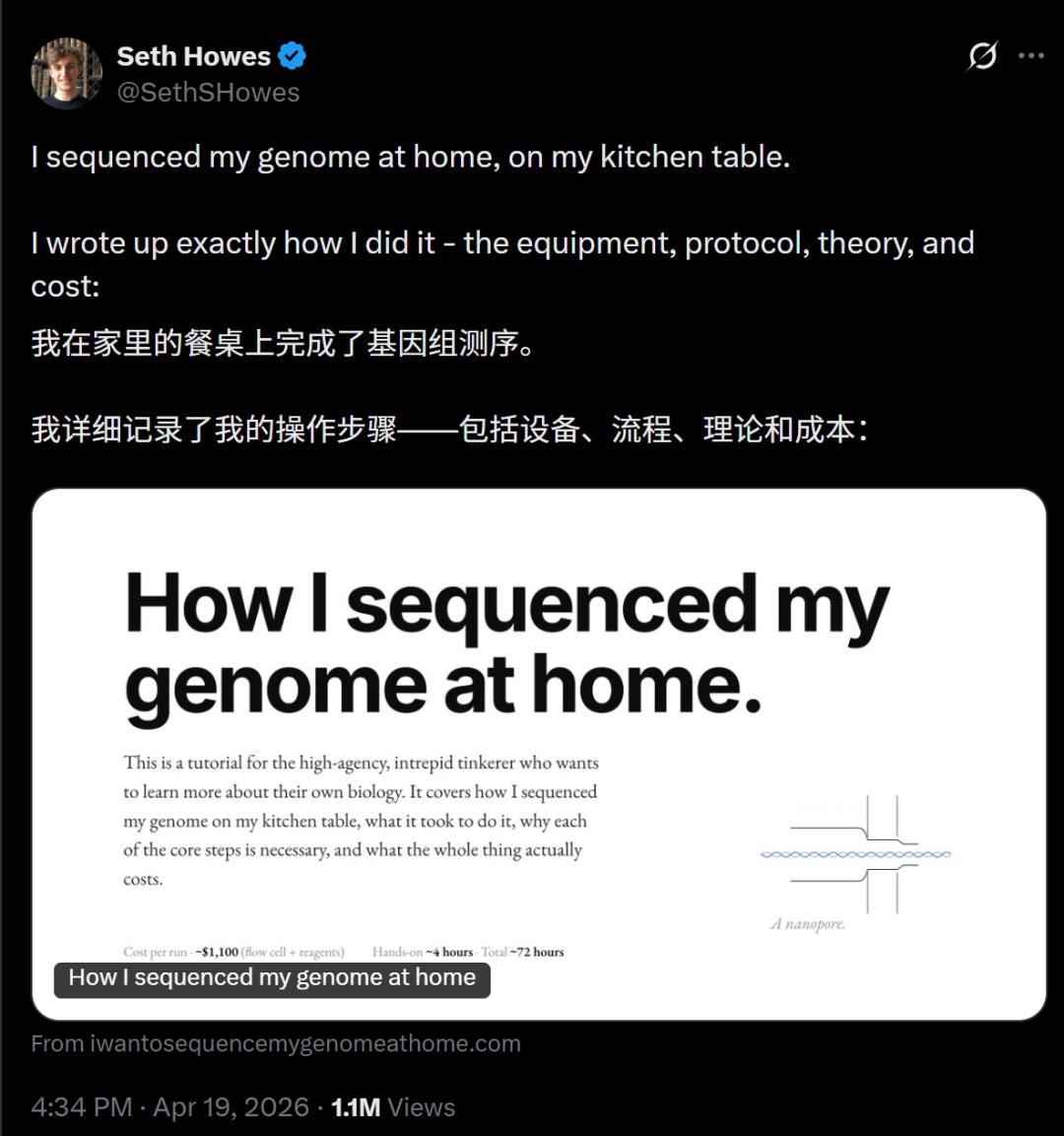
This experiment is so shocking that the biotechnology circle is now in an uproar!
The Claude large - model has actually transformed gene sequencing from a capital - intensive activity into a personal tool.
The location of biological research is no longer an expensive machine in a top - tier laboratory or a public platform in a medical school, but one's own living room!
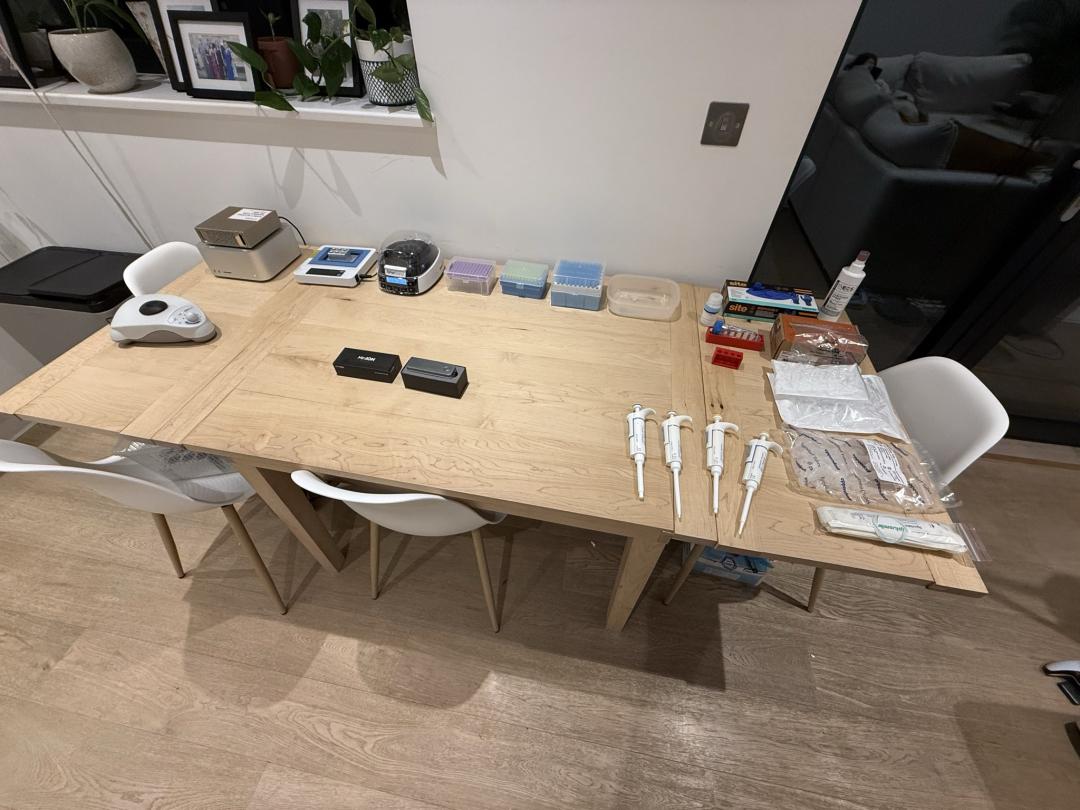
The laboratory on the table includes a heating module, a vortex oscillator, a mini - centrifuge, a pipette, and a MinION.
Now, this post has gone viral across the internet.
People who have been doing experiments in the laboratory for a decade sighed: You are so professional.
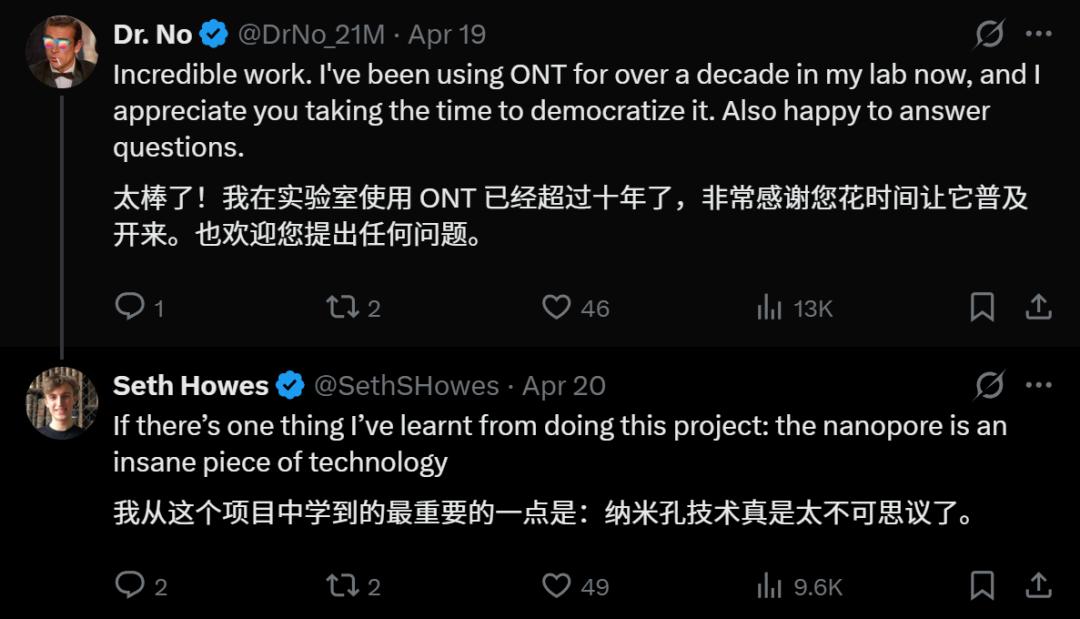
People doing genetic research all say that this genome sequencing project fits their research scope.

A patient with a tumor said that this experiment is of great significance.

It can be said that this is a DIY practice that is enough to shock the entire biological circle: From now on, biological research has broken the institutional monopoly and completely entered the personal era!

He hopes to take back the decision - making power of life from illness
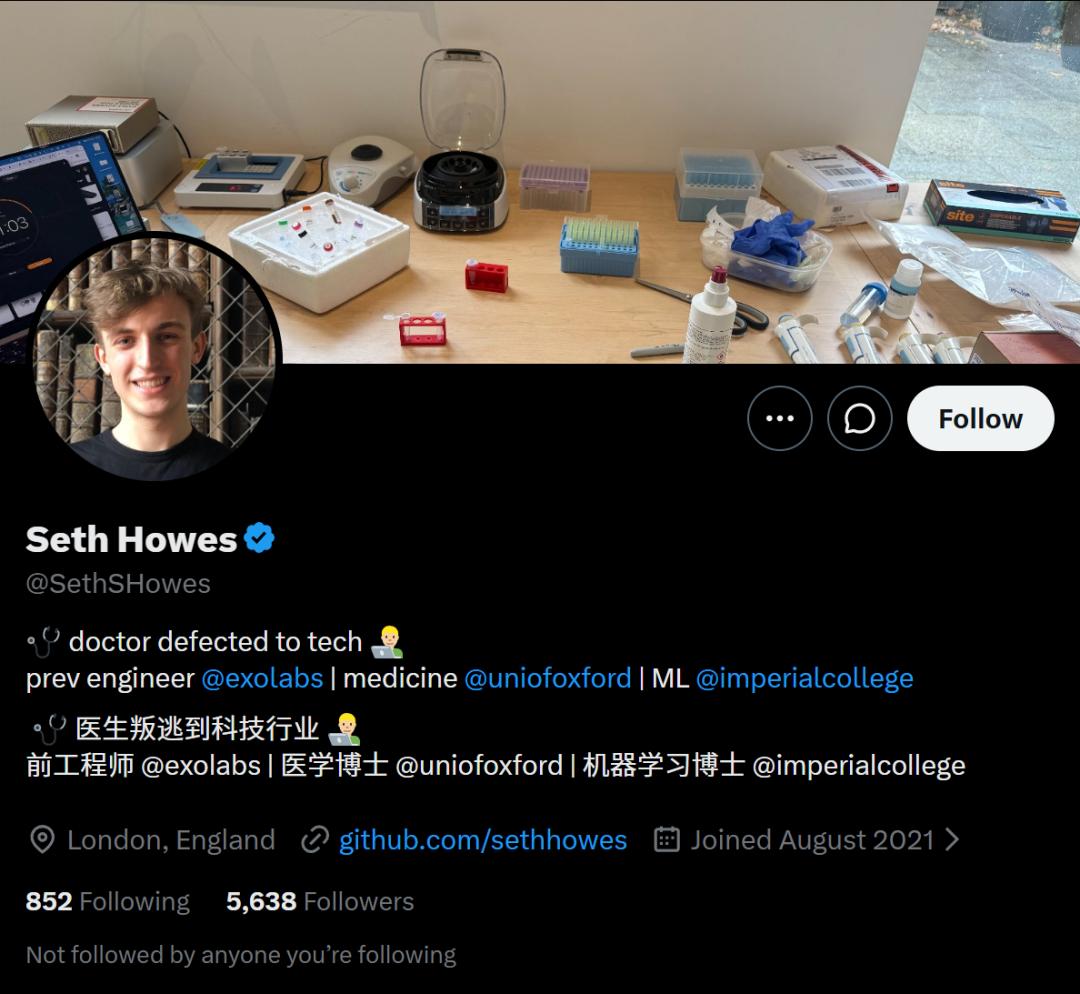
Seth Howes is a former engineer at exolabs, a medical doctor from Oxford, and a doctor of machine learning from Imperial College London.
Seth's research did not start from academic interest but from a heavy family genetic pressure.
His family has long been facing a high - risk of autoimmune diseases.
During his experiment, his sister, who was under 40 years old, suffered severe liver damage due to illness and had to wait for two years before finally getting a liver donor for surgery.

“I don't fantasize about curing the chronic diseases in my family, but I really want to figure out why our bodies keep attacking ourselves generation after generation?”
It is this curiosity about the underlying code of life, combined with the pursuit of data privacy, that prompted him to set up a “digital pharmacist” workstation in his living room.
After all, in his opinion, “Your most private data should not leave your house.”
Core black technology: Exponential support from AI
In the past, whole - genome sequencing was the exclusive right of large - scale laboratories, often costing hundreds of thousands of dollars.
The key to Seth's success this time lies in the support of three elements.
Hardware: The “gene reader” in your pocket
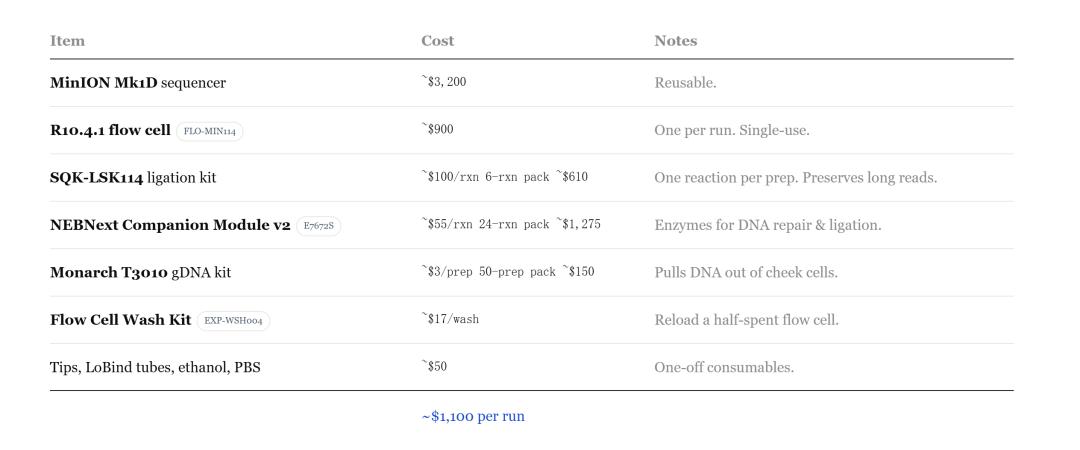
First, in terms of hardware, he used the Oxford Nanopore MinION sequencer.
This device is only the size of a USB flash drive and can read DNA sequences when plugged into a computer.
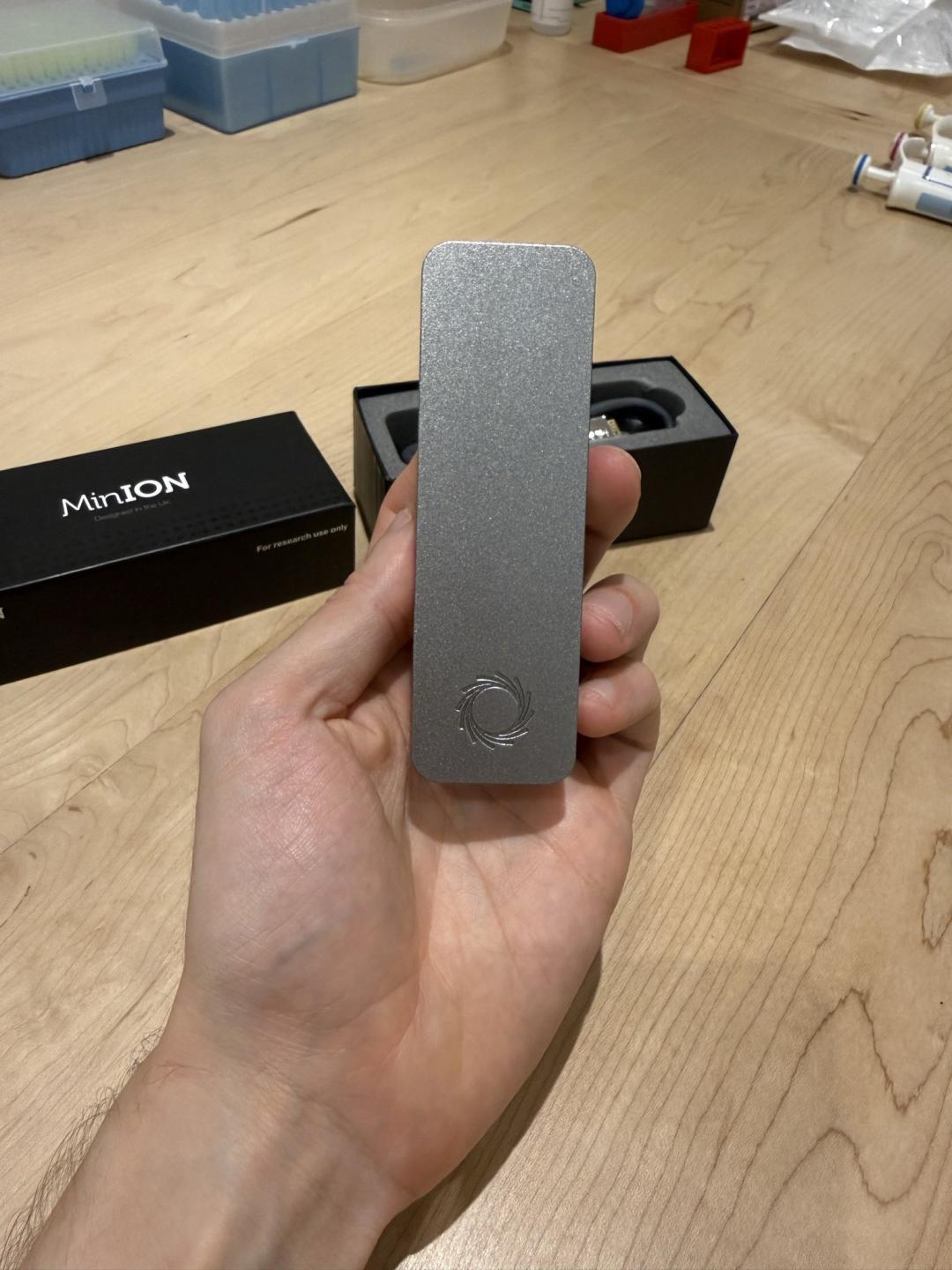
A few years ago, the same thing required an Illumina sequencer that filled an entire room, a professional team, and a six - figure budget.
Now, this device, which is only the size of a power bank, is filled with about 2000 nanopores (with a diameter of only 1 nanometer). When DNA fragments pass through these pores, the changes in micro - current are recorded and converted into genetic codes.
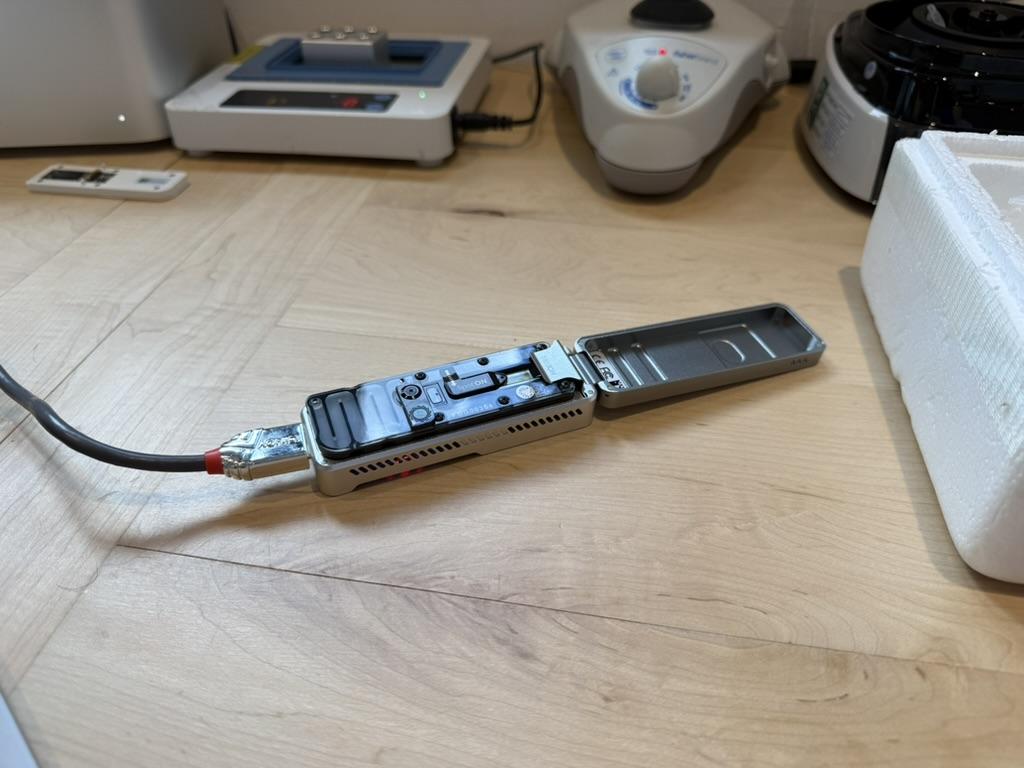
It has reduced the sequencing cost from hundreds of thousands of dollars to the level of $1000, and it may even drop to $100 in the future.
It can be said that MinION has transformed “reading DNA” from a capital - intensive behavior into a tool - based ability.
Just as 3D printers have moved “manufacturing” from factories to desktops, MinION has moved “sequencing” from laboratories to living rooms.
AI model: From “reading the code” to “understanding the function”
However, in the experiment, just reading the four bases A, T, C, and G is not enough.
When faced with the raw data of 3 billion base pairs, if you don't know what they mean, they are just a bunch of letters.
This is where AI comes in. In the experiment, two key models were used.
The first one is Evo2.
This is a genomic foundation model developed by the Arc Institute, with a parameter scale of 7 billion, and it was trained on the genomic data of more than 120,000 species worldwide. What it can do is: given a DNA sequence, it predicts the biological function of this sequence.
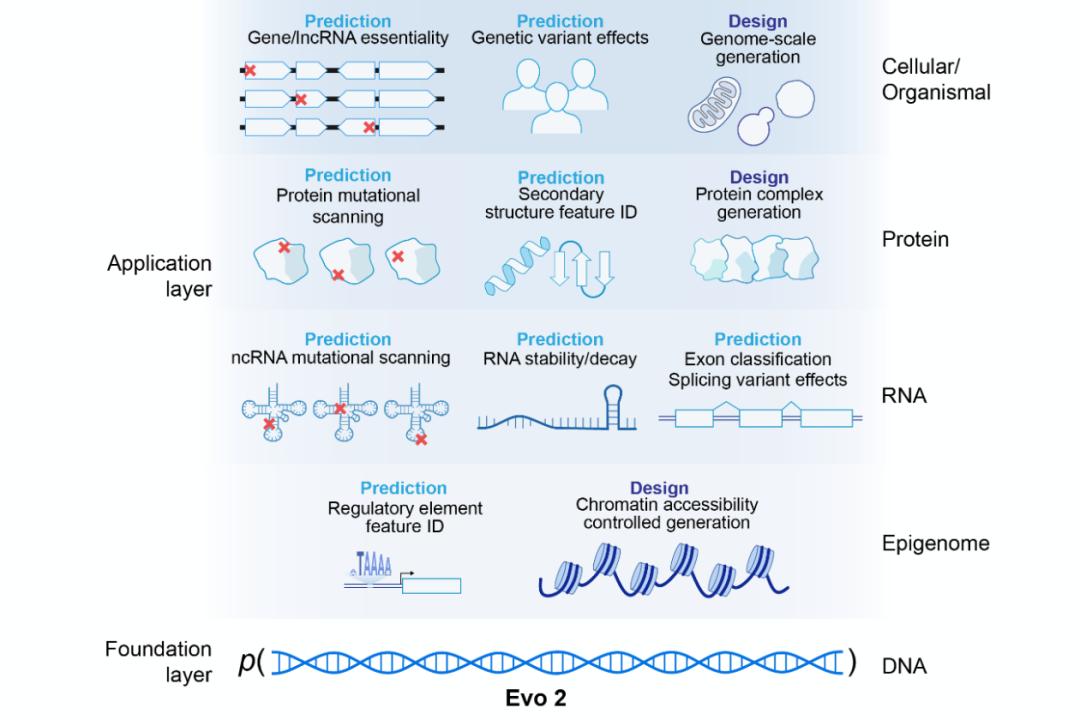
You must have realized - this is a biological version of GPT!
GPT understands human language, and Evo2 understands the language of life. The difference is that the “book” Evo2 reads is 3 billion letters long.
The second one is AlphaGenome.
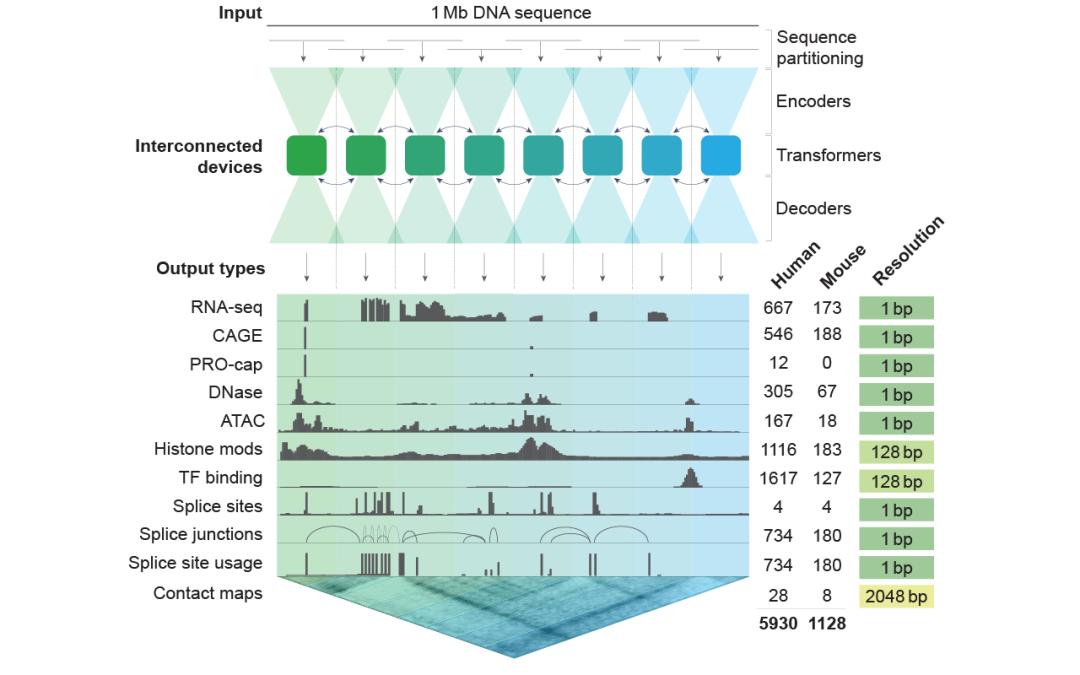
Produced by Google DeepMind, it is specifically for genomic function prediction. It doesn't just tell you “what protein this DNA encodes,” but can predict “what impact the mutation at this site will have on gene expression and chromatin structure.”
The leap from “reading DNA” to “understanding DNA function,” which used to take an entire molecular biology laboratory several months to verify, can now be achieved by a model running for a few hours.
Interface simplification: The large - model becomes the “laboratory assistant”
Speaking of this, the most unexpected detail in the whole thing is not the sequencer, nor the genomic model, but Claude.
Seth used Claude to generate a BED file during the operation.
The BED file is a standard data format in genomics, which records the coordinate information of specific regions on the genome. In the past, writing such a file required professional personnel with knowledge of bioinformatics to write manually or use special command - line tools.
Now, the way is: tell Claude in natural language “Help me generate a BED file covering these gene regions,” and it will generate it.
Biological operations have been taken over by the language interface.
The era of personal laboratories has arrived
Now, the civilianization of hardware (MinION), the exponential improvement of AI understanding ability (Evo2 + AlphaGenome), and the leveling of the operation threshold by the language interface (Claude) directly form a complete paradigm - shift chain.
Each link alone is not news. But when the three links are closed at the same time, something big happens!
A curious young man solved a mystery that clinical doctors couldn't solve for more than a decade in his own living room.
The impact of this event does not lie in how legendary Seth's personal story is, but in that it reveals an accelerating curve.
The downward trajectory of sequencing cost is even steeper than Moore's Law.
In 2003, the cost of completing a human whole - genome sequencing was $2.7 billion. In 2007, it dropped to $10 million. In 2014, it dropped to $1000. In 2024, some platforms can already do it for less than $200.
The next goal is $100.
The slope of this curve means that in the near future, the cost of sequencing your own genome may be lower than that of a full - body physical examination.
Many people's first reaction is: Isn't this just a geek's hobby project? Who among ordinary people would sequence their genome at home?
But think back to 2010. How many people thought that “ordinary people would use 3D printers at home”?
After each tool - chain closure, the window period from a geek toy to a mass application is shortening. This time, the window period may be even shorter because the driving force behind it is a rigid demand.
Record of the living - room experiment: How to “read” your own DNA at home?
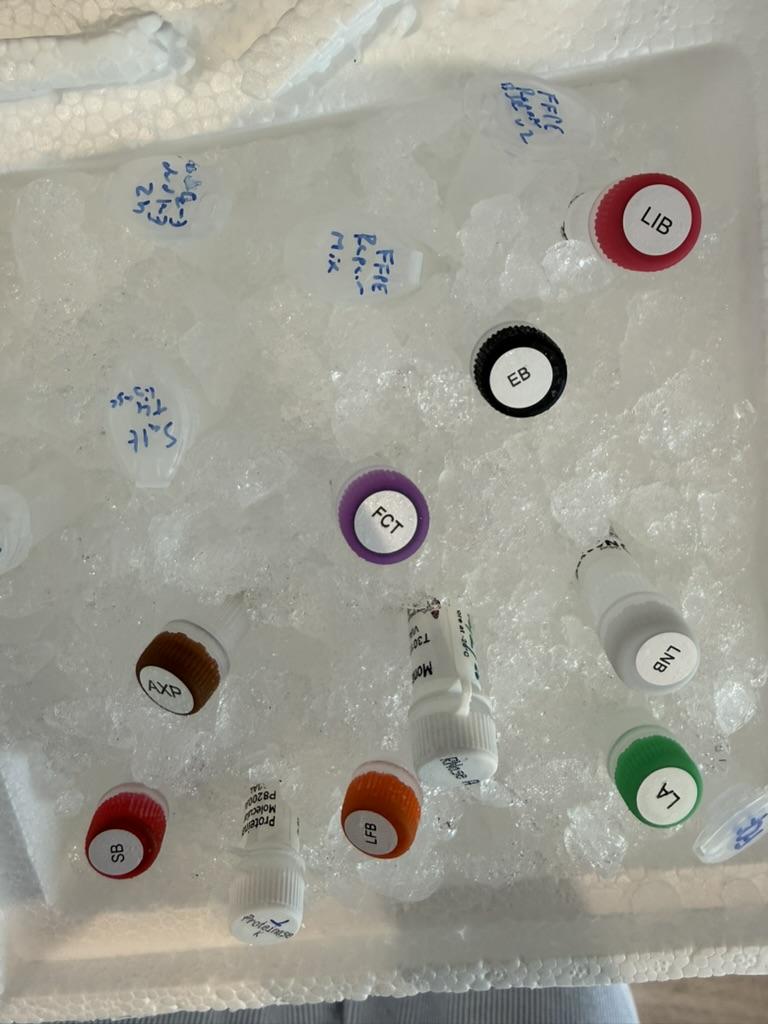
The complete operating procedures published by Seth show that, except for the precision pipette, many of his laboratory equipment came from second - hand items on eBay or AliExpress.
During the sample extraction stage, instead of taking a complex