Claude Token Ranking: Disney, the "Top Donor", 460,000 times in 9 days; Meta burns 60 trillion tokens a month.
Disney has recently done something "un-Disney-like".
It launched a dashboard on its intranet with a name so straightforward that it hardly seems like something from the company that produced Snow White - "AI Adoption Dashboard".
The dashboard scrolls three numbers: the frequency of each employee's AI calls, the number of requests, and the token consumption. Claude is the main object of tracking.
The real-time token consumption leaderboard ranks users by who burns the most tokens.
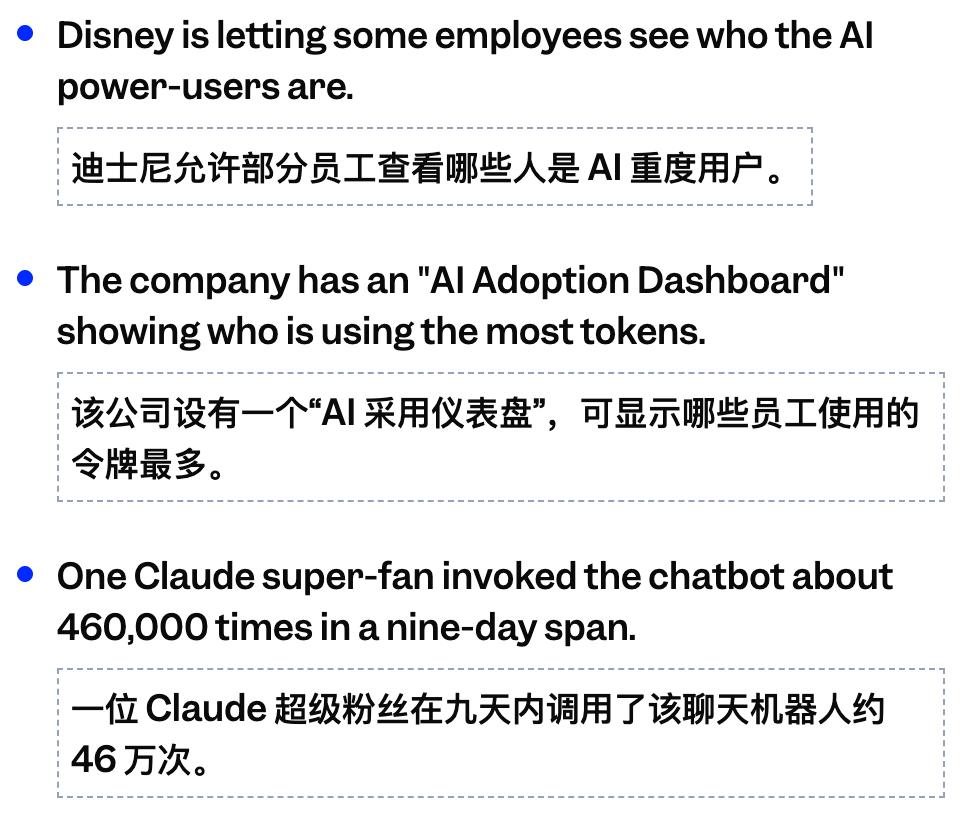
The most eye-catching line of data is like this -
One employee made approximately 460,000 calls to Claude in 9 working days.

On average, that's 51,000 times per day.
Once every 1.7 seconds.
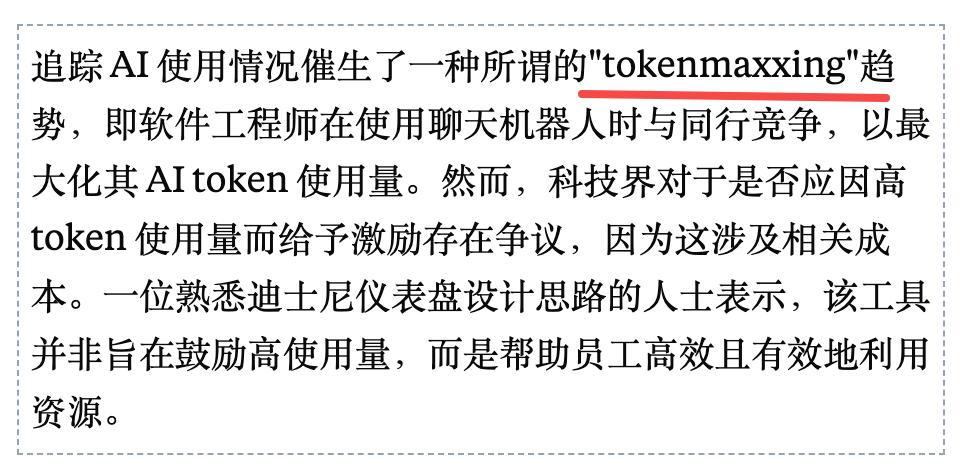
When Business Insider reported this number, Silicon Valley's first reaction wasn't shock but the emergence of a new term -
tokenmaxxing.
It means: max out the token usage, and whoever burns the most tokens is the "top spender" in the AI era.
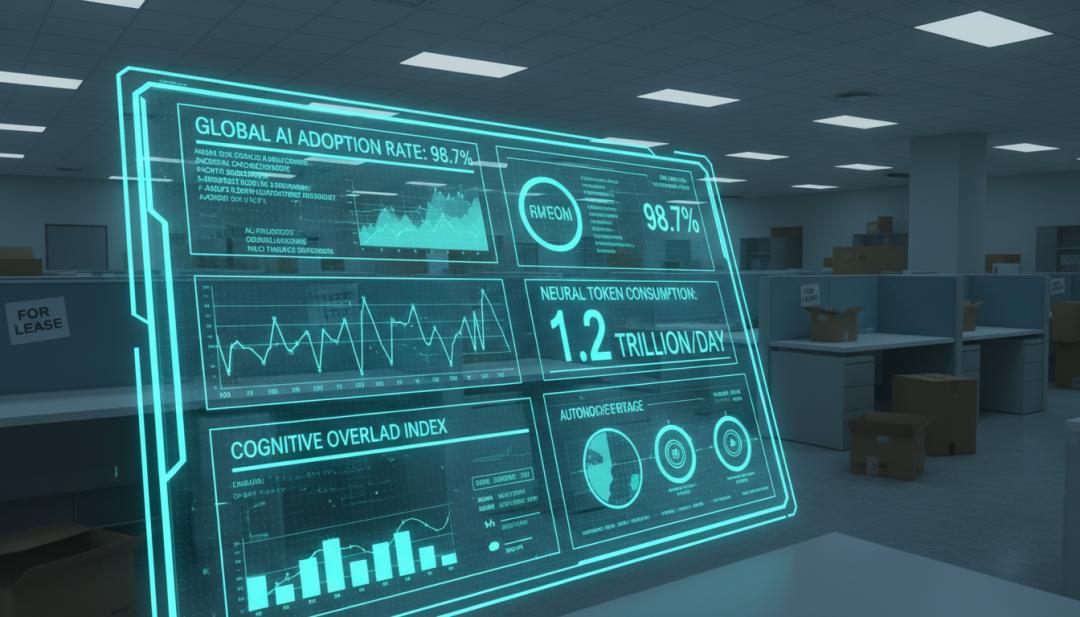
What's even more black-humorous is the context.
Just a few weeks ago, Disney's new CEO, Josh D'Amaro, approved a round of layoffs of 1,000 people, mainly in the marketing and brand departments. Even the entire public relations team of Marvel was axed.
While laying off 1,000 real people, they're increasing the quota for the AI leaderboard.
An employee left a message for Bridge Chronicle, saying, "They're celebrating now. Let's see how long it lasts."
The entire Silicon Valley is vying to be the top spender on Claude
But if you think this is just Disney being competitive, you're underestimating Silicon Valley.
Zooming out to the Bay Area, the entire Silicon Valley is into tokenmaxxing.
Meta's story is even more outrageous.
In early April 2026, a Meta employee created an internal tool and gave it a joking name, "Claudeonomics" - specifically to count the Claude token consumption of all 85,000 employees in the company.
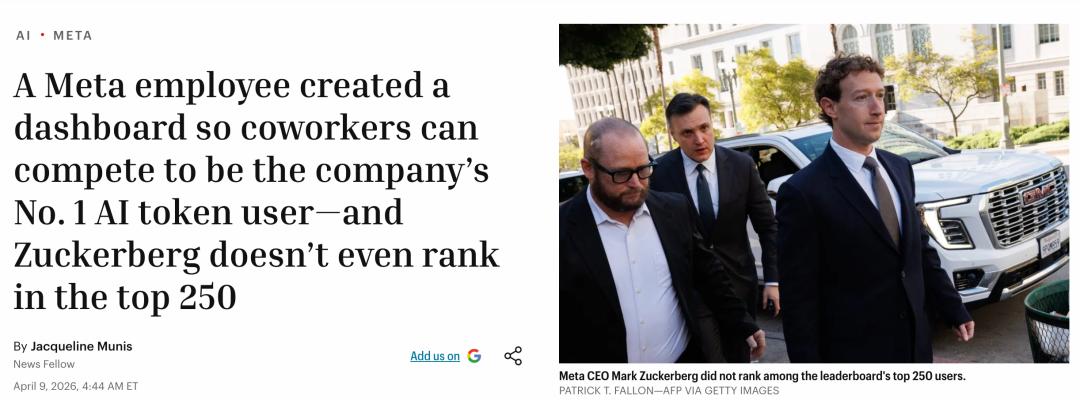
The day the data came out, the whole company was in an uproar.
Within 30 days, all Meta employees burned 60 trillion tokens - which, converted at the publicly available Claude API price, is about $9 billion.
The top individual burned 281 billion tokens in 30 days, worth about $1.4 million.
The funniest Easter egg is that Mark Zuckerberg himself didn't make it into the top 250.
Meta's CTO didn't either.
The two people in the company who shout the loudest about "AI first" can't even match the token consumption of an ordinary engineer.
48 hours after the news broke, Claudeonomics was shut down internally, citing "data leakage" as the reason.

But this term has spread from Meta's intranet to the entire Silicon Valley.
Uber is even more extreme. Its annual AI budget of $3.4 billion in 2026 was burned out in 4 months. The majority was spent on Claude Code.
Jensen Huang lent his support to the entire tokenmaxxing trend. He said at an event -
"If an engineer with a $500,000 annual salary doesn't burn $250,000 worth of tokens on AI tools, I'll be deeply worried."
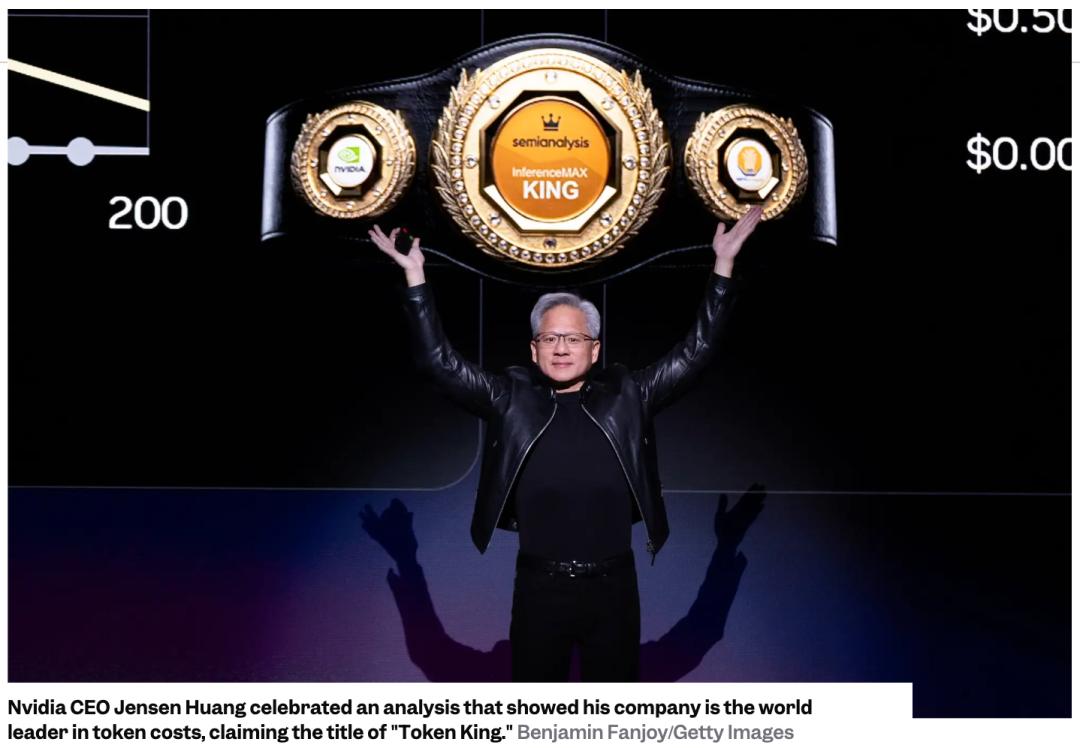
This statement quickly became the new creed in Silicon Valley in the spring of 2026.
The numbers at Anthropic are even more exaggerated.
In April 2026, its annualized revenue soared to $30 billion, surpassing OpenAI's $25 billion for the first time.
8 out of the Fortune 10 companies are Claude's customers.
The number of enterprise customers paying over $1 million annually has doubled from 500 two months ago to over 1,000.
All these point to the same conclusion - programmers are using Claude as a productivity tool with unprecedented intensity.
It's not just programmers using Claude
However! If you only focus on programmers, you're only seeing the tip of the iceberg.
The truth is - programmers are just a small part of Claude's users.
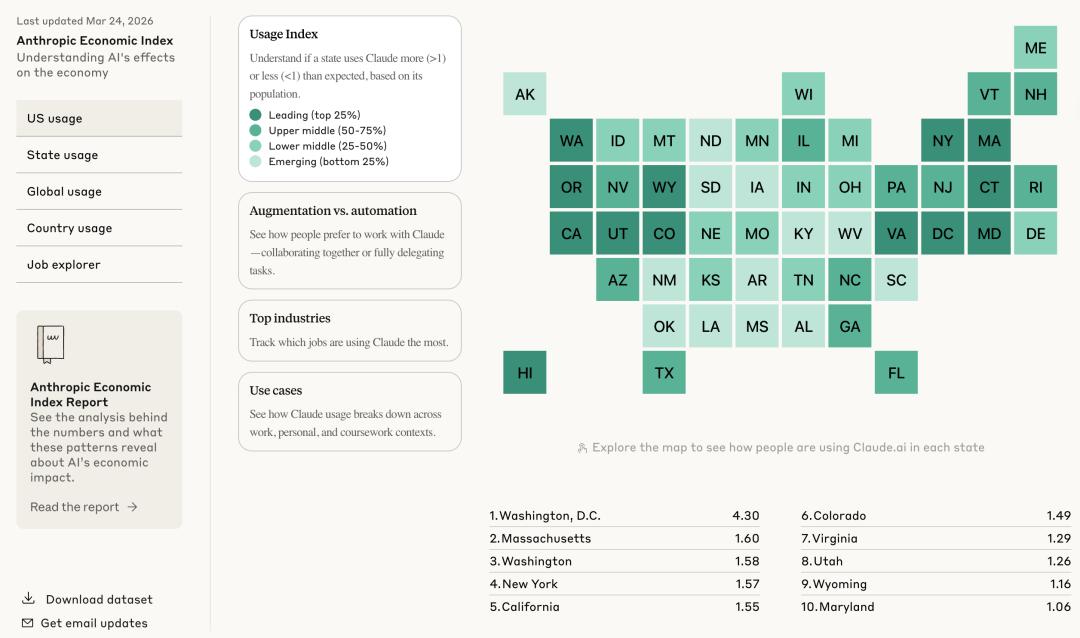
Anthropic released a report called "Anthropic Economic Index" to count what real Claude users are using it for.
The first report shows that software engineering is the largest single use, but the combined non-programmer uses such as education, writing, business strategy, customer service, and administration - already account for more than half.
In subsequent updates, the proportion of software engineering use has been slowly declining.
It's not because there are fewer programmers, but because more non-programmers are getting involved.
Who are these new users? Let's take a look one by one.
Lawyers
At 2 a.m. in a law firm building in New York.
Mergers and acquisitions lawyer Sarah is staring blankly at 300 pages of contract terms - the client will need to see the first draft in six hours.
She opens Claude, feeds the entire document into it, and asks it to run through tasks such as cross - referencing Chinese and English terms, marking risks, and summarizing key terms.
Two hours later, the first draft is ready. She finally gets to sleep for three hours.

This is the first M&A night since she joined A&O Shearman that she could sleep for a full three hours.
A&O Shearman - a global top - tier law firm formed by the merger of Allen&Overy and Shearman&Sterling - has deployed Claude to thousands of lawyers as part of the standard workflow. Other first - tier law firms are following suit.
Legal Tech platforms like Harvey and Lex also use Anthropic at the core.
"Reducing contract review time from 30 hours to 3 hours" - you must have heard this too many times in the past three years.
But in 2026, the reality is that law firm partners are no longer discussing whether to use AI. They're discussing whether to reject new hires who don't know how to use Claude.
Education
Anthropic has launched Claude for Education and established partnerships with several Ivy League universities in the United States.
But an even more interesting story is that university professors themselves are starting to use Claude for lesson preparation.
The real workflow of a certain Ivy League professor:
Every Sunday night, he throws the teaching outlines for the next three classes to Claude.
Claude helps him generate five versions of lecture notes from "different angles of approach".
He selects two versions and then revises them manually.
The total time spent has been reduced from 8 hours to 1.5 hours.
Students use Claude to write papers, and teachers use Claude to grade assignments.
This forms a delicate closed - loop - a paper written by an AI may be graded by another AI, and both AIs run on the same Claude API.
In the data of the Anthropic Economic Index, "education and teaching" is the second - largest use of Claude.ai after programming.
Hollywood and Creativity
The clause written into the contract during the famous Hollywood screenwriters' strike in 2023 - "AI cannot be credited as a screenwriter" - hasn't stopped AI from entering screenplay writing.
It has just changed the rules of the game.
The real workflow in 2026 is like this:
A screenwriter compresses the character profiles, world - view settings, and the plot of the first 30 episodes into a prompt and throws it to Claude. Then asks it to "try 5 different openings for the 31st episode".
Then the screenwriter selects the most interesting one and rewrites it manually, crediting it as a human - made work.
Claude isn't replacing screenwriters. Claude is the "ghost assistant" under the screenwriters' command that never sleeps, never throws a tantrum, and doesn't need a salary.
Journalists are also using it. Independent writers are also using it. Some writers on Substack with hundreds of thousands of subscribers publicly admit that Claude is their second editor - they first throw the draft to Claude for feedback and then revise it themselves.
A new writing ethic is emerging - humans are responsible for figuring out what to write, and AI is responsible for making it more fluent.
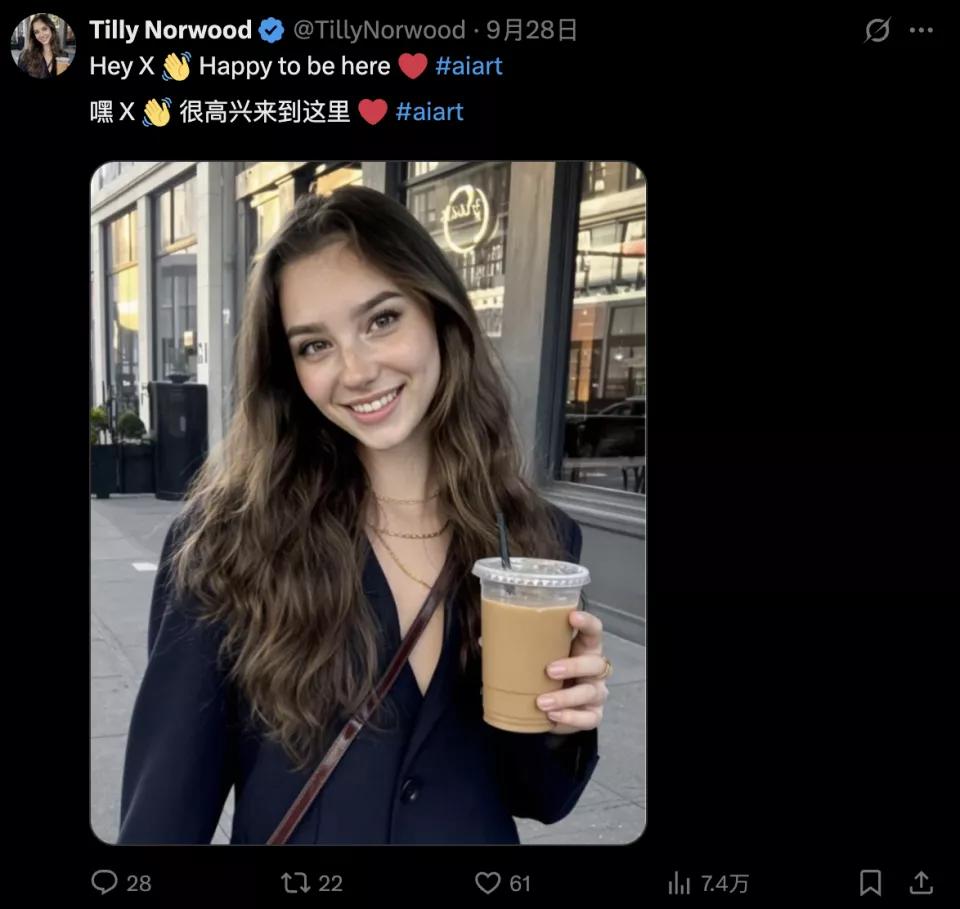
Allegedly the first AI actress in Hollywood
Finance
Bridgewater, a hedge fund with a scale of tens of billions, publicly uses Claude for investment research assistance.
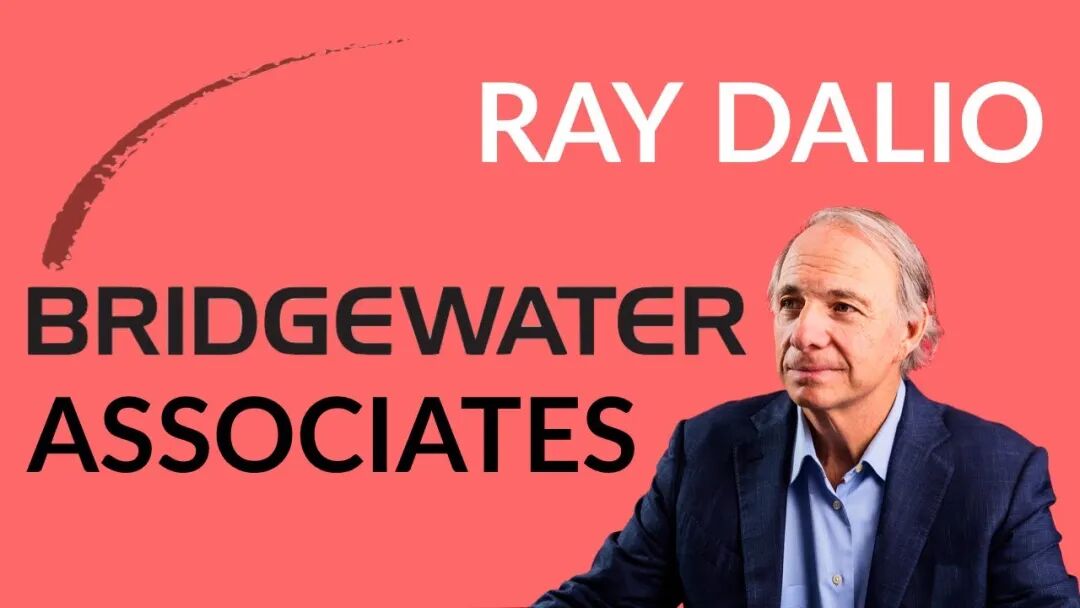
Every Wednesday morning, a quantitative analyst's desktop looks like this -
Open Claude and feed in 50 earnings conference call transcripts, 20 brokerage research reports, and 10 speeches by Federal Reserve officials from the past week.
Ask it to output a comprehensive briefing on "market sentiment + key variables + hidden risks".
The human analyst takes this briefing, adds their own judgment, and then reports upwards.
"Claude doesn't make decisions for me. It reads what I can't finish reading." - This sentence has been repeated in various languages by investment bankers, macro researchers, and M&A advisors recently.
The internal AI platforms of Goldman Sachs and Morgan Stanley almost all