Is the mobile phone industry entering another cycle as ultra-thin phones decline and large-screen phones rise?
Ultra-thin vs. Large Screen and Big Battery: Polar Opposite Market Performances
In recent days, two seemingly completely "opposite" pieces of news in the mobile phone industry have unexpectedly appeared in the public eye.
First, the well - known news media MacRumor claimed that as of now, the global activation volume of the iPhone Air is approximately 700,000 units. Although this result is about twice the sales volume of the iPhone Plus models it replaced, it is still far below expectations.
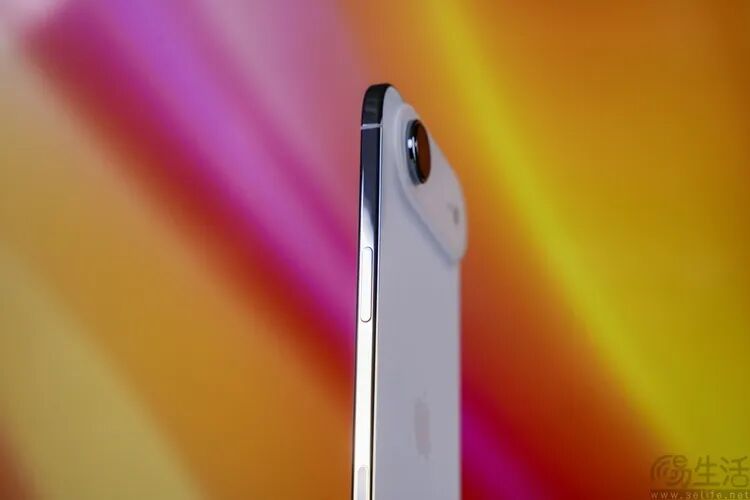
Data released by relevant news recently showed that the sales volume of some domestic models "paying tribute" to the iPhone Air is as low as about 50,000 units, which was described by research institutions as "having no real consumer demand". Affected by this, it is reported that almost all leading mobile phone manufacturers have cancelled their ultra - thin new machine projects. Currently, only Apple is still researching the follow - up models of the iPhone Air in this niche market.
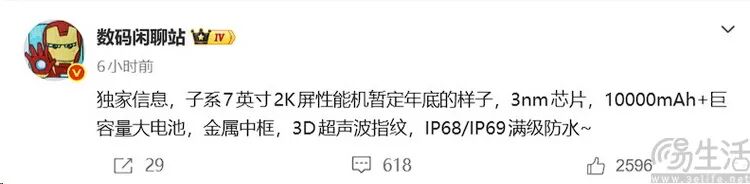
Almost at the same time, we at SanYi Life noticed that consumers' reaction to new phones with "large screens and big batteries" seems to far exceed that of ultra - thin models. For example, a recent news from @Digital Chat Station revealed that multiple leading brands will launch practical new phones equipped with super - large batteries and most likely also having large - size screens.
Ultra - thin Phones and Large - screen Practical Phones: Two Different Worlds
Why are ultra - thin phones not selling well, while new phones with big batteries and large screens are highly anticipated? On the surface, this seems to be a very simple question.
After all, these two types of models correspond to two completely different types of users and even represent two completely different "life states".
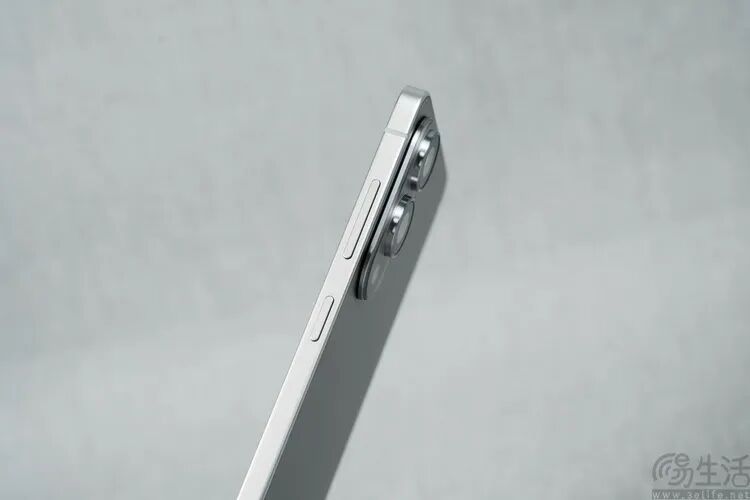
On the one hand, compared with other models, the performance release of ultra - thin phones is often significantly restricted. At the same time, due to the constraints of the body thickness and weight, its imaging ability is hard to be outstanding among products in the same price range. On the other hand, due to the size limitation, ultra - thin models can hardly have longer battery life than "ordinary models" in the same price range.
That is to say, whether it is users who play games on the phone, take photos with the phone, or even those who just browse social platforms daily and need to use the phone as a communication tool frequently, they almost have no "clear demand" for ultra - thin phones. In other words, consumers who buy "ultra - thin phones" may care more about having a personalized "trendy gadget" than about whether it is "useful". They may not play games, take photos, or need frequent social interactions. They just want a "style".
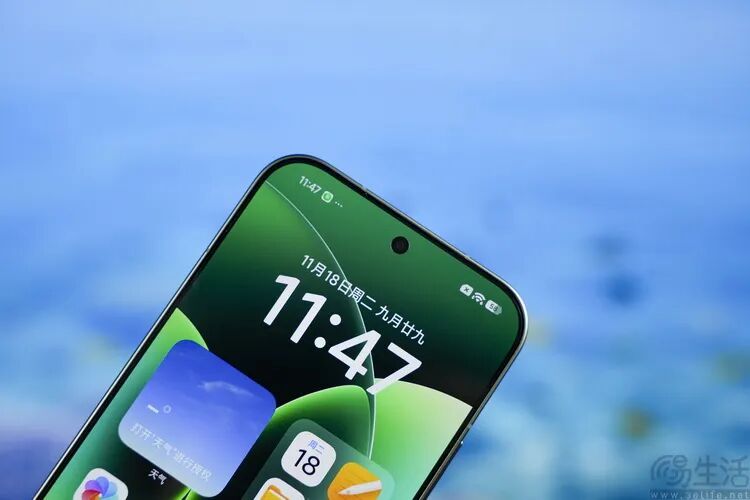
In contrast, the "practical value" of models with big batteries and large screens obviously far outweighs their "appearance". Especially for the new models mentioned at the beginning of this article, from the current news, they generally do not seem to be positioned as "flagship" models. In other words, users interested in this type of models are definitely not very concerned about "face factors". What they want is a practical and user - friendly phone that can bring more convenience to their work or life.
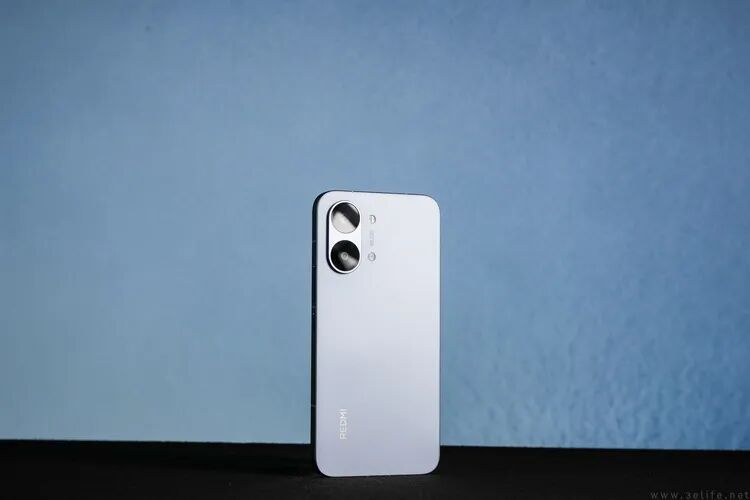
Obviously, the potential user groups of ultra - thin phones and models with large screens and big batteries are two completely unrelated types of people, and the former is definitely not the "mainstream". Therefore, this actually means that ultra - thin phones did not have the foundation to be "popularized" from the beginning, so failure is almost an inevitable result.
This is Not the First Time, but a Confusing Cycle
However, if we simply discuss this matter from the perspective of social economics and user portraits, it would be too superficial. What really makes us at SanYi Life sigh is not the simple fact that "ultra - thin phones are unpopular and the public prefers practical products", but that similar things have "recurred" many times in the history of mobile phone development.
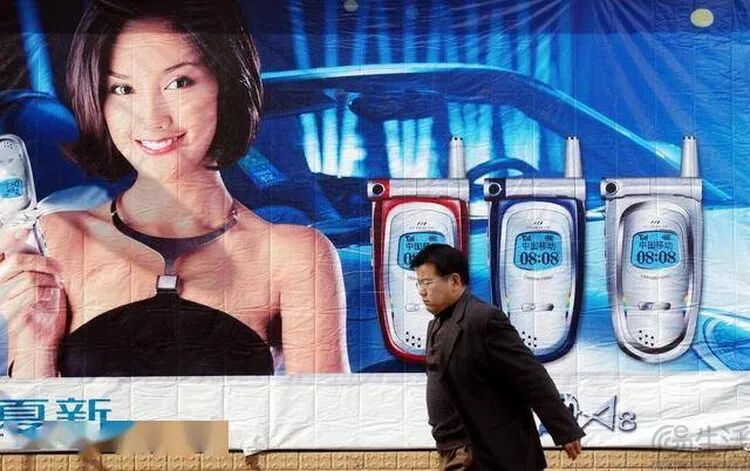
For example, in 2003, the second - generation domestic mobile phone manufacturers represented by Bird, Kejian, Panda, and Amoi once captured more than 50% of the market share. However, due to the lack of core technology and poor quality control, these problems erupted in a short period, and they faced a wave of closures in just two years.
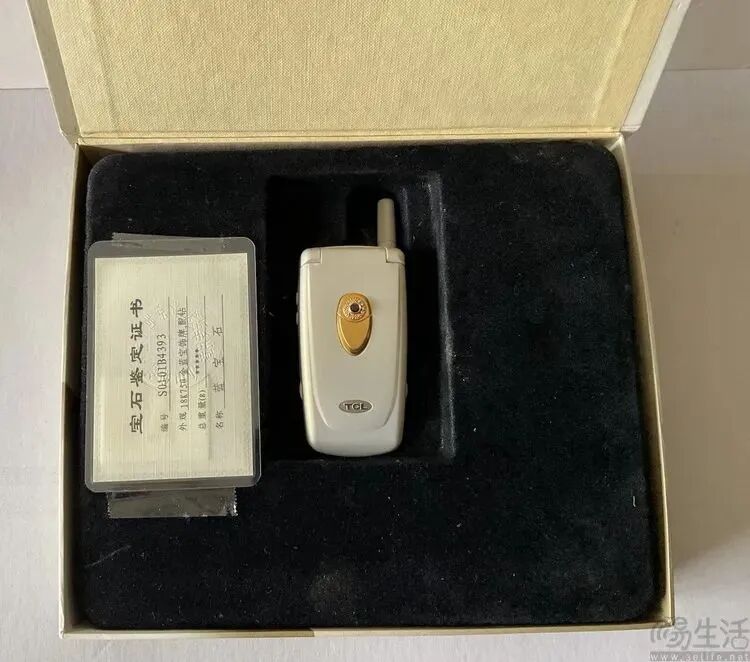
At that time, we clearly remember that the concept these mobile phone manufacturers liked to hype the most was to inlay diamonds and paste gold on mobile phones, promoting the concept that "mobile phones can also be luxury goods". In contrast, Lenovo and HTC, which had not yet risen at that time, had already started researching early smartphones.
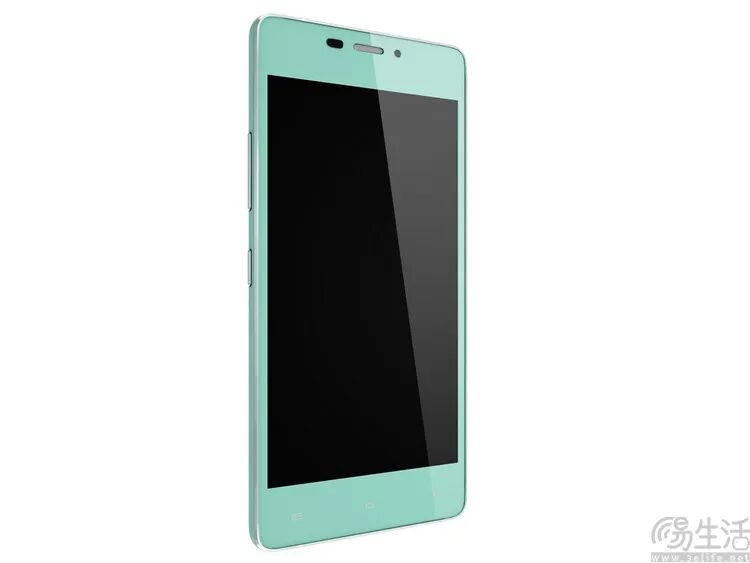
Another example is from 2014 to 2015, when multiple brands including Gionee, ivvi, and Doov launched models with "ultra - thin" as the selling point. For example, the Gionee S5.1 with an average thickness of only 5.15mm and the ivvi K1 mini with an overall thickness of 5.2mm. But the result was the same. There are few mobile phone manufacturers that hyped the "ultra - thin" concept back then still remaining today.
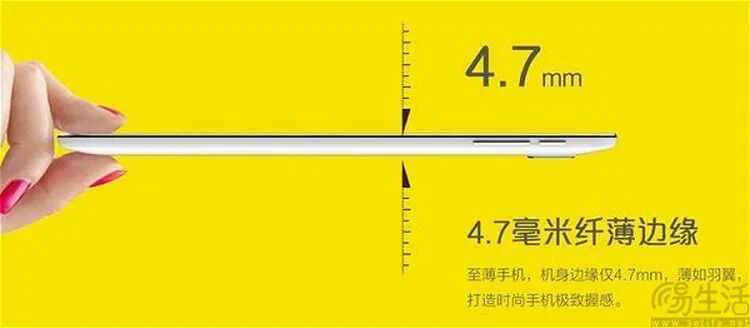
So this matter itself is quite illusory. The diamond - inlaid phones and dancing phones more than 20 years ago, the ultra - thin phones 10 years ago, and today's ultra - thin phones, compared with their competitors at the same time, all have appearance as their selling point and have little practicality. Although they received wide attention when they were first launched, they were generally quickly abandoned by consumers and the market.
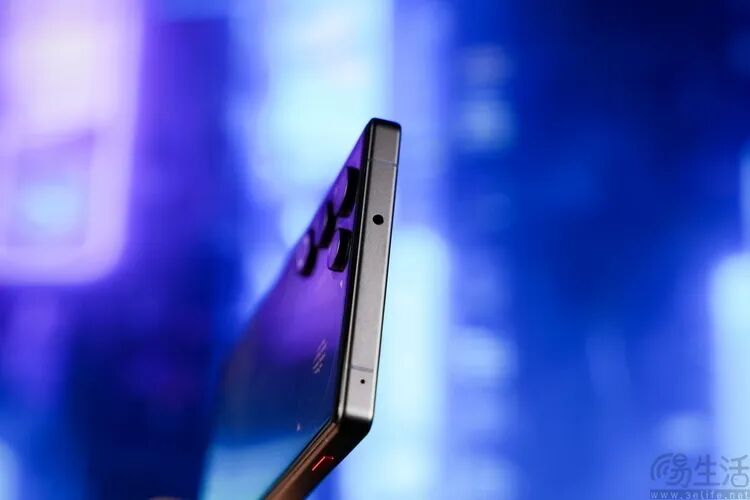
This inevitably makes us think of an old saying, that is the only thing humanity can learn from history is that humanity learns nothing from history. We still have one curious thing, that is, behind the periodic "popularity" of this type of models, what exactly do that small group of consumers pursue? Is it the aesthetic appearance in terms of "beauty" or the connotation similar to the essence of luxury goods, which is "non - practicality"?
This article is from the WeChat official account “SanYi Life” (ID: IT - 3eLife), author: SanYi Jun. Republished by 36Kr with authorization.