The Chinese wet markets with an average per capita cost of 9.9 yuan have completely captivated foreigners.
The wind of the reverse "Yilin" has finally blown to Chinese vegetable markets.
Remember at the beginning of this year, a big comparison of living costs between China and foreign countries sparked a hot discussion on Chinese social platforms.
On TikTok and YouTube, "China Travel" has also become the traffic code for foreign bloggers.
Foreigners have highly praised China for its safety and convenience: they dare to go out alone at 3 a.m., can make payments without a wallet, and high - rise buildings can be built in just a few months.

Recently, the star on foreign networks has changed to Chinese vegetable markets.
The never - seen - before cream strawberries, large bags of apples and oranges for just ten yuan, and a wide variety of leafy green vegetables have left many foreigners stunned and exclaiming in disbelief.
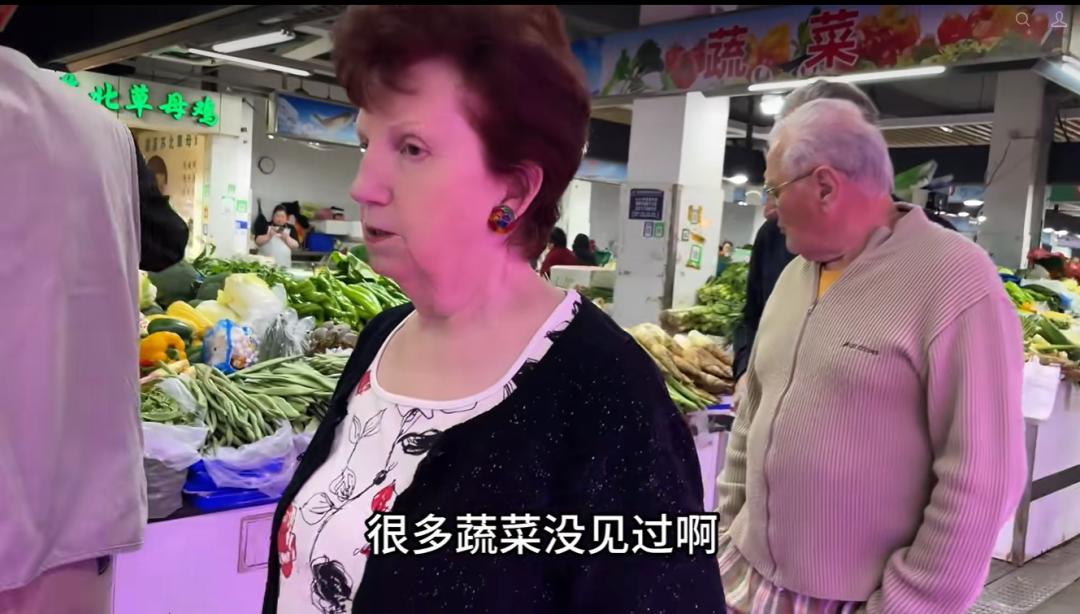
Someone took their French mother - in - law to a Chinese vegetable market. Facing the dazzling parsley and water bamboo, the mother - in - law sighed, "I've never seen so many kinds of vegetables before."
An American also live - streamed the whole process of buying live fish at a Guangdong vegetable market and asking the boss to scale them. "Chinese vegetable markets are full of human touch. The boss helps you process vegetables without asking for a tip at all."
In the video, the vegetables in the Chinese vegetable market are plump and colorful. The radishes and cabbages still have mud on them, looking as fresh as if they were just pulled out of the ground. Some foreign netizens even questioned, "This can't be real. It must be a staged shot."
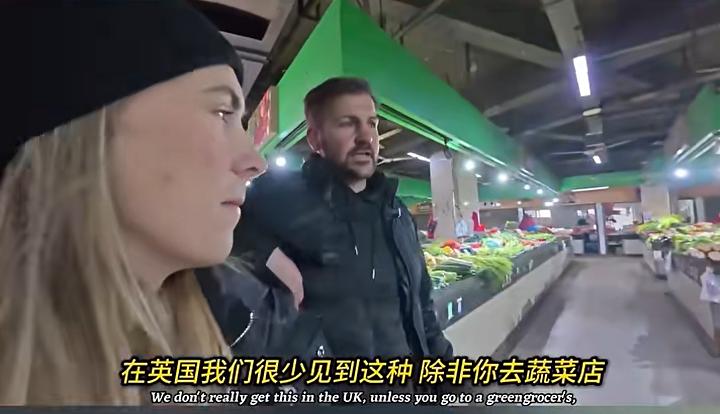
European and American netizens are amazed by the rich variety of Chinese vegetable markets, while Japanese and Korean netizens are shocked by the low prices.
A Korean aunt settled in China after retirement and was surprised to find that a large bag of bean sprouts, which cost dozens of yuan for a small box in South Korea, can be bought for only two yuan in China.
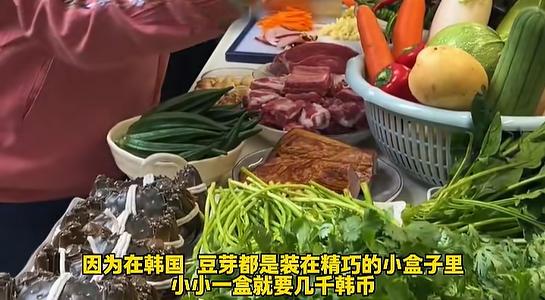
Japanese netizens visiting a Northeast agricultural market found that a Chinese cabbage, which is priced at 75 yuan in Tokyo, can be bought for only 3 yuan here.
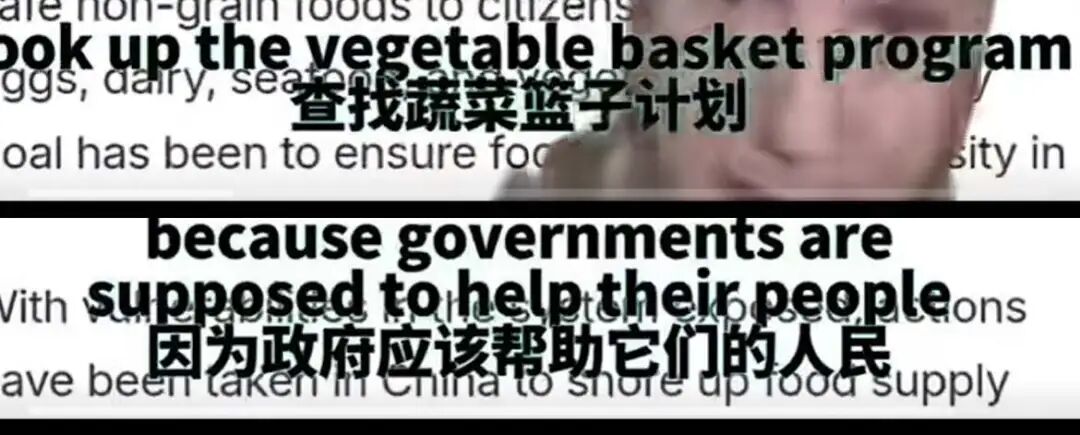
Some even condemned their governments, saying, "The Chinese government has led the 'Vegetable Basket Project' to ensure that ordinary people can buy cheap vegetables; our government only knows how to levy taxes."
It's no exaggeration to say that in most countries in the world, the so - called "vegetable freedom" like in China has not been achieved yet.
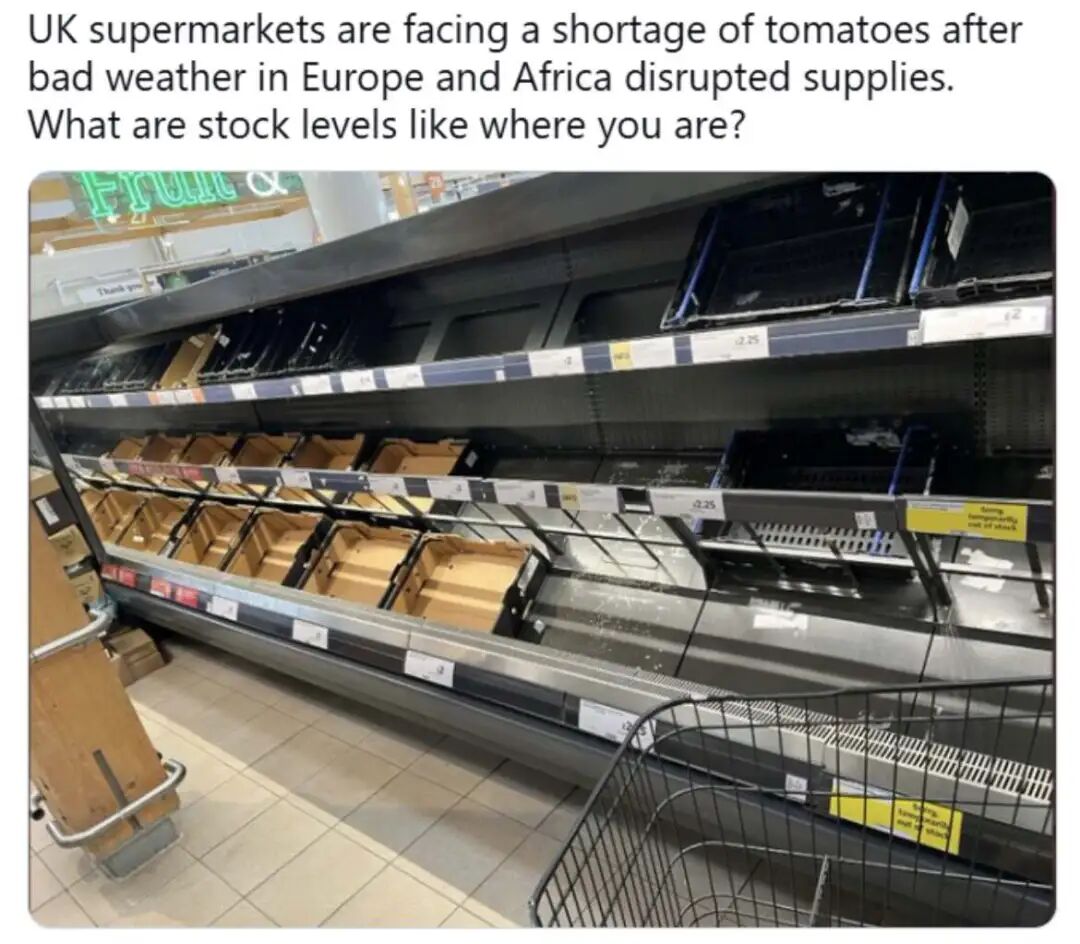
According to media reports, in 2023, bad weather caused a shortage of vegetables in the UK. Tomatoes and green peppers in supermarkets were in limited supply, just like luxury brands like LV and Hermès.
In 2024, South Korea had a poor cabbage harvest and had to urgently import from China. In 2025, Australia also faced a potato shortage, and the potato shelves in many supermarkets were empty.
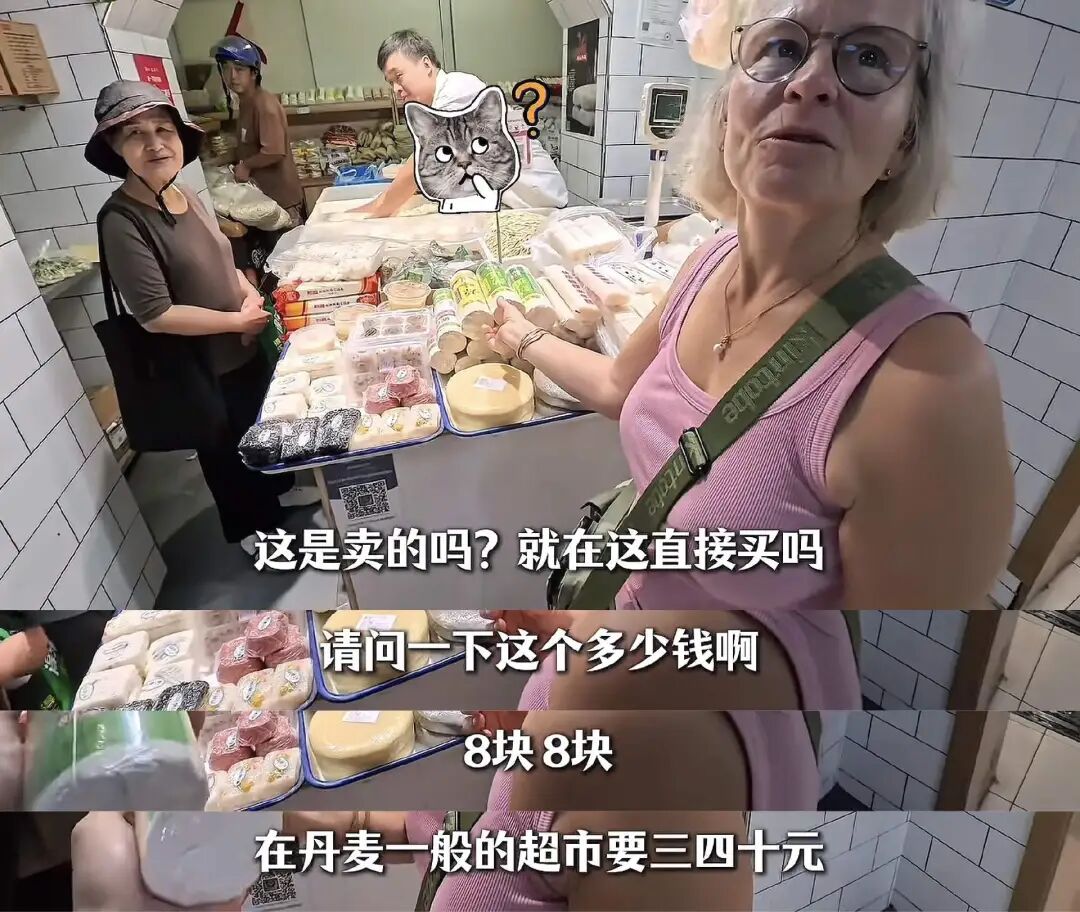
However, in Chinese vegetable markets, the supply of vegetables has always been amazingly stable. Every Chinese person is used to being able to buy cheap, fresh and healthy vegetables at any time.
According to Xinhua News Agency, the per - capita annual possession of vegetables in China reaches 588 kilograms, basically achieving a balanced supply throughout the year. The area of vegetable cultivation in China also remains above 300 million mu all year round, ranking first in the world.
Why do Chinese vegetable markets make foreigners collectively lose their composure?
Chinese vegetable markets baffle foreigners collectively
If you were born in the 1980s or 1990s, you must remember the popular short stories in "Yilin" in your childhood.
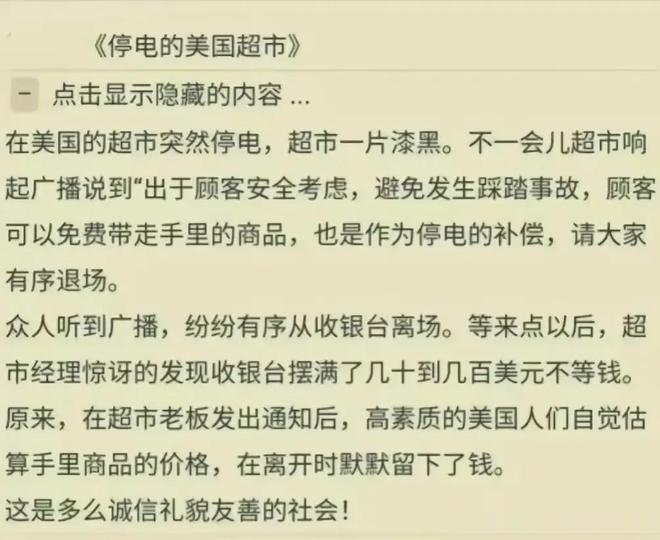
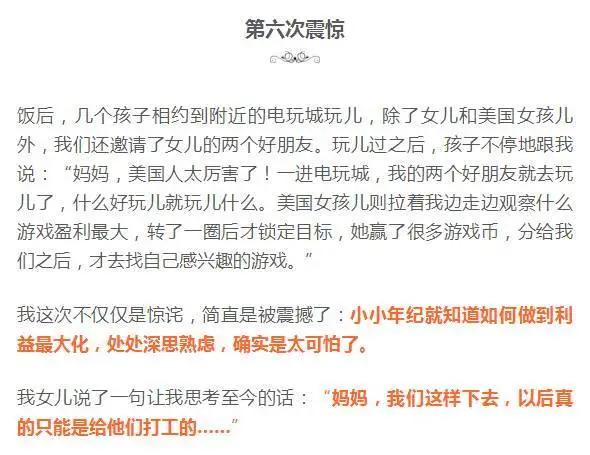
In these stories, foreigners and foreign governments were portrayed as having all the good qualities such as bravery, kindness, integrity and honesty, while Chinese people were used as a negative foil.
At the end, the author would always say meaningfully, "This is a truly great country."
Now, the situation has changed. The wind of the reverse "Yilin" has blown across the ocean.
On TikTok and YouTube, foreigners are now holding up Chinese cabbages, green beans, tomatoes and radishes in front of the camera, marveling in the tone of Columbus discovering the New World:
"This is a government that truly cares about its people. This is a truly developed country."
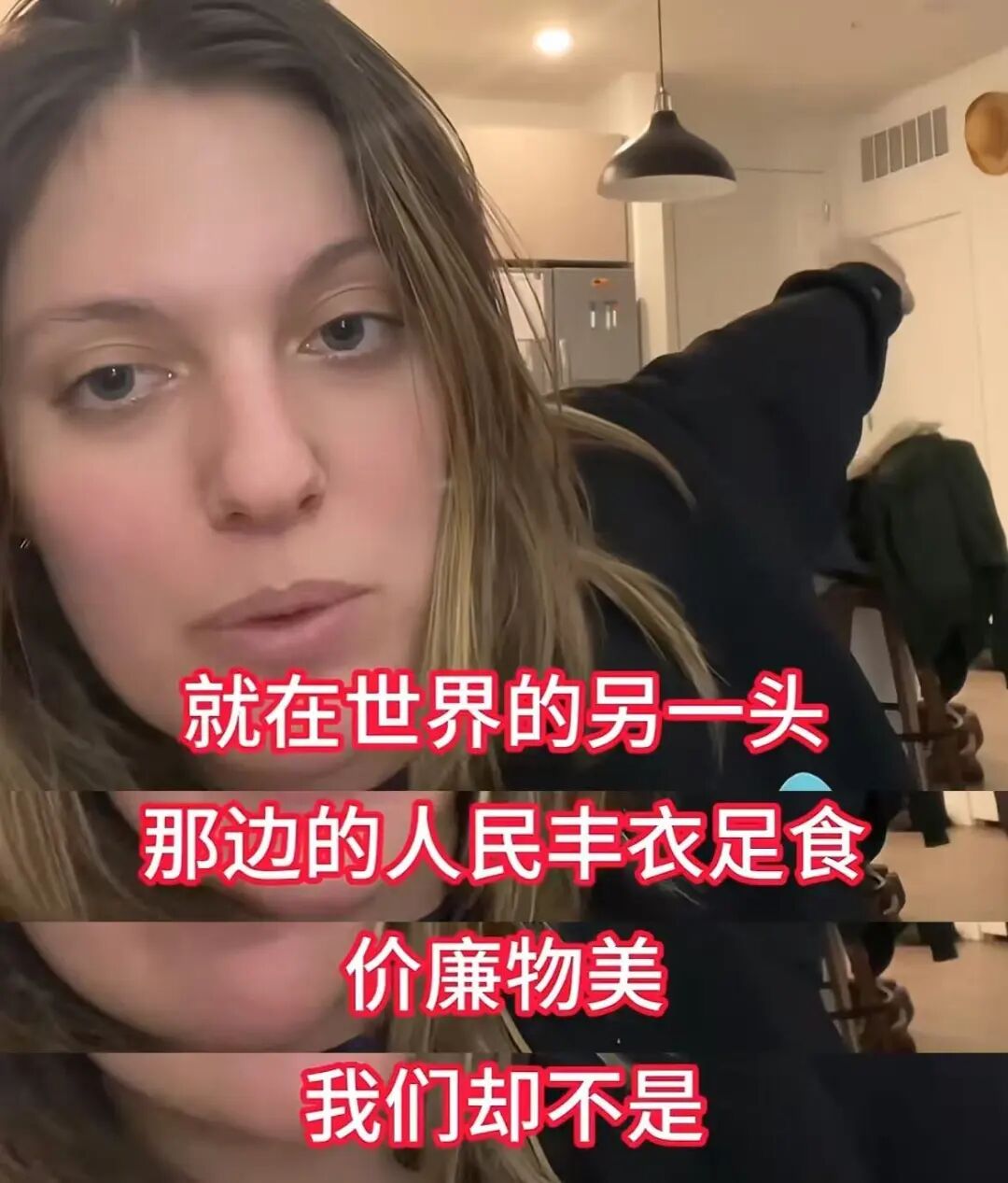
"The Chinese are really living."

"The living standard of the Chinese is much better than ours."
"I really hope the US can learn from China."
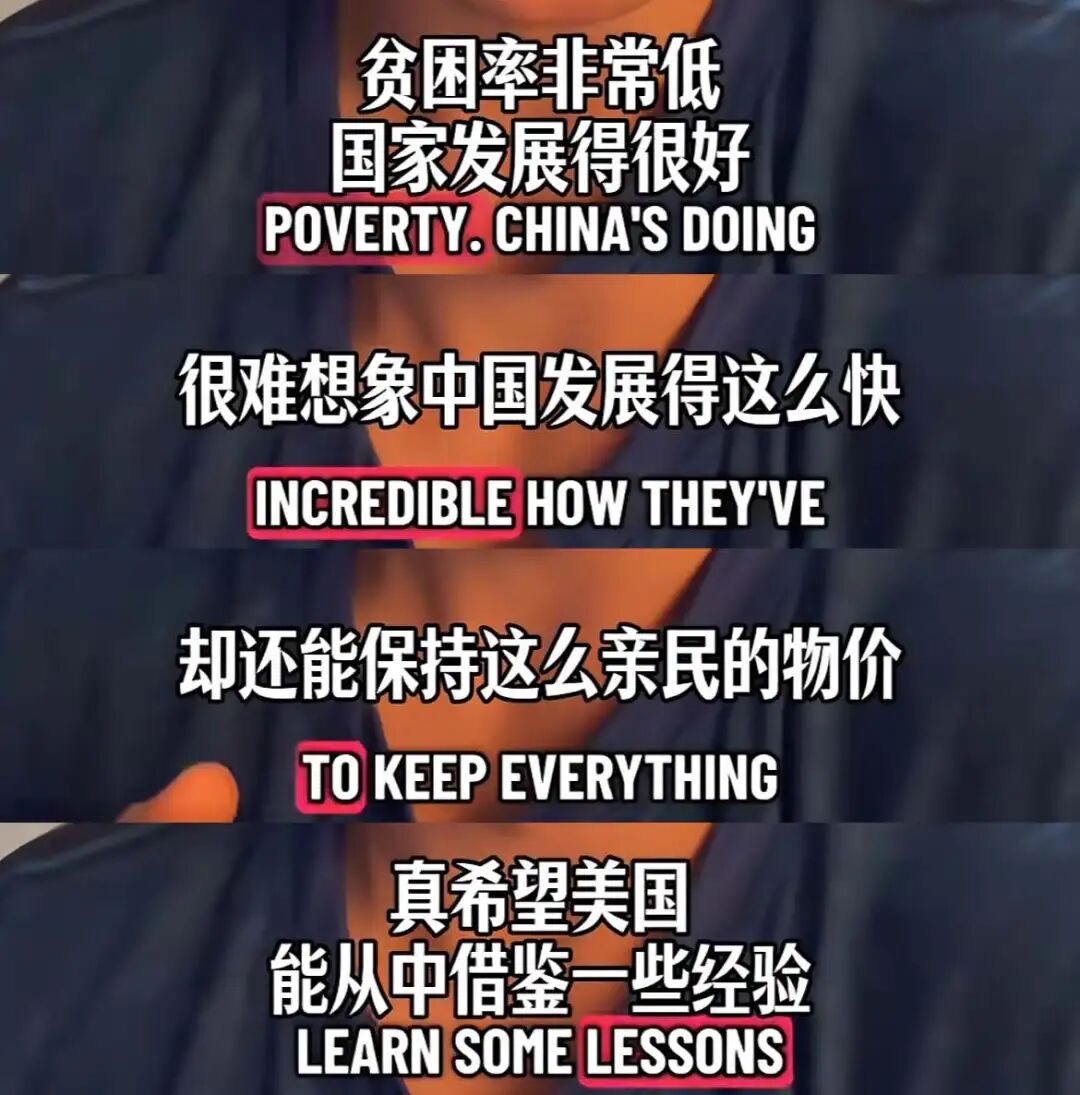
The reason is that many so - called "developed countries" in the world, although they have solved the problem of food supply, still fall far short in ensuring that ordinary people can have a good meal.
Take the United States, the eternal C - position in "Yilin" stories, for example. Official data from the US Department of Agriculture shows that in 2024, 13.7% of American households, that is, 18.3 million households, experienced "food security problems".
Nearly half of these households are in a state of "very low food security", which means that family members cannot maintain normal three - meals - a - day or are forced to reduce the amount of food because they have no money to buy food.

In Europe, not everyone can have a decent meal every other day.
Data from Eurostat shows that in 2024, 8.5% of the EU population cannot afford a meal containing meat, fish or vegetarian equivalent protein every two days. Among the poor, this proportion is as high as 19.4%.
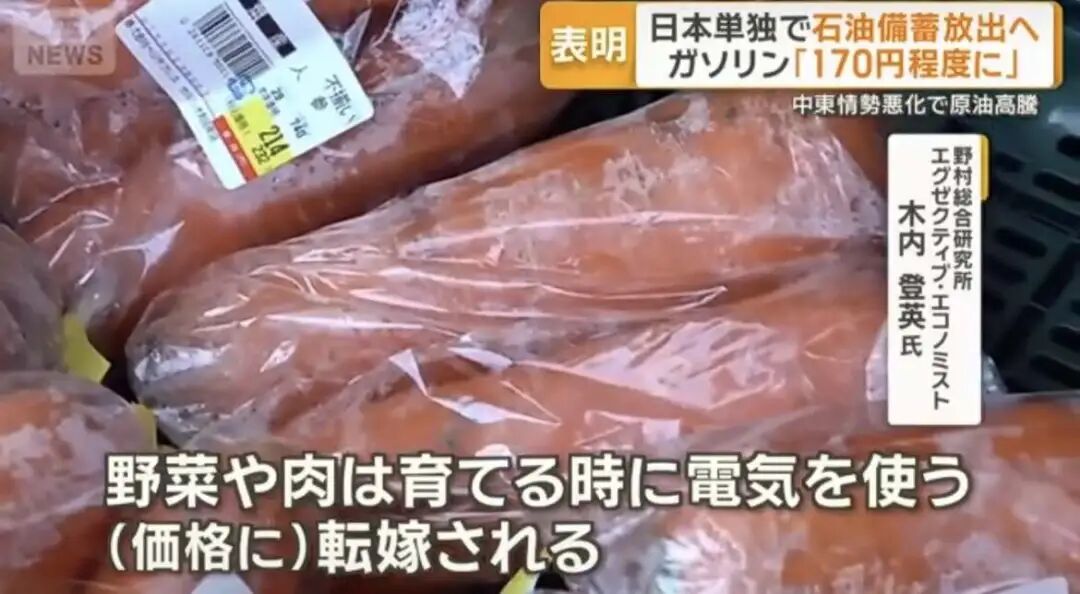
In Japan, a government survey in 2025 showed that more than 90% of low - income Japanese families said that rising food prices made it difficult for them to buy food for their children.
A study released by the United Nations points out that in more than 60% of countries in the world, the supply of vegetables is still insufficient to meet the health - diet recommendations, and the ideal of "vegetable freedom" has not been realized.
In contrast, the stable supply, rich variety and extremely affordable prices in Chinese vegetable markets naturally make foreigners feel incredible.
Behind this "freedom" is not only the prosperity of the agricultural market, but also China's profound policy support and technological backup.
Why does the Chinese - style "vegetable freedom" make foreigners drool with envy?
Why are foreigners both surprised and envious of Chinese vegetable markets?
First of all, the supply of vegetables is extremely abundant and the variety is rich and diverse.
Judging from the data, China ranks first in the world in both the total output and per - capita possession of fruits and vegetables, far ahead of other countries.
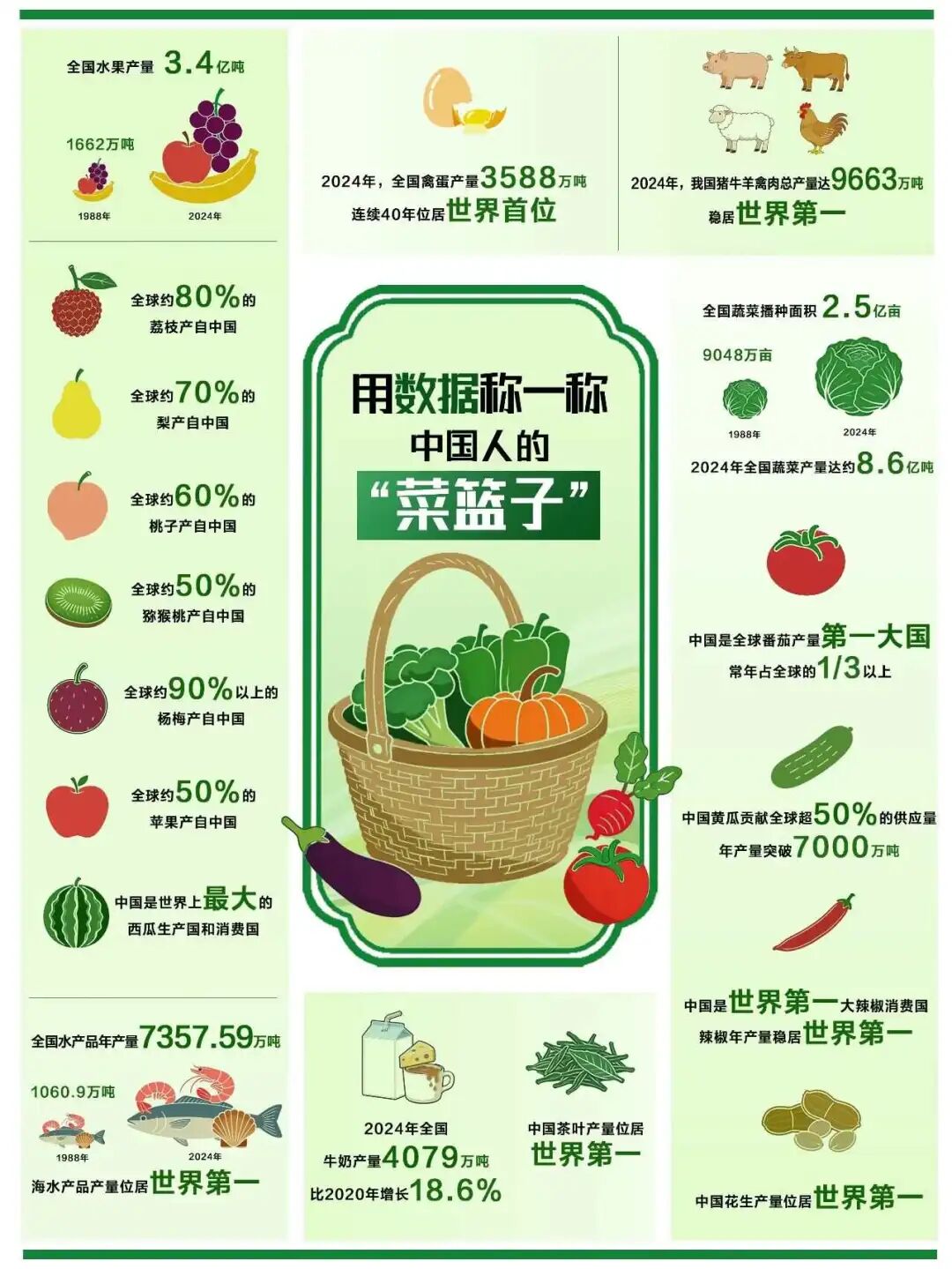
In 2023, the world's annual vegetable output was about 1.1 billion tons. China ranked first with 800 million tons, while the second - ranked "other countries" only had 300 million tons in total, less than half of China's output.
Nevertheless, China still imports about 7 million tons of fruits every year and is a net fruit - importing country.
It's not that the output is insufficient, but that Chinese people with a high Engel coefficient eat so much that there is a huge demand gap.
According to data from the United Nations Food and Agriculture Organization, the per - capita protein supply and vegetable intake of Chinese people exceeded that of the United States in 2021. In particular, the per - capita vegetable consumption of Chinese people is four times that of Americans.
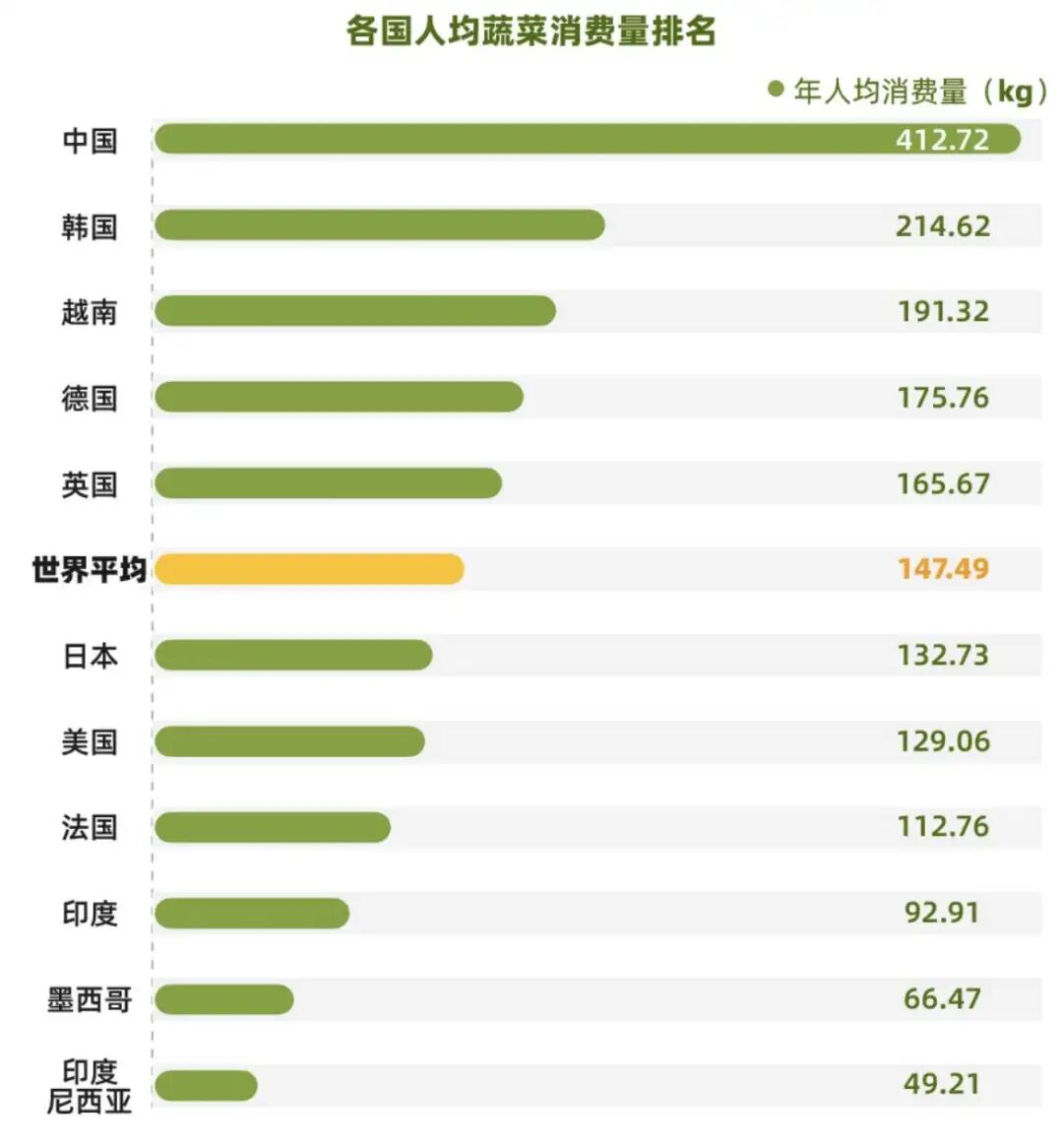
Secondly, the prices in Chinese vegetable markets are extremely affordable.
For ordinary Chinese families, the cost of buying vegetables and cooking is almost negligible.
Data shows that the proportion of ordinary Chinese families' monthly expenditure on vegetables is only about 2% of their income, close to the level of developed countries and far lower than the more than 30% in developing countries such as India.
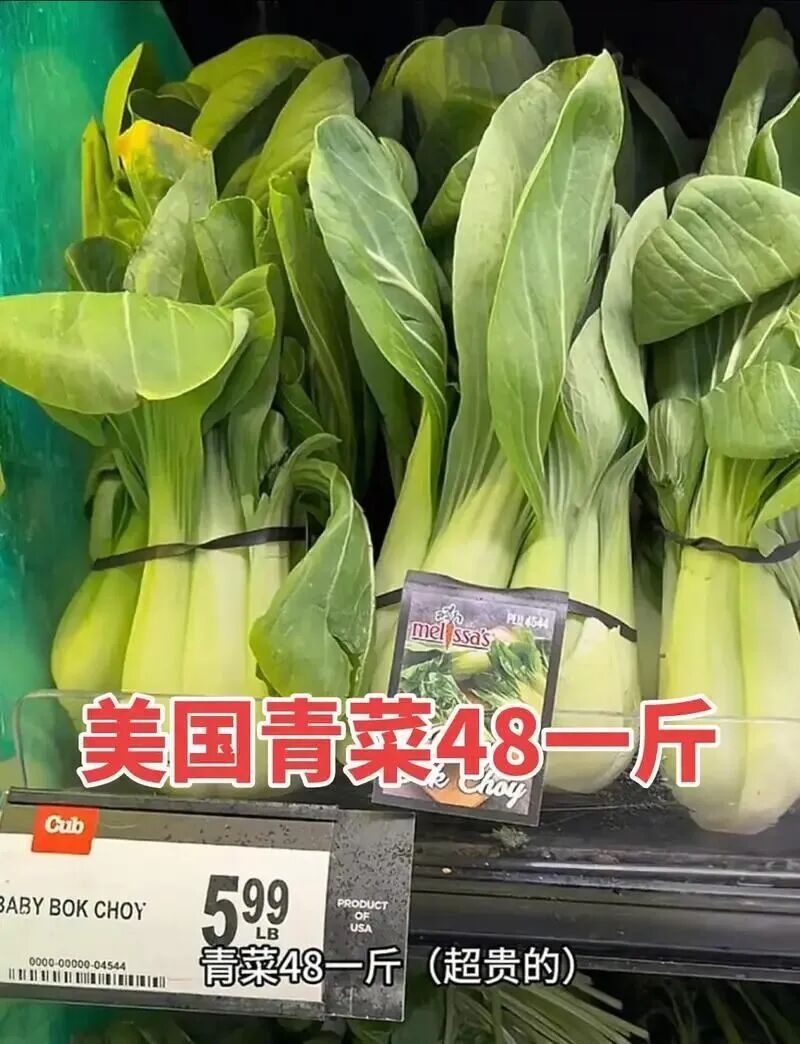
Take the common vegetables for three meals a day. As of March 2026, the weekly average price of 28 kinds of vegetables in the Chinese market is less than 5 yuan per kilogram. Compared with the sky - high price of nearly 50 yuan per green vegetable in the Tokyo market, it's a huge difference.
In addition to vegetables, the supply of meat is also very affordable. The price of pork in China is about 14 - 18 yuan per kilogram, 1/6 cheaper than in South Korea.
