The cheapest humanoid robot from Unitree is here, priced at 26,900 yuan. Wang Xingxing has become a price slasher, and now I can really afford it.
According to a report by Zhidx on April 30th, just now, Unitree released its lowest - priced humanoid robot to date - the R1 series of dual - arm humanoid robots, which support industrial and daily household multi - scenario applications, with a starting price of 26,900 yuan.
This is Unitree's first low - cost, lightweight upper - body dual - arm solution for desktop and industrial scenarios. This series of robots supports single - arm with 5/7 degrees of freedom, fixed/mobile chassis. The computing power of the head module reaches 10 TOPS. The end can be quickly replaced. The maximum load of the arm is 2 kg. The waist has a large movement range of ±150°, and the head has a large movement range of ±115°/±36°.
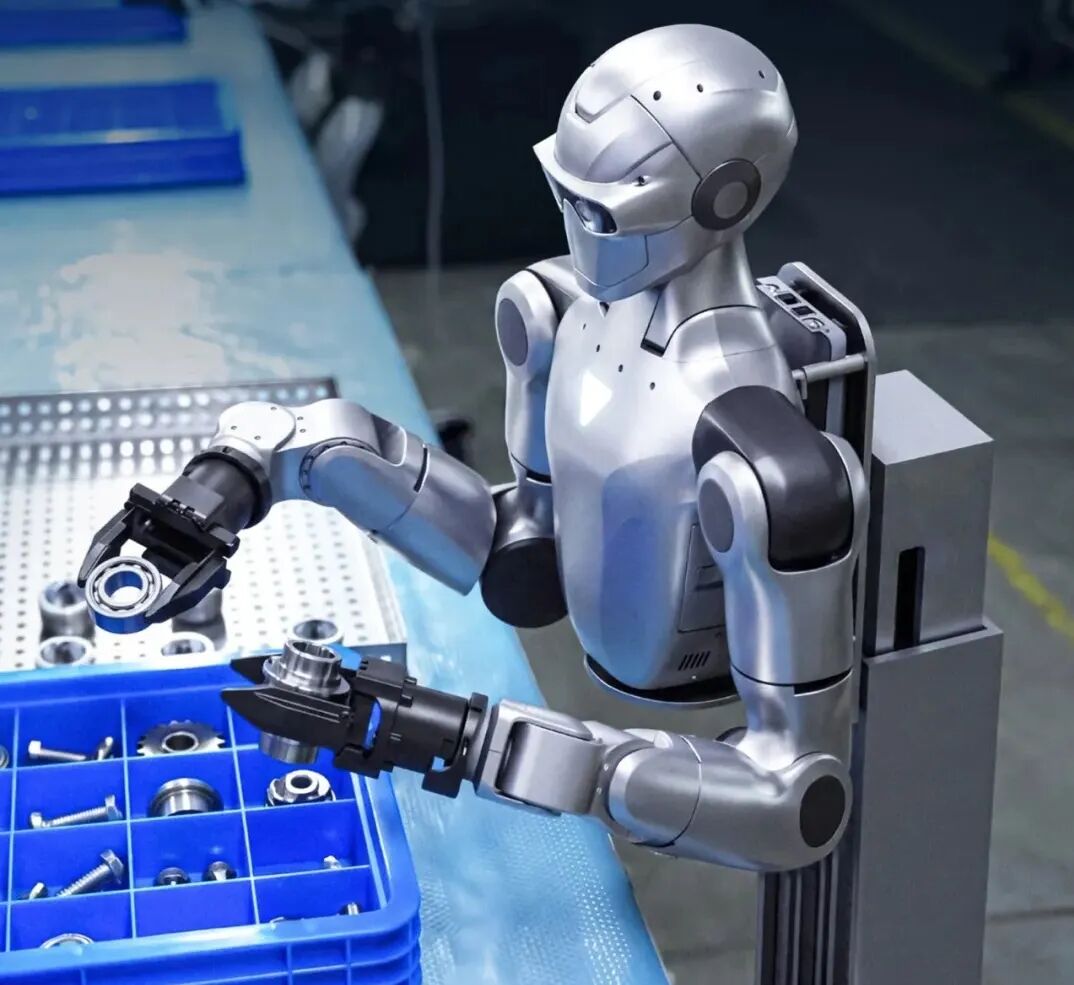
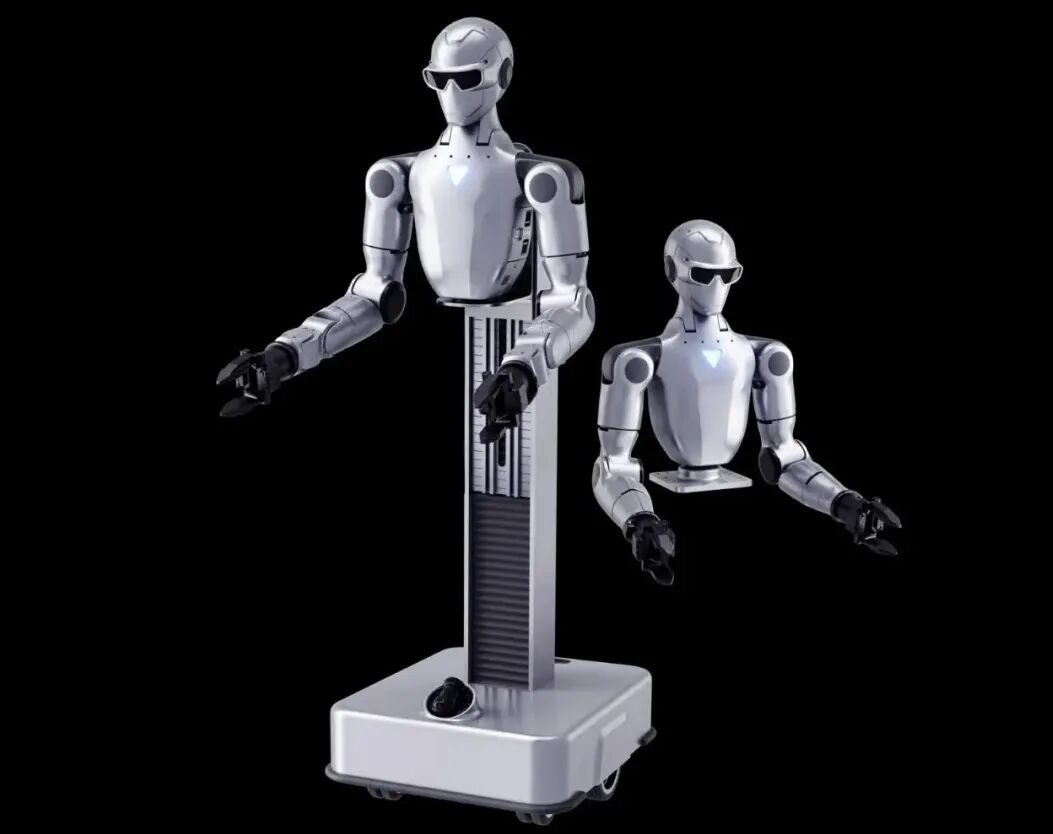
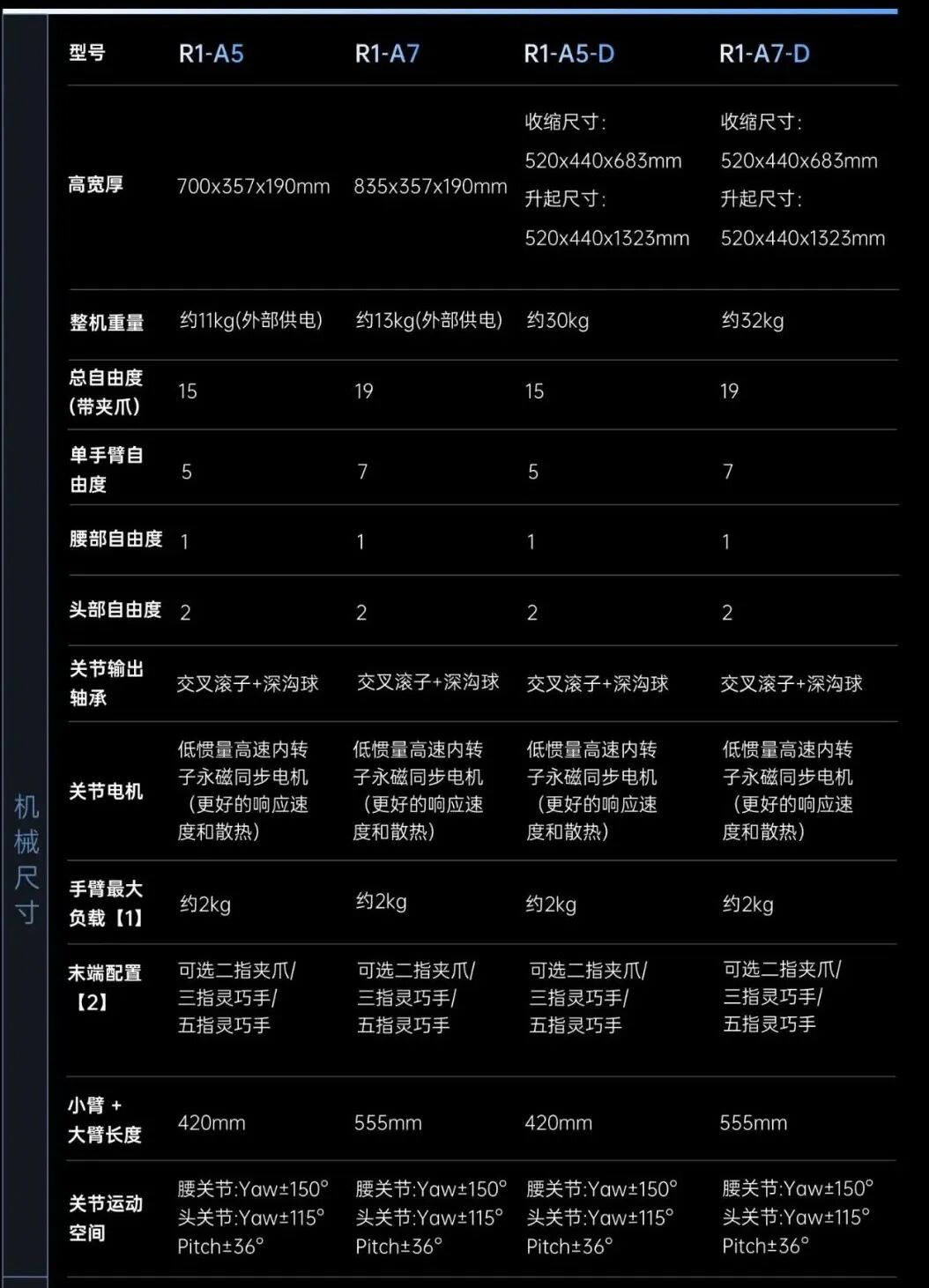
This series of robots mainly includes four versions: R1 - A5, R1 - A7, R1 - A5 - D, and R1 - A7 - D. The first two have fixed bases, and the last two have mobile chassis. Their weights are 11 kg, 13 kg, 30 kg, and 32 kg respectively.
The specific pricing of the four robots has not been announced. The starting price of 26,900 yuan is most likely for the lightest R1 - A5 version without a mobile chassis. It is cheaper than the previously cheapest R1 Air (29,900 yuan) and is currently the commercially available humanoid robot with the lowest known price.
Judging from the official poster, this dual - arm robot can handle tasks such as screwing, moving express packages, and sorting goods in factories, making it suitable for industrial scenarios.

At the same time, it can also play Rubik's cubes and table tennis, indicating its adaptability to daily life scenarios.

According to the official introduction, this dual - arm robot features high performance, including high - performance motors, reducers, encoders, and various robot sensors. It also has more diverse interaction methods, with a visual binocular computing power module and a voice interaction system. It supports full - stack open secondary development, has a mature robot development framework, and supports full - process secondary development at the bottom layer.
This dual - arm robot also has a relatively high total number of degrees of freedom, reaching 15 - 31. The single - arm can be selected in 5 - degree - of - freedom and 7 - degree - of - freedom versions. The waist has 1 degree of freedom, the head has 2 degrees of freedom, and the end has 1 - 7×2 degrees of freedom.
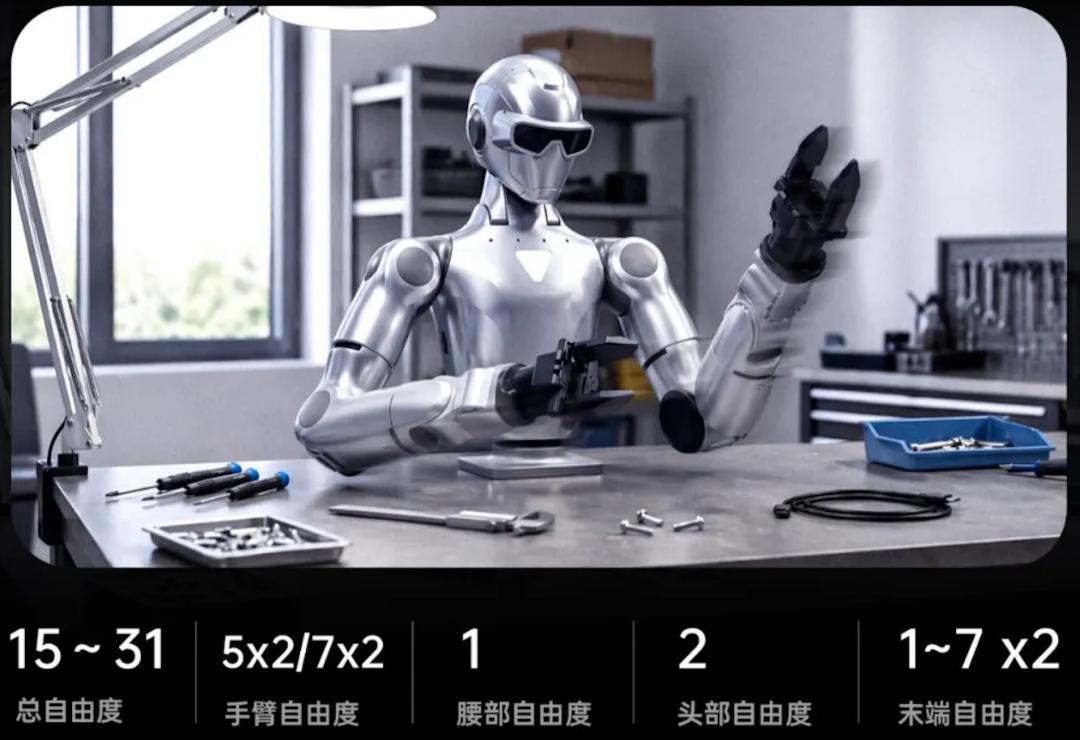
It also has a larger working space. The movement space of the waist joint reaches Yaw ±150°, and the movement space of the head joint is Yaw ±115° and Pitch ±36°.
In other words, this robot has a large working range. The waist joint can rotate ±150° left and right, and the head joint can rotate ±115° left and right and pitch ±36° up and down. It can cover almost all - angle vision and operation space in one place, and can efficiently complete tasks at different angles without frequently moving the chassis.
This robot supports two fixing methods: fixed base and mobile chassis. It supports two types of robotic arms: 5 - degree - of - freedom and 7 - degree - of - freedom (single - arm).
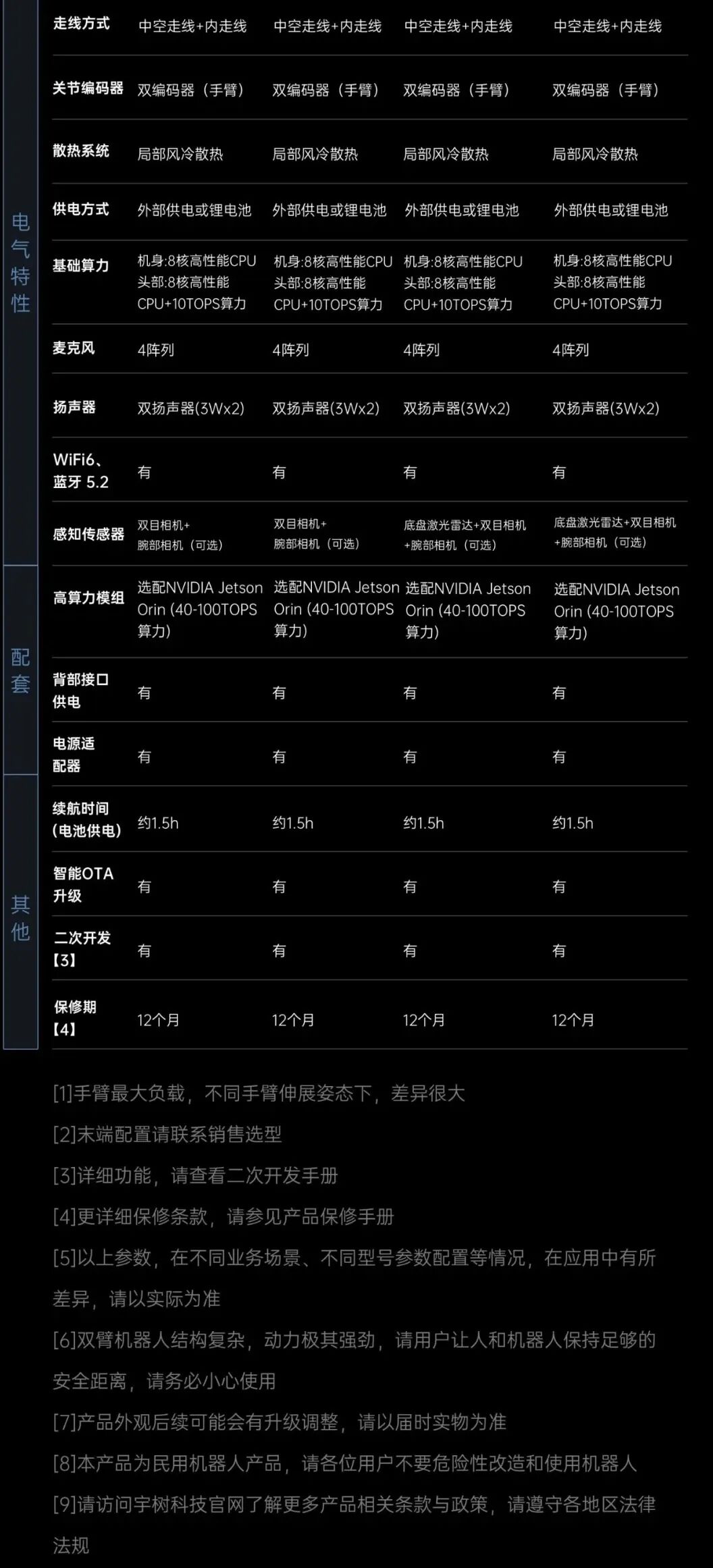
It is equipped with a high - performance computing power module, providing excellent computing capabilities, including an 8 - core high - performance CPU, a head module with 10 TOPS computing power, and an 8 - core high - performance CPU body processor.
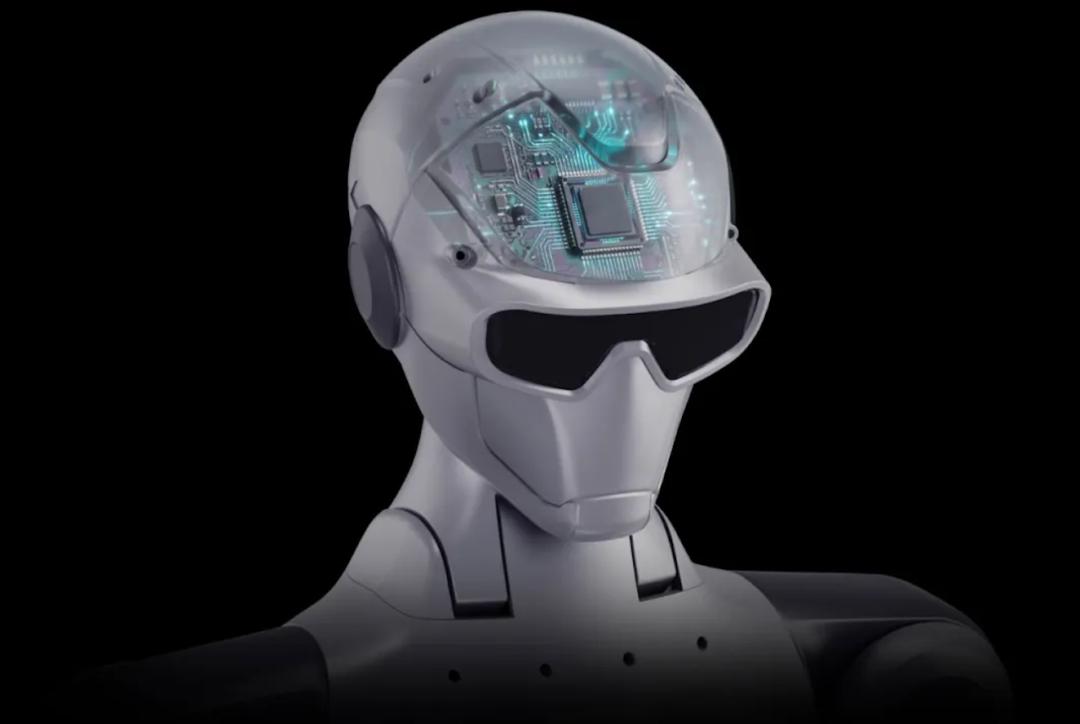
It provides binocular module RGB and depth map interfaces. The FOV of the binocular is 146° horizontally and 124° vertically. The binocular spacing is 60 mm. The RGB is 1280×720@30Hz, and the depth map is 544×448@10Hz.
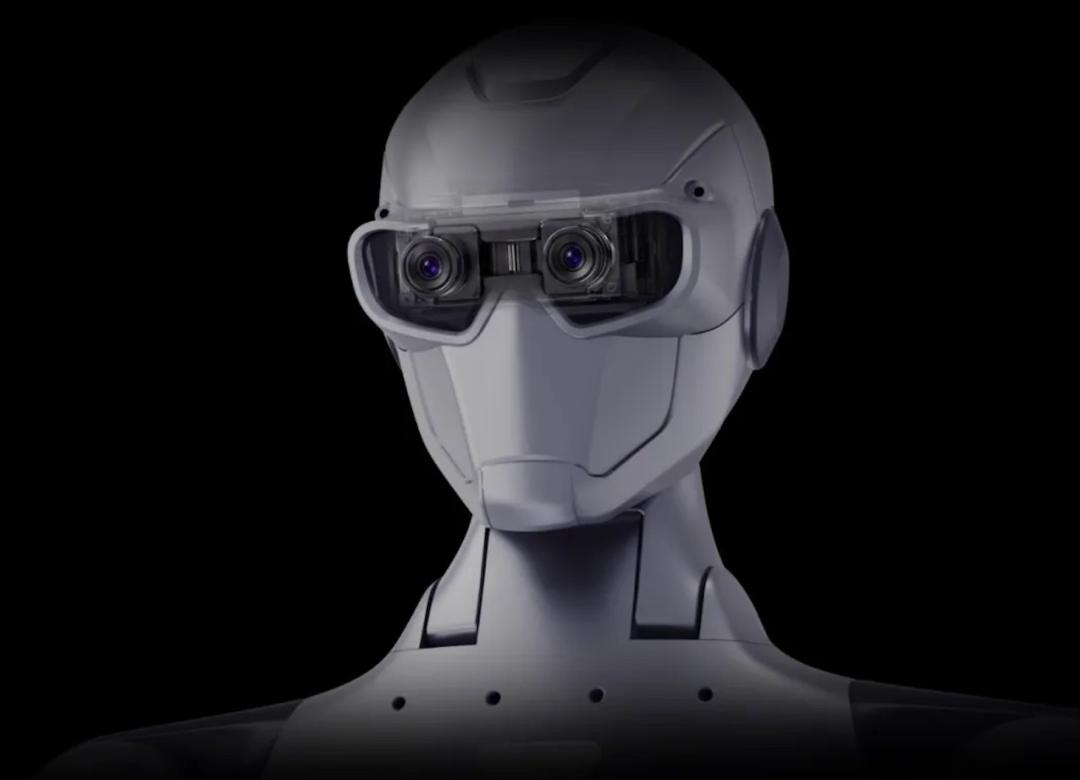
This robot also supports open program interfaces, including open - source bottom - layer, robotic arm, audio, lighting, and visual control interfaces, and supports drag - teaching.
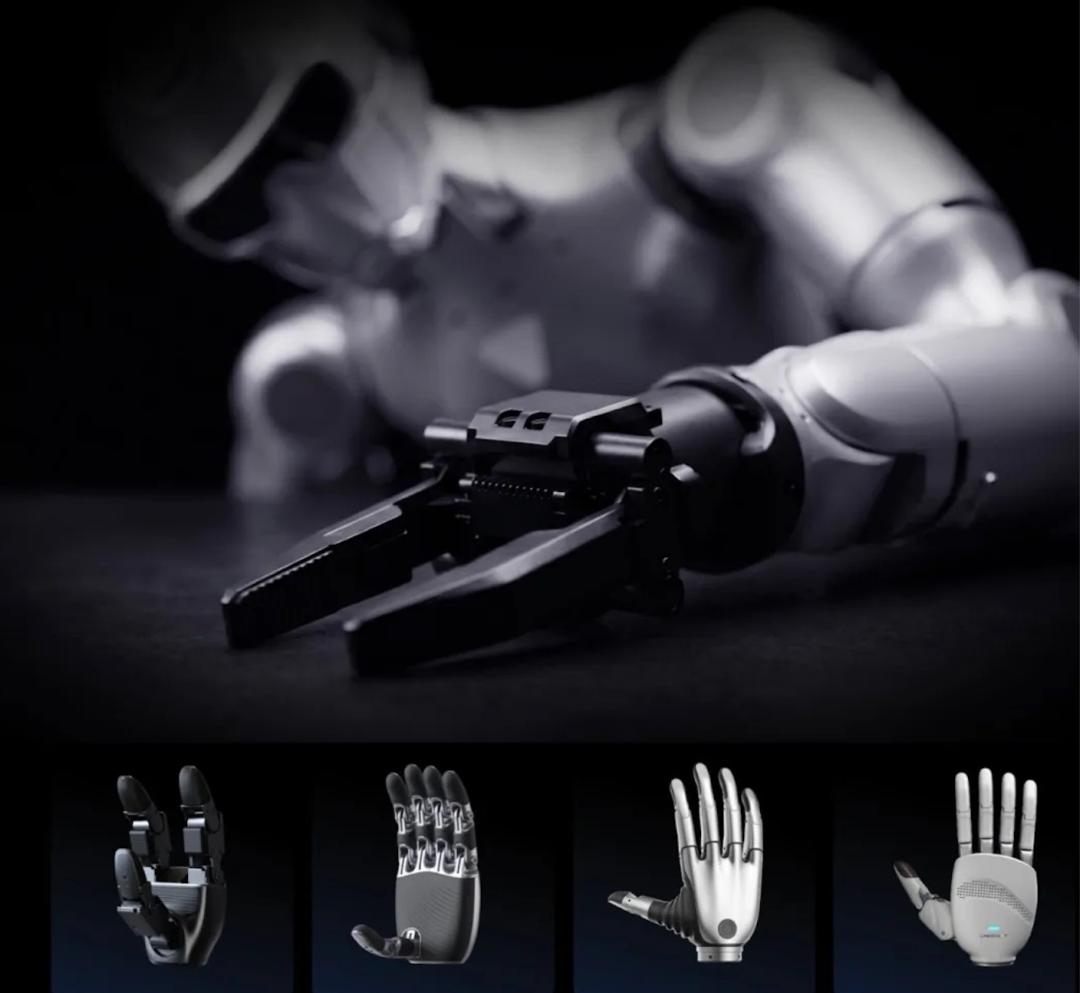
As shown in the figure below, its end can be quickly replaced with different actuators.
The specific product parameters of the four versions of Unitree's dual - arm humanoid robot, R1 - A5, R1 - A7, R1 - A5 - D, and R1 - A7 - D, are as follows:
This article is from the WeChat official account “Zhidx” (ID: zhidxcom), written by Li Shuiqing, and is published by 36Kr with authorization.