Why are contemporary young people starting to exchange cars in the opposite way?
For most people, how to prove their success? Replacing with a higher - class car is often the best choice.
However, more and more young people are not willing to upgrade when changing cars. Instead, they choose lower - level cars. Among them, car owners of the "Cross - category Car - changing Faction", the "Same - Energy - replenishment Faction", and the "Brand - loyal Faction" have switched from large cars to small cars and from high - end cars to inexpensive ones.
Is it because they have fallen on hard times that these car owners change cars in the opposite way? Not necessarily. The reasons for their actions may be the high cost of energy and maintenance, the inconvenience of driving and parking, and the fact that the configurations of new - style small cars are better than those of some mid - to high - end models.
In addition to the above three reasons, the increasing prevalence of reverse car - changing may also be related to the demographic structure change in China. With more and more single - person households, car owners ignore the need for face and the rear - seat space, and only focus on their own experience.
As this trend changes, car manufacturers are also making continuous efforts in the small - car market, using more cost - effective products to attract young people who change cars in the reverse way.
Young people changing cars in the reverse way may not be getting more down - and - out; they are just becoming more sensible.
Which faction are you in when changing cars in the reverse way?
After driving a car for many years, how should one change the car? Most people think of getting a better one.
After all, as time goes by, many people's savings are increasing. If they don't upgrade when changing cars, won't they be laughed at?
However, more and more young people are doing the opposite. When changing cars, they not only don't choose to upgrade but also actively downgrade to small cars. From the way of car - changing, they can be roughly divided into three factions:
The first faction is called the "Cross - category Car - changing Faction", which is also the most mainstream faction in the reverse car - changing camp.
In recent years, new energy vehicles have been constantly emerging. When some fuel - car owners are planning to change cars, they directly rule out mid - to high - end fuel cars like BBA and turn to domestic small electric cars.
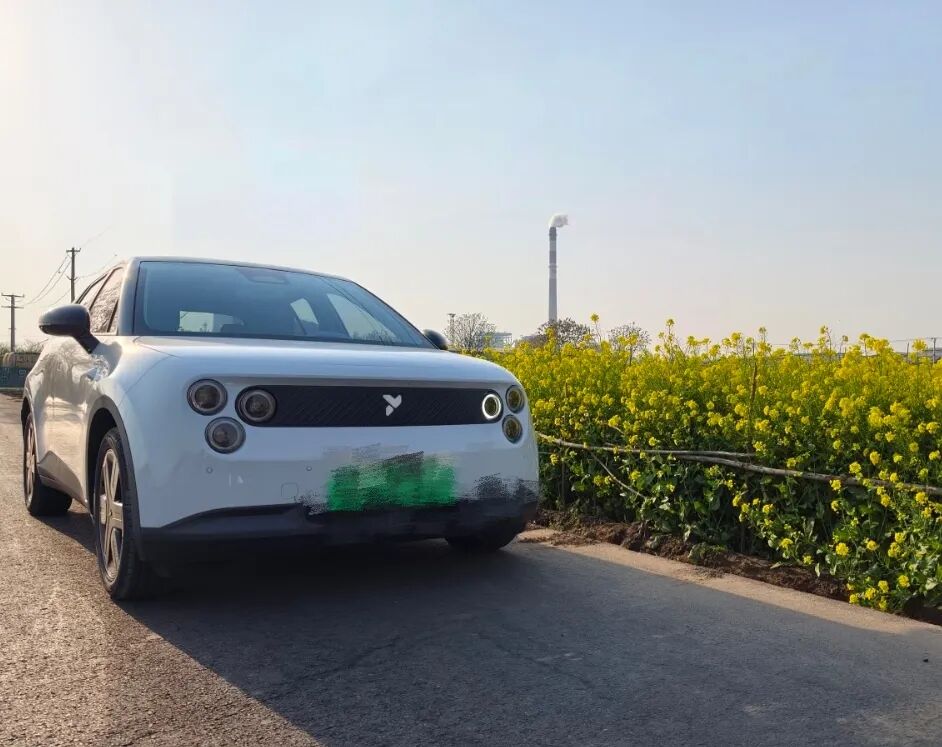
Yangyang, from a family of four, drives a BMW X5. Although the large business car looks imposing, she always drives it with trepidation.
After buying a new house, she simply replaced this seven - seat BMW SUV with a NIO Firefly. Although the contrast from a large car to a small one is quite significant, she doesn't care at all.
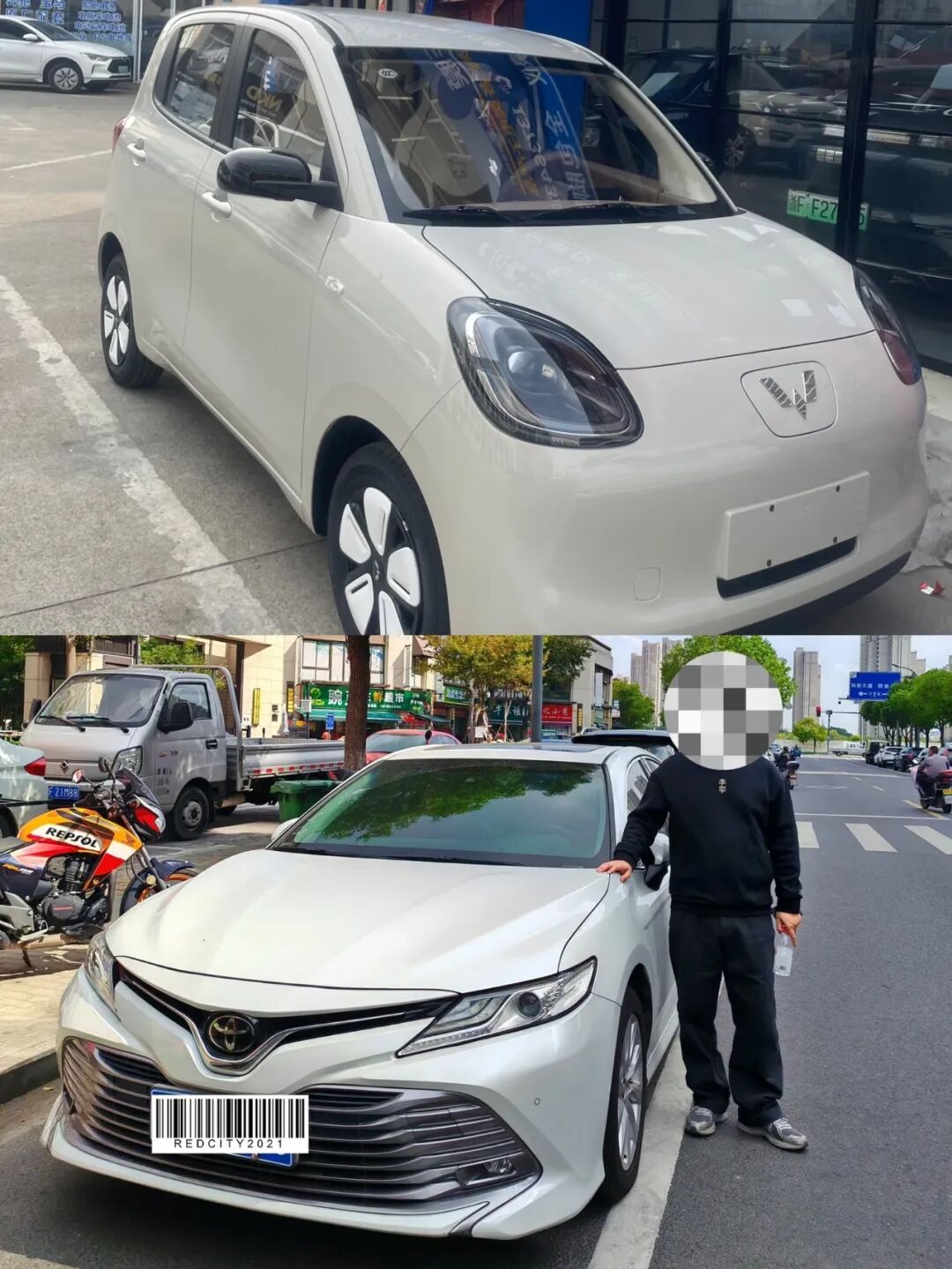
In 2020, Maomao bought a Toyota Camry 2.0. When he was going to change cars in 2025, he searched the market and didn't take a fancy to higher - level fuel cars. Instead, he fell in love with the Wuling Hongguang MINIEV.
Maomao's family couldn't understand this unusual choice, but he insisted on taking an unconventional path. Finally, he spent 33,000 yuan to buy a second - hand car of the same model with zero kilometers.
The second faction is called the "Same - Energy - replenishment Faction". When these car owners change cars in the reverse way, they keep the same energy - replenishment method as before, but the level and model of the car are downgraded.
Xiaowu has a Zhijie R7 at home. As she is usually responsible for picking up and dropping off her children, she thinks the car is a bit big to drive and wants to change to a smaller one.
After investigating several small cars on the market, she still focused on the electric - car field and finally chose the BYD Yuan UP as her new car.
The third faction is named the "Brand - loyal Faction". Although these car owners' cars are getting worse and worse, they always adjust within the same brand, aiming to maintain a certain level of style.
Youzi has a Mercedes - Benz C260. After driving it for six years, she had to do a major maintenance, change the tires, and spend a lot of money. So she thought it would be better to change a car.
She was entangled among various car brands for a long time and finally still chose Mercedes - Benz. However, she changed from a fuel car to an electric car and from a large car to a small one.
She told Brother Pan, "By trading in my second - hand Mercedes - Benz C260 and adding 20,000 yuan of my own, plus the national subsidy, I can get a Mercedes - Benz Smart."
Why are the cars getting worse and worse?
Not willing to upgrade but only downgrading when changing cars. Does it mean that the above - mentioned people are all losers who are getting worse off? Of course not. The reasons for their reverse car - changing are usually as follows:
First, it is to reduce various car - using costs.
As we all know, the higher - class a car is, the higher the car - using cost. At the same time, there is a huge difference in energy - replenishment cost between fuel cars and electric cars. Especially with the unstable situation in the Middle East, fuel - car owners are really suffering.
Maomao told Brother Pan, "When I drove the Camry before, my monthly fuel cost was about 700 - 800 yuan. Now, after buying the Wuling Hongguang MINIEV, since I can't install a charging pile in the community, I always use fast - charging outside, and my monthly electricity cost is about 100 yuan."
At the same time, Youzi also told Brother Pan, "I used to spend 500 yuan on refueling every month. Now, after changing to an electric car, 500 yuan can last for a year of charging."
Second, it is for more convenience when driving and parking.
Although mid - to high - end large cars look impressive, they are not worry - free to drive. Especially in cities with limited parking spaces and narrow roads, it always makes people nervous.
For example, Yangyang said, "When I drove the BMW X5, driving was like a game of passing levels. I was always nervous when meeting other cars on narrow roads. If the parking space was a bit small, I had to reverse the car several times. After changing to the NIO Firefly, the steering wheel feels very light, and I can drive into alleys and old communities at will."
Finally, more and more domestic small cars have surpassed old - style mid - to high - end cars in terms of configuration.
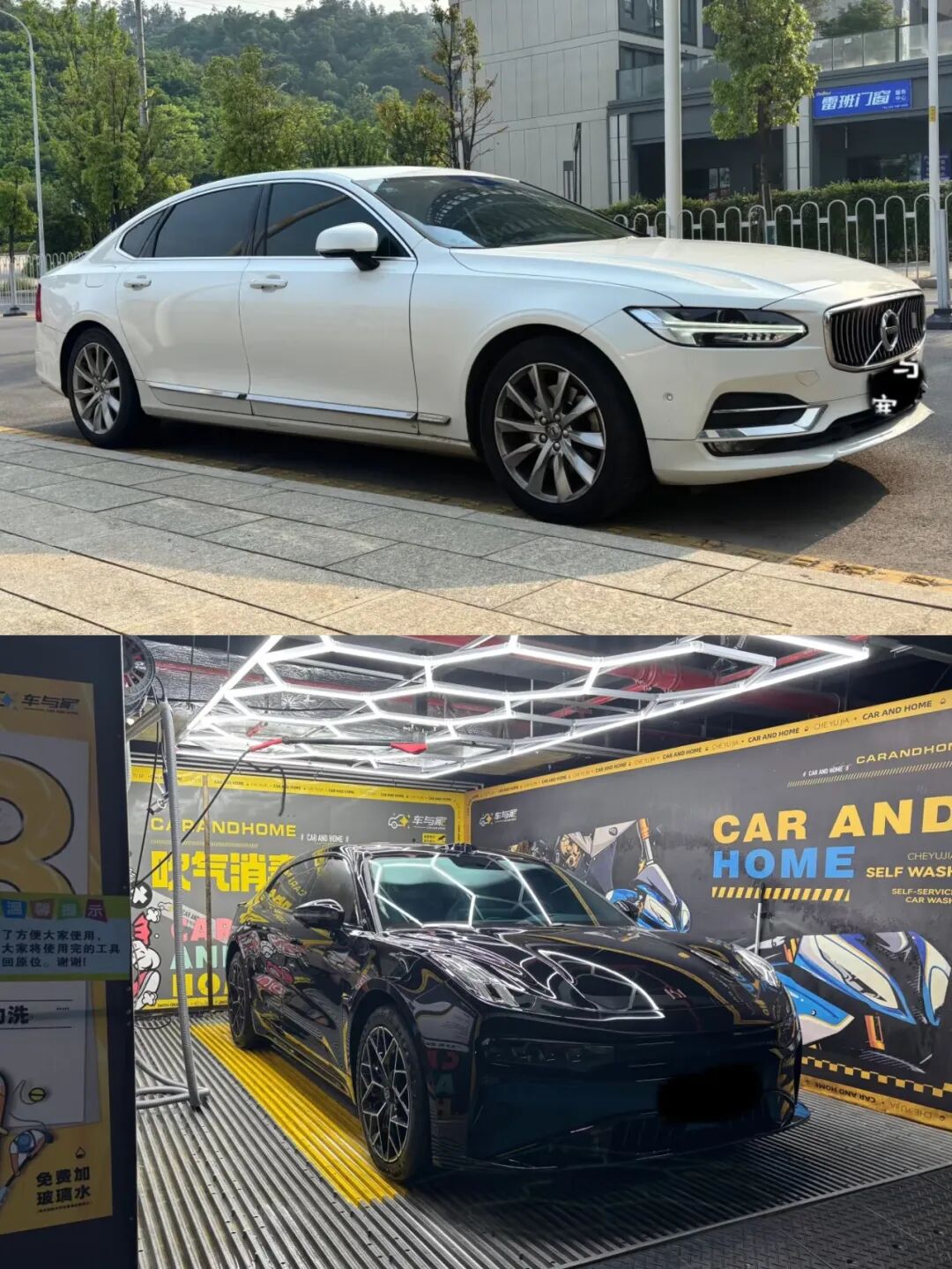
Aqian replaced his Volvo S90 bought in 2017 with a Zeekr 001 last year. Although the price was nearly half cheaper, the sense of experience seems to have improved.
He said, "The interior atmosphere of the Zeekr 001 gives people good emotional value. Some interactive technologies also have a high sense of technology, and there are many personalized ways to play. After changing the car, I always want to explore new functions, and I feel like I've become younger."
Although reverse car - changing has various benefits, car owners may also be bullied by others in the actual experience.
For example, Maomao told Brother Pan, "After changing from the Camry to the Wuling, I found that many drivers on the road seem to have a stereotype of small cars, thinking that I'm a novice or a female driver. When driving the Wuling on the road, I always encounter people who cut in and change lanes without turning on the lights, which rarely happened when I drove the Camry."
Is the car only used by one person?
Although driving a small car makes it easy to be bullied, with the superposition of the above three factors, this niche behavior of reverse car - changing still has a broad public foundation.
In addition to the above three factors, this phenomenon of downgrading when changing cars also seems to be related to the change in social structure.
China's population census data shows that the number of single - person households in Chinese family households has reached 125 million, accounting for 25.39% of the total number of family households. At the same time, the number of single people over 15 years old in China is about 240 million, accounting for 17% of the total population.
It can be seen that the increase in single - person households and single people makes many car owners only consider the driver's experience and not pay attention to the passengers' needs when changing cars.
As more and more car owners pay more attention to personal car - using experience, car manufacturers strongly related to face have also been severely impacted.
For example, in the first quarter of 2026, the sales volumes of Mercedes - Benz, BMW, and Audi, the three major luxury car brands (BBA), in the Chinese market were 111,600, 144,000, and 127,100 respectively, with year - on - year decreases of 27%, 10%, and 12% respectively.
As for the whole year of 2025, the sales volumes of these three car manufacturers in the Chinese market decreased by 19%, 12.5%, and 5% respectively. Once out of reach, even if BBA cars lower their prices, many car owners still ignore them.
On the other hand, domestic new - energy small - car players in the small - car market have impressive sales results.
In 2025, Geely Xingyuan, Wuling Hongguang MINIEV, and BYD Yuan UP sold 465,000, 435,000, and 190,000 units respectively in the Chinese market.
The recently launched Leapmotor A10, with its excellent cost - performance, has exceeded 40,000 large - order bookings within 28 days of its launch, setting a new record for Leapmotor's order growth rate.
The increasing number of single - person households promotes the development of the small - car market. At the same time, the upgraded needs of multi - child families also provide a broader market for MPVs, large SUVs and other models.
Therefore, the current Chinese automobile market seems to present a K - shaped pattern: on the one hand, car manufacturers in the large - car market are constantly launching products with high cost - performance; on the other hand, in the small - car field, car manufacturers are also in fierce competition.
At the same time, the intense competition in the small - car market forces car manufacturers to use higher cost - performance to win the favor of potential consumers.
Against this background, young people who change cars in the reverse way may want to be patient and take their time when facing new car model choices, and be the "wait - and - see party" to achieve an easy win.
This article is from the WeChat official account "IQ Tax Research Center", written by Brother Pan, and is published by 36Kr with authorization.