It has to be Huaqiangbei. Drilling holes and inserting SIM card slots for iPhone Air have become an industrial chain.
In January this year, Apple officially announced a price cut of 2,000 yuan for the iPhone Air as a promotion. With the national subsidy, the final price was 5,499 yuan. This significant price drop directly confirmed the market failure of the iPhone Air. The product itself couldn't justify its high price of nearly 8,000 yuan. Even now, the price of the iPhone Air continues to decline on major e - commerce platforms. The price has dropped to 5,099 yuan on the 10 - billion subsidy channel. Operators like China Unicom are also clearing their inventory at similar discounted prices.
In other words, once the price of the iPhone Air drops, it's unlikely to rise again. However, for consumers, as the price of the iPhone Air drops from the 8,000 - yuan range to the 5,000 - yuan range, its cost - effectiveness gradually becomes more prominent. But in the eyes of mainland Chinese users, the pure eSIM design of the iPhone Air can hardly be considered an advantage.
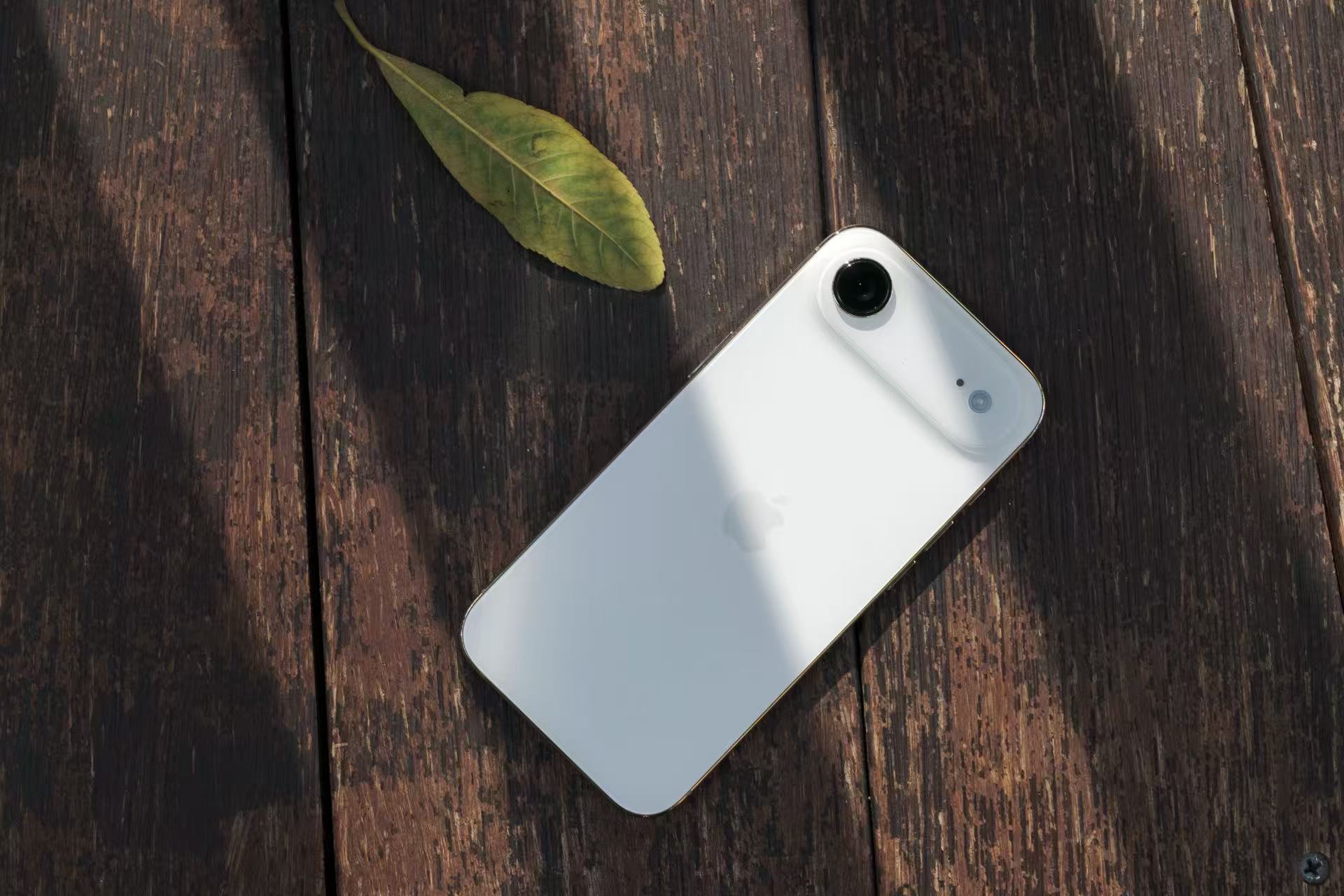
(Image source: Taken by Lei Technology)
The resourceful Huaqiangbei has come up with a solution: card modification. Transform the iPhone without a SIM card slot into one with a slot, breaking through the limitations of the eSIM policy and returning to the use of physical SIM cards.
So, will this modification really improve the user experience? Are there any risks? Here are the views of Lei Technology.
Huaqiangbei has developed an industrial chain for drilling and slotting eSIM phones
First of all, opening a SIM card slot for a pure eSIM phone didn't start with the iPhone Air. The iPhone Air is the first officially sold pure eSIM phone without a SIM card slot in China. However, Apple has long sold pure eSIM iPhones in other regions. As early as 2022, the US - version iPhone 14 series removed the physical SIM card slot and became pure eSIM phones at that time.
There has always been a tradition of wholesale sales of US - version iPhones in the Huaqiangbei market. Every year when new models are launched, a large number of phones are shipped to Shenzhen from overseas and then distributed to all parts of the country through online stores and other channels. Most of the US - version iPhones are second - hand. In the era of physical SIM cards, their classification was simple, basically divided into unlocked iPhones and locked iPhones. The former is basically the same as the Chinese - mainland version, while the latter has a lock from US operators and cannot use domestic phone cards normally. It needs to be used with a card - unlocking chip.
However, when the US - version iPhones entered the era without a SIM card slot, the situation became more complicated.
Whether locked or unlocked, US - version iPhones don't have a physical SIM card slot. Even an unlocked US - version iPhone cannot directly use a physical phone card in the Chinese mainland because there is no place to insert the card. At the same time, it's also impossible to activate an eSIM. The relevant services in the Chinese mainland were launched last year along with the iPhone Air and are not available for foreign - version iPhones.
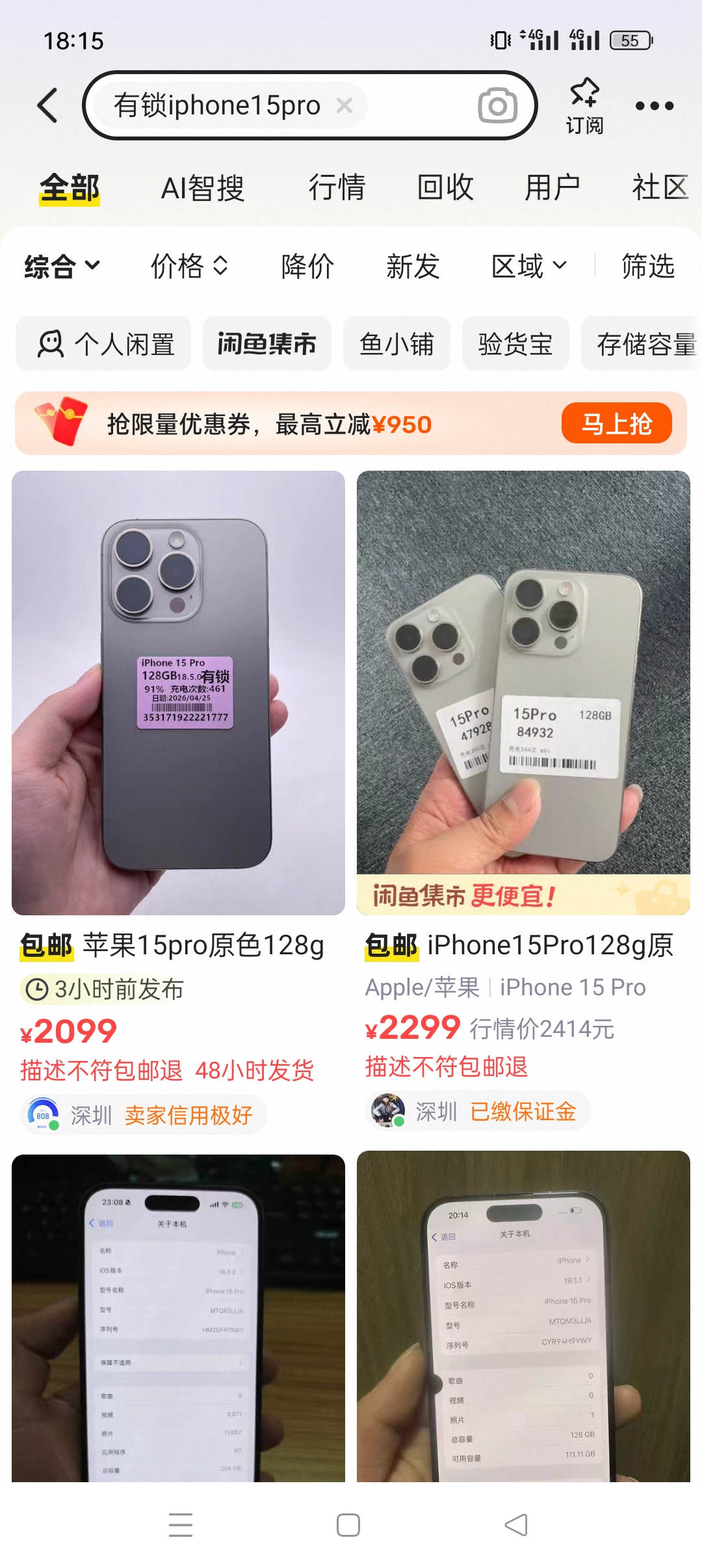
(Image source: Xianyu)
If users want to use a US - version iPhone in the Chinese mainland, they only have one option: directly activate a foreign - version eSIM card and then use it on roaming in the Chinese mainland. Obviously, this is not a long - term solution. Using a foreign phone number in the Chinese mainland incurs high fees, and not having a phone number from one of the three major operators in China will cause a lot of trouble in work and life.
At this time, Huaqiangbei has come up with a solution to modify the SIM card slot. Since there is no slot, just create one. This is not a fantasy. In essence, an eSIM is an eUICC chip soldered on the phone's motherboard, which uses the same underlying communication protocol as a traditional Nano SIM physical card.
The card - modification solution is to cut off the physical connection between the eSIM chip and the baseband chip and then solder a SIM card holder on it, achieving a "substitution of the beam for the pillar".
Take the iPhone 17 as an example. Just open the back cover, remove the vibration motor, and then solder a third - party SIM card holder in this position.
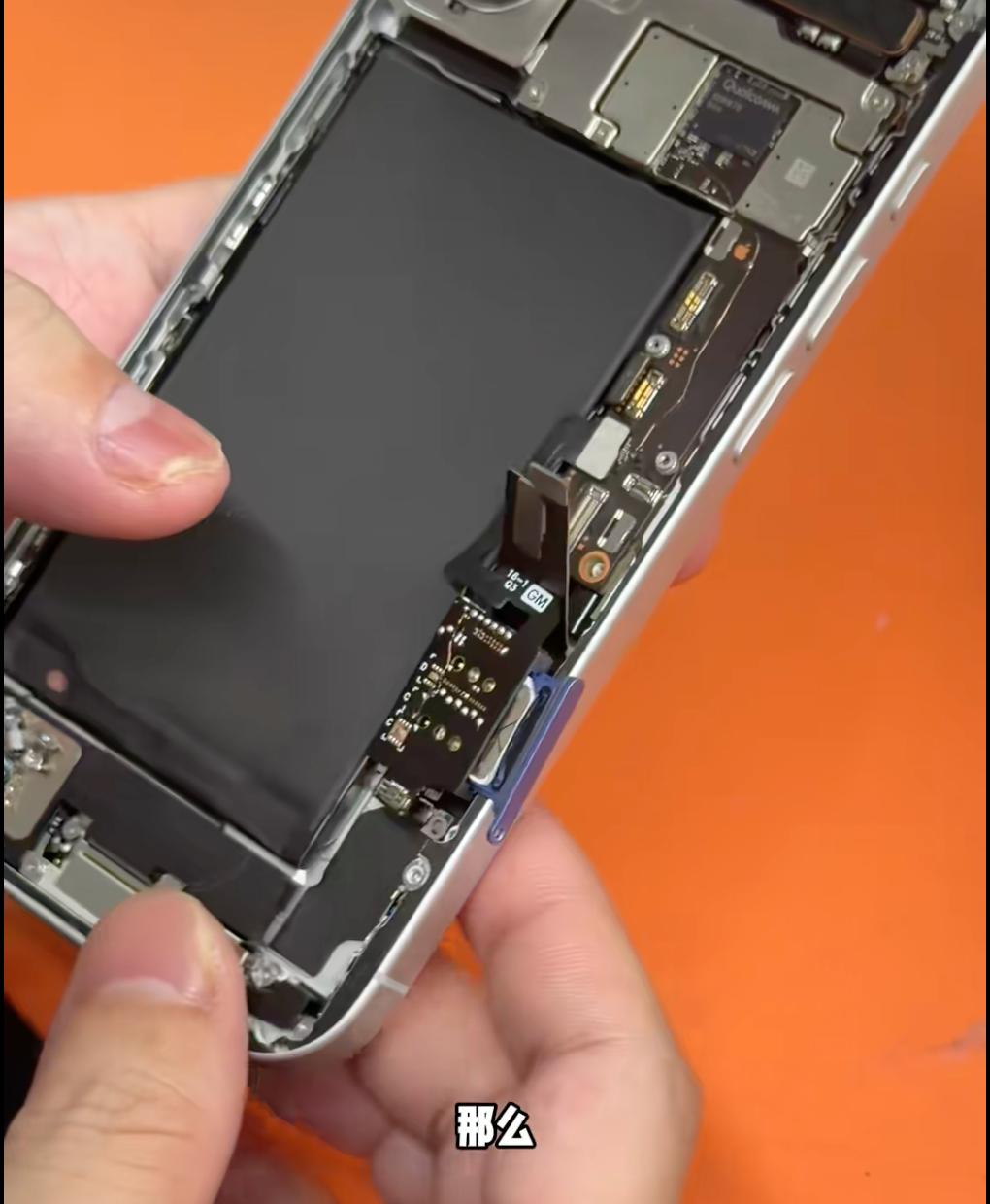
(Image source: Bilibili)
For reference, the cost of modifying the card for models like the iPhone 17 and iPhone 17e is about 100 - 150 yuan.
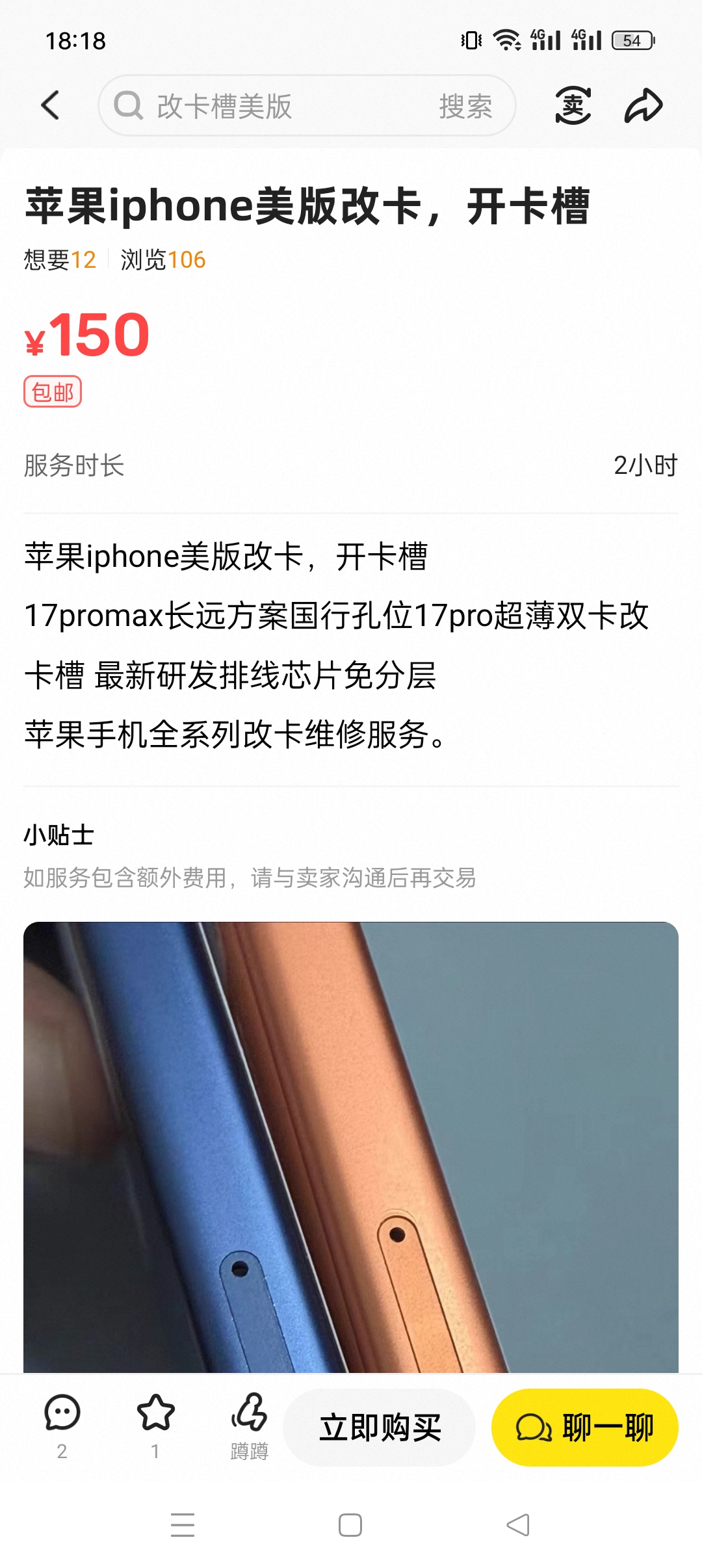
(Image source: Xianyu)
Since the physical SIM card used by users is a legal and compliant domestic phone card and there is no problem with the authentication information, it can pass the verification of the baseband chip normally, thus transforming a phone without a SIM card slot into one with a slot.
With the gradual practice and improvement of this approach in the Huaqiangbei market, a relatively mature industrial chain has been formed. There is even a division of labor: some manufacturers are responsible for producing third - party SIM card holders, some merchants are responsible for positioning and drilling holes in iPhones, and some merchants are responsible for motherboard soldering.
For different models and different needs, various types of card - modification services have emerged, such as a non - perforated embedded physical SIM card (inserting the physical card inside the phone without opening a slot outside), modifying to dual - SIM (removing two eSIM chips), and modifying to single - SIM + eSIM (replacing one eSIM chip).
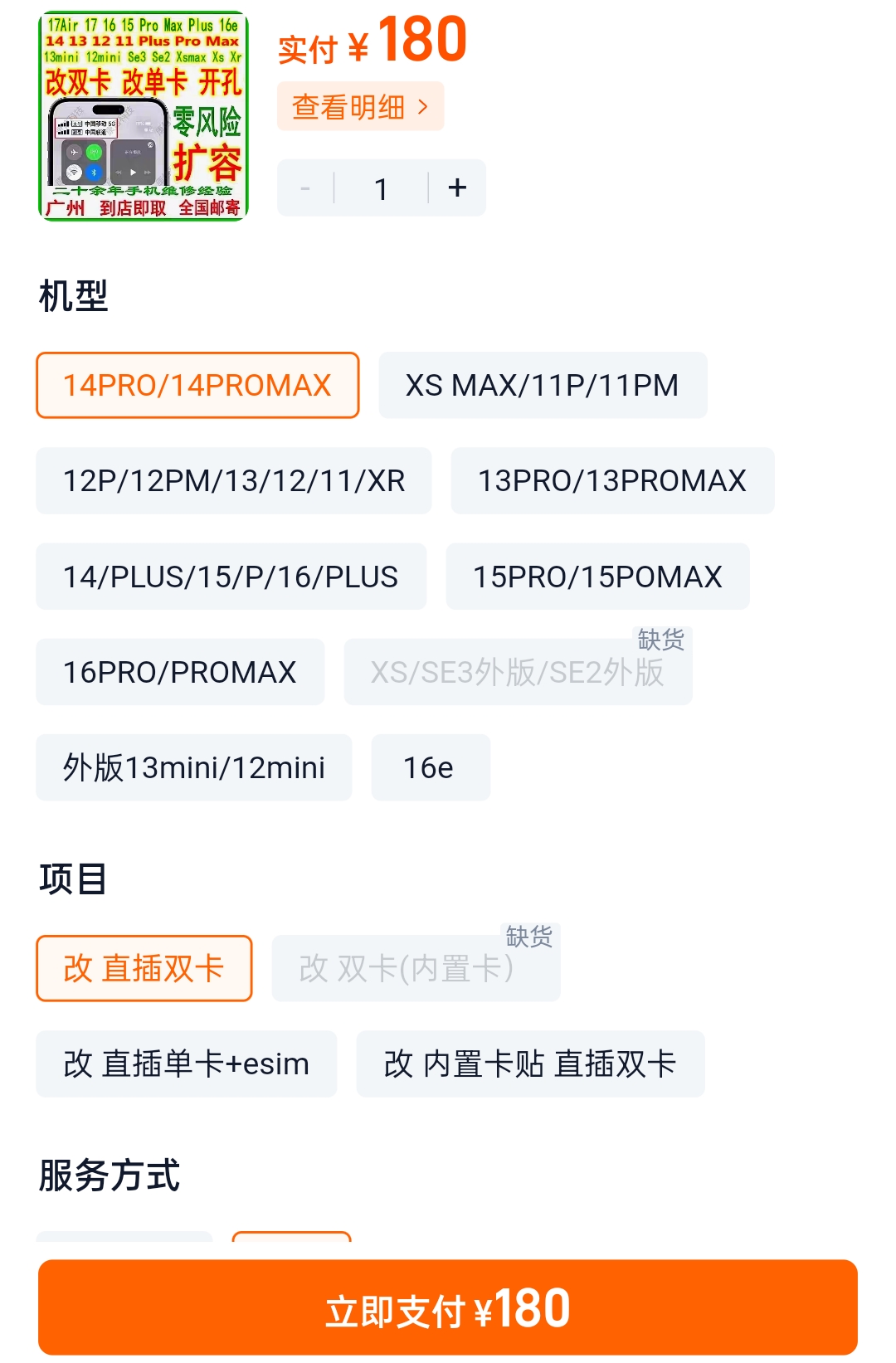
(Image source: Taobao)
From the consumer's perspective, the biggest advantage of buying a Huaqiangbei - modified iPhone is that it offers a lower price while basically retaining the original functions. Therefore, the business of US - version iPhones in Huaqiangbei can continue because there is a long - term demand for low - priced iPhones.
However, everything comes at a cost, and there are also various risks associated with modified iPhones.
We don't recommend novice users to try modifying iPhones with a SIM card slot
In the view of Lei Technology (ID: leitech), although the iPhone card - modification service has a relatively mature industrial chain, such products still have many hidden dangers. For ordinary users, the benefits and risks are not proportional.
First of all, card modification cannot turn a locked iPhone into an unlocked one. A locked iPhone is essentially a contract phone from a US operator, and the network lock is bound to the phone's serial number. Even if the eSIM chip is removed through the card - modification service, the network lock cannot be broken.
Therefore, modified iPhones can also be divided into unlocked and locked ones. A locked iPhone still needs to be used with a card - unlocking chip after modification. A card - unlocking chip is essentially a chip for breaking the lock. It evades the network lock by pretending to be a SIM card of the corresponding operator. This solution is prone to various problems, including poor signal, high power consumption, and the inability to reset or upgrade the system at will.
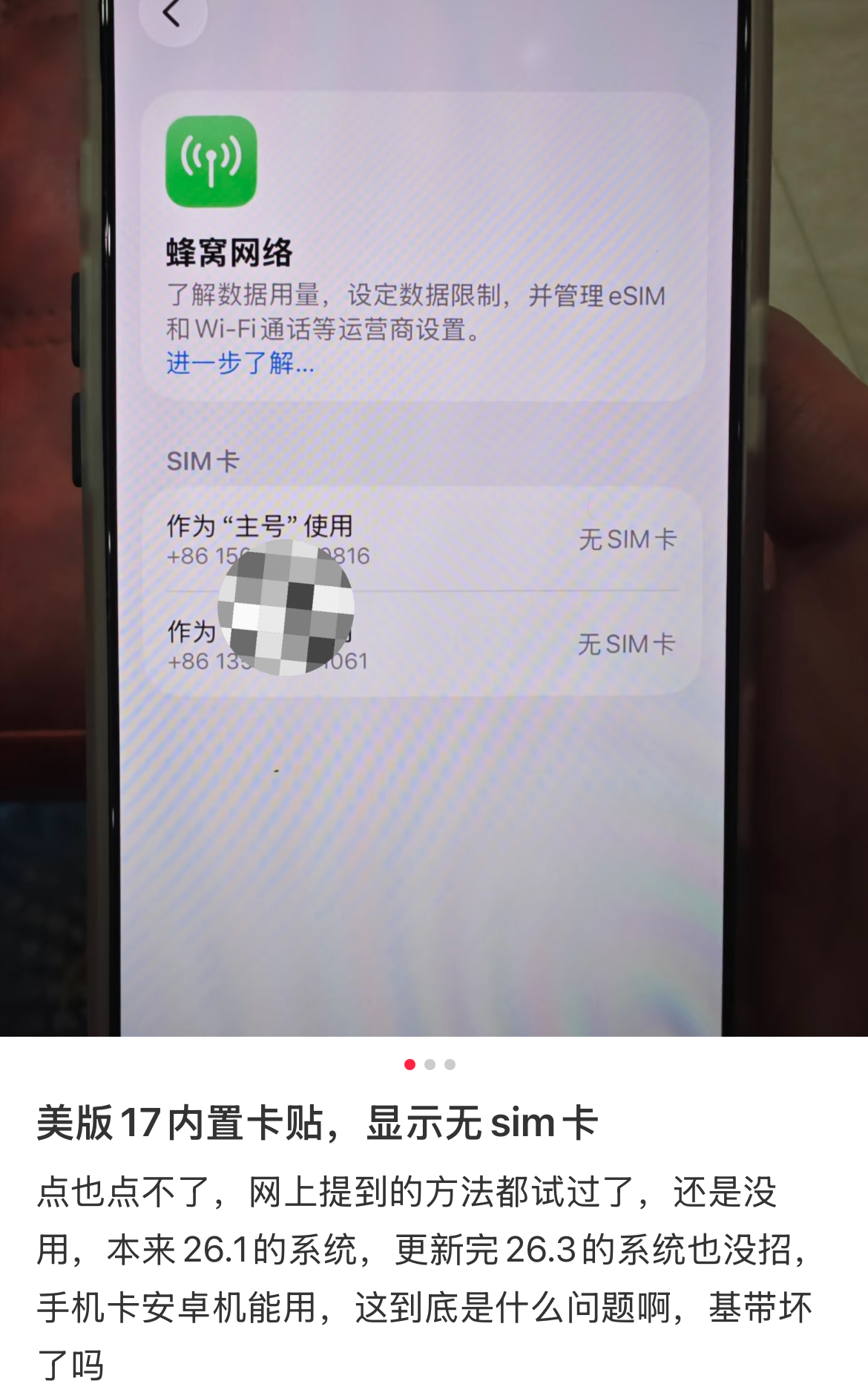
(Image source: Xiaohongshu)
Therefore, although the price of a locked iPhone is much lower than that of an unlocked one, we still don't recommend that you buy it easily.
Secondly, card modification means performing a "major operation" on the iPhone. It not only requires drilling holes in the frame but also disassembling the phone to tinker with the motherboard. This kind of modification will cause the device to lose its warranty. The airtightness will definitely be affected, and the waterproof ability will be significantly reduced. The reliability of the device may also decrease. After all, the professional abilities of card - modification masters vary. If the phone has problems later, it's difficult to find after - sales service.
In addition, some iPhone card - modification may sacrifice some functions. Take the iPhone Air as an example. Since this model takes lightness and thinness as its core selling points, the internal components are arranged more compactly, making it more difficult to perform the modification.
Currently, many merchants recommend the built - in phone card solution for the iPhone Air, that is, not opening a slot outside and embedding the phone card inside. But the biggest problem with this solution is that it's inconvenient to remove or replace the card. You have to pry open the back cover and the battery to see the SIM card slot.
The physical SIM card slot solution requires replacing the vibration motor with a smaller one and grinding a position on the motherboard for the SIM card holder. The cost of this card - modification solution for the iPhone Air is about 350 yuan, which is much more expensive than that for models like the iPhone 17 with lower modification difficulty.
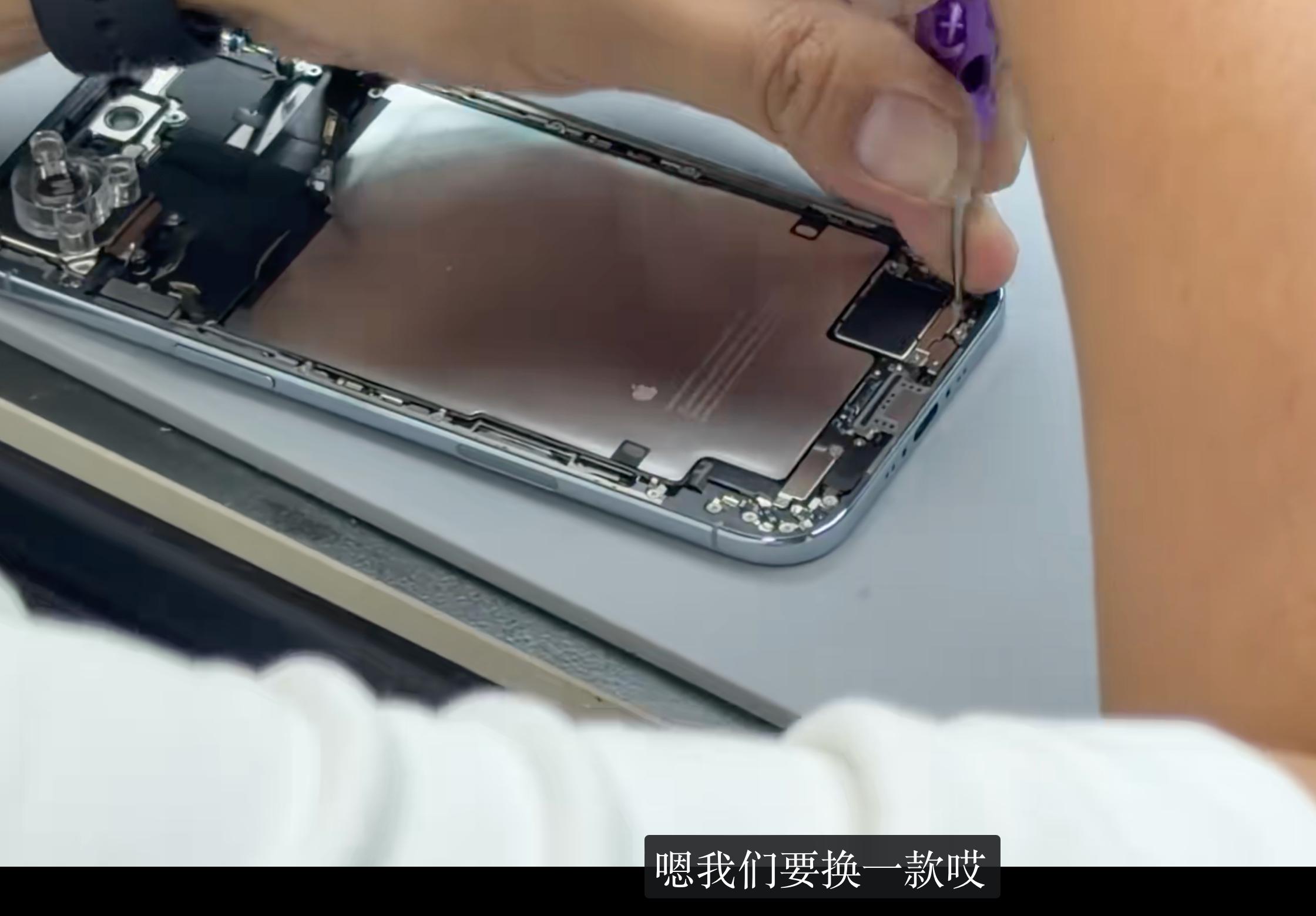
(Image source: Bilibili)
This approach will lead to a decline in the vibration experience. At the same time, replacing the original components with third - party ones may also have quality issues.
There is also a very crucial point. A complex gray and black industrial chain has already formed around second - hand iPhones. Many iPhones with unknown origins have had their original components replaced by unscrupulous merchants during the circulation process. Many second - hand iPhones are "assembled phones" with many potential problems. It's difficult for ordinary users to tell just by looking at them.
At the same time, the refurbishment technology in Huaqiangbei is already very advanced. For example, for an iPhone with a broken outer screen, merchants can replace the outer glass through the "pressing cover plate" technology. Since the inner screen is still the original Apple one, the phone system cannot detect it, and there will be no pop - up prompt indicating that it's not the original. Unless an ordinary user disassembles the phone, it's basically impossible to tell. The price difference between a phone with a pressed cover plate and an original - screen iPhone is nearly 1,000 yuan.
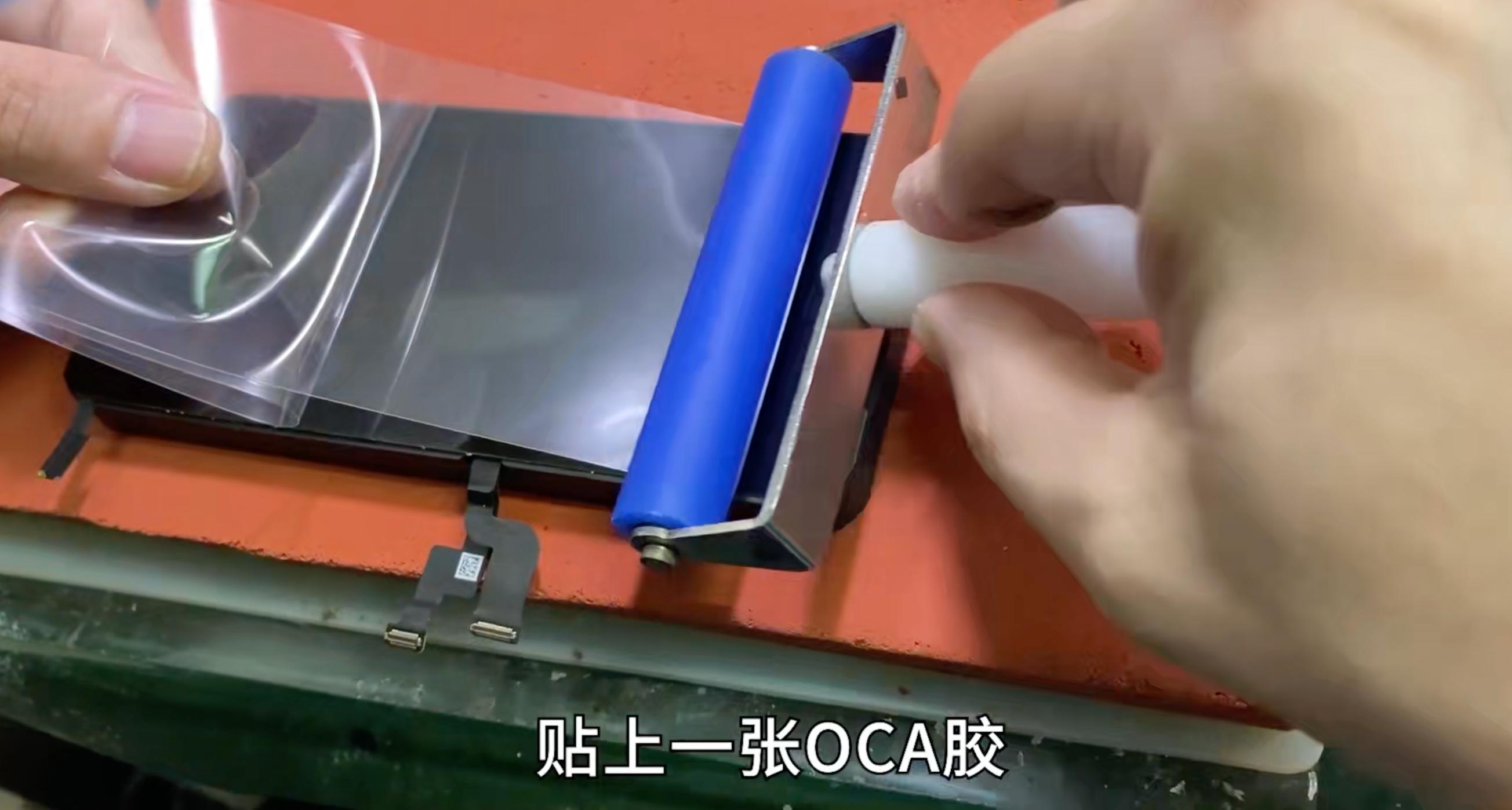
(Image source: Bilibili)
There have even been cases where gray and black industry personnel buy new iPhones online, replace the original screens, and then return them. Apple's after - sales service has tightened its warranty policy step by step after being tricked in various ways. Now, most Apple products need to be sent back to the factory for inspection for repair, and the probability for ordinary consumers to get a new phone in the store is getting smaller and smaller.
Therefore, for novice users, a modified iPhone is not a reliable choice. It's obviously not worth paying a large and disproportionate price for the convenience of using a phone card.
Lei Technology (ID: leitech) believes that for most people, buying a Chinese - mainland version iPhone from a regular channel is still the most recommended option. Even if you really want to buy a foreign - version iPhone, it's recommended to find a channel that can provide regular invoices so that you can enjoy normal official warranty in the Chinese mainland. The second - hand iPhone market is very complicated.
eSIM is in the painful period of implementation and still has a long way to go before being useful
According to the original plan, eSIM technology can enable phones to get rid of physical SIM card slots, allowing users to more freely choose operators and corresponding tariff packages and break free from the constraints of physical cards. However, judging from the situation of the Chinese - mainland version iPhone Air, the reality has not completely developed in the ideal direction.
Currently, there are many restrictions on the Chinese - mainland version eSIM. For example, a phone can store a maximum of two eSIM numbers, Chinese - mainland version eSIM phones cannot activate foreign - version cards in the Chinese mainland, and foreign - version eSIM phones cannot activate Chinese - mainland version cards. Moreover, currently, handling eSIM services in the Chinese mainland, including card activation and replacement, requires going to offline business halls, which is less convenient for users than handling physical cards.
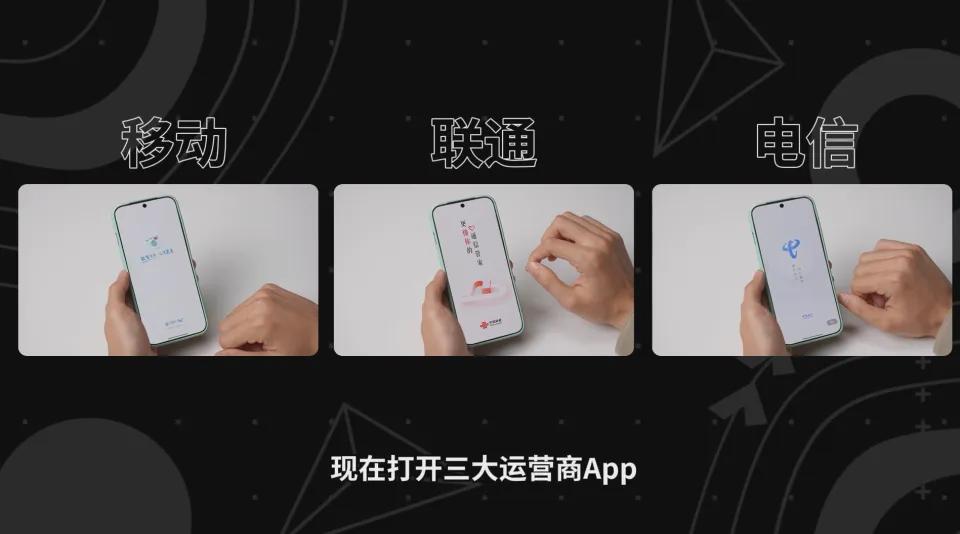
(Image source: Lei Technology)
Of course, it should be admitted that the regulatory policy on eSIM is reasonable. Due to its technical characteristics, eSIM naturally has one less supervision process than physical SIM cards. Once it is used by criminals such as telecom fraudsters, it is more likely to cause bad consequences.
Actually, for most users, the pure eSIM solution is not the best choice at present. In our view, a combination of physical SIM card slot and eSIM is the optimal solution at present, especially the dual - SIM + dual - eSIM solution. Now,