Why has the hype around solid-state batteries died down recently after a period of intense speculation?
"The 2026 MG4 equipped with the 2.1 version of the semi-solid-state battery was launched on a large scale on December 18th last year. Starting this year, the company will gradually launch mass-produced models equipped with semi-solid-state batteries under different brands. The specific arrangements shall be subject to the information released by each brand."
Recently, when the author was browsing online industry information, SAIC's official account on the Shanghai Stock Exchange e-interaction platform replied to investors' question "When will solid-state batteries be mass-produced and installed in vehicles" in this way. And I vaguely remember that from the end of last year to before the Spring Festival this year, NIO once issued a news saying that its 150kWh semi-solid-state battery pack products had started mass delivery.
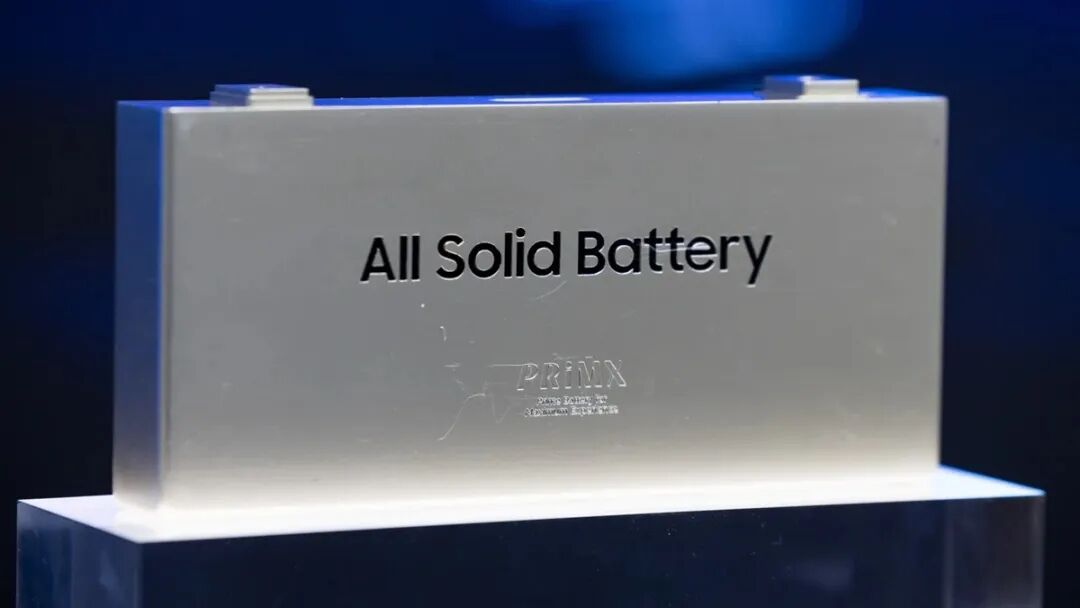
▲ A sample of the all-solid-state battery released by Samsung in South Korea in 2024
There was a time when solid-state batteries were the most popular concept in the new energy vehicle field, carrying the subversive expectation of doubling the energy density and completely solving the safety anxiety. They frequently made headlines and triggered capital competition. However, when products equipped with semi-solid-state batteries finally started mass delivery in 2026, the industry at home and abroad seems to have fallen into a subtle "silent period".
As the hype fades and the buzzwords cool down, we can't help but ask: Why has the technology that was predicted to rewrite the rules of the game become "silent" when it seems to be approaching the threshold of mass production?
01 Starting from Semi-Solid State - A Pragmatic Choice Beyond High-Profile Publicity
Currently, solid-liquid hybrid batteries (commonly known as semi-solid-state batteries) have become the pioneers in moving from technology to the market. Many automakers have launched mass-produced models, turning this technology from a concept into a reality.
As mentioned above, MG under SAIC Group took the lead in breaking the situation. At the end of 2025, the "Safe Core Edition" of the MG4 equipped with the semi-solid-state battery from QingTao Energy officially started delivery, becoming the world's first mass-produced model equipped with a semi-solid-state battery for the mass market.
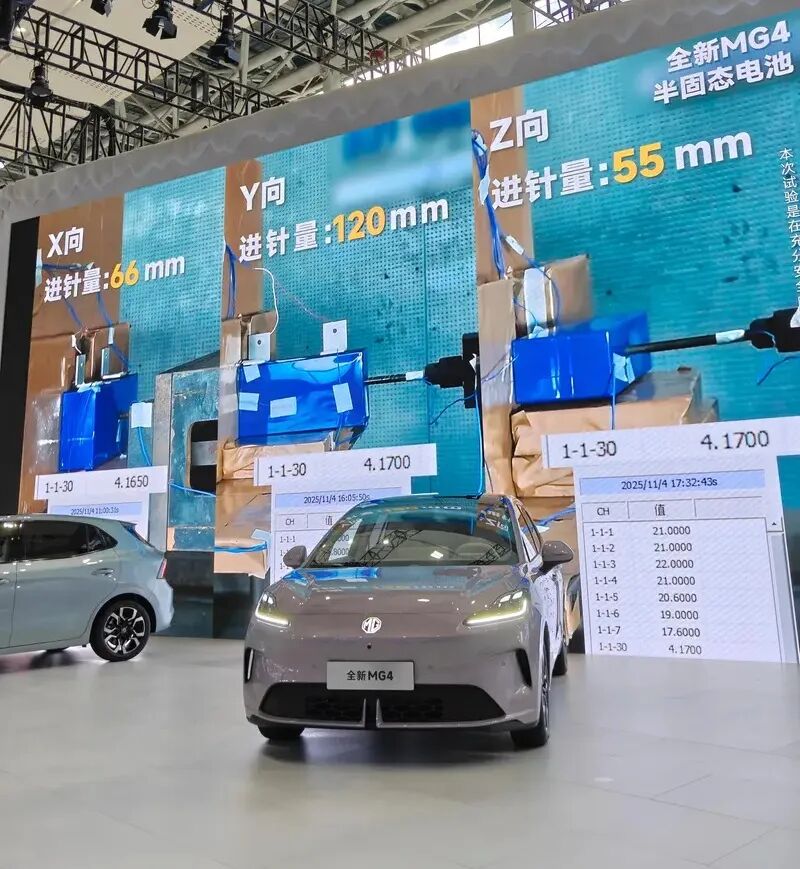
▲ SAIC MG very carefully focused its publicity on safety. During the press conference at the Guangzhou Auto Show last year, it spent a long time explaining the safety test data of its batteries.
The official introduction of this "Safe Core Edition" only focuses on the fact that its semi-solid-state battery "reduces the content of liquid electrolyte to about 5%, comprehensively improving safety compared with liquid batteries". In addition, the officially calibrated cruising range is the same as that of the version equipped with a 53.9kWh battery but using lithium iron phosphate battery cells supplied by CATL, with a CLTC standard cruising range of 530 kilometers. It can be said to be very cautious and low-key.
However, some brands use semi-solid-state batteries as a marketing tool.
At the end of last year, with the mass delivery of the 150kWh semi-solid-state battery pack, NIO emphasized the energy density data of the battery cells, the overall energy density index of the battery pack, and the resulting improvement in vehicle cruising range in its publicity. And Voyah, a luxury electric brand under Dongfeng Motor, also emphasized that its Zhuiguang model will be equipped with a semi-solid-state battery provided by QingTao Energy.
Both companies focus their publicity on the higher energy density brought by semi-solid-state battery cells and the resulting longer cruising range. At the same time, they emphasize its better low-temperature performance and fast-charging ability.
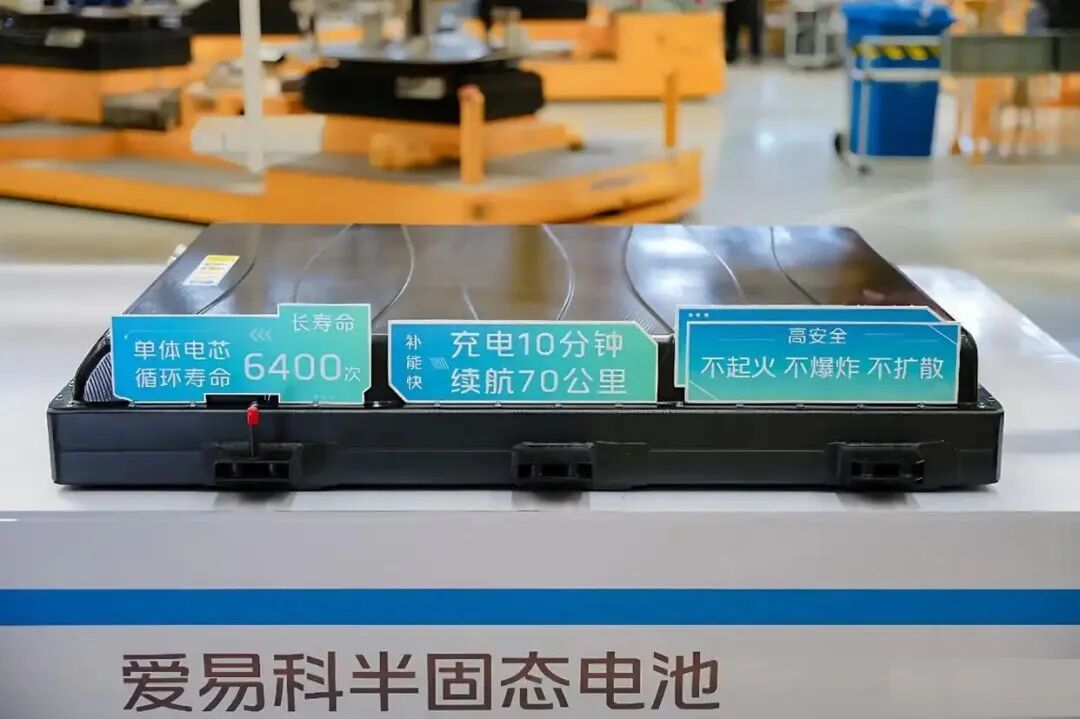
▲ The commercial vehicles produced by Foton are equipped with semi-solid-state battery cells provided by Shenzhen AYK.
Even some commercial vehicle brands that have caught up with the trend have tasted the "freshness" of semi-solid-state batteries. Foton Motor has applied solid-liquid hybrid batteries on a large scale in its new energy light trucks such as Xiangling Q and U7. The sales volume exceeded 10,000 units in 2025, proving the commercial feasibility of this technology in the operating scenario.
Compared with the present tense of semi-solid-state batteries, all-solid-state batteries are in the "future tense". However, major automakers have drawn up clear timetables for installing them in vehicles and set 2026 - 2027 as the key nodes. They have all set 2026 as the "year for vehicle installation verification" of all-solid-state batteries.
GAC Group plans to start small-scale vehicle installation tests in 2026. At the Guangzhou Auto Show in 2025, it officially announced that the first pilot production line for vehicle-grade all-solid-state batteries above 60Ah built by the group in Panyu, Guangzhou, has recently been officially completed and put into production. It plans to officially start vehicle installation testing work this year. Changan and Geely also have similar plans. They have clearly stated that they will complete the vehicle installation verification of their self-developed all-solid-state batteries within 2026.
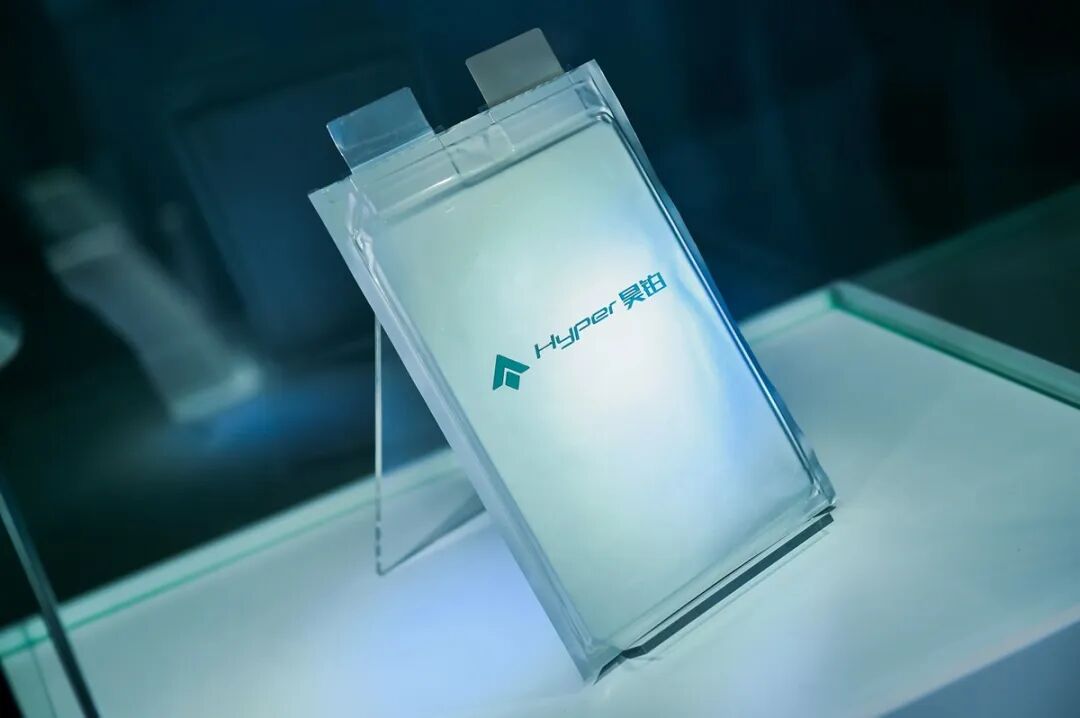
▲ GAC Group claims that it has initially established the entire manufacturing process for all-solid-state batteries and plans to install the finished products in its Hyper GT models in 2026.
However, FAW Group is the fastest. The first all-solid-state battery pack independently developed by it was officially off the production line on the Hongqi Tiangong 06 trial vehicle in December 2025, taking the lead in entering the real-vehicle testing stage.
Of course, at this stage, all the companies are still in the "pilot test" before formal mass production and the vehicle installation testing stage that has started or is planned. There is still a certain distance from the actual mass-produced and deliverable products.
BYD plans to start large-scale demonstration applications around 2027; FAW Hongqi announced that it will install solid-state batteries in its high-end flagship sedans and SUVs and achieve mass production by the end of 2027; the flagship model ES8 of the Xingtu brand under Chery Automobile is also planned to be equipped with all-solid-state batteries with higher energy density during the same period.
Judging from the official announcements of all parties at present, 2027 seems to be generally regarded as the starting year for the mass production and installation of all-solid-state batteries in vehicles.
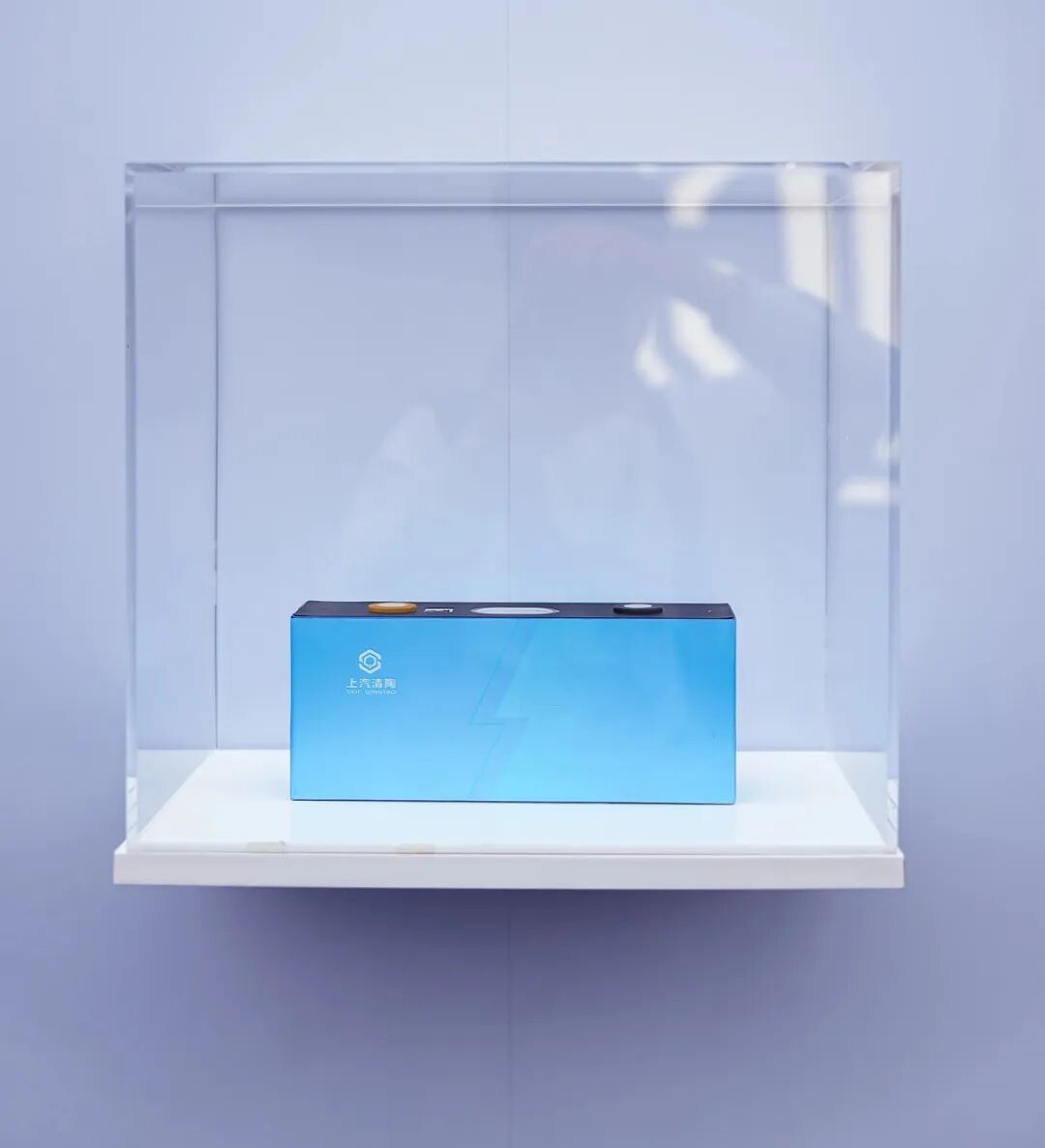
▲ In November 2023, SAIC Group and QingTao Energy jointly established Shanghai SAIC QingTao Energy Technology Co., Ltd., which is why the battery cells are marked "SAIC QingTao".
The early "semi-solid state" products have been launched, and the plans for all-solid-state products are ambitious. However, the development of solid-state batteries still faces severe challenges. As seen in industry tests, samples often fall into the dilemma of having difficulty in achieving both high energy density and long cycle life. The sulfide electrolyte, which was highly anticipated, still needs to make breakthroughs in terms of safety and chemical stability. At the same time, its manufacturing cost is high, and the supply chain is far from mature.
Therefore, despite the publicity of vehicle brands, the general consensus in the industry is that the large-scale popularization of all-solid-state batteries may not happen until around 2030.
02 Complete Solidification - An Uncertain Future
The development of the domestic solid-state battery industry is a ten-year exploration history from benchmarking international standards to a pragmatic transformation.
The first batch of companies to enter the field, represented by Weilan, QingTao, and Ganfeng Lithium, were established around 2015. Initially, they all harbored the dream of conquering all-solid-state batteries and chose different technical paths to benchmark international giants.
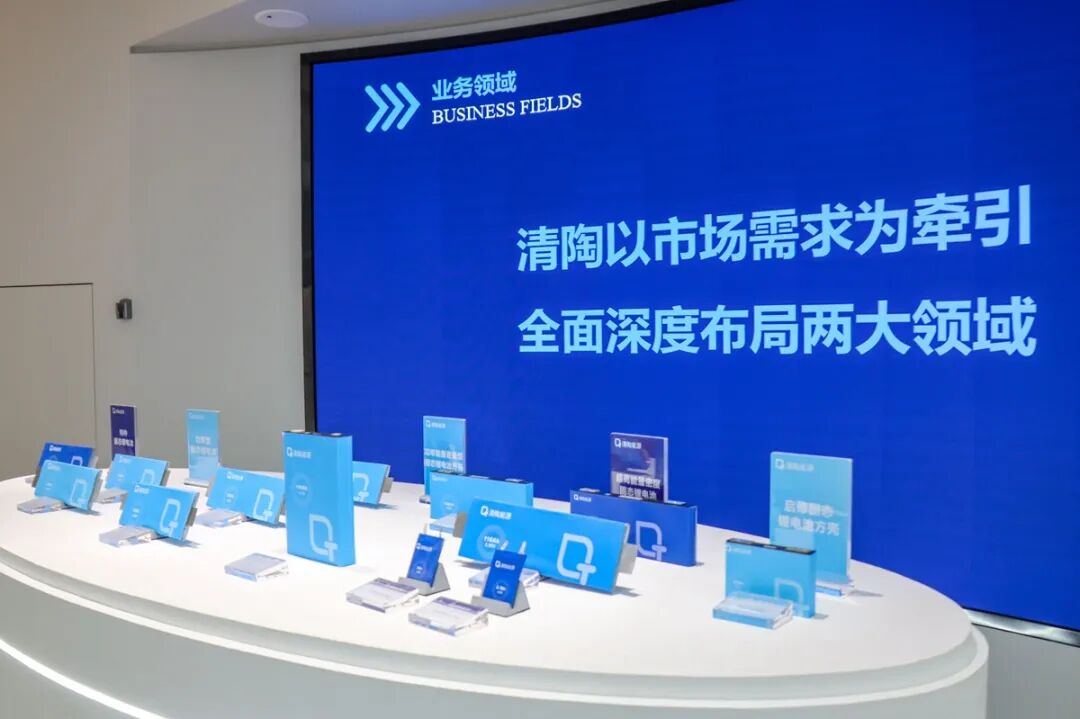
▲ In July 2024, QingTao Energy displayed its various battery cell products. At that time, semi-solid-state battery cells had not yet been mass-produced.
Weilan benchmarked the polymer solid-state battery route of Bolloré in France; QingTao Energy benchmarked the oxide (garnet-type) solid electrolyte route of QuantumScape in the United States; Ganfeng Lithium benchmarked the sulfide solid electrolyte route of Solid Power in the United States and Toyota in Japan.
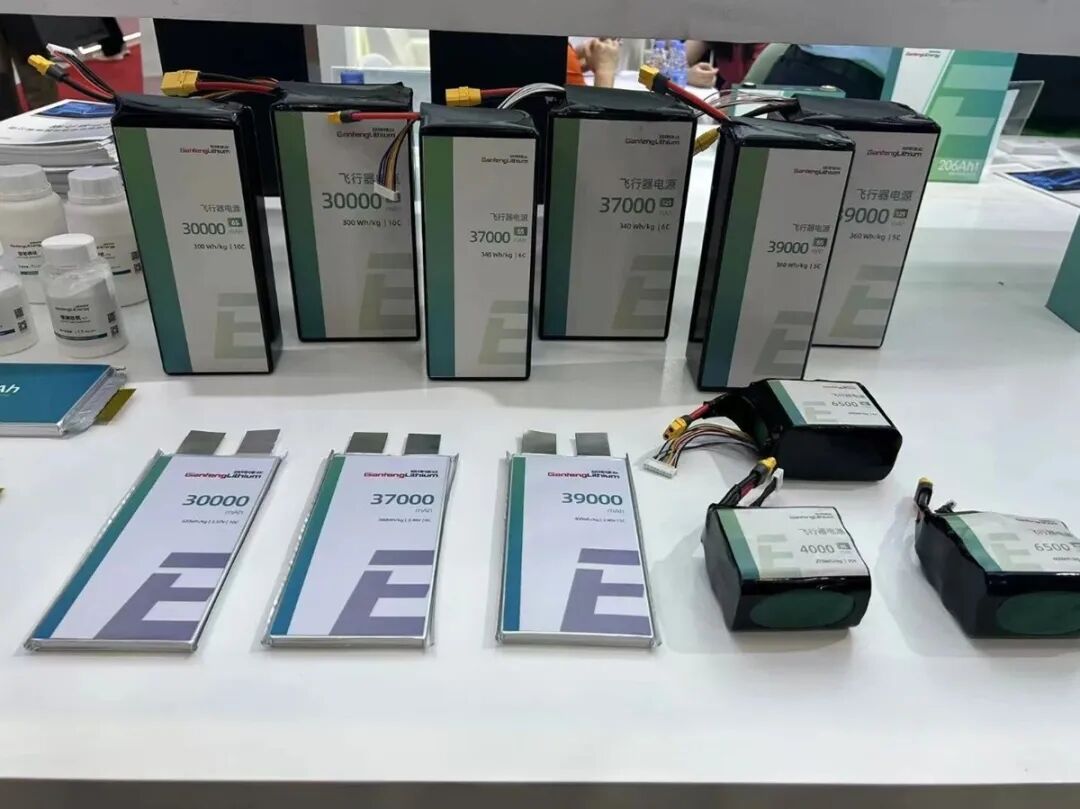
▲ Ganfeng Lithium's development route for solid-state batteries is the lithium sulfide electrolyte.
However, after nearly ten years of R & D and trial and error, these three companies have all shifted their main resources and industrialization directions to solid-liquid hybrid batteries (also known as semi-solid-state batteries). Behind this collective shift is a cruel reality: it is almost impossible for start-up companies alone to overcome the all-round problems of all-solid-state batteries from materials, interfaces to processes. Even in the solid-liquid hybrid route, those so-called "more solid and less liquid" solutions that try to get infinitely close to all-solid state face the dilemmas of poor consistency and high cost in actual mass production and are difficult to succeed.
In order to standardize market publicity, relevant national departments took the lead in formulating national standards for solid-state batteries last year. One of the core judgment bases is the weight loss rate of the battery (that is, the content of liquid electrolyte). According to this relatively strict standard, the content of liquid electrolyte in many batteries previously promoted as "solid-state" or "quasi-solid-state" in China may still be relatively high, and there is a certain degree of "exaggeration" in the publicity.
Recently, the industry's expectations for all-solid-state batteries have once again undergone a rational adjustment. The latest third-party evaluation shows that the all-solid-state battery samples submitted for testing have fallen into the strange circle of "inability to have both performance and lifespan": samples with an energy density of up to 400 Wh/kg often fail to meet the cycle life standard; while samples with stable cycle performance have difficulty in breaking through 400 Wh/kg in energy density.
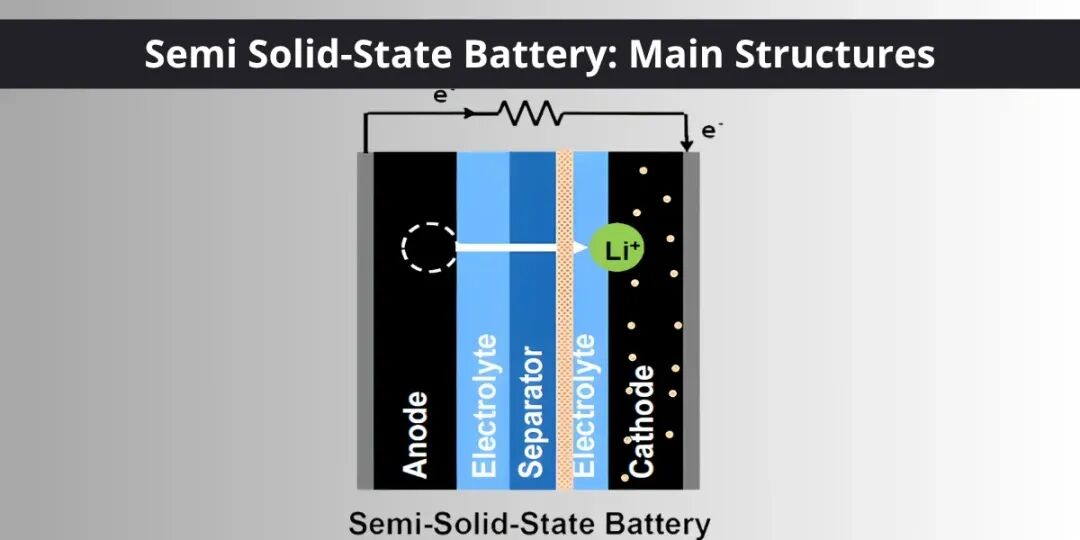
▲ Basic structure of a semi-solid-state battery: The light blue part in the picture is the electrolyte, the dark blue part is the solid electrolyte, and the yellow part is the separator.
More importantly, the sulfide solid electrolyte, which was highly anticipated, has not significantly improved safety as expected, and its chemical stability problem is still prominent. These realities have made the industry start to reflect: many performance indicators that all-solid-state batteries can achieve can also be approached by advanced liquid lithium-ion batteries through system optimization (such as high-nickel cathodes and silicon-carbon anodes), and the latter has the advantages of a mature and low-cost industrial chain.
Looking at the international situation, the pioneers of all-solid-state batteries are also struggling.
SES in the United States initially focused on solid-liquid hybrid lithium metal batteries. After receiving investment from Kia, its R & D focus seems to have shifted to using large AI models to screen electrolyte formulas.
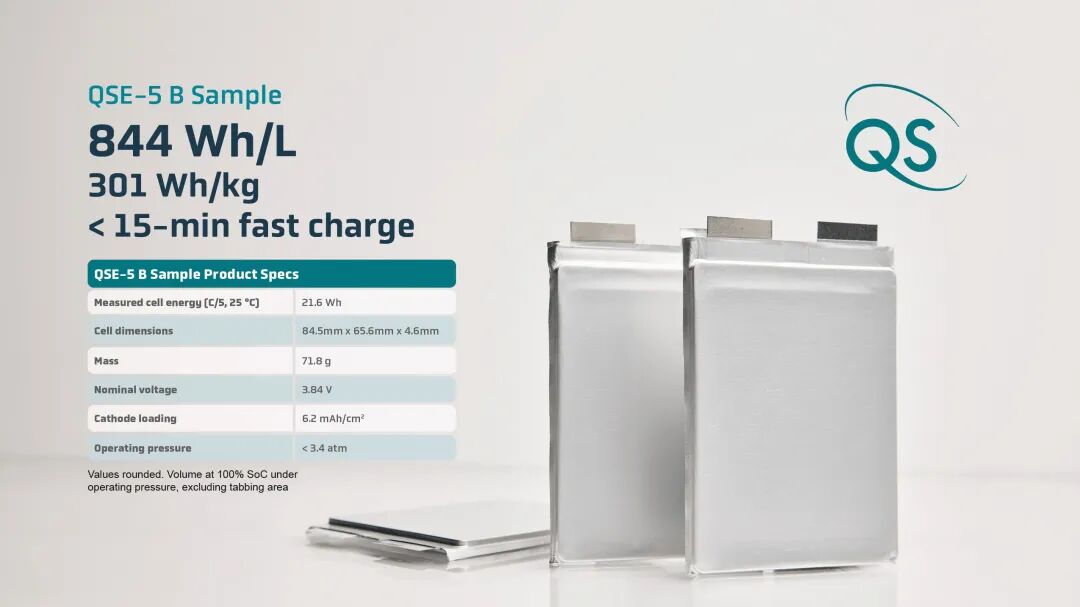
▲ A battery cell product QSE - 5 B Sample released by QuantumScape five years ago had very impressive performance at that time, but it doesn't seem that great now.
QuantumScape in the United States once released a bendable pure ceramic solid electrolyte film, which caused a sensation at the time. However, it is rumored that it is currently actually promoting the solid-liquid hybrid route.
Solid Power in the United States produces sulfide electrolytes through a unique plasma process, trying to bypass expensive raw materials, and has received strong support from BMW. However, the energy density of its samples still hovers below 300 Wh/kg, and it has little advantage compared with high-end liquid batteries.
As the "flagship" in the field of all-solid state, Toyota, although holding a large number of sulfide patents, has postponed its "vehicle installation" timetable for many years and has not yet achieved large-scale commercial vehicle installation. Its latest progress is still limited to a conservative system with a medium-nickel cathode and a graphite anode, and there has been no breakthrough in energy density and mass production yield.
Among the domestic solid-state battery companies mentioned above, the author has a netizen who has known for many years. After seeing the author's on-the-spot visit to the Jinshan Lexus factory before the Spring Festival this year, because the author imagined in the article that Toyota would introduce its solid-state battery technology to this factory for mass production, the netizen specifically found the author to talk about this matter -
"(Domestic solid-state battery companies) are always benchmarking this and that, but they don't seem to have considered whether others really have the technology behind them or are just making 'PPTs'. Take Toyota for example. It has been saying that it will 'install the battery in vehicles' since I was doing my Ph.D. Now, after