Rushing to buy three-row SUVs has become the antidote for middle-aged people born in the 1980s and 1990s.
Representatives of American cars are muscle cars and full - size pickups; Germans are good at high - performance sedans; Japanese cars excel in economical compact cars.
So, what are the representative models of Chinese cars? Judging from the current trend, there is no doubt that it is the new - energy three - row SUVs.
1. The Three - Row SUVs with Chinese Characteristics
The so - called three - row SUVs mainly have the following characteristics: In terms of body size, they follow the "532" route, with a body length exceeding 5 meters, a wheelbase exceeding 3 meters, and a width approaching or exceeding 2 meters. They are real behemoths. If they were any bigger, they would need a yellow license plate. In terms of seat layout, they have six - or seven - seat configurations, and the characteristic is that the third - row space is extremely spacious, allowing adults to sit comfortably for a long time without any discomfort. In terms of configuration, they are equipped with a large number of luxury amenities, such as refrigerators, color TVs, comfortable sofas, massage seats, scented air fresheners, and queen - style seats, all well - equipped for you.
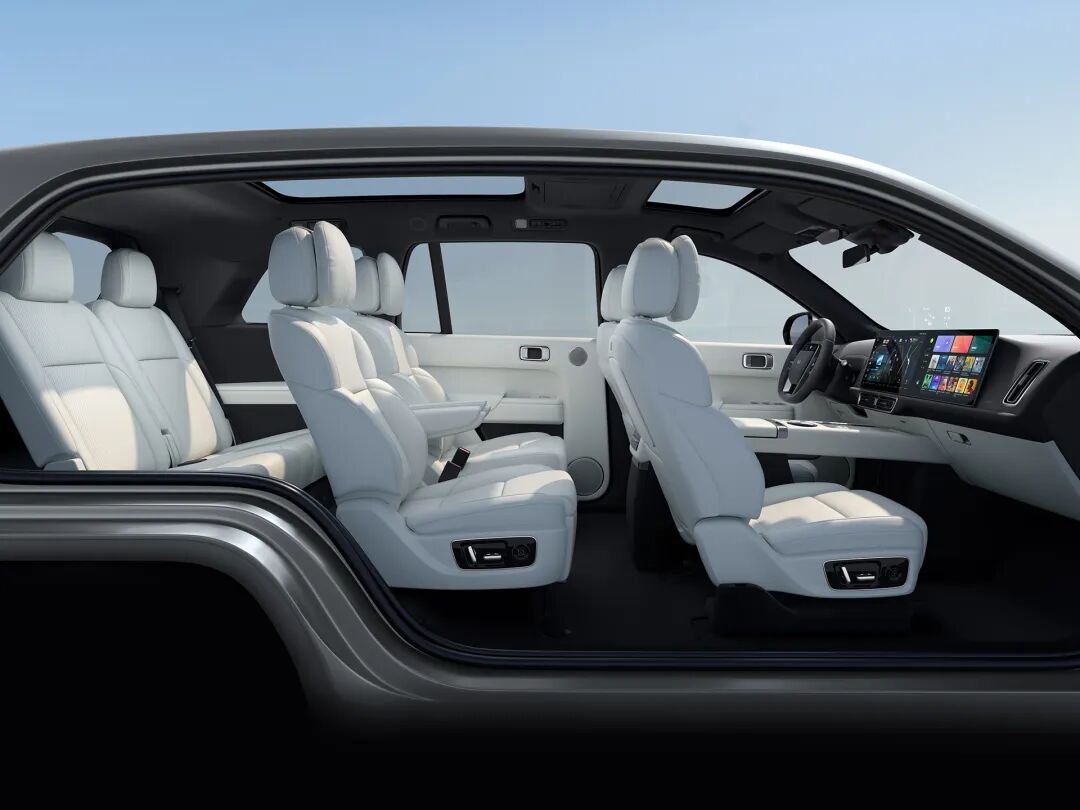
Since major manufacturers often use the largest digit 9 to name these three - row SUVs to highlight their flagship status, they are also commonly referred to as "Series 9" in the market.
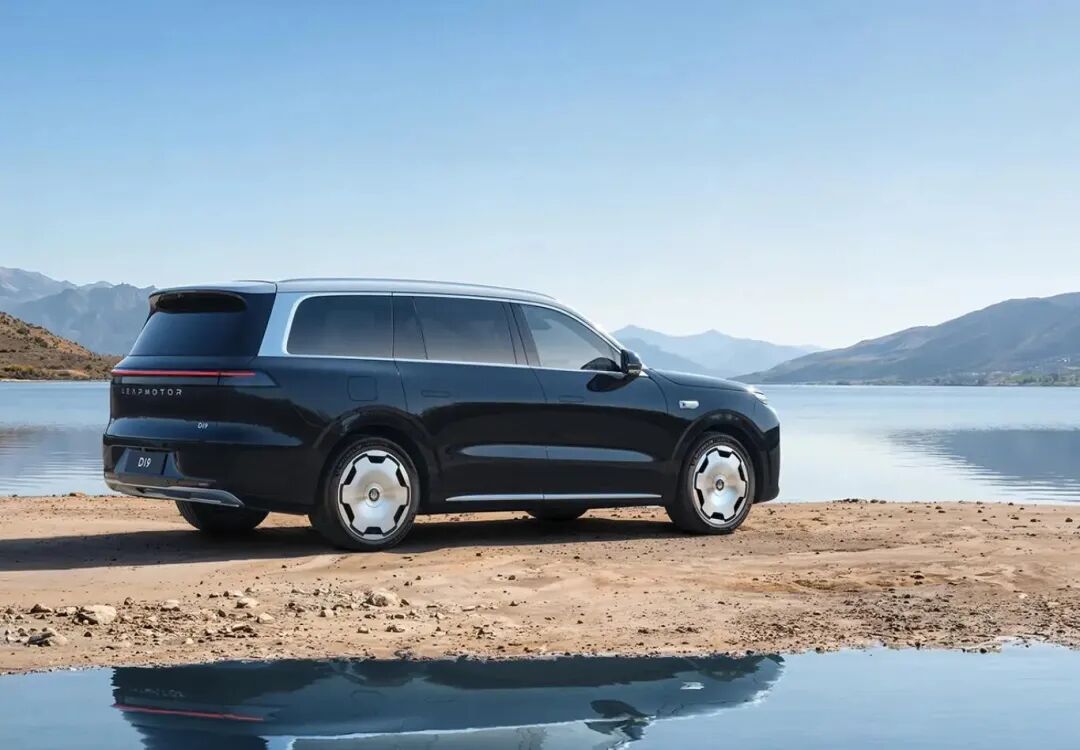
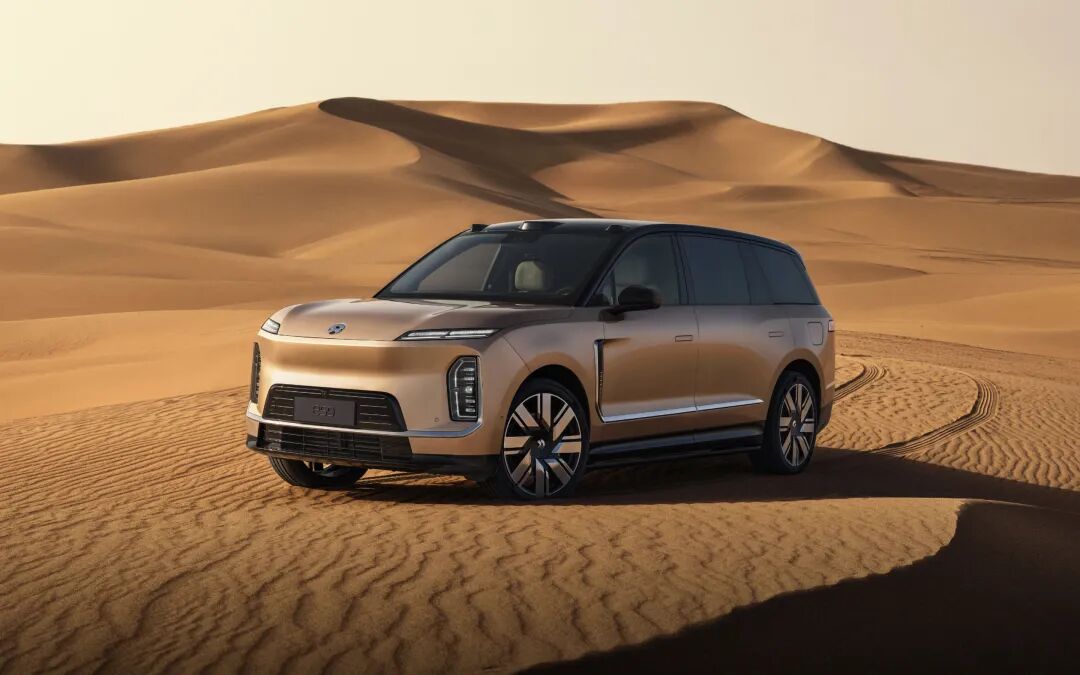
In the past few months, it has truly been a carnival for Series 9 cars. A large number of models have been launched or are about to make their debut. For example, NIO's ES9, SAIC Volkswagen's ID.EAR 9X, and XPENG's GX. In addition, Leapmotor's D19, Great Wall's WEY V9X, and the Huajing S jointly developed by Baojun and Huawei have already started pre - sales. The Yijing DH1 jointly developed by Huawei and Dongfeng is also about to be unveiled at the Beijing Auto Show.
There is also the top - tier player Xiaomi. A large number of spy photos of its Series 9 products have leaked, and it is rumored that the code name is YU9.
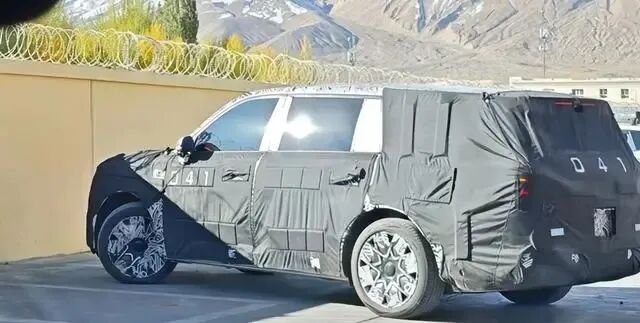
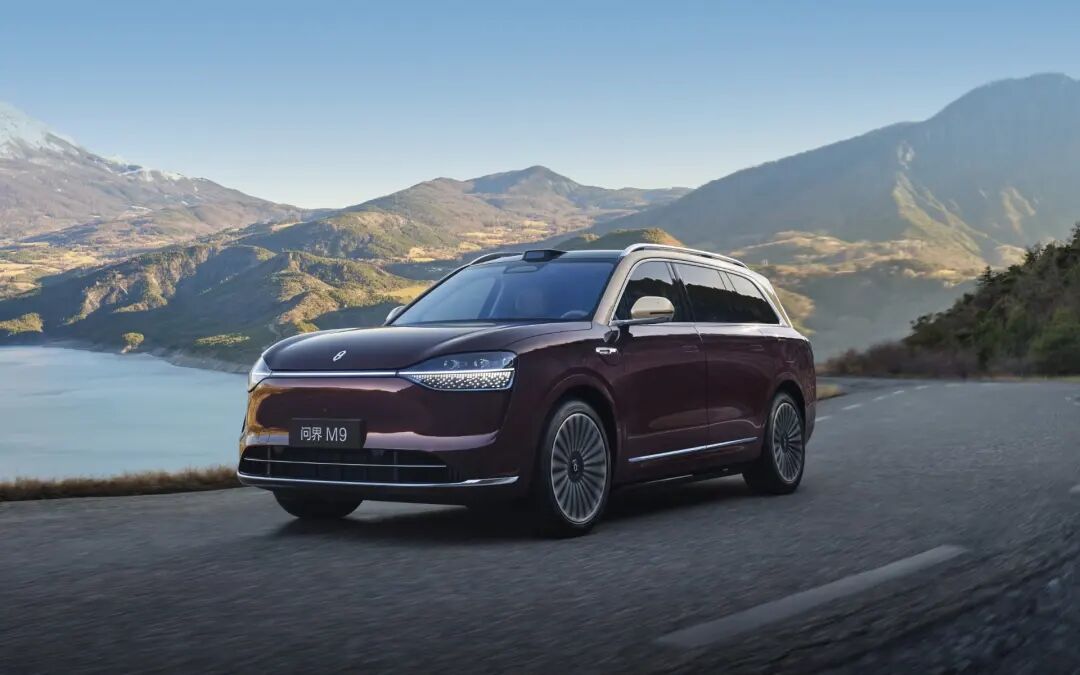
Adding to these are the previously launched Li L9, AITO M9, ZEEKR 9X, Denza N9, Lynk & Co 900, LeDao L90, IM LS9, and so on.
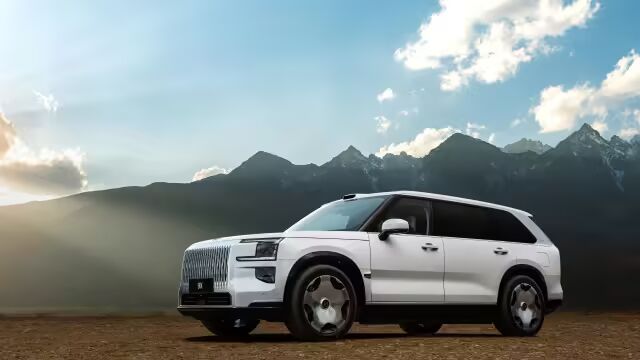
In the Chinese auto market, you can easily see these behemoths in the showrooms of any brand. Standing in the high - rent commercial areas, their huge bodies seem to be about to break through the ceiling.
This raises a question: Can so many similar cars be sold? The answer is that not only can they be sold, but some products have even become the sales pillars of their brands.
In 2025, the sales volume of three - row SUVs reached about 1.5 million, almost doubling compared to the previous year. Take the popular NIO ES8 as an example. Currently, it accounts for more than 70% of NIO's total sales. If the higher - positioned ES9 starts large - scale delivery, the proportion of three - row SUVs in NIO's sales will be even higher. For Denza, LeDao, and AITO brands, the proportion of three - row SUVs also exceeds 40%. ZEEKR 9X and IM LS9 account for 33% and 36% of their respective brands' sales.
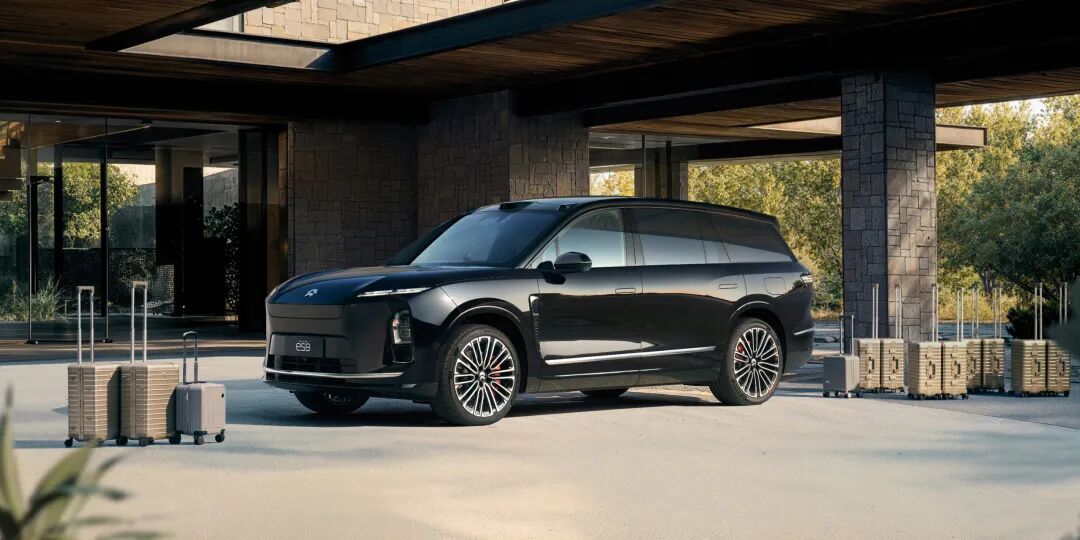
Generally speaking, a brand's sales follow a pyramid distribution. Inexpensive entry - level or mid - range cars account for the largest proportion, while the most expensive flagship models usually account for the smallest proportion and mainly serve as a spiritual totem. For example, the combined sales of Mercedes - Benz GLS and Maybach GLS only account for a little over 2% of Mercedes - Benz's sales in China. However, these Chinese three - row SUVs completely subvert this rule. With their high prices, they have the highest sales among their siblings, which is a rare phenomenon in the global auto market.
The growth in the sales of these super - sized SUVs is supported by automobile usage needs and technological inclusiveness.
2. The Chosen Ones of the Era
Here's an interesting fact. Although China is the world's largest automobile producer and has the largest vehicle ownership, when averaged among its 1.4 billion population, the figure is not very impressive, approximately 255 vehicles per thousand people, ranking only in the middle globally. This is far less than the 868 vehicles per thousand people in the United States, and also lower than Germany's 628 vehicles per thousand people, even less than that of Mexico and Thailand.
The purchasing power in first - and second - tier cities is strong, but the carrying capacity of infrastructure is approaching its limit. Vehicle purchase restrictions and the lack of parking spaces make it difficult to further increase vehicle ownership. In third - and fourth - tier cities and rural areas, the consumption ability is limited, and people tend to choose inexpensive electric scooters or elderly - friendly vehicles, as long as they can get around.
That is to say, in the current Chinese environment, the situation of one car for every four people will continue for a long time. Car buyers must consider the feelings of the other three people.
The current auto market has entered an "aging" era. From 2014 to 2023, the average age of car buyers in China increased from 32 to 40 years old, and the median age rose from 31 to 38 years old. This is inevitable as the post - 80s and post - 90s generations are no longer young and are gradually entering the stage of "having elderly parents above and children below". After the relaxation of the family planning policy, there may be more than one child. Many of them are busy office workers and need their parents to help take care of the children. Every time they travel, it's three generations in one car.
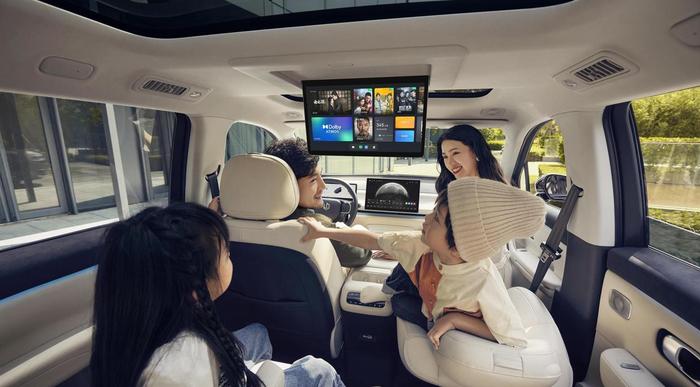
Previously, five - seat cars were very uncomfortable for three - generation travel. You had to sacrifice the child safety seat to barely fit two adults and one child in the back. If there was one more child in the family, there would be no room at all. However, six - or seven - seat cars can ensure that every family member has an independent and comfortable seat, allowing the whole family to travel in one car without the need to own two cars and pay two parking fees.
To meet this demand, the best choice is actually MPV. This type of vehicle completely abandons driving performance and is designed solely for passenger comfort. They usually use transverse engines to compress the engine compartment, with wheels placed at the four corners of the body as much as possible. The suspension structure is compact, and combined with a practical box - shaped body, it provides a huge amount of space, making all three rows of seats spacious.
However, MPVs have always been in a strange state of "almost popular" in the Chinese market. Take the sales volume in March as an example, the best - selling model didn't even exceed 10,000 units. Perhaps for potential buyers, the biggest problem with MPVs is the stereotype. In traditional Chinese concepts, MPVs are mainly used for business purposes, and those who drive them are usually drivers. Buying one for family use feels a bit odd. If you step on the accelerator a little harder, people might think you're on a "business errand".
Driving an SUV doesn't have such a psychological burden. People will just think you're a "family man". When an SUV is large enough, it gives the impression of a "successful man". Moreover, the shape of an SUV is not as dull as an MPV. It has a longer front end and a more dynamic body line, making the whole vehicle look more imposing. In terms of passability, SUVs also have an unparalleled advantage over MPVs, with a larger ground clearance, allowing them to travel on more complex road conditions and expand the travel range.
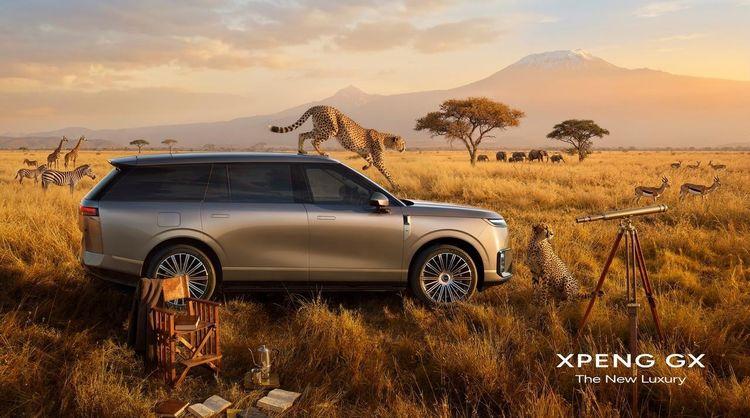
To put it simply, Chinese consumers want it all. They hope their cars have the large space of an MPV but reject the "business vehicle" label of MPVs. They want to retain the appearance and functions of an SUV. The market is calling for a new hybrid species.

The answer is only one: Go Electric
Traditional large - size SUVs need to accommodate huge internal combustion engines and multi - speed transmissions, often with V6 or V8 engines, which "waste" the wheelbase and encroach on the passenger compartment space. Car manufacturers often have to sacrifice the third - row space. If it's a four - wheel - drive SUV, there also needs to be a drive shaft running through the body, a rear differential, and large exhaust pipes. To avoid these parts under the chassis, the floor of the third row is usually raised, making passengers feel like sitting on small stools, with thin seat cushions, high knee points, and dangling thighs. It's very uncomfortable for long - term sitting.
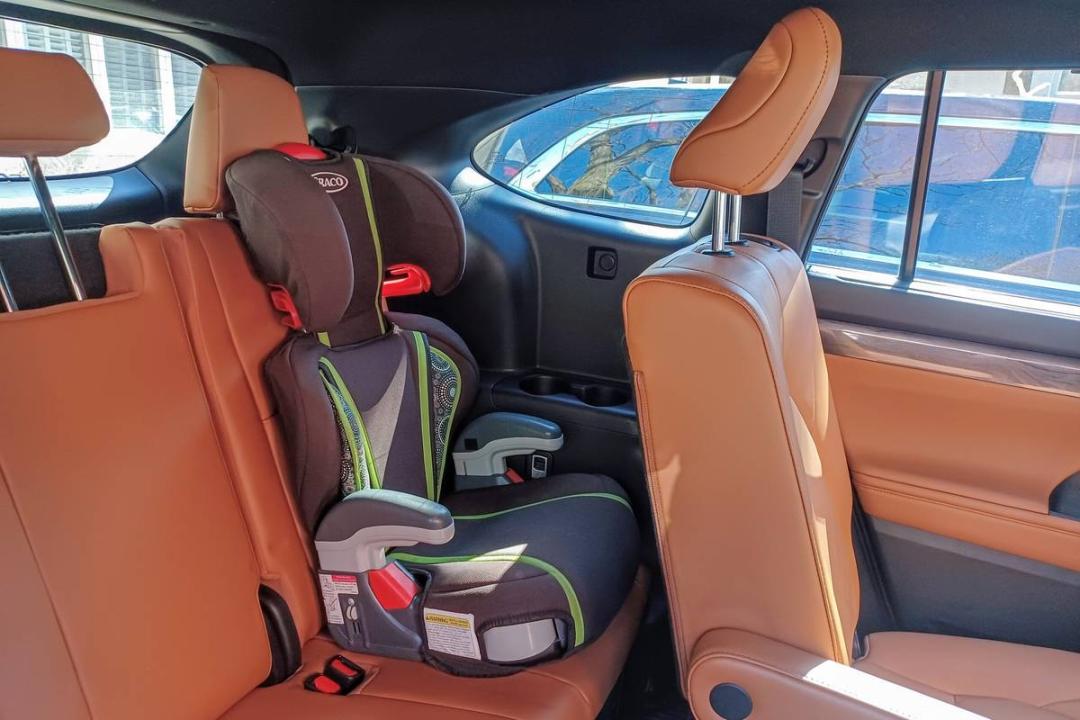
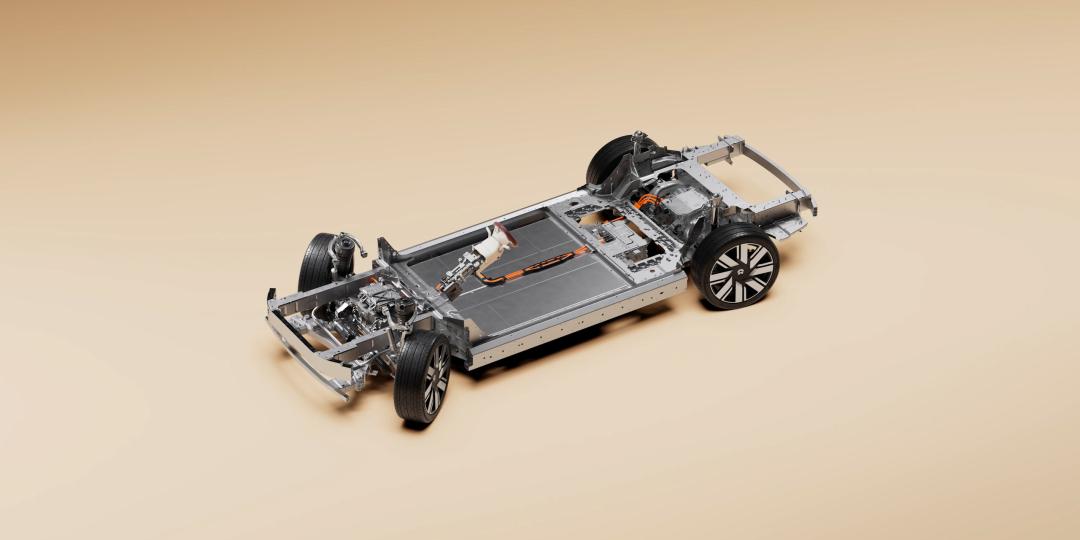
However, new - energy SUVs are different. Due to the high integration of electric motors and electronic controls, they occupy very little space. New - energy SUVs can significantly reduce the engine compartment space, shorten the front and rear overhangs, and maximize the wheelbase. They can easily achieve a passenger - compartment length comparable to that of a Rolls - Royce. Moreover, the battery is laid flat on the chassis, and the front and rear power systems are decoupled, eliminating the need for a drive shaft. This makes the floor very flat, without bulges or steps, making it easier to arrange seats. In fact, this blurs the boundary between MPVs and SUVs. In the context of new - energy vehicles, their internal spaces are very similar.
The combination of large battery capacity and large space also provides an additional benefit. Middle - aged people can really regard it as a mobile home.
You can escape the pressure of the office during work breaks and hide in the car for a nap or enjoy the seat massage. The air conditioner can be adjusted to the most suitable temperature without having to fight with colleagues for the remote control. Thanks to the continuous power supply from the power battery, you don't have to worry about running out of power even if you lie in the car for two hours.
