Nezha suffered a huge loss of 18.3 billion yuan, and the two founders became defaulters. Be vigilant against the "Evergrande in the auto industry" scenario becoming a reality.
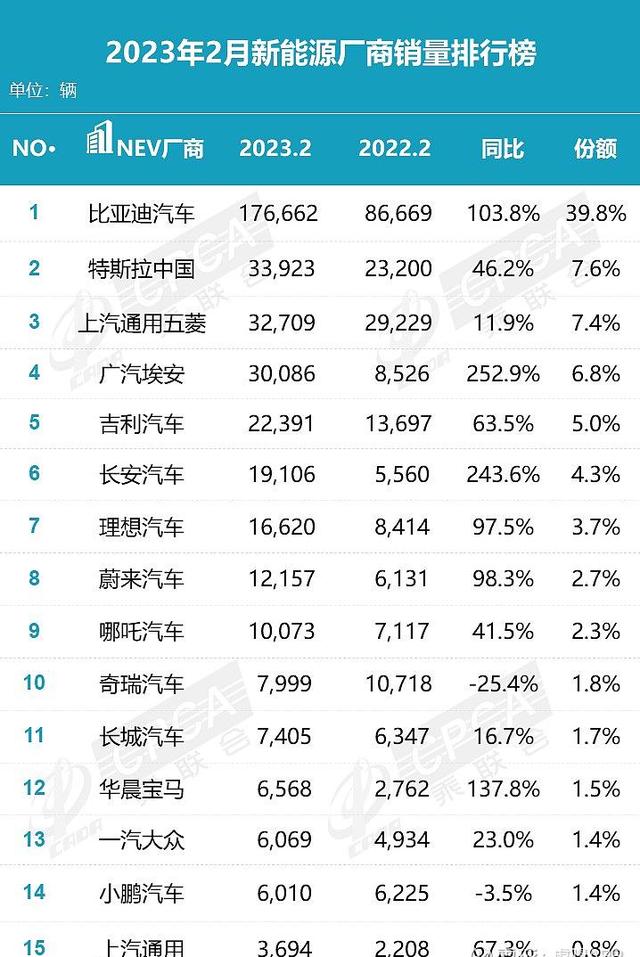
In March 2023, Nezha Automobile ranked ninth in the sales list of new energy vehicle manufacturers in China, with a market share of 2.3%. It is definitely one of the top 10 auto companies in the country.
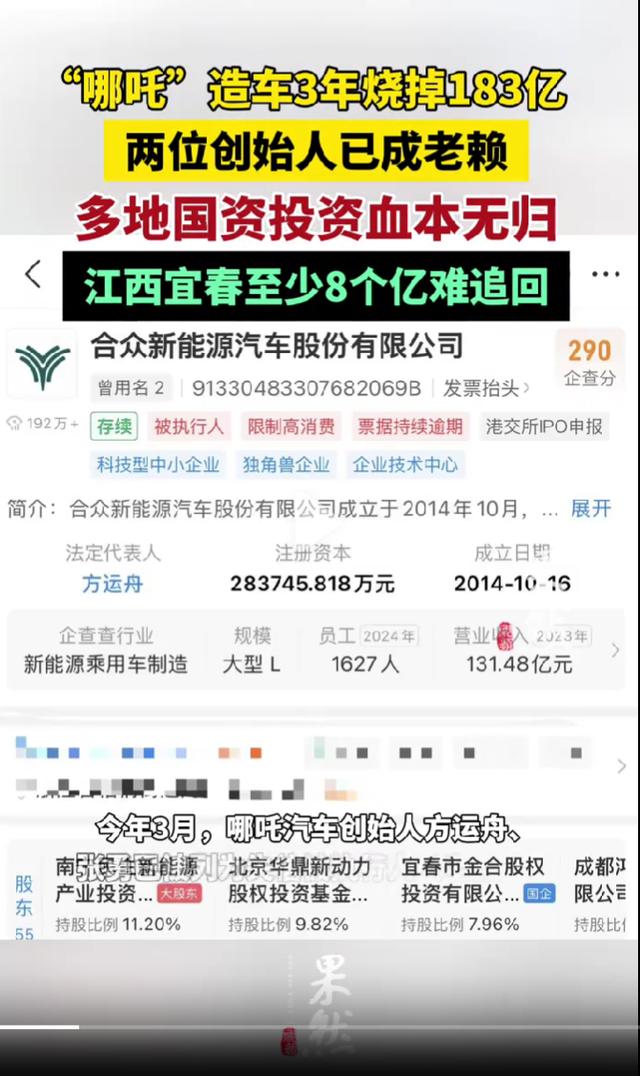
Unexpectedly, in just three years, Nezha is now facing a huge loss of 18.3 billion yuan and on the verge of bankruptcy. The two founders have become defaulters, and state - owned investments in many places have lost all their capital.
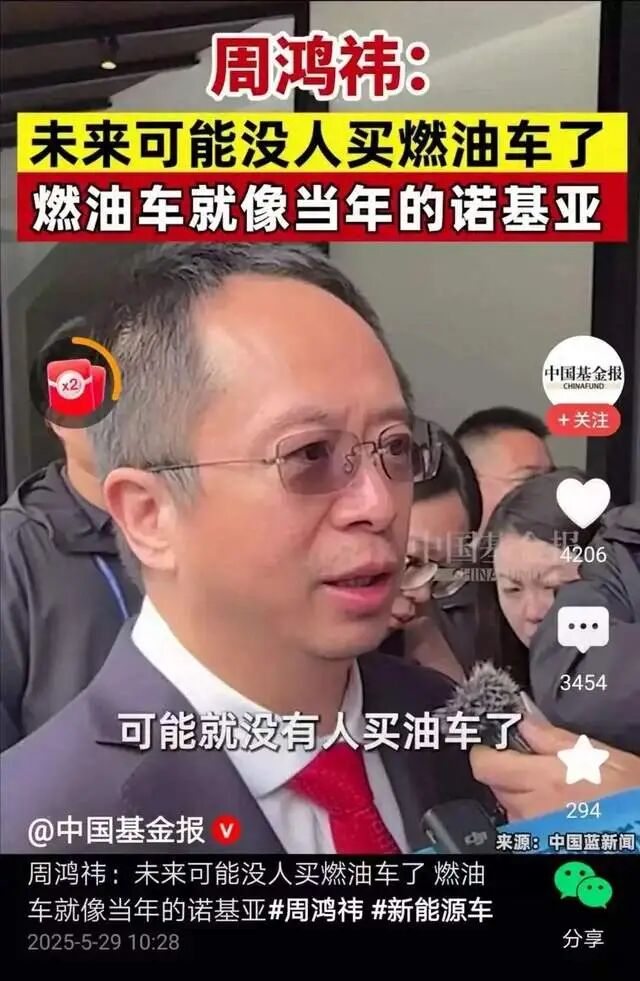
Back in 2024, Zhou Hongyi frequently appeared in the public eye. He auctioned a Maybach for 9.9 million yuan, promoted new energy vehicle manufacturers, and bluntly said that fuel - powered cars are like Nokia, while new energy vehicles are like smartphones. Nezha Automobile was also used by him to attract attention, and he publicly promoted the cost of Nezha's logo.
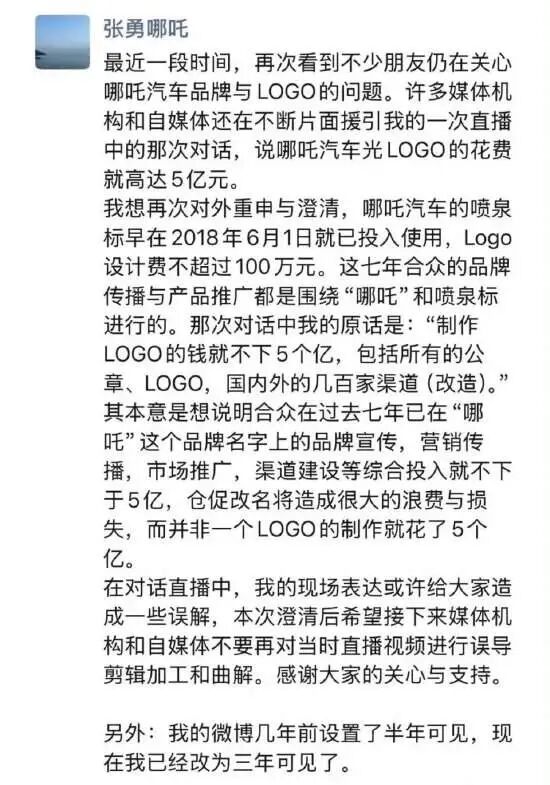
Some netizens commented: This is not surprising at all. When Zhang Yong told Mr. Zhou that 'the design of a car logo cost more than 500 million yuan', I predicted this day.
Of course, Zhang Yong of Nezha later said that this 500 million yuan was not only for logo design but also included brand slogans and market promotion. However, it can be seen that Nezha spent a lot of money on marketing.
According to CCTV reports, the Economic Development Zone of Yichun City, Jiangxi Province, introduced a Nezha Automobile manufacturing plant in 2021. The plant covers an area of more than 600 mu. Now, there is only an empty factory and dusty production lines left.
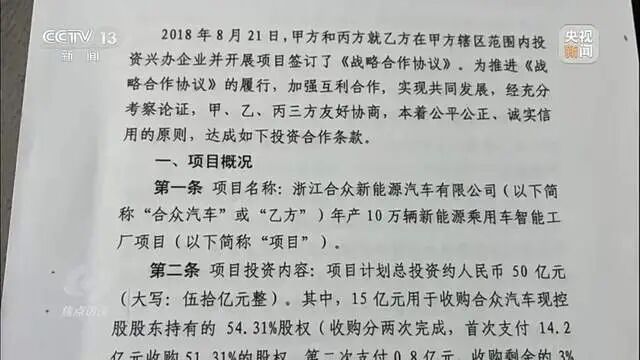
The contract signed between the Yichun Economic Development Zone Management Committee and Hozon New Energy Automobile Co., Ltd. shows that the total investment of the project is 5 billion yuan, and most of it is to be raised by the Yichun Economic Development Zone Management Committee. The land and factory buildings are also solved through a company invested and established by local state - owned enterprises.
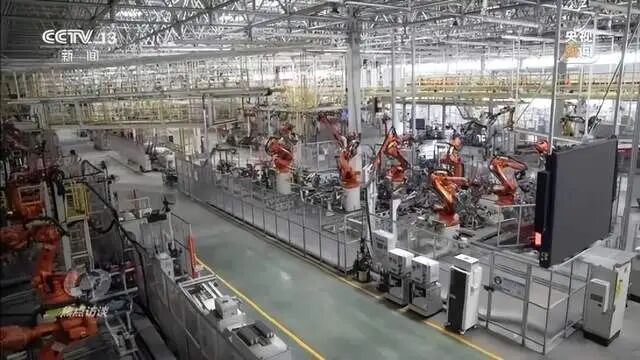
In order to quickly implement this new energy vehicle project in Yichun, the local government invested in equity, built factories on behalf of the enterprise, provided a ten - year rent exemption, and also rewarded 20,000 yuan for each car sold in Yichun. The land and factory buildings were also solved through a company invested and established by local state - owned enterprises, and this alone cost nearly 300 million yuan.
But now, only an empty factory and dusty production lines are left in this project.
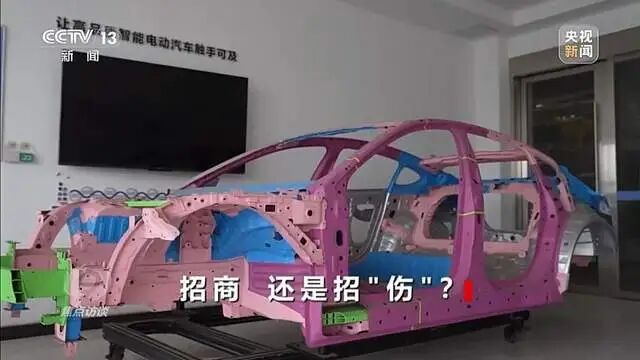
According to CCTV reports, the Yichun factory is just one of the many bases of Hozon New Energy Automobile Co., Ltd. Through local investment promotion, this enterprise has built its own production bases in Tongxiang, Zhejiang, and Nanning, Guangxi. Most of the investment in Nanning, and the land and factory buildings were also purchased and built by the Nanning side.
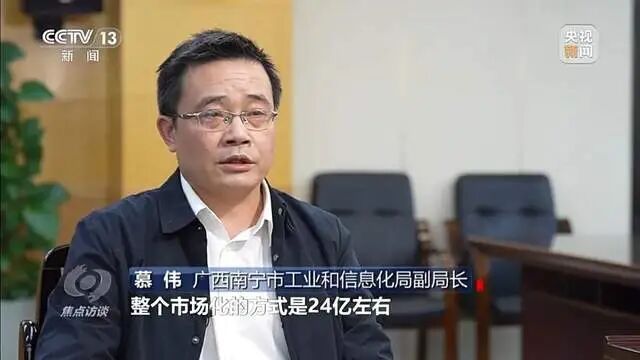
The entire market - oriented investment is about 2.4 billion yuan. The source of funds is a platform company, which is also enterprise - oriented. The funds are invested in the parent company of Hozon through a fund.
The Nezha phenomenon is worthy of deep thought. Be vigilant against the emergence of the next 'Evergrande' in the auto industry
From 2021 to 2023, Hozon New Energy Automobile Co., Ltd. accumulated a net loss of up to 18.3 billion yuan, with an average loss of more than 80,000 yuan per car sold.
Nezha's loss - making car sales are not an isolated case. In the past, many new energy vehicle manufacturers claimed to lose tens of thousands of yuan per car. Except for a few leading brands like Li Auto, BYD, and Wenjie, there are few that can make a profit per car. Why do many car manufacturers sell cars at a loss?
Just like doing business, the Chinese market is the most competitive in the world now. And car - making is different from other industries. There are a series of links in car - making, such as factories, sales outlets, after - sales services, and a large number of 4S stores. Only when the cars are sold can there be cash flow.
Therefore, for most car manufacturers, there are some low - priced models as promotional models. They are willing to make a small loss to attract customers and get them to their side first.
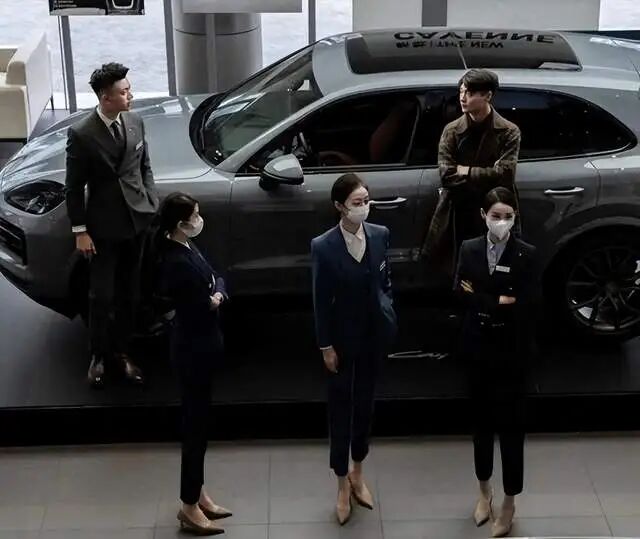
If your high - volume models are suppressed by competitors and you don't lower the price, the cars won't sell. The whole chain will be dead, without any cash flow. Gradually, the sales outlets and 4S stores can't bear it and will withdraw from the network, forming a vicious cycle. The brand will get worse and worse, and may eventually face delisting.
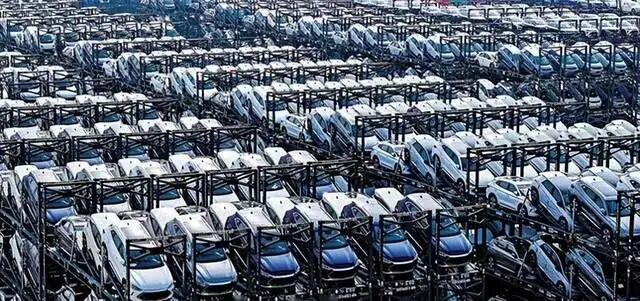
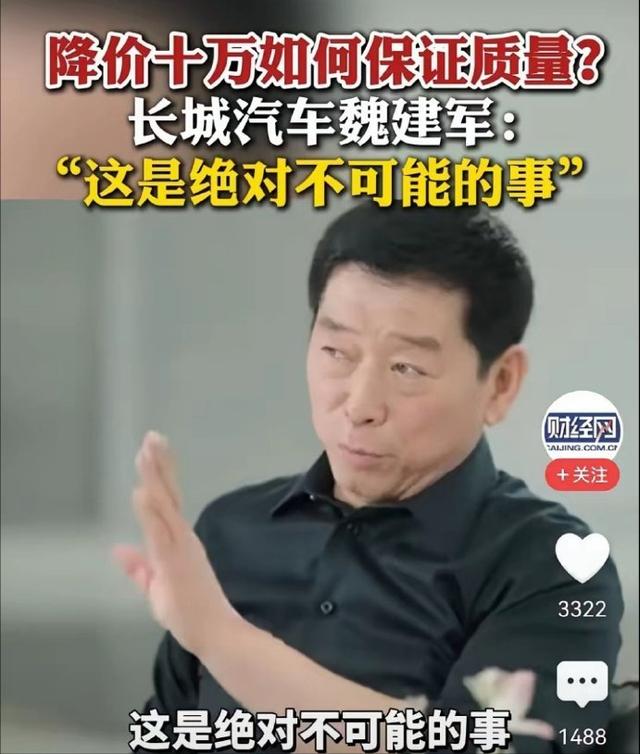
Therefore, many car manufacturers choose to sell cars at a loss. As long as the cars are sold, the amount of loss is not a problem. But this approach often covers up problems, first of all, the problem of car quality. As Wei Jianjun of Great Wall Motors said, 'It's absolutely impossible to guarantee quality when reducing the price by 100,000 yuan.'
Another problem is the financial problem. Many car manufacturers burn money, sell cars, and the sales data look good, but the loss hole gets bigger and bigger. Once investors lose hope and leave, these car manufacturers will collapse.
This situation is not uncommon in our domestic market. From WM Motor to Jiyue, and now to Nezha, there are already many companies that have quickly fallen from the peak.
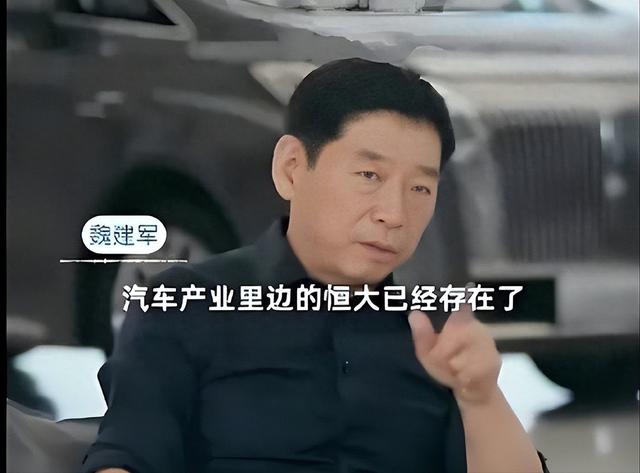
From the above, the Nezha phenomenon is worthy of our deep thought and more worthy of the industry's vigilance. What Wei Jianjun of Great Wall Motors said about the 'Evergrande' in the auto industry may not be an exaggeration.
Because new energy vehicles are also related to the local economy. For example, Nezha Automobile is related to the success or failure of local investment promotion. Local governments have invested a lot of money and hope that such projects can drive the local economic and industrial engine and promote the development of the local industrial chain.
Therefore, they hold the car manufacturers in their hands and give them whatever they want, but they ignore the potential risks. They ignore whether these car manufacturers have real competitiveness, whether the founders have long - term strategic vision, and whether it is worth making such large - scale bets.
In some areas, new energy vehicles have driven the industrial chain structure including lithium batteries, electric motors, and chips. If a car manufacturer exits the market, it's okay if other players can make up for the production capacity. Otherwise, it may lead to the decline of the new energy industry in some areas and the stalling of the regional growth engine, and at the same time, a huge amount of debt will have to be borne.
Take Nezha for example. The local government invested a huge amount of money, but the company spent a large amount of money on logo design and marketing, which has nothing to do with the car's own competitiveness. Many new energy vehicle manufacturers have a kind of blind confidence and always talk about new energy vehicles being like smartphones.
They think that new energy vehicles represent the future trend, and with the support of local capital and various preferential policies, they will never go bankrupt.
These car manufacturers follow the path of financing - selling cars at a loss - using sales performance to get more financing and burn more money.
They rely on the domestic new energy vehicle industrial chain for assembly, but they don't have unique core competitiveness in products and technology. Moreover, since the money is not their own, they don't feel bad about burning investors' money.
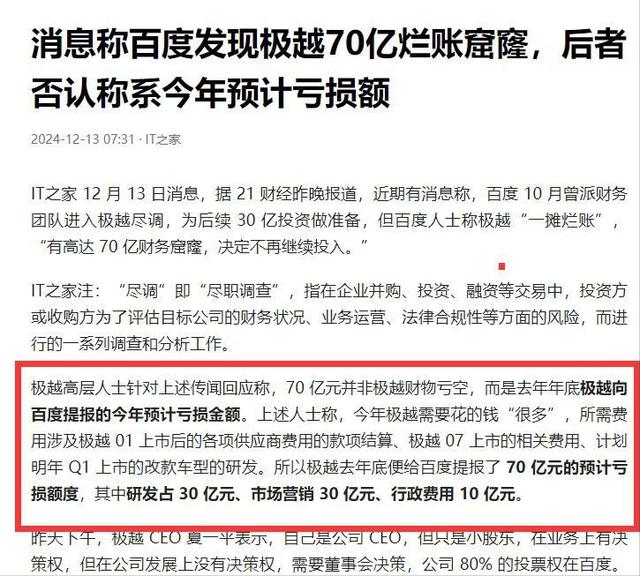
The situation of Nezha is very similar to that of Jiyue. In the year when Jiyue went bankrupt, there was a financial hole of up to 7 billion yuan, so Baidu and Geely decided not to continue investing.
According to data, Jiyue invested up to 100 billion yuan in the car - making process. This includes the investments from Geely Holding Group, CATL, and Baidu Group.
What was the direction of Jiyue's money - burning R & D? Take the Jiyue 07 model as an example. The cost of moving the A - pillar back by 65 mm was 300 million yuan, and the R & D cost of the U - shaped steering wheel was 20 million yuan.
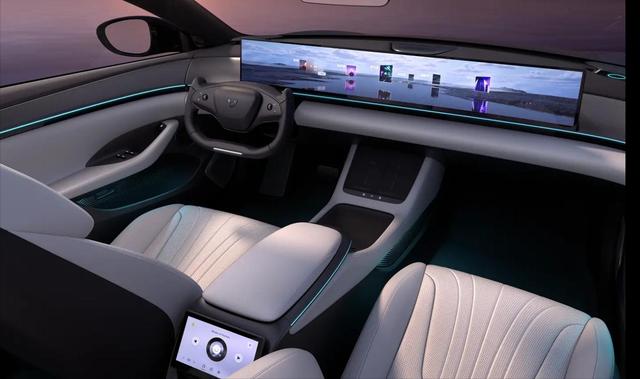
Moving the A - pillar back and the U - shaped steering wheel are not the pain points of users and selling points in competition. Innovating for the sake of innovation, the so - called U - shaped steering wheel has become a point of criticism for users when buying cars. Now, The half - spoke steering wheel (including the U - shaped design) will not be allowed to pass the new vehicle access in the upcoming new national standard.
For Nezha, product quality problems have become the straw that breaks its position in the low - end market, including serious range shrinkage, a lagging car - machine system, cheap interiors, and odor problems.
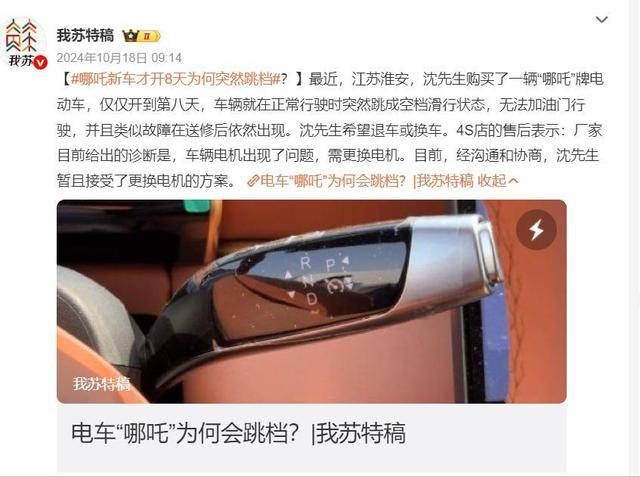
In October 2024, Jiangsu Broadcasting Corporation reported that Mr. Shen in Jiangsu bought a Nezha car. On the eighth day of driving, the car suddenly shifted to neutral and slid during normal driving, and the accelerator could not be pressed. Similar faults still occurred after the car was sent for repair.
Previously, Dongchedi reported that problems such as steering wheel noise, brake pedal problems, and screen freezes are not uncommon in Nezha cars.
