Preview of the 2026 Beijing Auto Show: Autonomous driving breaks through from the showcase, and commercialization welcomes a decisive turning point
As the Beijing Auto Show approaches, five major predictions for autonomous driving are out. The popularization of L3 and commercial implementation are the core highlights.
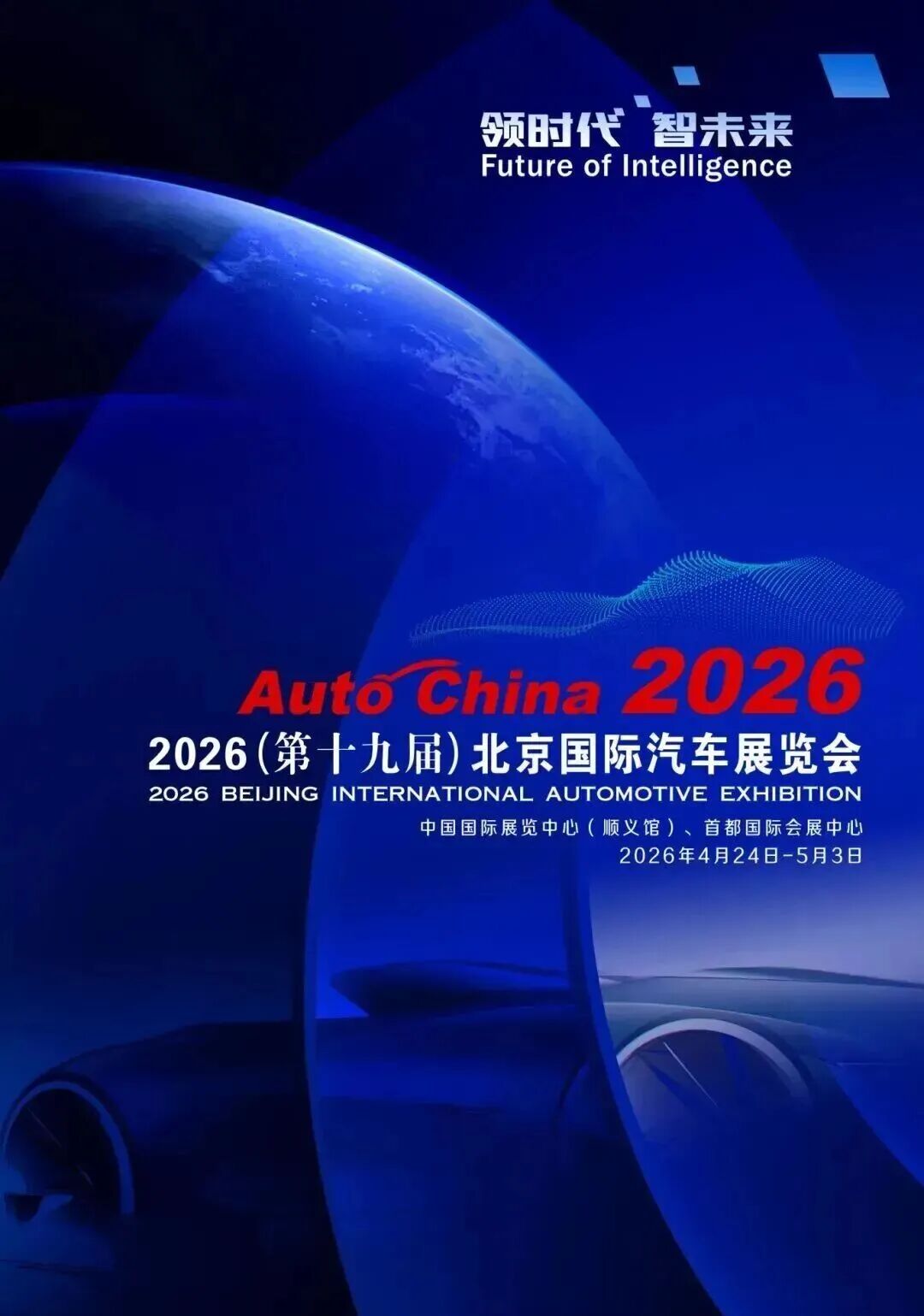
On April 24, 2026, the Beijing International Auto Show with the theme of "Leading the Era, Intelligent Future" will kick off. As the watershed for global intelligent mass production, this auto show is no longer a "showcase" for concept cars, but the ultimate battleground for autonomous driving technology and commercial implementation. Based on the policy window period, technological maturity, and industrial competition pattern, we have made five bold predictions for autonomous driving to see clearly the core trends of the industry in the coming year.
Prediction 1
Large-scale implementation of L3-level autonomous driving
In 2026, the industry has reached a consensus: this is the real first year for L3-level autonomous driving to move from "pilot testing" to "national popularization", and the Beijing Auto Show will be the concentrated realization site of this industry milestone.
Previously, the full implementation of the domestic L3-level autonomous driving policy has laid the foundation for the technological explosion at this auto show - 23 cities across the country have opened legal L3 sections on highways/expressways, clearly defined the main body of accident liability (automobile manufacturers are mainly responsible, and car owners are responsible if they do not take over within 10 seconds), and mandatory installation of intelligent driving "black boxes" and special insurance. These policy dividends will be transformed into real mass production results at the auto show.
In terms of technological implementation, the intelligent driving solutions of leading enterprises will be fully extended, completely breaking the inherent perception that "high-level intelligent driving = high-end models". The three major mainstream solutions, Huawei ADS 5.0, XPeng XNGP 4.0, and Horizon Journey 6P, will no longer be limited to luxury models above the 500,000 yuan level, but will fully penetrate into the mainstream market in the 200,000 - 300,000 yuan range and become the standard configuration for models in this price range.
What's more worthy of attention is that L3-level intelligent driving optional packages will be launched for economy models in the 150,000 yuan range, with the optional cost controlled between 10,000 and 20,000 yuan, allowing ordinary consumers to enjoy the convenience of high-level intelligent driving. This price reduction is not a technical compromise, but stems from the large-scale reduction of sensor and chip costs and the continuous optimization of algorithm efficiency.
In terms of scenario coverage, highway L3 will be fully popularized, and the L3 pilot projects on urban expressways and congested sections will be further expanded. The core breakthrough lies in the implementation of the "10-second legal takeover" mechanism - drivers can take their eyes off the road briefly without constantly staring at the road surface, truly realizing "freeing hands during highway commuting".
In terms of the actions of automobile manufacturers, models such as AITO M9 and Voyah Taishan Ultra that have obtained L3 access qualifications will conduct real-vehicle demonstrations at the auto show site, intuitively showing the intelligent driving performance under complex road conditions; luxury brands such as BMW and Mercedes-Benz will also follow Chinese standards and release L3 mass production systems based on MB.OS and Momenta solutions, marking that global automobile manufacturers are starting to actively adapt to the Chinese intelligent driving ecosystem.
More importantly, the large-scale implementation of L3-level intelligent driving will force the coordinated upgrading of the industrial chain. From intelligent driving chips, lidars to algorithm software, the entire supply chain will enter a virtuous cycle of "mass production optimization", accumulating data and experience for the subsequent implementation of L4-level technology.
Prediction 2
Domestic intelligent driving chips reach the top, and the cost drops to the thousand-yuan level
Chips are the "heart" of autonomous driving and were also the "bottleneck" in the Chinese intelligent driving industry before. The 2026 Beijing Auto Show will officially witness the full breakthrough of domestic intelligent driving chips, completely breaking the monopoly of overseas enterprises in the high-end intelligent driving chip field and achieving dual breakthroughs in "leading computing power + affordable cost".
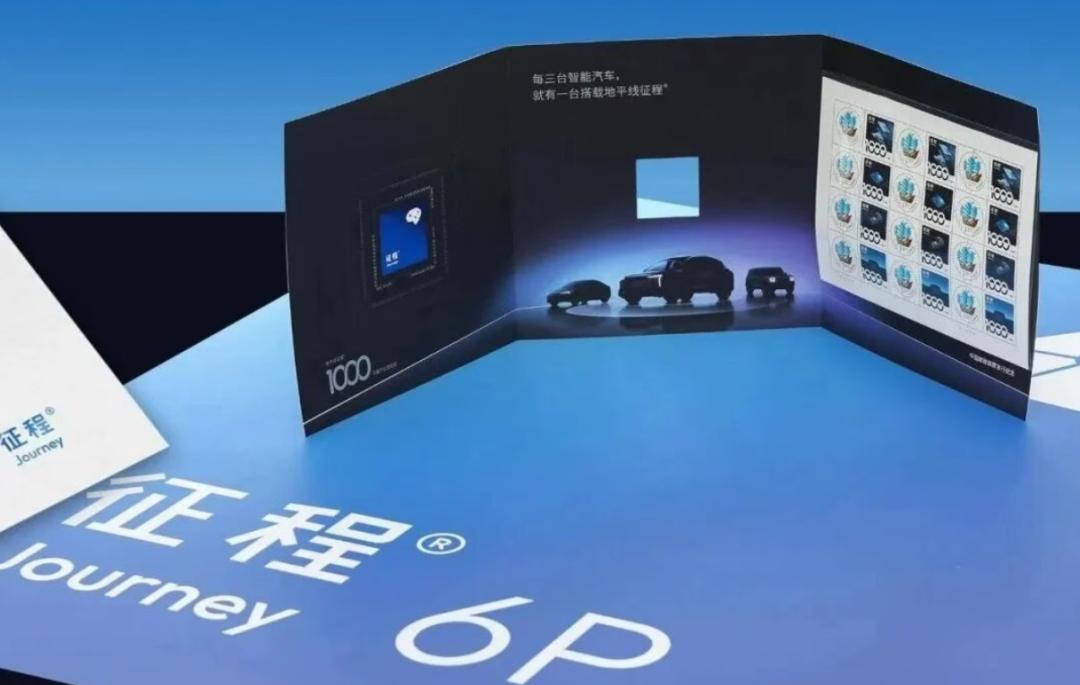
At the technical level, domestic intelligent driving chips will experience a "computing power explosion". Domestic flagship chips such as Horizon Journey 6P (560 TOPS), Black Sesame Intelligence Huashan A2000 (7nm process), and Xinchi X9 series will be unveiled collectively. Among them, the single-chip computing power of Black Sesame Intelligence Huashan A2000 will exceed 1000 TOPS, supporting real-time inference of the Transformer large model.
This computing power breakthrough is not "blindly piling up materials", but is based on the scenario optimization of complex domestic road conditions, which can better adapt to Chinese characteristic road conditions such as cutting in, sudden appearance of pedestrians or vehicles, and roads without markings, and the algorithm response speed is increased by more than 30%.
The cost revolution will be one of the core highlights of this auto show. With the large-scale mass production and technological maturity of domestic chips, the costs of lidars and intelligent driving chips will drop simultaneously - the unit price of lidars will drop from the current 3,000 - 5,000 yuan to the thousand-yuan level, and the single-vehicle cost of intelligent driving chips will be reduced by 30%, completely solving the pain point of "high hardware costs" in high-level intelligent driving before.
In terms of industrial binding, the cooperation between domestic chip enterprises, automobile manufacturers, and Tier1 suppliers will be further deepened, and "decoupling of software and hardware" has become the industry consensus. The cooperation results of Horizon and ZF, Black Sesame and Guoji Auto Intelligence Control, and BYD and Xinchi will be collectively displayed at the auto show, and automobile manufacturers can flexibly choose chip and algorithm solutions according to their own needs.
Prediction 3
Full-stack implementation of AI large models in vehicles, and efficiency improvement through end-side integration
If chips are the "heart" of autonomous driving, then AI large models are the "brain" of autonomous driving. The 2026 Beijing Auto Show will realize the full-stack penetration of AI large models from "cockpit entertainment" to the "core of intelligent driving", and the technology will move from the "laboratory prototype" to the "mass production vehicle implementation", completely changing the decision-making logic of autonomous driving.
At the technical implementation level, leading enterprises such as Huawei, XPeng, and Qingzhou Zhihang will collectively release end-to-end large model solutions. The core breakthrough lies in the large-scale implementation of "mapless urban NOA". Different from the traditional intelligent driving solutions that rely on high-precision maps, the end-to-end large model can adapt to complex urban road conditions through visual perception and environmental understanding without high-precision maps, and the perception accuracy is increased by 40%.
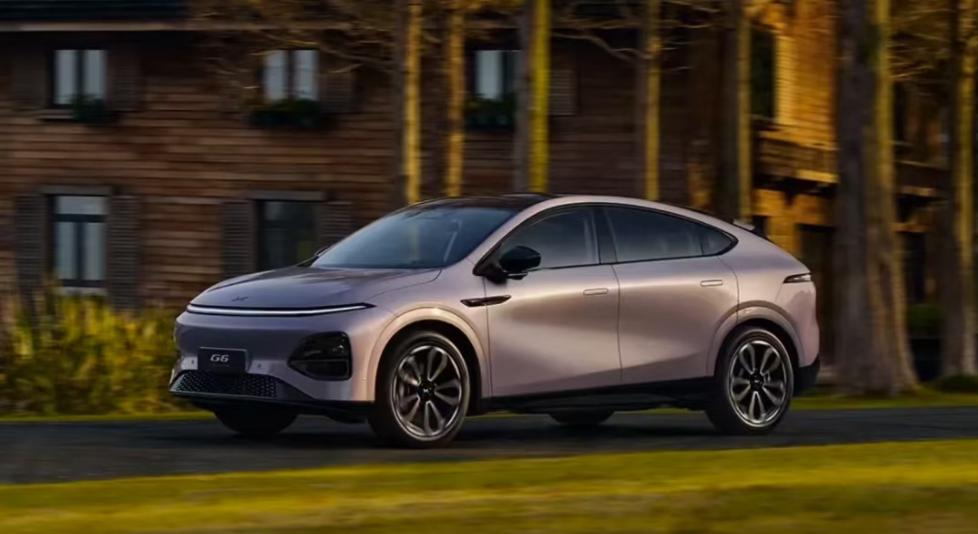
Among them, XPeng XNGP 5.0 adopts a pure vision route, relying on the VLM visual language model + light sensors and the hardware configuration of dual Orin-X chips (508 TOPS), with lower cost and a more aggressive driving style; Huawei ADS 5.0 features multi-sensor fusion + mapless NOA, with a luxurious configuration of 4 896-line lidars and 13 cameras, making the success rate of unprotected left turns reach 99.5%.
In terms of scenario integration, the full integration of highway, urban, and parking scenarios will become the norm, and VLM (world model) + reinforcement learning technology will be widely used. Vehicles equipped with this technology can independently learn the characteristics of Chinese road conditions, handle complex scenarios such as cutting in and sudden appearance of pedestrians or vehicles, and even adjust the driving style according to the driver's driving habits.
The in-depth integration of the cockpit and intelligent driving will be another major highlight. The in-vehicle large model will enable multi-round natural language interaction and voice control of the whole vehicle, understand the driver's complex instructions, and even anticipate the driver's needs, realizing the intelligent linkage of "vehicle controlling home and home controlling vehicle".
Prediction 4
Accelerated commercialization of autonomous buses, and normalization of solution exports
As a key scenario for commercial implementation, autonomous buses, with the advantages of "fixed routes, low-speed driving, and closed scenarios", have become the "pioneer" for the large-scale implementation of autonomous driving technology.
Among them, Mogu Chelian's MOGOBUS has become the biggest highlight in this field - relying on recent achievements such as winning a major award at the China International Consumer Products Expo and entering Singapore, Mogu Chelian will further consolidate the global leading position of Chinese autonomous buses.
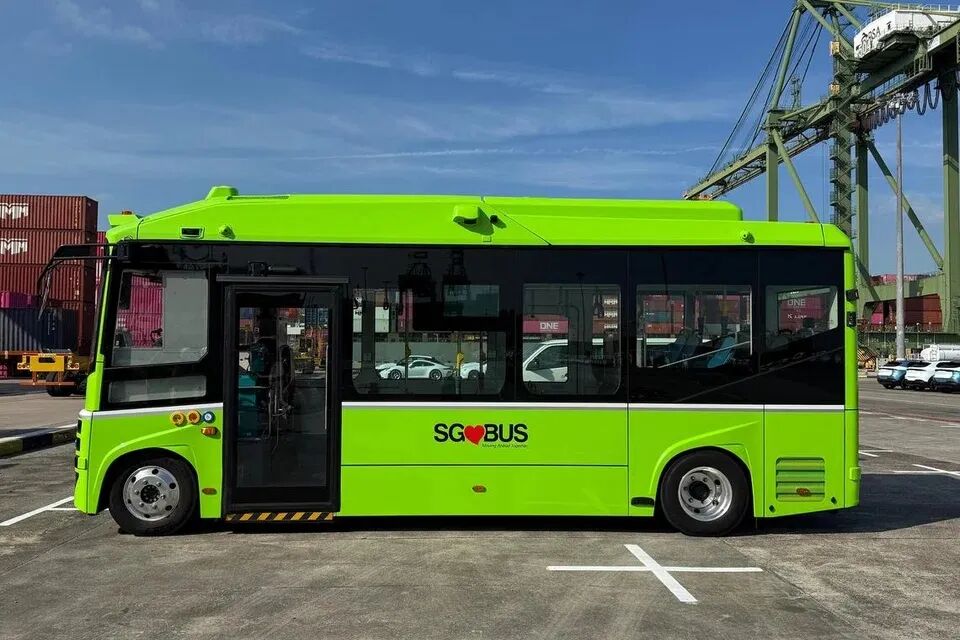
Just before the Beijing Auto Show, Mogu Chelian's MOGOBUS, with its solid technical capabilities and global implementation results, stood out from the fierce competition among hundreds of enterprises at the 6th China International Consumer Products Expo and won the "Global Good Gift" Science and Technology Innovation Award, becoming the only Chinese autonomous bus product to receive this honor.
More importantly, the new-generation MOGOBUS has officially entered Singapore, becoming a benchmark project for Chinese autonomous buses to enter the public transport backbone network of a developed country for the first time, marking that Mogu Chelian's autonomous driving solutions have been recognized by the world's most demanding market.
In terms of domestic implementation, MOGOBUS has been put into operation in more than 20 cities in China, providing intelligent travel services for more than 200,000 person-times, with a cumulative driving mileage exceeding 5 million kilometers, and has served many high-level international events and large-scale sports events. Recently, the first cross-border medical autonomous driving microcirculation line in China - the "Qin'ao Medical Line" created by Mogu Chelian was officially opened.
Prediction 5
Reconstruction of the business model, subscription system + insurance ecosystem become the mainstream
After years of "burning money for scale", the autonomous driving industry in 2026 will officially shift from "technology-driven" to "business-driven", and the Beijing Auto Show will clarify the core path for the industry's sustainable profitability, and the inflection point of single-vehicle profitability will officially appear.
The subscription system will become the mainstream business model for intelligent driving services. Automobile manufacturers and technology companies will launch diversified intelligent driving subscription services, paid on a "monthly/quarterly/yearly" basis, unlocking core functions such as highway NOA and urban NOA to meet the needs of different users. For example, Tesla's FSD China version has launched a flexible subscription plan with a monthly rent of 680 yuan and a one-time purchase price of 32,000 yuan.
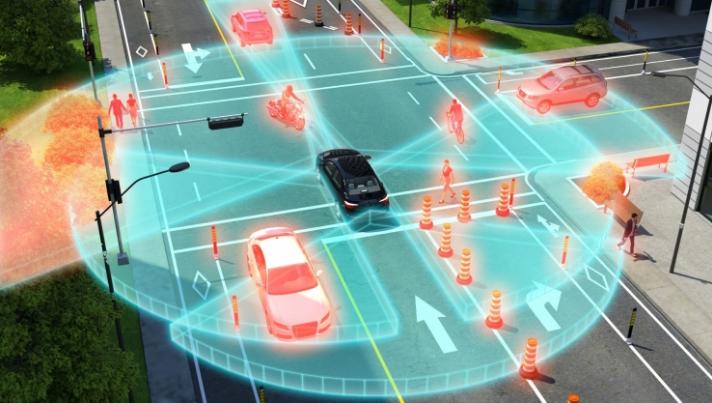
The full implementation of intelligent driving exclusive insurance will further lower the user's usage threshold and the automobile manufacturer's operational risk. Different from traditional vehicle insurance, intelligent driving exclusive insurance will cover core risks such as system failures and accident liabilities, and the insurance premium is linked to driving behavior and system data, completely eliminating the user's concerns of "not daring to use and being afraid of taking responsibility".
The inflection point of single-vehicle profitability will first appear in leading enterprises. Through diversified revenues such as travel services, data services, and software subscriptions, leading enterprises will achieve the goal of "covering hardware costs + making a profit", and the industry will completely bid farewell to the barbaric growth stage of "burning money for scale" and enter a virtuous development cycle of "making a profit to increase scale".
Beijing Auto Show
Witness the qualitative change of China's autonomous driving from "following" to "leading"
The 2026 Beijing Auto Show is destined to be a "milestone exhibition" in the development history of China's autonomous driving industry - it is no longer a "display platform" for technology, but a "touchstone" for commercial implementation, and a qualitative change node for China's intelligent driving to move from "technological leadership" to "industrial leadership".
For ordinary consumers, this means that "spending 150,000 yuan can enjoy the intelligent driving experience of a 500,000 - yuan - level vehicle", and daily commuting will completely free hands; for the industry, this means that Chinese standards, Chinese solutions, and the Chinese ecosystem will become the global benchmark.
On April 24, the curtain of the Beijing Auto Show will open. This ultimate battle for intelligent mass production will witness autonomous driving truly enter thousands of households and witness the magnificent transformation of China's autonomous driving industry from a "follower" to a "leader".
This article is from the WeChat official account "Shanzi", author: Rayking629, published by 36Kr with authorization.