The auto market slumped 17% in the first quarter, but a trade-in program managed to boost sales to 246.8 billion yuan.
Just one quarter into 2026, the automotive market is facing a major test. Data from the China Passenger Car Association shows that in the first quarter, the retail sales of passenger cars decreased by 17% year-on-year, and the sales of new energy passenger cars plummeted by 24%. The industry has entered a short-term adjustment period.
Actually, this data was predictable. In recent years, the Chinese automotive market has been overdrawn by price wars, and the industry's profit margin has been low for consecutive years. By the first two months of this year, it was only 2.9%, which is lower than the average level of industrial enterprises. The industry is on the verge of "working in vain."
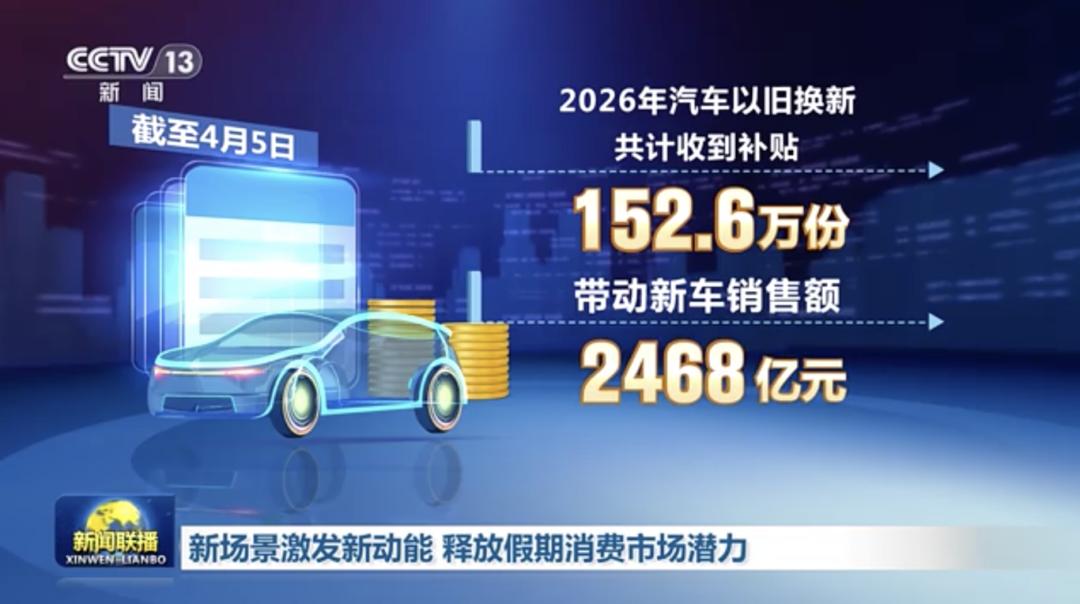
However, in the first three months driven by the car purchase subsidy policy, there seems to be a glimmer of hope. The latest data from the Ministry of Commerce shows that as of April 5, 2026, 1.526 million subsidy applications have been received for the trade-in of old cars for new ones, driving new car sales of 246.8 billion yuan, becoming a bright spot in the sluggish market.
Against the backdrop of a 17% decline in sales in the first quarter and the 246.8 billion yuan in sales driven in the first three months, this policy-driven trade-in wave seems to be trying to save the automotive market. At least, it has stabilized the consumer base in the short term, giving hope to many industry insiders.
01
Trade-in Policy Temporarily Supports the Automotive Market
The automotive market data in the first quarter of 2026 reflects the short-term pressure caused by multiple factors.
On the one hand, the policy of full exemption from the new energy vehicle purchase tax expired at the end of 2025, and in 2026, it was changed to a 50% reduction. A large amount of demand was released in advance, resulting in an "overdraft effect" in the market at the beginning of the year. On the other hand, the extended Spring Festival holiday and the decrease in effective working days, combined with the traditional off-season effect, further suppressed market vitality.
What's more noteworthy is that the industry price war has continued to intensify. In the first two months of 2026, the profit margin of the automotive industry was only 2.9%, further declining from the historical low of 4.1% in 2025. The profit space of enterprises has been continuously compressed.
In this context, the value of the trade-in policy has emerged. As an important means to stimulate automobile consumption, it not only directly drives new car sales but also promotes the upgrading of the industrial cycle.
In 2025, the trade-in policy achieved good results: the annual subsidy application volume exceeded 11.5 million vehicles, driving new car sales of over 1.6 trillion yuan, benefiting more than 360 million people, and driving related consumption of over 2.5 trillion yuan.
The application volume of 11.5 million vehicles means that more than half of the domestic passenger car retail sales participated in the policy. The wide coverage and strong driving force of the policy are unprecedented. The new car sales of 1.6 trillion yuan directly drove the prosperity of the upstream and downstream industrial chains. From automobile manufacturing to second-hand car circulation, from parts supply to automobile services, the entire industrial chain benefited from the policy dividends, forming a virtuous cycle.
In 2026, the policy has been continued and optimized, shifting from "universal fixed quota" to "precise linkage," injecting new vitality into the market.
Overall, the core adjustments of this year's policy are concentrated in three dimensions: First, continue the total quota to ensure policy stability; second, optimize the subsidy structure, subsidize according to the vehicle price ratio and set an upper limit. Those who scrap new energy passenger cars can enjoy a 12% subsidy of the new car price, with a maximum of 20,000 yuan. Those who trade in new energy passenger cars can enjoy an 8% subsidy, with a maximum of 15,000 yuan, which is more in line with the actual needs of consumers; third, strengthen full-process supervision to ensure the efficient use of funds.
For example, if you scrap an old car and trade it in for a 200,000-yuan new energy vehicle, you can get a maximum subsidy of 20,000 yuan, which is equivalent to a 10% discount on the vehicle price, significantly increasing the attractiveness to consumers. If you trade in a 100,000-yuan vehicle, you can enjoy an 8,000-yuan subsidy, lowering the entry threshold.
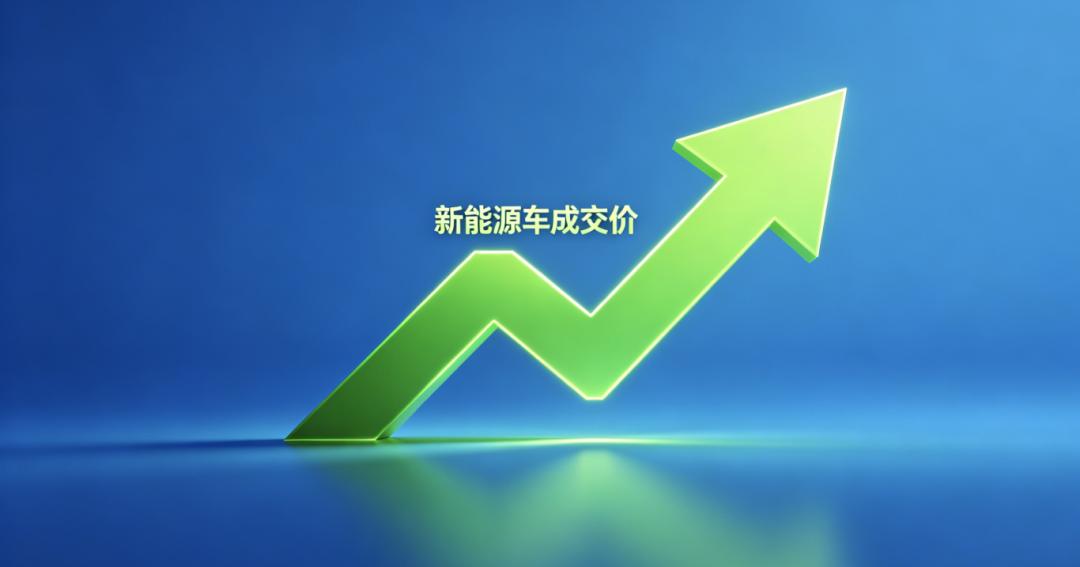
After the policy adjustment, the average transaction price of new energy vehicles has increased. Because only when the vehicle price exceeds 166,700 yuan can you get the full 20,000-yuan national subsidy for scrapping. This has also promoted mid - to high - end models to become the main force in trade - ins, optimizing the market structure. As of April 5, the 1.526 million subsidy applications and 246.8 billion yuan in sales have verified the effectiveness of the policy.
This is not only a short - term boost to consumption but also gradually alleviating the market's wait - and - see sentiment and accumulating momentum for the industry's recovery.
02
When Will the Automotive Market Recover After the "Radical Treatment"?
Although the trade - in policy has always achieved good results, the Chinese automotive market faces many challenges. Relying solely on car purchase subsidies cannot turn the situation around.
The 17% decline in sales in the first quarter is essentially the pain of the industry's transformation period, resulting from the after - effects of the previous price war, demand overdraft, and the weakness of the global market.
In the first two months of 2026, the revenue of the automotive industry decreased slightly by 0.9% year - on - year, while the cost increased slightly by 0.2%. The double squeeze of declining revenue and rising costs has further compressed the profit space of enterprises. The industry is facing the dilemma of "rising sales but falling profits."
As for how to solve this dilemma, policies are definitely indispensable.
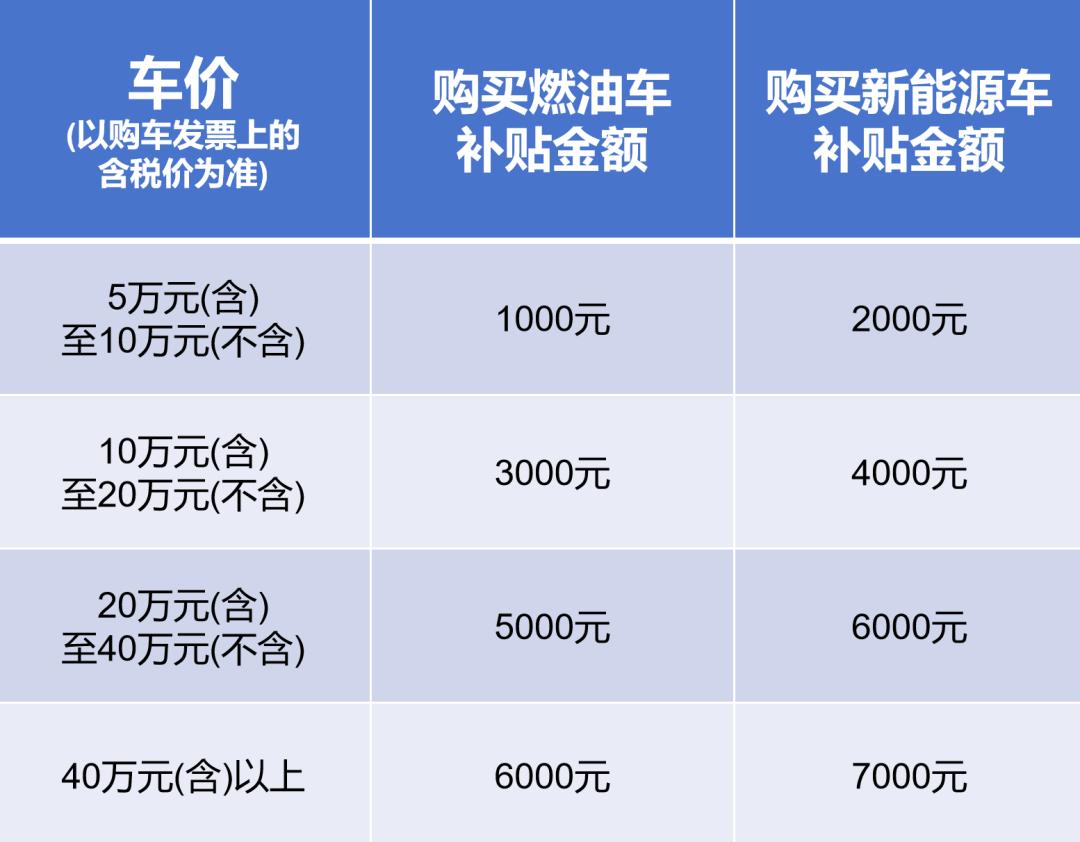
Currently, at the policy level, in addition to continuing the trade - in policy, local governments are further refining supporting measures. Cities such as Nanjing, Suzhou, and Wuxi have launched a new round of local subsidies, which, combined with national policies, form a "combination punch" effect. For example, Suzhou provides a 3,000 - yuan subsidy for fuel - powered vehicles worth 100,000 - 200,000 yuan and a 5,000 - 6,000 - yuan subsidy for vehicles worth over 200,000 yuan...
In addition, Nanjing, Wuxi, Guangdong, Hunan, Sichuan and other places are making different policy efforts. These local policies complement national policies, covering different consumer groups and providing continuous impetus for the recovery of the automotive market.
In addition to policy promotion, at the industrial level, automobile enterprises urgently need to get rid of the "price - for - volume" involution and focus on improving product strength, which is also the core of the industry's long - term development.
Today's consumers' demand for cars is no longer just a means of transportation. Their demand for intelligence, personalization, and high - quality is increasing day by day. Therefore, automobile enterprises should increase R & D investment, break through in core fields such as battery technology, intelligent driving, and in - vehicle systems, and build differentiated product competitiveness. They can even use this advantage to accelerate the efficiency and quality of China's automobile exports.
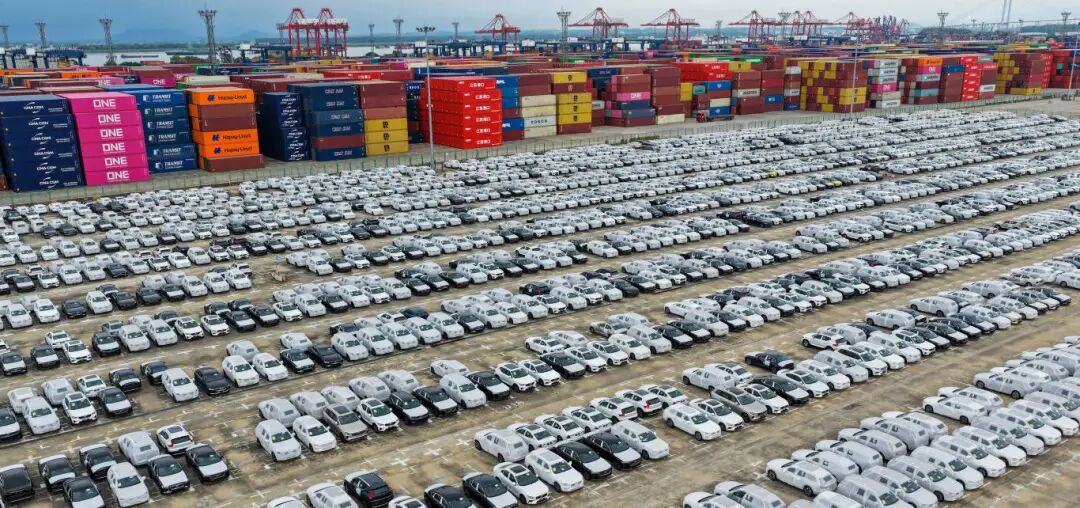
Because exports have become an important track for China's automobile industry to break through the situation.
Fortunately, leading enterprises have performed well. From January to February 2026, China exported 1.55 million vehicles, a year - on - year increase of 61%, far exceeding the growth rate of the domestic market. Leading automobile enterprises such as SAIC, BYD, and Chery are accelerating their overseas expansion, expanding the international market space through overseas factories, cooperative R & D, and channel expansion.
If this momentum can be maintained, exports can not only relieve the pressure on the domestic market but also enhance the international influence of Chinese automobiles and promote the transformation of the industry towards high - quality development.
In addition, the industry needs to strengthen compliant operations and avoid vicious competition.
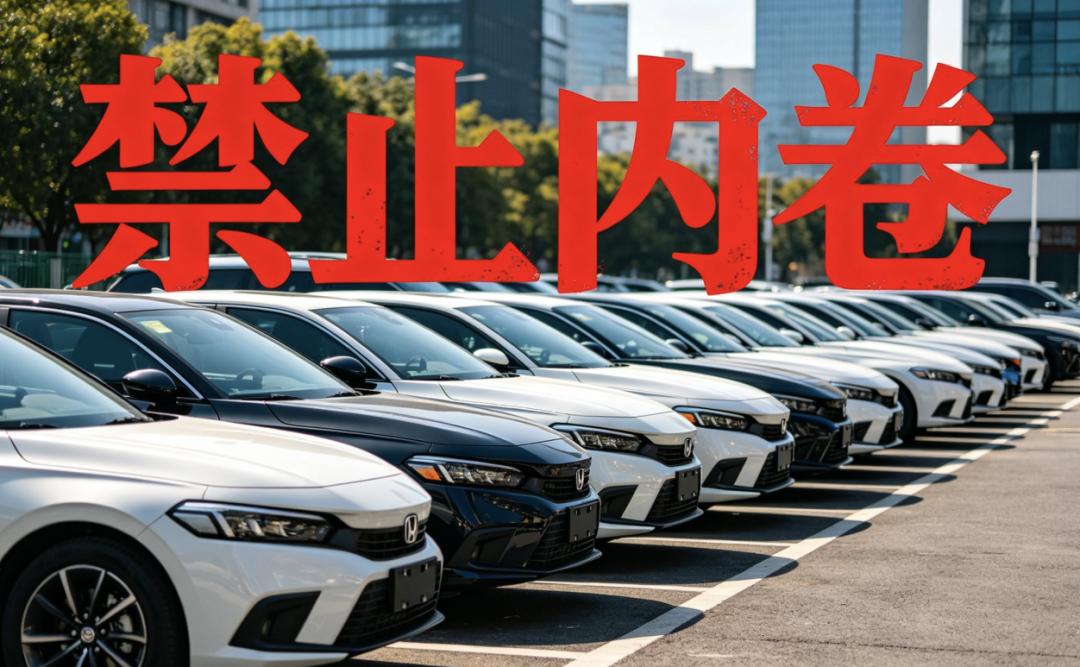
Some time ago, the State Administration for Market Regulation issued the "Compliance Guidelines for Price Behaviors in the Automotive Industry," providing a regulatory basis for the industry to "combat involution." Automobile enterprises should adhere to the compliance bottom line and improve their competitiveness through product innovation and service upgrading, rather than relying on price wars to seize the market. Only when the industry returns to rationality can enterprises achieve sustainable profits and the Chinese automotive market achieve healthy development.
In short, the short - term decline in sales and pressure on profits are inevitable pains in development. The 1.526 million subsidy applications and 246.8 billion yuan in sales brought by the trade - in policy demonstrate the market's resilience and potential. However, in the long run, the road to recovery of the automotive market is long and arduous, but as long as we keep moving forward, we will reach our destination. It requires efforts in multiple aspects such as policies, products, and exports to break through.
This article is from the WeChat official account "Automobile Commune" (ID: iAUTO2010), author: Li Chen'ai. It is published by 36Kr with authorization.