Xiaomi and HarmonyOS Smart Mobility have become traffic tools. The cost of spreading AI rumors is too low: Cutting off the profit chain is more effective than blocking accounts.
Generate 100 negative articles in 5 minutes, control 8,000 accounts, and specifically target Li Auto, Xiaomi, and Hongmeng Zhixing.
Actually, this is a black assembly line driven by AI, not a public relations war of any car company.
According to a report by Xinhua News Agency, the police in Yantai, Shandong, arrested two new - style online "water army" gangs specializing in hyping up negative information about new - energy vehicles and shut down more than 8,000 online accounts.
The articles written by these water armies use sensational titles to attract traffic. For example, "The delivery of M9 is far away, and Zunjie leads the complaint list", "Lei Jun really got into big trouble this time", "Li Auto is stubborn, and its monthly sales have never exceeded four digits".
Many people's first reaction is: Is this an "outsourcing" of a car company to target its competitors?
The answer is far more absurd than imagined.
Many "blames" are not taken by peers
From the perspective of interests, when a competitor is smeared, one may indeed get a short - term traffic tilt. Therefore, when a certain brand suddenly faces concentrated negative reports, the industry often subconsciously suspects its competitors.
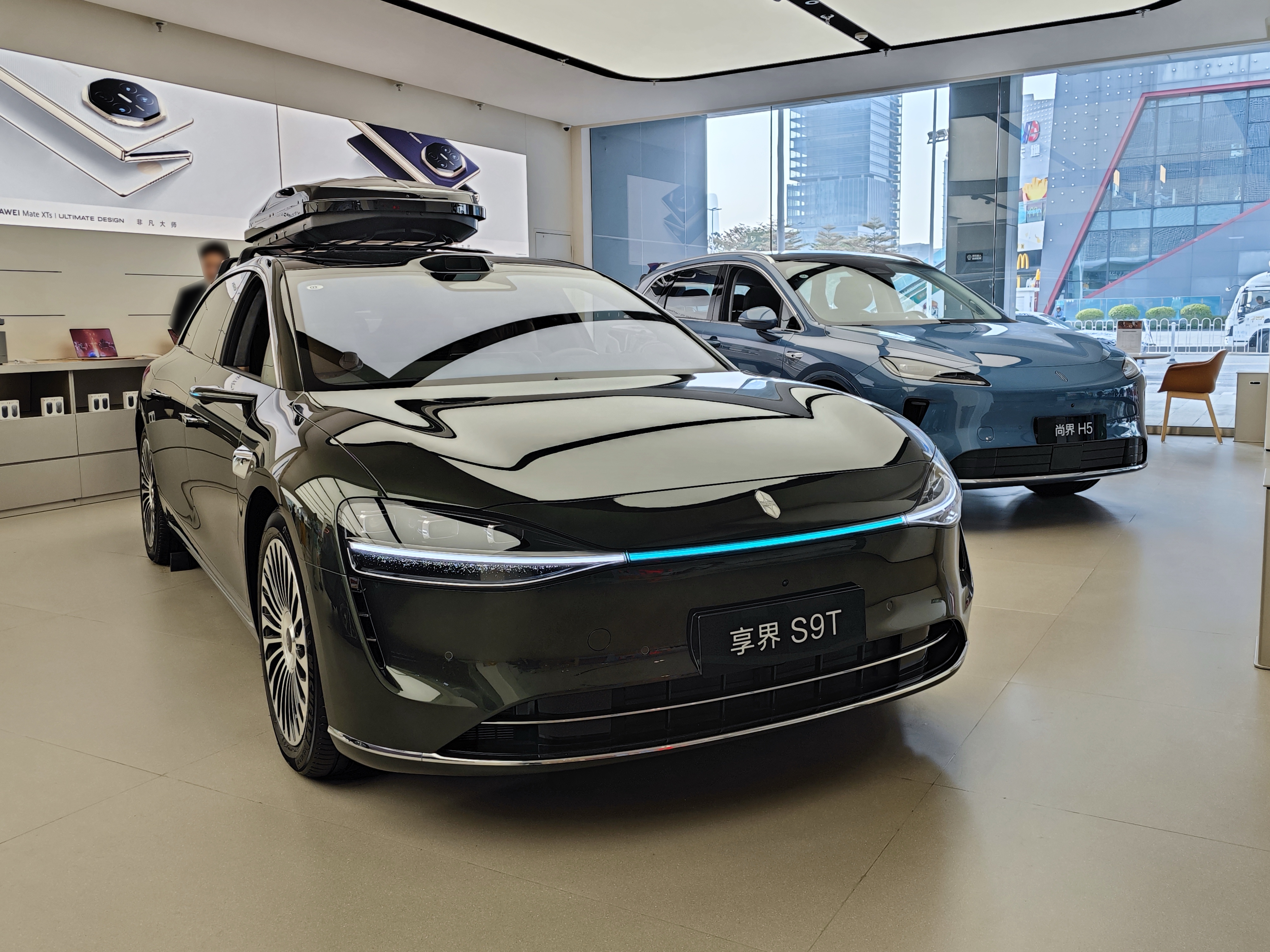
However, the police investigation found that a large amount of negative content targeting brands such as Li Auto, Xiaomi, and Hongmeng Zhixing is not from the employment of competitors, but an indiscriminate attack driven by AI.
These gangs do not take sides with any brand. They smear whoever is popular. Their only purpose is: to attract attention, gain traffic, and get a share of the profits with negative content.
Source: Filmed by Electric Vehicle News
Water armies have always existed, but the operation mode of traditional water armies is relatively inefficient. Problems such as manual posting, copying and pasting, and repeated comments lead to serious content homogenization, and it is easy to be identified by the platform's risk - control system through the duplicate - checking mechanism. Even if a large number of people are hired, the output scale and response speed are limited.
However, the emergence of AI water armies has changed this game rule.
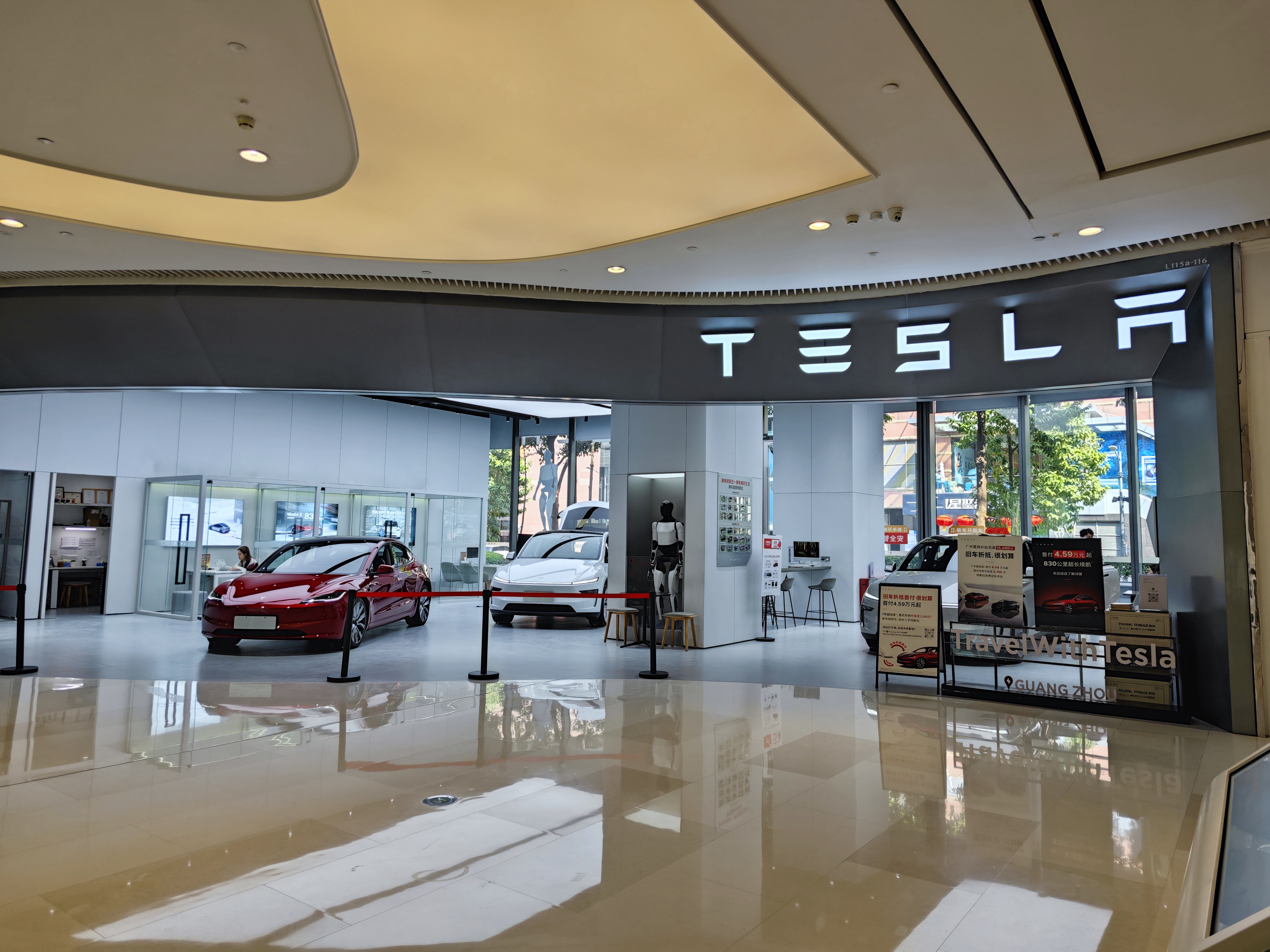
AI can monitor various hotspots in real - time. Moreover, public figures with high topic degrees such as Lei Jun and Yu Chengdong, their dynamic news, remarks, and even personal life details can all become the "material library" for AI water armies to fabricate negative topics.
If a brand is in the limelight, AI will generate content targeting that brand; if a topic is likely to trigger an emotional reaction, AI will amplify that topic. An ordinary car owner's daily complaint can be distorted into a serious accusation of a company's product cut - down and deception of consumers after being processed by AI.
What's terrifying is that AI has greatly reduced the cost of content production. Traditional water armies need writers, knowledge of the industry, and human - resource costs, while the marginal cost of AI water armies is almost zero, which has led to an exponential increase in the supply of negative content.
Generating more than a hundred articles in 5 minutes is just basic operation for AI.
Source: Filmed by Electric Vehicle News
More importantly, AI water armies precisely hit the platform's traffic mechanism. The platform's recommendation algorithm tends to favor high - heat content, and the controversial and emotional characteristics of negative content happen to fit the algorithm logic. These negative articles are not restricted in traffic but are pushed to the forefront of traffic, forming a vicious cycle where the more they are scolded, the more popular they become, and the more popular they become, the more they are scolded. Criminals can continuously earn traffic shares from this.
Electric Vehicle News believes that in this model, brands such as Li Auto, Xiaomi, and Hongmeng Zhixing are essentially just traffic tools. AI water armies don't care about the quality of these companies' products or the truth of the facts. They only care about how many clicks and how much share a negative article can bring.
This has led to an embarrassing situation: when a company faces a large - scale negative public opinion, there may not be a clear competitor behind it. The so - called business - war mastermind may just be a group of traffic arbitrageurs hiding in the computer room.
Due to information asymmetry between companies, they often fall into mutual suspicion. Today, Brand A is smeared, and it suspects Brand B; tomorrow, Brand B is also affected, and it suspects Brand A in turn. This internal strife not only consumes the energy of companies but also allows the real evildoers to hide in the chaos.
New - force brands and high - profile figures are the main targets of AI water armies
A common misunderstanding is that only leading brands with high sales are likely to be targeted by negative articles because they are more prominent and smearing them can bring more traffic.
However, the operation logic of AI water armies is the opposite. They don't care about the size of the brand but only about the heat and topic degree. Whoever is in the limelight becomes the target. Under this logic, new - force brands and high - profile figures with high traffic have become the most easily targeted.
In the view of Electric Vehicle News, traditional car companies have a stable user base and established brand recognition. Occasional negative public opinion is difficult to shake their foundation. However, new - force brands are often in the critical period of financing, new - car launch, or delivery ramp - up. There are already many negative voices in the market, and any problem in any link may be fatal.
Imagine such a scenario: A new - force brand has just announced the completion of a new round of financing or is in the critical stage of striving to achieve a monthly delivery of over 10,000 vehicles. Suddenly, thousands of AI - generated negative articles come in an overwhelming manner, saying that quality complaints are surging, delivery is far away, and the capital chain is about to break. When potential consumers see this information, their first reaction is not to verify but to hesitate.
And the result of hesitation is often the loss of orders.
Source: Filmed by Electric Vehicle News
Now look at high - profile figures. Entrepreneurs with high topic degrees such as Lei Jun, Yu Chengdong, and Li Xiang are natural material libraries for AI water armies.
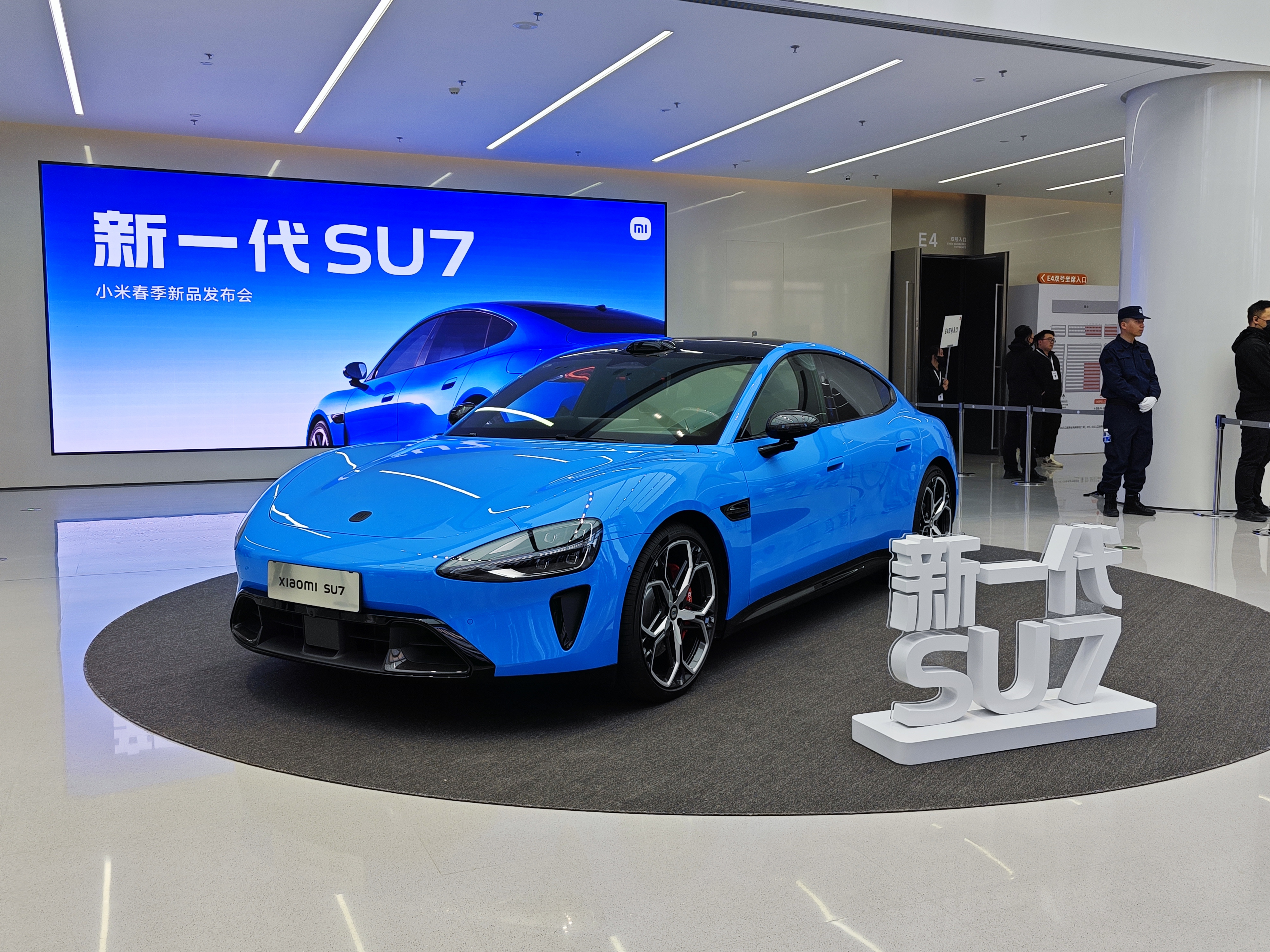
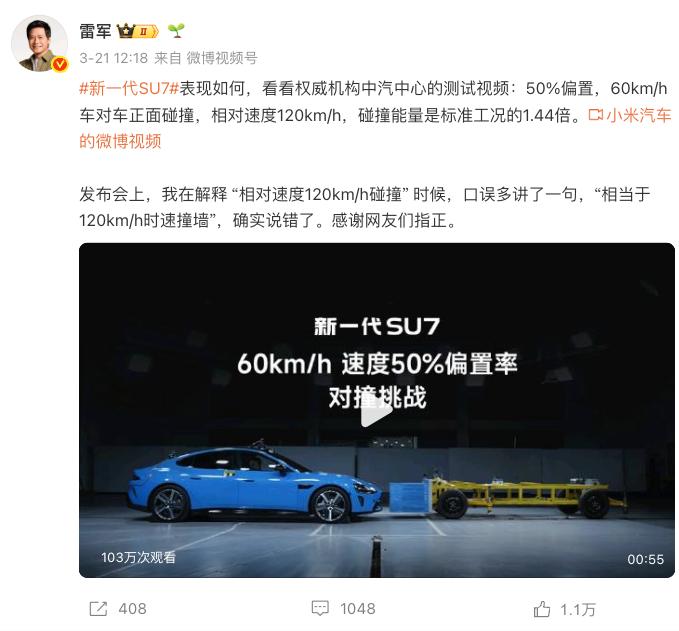
For example, at the launch event of the new - generation SU7, Lei Jun mentioned: "A 50% offset, 60 kilometers per hour, a head - on collision between two cars, both at 60 km/h, is equivalent to hitting a wall at 120 km/h." The last sentence did not appear on the PPT but was just casually said by Lei Jun himself.
Subsequently, a large number of netizens gave Lei Jun a physics lesson. According to the kinetic - energy formula, the kinetic energy of hitting a wall at 120 km/h is four times that at 60 km/h. AI water armies quickly seized this detail and distorted it into "scientific errors in Xiaomi's car promotion", which got tens of thousands of clicks in a short time. Finally, Lei Jun personally admitted the mistake to calm down the storm.
Screenshot: Weibo @Lei Jun
Because these figures have both fans and anti - fans, once the comment section starts arguing, the interaction rate goes up, and the interaction rate is exactly the indicator that the platform algorithm likes. An article smearing Lei Jun is often more likely to go viral than an article smearing Xiaomi cars.
The direct consequence of this is that the reputation - management cost of new - force brands has been sharply increased.
In the past, companies only needed to focus on product quality, delivery rhythm, and user reputation. Now? They also have to deal with an AI - driven negative - article assembly line that runs 24/7. And this line targets not your product defects but your traffic value.
In other words, the more attention you get, the more likely you are to be attacked; the harder you work to climb, the more likely you are to be pulled down. This is a full - scale harvest of hotspots by the traffic - arbitrage mechanism.
The governance of AI water armies requires the coordination of platforms, laws, and technology
In the view of Electric Vehicle News, simply arresting a few gangs may not solve the problem.
The chain of AI water armies still exists: some produce content, some control accounts, and some earn traffic shares. Even if a group is taken down, they can come back under a new guise. The key is to cut off their interest chain at the root.
The reason why AI water armies can survive is that the platform's traffic - monetization mechanism is too effective. An AI - fabricated negative article can get a large amount of exposure through the recommendation algorithm and then turn into real money through advertising shares. As long as this mechanism remains unchanged, water armies will not disappear.
As the core hub of traffic distribution, platforms should actively adjust the emotional bias of the recommendation algorithm, such as reducing the weight of negative content and strengthening fact - checking, so as not to become an amplifier of negative articles.
Actually, dimensions such as content repetition rate, account - posting rules, and posting time intervals can be used to identify AI - rewritten articles. The problem is not whether it can be done but whether the platform wants to do it. After all, emotional and controversial content is itself a "traffic engine". Cutting it off may cause a significant drop in daily active users, but if not, it is poisoning the platform's ecosystem.
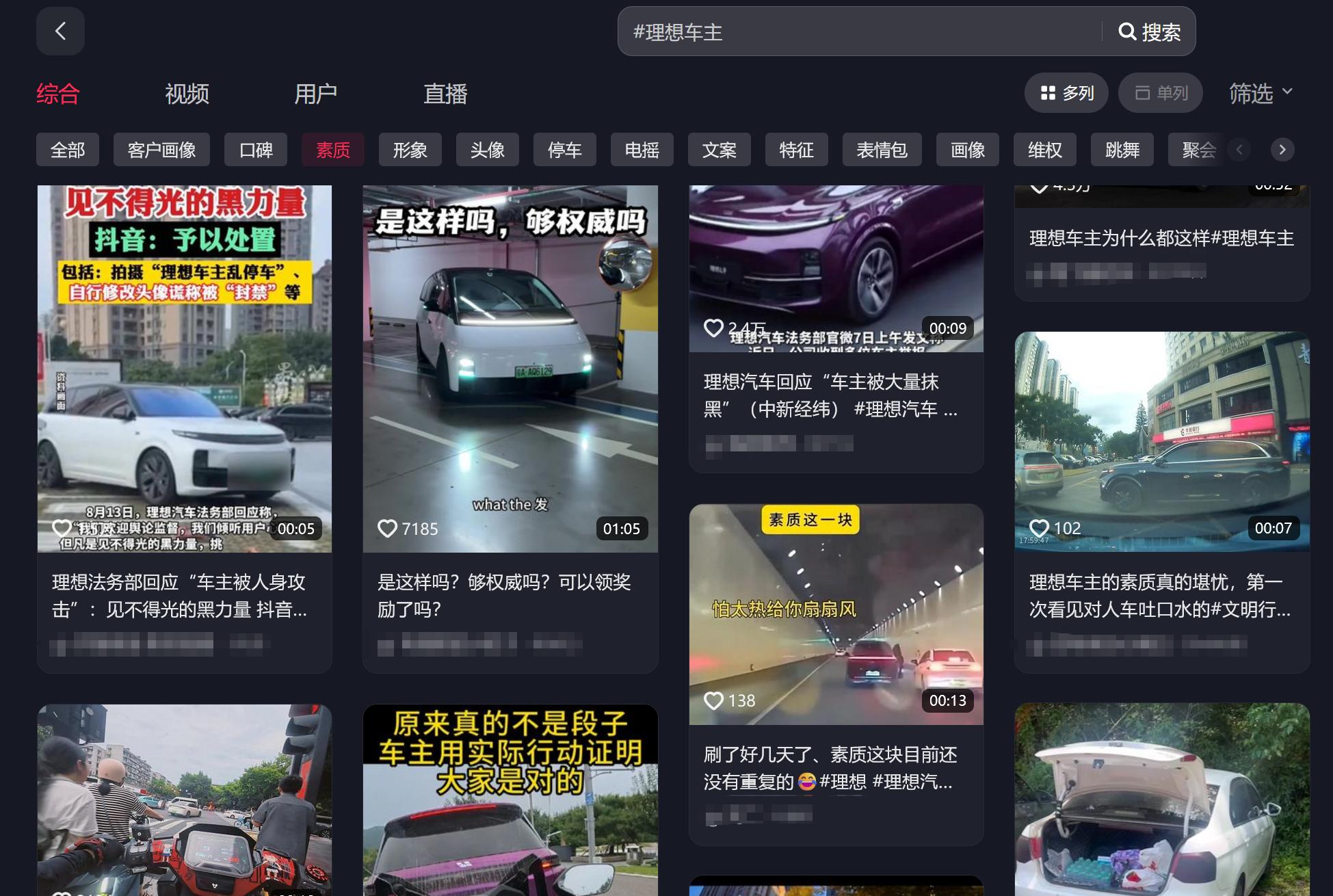
Screenshot: Douyin
In addition, most of the current crackdown measures are to target accounts and arrest gangs, which are post - event treatments. However, the speed of AI - generated content is too fast, and account iteration is also too fast. Simply chasing and hitting is not enough. A more pre - emptive monitoring mechanism is needed, such as feature - recognition technology for AI - generated content, to intercept un - published negative articles at the source instead of cleaning them up after they spread.
Finally, let's talk about AI manufacturers. Now these water armies use general large - language models. They can produce negative articles in batches by inputting a few keywords. Model manufacturers can't just shirk responsibility by saying they only provide tools. Can they identify malicious usage during the training phase? Can they intercept instructions that clearly induce the generation of negative content during the deployment phase? These issues are worth serious consideration.
The concentrated outbreak of AI water - army cases is actually a deformed product of the collision between AI technology and the traffic - monetization mechanism. The upgrading of the new - energy vehicle industry is not only about the upgrading of batteries, intelligent driving, and manufacturing processes but also about the upgrading of the public - opinion environment, competition order, and legal protection.
Electric Vehicle News believes that AI should be a helper for car - making, not a tool for smearing. To achieve this, the coordination of technology, laws, and platforms is required. Only in this way can the industry truly establish a fair, transparent, and sustainable competitive environment.
This article is from the WeChat official account "Electric Vehicle News", author: Electric Vehicle News, published by 36Kr with authorization.