Brain training first or making money first? A life-or-death question for humanoid robots
Some time ago, Unitree's prospectus amazed many institutions. With a R & D team of 175 people and a R & D investment of just over 100 million, they achieved the world's top sales volume, with a gross profit margin approaching 60%.
But the most thought - provoking thing is that Unitree specifically stated in its prospectus:
It plans to use 2 billion yuan from the IPO funds to make up for the "brain" (robot model R & D) gap.
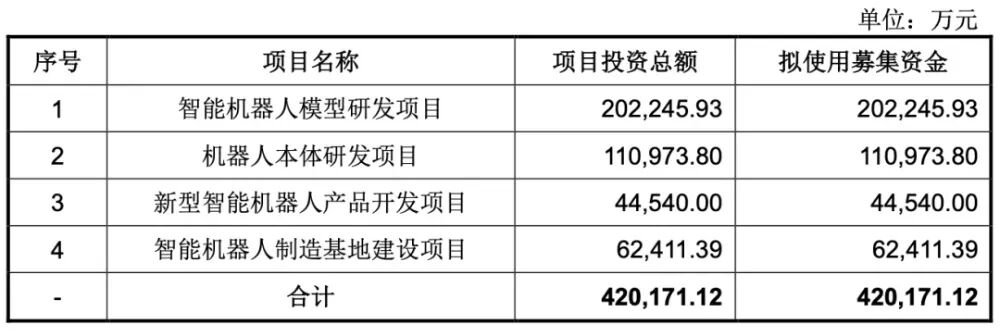
Image source: Unitree Technology's prospectus
This is really worth pondering. Why does a champion that emerged through "cerebellum" (motion control) and extreme hardware control turn to tackle the most difficult and costly "brain"?
The answer is actually simple: more and more robots can now "sing, dance, and do RAP". Once the novelty wears off, users become very practical:
Can your robot really become a labor force?
To become the labor force in the future intelligent world, robots must have a "brain". And this exactly falls into the territory where another company, Ubtech, has been working hard for many years.
01 Unitree's Speed and Slowness
What Unitree's prospectus shows is a typical product - manager mindset:
Find the pain points, concentrate firepower, and hit the target with one shot.
It bet all its resources on self - developed motion algorithms and core components. Through a full - stack self - developed mechanical design system, it reduced the hardware cost of humanoid robots to a surprisingly low level of 60,000 to 70,000 yuan.
With a R & D cost far lower than the industry's expectation (the total R & D cost from 2022 to 2024 was only 144 million yuan), it produced robots with relatively high performance and relatively "affordable" prices. However, these robots do not have a "brain" and mainly rely on remote control and pre - programming for operation.
Its customer profile is also very clear: universities, research institutions, and commercial performances.
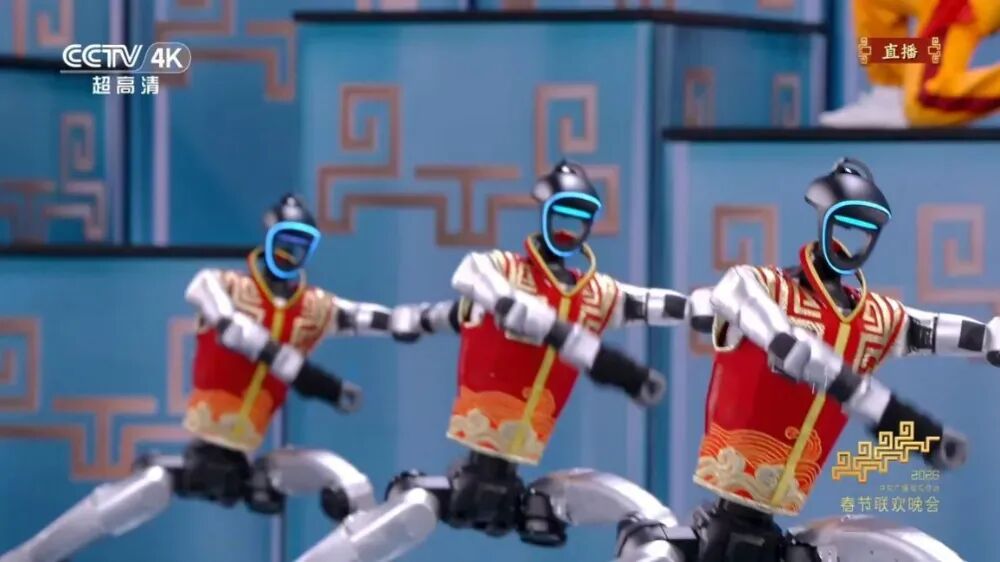
What do these scenarios need? They need cool demonstration effects for reporting upwards and attracting customers. Customers are also relatively less sensitive to prices.
Unitree accurately found this sweet spot and proved to the capital market that humanoid robots can be a profitable business.
However, there are also hidden concerns beneath the dividends.
First, the value of patents.
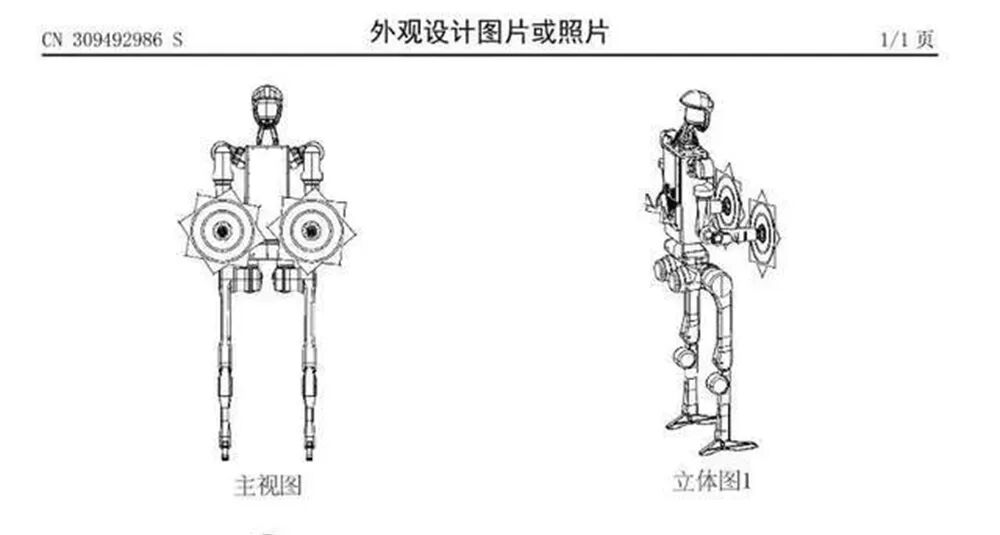
Among its 262 patents, only 20 are domestic invention patents, and 149 are domestic utility model and design patents.
In the field of hard technology, the latter are indeed important, but in the second half of the competition focusing on the "brain", the lack of the former may become a fatal shortcoming.
Second, the "ceiling" of customers.
Markets such as scientific research and performances can bring considerable profits and popularity in the early stage of market development, but the total market volume is limited, and the ceiling is clearly visible. To truly form a "business", it still depends on all industries and millions of families.
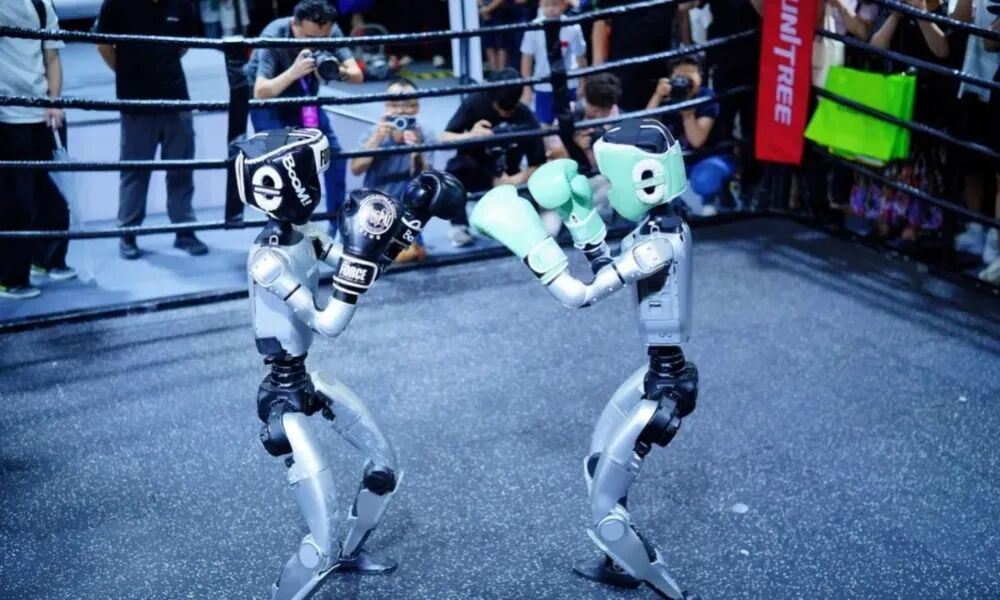
However, there is still a long way to go from being a "ring - fighter" to becoming a "new - quality productive force".
Take the industrial scenario as an example. Enterprises need "workers" that can work stably 7×24 hours a day and understand instructions like "move the third blue box on the left to the second assembly line and check if there are any scratches on the surface", rather than artists who use remote controls to make robots punch and stand up.
This requires robots to have strong perception, cognition, decision - making, and collaboration abilities. Unitree's proud motion control ability is just one of the tickets to enter the market.
Third, the "sustainability" of profitability.
A gross profit margin of nearly 60% is one of the most eye - catching data in Unitree's prospectus. However, the high - gross - profit foundation is built on the current technological leadership in the niche market and unique cost - control capabilities. There are currently not many players in this market, the competition is not yet fierce, customers are not price - sensitive, there are scenario dividends, and the threshold is low, which can quickly bring profits.
However, with the entry of players such as Magic Atom, Songyan Power, and Zhiyuan, who also appeared on the Spring Festival Gala, Unitree's existing model and high - gross - profit situation are bound to be impacted.
Therefore, some analysts believe that the window period for promoting single - point breakthroughs under the "Unitree model" is closing, and no one can avoid the "long - march" of full - stack capabilities.
On this long - march road, one player has gone a long way.
02 Ubtech's "Accumulation" and "Breakout"
Shortly after Unitree released its prospectus, Ubtech quickly told a story closer to the essence of the industry with its latest financial report:
How can humanoid robots transform from laboratory exhibits into real "workers" in factories?
Last year, Ubtech's revenue from full - size embodied intelligent humanoid robot business soared to 821 million yuan, a 22 - fold increase, making it the growth leader among global humanoid robot enterprises.
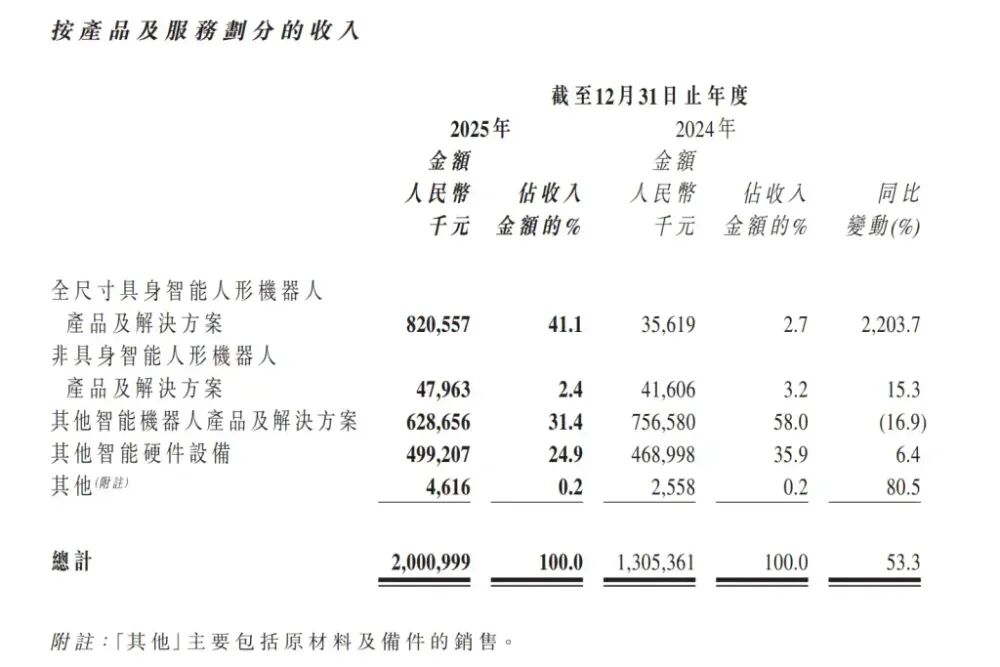
Image source: Ubtech's 2025 annual financial report
What is more eye - catching than this revenue is the delivery target.
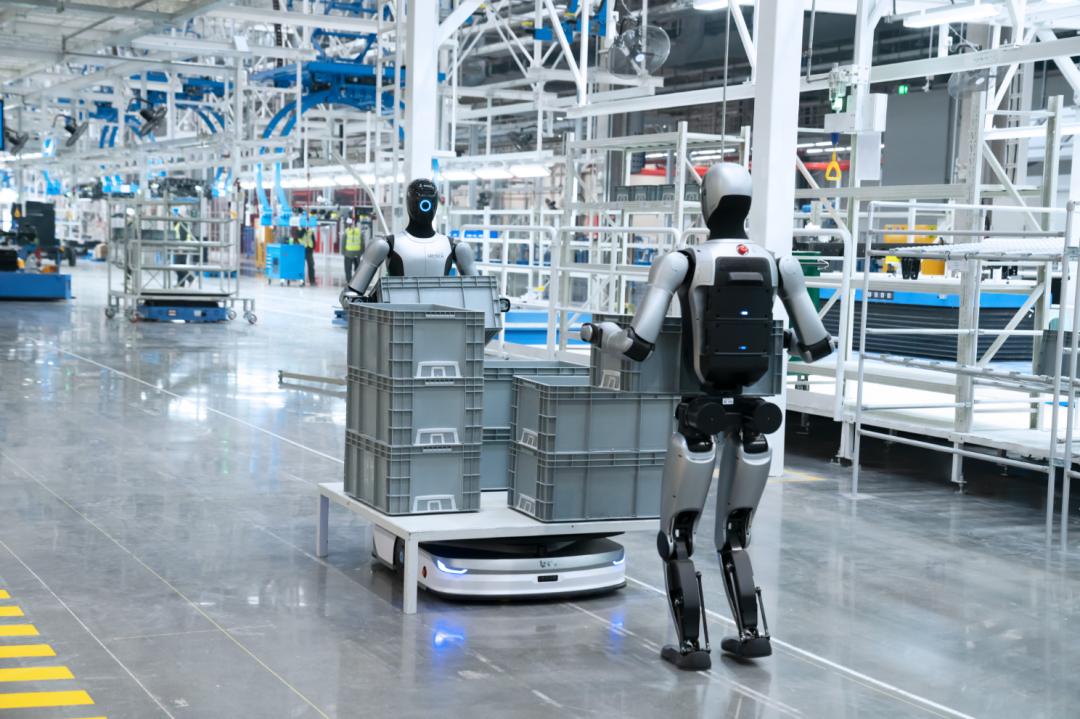
Among the 821 million yuan in orders and 1,079 robots sold, 80% of the users are in industrial scenarios, including automobile manufacturing, intelligent logistics, 3C electronics manufacturing, semiconductor manufacturing, aviation manufacturing, industrial data collection, etc. Well - known giants such as BYD, Foxconn, and foreign companies like Texas Instruments, Airbus, and Honda are all Ubtech's customers.
What do they buy Ubtech's robots for? Moving, sorting, and quality inspection.
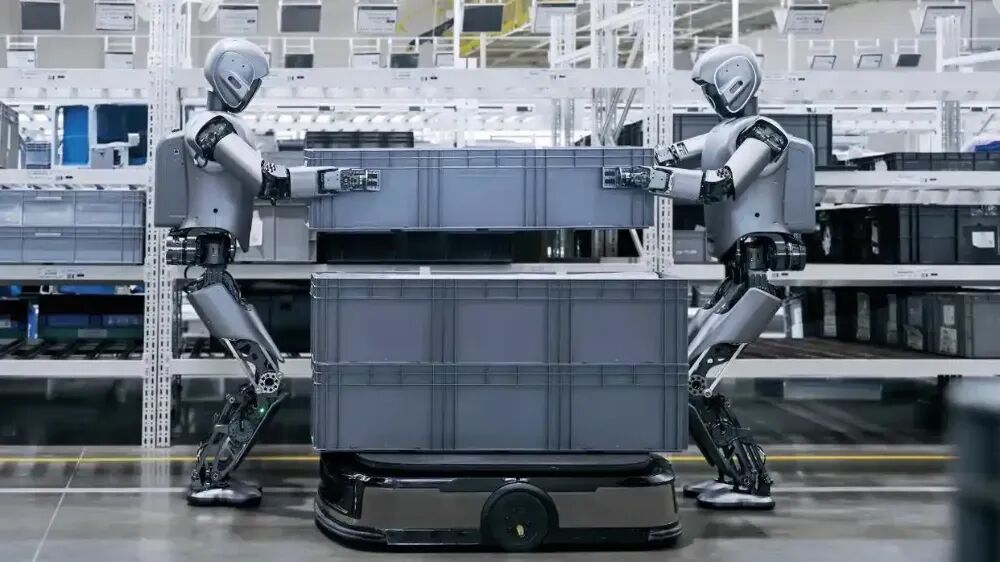
Walker S1 collaborates in moving large - load and large - size containers
Are Ubtech's humanoid robots reliable in work? First of all, Fortune 500 companies have voted with real - world cooperation and orders. Their decision to open their production lines to Ubtech actually shows their recognition of Ubtech's continuous investment in the industrial application of humanoid robots in recent years.
In addition, to make humanoid robots truly become productive forces, Ubtech started investing heavily in developing the "brain" early on.
In 2025, Ubtech's self - developed open - source embodied intelligent large model Thinker, the closed - loop feedback vision - language - action model Thinker - VLA, and the world model Thinker - WM for industrial scenarios together form a complete "embodied intelligence" technology stack for humanoid robots.
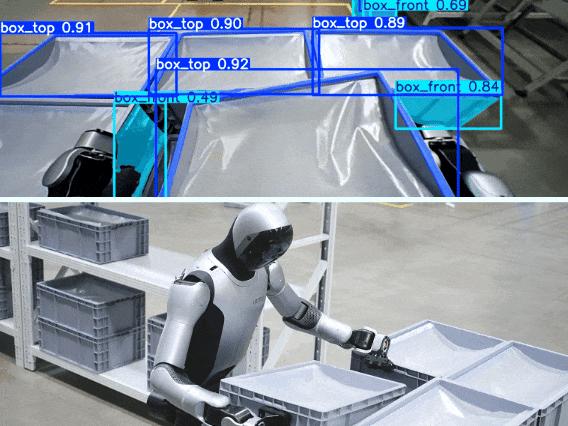
Walker S2 autonomously plans tasks in industrial scenarios
What is more worthy of attention is the BrainNet 2.0, a cloud - edge collaborative architecture. The cloud - based "super - brain" is responsible for high - dimensional global decision - making and task decomposition, while the edge - side "intelligent cerebellum" is responsible for executing specific skills. This architecture enables robot clusters to work collaboratively like a team of workers, which also explains why Ubtech's robots can work in many different types of industrial enterprises.
At the same time, Ubtech also invested heavily in refining the "cerebellum" (motion control) and the "body" (hardware reliability), including human - like binocular vision technology with higher accuracy than RGBD cameras, a 3 - minute hot - swappable autonomous battery - replacement system to improve battery life, and a self - developed fifth - generation dexterous hand suitable for delicate operations.
In terms of R & D investment, Ubtech's R & D expenditure in 2025 alone reached 507 million yuan, accounting for 25.4% of its revenue. Among them, the R & D investment related to humanoid robots exceeded 270 million yuan, and the R & D team had nearly 1,000 people.
Of course, it is precisely this long and difficult R & D path that has made Ubtech face long - standing doubts about whether its "story" can be realized.
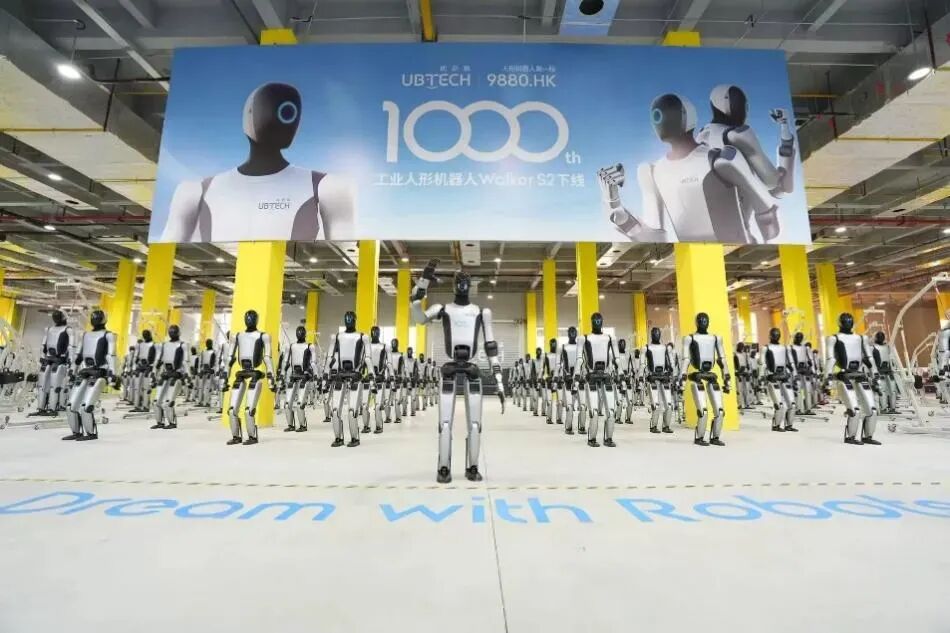
Ubtech's 1000th industrial humanoid robot
Walker S2 rolled off the production line in Liuzhou
However, the 2025 financial report made this story a reality.
A gross profit margin of 54.6% in the full - size embodied intelligent humanoid robot business is a strong signal. It shows that in application scenarios that can solve real - world pain points, customers are willing to pay a high premium for this "full - stack intelligent solution" that truly has productive capabilities.
For Ubtech, winning the favor of large industrial customers is more reassuring and promising. Because while Ubtech's humanoid robots are working, they can also accumulate a large amount of real - world data. This data is very scarce and can be used to train the robots to become smarter, perform more advanced tasks, and expand larger markets.
Once this flywheel starts spinning smoothly, the accumulated scenario knowledge, data, and the entire technological ecosystem form a moat that is difficult for late - comers to replicate.
03 The Inevitable "Ubtech Cycle"
Unitree's plan to raise funds to make up for the "brain" is a clear industrial signal.
When humanoid robots pass the concept - verification stage, a necessary question in the marketization process is: Where to go?
Although the single - point breakthrough and rapid commercialization model of the "Unitree route" seems more attractive and more in line with the short - term appetite of the capital market, it may encounter obstacles when entering broader industrial or consumer markets.
After the novelty wears off, rational customers do not want a robot that can only dance, but an "intelligent agent" that can understand human language, perceive the environment, and work stably.
At this time, the industry will understand why Ubtech is so persistent in self - developed large models, why it puts robots in factories to accumulate data, and why it builds a cloud - edge collaborative architecture.
Therefore, for survival and competition, late - comers have to adjust their strategies, increase AI R & D investment, find application scenarios, and painstakingly accumulate data. Eventually, they will move closer to Ubtech's "heavy - investment" model in terms of resource allocation, organizational structure, and long - term strategy.
The anxiety and decision to make up for deficiencies in Unitree's prospectus also show that it has seen the next - level boss and is starting to upgrade its equipment.
Ubtech, with its "work" report card in 2025, is standing at the inflection point of "being understood".
Ubtech realized early on that China has missed several waves of technological revolutions, such as in the fields of chips, semiconductors, and biomedicine. The reason why the country now emphasizes "new - quality productive forces" is that it hopes enterprises can achieve new technological breakthroughs to release productive forces and face the next industrial revolution.
There is a major divergence in the robot industry: whether to focus only on the "cerebellum" (motion control) or to develop the "brain + cerebellum + body" together.
Ubtech's judgment is that if a company only focuses on the cerebellum, its future prospects will be limited, because foreign competitors, such as Tesla and Figure AI in the United States, are all developing the "brain + cerebellum + body" together.
If an enterprise only pursues singing and dancing instead of "full autonomy", it will soon widen the gap with other enterprises. This gap is not just a technological one, but a "dimensional gap".
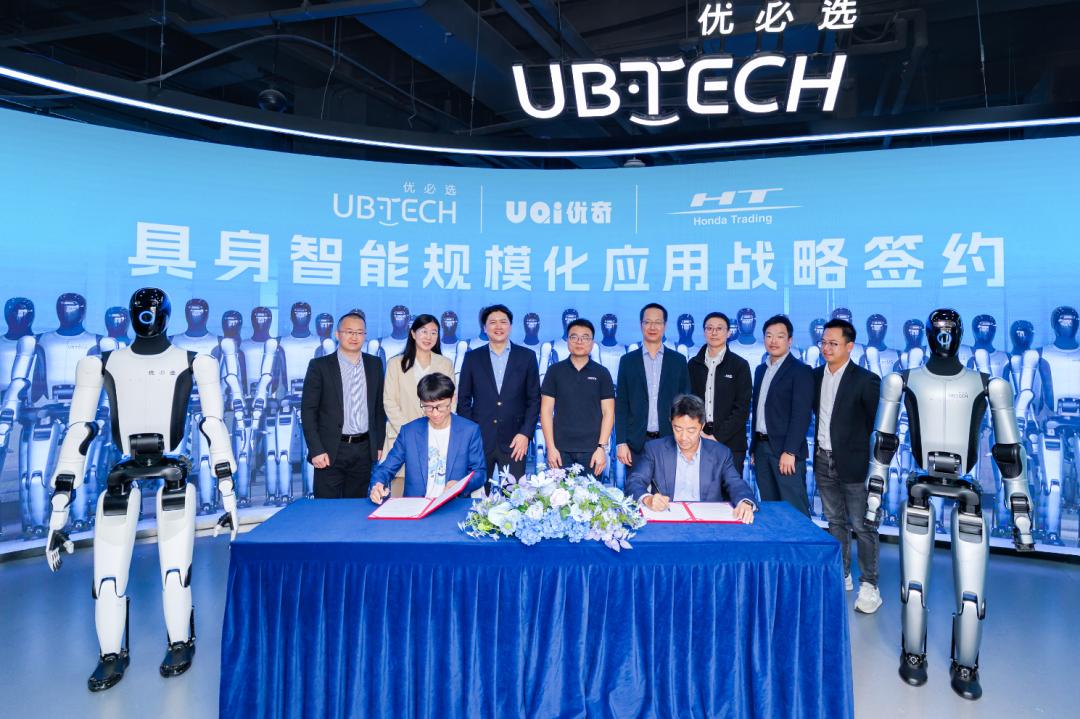
To build a truly autonomous robot system, Ubtech chose heavy - asset investment early on. Its entire team has more than 2,000 people, several times the size of many embodied intelligent enterprises.
It is precisely this heavy investment that has made some investment institutions question Ubtech's financial pressure. However, we found that after the release of this financial report, Ubtech's stock price soared by more than 20%. The market is beginning to realize that long - term "heavy investment" is not just burning money to tell stories, but building a broad and deep path.
Ubtech has walked a long way on this path.