Soll man zuerst das Gehirn trainieren oder zuerst Geld verdienen? Die "Lebenswette" der humanoiden Roboter
Some time ago, Unitree's IPO prospectus impressed many institutions. A research team of 175 people achieved the world's highest sales volume with only a little over one billion yuan in research investment, and the gross margin is approaching 60%.
However, the most interesting thing is that Unitree specifically states in its IPO prospectus:
Two billion yuan of the funds raised in the capital market should be used to improve the "brain" (research and development of robot models).
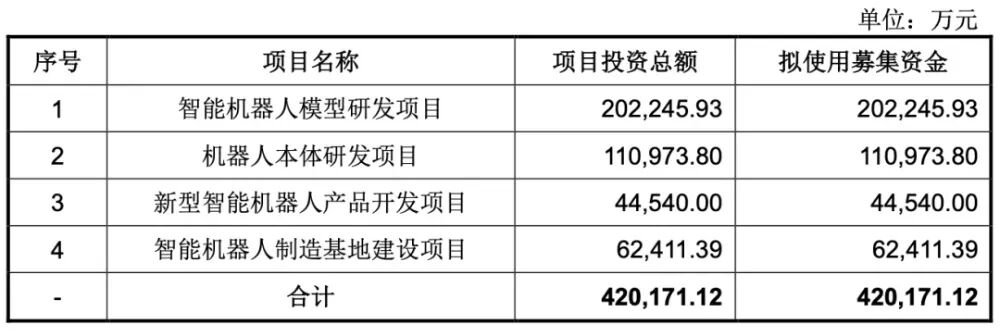
Image source: Unitree Technology's IPO prospectus
This is very exciting. A winner who has made a name for himself with the "cerebellum" (motion control) and excellent hardware control, why does he suddenly want to relearn the hardest and most expensive "brain"?
The answer is actually very simple: Nowadays, more and more robots can "sing, dance and rap". When the novelty wears off, users will be very pragmatic:
Can your robot actually replace human labor?
To be a labor force in the future intelligent world, robots must have a "brain". And this exactly hits the area where another company - Ubtech - has been working hard for years.
01 The Speed and Slowness of Unitree
What Unitree's IPO prospectus shows is a typical thinking of a product manager:
Find the problems, concentrate your forces and make a precise strike.
Put all resources into the independent development of motion algorithms and core components. Through an overall independent development system for mechanical design, Unitree has pushed down the hardware cost of humanoid robots to an amazing six to seven hundred thousand yuan.
And with much lower R & D costs (the total for the three years from 2022 to 2024 is only 144 million yuan), it has developed robots that have relatively high performance and relatively "affordable" prices, but do not have a "brain" and are mainly operated by remote control and preset programs.
And the profile of its customers is also very clear: universities, research institutes and commercial shows.
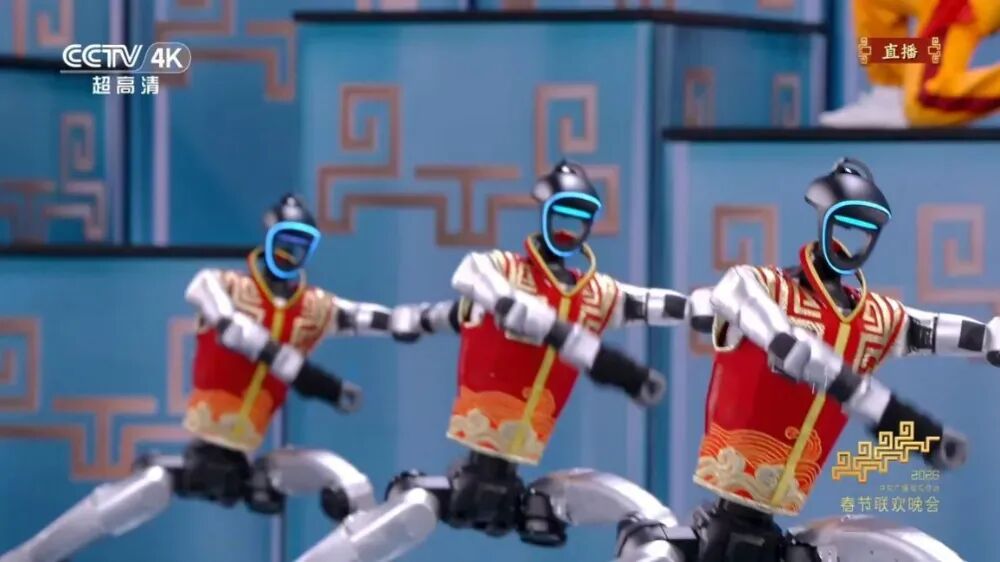
What do these scenarios need? It is an exciting demonstration result that serves for reporting to superiors and attracting customers. The customers are also relatively insensitive to prices.
Unitree has also found exactly this intersection and proved to the capital market that humanoid robots can be a lucrative business.
But behind the dividends, there are also concerns.
First, the value of patents.
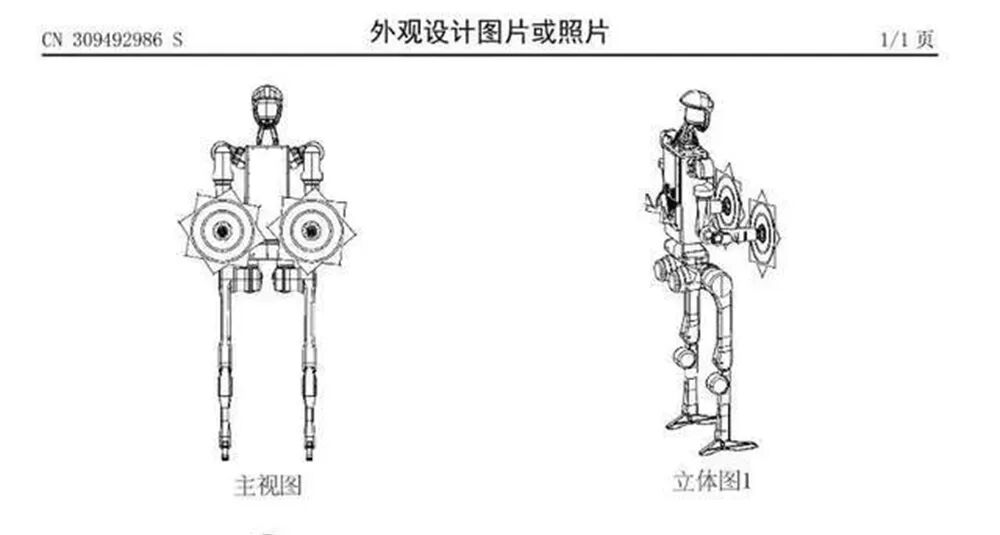
Among the 262 patents, only 20 are domestic invention patents, and 149 are domestic utility model and design patents.
In the field of hard technologies, although the latter are important, in the second part of the competition for the "brain", the lack of the former could be a fatal disadvantage.
Second, the "limit" of customers.
Although research and shows can bring considerable profits and popularity in the initial stage of the market, the total market volume is limited, and the limit is visible to the naked eye. To form a real "business", one must rely on all industries and millions of families.
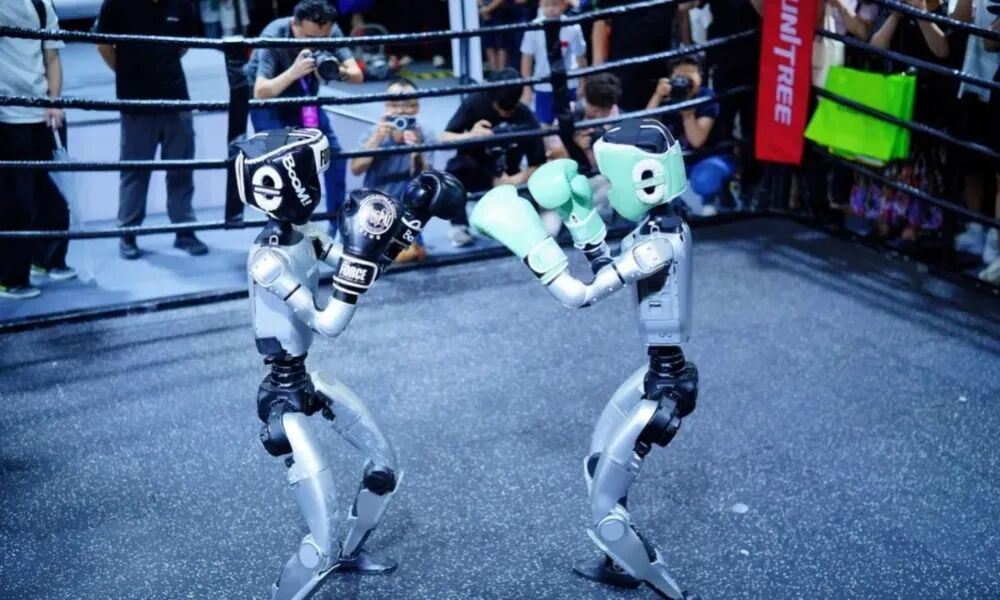
However, there is still a big gap between the "fighter in the ring" and the "new productive force".
Take the industrial scenario as an example. Enterprises need "workers" who can work stably 7x24 hours and understand "bring the third blue box on the left to the second production line and check if the surface has scratches", not artists who use a remote control to make the robot punch and stand up.
For this, the robots themselves must have strong abilities in perception, cognition, decision - making and coordination. The motion control ability boasted by Unitree is only one of the entry tickets.
Third, the "sustainability" of profits.
A gross margin of nearly 60% is one of the most prominent data in Unitree's IPO prospectus. But the basis of the high gross margin lies in the technological leadership and unique cost - control ability of the current niche market. Currently, there are not many players in this market, the competition is not fierce yet, and the customers are price - insensitive. There are scenario dividends that have low barriers and can bring quick profits.
However, Unitree's existing business model and high gross margin will surely be affected by the participation of Magic Atom, Songyan Power and Zhiyuan, which also appeared at the Olympic Gala.
Therefore, some analysts believe that the window for a point - break in the "Unitree model" is closing, and no one can escape the "long march" of overall capabilities.
And on this long march, one player has already covered a large part of the way.
02 The "Slow Accumulation" and "Breakthrough" of Ubtech
After the release of Unitree's IPO prospectus, Ubtech quickly told a story closer to the essence of the industry with its latest annual report:
How can humanoid robots turn from laboratory exhibits into real "workers" in the factory?
Last year, the sales of Ubtech's full - format, physically intelligent humanoid robots skyrocketed to 821 million yuan, a 22 - fold increase, and it has become the growth leader among global humanoid robot companies.
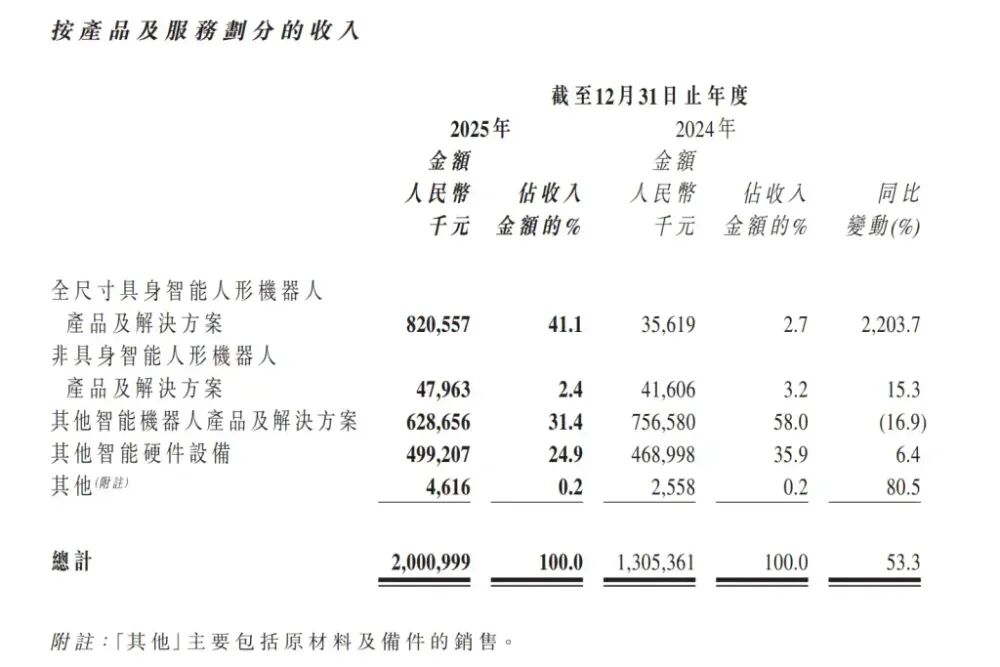
Image source: Ubtech's 2025 annual report
More impressive than this sales volume is the delivery item.
Among the orders worth 821 million yuan and 1,079 robots, 80% of the users are in industrial scenarios, including automobile manufacturing, intelligent logistics, 3C electronics manufacturing, semiconductor manufacturing, aerospace industry, industrial data collection, etc. Well - known companies such as BYD, Foxconn and foreign giants such as Texas Instruments, Airbus and Honda are all Ubtech's customers.
What do they do with Ubtech's robots? Transport, sort and conduct quality control.
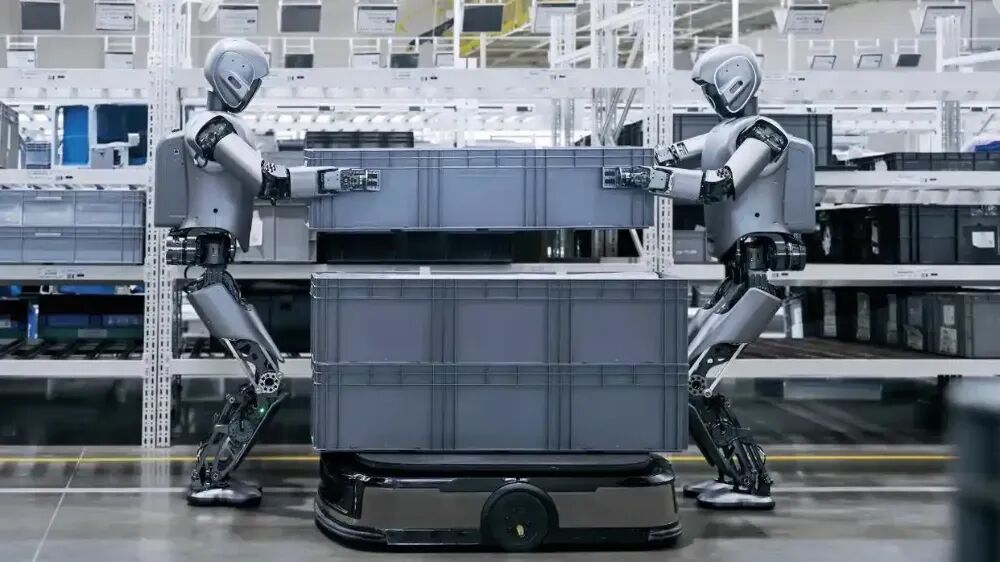
Walker S1 cooperates in transporting large - load and large - format cargo boxes
Is Ubtech's humanoid robot reliable? First of all, global companies have voted with real cooperation and orders. Their decision to give Ubtech access to their production lines actually expresses recognition of Ubtech's years - long investment in implementing humanoid robots in industrial scenarios.
In addition, Ubtech invested money in the development of the "brain" early on to make the humanoid robots truly productive.
In 2025, Ubtech developed the self - developed open - source large - scale physical intelligence model Thinker, the closed - loop feedback model for visual language and motion Thinker - VLA, and the world model Thinker - WM for industrial scenarios, which together form a complete technology stack for the "physical intelligence" of humanoid robots.
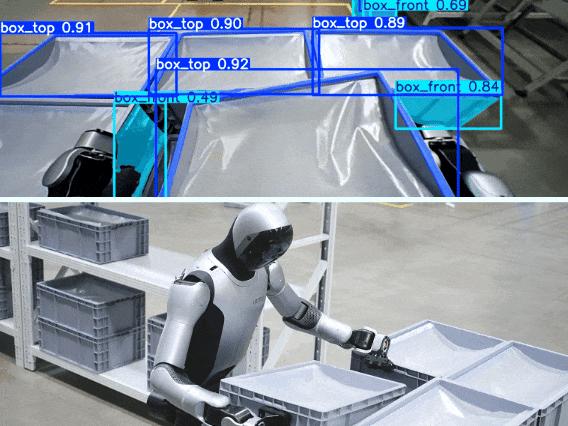
Walker S2 autonomously plans tasks in industrial scenarios
Particularly remarkable is BrainNet 2.0, an end - cloud cooperation architecture. The "super brains" in the cloud are responsible for global high - dimensional decision - making and task allocation, while the "intelligent cerebellums" on the edge side are responsible for executing specific abilities. This architecture enables robot groups to work cooperatively like a team of workers, which also explains why Ubtech's robots can work in so many different industrial companies.
At the same time, Ubtech also invested a lot of money in improving the "cerebellum" (motion control) and the "body" (hardware reliability), including the humanoid binocular vision technology with higher accuracy than RGBD cameras, the 3 - minute hot - swap automatic battery replacement system to improve battery life, and the self - developed fifth - generation dexterous hands for fine manipulations.
In terms of R & D investment, Ubtech's R & D costs in 2025 alone were 507 million yuan, accounting for 25.4% of the sales. Among them, the R & D investment in humanoid robots was over 270 million yuan, and the research team consists of nearly a thousand people.
Naturally, this heavy and slow R & D path has also confronted Ubtech with the question for a long time of whether the "story" can really be implemented.
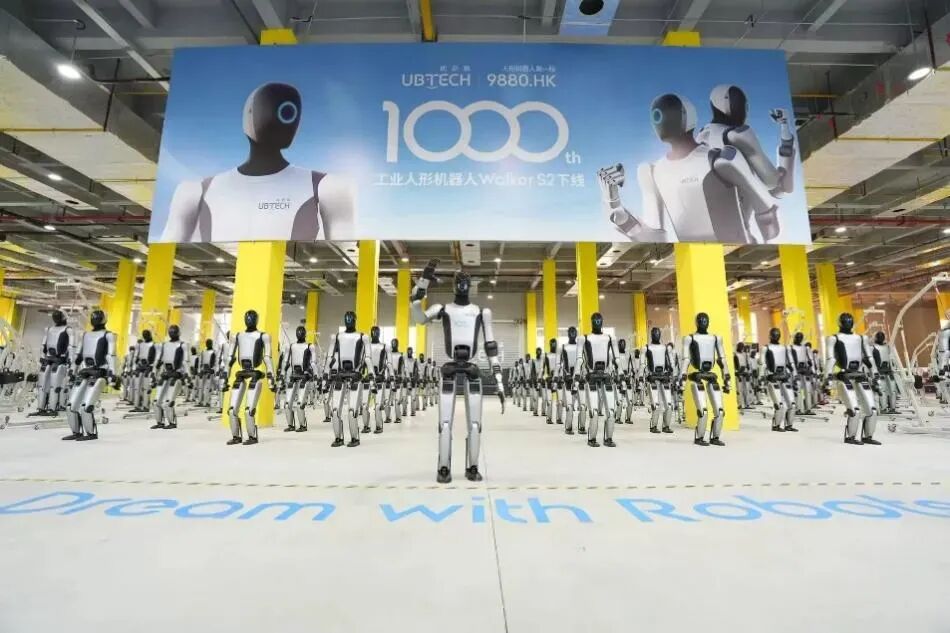
Ubtech's 1,000th industrial humanoid robot
Walker S2 rolls off the production line in Liuzhou
But the 2025 annual report has implemented this story.
A gross margin of 54.6% in the business field of full - format physically intelligent humanoid robots is a strong signal. This shows that customers in application scenarios where real problems can be solved are willing to pay a high premium for this truly productive "holistic intelligent solution".
For Ubtech, it is safer and more promising that its products are favored by large industrial customers. Because while Ubtech's humanoid robots are working, they can also collect more real - world data. This data is very rare and can be used to make the robots smarter, handle higher - level tasks and open up larger markets.
Once this virtuous circle starts, the accumulated scenario knowledge, data and the entire technology ecosystem are a protective wall that latecomers can hardly imitate.
03 The Inevitable "Ubtech Cycle"
Unitree's capital raising for improving the "brain" is a very clear industry signal.
After humanoid robots have passed the concept validation phase, the market - economic question is: Where to go?
Although the point - break and rapid commercialization model of the "Unitree route" seems more attractive and better tailored to the short - term preference of the capital market, it may encounter obstacles when targeting the broader industrial or consumer market.
After the novelty wears off, rational customers don't want a robot that can only dance, but an "intelligent one" that can understand human language, recognize the environment and work stably.
At this time, the industry will understand why Ubtech adheres to the self - development of large - scale models, why it puts robots in factories to collect data, and why it has an end - cloud...