Was the extended-range technology, once questioned by domestic consumers, now being questioned by foreigners?
Looking back six years ago, Feng Sihan, then CEO of Volkswagen China, publicly criticized range-extended electric vehicles as the worst solution. The R & D director even bluntly stated that it was an outdated technology with limited development potential. At that time, Li Auto was almost the only car company working hard in the range-extended vehicle segment, and the whole industry was filled with doubts about this technology route.
In an atmosphere where pure electric vehicles were considered the right path in the industry, range-extended vehicles were labeled with many negative tags, such as being inefficient, technologically backward, and a transitional solution. Li Bin, the founder of NIO, also positioned range-extended vehicles as transitional products for a specific stage. Executives of Great Wall Motors repeatedly emphasized in different occasions that they would never produce range-extended vehicles.
However, the market did not stop due to the disputes over the technology route. As Li Auto quickly opened up the market with range-extended technology, brands like Wenjie and Leapmotor have entered the arena. Consumers are also voting with their money. The sales volume of range-extended vehicles soared from 30,000 units in 2020 to 1.235 million units in 2025.
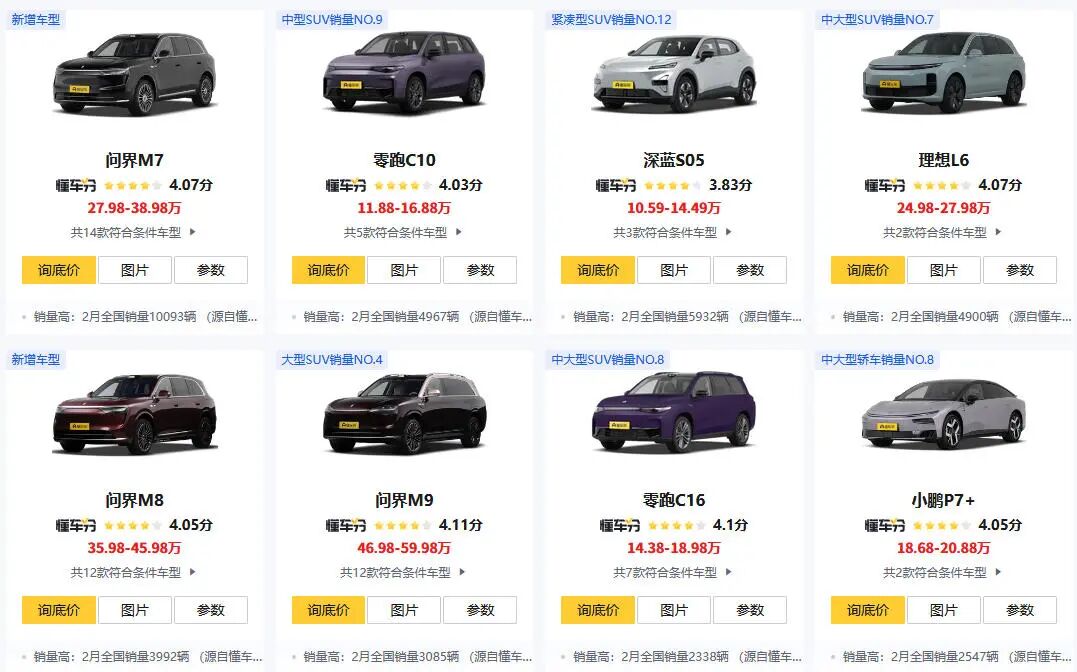
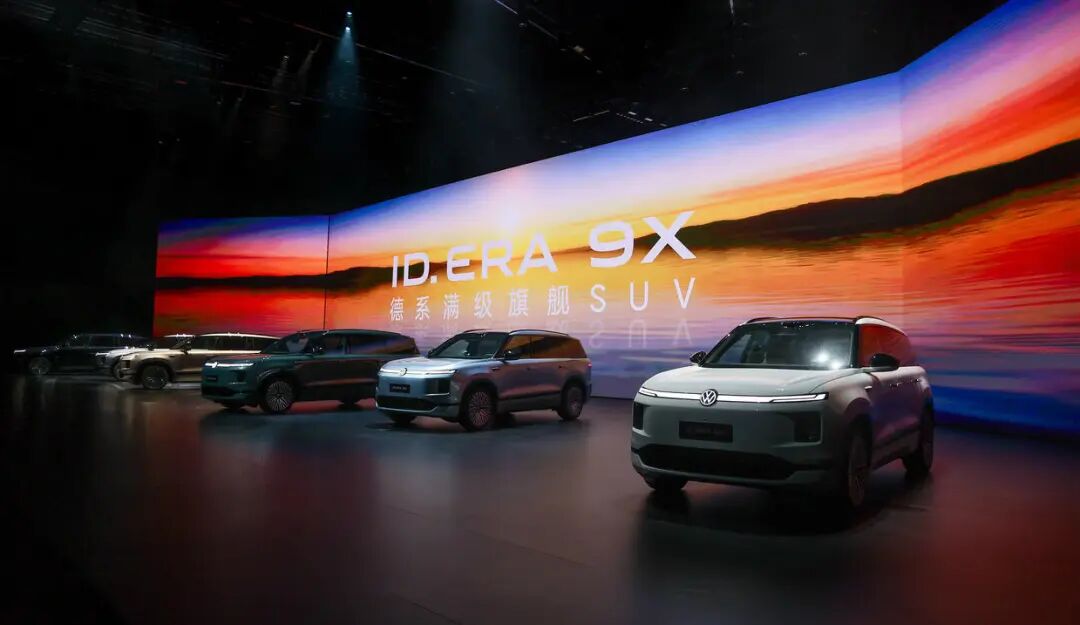
Driven by this momentum, car companies are forced to re - evaluate their technology layouts. Between 2025 and 2026, new - force car companies like XPeng and IM Motors, which originally focused on pure electric vehicles, have launched range - extended versions. Joint - venture giants such as Toyota and BMW have also collectively shifted their focus. Interestingly, in March 2026, Volkswagen, which was the most critical of range - extended technology back then, publicly launched its first range - extended flagship SUV, the ID.ERA 9X.
Although the range - extended technology has undergone a dramatic reversal in the Chinese auto market from being looked down upon to being widely embraced, not all multinational giants are eager for it. Two German car companies represented by Volkswagen and BMW still hold an obvious wait - and - see attitude towards range - extended technology, especially in non - Chinese markets.
Is Range - Extended Technology Needed as a Transition?
Yes, you read it right. It's Volkswagen, the company that launched the range - extended SUV ID.ERA 9X in the Chinese market. Before the new car was about to be pre - sold, media reports pointed out that Thomas Schäfer, CEO of Volkswagen Passenger Cars brand, clearly stated in an interview that range - extended technology makes no sense in Europe.
His exact words were: "We have this technology in China because the traffic conditions in China generally involve slow - moving traffic in queues. But for driving in Europe, I'm skeptical about the applicability of range - extended technology. The only case we can see in the market currently is the Nissan Qashqai e - Power."
Schäfer further explained that the traffic conditions in Europe are complex and the driving rhythm is intense, which is completely different from the smooth traffic conditions in China. Kai Grünitz, Volkswagen's R & D director, also added: "Why add an additional engine? It's a lose - lose solution, with an expensive large battery paired with an expensive engine. Moreover, the range - extended system itself is heavy, and the vehicle is by no means efficient."
He also pointed out that European carbon - emission regulations do not provide any policy incentives for range - extended technology. "This technology is costly. Although we have the ability to launch it, it has no practical value." In Volkswagen's view, the main models in the European market are already equipped with plug - in hybrid systems with a pure - electric range of 150 kilometers, "which is sufficient."
Grünitz even set a precondition: "If pure - electric vehicles can achieve a range of 400 miles (about 643 kilometers) and a 15 - minute fast - charging time, range - extended technology will lose its necessity." It can be seen that although Volkswagen has embraced range - extended technology in China, its attitude in Europe remains negative.
Recent reports from foreign media also show that BMW is evaluating the possibility of introducing range - extended electric vehicles for models such as the X5 and 7 Series in the Chinese market, but no global decision has been made, and there is no official confirmation. BMW emphasizes that everything depends on "the scale of demand" and "meeting BMW's driving experience standards."
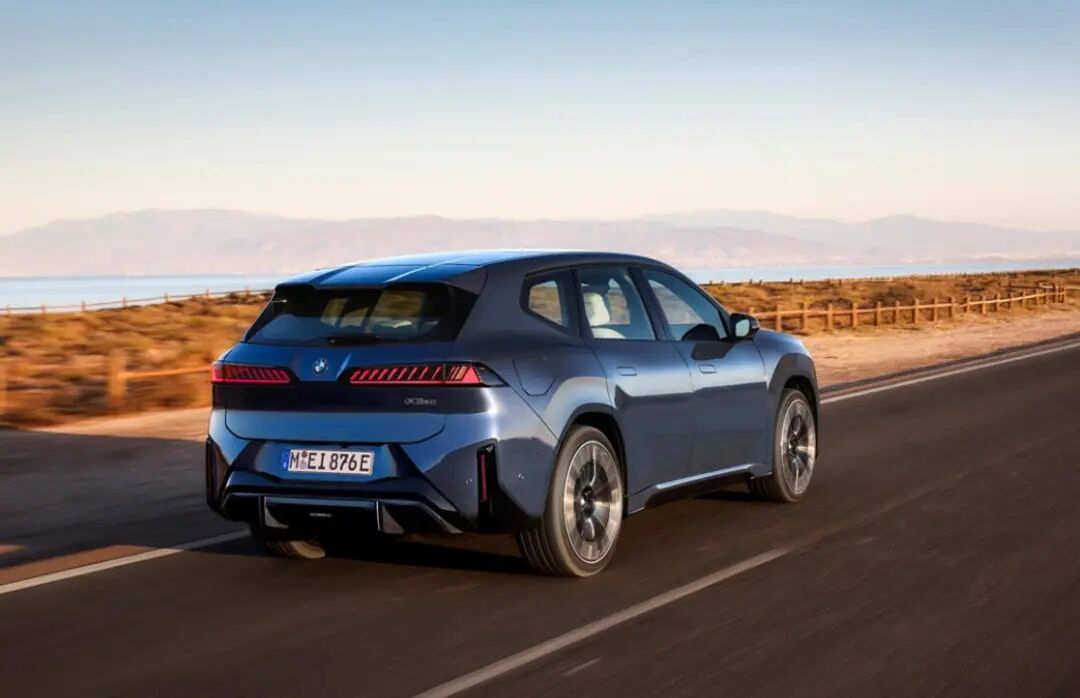
An executive named Kolber clearly stated that regardless of the technology used, "one thing is absolutely non - negotiable: that is BMW's iconic driving experience. If the range - extended system cannot meet these standards, then this technology is considered not worth adopting."
In fact, BMW has tried the range - extended solution before. The BMW i3 REx was equipped with a small two - cylinder engine as a generator. However, with the continuous improvement of battery performance, the importance of this compromise solution has gradually decreased, and the model has finally disappeared from the product line.
Now, BMW says its development strategy relies on two pillars: pure - electric vehicles and plug - in hybrid vehicles. Notably, the BMW Group is pinning its hopes on the new vehicle platform, the Neue Klasse platform.
Joachim Post, BMW's R & D director, bluntly summarized the manufacturer's stance in a BMW blog column: The sixth - generation self - developed battery of BMW has a range of over 800 kilometers and a charging power of 400 kilowatts. "Therefore, BMW believes that the argument for range - extenders is completely unfounded."
Post said: "Of course, we will closely monitor all solutions in the market and consider whether to integrate range - extenders into our product line. But for now, especially considering the battery performance of new models, we believe that our range is completely sufficient even without range - extenders."
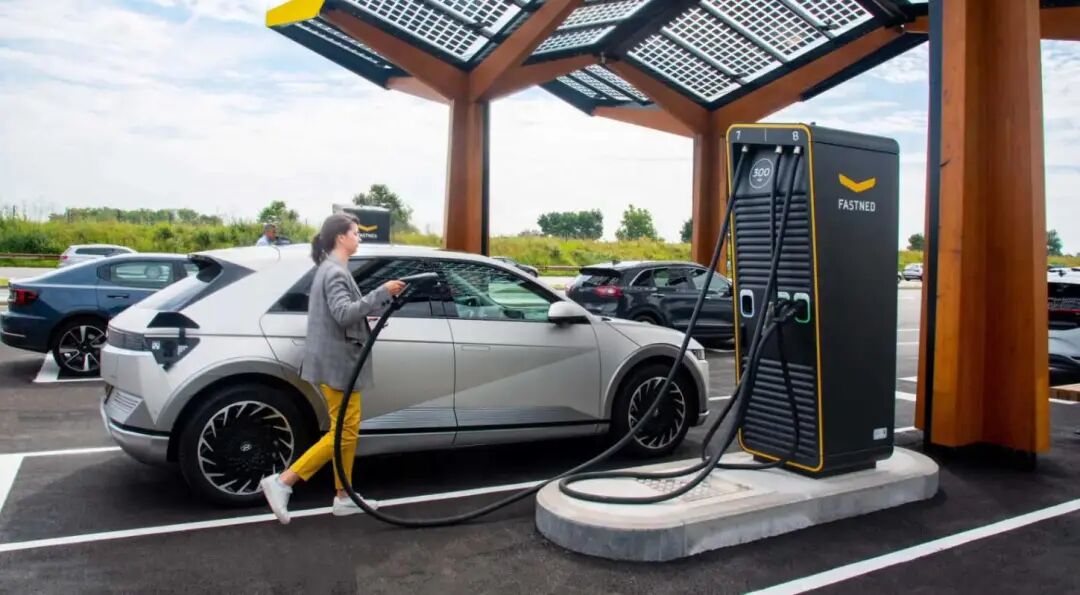
However, BMW is not completely ignoring market realities. As the report points out, "Believing in one's own products is one thing, and facing reality is another." In countries where fast - charging stations are still scarce or unstable, range - extended systems are still a practical solution for daily situations. "Markets such as China and parts of Eastern Europe fully reflect this difference."
BMW has realized this and said that "if the market demands it, it will not rule out adjusting its strategy." In other words, BMW's current attitude towards range - extended technology is: in non - Chinese markets (especially in Europe), with its pure - electric technology with a range of over 800 kilometers and 400 - kilowatt fast - charging, range - extended technology is "unnecessary." But in the Chinese market, due to different traffic conditions and user needs, BMW is still evaluating and has not completely closed the door.
They Are Accelerating the Layout of Range - Extended Vehicles
Although European giants such as Volkswagen and BMW still hold a wait - and - see attitude in non - Chinese markets, another group of multinational car companies, including Stellantis, Ford, Hyundai, and Nissan, have begun to actively layout range - extended models, trying to seize the market opportunity with this transitional technology before pure - electric vehicles are fully mature.
According to the latest research report on the electric vehicle industry released by TrendForce in January, range - extended electric vehicles are increasingly becoming a crucial transitional solution for car manufacturers in the process of transitioning to full electrification. The agency predicts that by 2030, the annual global sales volume of range - extended electric vehicles will reach 3 million units, doubling that of 2025.
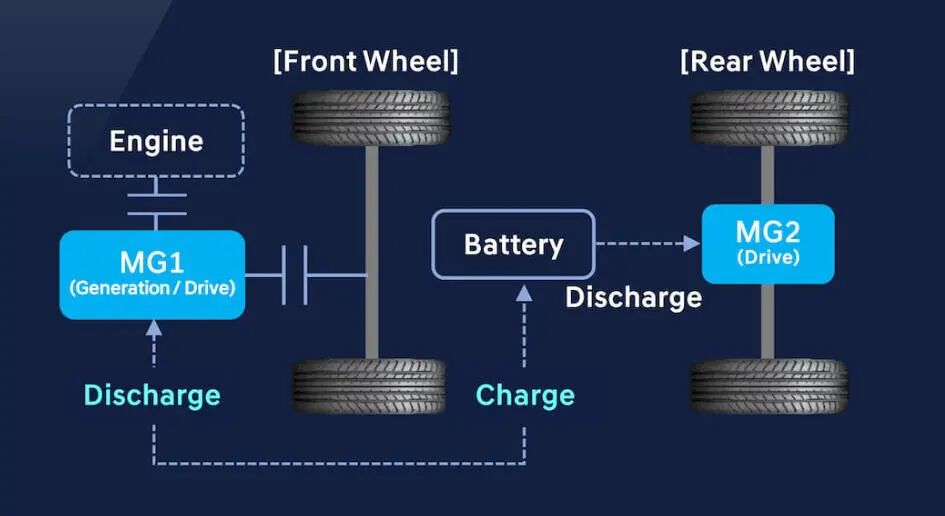
There are multiple driving forces behind this growth: The EU recently announced an adjustment to its ban on internal - combustion engine vehicles by 2035, providing great flexibility in regulation and thus broadening the development space for range - extended electric vehicles. At the same time, the technological maturity and market acceptance are also constantly improving.
In this trend, the developments in the US market are particularly worthy of attention. According to an industry report in March 2026, the US will launch up to 15 range - extended electric vehicles between 2026 and 2028. This list includes many mainstream car companies, among which Stellantis, Ford, Hyundai, and Nissan are the most active in layout.
Stellantis, a multinational giant with brands such as Jeep and Ram, is refocusing on a multi - energy product portfolio: internal - combustion engine vehicles, traditional hybrid vehicles, and range - extended electric vehicles, to better meet customers' preferences for range, convenience, and lower upfront costs.
It is predicted that the Jeep Grand Wagoneer REEV will be launched in the first half of 2026, with a starting price slightly over $100,000. The Ram 1500 REV is expected to go into production in the second half of 2026, and the starting price of the Tradesman version is about $65,000. It will be the only range - extended model in the pickup truck segment.
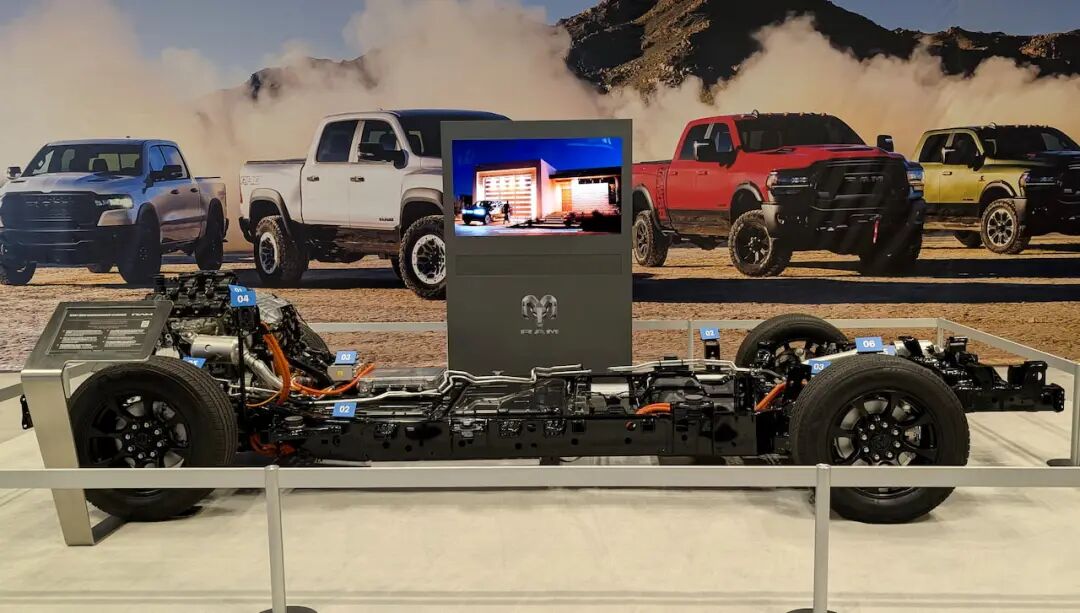
Ford is even more enthusiastic about range - extended technology. Previously, Jim Farley, Ford's CEO, clearly stated in an interview that Ford now envisions a future where all its models will offer hybrid or range - extended electric vehicle options, supplemented by a new generation of low - cost pure - electric vehicles.
Farley believes that this move is a response to the current actual choices of American consumers, rather than the car manufacturers' past assumptions about the market development direction. He bluntly said: "Those high - end electric vehicles priced at $50,000, $70,000, or $80,000 simply cannot be sold." After evaluating the market, Ford will shift to building its hybrid product line.
He specifically pointed out that range - extended electric vehicles are particularly suitable for large vehicles because factors such as weight, towing, and long - distance driving put pressure on the design of pure - electric vehicles. He added that the next - generation range - extended electric pickup truck "can travel about 1,126 kilometers on a full tank of fuel 90% of the time and is purely electric, with an acceleration from 0 to 96 km/h in just 5 seconds."
In addition, Hyundai has not only launched the Santa Fe EREV, but its luxury brand Genesis plans to launch the GV70 EREV in 2027, and the GV90 EREV is also in the planning stage. Hyundai also plans to launch an EREV pickup truck to further enrich its product matrix. At the same time, Kia will also launch EREV models.
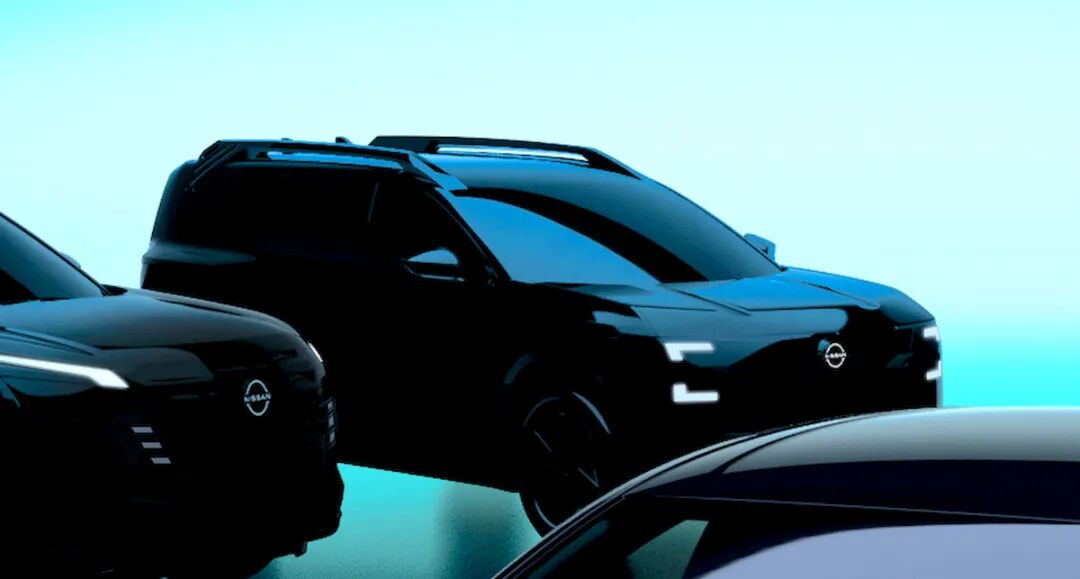
Nissan entered the range - extended vehicle segment early with its e - Power technology. The Nissan Rogue e - Power is expected to make its debut in the US at the end of 2026, and the company is waiting for the arrival of the third - generation e - Power system. In addition, the next - generation Nissan Xterra EREV is also on the prediction list.
Of course, the large - scale popularization of range - extended electric vehicles still faces challenges. TrendForce pointed out in the report that currently, relevant models are mainly concentrated in the high - end SUV segment, resulting in relatively high prices, which may hinder their popularization. In addition, since range - extended electric vehicles use internal - combustion engines to generate electricity, their energy conversion efficiency is much lower than that of pure - electric vehicles.
Compared with other hybrid models, larger battery packs and electric powertrains increase the vehicle's weight, which affects the range. Nevertheless, Ford expects that by 2030, 50% of its global sales will come from hybrid vehicles, range - extended electric vehicles, and pure - electric vehicles, compared with only 17% this year.
This article is from the WeChat official account "Automobile Commune" (ID: iAUTO2010), author: Yang Jing. Republished by 36Kr with permission.