When you feel useless, you can click in to see the current situation of the metaverse.
You may not have thought about this:
A product that claims to reach one billion people is now on the verge of life and death, decided by a single message.
Last week, Meta announced that Horizon Worlds would be completely removed from the Quest VR headsets.
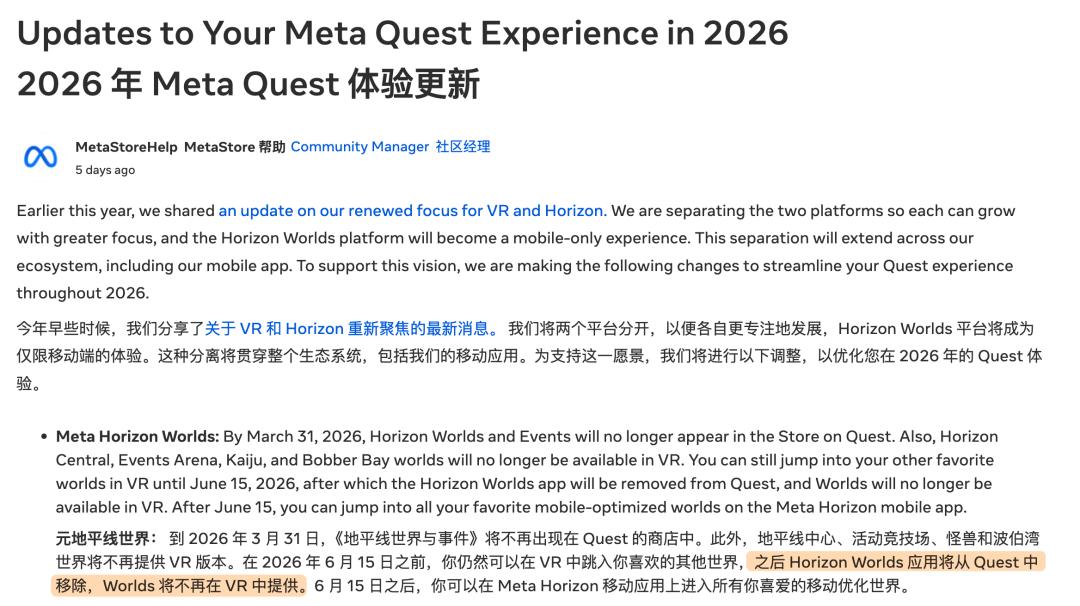
At first glance, this piece of news doesn't seem like much, but in fact, it signals something:
The metaverse is completely dead.
When it comes to the metaverse, some of you might be familiar with it but also feel a bit strange. Let me help you recall.
To put it simply, you put on a VR headset and enter a virtual 3D world where you can socialize, go shopping, play games, buy things, and participate in activities. It's like moving real - life into a computer. Its ultimate form is the Oasis in "Ready Player One" where you can enter by wearing a device.
Don't think this concept sounds too sci - fi and far - fetched. In 2021, the whole world thought it could be realized tomorrow.
In March of that year, a company called Roblox mentioned the word "metaverse" in its prospectus. On the first day of its listing, its market value soared to $38 billion.
Seeing this, capital went crazy. So, metaverse - related startups raised a total of $10.4 billion that year, almost twice as much as the previous year.
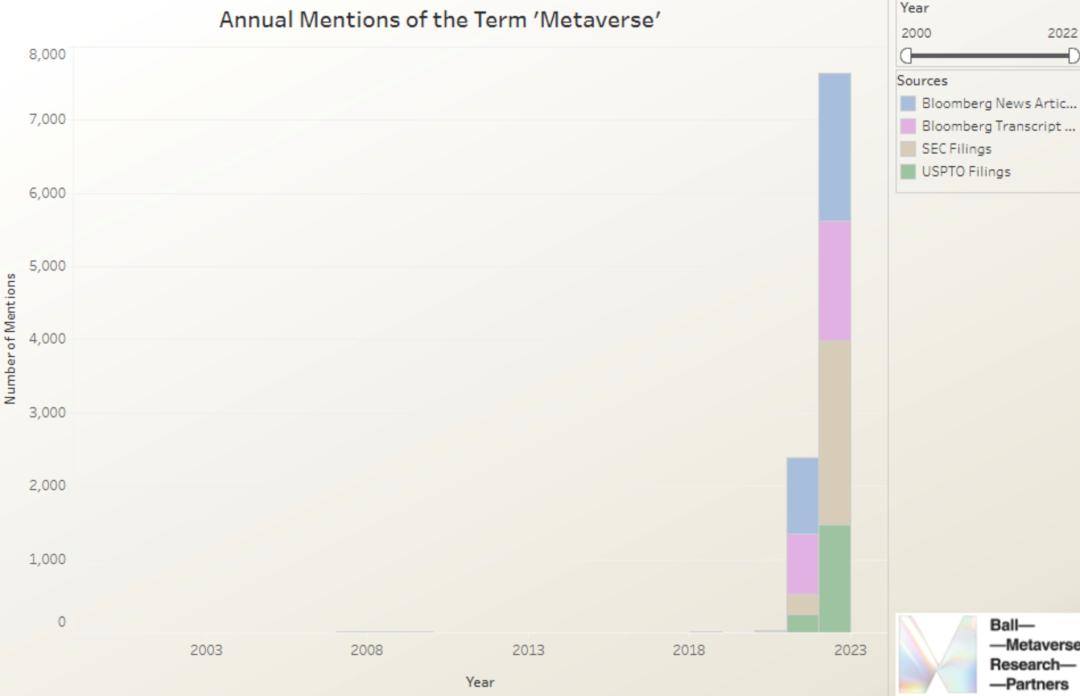
Some media counted the number of times the word "metaverse" appeared in SEC filings, patent applications, earnings calls, and Bloomberg news reports. Before 2020, the word appeared less than 100 times a year. In 2021, it rose to more than 1,300 times, and in 2022, it skyrocketed to nearly 8,000 times.
It was also quite crazy in China. ByteDance spent $9 billion to acquire the VR company Pico. Baidu launched its metaverse product, XiRang. Alibaba established an XR laboratory. Even China Mobile set up a metaverse industry committee. By the end of 2021, a total of 1,692 companies in China rushed to register more than 11,000 metaverse trademarks.
The atmosphere in the entire industry could be summed up in four words: It's too late if you don't get on board.
No one dared to say whether this thing would work or not because saying so would mean not understanding the trend, being conservative, and being left behind by the times.
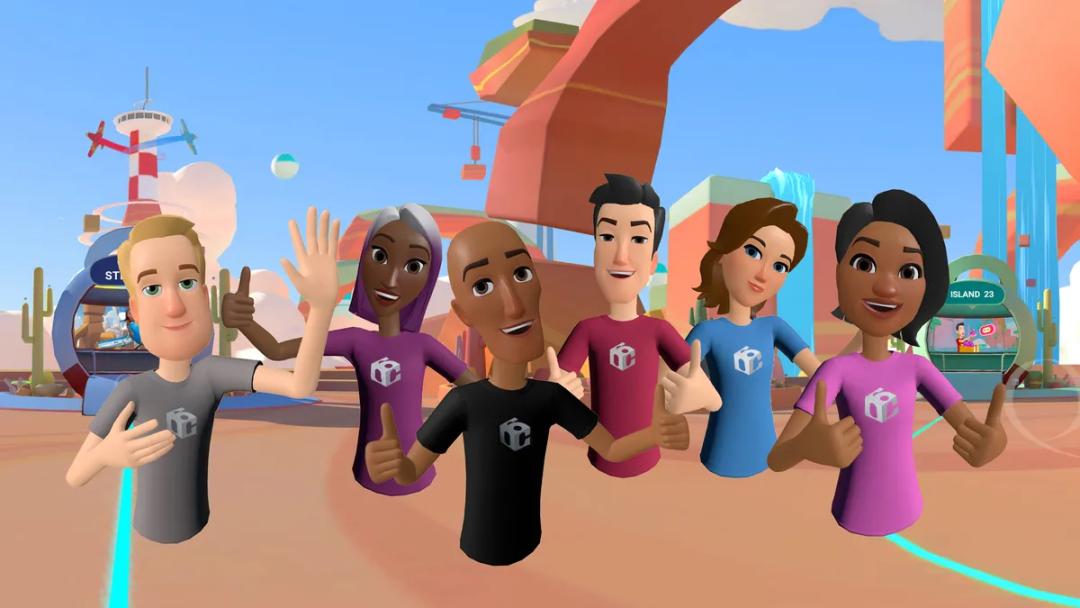
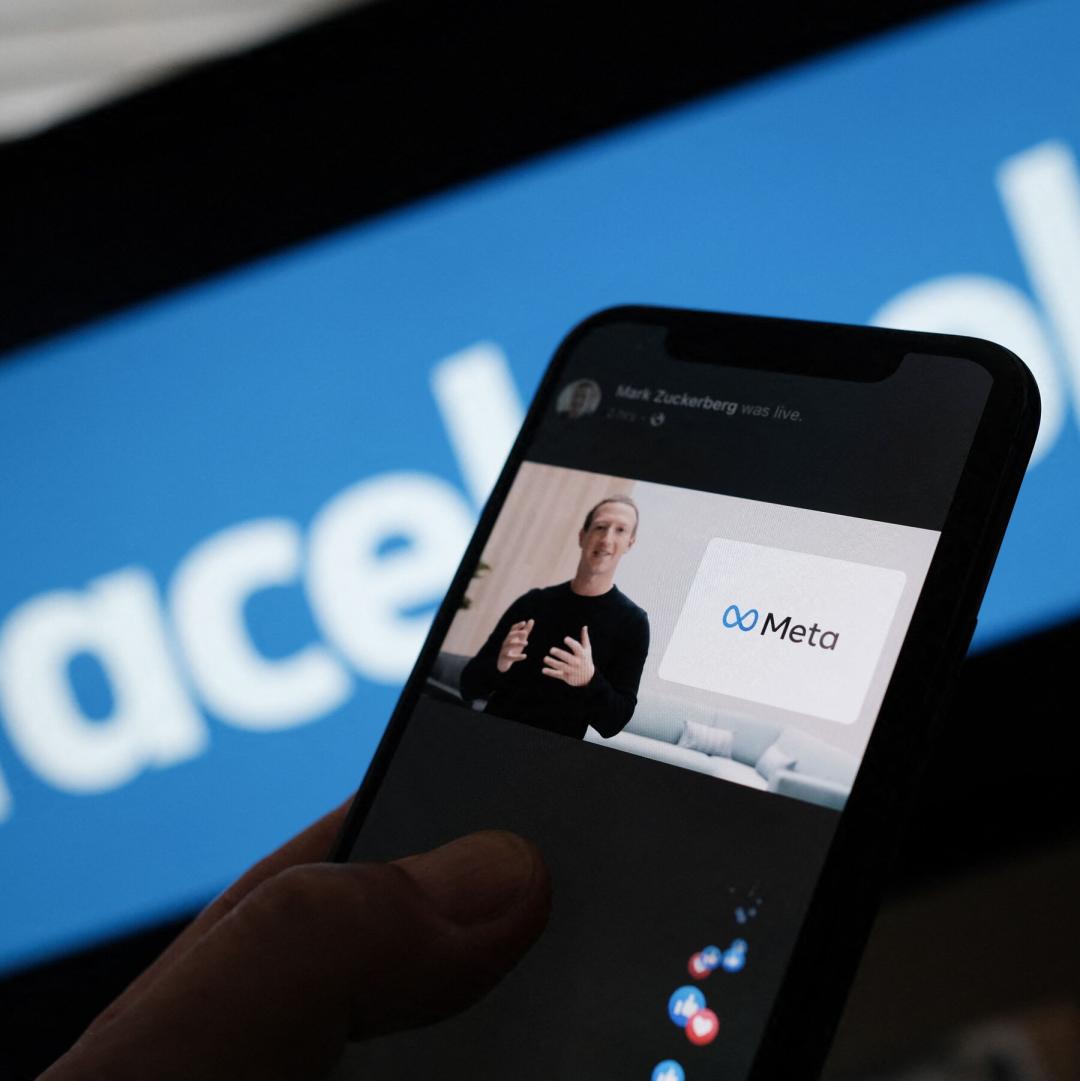
Then, Mark Zuckerberg was right in the middle of this craze. He bet his fortune, changed the name of Facebook to Meta and went all - in on the metaverse, shouting that "this is the next frontier" and then created the Horizon Worlds VR world.
As long as you put on Meta's Quest headset and enter Horizon Worlds, you can chat with strangers, explore different virtual spaces, and play some small games made by the community.
With the hype built up, what's the actual situation?
Let's do some math first.
The Reality Labs division has accumulated losses of more than $73 billion since 2021. According to Zuckerberg's disclosure at the DealBook conference, about 40% of Reality Labs' expenditures are related to VR business. That means, conservatively estimated, nearly $30 billion of the $73 - billion loss was burned on the metaverse.
Put it this way, if you burn $1 million on the roadside every day, it would take 80 years to burn through $30 billion. If you burn it all in one day, even the "Heavenly Bank" would face inflation...
The most crucial thing is that the money was spent, but there were no results.
In August 2022, Zuckerberg excitedly posted a selfie on Facebook, which was a screenshot of him standing in front of the virtual Eiffel Tower in Horizon Worlds to celebrate the platform's launch in France and Spain.
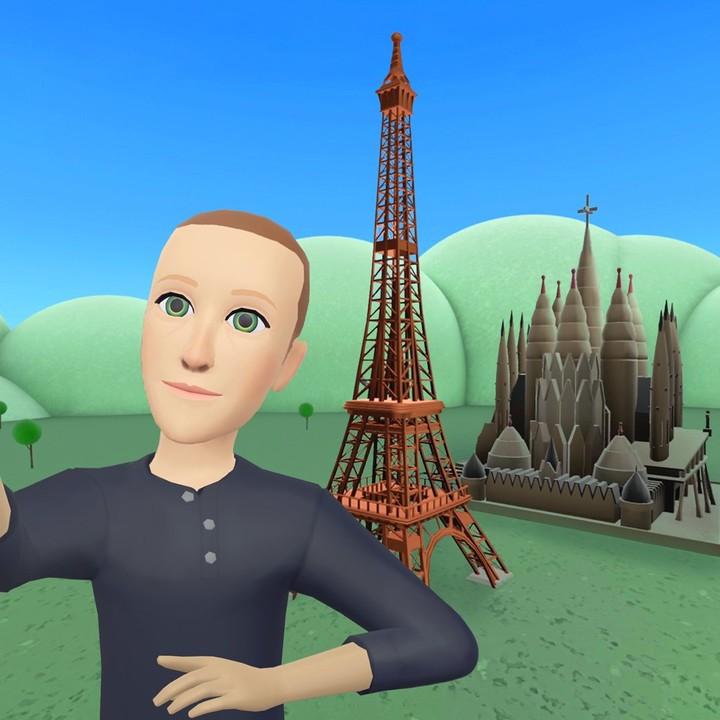
As a result, this picture became a laughingstock across the internet. Zuckerberg's virtual avatar had a stiff expression, and the Eiffel Tower behind him looked like it was made of mud. The effect was even worse than that of a 4399 - style small game.
Even more absurdly, two months later at the Meta Connect conference, Zuckerberg solemnly announced a major update: The virtual characters in Horizon Worlds will finally have legs, and he even added, "Legs are really hard to make."
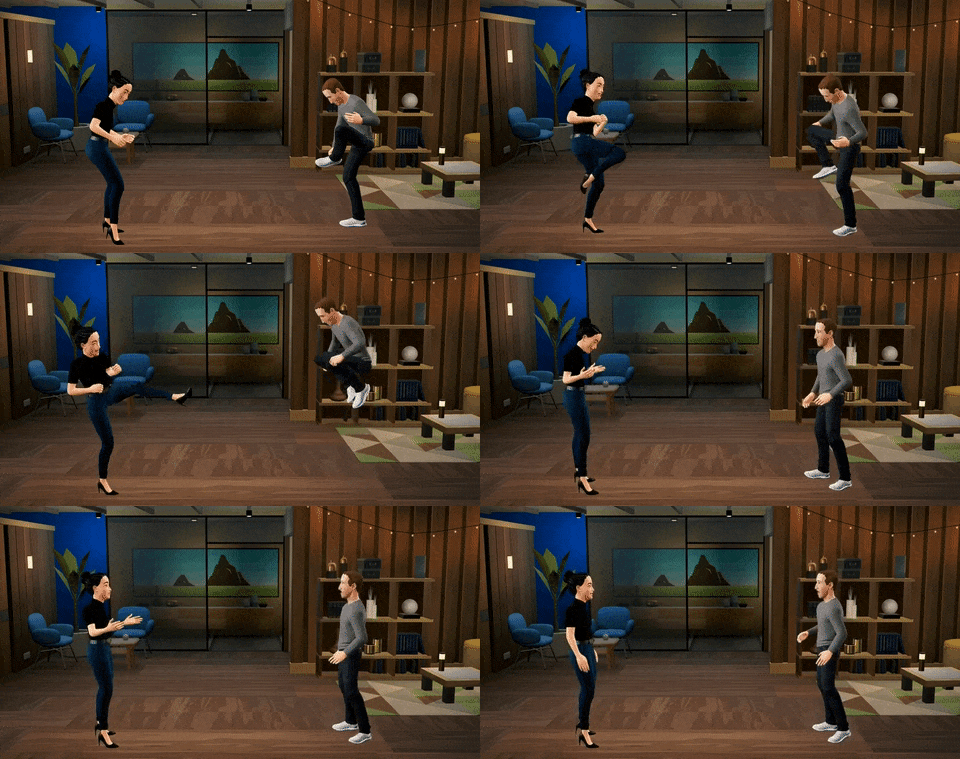
For a platform that has invested tens of billions of dollars, adding two legs to virtual characters can be made into a major annual news story. Who wouldn't be confused by this?
Not only do onlookers find it uninteresting, but players also feel the same way.
The Horizon Worlds mobile app has been downloaded 45 million times globally. It sounds impressive, but users have only spent a total of $1.1 million, which is less than 2.5 cents per user on average.
According to internal documents obtained by the Wall Street Journal, the monthly active user target for the Horizon Worlds platform was originally set at 500,000, then lowered to 280,000. In four years, the actual peak number of users never reached 200,000...
Emm, I suggest Horizon Worlds stop calling itself the metaverse and call itself the "money - burning universe" instead.
Don't rush. There's more ridiculous stuff coming.
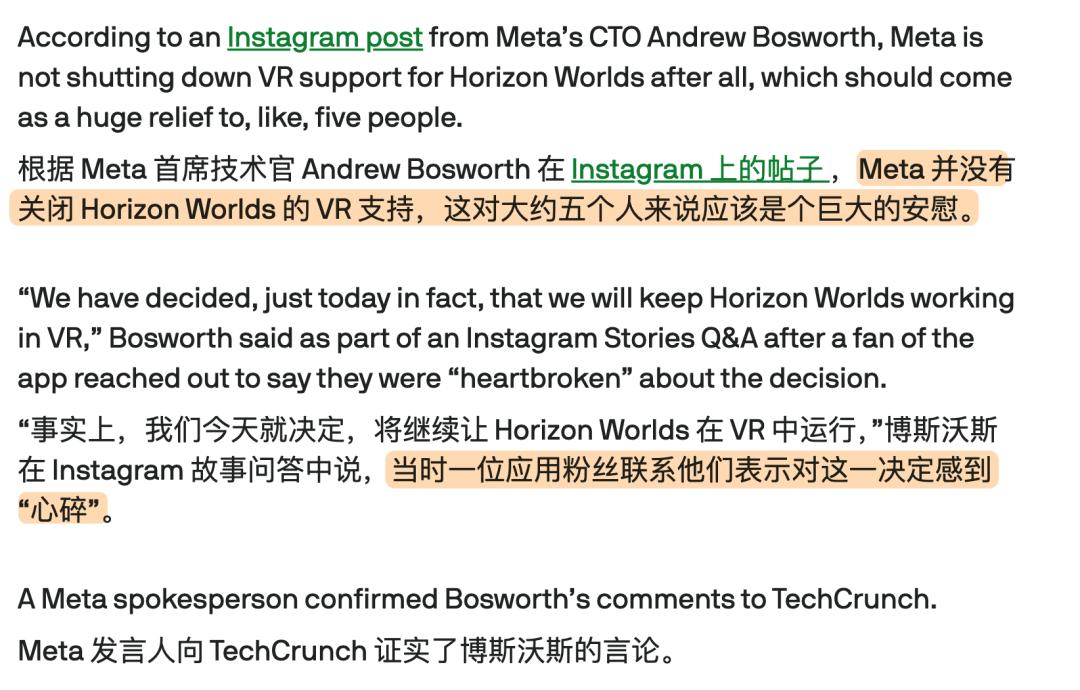
The day after announcing the shutdown of Horizon Worlds, Meta suddenly retracted the news and said it wouldn't shut it down.
At first, I thought it was amazing. Did many players really care about this VR game and launch a petition?
It turned out that a fan left a message saying they were heartbroken about Meta's decision. So, Meta's CTO changed his tune on Instagram and said, "Okay, let's keep it."
Hahaha.
Think about this, guys:
A "cutting - edge product" that was supposed to reach one billion people is now so casually decided whether to be shut down or not. What does this indicate?
This indicates that the status of Horizon Worlds within Meta is probably similar to that of the green plants in the company's tea room. Whether to water them depends entirely on the mood of the people passing by. If they die, just replace them with new ones.
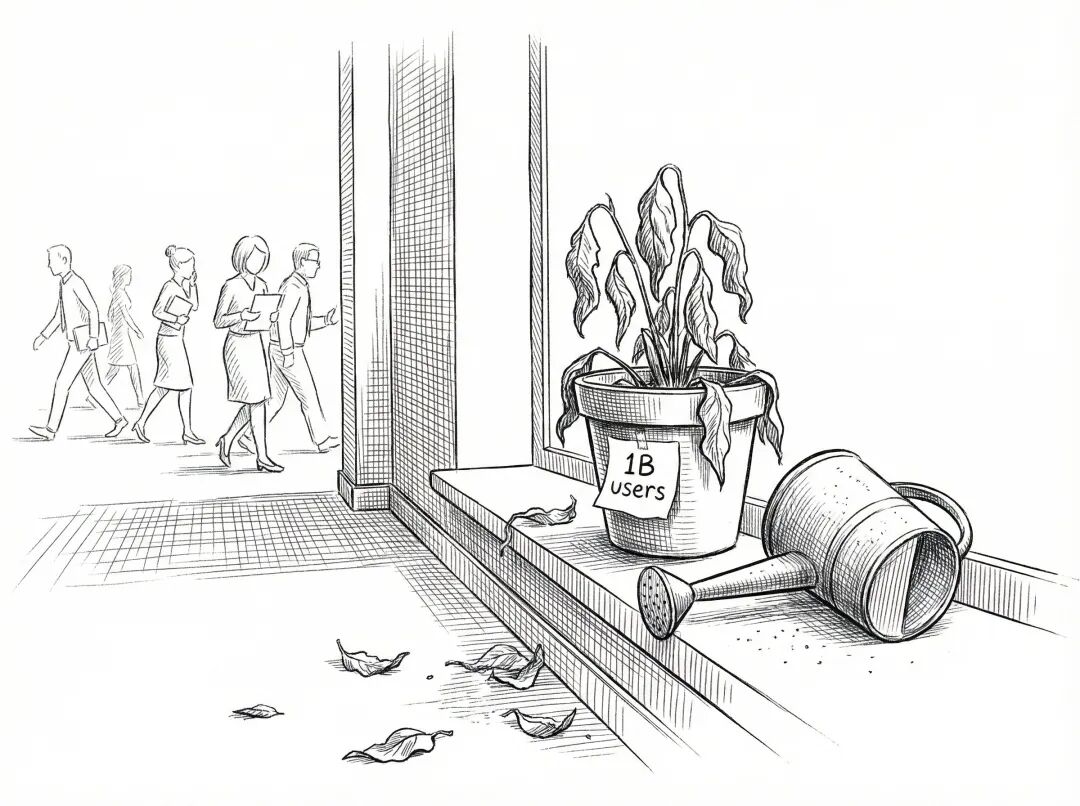
Horizon Worlds is just the latest corpse in the metaverse graveyard.
Before this, there were already many skeletons here, including a once - booming business: speculating on virtual real estate.
So - called virtual real estate means that some metaverse platforms divide their virtual worlds into digital plots of land, and users can buy them with cryptocurrencies.
After purchasing, theoretically, you can build houses, open stores, hold exhibitions, and stage performances on it, or simply resell it to the next person.
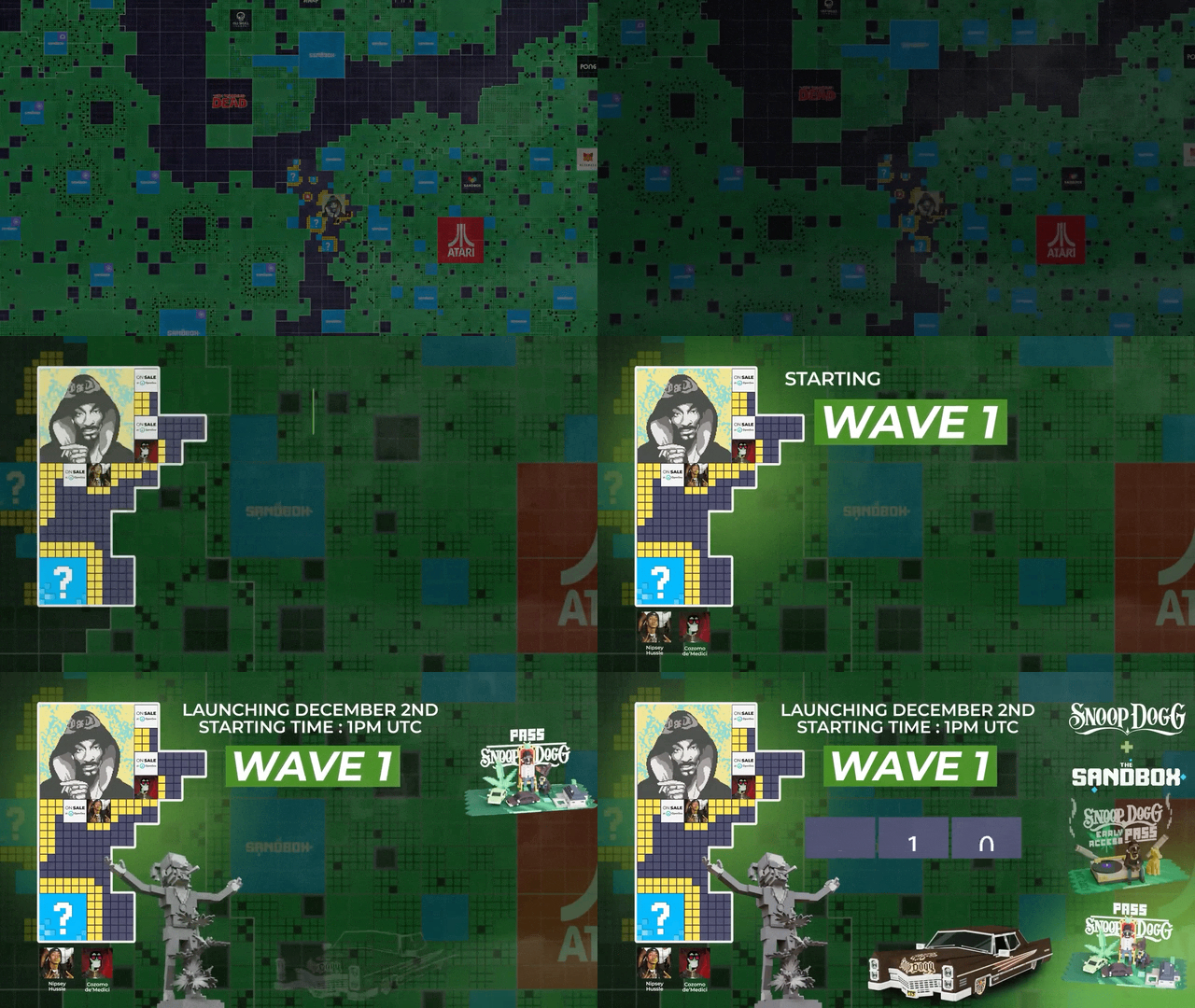
Decentraland and The Sandbox were the two largest virtual real - estate trading platforms in the world at that time. At its peak, Decentraland was valued at over $1.3 billion.
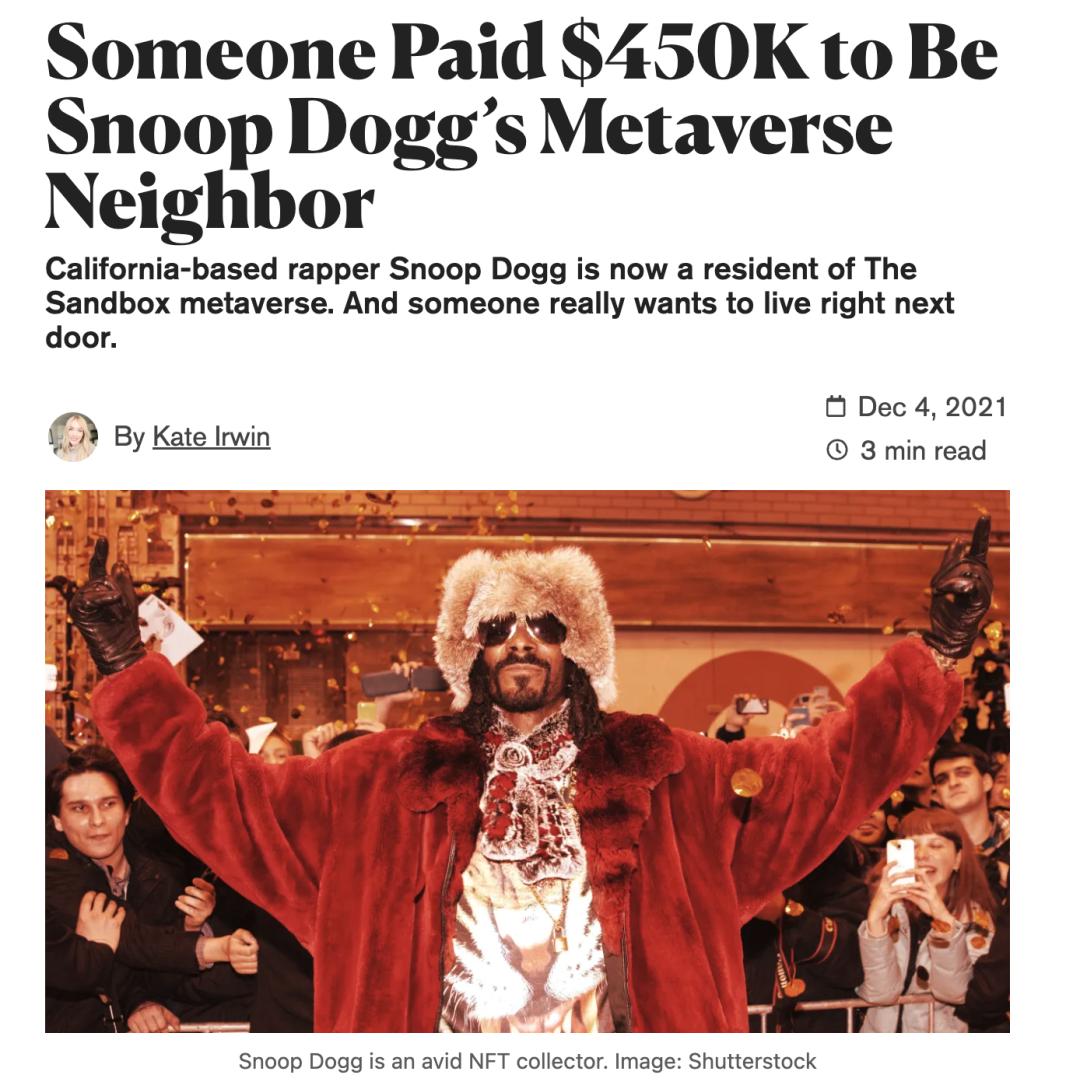
In 2021, someone spent $450,000 to buy a virtual plot of land in The Sandbox, with only one purpose: to be a neighbor of the rapper Snoop Dogg. At that time, Snoop Dogg also enthusiastically invited people on Twitter, saying, "Won't you be my neighbor."
Now, the value of that land has dropped to $1,000, a shrinkage of 450 times.
JJ Lin also spent $123,000 to buy land in Decentraland at the end of 2021. Now, its value has dropped to only $10,000, a decline of 91%.
If an individual loses money by buying virtual real estate, it can be said to be a misjudgment and a failed speculation.
But when no one plays on the entire platform, it's not an individual problem, right?
In October 2022, DappRadar data showed that the number of daily active on - chain interactive users on Decentraland was only 38 at one point, and The Sandbox was a bit better with 522 users.
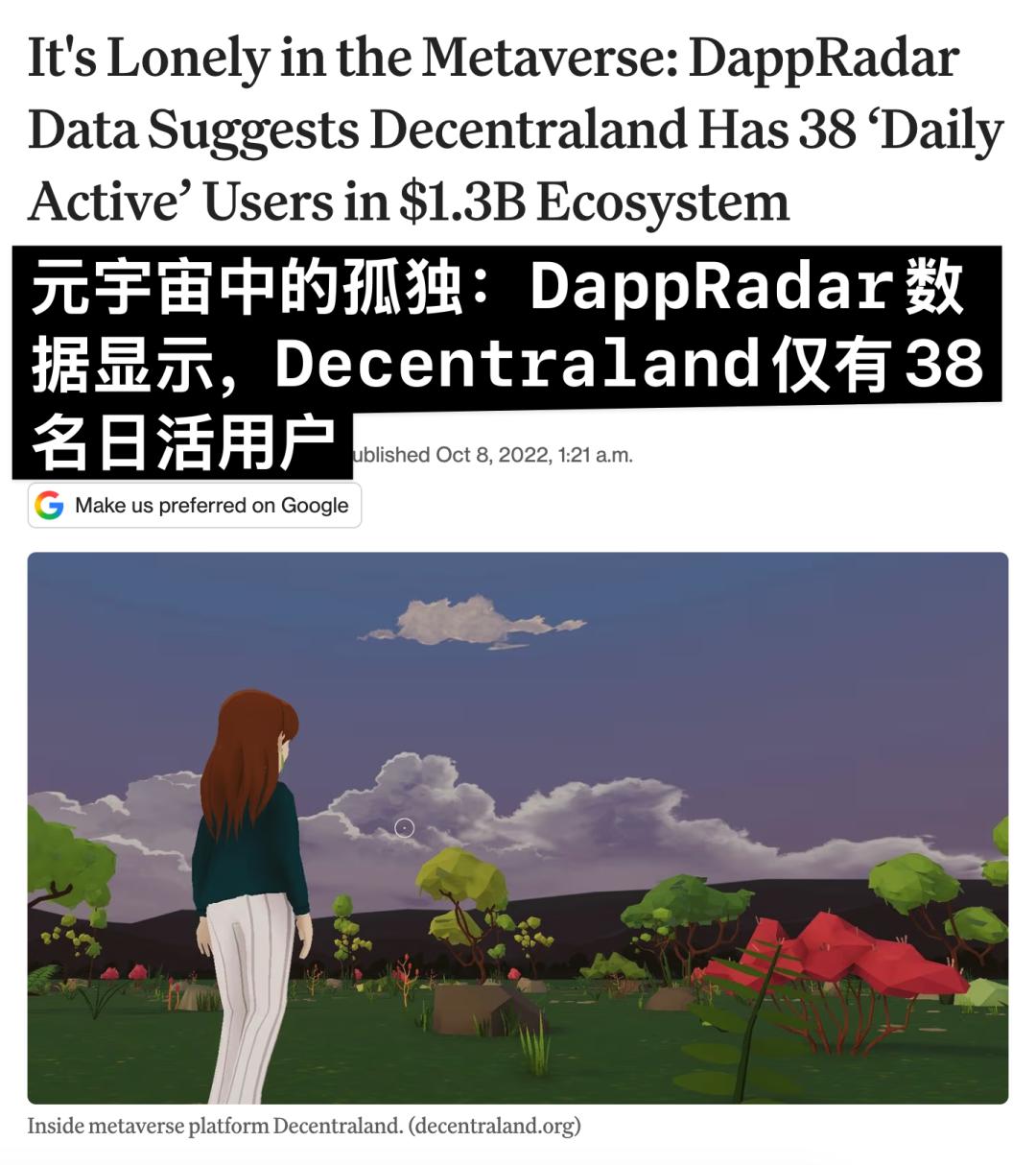
Decentraland later refuted, saying that DappRadar only counted the wallets involved in on - chain transactions and didn't include those users who just logged in and browsed without spending money. They said their own statistics showed a daily active user count of 8,000.
But even by this standard, by April 2023, the daily active user count on both Decentraland and The Sandbox platforms had dropped to only about 100.
With no users, the platforms became empty. Naturally, the next step was for the companies in this business to start cutting losses collectively.
In October 2022, ByteDance shut down its metaverse social app, Party Island. In February of the following year, Microsoft disbanded its industrial metaverse team, which had been established for only four months, and laid off all 100 employees. At the same time, it closed its VR social platform, AltSpaceVR. In the same month, Tencent's XR team of more than 300 people was almost completely disbanded.
In March, Disney laid off its entire metaverse department. Later, the people in charge of metaverse - related projects at Kuaishou, Baidu, and Alibaba also left one after another, and businesses such as panoramic video, XiRang, and Alibaba's DAMO Academy XR laboratory were successively scaled back.
When countless people and companies in an industry all "make misjudgments" at the same time, there's only one explanation: This path was never viable from the start.
But this is strange.
With so many smart people and so much money, why couldn't they create a single memorable product?
Looking back, the metaverse never had a "ChatGPT moment."
Why is ChatGPT so popular? Because it is product - driven.
When it was first launched, as long as users sent a single sentence, they could immediately feel their perception being overturned. Then netizens spread the word spontaneously. It reached one million users in five days and one hundred million in two months.
For ChatGPT to achieve this, the underlying technology had reached a critical point of maturity. After years of iteration, the large - language model could finally produce results that would amaze ordinary people. The technology came first, the product exploded, and users came on their own.
But the path of the metaverse is completely the opposite.
This word, which first appeared in the 1992 novel "Snow Crash," was suddenly dug out by the capital market and tech giants in 2021.
Then the media followed up with reports, investment institutions flocked in, and even a university changed the name of its "Department of Information Engineering" to the "Department of Metaverse Engineering" in an attempt to be the first in domestic universities.
