Great Wall defends, BYD attacks, and Huawei grabs. SUVs have become a hot commodity overnight.
In just one month, Chery, Geely, and Great Wall have successively launched major initiatives: the new energy off - road track has become extremely competitive!
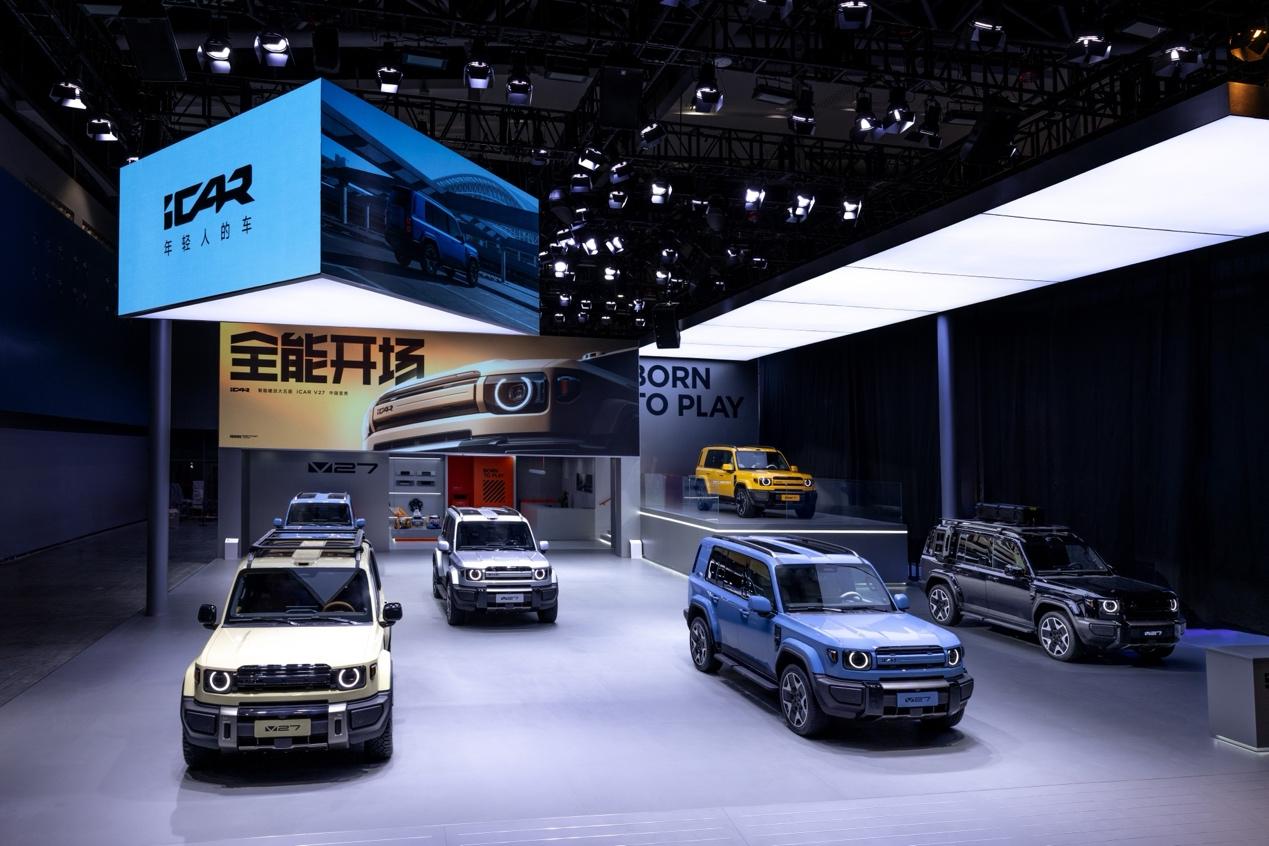
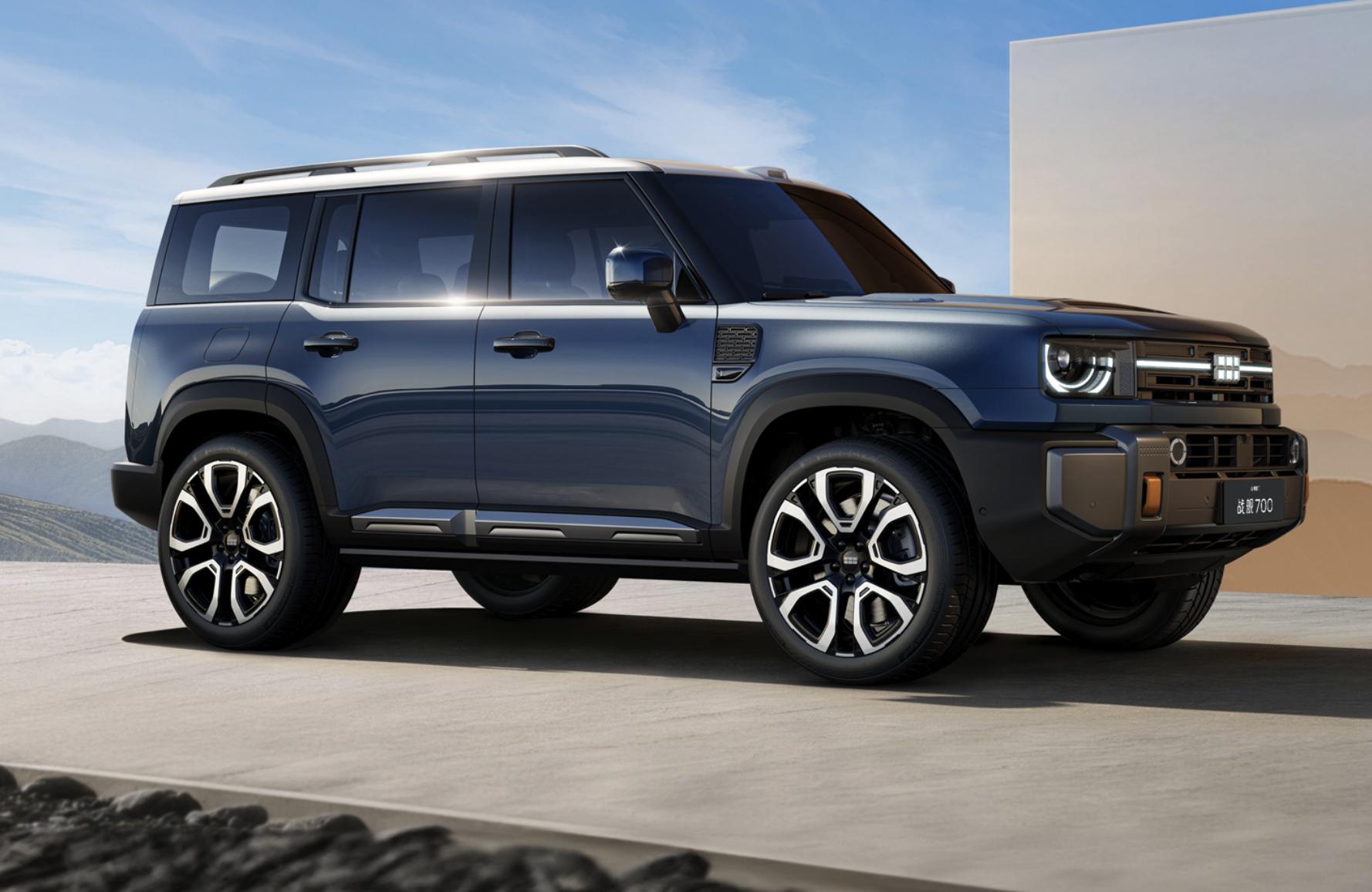
On March 13th, Chery's iCAR launched its first range - extended off - road vehicle, filling the gap in the hardcore off - road field for the iCAR brand. On March 20th, Geely unveiled its first AI all - terrain hardcore SUV, the "Galaxy Battleship 700". On April 6th, Great Wall Motors publicly solicited names for its new flagship off - road vehicle, continuously consolidating its dominant position in the off - road field.

(Image source: Screenshot from Weibo)
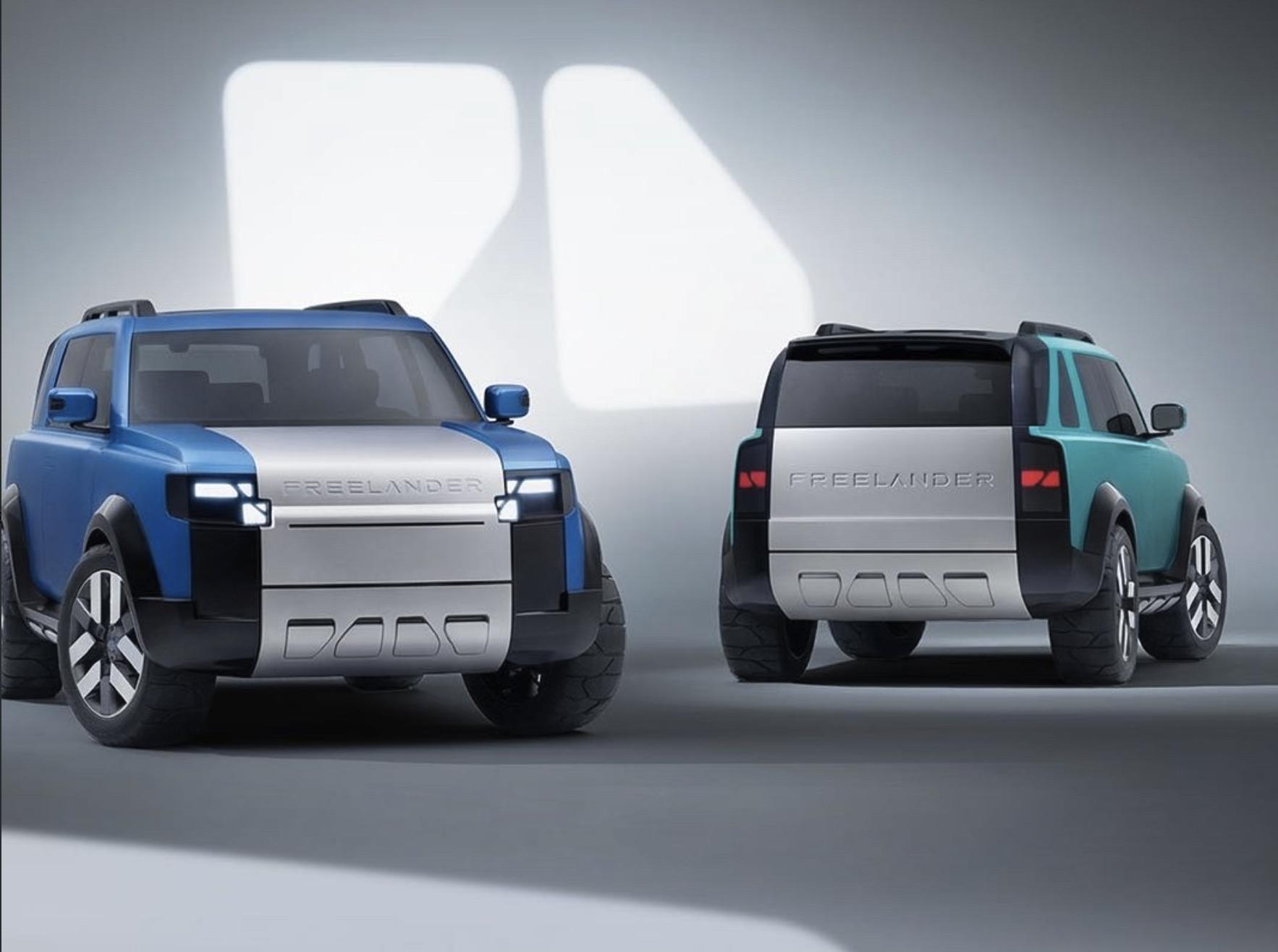
This is not the end. The Xiangjie brand jointly created by Huawei and BAIC has frequently exposed its hardcore off - road vehicles, indicating that Hongmeng Zhixing is also entering the off - road market. Even Land Rover, the pioneer of luxury off - road vehicles, has chosen to revive the classic model "Freelander" and build a new energy off - road vehicle based on Chery's electrification platform.
Domestic, joint - venture, luxury, and technology brands... Almost all players in the mainstream segments are eyeing the new energy off - road market. A full - scale "off - road war" across the industry has officially begun.
The competition in the new energy off - road market is intense because of the huge potential
In recent years, the domestic hardcore off - road market has maintained a steady growth trend, standing out against the backdrop of the slightly growing overall auto market. Perhaps this is why many car manufacturers are flocking to this segment.
Data released by the China Association of Automobile Manufacturers shows that in 2020, the sales volume of domestic hardcore off - road vehicles was only 423,000 units, with a market size of approximately 105.8 billion yuan. In the past 2025, the sales volume reached 894,000 units, a year - on - year increase of 11.75%, and the market size exceeded 223.5 billion yuan. In just five years, the sales volume of domestic hardcore off - road vehicles has doubled, and the market size has increased by over 110%.
(Image source: Haval)
Looking at the market segments, domestic brands are the main driving force behind this growth. According to data from the China Association of Automobile Manufacturers, in 2025, domestic brands sold 626,000 hardcore off - road vehicles, accounting for 70% of the entire market, with a year - on - year increase of 15.3%. The combined sales of joint - venture and imported brands were only 268,000 units, accounting for 30%, with a year - on - year increase of only 4.2%.
Among them, Great Wall's Tank brand is particularly prominent. In 2025, it sold 421,000 units, with a market share of 47%, firmly ranking first in the industry. BYD's Fangchengbao also emerged as a dark horse. In 2025, its monthly sales reached a maximum of 32,000 units, and the annual sales exceeded 280,000 units, a year - on - year increase of 247%. It is the fastest - growing hardcore off - road brand in the market.
Now, let's talk about the technical aspect.
Traditional fuel - powered hardcore off - road vehicles have three major problems: high energy consumption, slow torque response, and poor comfort. The emergence of new energy technology has solved these problems, paving the way for the popularization of hardcore off - road vehicles. This is the core driving force for car manufacturers to shift to new energy off - road vehicles.
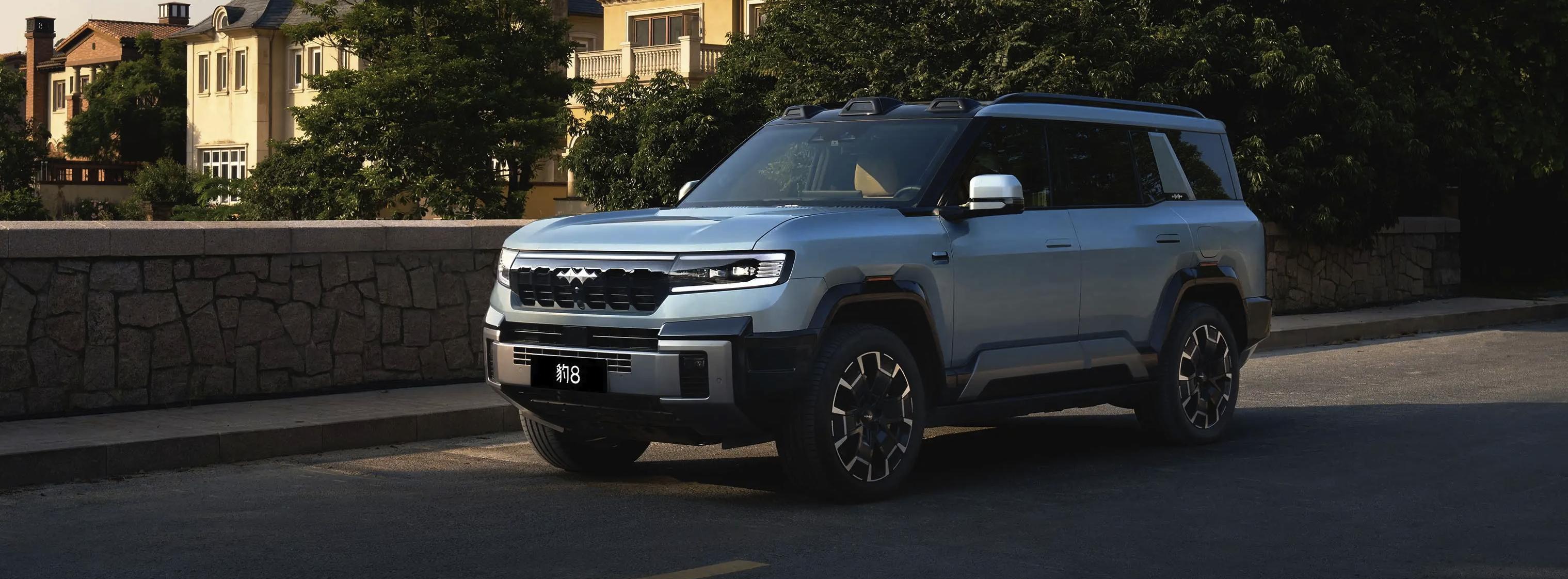
(Image source: Fangchengbao)
Fuel - powered off - road vehicles are "gas guzzlers" in urban driving. The large displacement and high weight result in a fuel consumption of easily over 15L per 100 kilometers. New energy off - road vehicles are different. Take the Chery iCAR V27 as an example. Its pure - electric range is 200/210 kilometers. You only need to charge it once a week for daily commuting. Even in a power - depleted state, relying on the 1.5T range extender that always operates in the highest - efficiency range to generate electricity can effectively avoid a sharp increase in fuel consumption during urban driving.
Moreover, fuel - powered off - road vehicles need to increase the engine speed to release the maximum torque, resulting in a slow response speed. In extreme scenarios such as climbing and getting out of trouble, they are prone to power shortages. Electric motors have the advantage of instantaneously generating large torque. They can release the maximum power without increasing the speed, greatly improving off - road performance.
For example, the peak torque of the Fangchengbao Leopard 5 is 760 N·m, while the 3.0T version of the high - end fuel - powered off - road vehicle Land Rover Defender only has 550 N·m. The price of the Leopard 5 is less than half of the latter, but its torque is nearly half higher.
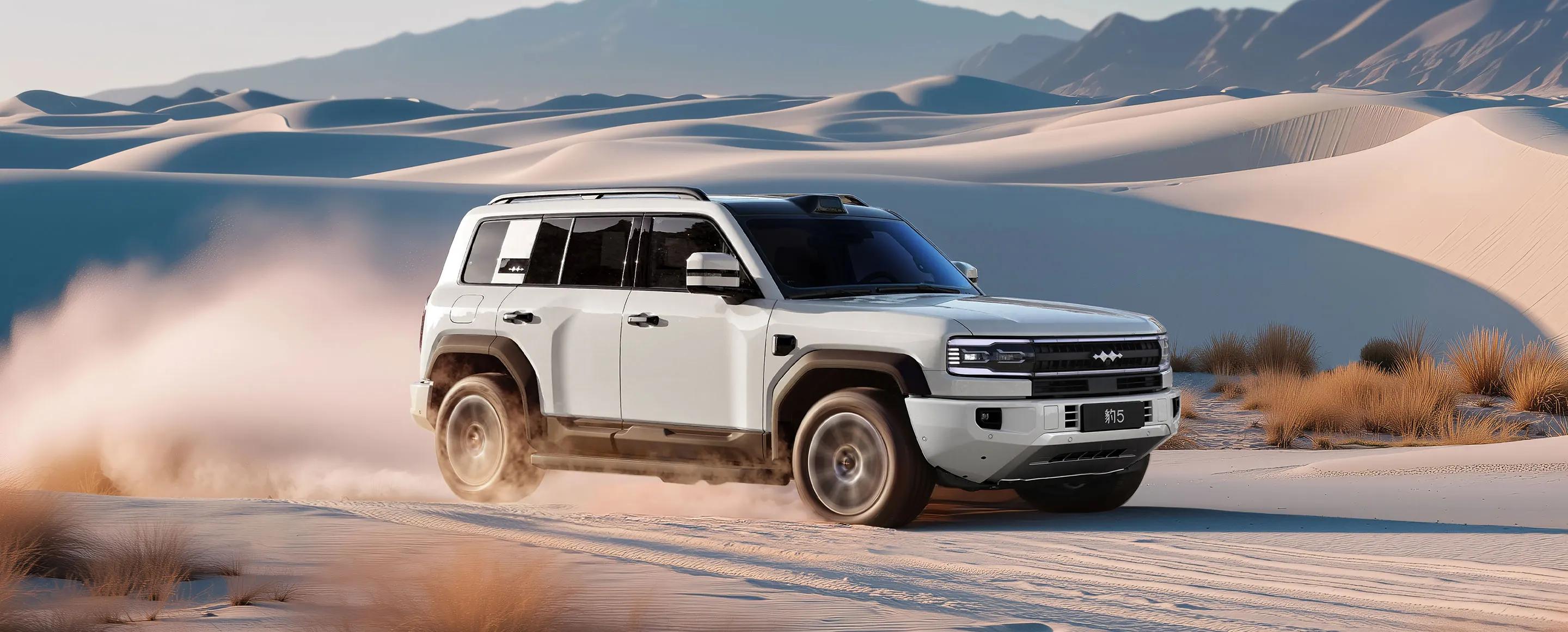
(Image source: BYD)
In terms of intelligence, new energy off - road vehicles are generally superior to traditional off - road vehicles of overseas brands, and it's not just that the in - car systems are more user - friendly. Due to the slow response of the engine in fuel - powered vehicles, it is more difficult to implement high - level intelligent driving. New energy off - road vehicles are different. The electric motors have a very fast response speed, and high - level intelligent driving has basically become a standard feature.
In addition, the domestic passenger car market has entered an era of stock competition. The conventional sedan and SUV segments are extremely crowded, and the price war is fierce. The profit margin is getting thinner and thinner.
The hardcore off - road segment has high technical thresholds, strong brand premiums, high user stickiness, and relatively mild competition. It is a good place for car manufacturers to achieve differentiated breakthroughs, enhance brand images, and make profits.
For domestic brands, relying on the advantages of the local supply chain, hybrid technology, and intelligence, domestic new energy off - road vehicles comprehensively surpass joint - venture/imported models in the same price range in terms of performance, configuration, and price, quickly seizing market share.
For luxury brands and technology giants, new energy off - road vehicles are an important carrier for high - end and diversified development. Hardcore off - road vehicles come with the labels of "high - end, hardcore, and outdoor", which helps brands move upmarket and enhance their premium capabilities.
The winning points of new energy off - road vehicles: more fuel - efficient and safer
Why are car manufacturers flocking to the new energy off - road market, and why are users willing to spend money on them? Simply put, compared with fuel - powered hardcore off - road vehicles and ordinary new energy SUVs, new energy off - road vehicles have their own irreplaceable features. These advantages are not only reflected in performance and energy consumption but also in scenario adaptation and daily experience.
On the basis of retaining the core advantages of fuel - powered hardcore off - road vehicles (non - load - bearing body, four - wheel drive system, differential lock, etc.), new energy off - road vehicles have achieved comprehensive upgrades in terms of intelligence, comfort, and low energy consumption, largely solving the problems of fuel - powered off - road vehicles.
Take the 2025 Great Wall Tank 300 Hi4 - T as an example. Its pure - electric range in the city is 105 km, and the fuel consumption in a power - depleted state is only 8.4L/100km, 1.46L/100km lower than that of the fuel - powered version.
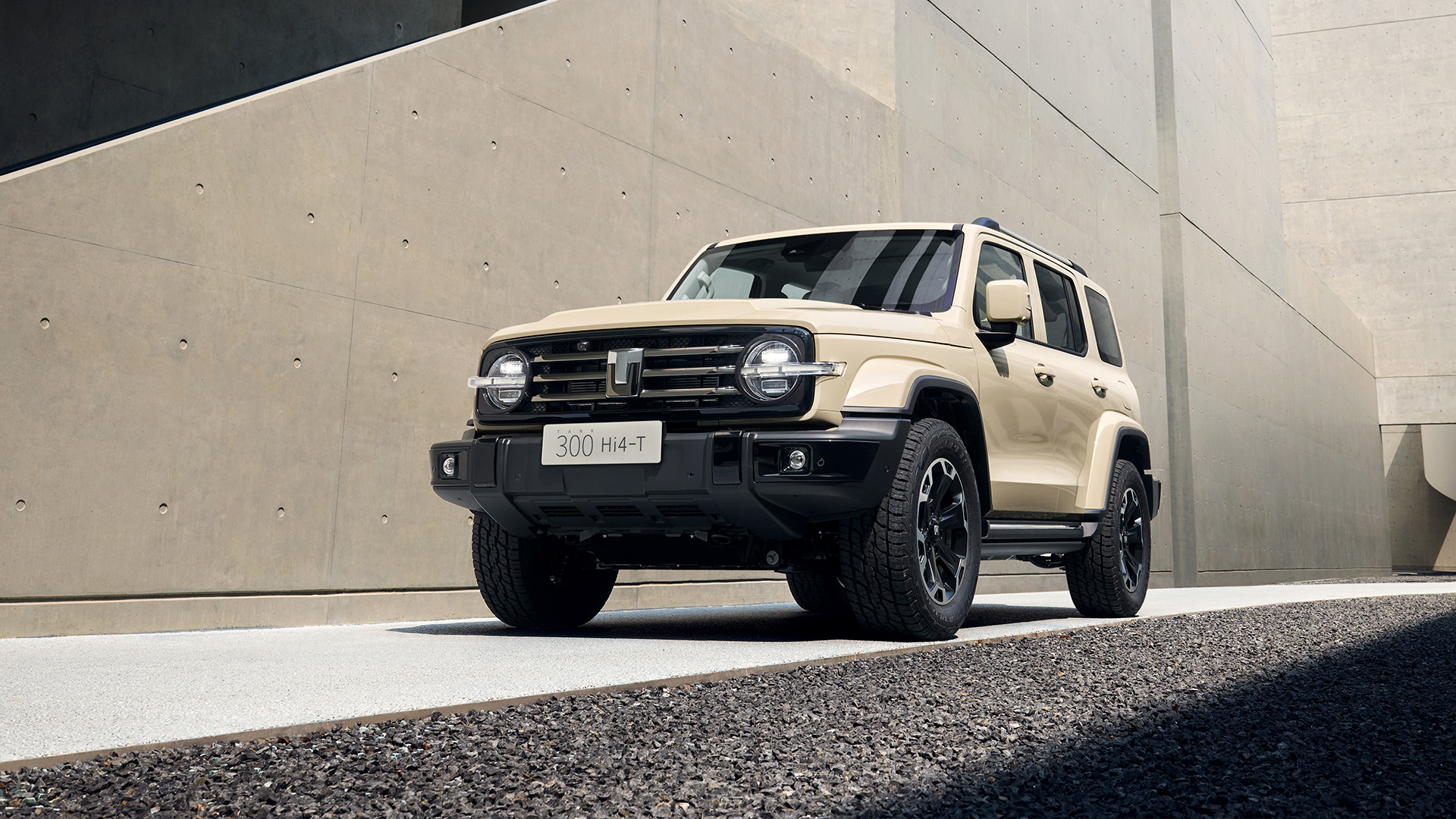
(Image source: Great Wall Tank)
Compared with fuel - powered off - road vehicles of foreign brands, the Tank 300 Hi4 - T is equipped with an intelligent driving assistance system, a 14.6 - inch large screen, seat heating/ventilation/massage, etc., comprehensively outperforming them in terms of comfort and intelligence.
What about compared with conventional new energy SUVs? Most ordinary new energy SUVs have a load - bearing body and are mainly designed for urban commuting. They can handle mild off - road conditions, but they are not suitable for extreme terrains. High - end new energy hardcore off - road vehicles are different. They still have a non - load - bearing body and all the core hardware of hardcore off - road vehicles, with much better passability and safety.
Even for mid - and low - end off - road vehicles without a non - load - bearing body, considering the need to drive on rough roads, the body strength is also higher. For example, the Chery iCAR V27 has an 11 - horizontal and 11 - vertical body structure, 76.53% high - strength steel, and a torsional stiffness of the white body of 32,000 N·m/degree, laying a solid foundation for safety.
(Image source: Chery)
Based on the advantages of new energy off - road vehicles, Dianchetong (ID: dianchetong233) believes that the target users are mainly concentrated in three groups.
The first group consists of outdoor enthusiasts and camping families. They like to go into the mountains on weekends, camp by the lake, and undertake long - distance cross - country trips. They have high requirements for the vehicle's passability, external power - discharge function, and space performance. The powerful power, large trunk capacity, and high - power external power - discharge of new energy off - road vehicles can well meet their needs.
The second group is family users who pursue "multi - purpose vehicles". They have limited budgets and hope that one vehicle can meet the needs of urban commuting, family travel, and occasional off - road driving. They don't want to buy a second vehicle, and "being sufficient for occasional off - road driving" is their core requirement. The advantages of new energy off - road vehicles, such as low energy consumption, high intelligence, high comfort, and strong passability, are tailor - made for them.
The third group is mid - to high - end users who pursue individuality and quality. They have sufficient budgets and are not satisfied with the homogeneous designs of ordinary SUVs. They pursue a hardcore appearance, strong performance, high intelligence, and high premiums, and they attach great importance to brand image and user experience.
(Image source: Geely Galaxy)
The reason why new energy off - road vehicles attract car manufacturers to invest and users to favor them is that they combine the core performance of hardcore off - road vehicles with the unique advantages of new energy vehicles, while making up for the shortcomings of fuel - powered off - road vehicles and conventional new energy SUVs.
They retain the hardcore hardware such as non - load - bearing bodies and four - wheel drive systems, and at the same time achieve upgrades in intelligence and comfort and breakthroughs in low energy consumption. For example, the Tank 300 Hi4 - T has low fuel consumption in a power - depleted state and rich intelligent configurations, with obvious advantages over the fuel - powered version. Compared with conventional new energy SUVs, new energy off - road vehicles have higher body strength and stronger passability, and can handle extreme off - road scenarios.
New energy off - road vehicles can meet the needs of outdoor enthusiasts and camping families in cross - country and camping. For family users who pursue "multi - purpose vehicles", they can balance commuting, family use, and occasional off - road driving. For mid - to high - end users with sufficient budgets and a pursuit of individuality and quality, off - road vehicles can provide a hardcore appearance and high - quality experience, comprehensively covering the core needs of different users.
The new energy off - road market continues to boom, and differentiated competition is the key
Since entering the new energy era, the hardcore off - road segment has been completely activated. Behind the collective entry of car manufacturers is the resonance of three logics: market demand, technological breakthroughs, and industry competition.
The rapid development of new energy technology has solved the pain points of fuel - powered off - road vehicles, such as high energy consumption, low comfort configurations, and backward intelligence. The high - torque characteristics of electric motors have made abundant power no longer exclusive to large - displacement and high - end off - road vehicles.
In the view of Dianchetong (ID: dianchetong233), these changes have transformed off - road vehicles from "toys for the few" into "an affordable lifestyle for ordinary people", and the hardcore off - road segment has become the most potential incremental segment in the auto market.
(Image source: FREELANDER)
Looking at the market structure, Great Wall and BYD, which entered the market earlier, have taken the lead and formed a leading position. Brands such as Chery