Four Brains, Three Routes, One Kind of "Naivete" | 36Kr Offline Gathering - Issue Zero

On-site shooting
Text | Azhi
We seem to believe in the power of technology itself more than ever before.
In the past three years, in the entrepreneurial wave set off by AI, technology has been endowed with the grand narrative of creating and solving everything at an unprecedented speed. Parameters are iterating, valuations are soaring, and the flow of money is surging.
However, beyond this high-speed and even somewhat noisy certainty, the specific people who bravely make choices and drive change are the origin of creating transformation.
Based on this origin, we organized an "Offline Gathering". As a brand - new ultra - lightweight offline salon IP of 36Kr, we want to make an attempt. Without roadshow speeches and business flattery, we aim to create a space where sharing and dialogue are not scrutinized, and record those unadorned intuitions, unfolded imaginations, and voices that have not yet reached a consensus but are worth being heard. Through the connection of people and the collision of ideas, we return to the most vivid and simple state of entrepreneurship itself.
One week ago today, the "Zero - period Offline Gathering · Future Signals" was held at Fayette Bar in Beijing. We invited four guests from different technology fields to have a conversation at the bar. In two hours, with 30,000 - word sharing, from veteran entrepreneurs to post - 00s, from the 3D world to space exploration, the whole sharing had an 80% extrovert content and 0% PPT content.
Thanks to the bar guests who contributed 99% of the views throughout the event. They are Huang Zixuan, CMO of VAST, Feng Fan, founder of Yanhe Technology, Ren Yongliang, founder of Xinyan Group, and Zhang Qi, executive director of Lenovo Star.
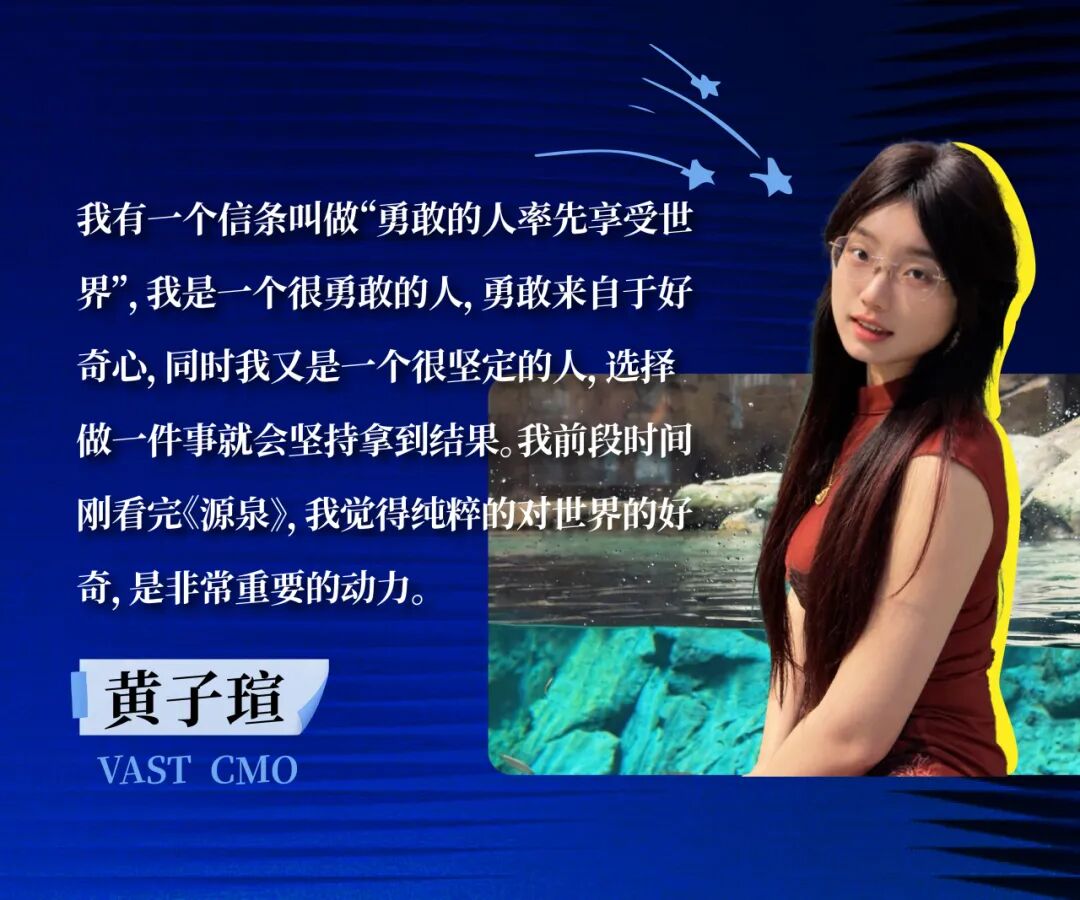
Huang Zixuan, CMO of VAST
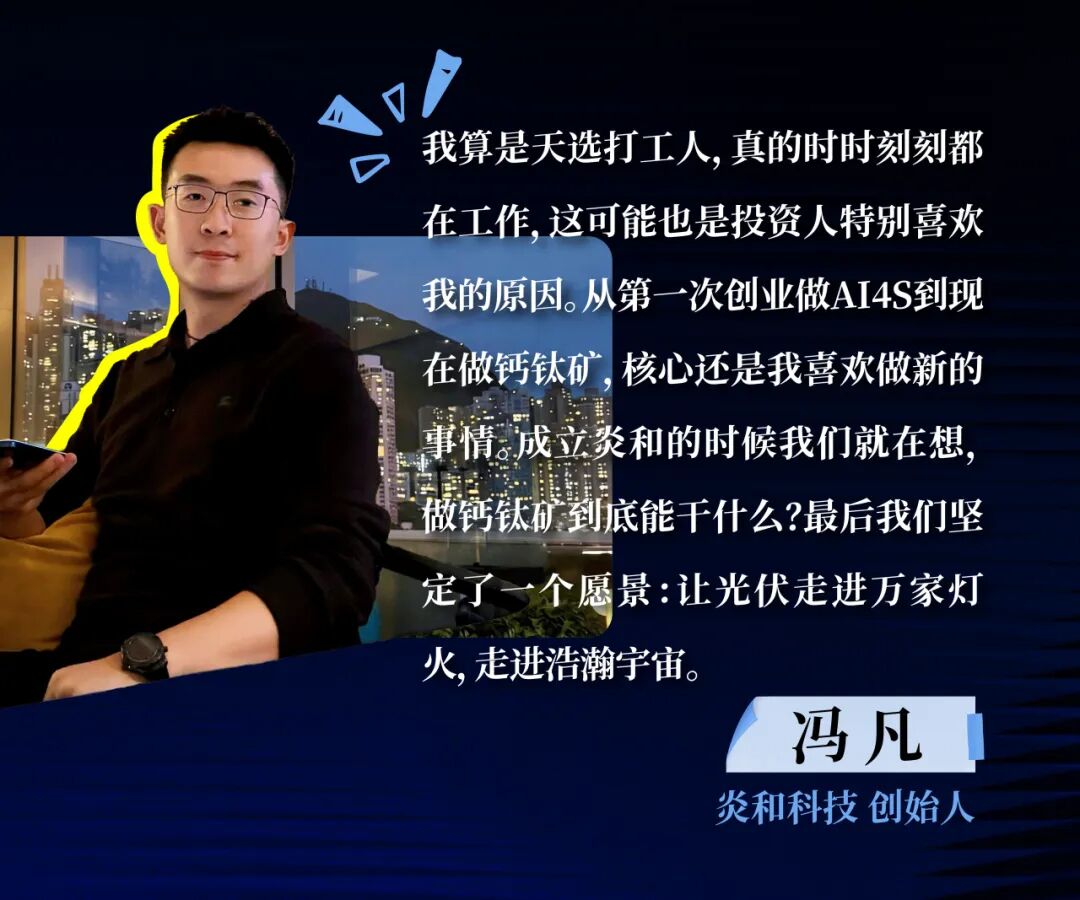
Feng Fan, founder of Yanhe Technology
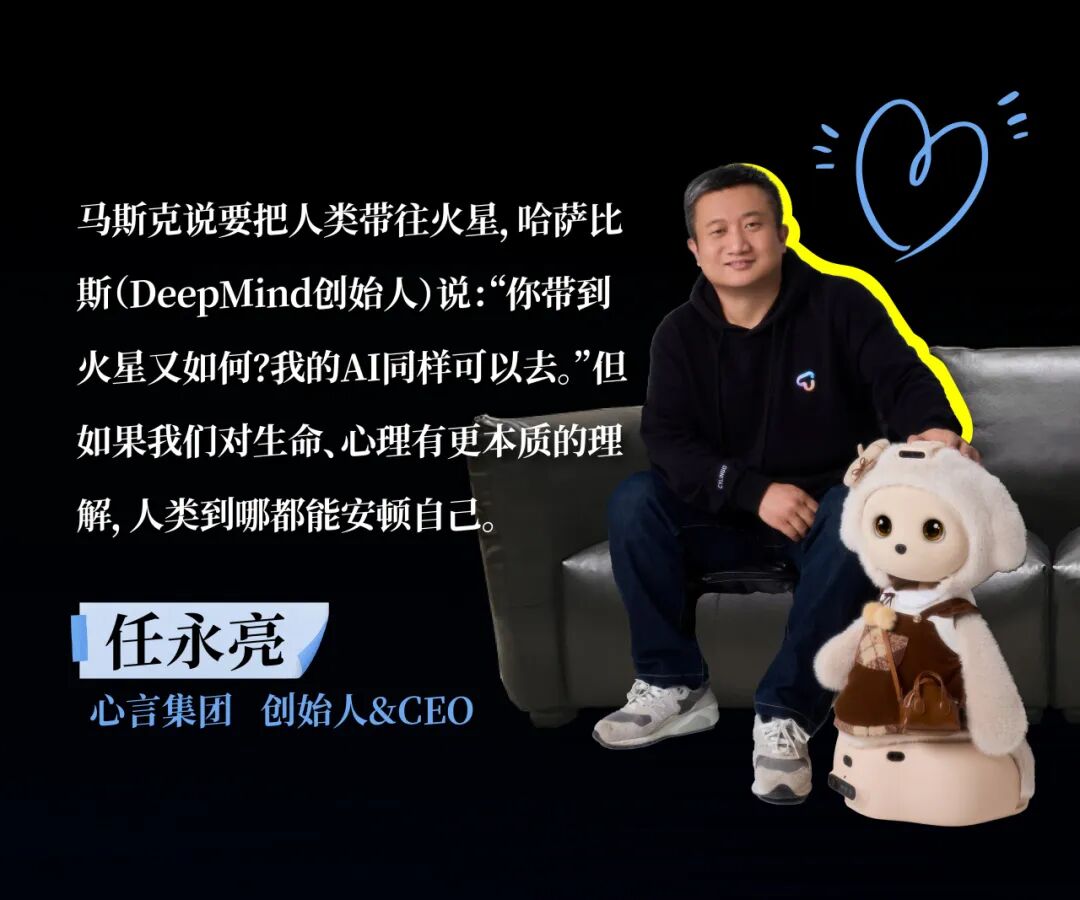
Ren Yongliang, founder of Xinyan Group
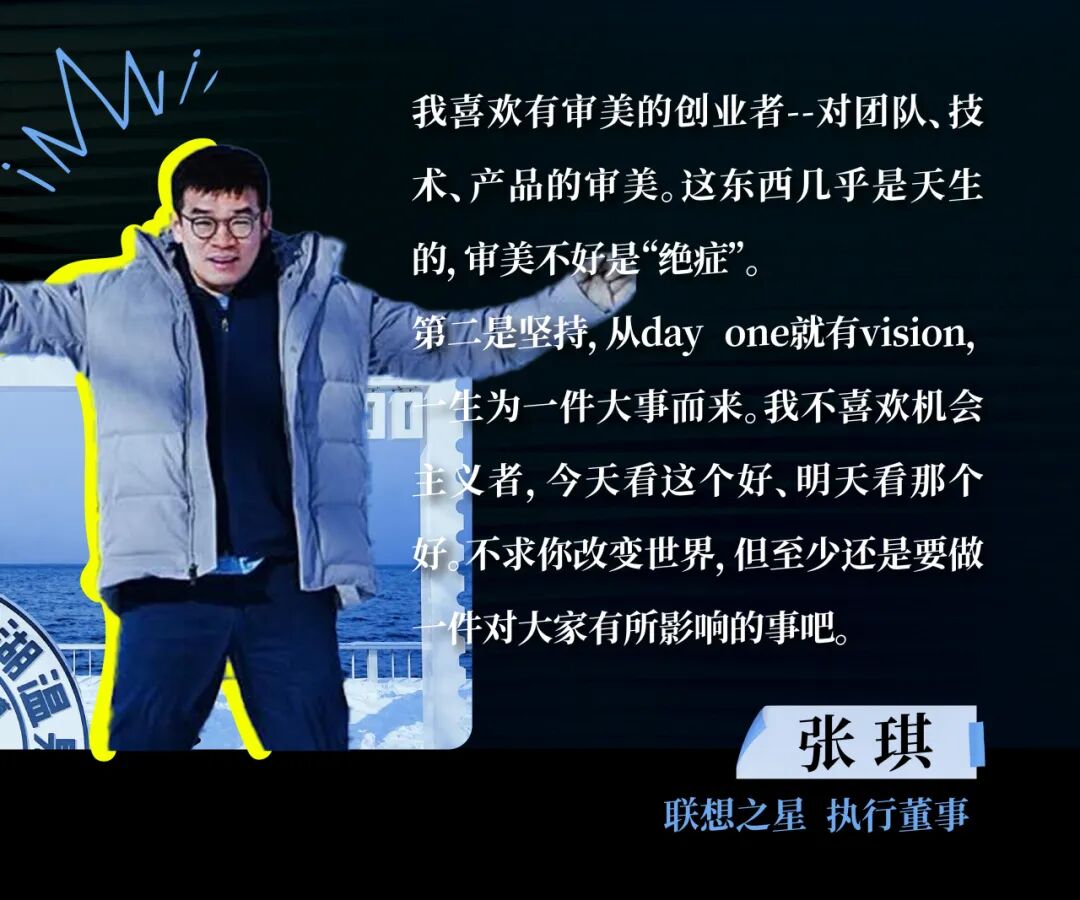
Zhang Qi, executive director of Lenovo Star
We also thank the 20 entrepreneurs and investors who listened to the sharing on - site. They raised their curious questions earlier and contributed most of the communication topics to this bar conversation.
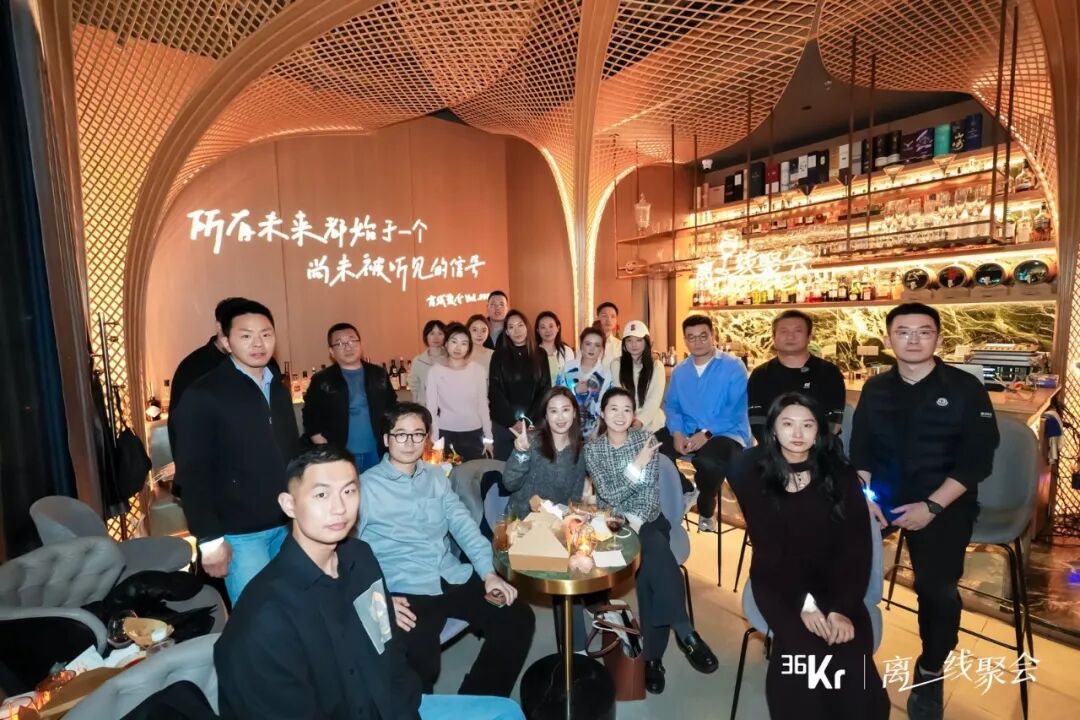
On-site shooting
At the Offline Gathering, you can see how the youngest group of entrepreneurs in today's most cutting - edge technology fields think? How do serial entrepreneurs embrace change? What kind of technological ideals do they adhere to? How do they face future uncertainties? What kind of changes do they ultimately want to drive?
We selected some interesting entrepreneurial thoughts and investment views from the two - hour communication, hoping to bring some inspiration or resonance to all readers who are concerned about cutting - edge technology, innovation, and entrepreneurship. Of course, if you want to hear the full, uncut sharing, you are still welcome to come to the scene and participate in our discussion (a registration form for the next Offline Gathering is attached at the end).
Hereinafter, enjoy
Thought question: Is youth a talent or a shortcoming? Is experience an asset or a burden?
Azhi: First, introduce yourself in the most straightforward way. What kind of thing are you doing?
Huang Zixuan: I'm Huang Zixuan from VAST. I'm very happy to meet you all in this amazing place tonight. Our team develops 3D large models, which can generate 3D models from text or images. In addition to large models, we are also working on world models and may develop platform - type content consumption products in the future.
I'm a post - 00s entrepreneur. My MBTI is ENFP, and I'm a Sagittarius.
I have a creed that says "Brave people are the first to enjoy the world". I'm a very brave person. My bravery comes from curiosity. At the same time, I'm also a very determined person. Once I choose to do something, I'll stick to it until I get the result. I just finished reading The Fountainhead recently. I think pure curiosity about the world is a very important driving force.
Zhang Qi: Hello, everyone. I'm Zhang Qi. I'm in charge of cutting - edge technology investment at Lenovo Star, covering two seemingly unrelated fields: AI and aerospace.
Our IR often says that my personal profile sounds like a fraud. It wasn't until Musk merged his two companies this year that it didn't seem so fraudulent.
I'm an ENTP, and sometimes an ENTJ. I switch between the two, which is a bit like my investment. Judging from my weight, you may find it hard to imagine that my biggest hobby is doing CrossFit. I'll silently say to myself "Maybe this barbell will kill me" before lifting it. In essence, I like to do challenging things.
Feng Fan: I'm Feng Fan from Yanhe Technology. The company was founded in 2024, and our team is quite young. My co - founders and I were all born in 1997. Simply put, we are engaged in perovskite photovoltaics, which are mainly applied in two fields: consumer electronics and space photovoltaics.
I'm an ESTJ. The test page summarizes that the label for this type is being punctual, and I should fit this description well (I was indeed the first entrepreneur to arrive). Secondly, I'm a born hard - worker. I'm really working all the time, which may be why investors like me so much. From my first venture in AI for Science to my current work in perovskite, the core is that I like to do new things.
Ren Yongliang: I'm really ashamed to say that I'm a post - 80s entrepreneur (laughs). I've been an entrepreneur for more than a decade, always in the field of emotional companionship.
Early on, we developed an app called "Celebility", which is a living fossil of the mobile Internet with tens of millions of users, mostly women. In 2024, we started working on a family companion robot (named "Babu"), which is also the project I've been most committed to in the past two years. I hope to make emotional companionship more real and embodied.
I'm an INTP (the only introvert in the conversation session). I'm a math enthusiast. In the more than a decade of entrepreneurship, I've been pursuing a sense of meaning and authenticity, which is also the original intention of creating Celebility and now the companion robot.
Azhi: How did you decide to do this?
Feng Fan: I've always been a bit of a non - conformist. I had the idea of starting a business early on. After graduating from Columbia University, I worked in an investment bank for a while. I realized that I didn't want to live a regular life. Then I returned to China and joined Deep Potential Technology as one of the top ten employees. Starting a business is quite fun, with many challenges and a high degree of uncertainty, but it's also really tiring.
Later, when playing games with my undergraduate classmates, we often wondered what it would be like if we started our own company. So in 2024, we founded Yanhe and have been struggling ever since.
Azhi: You were thinking about entrepreneurship while playing games?
Feng Fan: Actually, we just happened to talk about it. At that time, he was still a doctoral student and couldn't get into Huawei, and there were no civil service job openings for him. But we were quite good at the technology in this field. Could we really make a product?
Later, we founded Yanhe with our teacher and some classmates. We call ourselves "entrepreneurial beginners" and what we do is a "manufacturing - based service industry". We're still struggling to make progress.
Ren Yongliang: I realized in my adolescence that I was born to be an entrepreneur.
At that time, I was counting the days during my studies. I thought high school and college were too slow and wanted to skip them but couldn't. Right after graduation, I wanted to start a business but had no money and didn't know how to raise funds. So I worked for four years to save some money and then started my business.
We developed Celebility in the early days because from adolescence to the age of 30, as an introvert, I faced many confusions in self - identity exploration and intimate relationships. In the process of solving my own confusions, I created the Celebility product. Later, users got married and stopped using it (just joking). I myself entered the stage of family education and became the father of two children. In this process, I faced many new confusions. With the industry evolving from mobile Internet to AI, physical entities, and embodiment, new problems and demands emerged, so we developed the family companion robot.
Huang Zixuan: Entrepreneurship doesn't seem like a choice to me; it's more like a way of life. During my college years, I had many internships. Maybe because ENFPs are naturally curious about all occupations, I explored many industries. When working in the investment industry, I met many excellent founders and heard their entrepreneurial stories. My former dream was to open a bar and chat with people every day.
But every time I looked at data packs and analyzed business strategies, I always thought "This thing could be done better". The urge to get involved became stronger and stronger. Later, I entered the virtual human and AI industries and met Simon, the CEO of VAST later.
One year before the release of ChatGPT, I joined Mindverse as the CMO. Working with Dr. Tao Fangbo gave me solid basic algorithm thinking training and also provided me with an initial understanding of the early - stage AI industry. In the process of continuous exploration, I began to seriously think about a question: The path to achieving AGI may not be limited to language.
Later, when Simon left MiniMax to start a business, I joined him. We bet on 3D and interactivity. We believe that this path may bring a brand - new form of intelligence and new content and experience opportunities to the world.
Zhang Qi: Before I started doing investment, I actually wanted to be a journalist the most. After graduation, I worked at the headquarters of a central state - owned enterprise for several years, then went to the United States to study for an MBA. When I came back, I found that one of my hobbies was listening to others tell stories, which is very similar to what journalists do. Later, I found that doing investment and due diligence also involves listening to others tell stories, so I chose early - stage investment.
I've met all kinds of teams. Generally speaking, entrepreneurs are extremely optimistic people. It's very enjoyable to listen to their stories. Of course, I also help them solve some problems and have even dealt with situations where team members had conflicts and blamed each other.
Early - stage investment is a very interesting profession. It's not only a great perspective to observe the growth of entrepreneurs but also allows you to accompany them on their journey as either a participant or an observer.
Azhi: You like listening to people tell stories. So what do entrepreneurs usually say that can impress you?
Zhang Qi: I like entrepreneurs with good aesthetics - aesthetics regarding the team, technology, and products. This is almost an innate quality. Poor aesthetics is an "incurable disease".
Second is perseverance. Having a vision from day one and being dedicated to one big thing in life. I don't like opportunists who are attracted to different things every day. You don't have to change the world, but at least you should do something that has an impact on others.
Azhi: Is beauty the same as correctness?
Zhang Qi: No. Beauty has higher requirements than correctness. We don't need precise mistakes, but we need vague correctness.
Azhi: Is your task today to create catchphrases?
Zhang Qi: My biggest task today is not to give ambiguous answers.
Signal 1: Three generations of post - 80s, post - 90s, and post - 00s are gathered. "Veterans + Young Talents" can run faster.
Azhi: From the perspective of individuals, what kind of entrepreneurs are more likely to succeed today?
Zhang Qi: Although I said I wouldn't give ambiguous answers, this time it depends on the scenario.
When it comes to exploring technological boundaries, new models, and new worlds, young people have more active thinking and are more likely to think from first principles without path dependence. People always look for experience from past successes and use old solutions to solve new problems, but this can become a burden. So for this kind of exploratory entrepreneurship, we are more willing to cooperate with young people. However, after checking, the youngest CEO/CTO I've invested in was born in 1997 or 1998. We haven't reached the post - 00s yet - but they are already quite young.
OpenAI's recruitment logic is: I recruit smart minds to solve unknown problems in human fields. I don't need you to have relevant experience, as long as you can achieve it from first principles.
In other fields such as quantum and nuclear fusion, which are future industries, long - term scientific research accumulation is essential. Many scientific problems remain unsolved, and it requires great scientists to continue the path. Of course, these fields often require cooperation with the government and the mobilization of various resources, which young people are not good at.
Azhi: What problems do young entrepreneurs face today?
Feng Fan: Yanhe is actually an enterprise at a "contradictory point" because in essence, we are engaged in manufacturing, which requires experience. However, our founding team members were all born in 1997. Investors often ask us if we have the ability to manage a factory. The company has grown from a few people in