The so-called "e-waste" iPhone 4 has become a boomerang that slaps the face of AI aesthetics.
「The recycling price of iPhone 4 has skyrocketed 80 times」
「You can sell your recycled iPhone 4 for 400 yuan」
「The mobile phone shop owner said that recycling mobile phones is cheaper than mining for gold」
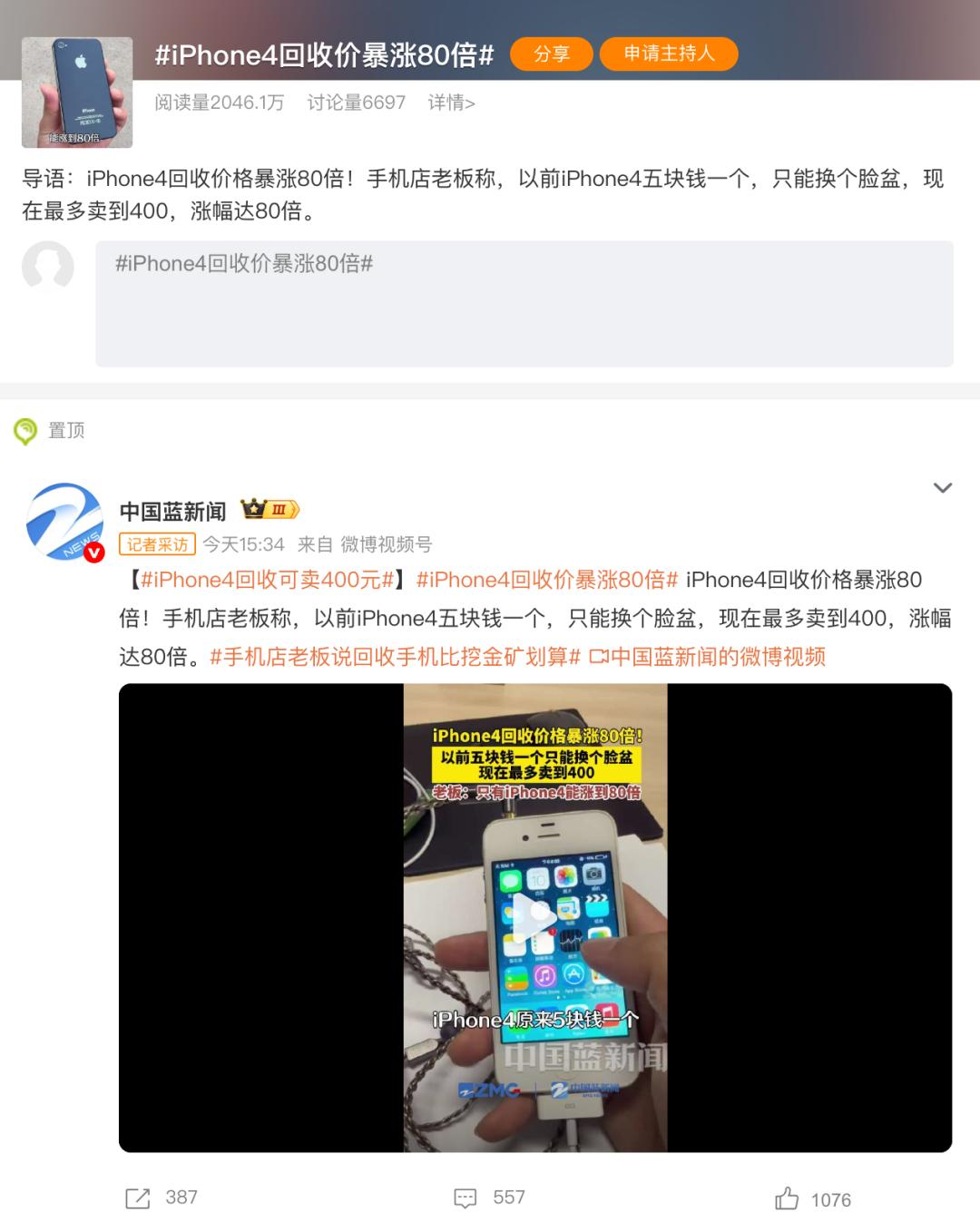
Recently, I've been scrolling through one hot search topic after another. Sometimes, I can hardly tell whether these are tech news or financial reports.
Just when I thought it was all a show put on by second - hand dealers, the latest data from GadgetHacks shows that the search popularity of the iPhone 4 has truly increased tenfold in the past year. The data from TechRadar is even more astonishing, with the search volume for buying the iPhone 4 soaring by 979%.
However, as an "electronic antique" without 5G, facial recognition, and even the ability to make a call, how has the iPhone 4 suddenly become a favorite among young people?
「Being 'bad' has become a selling point」
To understand this, we need to look back at the development of mobile phone imaging over the past decade.
In the past decade, there has been almost only one direction for the evolution of mobile phone photography: clearer, more stable, and smarter. High - pixel, large - sensor, AI ISP, multi - frame synthesis... With each step forward in technology, there is one less "failed photo".
Today, it's almost impossible to take a truly "bad" photo.
The sky is the perfect shade of blue, the night view is as bright as day, and the portrait is flawless. The algorithm starts working before you even press the shutter, eliminating all uncertainties in advance.
So, what's the result?
The world is too clear, so clear that there are no secrets and so clear that it's extremely mediocre. Every photo looks like the "correct answer", and when you see too many correct answers, you lose the sense of surprise.
People are naturally fascinated by "imperfection". The graininess of film, the overexposure of CCDs, and the color cast of Polaroids - these "defects" are constantly sought after not because they are more advanced technologically, but precisely because they leave behind some irreproducible "accidents".
The iPhone 4 is either the latest victim or the latest beneficiary of this logic.
To understand why the iPhone 4 has that unique look in photos, we first need to look at how "poor" its hardware is.
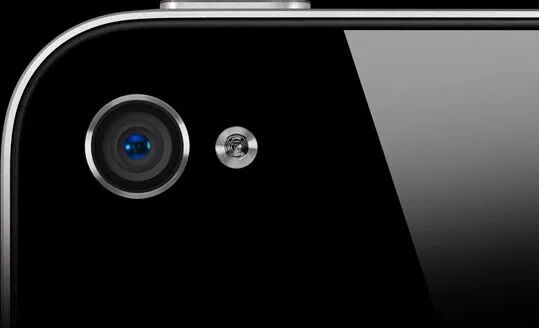
The rear - facing camera only has 5 megapixels, and the sensor size is a 1/3.2 - inch back - illuminated CMOS. It has extremely poor dynamic range. When the light is a bit dim, the sensor starts to generate a lot of thermal noise and shot noise.
When facing highlights, it can't control them, resulting in overexposed white areas. In dark areas, it can't brighten them, leaving them completely black. The automatic white balance algorithm is also very primitive, and it's prone to yellow or green color casts under indoor lighting.
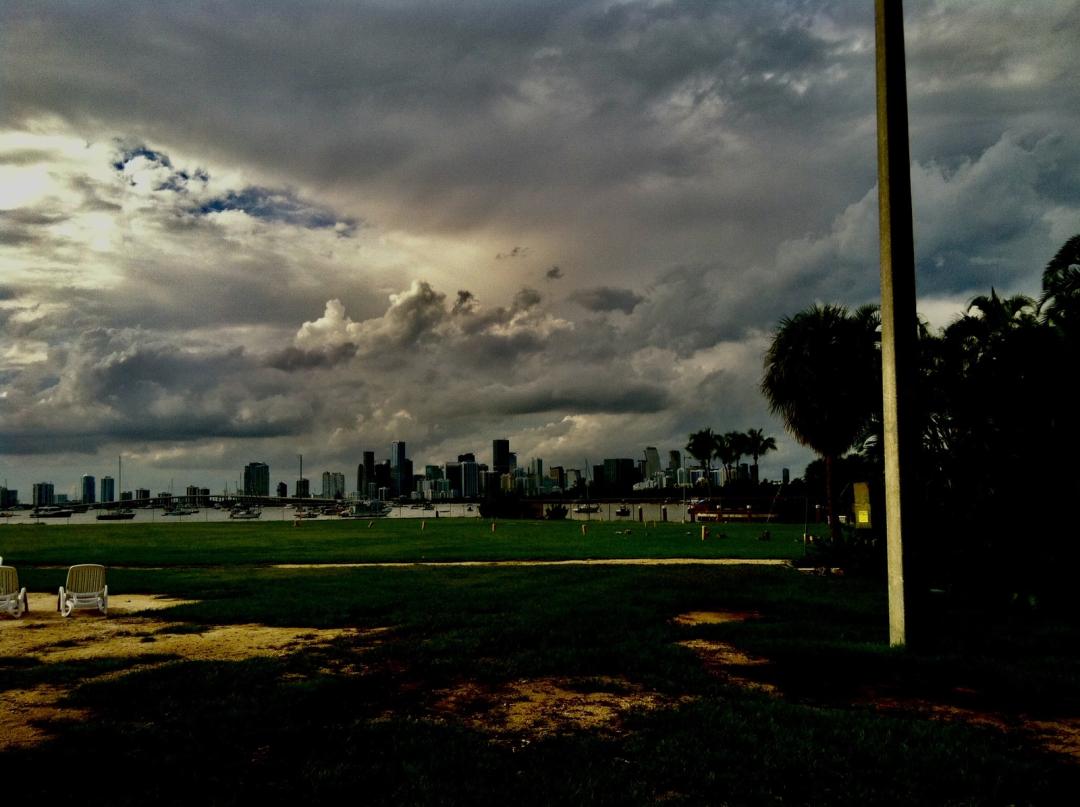
The picture is from TikTok user @richardstransitdiary
These features seem completely useless on paper. However, young people have discovered another kind of beauty in these flaws.
The low resolution of 5 megapixels naturally blurs acne marks and pores on the face, which is more natural than any "skin - smoothing algorithm" and serves as the most subtle beauty filter. The "whatever" style of exposure that can't control highlights or brighten dark areas actually creates a high - contrast image with pure black and bright highlights, which conforms to the natural aesthetics of traditional photography.
Even the irregular color cast has been given a very atmospheric term by young people on overseas TikTok: "emotion".
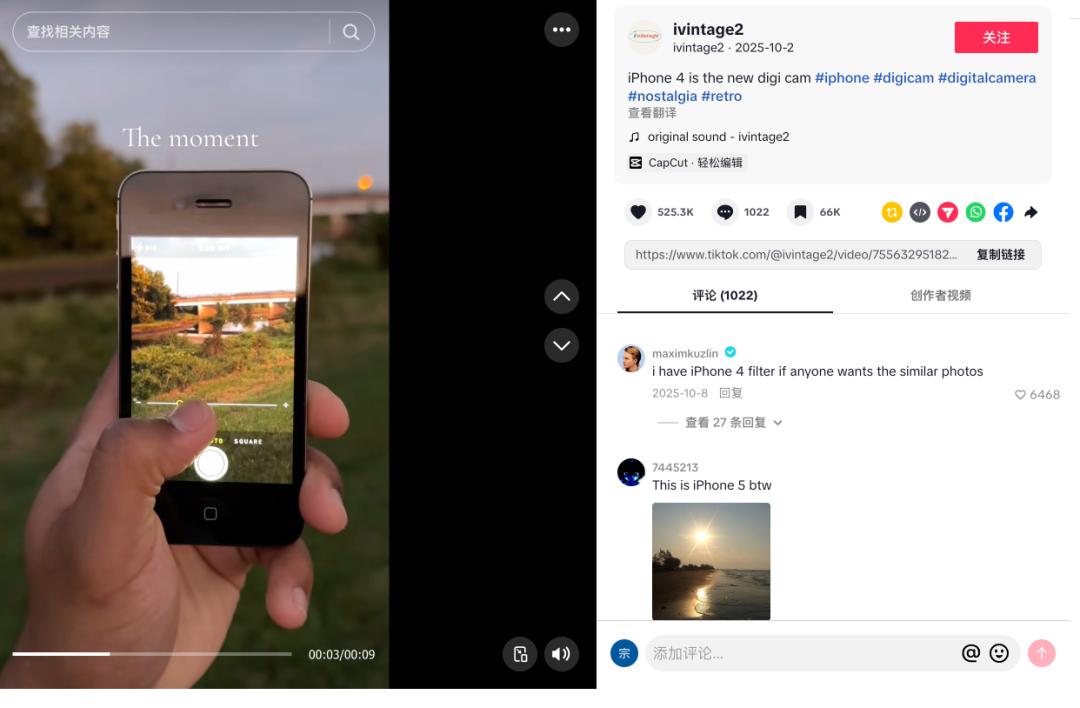
A yellow - tinted indoor selfie is blurry and warm, like an old photo retrieved from memory. There's no precise white balance, no eye - catching saturation, and even the details are blurry.
But precisely because of the blurriness, it leaves an ambiguous sense of space. Viewers will unconsciously fill it with emotions, memories, and their own stories. This kind of texture can't be captured even with the most expensive flagship lenses.
Behind the popularity of the iPhone 4, there is also an underlying thread.
Since the iPhone 5S/6 era, Apple has introduced a more powerful ISP (Image Signal Processor). To cover up noise, the algorithm started to "smear" the image. This is the so - called "watercolor effect" stage - the image is soft and blurry. The noise is gone, but so is the vintage flavor.
In 2019, Deep Fusion, which was introduced with the iPhone 11 series, was the real turning point in Apple's computational photography. At the product launch, Apple executive Phil Schiller specifically zoomed in on the knitting texture of a sweater and proudly showed how machine learning could restore the details of each thread.
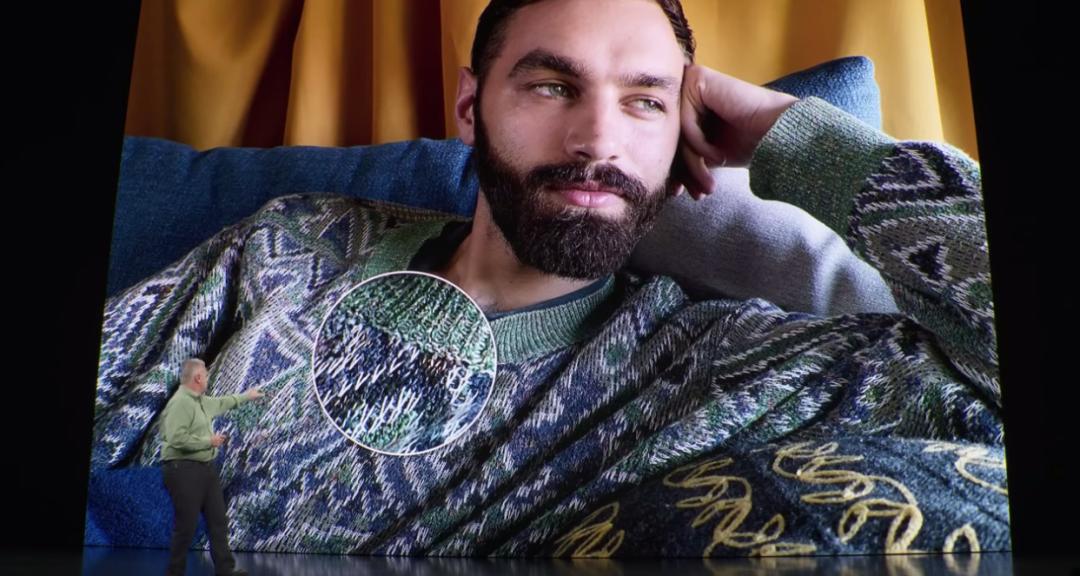
Clarity is undeniable, but it also brings two side effects that can't be ignored.
The first is over - sharpening. To emphasize texture, the algorithm "hardens" the edges. When magnified, the lines are harsh, not looking like the natural result of light passing through the lens, but more like being outlined artificially.
The second is noise - reduction smearing. To make the texture clear, the noise in the dark areas is forcefully smoothed out. The skin loses its pores, and the smooth surface takes on a "plastic feel". The whole photo looks like it's covered with a thin layer of wax.
This kind of "refined" image created by algorithms is seen as progress by spec - oriented people, but to young people who pursue texture, it increasingly seems like a form of coldness: the machine is making aesthetic decisions for you, and it's overdone.
Recently, an overseas netizen conducted an interesting test: They took a photo with an iPhone 4 and an iPhone 17 Pro in the same scene and posted them on social media for evaluation. Surprisingly, the iPhone 4 received more positive reviews.
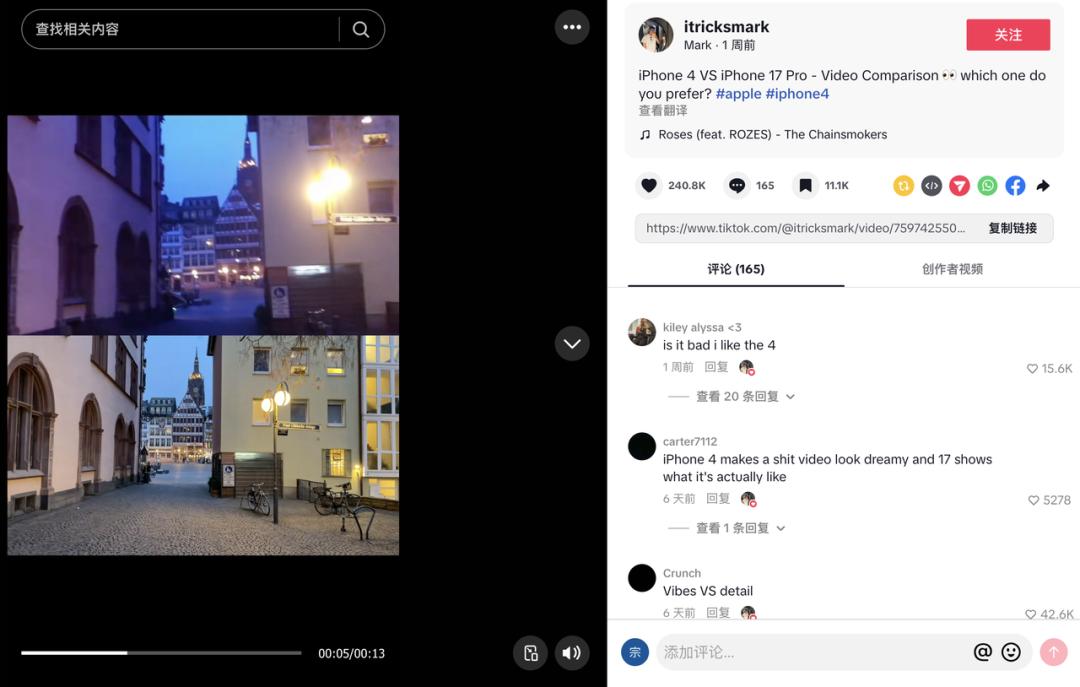
When the iPhone 4 and iPhone 17 Pro shoot the same scene, the iPhone 4 receives more positive reviews.
Of course, this doesn't mean that the iPhone 4 has better imaging capabilities. What it wins is an indescribable "human touch".
In addition, the "revival" of the iPhone 4 also owes a lot to its appearance. At the WWDC when the iPhone 4 was released, Steve Jobs compared this phone to "a beautiful old Leica camera". Looking back at this analogy 15 years later, it still makes sense.
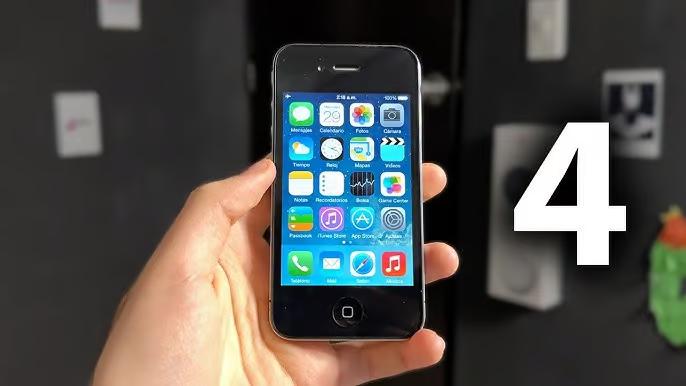
The classic sandwich structure with glass on the front and back and a stainless - steel middle frame, the sharp right - angled edges, the 3.5 - inch small screen with a physical Home button - the overall design is angular and full of precision.
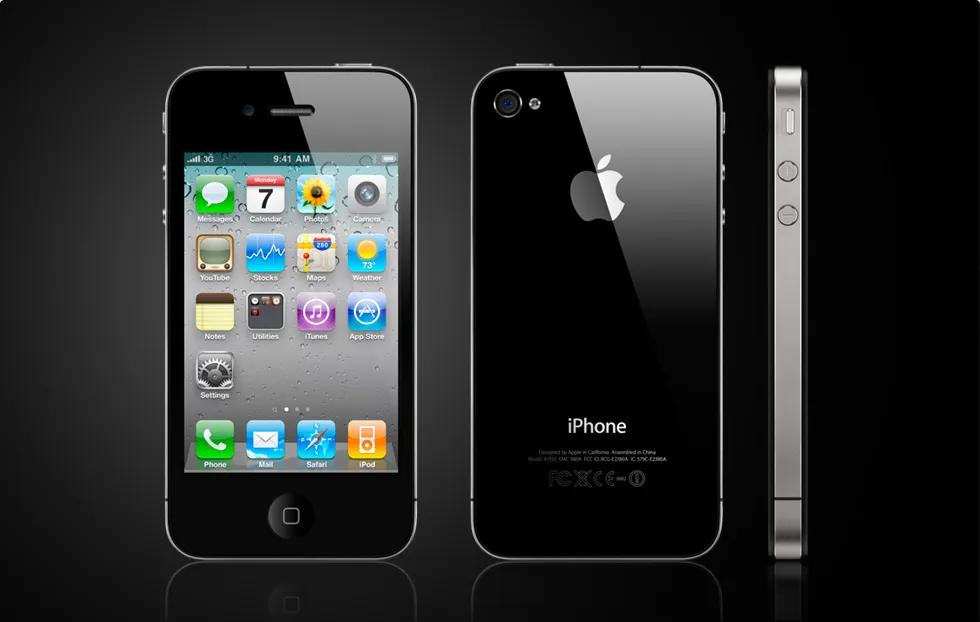
Compared with the cheap - looking round plastic body and chrome - plated silver edges of the iPhone 3G/3GS of the same era, the iPhone 4 is indeed a step up in industrial design and is still recognizable today.
This "angular" beauty forms a strong contrast with the current round and thin glass back of the iPhone. As time has gone full circle, the right - angled middle frame has become a more favored design language. In a way, the iPhone 4 predicted all of this long ago.
Emotions are priced, but I advise you to calm down first
In any wave of nostalgia, when emotions are priced, there is naturally no shortage of merchants fanning the flames.
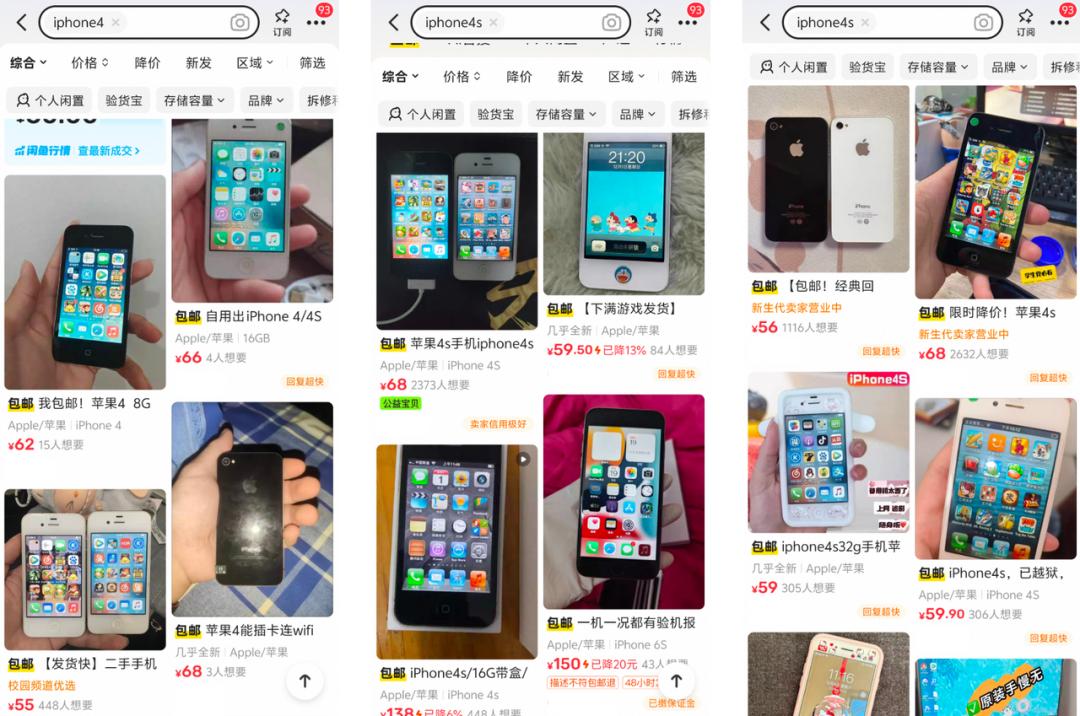
Merchants who smell a business opportunity have started to buy a large number of iPhone 4 series models on second - hand platforms. They refurbish, clean, and apply screen protectors to these phones, and then label them with "vintage emotion" and "original image quality", driving up the price directly. A phone that costs 5 yuan at a scrap recycling station can be resold for 150 to 400 yuan, with a maximum premium of 80 times.
Even more ingenious is that some merchants pre - install a dozen classic games from that era, such as "Fruit Ninja", "Where's My Water?", and "Plants vs. Zombies", on the phones. They use the "vintage game package" to enhance the emotional experience during the purchase, making young buyers feel that they are not just getting a phone but a whole lost youth.

Of course, there's nothing wrong with speculation itself. However, if you're about to place an order, I suggest you calm down for three minutes. Emotions are beautiful, but being eliminated by the times is also an objective fact. This 15 - year - old phone has almost zero practicality in the current era.
On the one hand, the iPhone 4 is stuck on iOS 7.1.2, a version that has stopped receiving updates. All kinds of security vulnerabilities can't be fixed, and once connected to the network, the information in the phone is easily leaked, which is like "running naked" in the network environment.
The iPhone 4 only supports 3G network, and the 3G network in China has almost completely shut down. Even if you insert a SIM card, you can't make calls or use data normally. Its only use case is to connect to Wi - Fi and barely take photos or play a few vintage games, greatly reducing its practicality.
In addition, the iPhone 4 has many other flaws: The battery ages seriously. Even if you replace it with a new one, the battery life can't support normal use. After long - term use, problems such as system lag and app crashes will occur frequently, seriously affecting the user experience.
To put it simply, the ultimate fate of the iPhone 4 is probably the same as that of CCD cameras: Take a few "atmospheric photos" occasionally or just put it on the table as a decoration most of the time.
If you're only attracted by the "poor - quality" photo effects on social media platforms and just want to take those vintage, emotional photos like the iPhone 4, you don't really need to spend money on this "electronic antique".
We've compiled a set of AI prompts for you. Without spending a cent, you can easily simulate the imaging effect of the iPhone 4, offering the best cost - performance:
Use the reference image as a strict blueprint and keep the same framing, perspective, identity, pose, expression, wardrobe, textures, background, and lighting. Restyle it as a 2010 iPhone 4 straight out - of - camera 5MP JPEG: moderately limited dynamic range with mild highlight clipping and slightly lifted shadows, moderate contrast, subtle color cast and imperfect white balance, light grain and light chroma noise, soft edges with faint sharpening halos, mild JPEG smearing and macroblocking, slight banding, subtle vignetting, and faint handheld micro - blur in low light.
If you input a photo taken with your current phone, the output effect will be very similar to that of the real iPhone 4. It has the graininess of 5 megapixels, the warm - toned color, and the slight overexposure. Moreover, you can adjust it at any time and conduct repeated tests, which is much more convenient than buying a real device.
After all, what young people are really chasing when they're fond of the iPhone 4 are the things it represents: vintage texture, real emotions, and the collective memories of a generation's youth. This kind of emotion is definitely worthy of respect.
However, while emotions have a price, there's no need to pay the "IQ tax". Instead of spending hundreds or thousands of yuan on an "electronic antique" with zero practicality, it's better to use a more convenient and cost - effective way to capture the vintage texture you like. This is the most meaningful pursuit behind the trend.