Every consumer electronics press conference in the second half of the year brings bad news.
Only a quarter of 2026 has passed, and the consumer electronics industry has already been shaken up by an "earthquake."
The reason is quite simple: the price hikes caused by the AI craze - not just the increase in memory prices, but the price hikes of "electronic components" across all fields, industries, and links.
Don't think you're having a great time using AI now. Every thousand tokens you consume today are like bullets aimed at your wallet when you buy a phone or a computer six months later.
Memory and graphics cards are getting more expensive, and CPUs are also set to rise
For PC gamers, "9950X3D" is a rather exciting name. It represents the most powerful gaming CPU currently on the market.
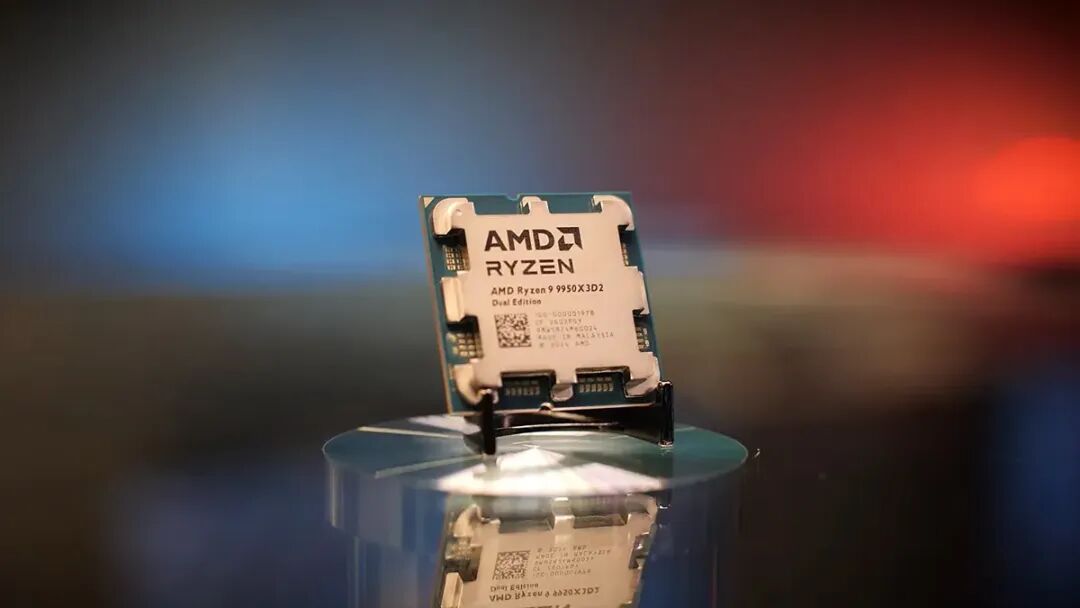
Just last night, AMD added fuel to this already shining star, bringing us the latest Ryzen 9 9950X3D2 Dual Edition:
▲ Image | AMD
True to its name, the R9 9950X3D2 brings the long - awaited dual 3D V - Cache stack technology.
While maintaining the original advantages of multiple cores, multiple threads, high frequency, and full unlocking, it has pushed the L2 + L3 cache up to 208MB at one go.
In terms of specifications, the R9 9950X3D2 is a literal "amped - up" CPU. Beyond its original gaming - advantaged scenarios, it also brings significant improvements to content creation and software development.
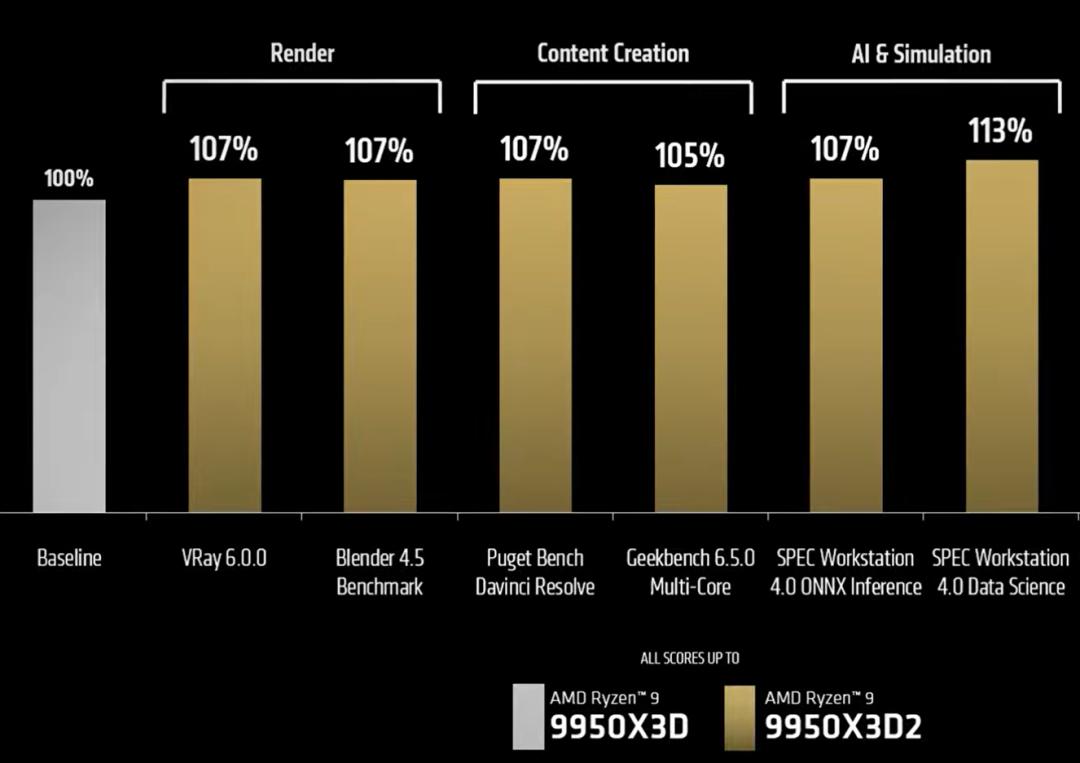
▲ Image | AMD
The question is, how much does AMD plan to charge?
The official price of the previous - generation R9 9950X3D was $699 (approximately 4,830 yuan). Although the price of the 9950X3D2 has not been announced yet, it is generally estimated to reach $799 (approximately 5,520 yuan) -
It's even enough to buy a 48GB memory module.
Even worse, this price trend is not limited to new CPUs. Existing products on the shelves can't escape either.
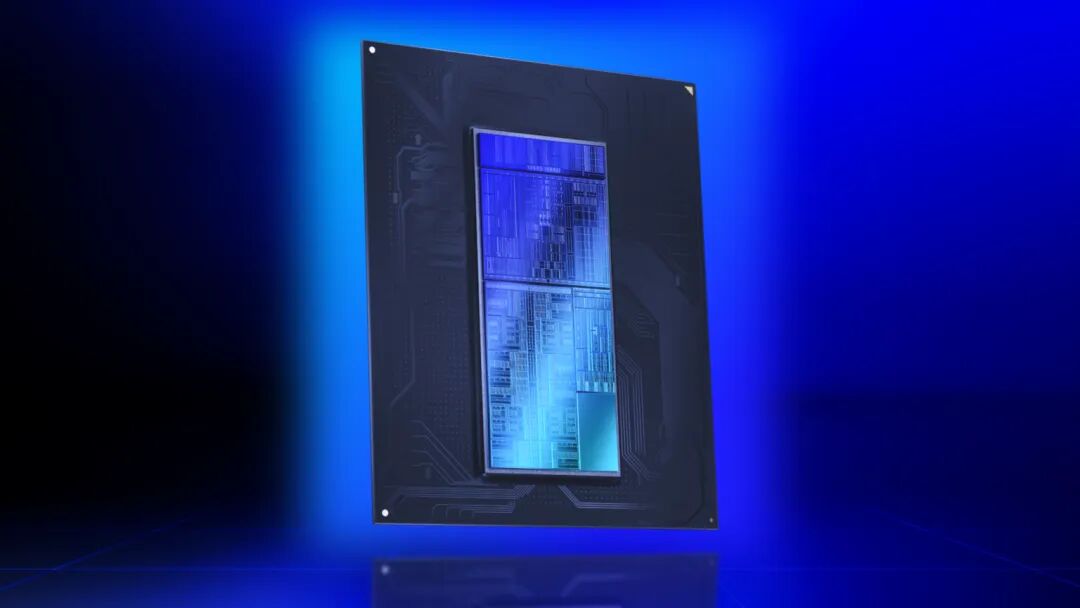
According to a report by Nikkei Asia, Intel notified its customers last week that it will raise the prices of its existing CPU products. The industry points out that AMD will also follow suit, with an overall increase of about 15%.
▲ Image | Intel
The reason is the same old story: Intel and AMD are shifting their production capacity to more profitable enterprise - level server CPUs. As a result, consumer - grade CPUs can only see production cuts and price hikes.
This is just in the x86 field. On the ARM architecture side, the situation in the middle and second half of 2026 is also not optimistic.
Since the beginning of the year, the most important news about the ARM architecture is that ARM, a company that used to only engage in design licensing, is also entering the manufacturing industry and starting to make its own CPUs.
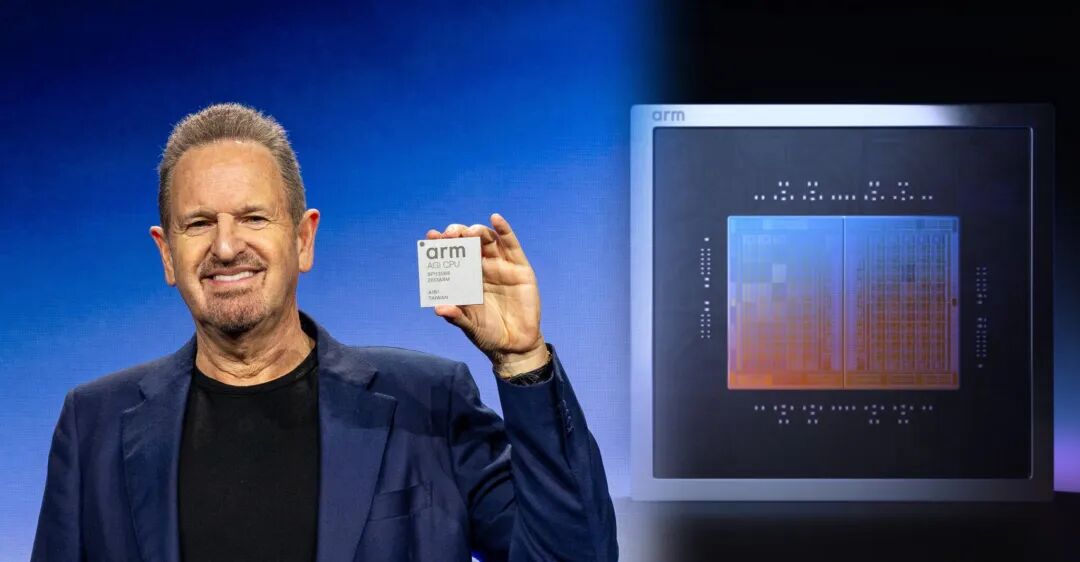
As the most significant transformation in its 36 - year history, ARM launched its first self - developed chip, the "ARM AGI CPU," a few days ago.
This is a processor specifically designed for AI data centers, with the core goal of supporting "agentic AI" applications:
▲ Image | ARM
According to ARM, this processor was designed in deep cooperation with Meta, developed by its subsidiary Ampere, and manufactured based on TSMC's 3nm process. It is planned to enter mass production in the second half of this year.
Although this is good news for ARM, it's not such good news for consumers -
This move marks that ARM is no longer just a "design bureau." Instead, it is officially entering the game to compete with Intel, AMD, and even its own licensed customers (such as NVIDIA and Amazon) for a share of the AI data center hardware market.

▲ Image | ARM Newsroom
Once ARM tastes the crazy dividends of the 2B business, will it shift its business focus entirely to designing server CPUs and abandon the design of public - version consumer - grade products in the future?
It's hard to say.
As for Qualcomm, ARM's largest user, 2026 has also been a bumpy ride.
Recently, there have been frequent leaks about Qualcomm's next - generation flagship SoC, the Snapdragon 8 Elite Gen 6. Different sources have reached two consensuses:
The Snapdragon 8 Elite Gen 6 is expected to be divided into a standard version (SM8950) and a Pro version (SM8975)
Both will be manufactured using TSMC's 2nm process. The Pro version has a slightly stronger GPU and a more significant price increase
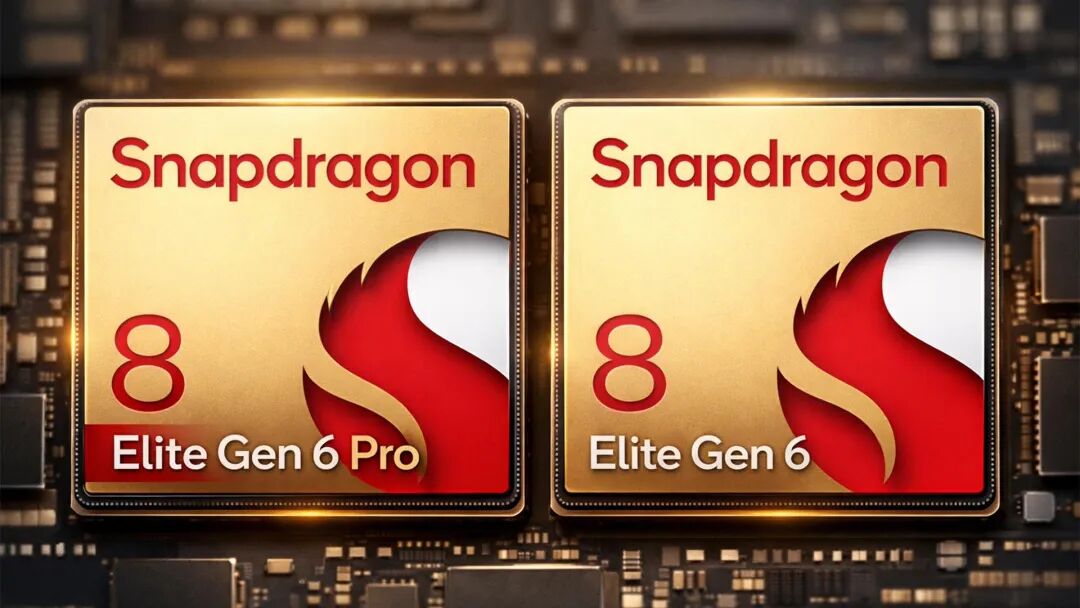
▲ Image | Wccftech
Yes, the bad news doesn't end here.
Industry insiders estimate that both SoCs in the Snapdragon 8 Elite Gen 6 series will see a significant price increase.
Compared with the purchase price of $280 (approximately 1,934 yuan) for the 8 Elite Gen 5, the purchase price of the Gen 6 is expected to increase by 30% - 50%.
This is just the purchase price for mobile phone manufacturers. When the same price increase is passed on to consumers, and combined with other costs, the average price increase of mobile phones in the second half of the year may reach around 1,500 or even 2,000 yuan -
In comparison, the price increase of the OnePlus 15T, which was widely criticized a few days ago, doesn't seem that outrageous.
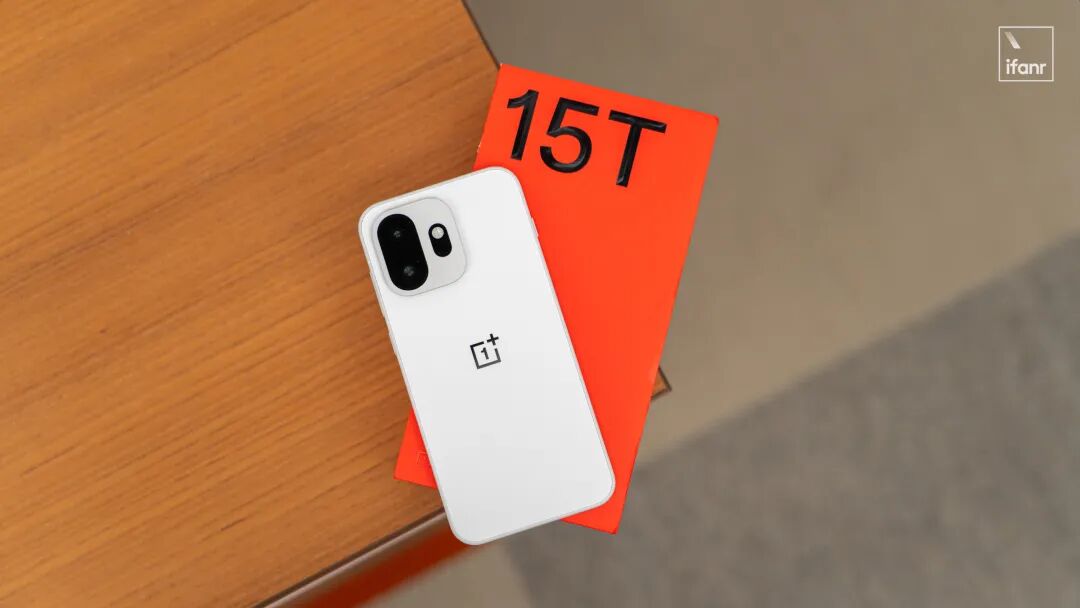
According to the latest research report, as of the first quarter of 2026, the year - on - year price increase of memory with the same specifications has reached about 400%. The purchase price of a 16 + 512GB storage combination is close to $200.
On some non - flagship models, it's easy to encounter a situation where "the memory is more expensive than the processor."
The former model of large - quantity and low - profit sales can no longer work.
Meanwhile, a similar industry - wide price shock has also spread to fields beyond computers and mobile phones -
Bloomberg reported recently that Nintendo has decided to reduce the production volume of the Switch 2 in the first quarter of 2026 from the originally planned 6 million units to 4 million units, and the production cut may continue into the second quarter.

▲ Image | Bloomberg
In addition to the under - expected sales performance during the shopping season at the end of 2025, production cost is also one of the reasons for the production cut of the Switch 2.
Take the recent "Yoshi and the Unbelievable Picture Book" as an example. The price to buy it on the Nintendo eShop is $59.99 (approximately 414 yuan), but if you want a physical cartridge, you have to pay an additional $10:

▲ Image | IGN
So, don't say that small amounts don't matter. When even slow TF cards are getting more expensive, the cartridges for the Switch 2 also cost money.
Coincidentally, while this article was being written, Sony also announced a price increase for its PS5 series of products.
This is another price hike following the general increase of $50 for the PS5 in August last year. After this round of adjustment, the standard and digital versions of the PS5 will see a $100 price increase:
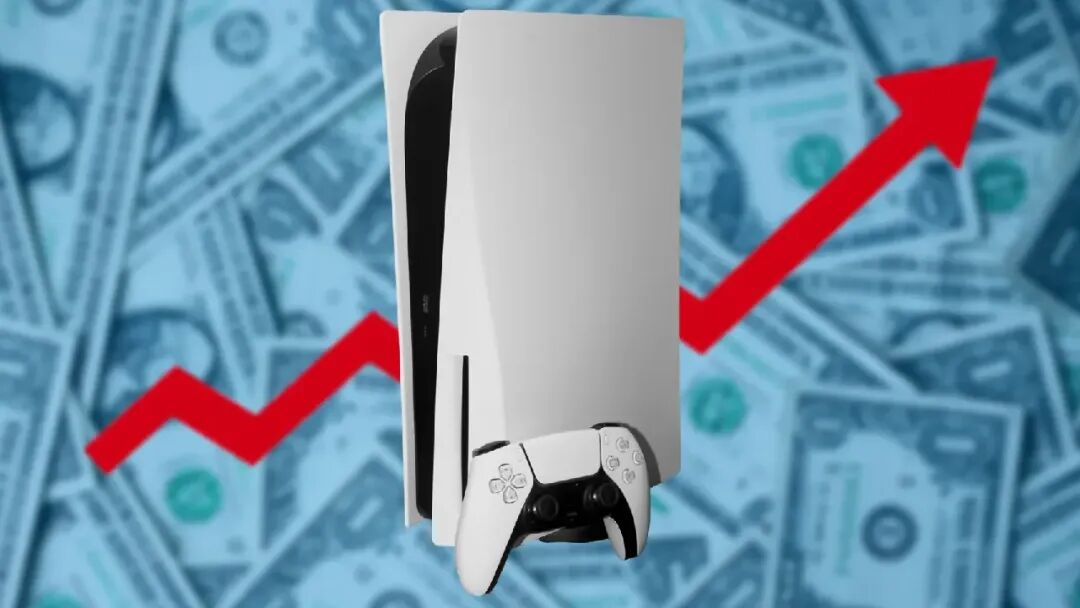
▲ Image | IGN
The PS5 Pro, which is known as "buy an SSD and get a console for free," will see a $150 price increase, starting at $900 -
Yes, the reason is still "the global economic situation."
Is there an end to the price - hike crisis?
The bad news is, it seems not.
If you've been following the stock market in the past few days, you definitely won't miss this piece of news:
On March 24th, Google published a technical blog about a new quantization algorithm called TurboQuant, which caused a sharp decline in storage stocks, including those of SanDisk and Micron.
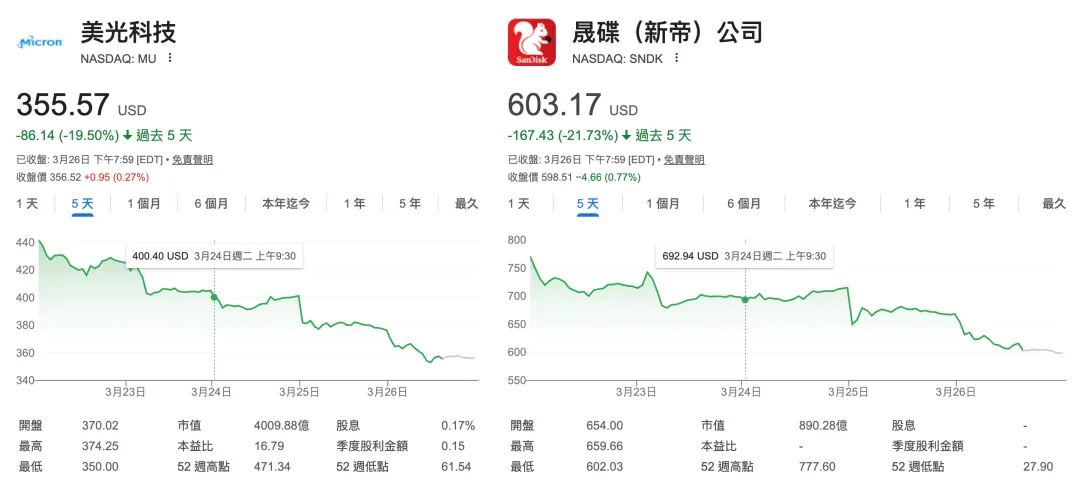
As a breakthrough "low - bit quantization" algorithm solution, TurboQuant aims to optimize and solve the "memory overhead" problem in vector quantization, reducing the size of the model without losing accuracy.
In plain language, the TurboQuant algorithm replaces the three - dimensional coordinate representation of the "vectors" used by AI models to store information with polar coordinate representation, significantly reducing the volume of the KV cache for storing context and greatly reducing memory usage.
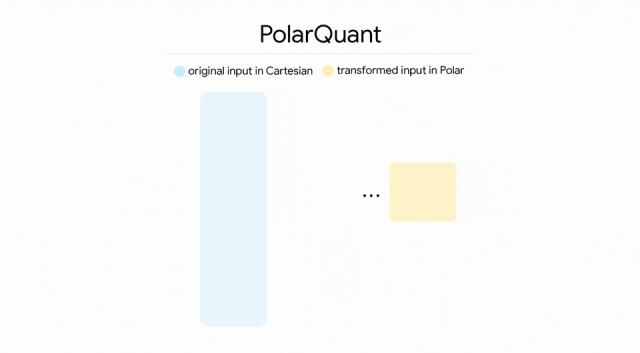
▲ Image | Google Research
After TurboQuant, algorithm improvement, smaller models, lower memory prices, and life returning to normal... It sounds so appealing.
But the real world doesn't work that way.
Although the compression rate and accuracy of TurboQuant have been verified through experiments, it only solves the video memory bottleneck in the inference stage. The video memory consumption in the model training stage is still a huge problem.
It's precisely because manufacturers need a huge amount of memory to train models that ordinary people can't buy memory, and TurboQuant is powerless in this regard.

▲ Image | Keymakr
On the other hand, even if TurboQuant really manages to drive down memory prices, we'll face a new round of Jevons' paradox:
As memory utilization increases and memory prices drop, more people can afford memory. Everyone starts buying memory, resulting in an overall increase in memory demand instead of a decrease.
Finally, TurboQuant is still some time away from its official release, and its sudden popularity is quite unexpected -
The relevant basic paper was published as early as April last year, but it didn't cause a stir until 2026.
This makes the stock market fluctuations caused by TurboQuant more like an outburst of market sentiment due to "the long - standing dissatisfaction with memory manufacturers" rather than a real technological implementation. It's hard to really bring down storage prices.