Caocao Mobility's 2025 Performance: First Adjusted Q4 Profit, Stepping into a New Phase of Profitable Growth
On March 27th, Caocao Chuxing released its full - year performance for 2025. Data shows that the company's business scope has covered 195 cities across the country. In 2025, it achieved an annual revenue of 20.2 billion yuan, a year - on - year increase of 38%; the gross profit margin rose to 9.4%, an increase of 1.3 percentage points.
What's even more noteworthy is the financial data for the fourth quarter - during this period, the company's adjusted net profit turned positive, achieving a historic first - time quarterly profit turnaround. Meanwhile, the cash - flow indicators also sent positive signals, with the company's net cash flow from operating activities for the whole year increasing by 60.3% year - on - year. This means that Caocao Chuxing has completely got rid of the stage of relying on external financing and truly has the ability of self - financing and endogenous growth.
In the Chinese ride - sharing landscape, Caocao Chuxing has always been a unique presence. It is not only a pioneer in the customized vehicle model but also the "ultimate move" of Geely Holding in the trillion - dollar Robotaxi track. This industrial synergy gives it the underlying logic to reshape the cost structure of the ride - sharing business.
So, how did Caocao Chuxing achieve a profit turnaround? How will Robotaxi reshape the company's long - term value?
Profit inflection point confirmed
From continuous losses to a quarterly profit turnaround, the qualitative change in Caocao Chuxing's profit structure is mainly attributed to the strong increase in the gross profit margin. Then, what are the driving factors for the growth of Caocao Chuxing's gross profit margin?
Based on the simple profit model of "Gross profit margin = [1 - (Sales and marketing expenses)/GTV]", by analyzing Caocao Chuxing's financial report, it can be seen that the strong recovery of its gross profit margin is mainly determined by the following three factors:
Firstly, the scale effect and brand premium are evident. Specifically, the company's average monthly active users reached 41.3 million, a year - on - year increase of 43.9%; the average monthly active drivers reached 631,000, a year - on - year increase of 35.4%.
Secondly, the efficiency is improved with the empowerment of AI. According to the company's disclosure, its trading engine, "Caocao Brain", continuously uses AI technology to optimize algorithms and improve order scheduling efficiency. User subsidies are an important cost component for Caocao Chuxing, so the decrease in this amount has also strongly promoted the recovery of the gross profit margin.
Thirdly, there is a depreciation dilution effect under the customized vehicle model. Under Caocao Chuxing's unique customized vehicle model, its self - owned fleet incurs relatively fixed depreciation expenses, which are quite sensitive to the scale effect. As the average daily order volume on the platform has significantly increased, the utilization rate of each vehicle has risen, effectively diluting the average depreciation cost per order. Although the proportion of depreciation expenses in Caocao Chuxing's cost structure is not high, it still has a positive impact on the gross profit margin.
In addition, from the perspective of the expense ratio, with the overall improvement of operational efficiency, the optimization of relevant expenses has also created some room for profit. In terms of the sales expense ratio, against the background of the increase in online aggregated platform orders in the entire ride - sharing industry, Caocao Chuxing's sales expense ratio has remained basically flat, which also reflects the company's brand premium.
Overall, whether it is the dual increase of "volume and price" at the front - end or the continuous optimization of "cost and expenses" at the back - end, Caocao Chuxing is quickly establishing a virtuous cycle of profit. With this increasingly clear gap, the long - term improvement of the profit margin is beyond doubt.
The customized vehicle model achieves "alpha"
According to Frost & Sullivan data, the overall growth rate of the Chinese ride - sharing market in 2025 was about 24%. Caocao Chuxing was able to outperform the industry with a GTV growth rate of 38%. The core engine is still its long - established "customized vehicle" model. As of December 31, 2025, Caocao Chuxing had self - owned more than 38,000 customized vehicles in 31 cities.
The customized vehicle model essentially relies on Geely Holding's manufacturing capabilities to provide drivers with customized vehicles specifically for ride - sharing services, thereby reducing the total cost of ownership (TCO) for drivers and improving the riding experience for passengers.
This superior experience has directly translated into the platform's goodwill assets. Thanks to its high - quality services, in nine user surveys from the fourth quarter of 2023 to the fourth quarter of 2025, Caocao Chuxing was continuously rated as the "best in service reputation" among major ride - sharing platforms in China.
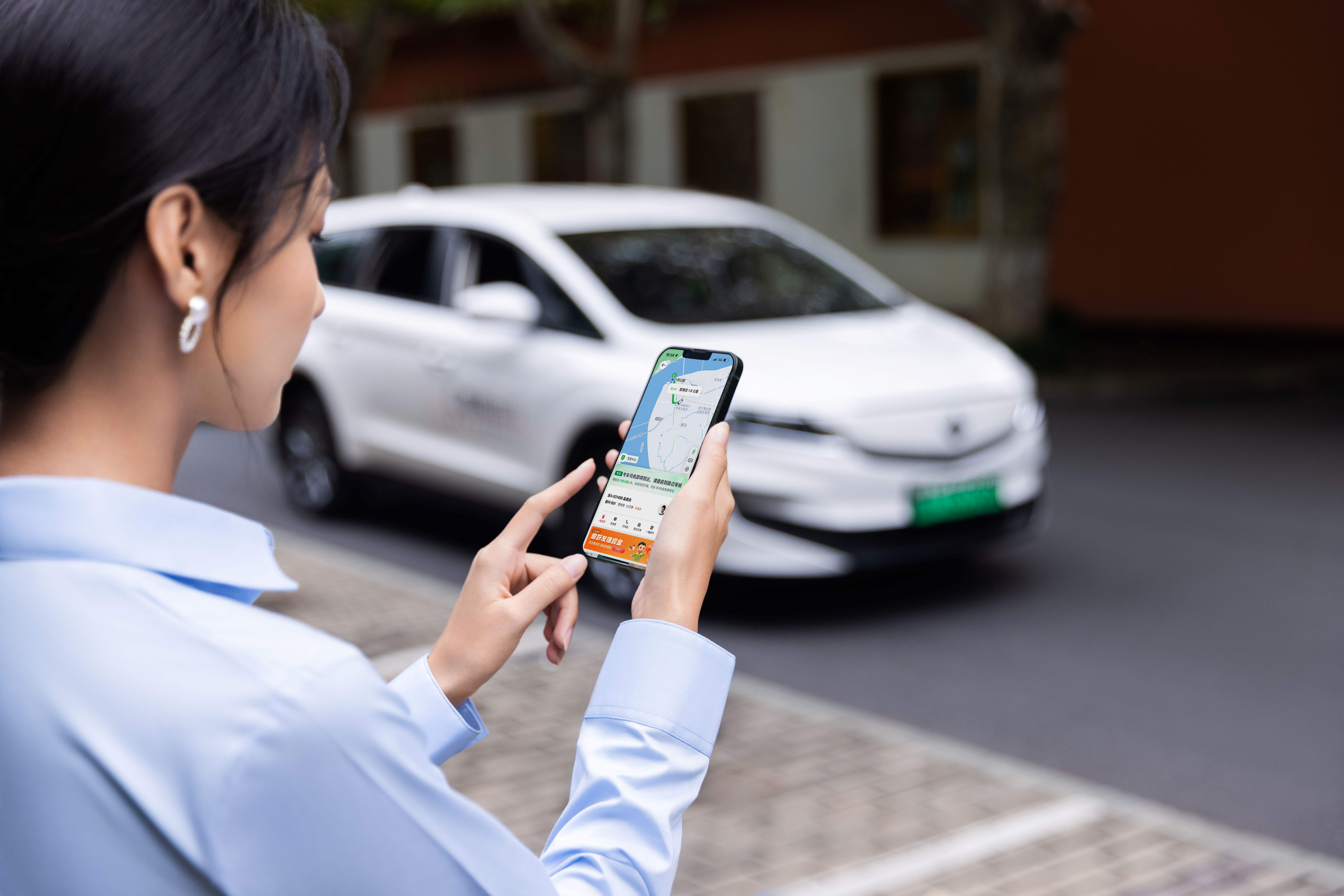
This shows obvious advantages in the current "aggregated platform" model with intense competition for traffic. Since the front - end traffic entrances are highly concentrated, the quality of back - end fulfillment has become the biggest "black box". In the massive supply of homogeneous transportation capacity, Caocao Chuxing provides the scarce "fulfillment certainty" through strong control over customized vehicles and standardized services, thus forming a strong brand recognition in the aggregated ecosystem. It has successfully captured users' minds and subtly influenced users' choices.
In addition to capturing users' minds, the customized vehicle model has also become an important means for Caocao Chuxing to continuously expand into new cities. Currently, Caocao Chuxing adopts the model of "light - asset on the transportation capacity side + expanding into cities with customized vehicles" to maintain business expansion. In 2025, through the model of selling customized vehicles to transportation capacity cooperation partners, the company's total number of operating cities reached 195, which has become another major driving force for the company's growth.
Robotaxi determines the valuation ceiling
If the customized vehicle model and refined operation are Caocao Chuxing's current foundation, then Robotaxi is the ceiling that determines its valuation in the next decade.
2026 is a year of accelerated commercialization of Robotaxi. In the North American market, Tesla officially launched its driver - less Robotaxi service in Austin, Texas, and is expected to mass - produce the Cybercab, a driver - less taxi specifically for Robotaxi, in April 2026. Another giant, Waymo, completed a $16 billion financing in February 2026, with a post - investment valuation of $126 billion. Its goal is to reach 1 million weekly orders by the end of 2026, doubling that of 2025.
The development of the domestic Robotaxi market is also progressing rapidly, and Caocao Chuxing occupies a unique ecological niche.
A complete Robotaxi commercialization chain includes back - end vehicle manufacturing, autonomous driving technology R & D, and front - end fleet operation. Domestic Robotaxi industry participants often focus on one of these links. However, Caocao Chuxing's development strategy of "intelligent customized vehicles + intelligent driving technology + intelligent operation" makes it one of the few global technology - based ride - sharing platforms with all the elements of Robotaxi.
Looking at the company's Robotaxi layout process, in February 2025, the company launched the Caocao Zhixing autonomous driving platform in Suzhou and Hangzhou, and began the deployment and pilot verification of the Robotaxi 1.0 stage solution.
Less than a year later, in December 2025, the company released the Robotaxi 2.0 solution and started deploying the second - generation Robotaxi, exploring the transition from a safety driver in the main driver's seat to driver - less operation, keeping pace with companies like Tesla.
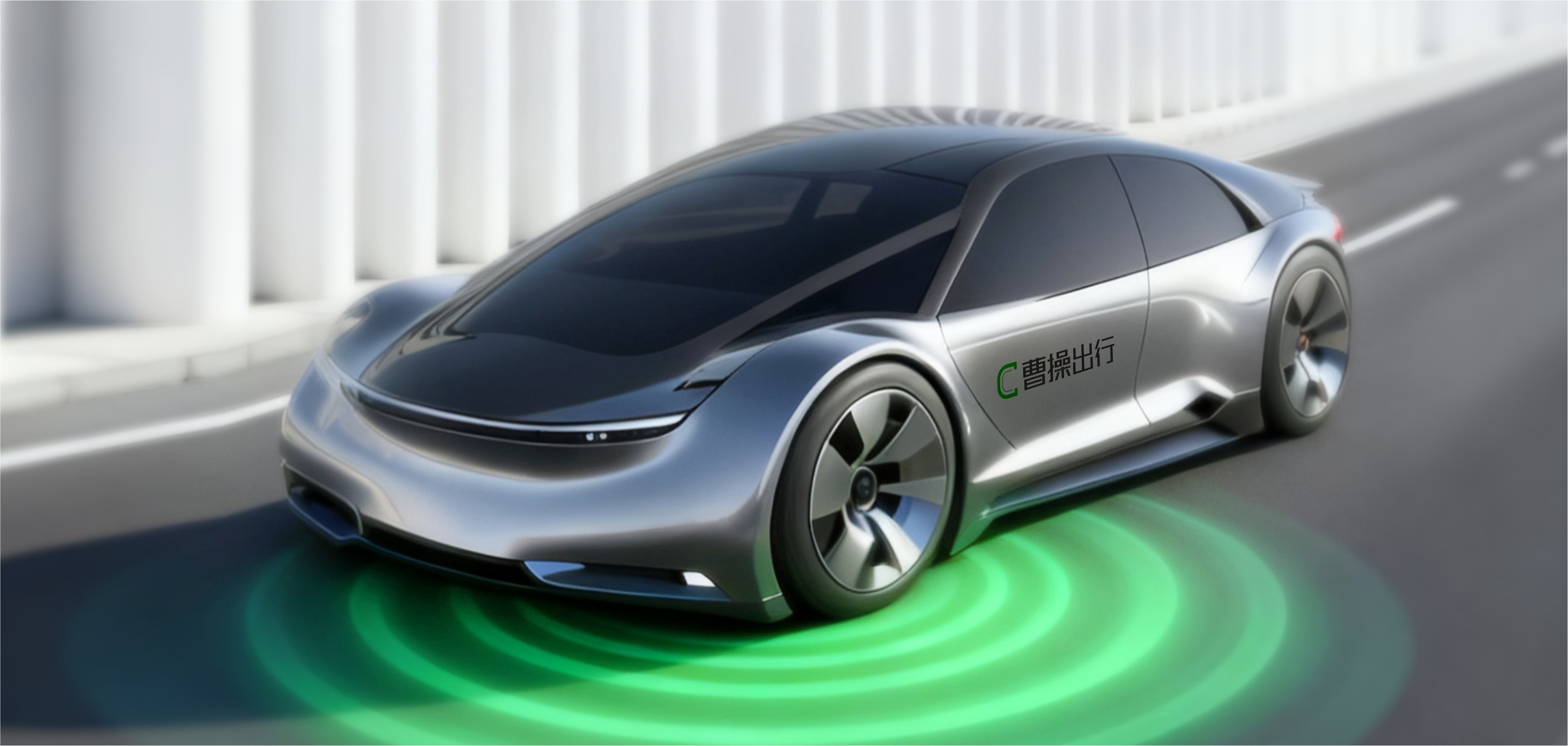
As of the release of the announcement, Caocao Chuxing has deployed more than 100 Robotaxis. 2026 will also be the "expansion period" for Caocao Chuxing's Robotaxi.
According to the company's disclosure, Caocao Chuxing plans to accelerate the promotion of its Robotaxi business at home and abroad and deploy more vehicles. In the domestic market, the company plans to gradually expand into more domestic cities to achieve large - scale Robotaxi operation; in the international market, the company has reached a strategic cooperation with the Abu Dhabi Investment Office and established a division to expand its overseas Robotaxi business. At the same time, Caocao Chuxing will also explore the development of the Robotaxi business in Hong Kong.
In terms of technological exploration, relying on its cooperation with Geely Holding, Caocao Chuxing is accelerating the development of the third - generation L4 - level fully customized Robotaxi, and the model is scheduled to be unveiled this year.
For Caocao Chuxing, the significance of Robotaxi is not just about telling an exciting tech story. The trillion - dollar potential market is indeed highly synergistic with Caocao's existing ride - sharing network. This is also the core reason why Geely Holding chose Caocao Chuxing as the most important carrier to explore future transportation and achieve the commercial operation of Robotaxi.
The first - time profit turnaround is just the beginning. With the continuous optimization of the financial statements and the gradual improvement of Robotaxi commercialization, Caocao Chuxing is telling a brand - new travel story with a hardcore tech background to the capital market.