Intel has dropped a bombshell. The new Core processors offer an incredibly high cost-performance ratio. In actual tests, the performance of the Ultra 7 surpasses that of the Ultra 9.
After a year and a half, Intel has finally updated its desktop processors. However, it's not quite what everyone expected. This time, the updated processors are the Ultra 5 250K Plus and Ultra 7 270K Plus. Judging from the naming convention, they still belong to the Ultra 200 series, rather than the 3rd - generation Core Ultra.
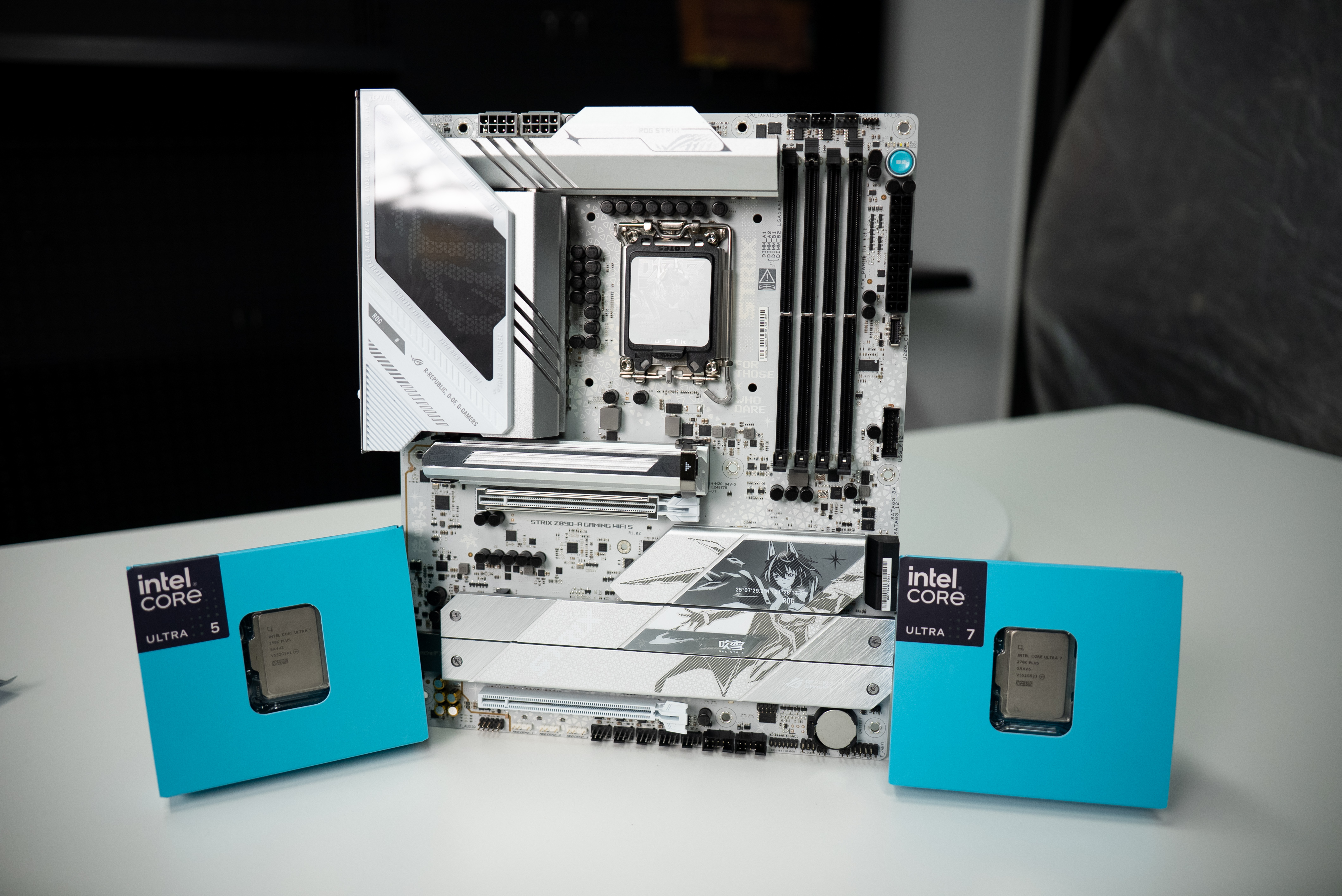
Image source: Lei Technology
However, as the first processors with the "Plus" suffix released by Intel, they naturally have their special features, namely the cross - level "combat effectiveness". Just looking at the model numbers, you might think they are overclocked versions of the Ultra 5 245K and Ultra 7 265K, but that's not the case.
Let's first take a look at the Ultra 5 250K Plus. It uses an 18 - core, 18 - thread architecture, with 6 P - cores and 12 E - cores. In contrast, the Ultra 5 245K has a 14 - core, 14 - thread 6P + 8E architecture, lacking a full 4 energy - efficient cores. Compared with the Ultra 7 265K, it only lacks 2 P - cores.
Of course, there are still differences in the main frequencies. The main frequencies of the P and E cores of the Ultra 5 250K Plus are about 0.1GHz higher than those of the 245K, but the main frequency of the P - core is 0.2GHz lower than that of the 265K, while the E - core is 0.1GHz higher. Judging from the parameters, although there is a gap in the overall performance between the 250K Plus and the 265K, it's not significant.
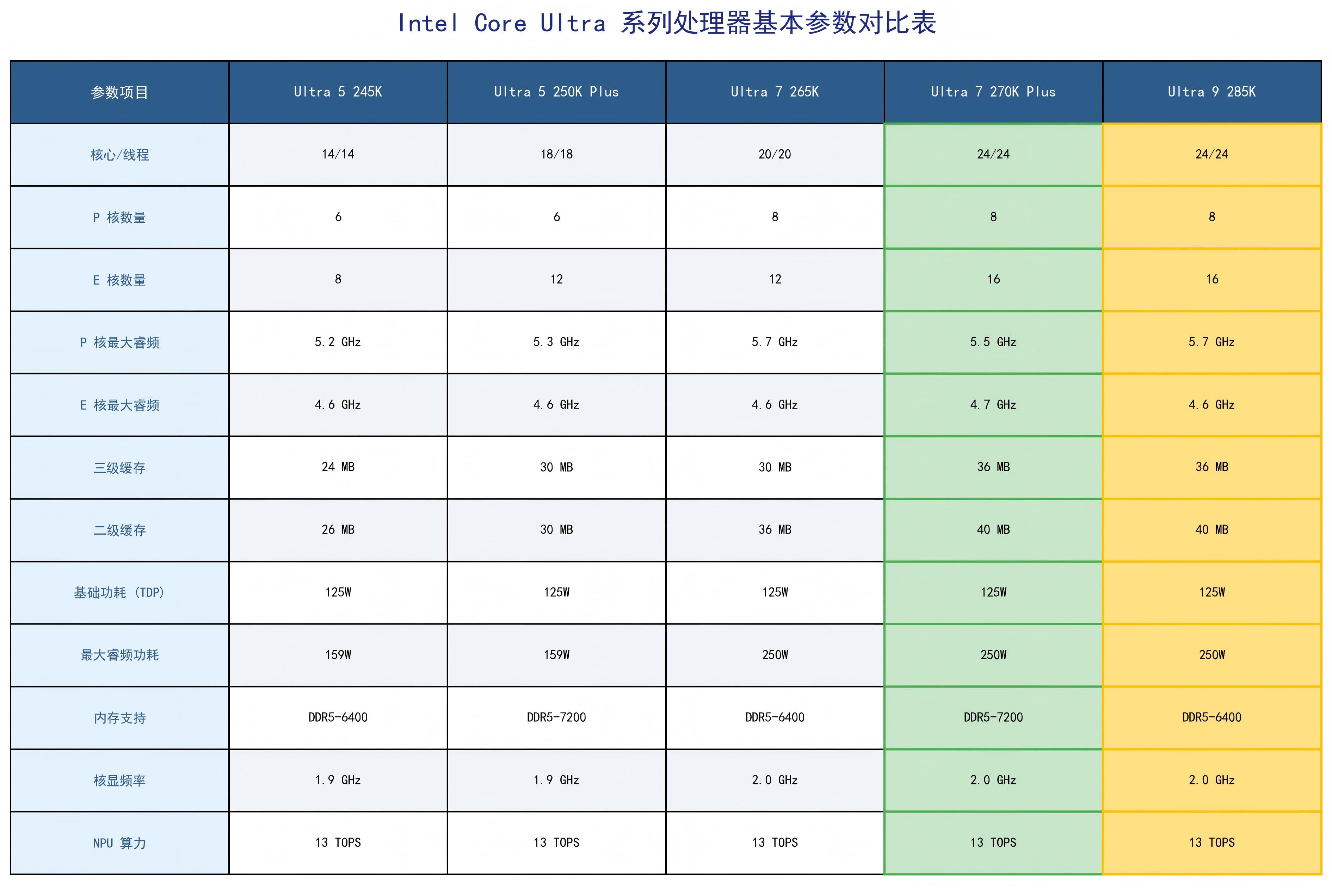
Image source: Lei Technology
Basically, you can think of the 250K Plus as a Lite version of the 265K. Sounds good? But it gets even better. The Ultra 7 270K Plus directly reaches 24 - core, 24 - thread, with the 8P + 16E core architecture being exactly the same as that of the Ultra 9 285K. The only difference between them is that the main frequency of the P - core is reduced by 0.1GHz to 0.2GHz.
So, you can think that Intel has directly downgraded the Ultra 9 285K by one level and sold it to you at the price of the Ultra 7. In Intel's pricing system, the price difference between the Ultra 7 and the Ultra 9 is often more than twice. Seeing this, you might think that the price of the 270K Plus must be more expensive than the previous 265K, right? That's wrong. According to the officially announced overseas pricing, the price is directly comparable to the adjusted price of the 265K, only $299.
Based on the domestic pricing rules, the price should be between 2399 and 2499 yuan. At this price, it's basically equivalent to 50% of the price of the 285K (official store price). Even compared with the non - warranty loose chips, it's nearly 2000 yuan cheaper. There's no need for us to explain this cost - performance ratio, right?
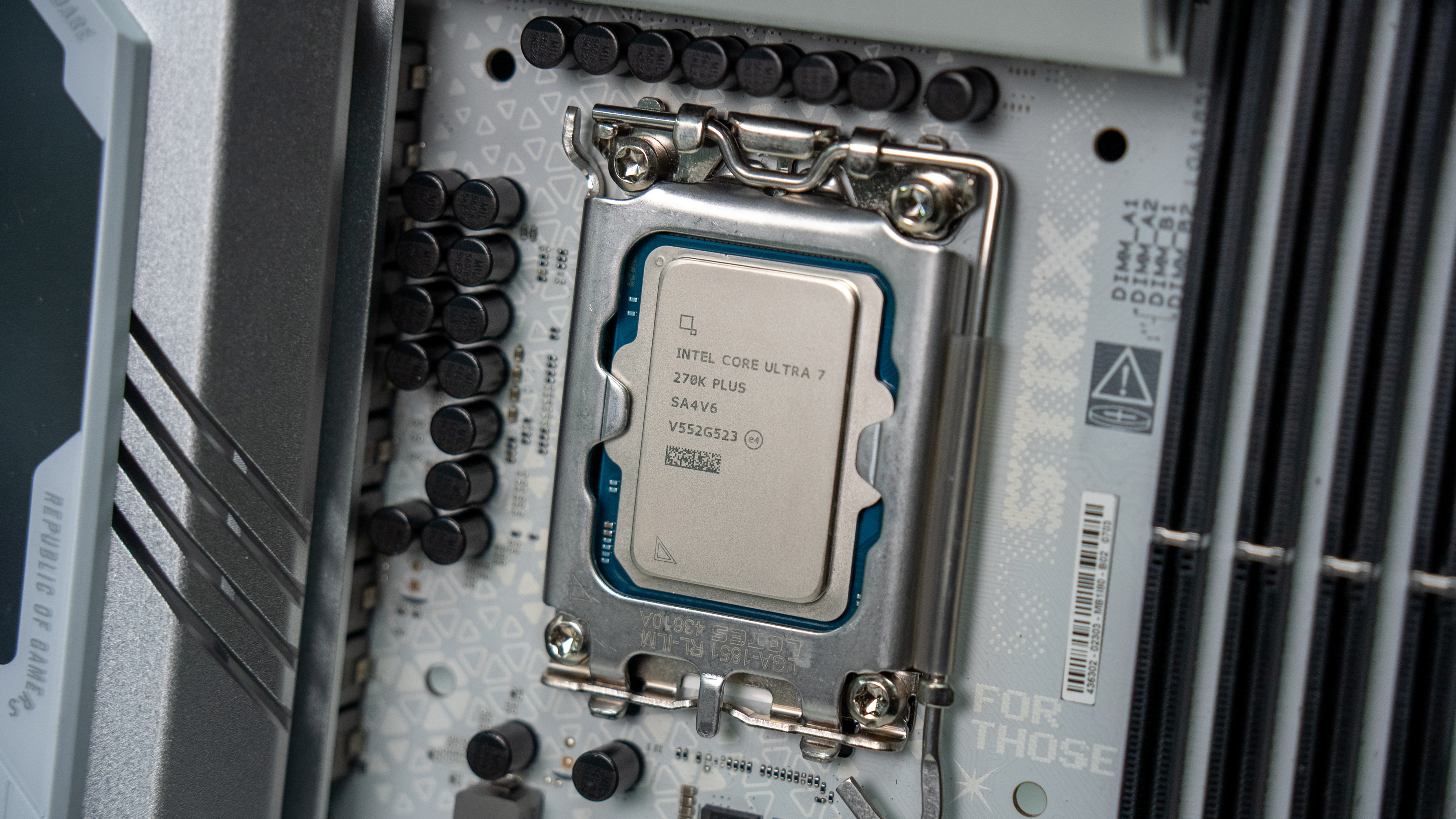
Image source: Lei Technology
In fact, just looking at the parameters and pricing, you can "buy blindly" these two processors according to your budget. However, let's still rely on tests to see if the actual performance is as impressive as the paper data.
Is it no longer the 285K that is the perfect companion for creators?
First, let's quickly go through the test environment:
ROG STRIX Z890 - A GAMING WIFI S Snow Maiden
Lian Li L216 + Delta AK12b
Noctua CORE MATRIX 360 All - in - One Water Cooler
G.Skill Trident Z5 RGB 32G 7200Mhz C34
Zhiti Ti600 1TB
EDIFIER RTX 4070Ti Super
In addition to the Ultra 5 250K Plus and Ultra 7 270K Plus, the CPUs participating in the test also include the Ultra 5 245K, Ultra 7 265K, and Ultra 9 285K. Let's see if the new - generation Ultra 200 series can defeat the old veterans after a year and a half of optimization.
Considering that this test will involve a flagship processor like the Ultra 285K, I didn't skimp on the choice of the motherboard. I directly chose the ROG Z890 Snow Maiden motherboard, which has both high appearance and performance. I've been coveting this motherboard for a long time. With its pure - white PCB board, fully customized Snow Maiden illustration, and rich interfaces, I guess few otaku PC builders can resist its temptation.
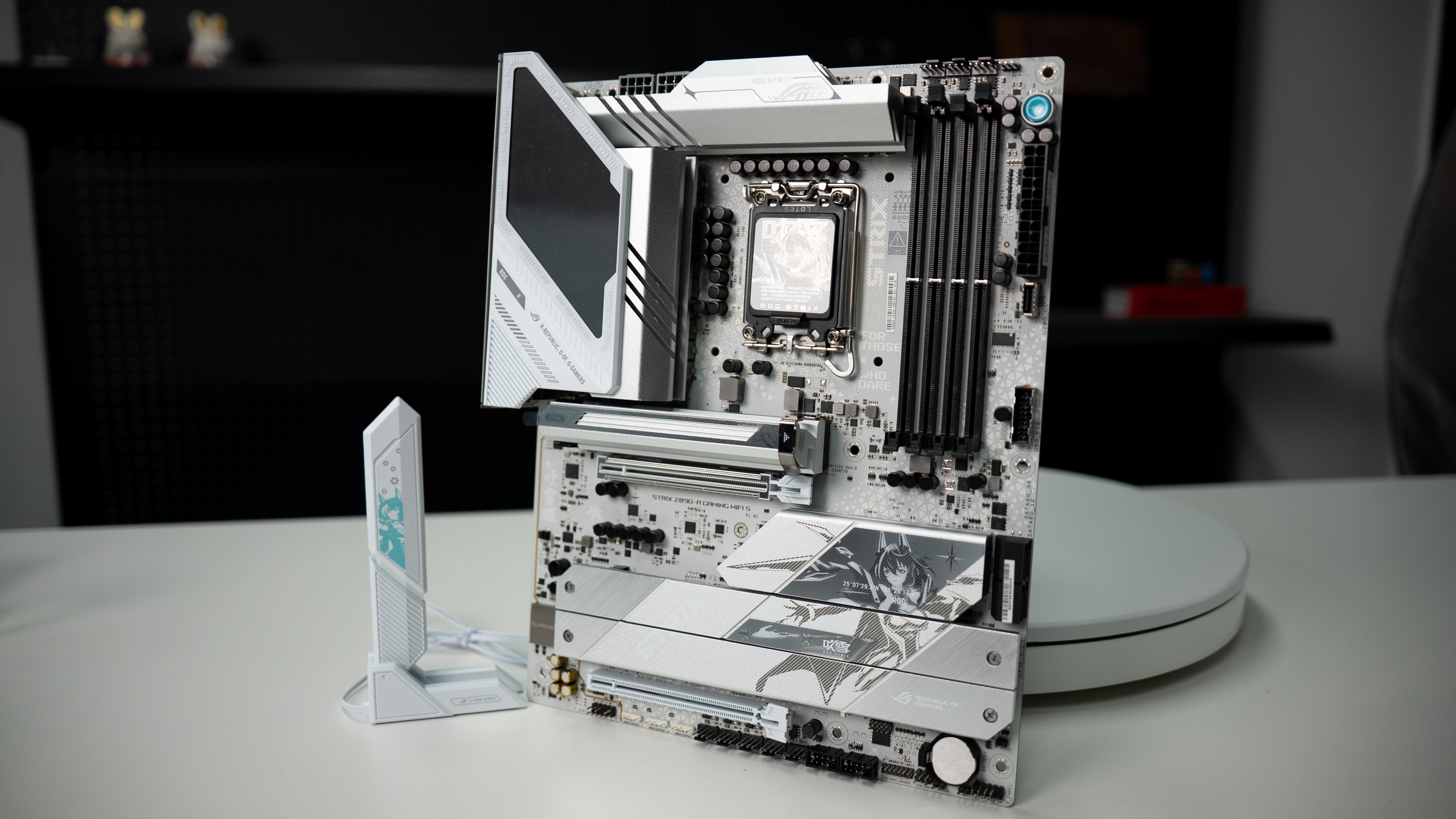
Image source: Lei Technology
Its materials are also very solid. The 21 - phase power supply allows you to overclock at will without worrying about insufficient power supply. Moreover, the memory also supports overclocking to a main frequency of 9066MHz, which is nearly 1000MHz higher than other Z890 motherboards. The reason behind this is Asus's own AEMP 3.0 technology, which optimizes the memory overclocking experience through customized memory configuration parameters.
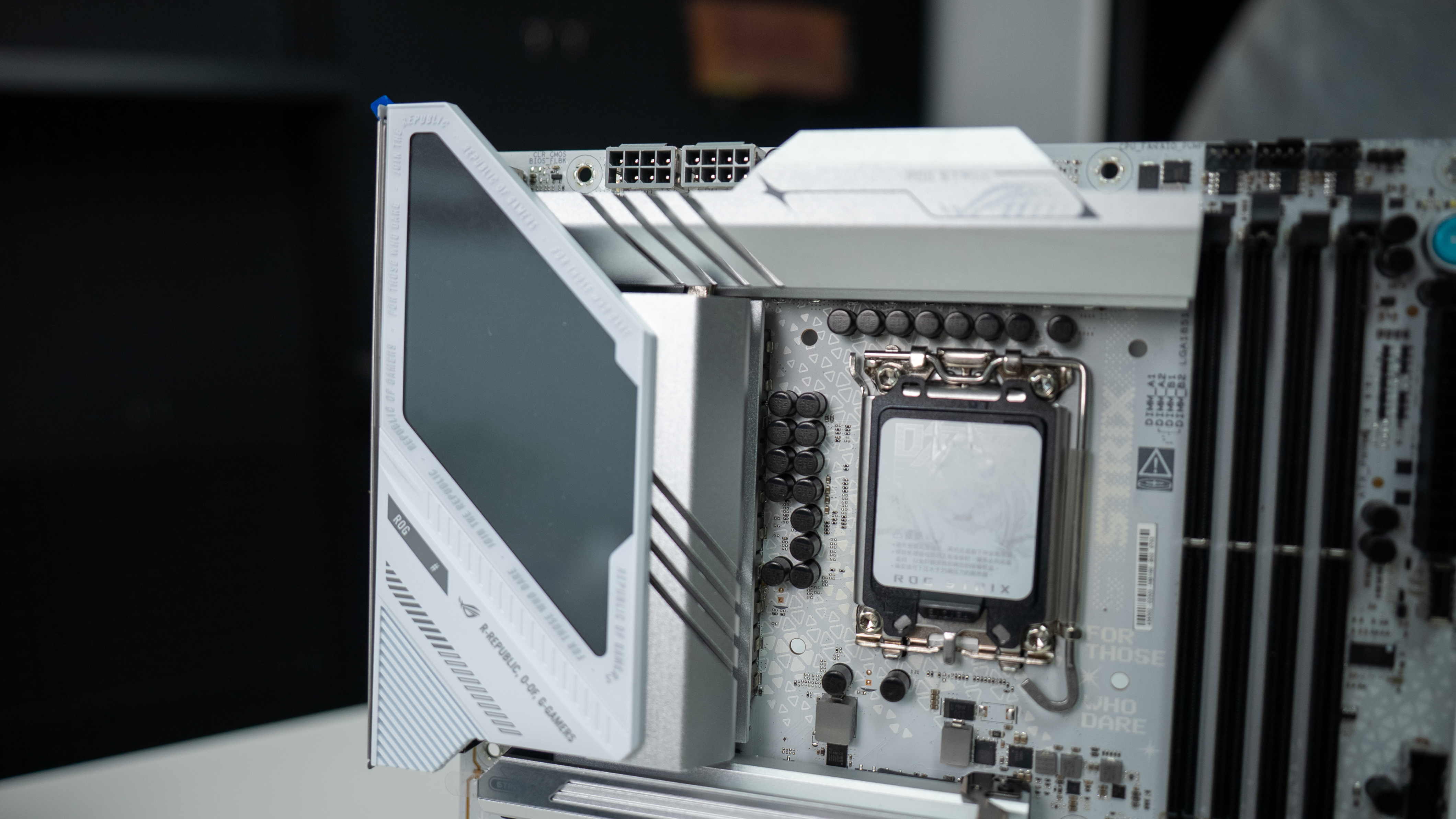
Image source: Lei Technology
Moreover, when building the PC, I found that ROG's convenient design seems to have been upgraded again. For example, the quick - release solid - state slot next to the CPU has a really good experience. Combined with the large - sized heat dissipation module, it can basically allow the PCIe 5.0 hard drive to run at full speed continuously without overheating.
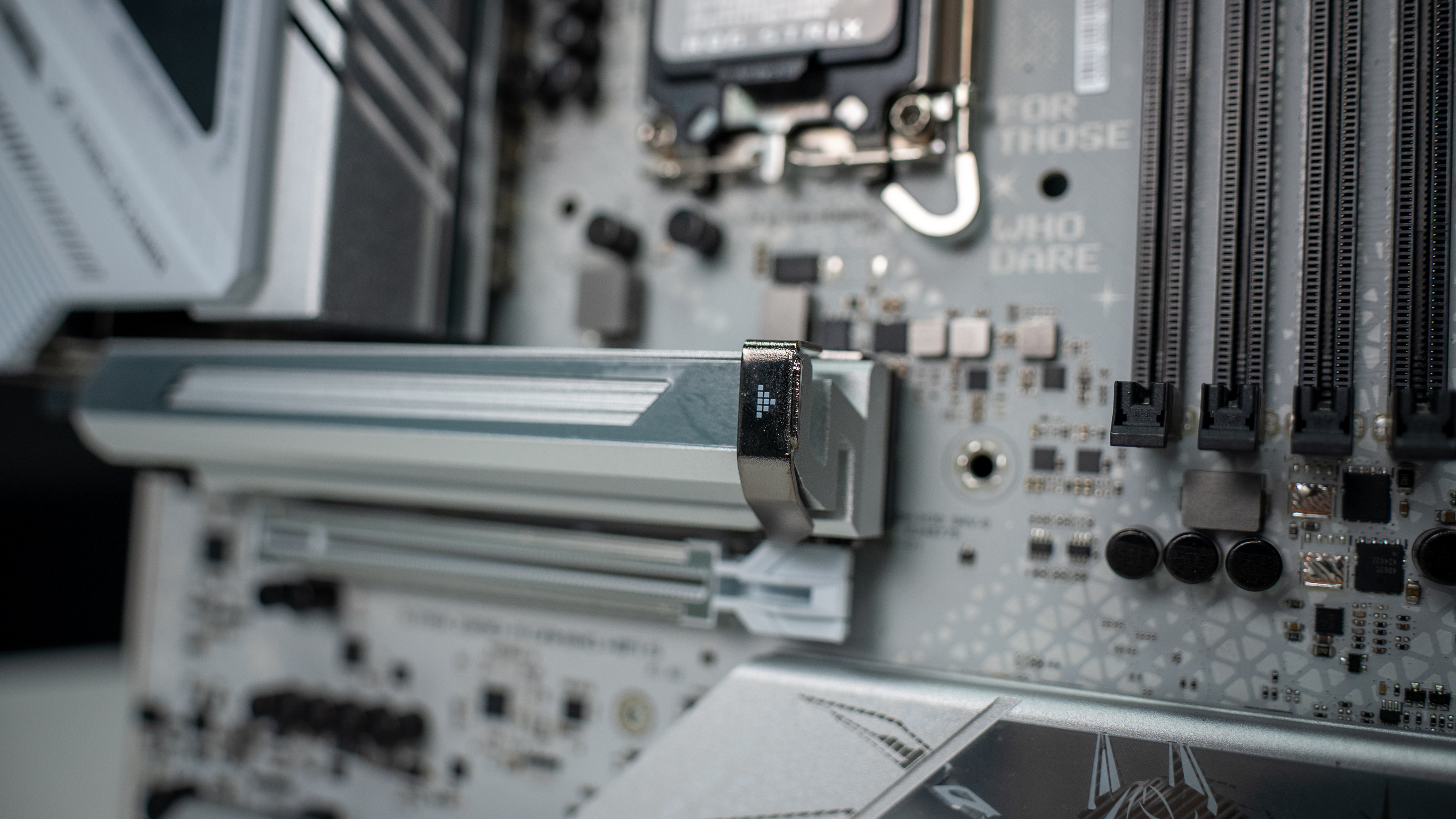
Image source: Lei Technology
However, during the test, what impressed me the most was ROG's AI trio: AI Intelligent Overclocking, AI Intelligent Cooling 2.0, and AI Intelligent Network 2.0. After enabling AI Intelligent Overclocking in the BIOS, the motherboard will intelligently adjust the overclocking parameters and cooperate with the cooling system, allowing the CPU to release performance higher than the baseline. Combined with intelligent cooling, it also effectively reduces the cooling noise. To be honest, it's much better than a certain brand of motherboard I used before.
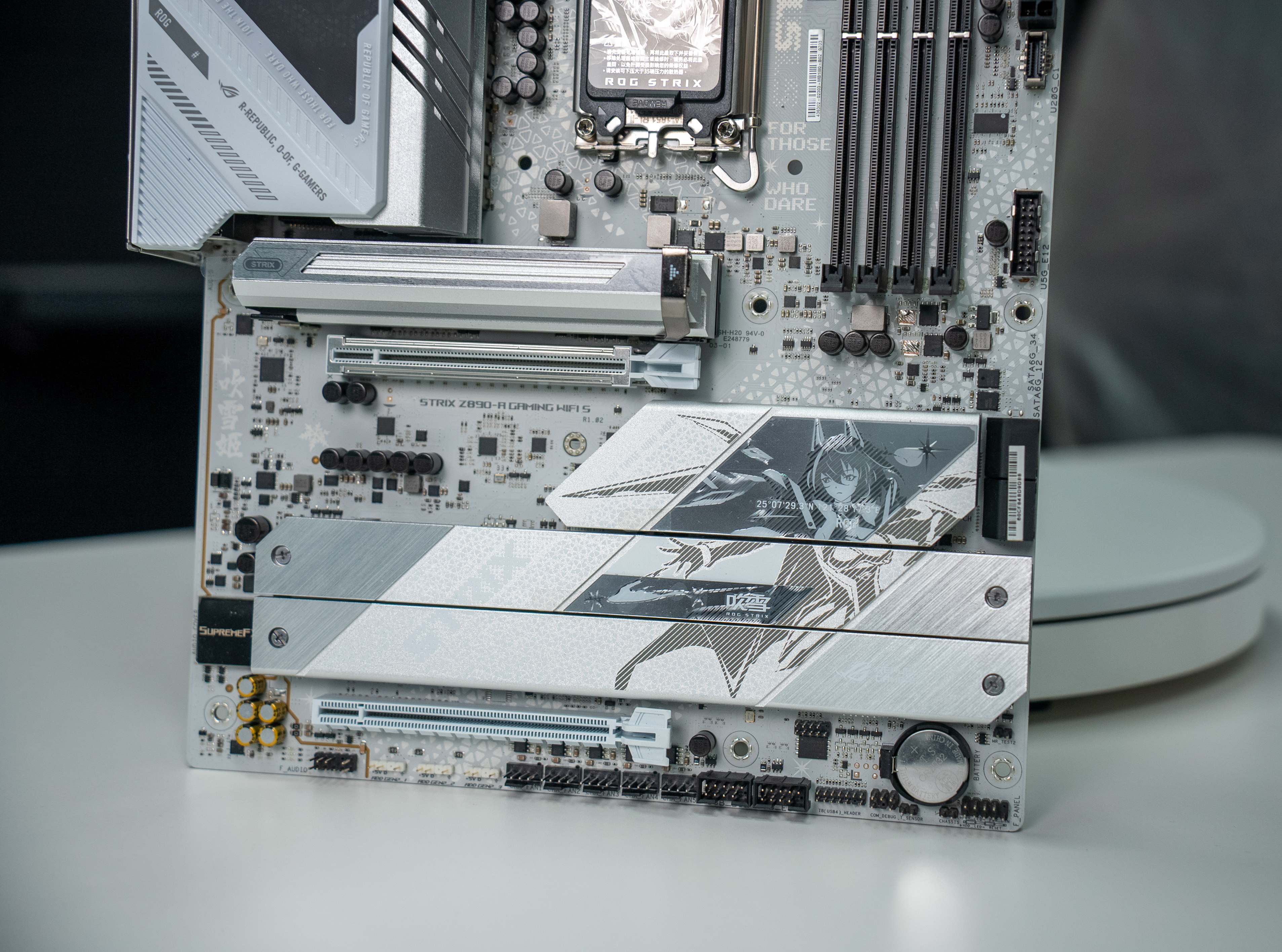
Image source: Lei Technology
Okay, next, let's take a look at the actual test results. First, it's the familiar 3DMark. Since this is a CPU performance comparison test, the test items are mainly focused on the ones that can best show the differences.
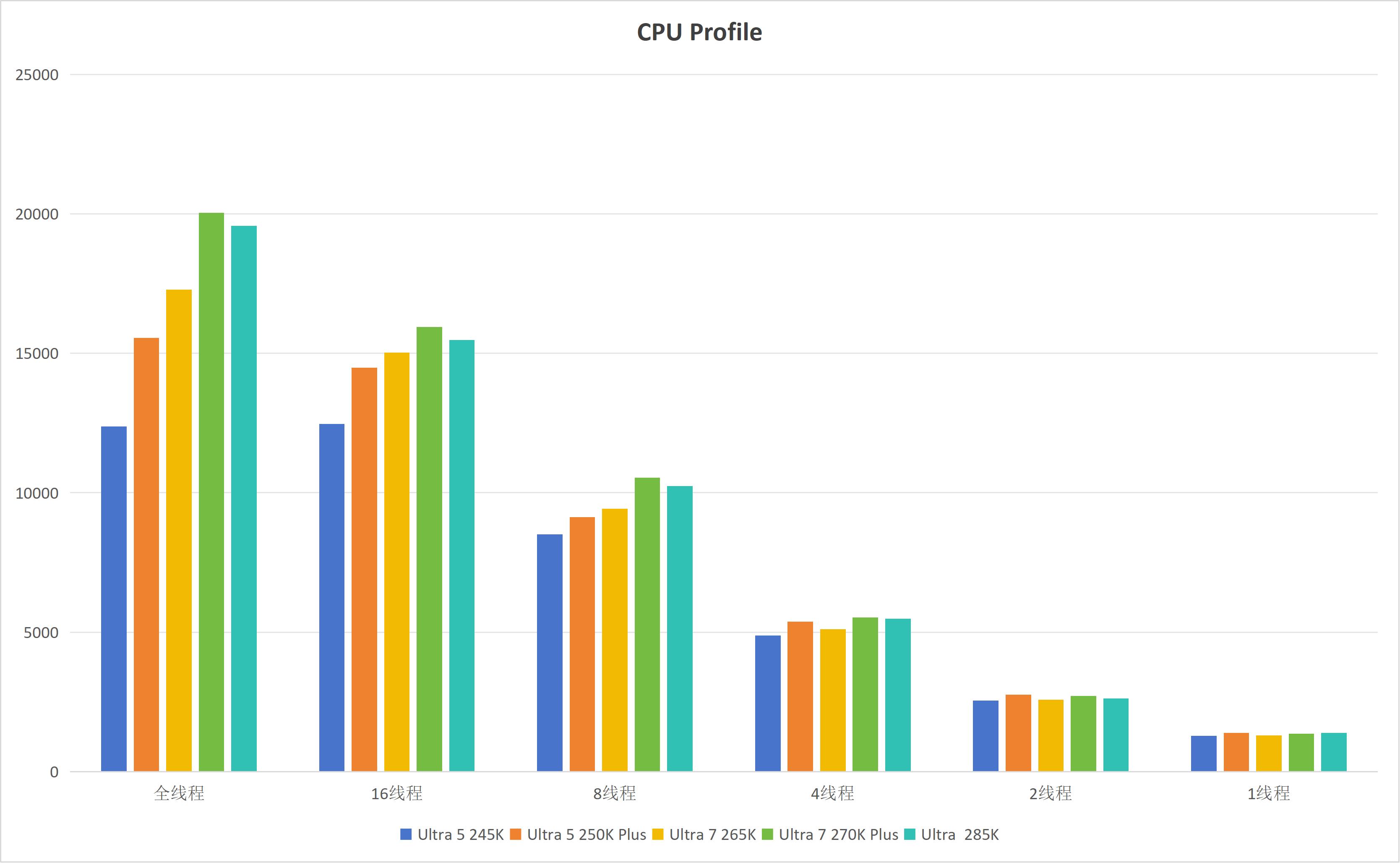
Image source: Lei Technology
In the CPU Profile test, the performance of the 250K Plus and 270K Plus really surprised me. I knew there would be an improvement, but I didn't expect it to be this significant. In the all - thread project, it can be seen that the 245K is undoubtedly at the bottom, while the 250K Plus of the Ultra 5 series has significantly narrowed the gap with the Ultra 7 265K on its basis.
However, since there is still a difference of two cores, the 250K Plus failed to surpass the 265K, and there is still a performance gap of more than 10% in multi - core performance between them. In the subsequent non - all - thread tests, the gap between them further narrowed. In the 16 - thread test, the gap between them has been reduced to about 5%.
However, what shocked me the most was the 270K Plus. From the parameters, its core count is comparable to the 285K but the main frequency is slightly lower, so it should not be able to beat the 285K in the test. However, from the actual test, the 270K Plus exceeded the 285K in almost all projects, only losing by a narrow margin in the final single - thread test.
What does it mean to fight above your level? At first, I thought it was because the Noctua 360 water cooler couldn't handle the 285K, resulting in a drop in the main frequency. But after checking the 3DMark test data later, the maximum temperature was only 73 degrees, which is obviously far from reaching the heat dissipation limit.
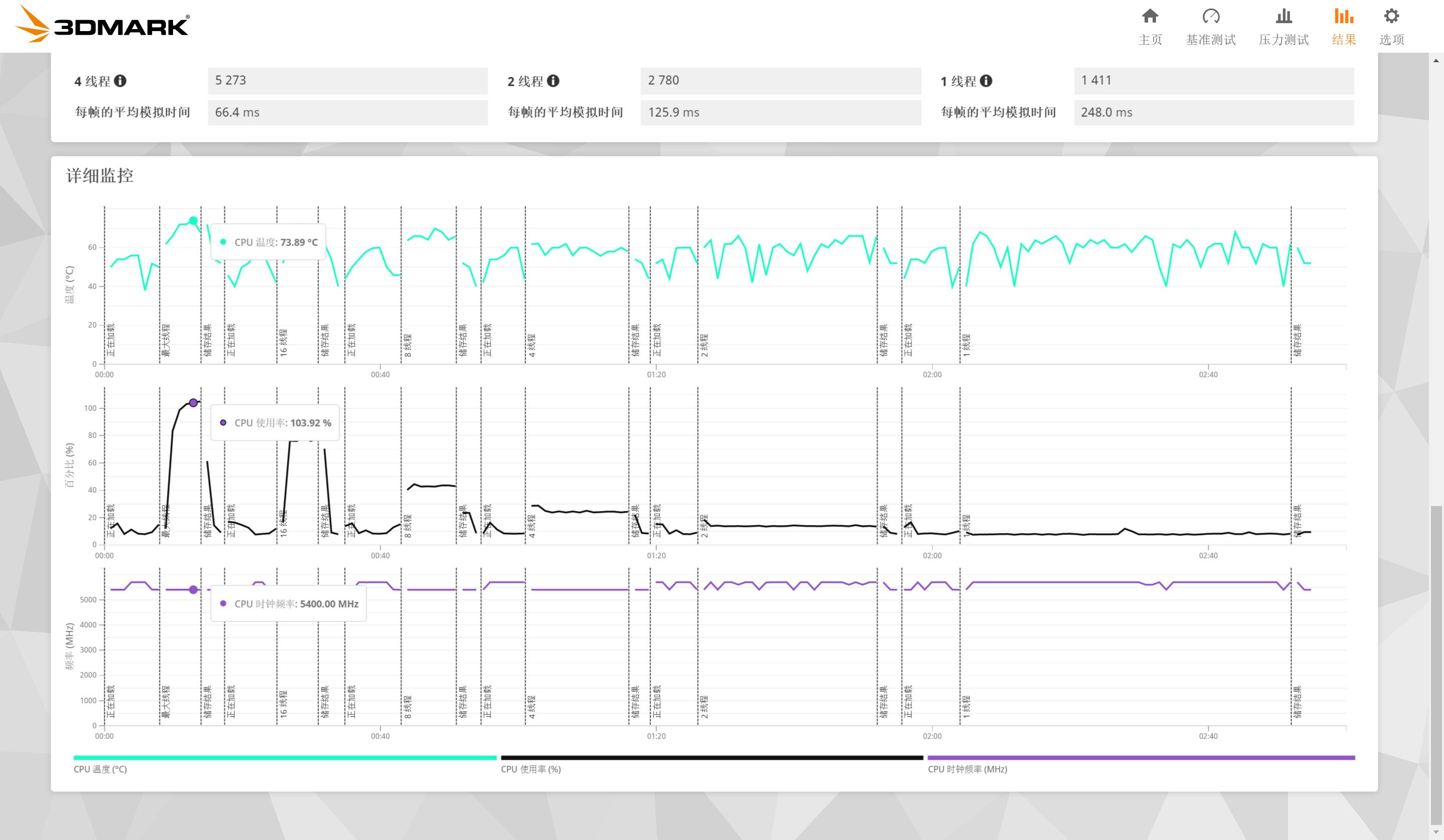
Image source: Lei Technology
Then I checked the temperature and main frequency parameters of the 270K Plus and found that its maximum temperature was even less than 70 degrees, only 69.94°C. At the same time, the temperature difference between the two was nearly 4 degrees. And at this time, the main frequencies of both were 5.4GHz. It was the temperature difference that led to a performance gap of about 5% in multi - core performance between them.
In fact, when I compared the test results from a year and a half ago, I found that the performance of the 285K had increased by more than 10% due to Intel's continuous optimization. Even so, it still had a certain gap when facing the fully optimized 270K Plus. Especially the heat dissipation advantage brought by the lower base frequency allows it to give full play to its strength without using a flagship water cooler (I specially checked, and the same Noctua water cooler only costs more than 500 yuan now).
To be honest, just looking at the CPU Profile test, the 270K Plus really deserves the title of "civilian god of war". It's not only cheap but also has lower requirements for heat dissipation. At this point, I'm a little worried about the inventory of the 285K. It might be really hard to sell if it's not sold at a huge discount.
However, let's take a look at the results of other tests before making a conclusion. So, let's look at Cinebench 2026. In the multi - core test of this software, the 270K Plus still slightly exceeded the 285K thanks to the optimized main frequency scheduling and better physical characteristics, with only a negligible gap in single - core performance.
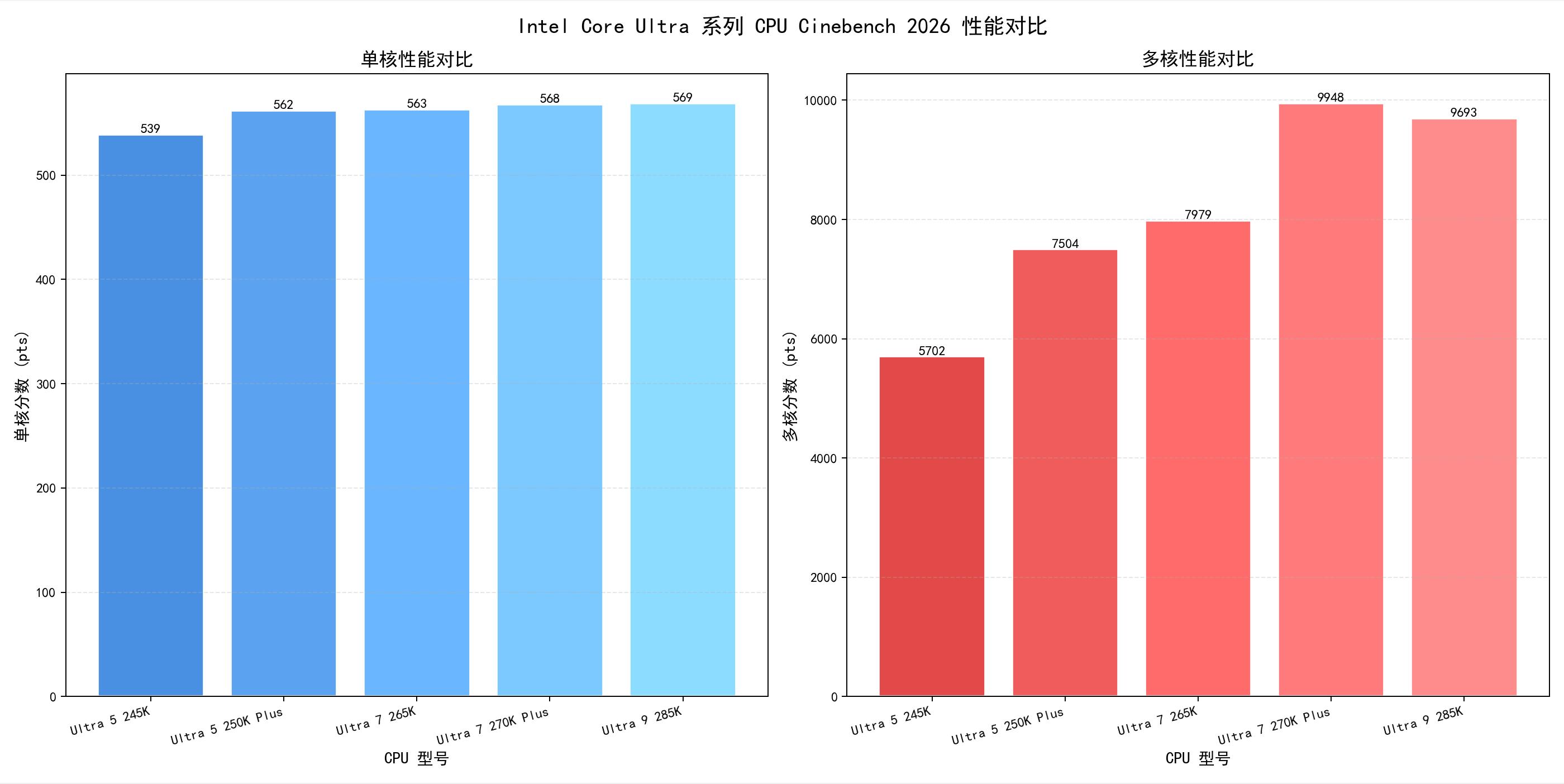
Image source: Lei Technology
However, the 270K is not the only one worth paying attention to. The performance of the 250K Plus is also quite impressive. The multi - core test result only differs from the 265K by 6%, and the single - core gap is almost negligible. The improvement compared with the 245K is even more obvious.
In the 4K rendering test of Blender, we selected the classic BMW file as the test benchmark. The results are as follows:
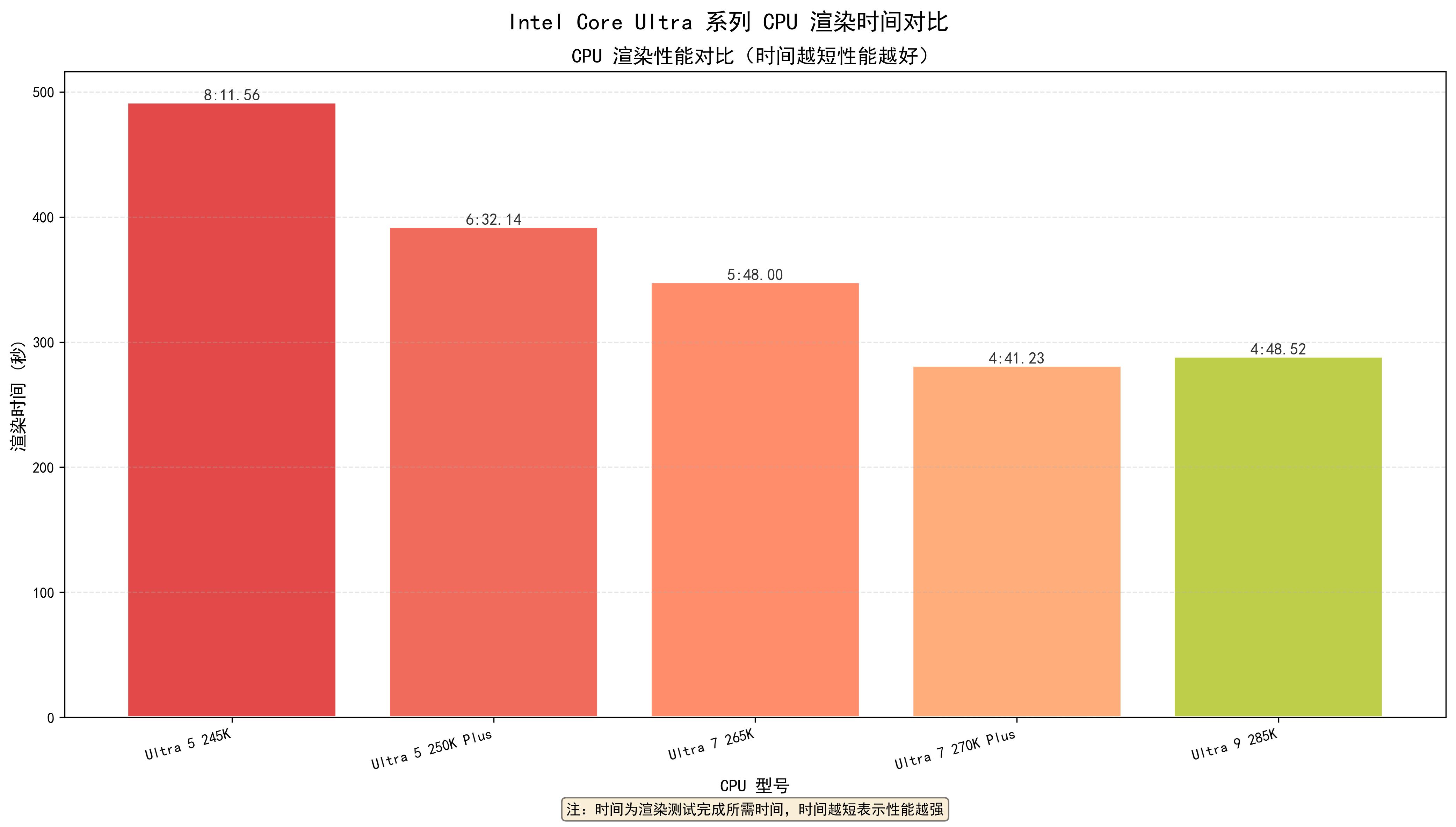
Image source: Lei Technology
It can be seen that in this