Why do your charging cables always "go on strike"? An investigation into the false appearance of Type-C "unification"
Have you ever had the following experiences: You bought a Type-C charging cable, and it works fine for your phone, but your family members' or friends' phones can't use it; when you use the Type-C cable that comes with the power bank to charge your phone, it shows super-fast charging, but only 30% of the battery is charged after 2 hours; there are also some Type-C cables that can charge your phone normally, but don't work at all when connected to a computer.
When encountering these situations, we often think it's because the phone model is incompatible or the power bank doesn't have enough power. However, the real problem may lie in the Type-C interfaces that seem identical but are actually very different.
In today's data cable market, the Type-C interface has become the absolute mainstream due to its advantages such as being thin and light, reversible, and supporting both charging and data transmission. Not only do almost all digital products such as phones, computers, tablets, headphones, and power banks come standard with Type-C interfaces, but the European Union has also introduced a bill requiring that starting from 2024, new models of many portable smart electronic devices such as phones, tablets, digital cameras, and headphones must use USB Type-C interfaces. Even Apple, which previously insisted on using the Lightning interface, has switched to the Type-C interface for its iPhone 15 series since September 2023.
However, beneath the seemingly "unified" appearance, the protocol standards followed inside Type-C interfaces vary widely and are even incompatible with each other.
Consumer complaints: Are the Type-C interfaces of well-known home furniture just for show?
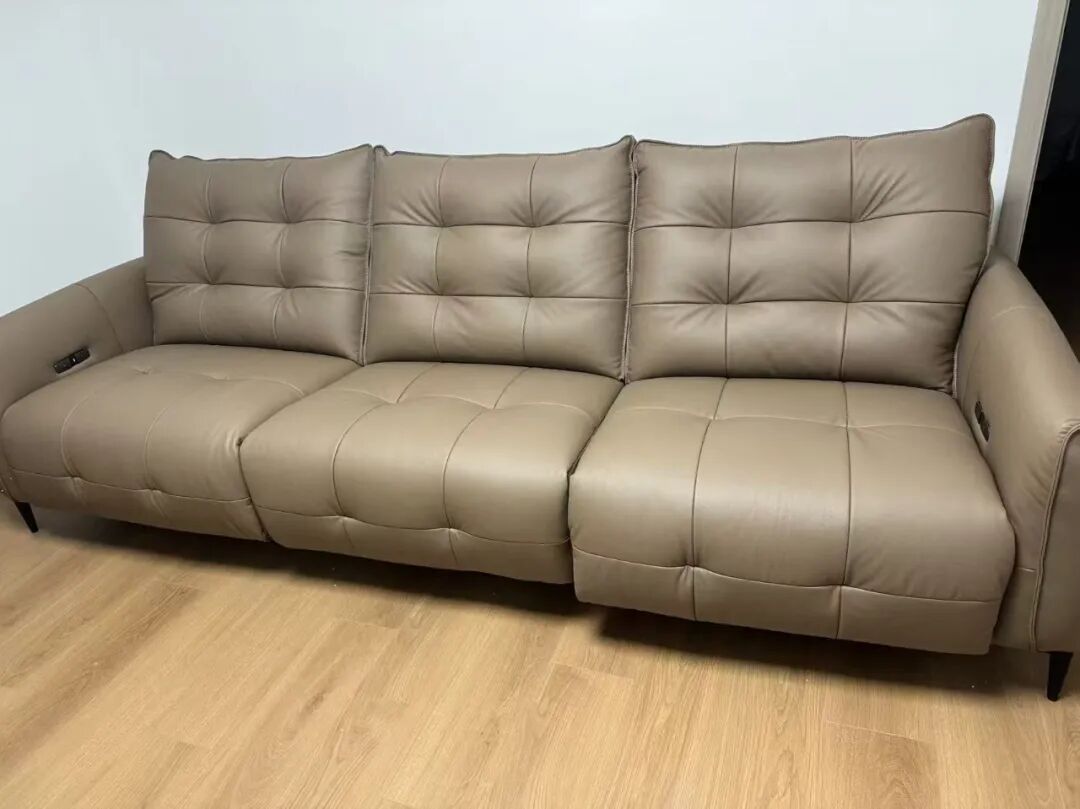
At the beginning of this year, Xu Yang (a pseudonym), a consumer in Shanghai, selected a set of electric functional sofas and an electric bed for his father at a KUKA home store in Jiading. He hoped to bring a more comfortable and convenient "smart home" experience to his family. However, as soon as the furniture was delivered home, a series of troubles followed.
Source: Interview subject
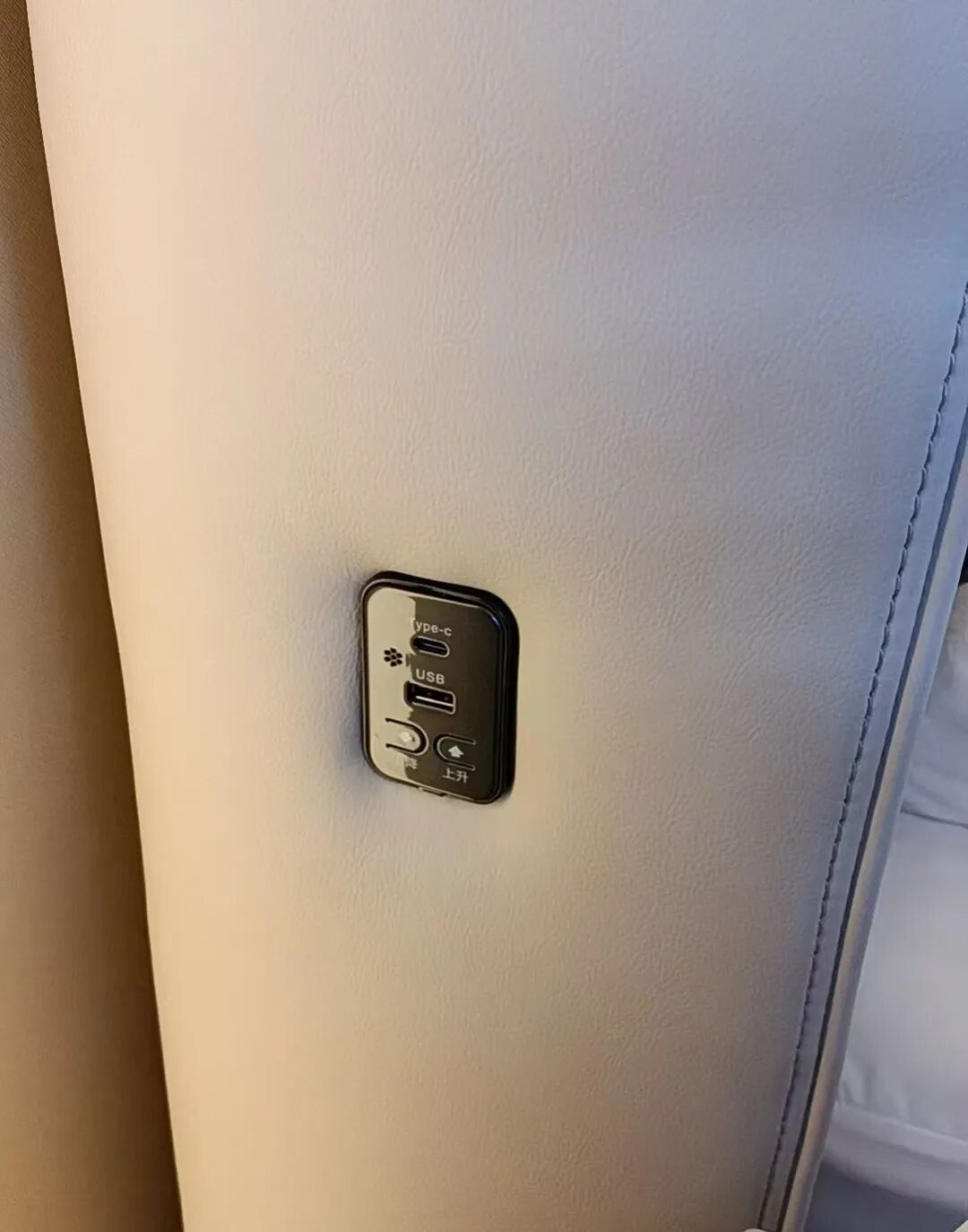
When he habitually picked up a phone charging cable that supports fast charging and plugged it into the Type-C interface on the armrest of the sofa, he found that his phone didn't respond at all. At first, Xu Yang thought it was just a poor connection. However, after repeatedly plugging and unplugging the cable and restarting the phone, the problem still persisted, and the interface couldn't work properly at all.
With doubts, Xu Yang consulted and verified with the KUKA dealer. The response he got after the dealer checked the order surprised him: The sofa he bought is equipped with an old Type-C interface from around 2017 or 2018. The underlying protocol is only the old USB 1.2 version (an improved version of USB 1.1, which was released in 1998), and it was added to the electric functional sofa later.
Source: Interview subject
"Now the mainstream interface protocols have already been upgraded to USB 3.0 and USB4," Xu Yang said helplessly to a reporter from IT Times. This means that although the sofa is equipped with a seemingly modern Type-C physical interface, the internal charging and transmission protocols are already outdated and can't be compatible with current devices at all.
A reporter from IT Times called the manager of the KUKA Anting Huisheng store as a consumer. The response was that the inability to charge through the Type-C interface of the electric sofa chair is due to the compatibility issue of the Type-C protocol. Currently, the Type-C interfaces equipped on this type of electric functional sofa are mostly of different protocol versions such as 1.0 and 1.2, and they are not unified.
The store manager suggested replacing several non-fast charging cables. At the same time, he said that the charging interface of the sofa is only an auxiliary function, and the brand doesn't provide charging cables. Moreover, it is not recommended to use this interface to charge electronic products.
Reporter's investigation: The "Schrödinger's" Type-C interface
Today's Type-C interface data cables have two main functions: charging and data transmission. Therefore, the protocols are divided into two categories: charging protocols and data transmission protocols.
Currently, there are many different charging protocols. A reporter from IT Times found on online shopping platforms that the charging protocols displayed by almost every store, including official stores, dealers, and digital accessory stores, are different. Apple has the early 2.4A fast charging protocol and the current USB PD protocol; the Android camp covers a variety of protocols such as Qualcomm QC, OPPO VOOC Flash Charge, Huawei SCP/FCP, and vivo FlashCharge. Even different models of the same brand may support different protocols.
The most common one is the PD (Power Delivery) protocol launched by the USB-IF Association. It allows the charger and the device to quickly negotiate and match the corresponding voltage and current. It is the main protocol for mainstream devices such as laptops and iPads, and thus has become the so-called "universal cable" in the mouths of many accessory stores.
In addition, in order to pursue the ultimate fast charging speed, domestic mobile phone manufacturers have created their own exclusive private charging protocols, such as OPPO's VOOC, Xiaomi's HyperCharge, and Huawei's SCP.
Although a Xiaomi cable can also charge a vivo phone during use, the difference lies in the charging rate. Currently, the phenomenon of "private protocol fragmentation" is common in the mobile phone market. Take the Xiaomi 15 Pro as an example. Its 90W fast charging can only achieve full power output when paired with the original charger. When using third-party devices, most can only activate about 26W of PD protocol fast charging; the charging compatibility test of the Redmi Note 11 Pro+ also shows that when using the original 100W charger of Xiaomi with the original cables of other brands, it can only achieve a charging power of more than 20W, far lower than the fast charging effect of the original cable.
If consumers want to experience the advertised "120W fast charging" or "charge for five minutes and talk for two hours", sorry, please first equip the official Type-C charging cable and charging head of the manufacturer. For example, the official cable of Xiaomi is sold for 29 yuan. In this way, the manufacturer can get an additional income from accessories.
The QC series, such as QC3, QC4, and QC4+, are Qualcomm's charging protocols. Initially, they were mainly compatible with devices equipped with Qualcomm Snapdragon processors and provided independent fast charging services. They are also one of the earlier fast charging protocols in the charging field.
Now, as the market influence of the PD protocol continues to expand, more and more device manufacturers are starting to adopt this protocol. QC has also compromised to the PD "school" and started to be compatible with USB-C and USB PD.
If the problem with charging protocols is about "fast or slow charging", then the problem with data transmission protocols is about "functional differences". Although the hardware standards of Type-C interfaces have been unified, the USB-IF Association has not made mandatory requirements for data transmission protocols, which makes the Type-C interfaces of different devices have very different functions in data transmission and video output.
For example, although some mobile phones use Type-C interfaces, they actually only support USB 2.0. The data transmission speed of models such as the Xiaomi 8 and Xiaomi 9 is very slow, and they can't achieve more functions through a docking station; the differences between different versions of the iPhone 15 series are also very obvious. The standard version only supports the USB 2.0 level of 480Mbps, while the Pro version can reach the USB 3.2 Gen2x2 standard of 20Gbps and may even support Thunderbolt 3 technology with a rate of 40Gbps, achieving a maximum transmission rate of 40Gbps.
According to media tests, taking Apple as an example, the Type-C interface of the M4 MacBook supports USB 4 and Thunderbolt 4; the iPhone 16 Pro supports USB 3; while the iPhone 16e only supports USB 2.0. Although the difference between USB 2.0 and USB 4 seems to be just a difference in version numbers, the transmission rate drops sharply from 40Gbps to 480Mbps.
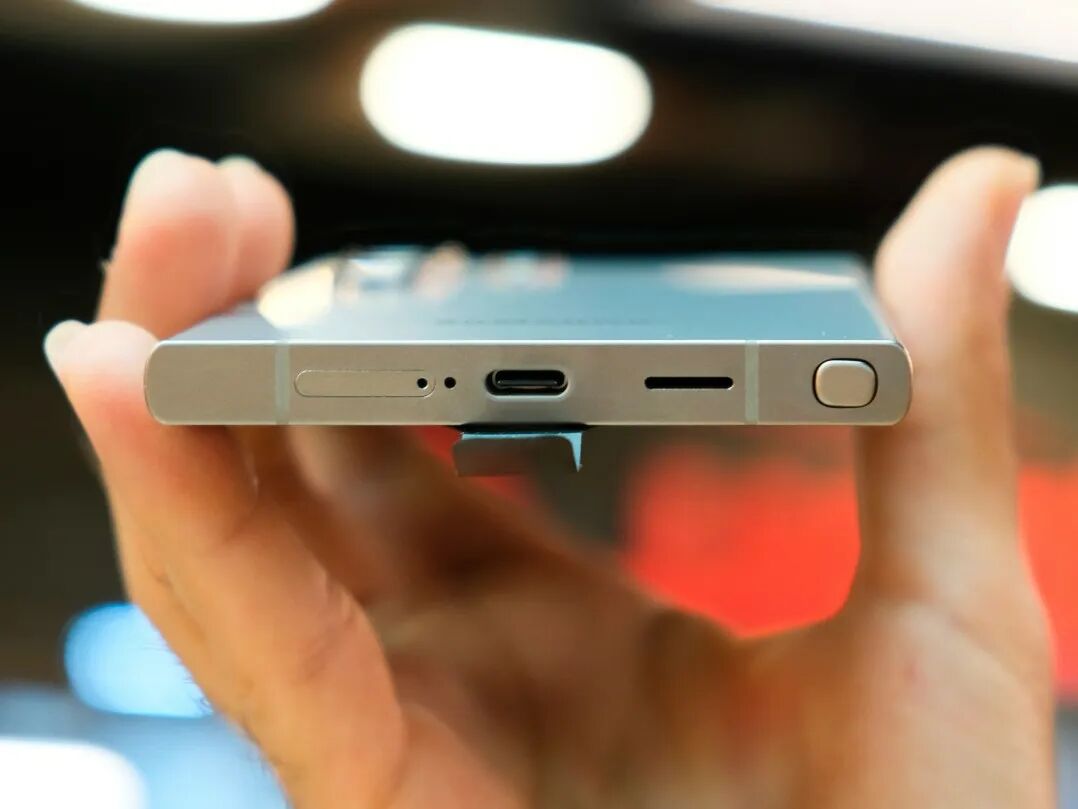
These different protocols make the unified Type-C interface a "Schrödinger's interface". Users can't know its real performance without actually connecting it.
Source: unsplash
It's easy to unify computers and phones, but there are still challenges for smart home devices
The various Type-C protocols not only lead to a decline in the user experience but also hide many safety hazards. In 2023, the China Consumers Association conducted a comparative test on 46 charging data cables on the market that claim to support fast charging. The test standards used were in line with international mainstream specifications.
The results showed that in the tests covering electrical safety and hardware reliability, nearly half of the samples had poor flame retardancy. Products with braided wire sheaths were more likely to reduce flame retardancy, and they were prone to cause fire hazards once they came into contact with an open flame; 26% of the samples had unsatisfactory voltage drop test results. The maximum voltage drop of a data cable of the nominal brand "Ankeyou/Tailafeng" with a price of only 2.14 yuan was as high as 2310 millivolts. Only 14 samples performed well overall.
Facing the increasingly serious problem of interface chaos, global regulatory agencies and industry giants have begun to take action. In terms of data transmission, in May 2025, Microsoft announced that it would modify the WHCP certification rules in future Windows 11 system updates. In the future, if laptops and tablets want to pass the Windows 11 certification, all their USB-C interfaces must be mandatory to support the three major functions of power supply, data transmission, and display output.
A senior product manager at Microsoft revealed that the reason for making this decision is that Windows diagnostic data shows that 27% of PCs equipped with USB4 encounter problems with limited functions. According to Microsoft's official documentation, the main causes of this problem include: users connecting USB4 devices or docking stations to computer ports that don't support USB4; using cables that don't support USB4; connecting USB4 devices or docking stations to docking stations that don't support USB4. This means that Microsoft is trying to use its ecological dominance to forcibly end the survival space of USB-C on Windows devices.
In terms of charging, the European Union's Universal Charger Directive has entered the implementation stage, requiring all portable electronic devices sold in the EU to use USB-C interfaces and be mandatory to be compatible with the USB PD fast charging protocol. The deadline is April 28, 2026, and laptops must also complete compliance certification by then.
Against the background of the global promotion of the PD protocol, the high-power private fast charging technologies accumulated by Chinese brands over the years are not willing to "give in easily".
In November 2025, led by the China Academy of Information and Communications Technology, enterprises such as Huawei, OPPO, vivo, and Xiaomi jointly established the Terminal Fast Charging Industry Association (FCA) to promote the implementation of the UFCS (Unified Fast Charging Standard).
As early as the fourth quarter of 2024, relevant devices of OPPO and vivo had already achieved 44W UFCS cross-brand fast charging interoperability. Honor also plans to provide users with a higher-power cross-brand charging experience through this version. In May 2025, the UFCS 2.0 standard was officially released, with the ability of 40W+ cross-brand fast charging interoperability. Currently, the UFCS charging power generally supported in the industry has reached the 44W level.
However, can these measures cover smart products such as electric sofas, which are non-typical consumer electronics?
Source: unsplash
The answer is not optimistic. Whether it's Microsoft's WHCP certification, the EU's directive, or China's UFCS standard, their scope of application is mainly limited to the consumer electronics field such as smartphones, tablets, and laptops. For smart home products that are rapidly becoming intelligent, such as electric sofas, smart beds, and electric curtains, these standards currently don't have mandatory binding force.
However, the "Technical Requirements for Data Model and Control Interface of Mobile Internet + Smart Home System" jointly drafted by the China Academy of Information and Communications Technology, Huawei, Xiaomi, Haier, and other enterprises stipulates the data model modeling method of smart home application nodes and the control interface technical requirements between control nodes and application nodes. This may gradually fill the standard gap of smart home interfaces.
This article is from the WeChat public account "IT Times" (ID: vittimes). Author: Shen Yibin. Republished by 36Kr with permission.