Autonomous driving is just around the corner. Why still build "driver's cars"?
This week, there were two press conferences that were quite impressive.
First, it was the pre - sale of the ZEEKR 8X. After two hours of online viewing, my biggest feeling was, on the one hand, definitely being happy for this new - force car - making company.
After continuous trial and error, ZEEKR has finally found a way to break into the high - end market. From last year's 9X to the current 8X, they all have strong potential to become best - sellers.
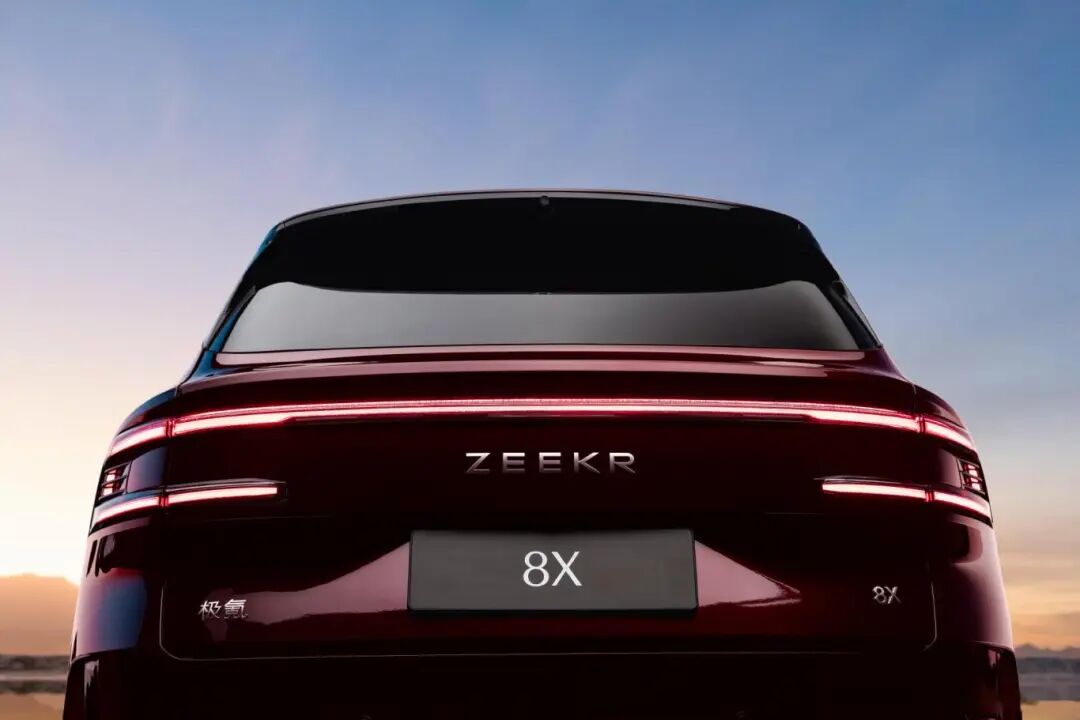
On the other hand, I'm also very glad that ZEEKR has found a good ecological niche for the 8X - the "New King of the Road". Undoubtedly, the core message that ZEEKR wants to convey is that the 8X is a so - called "driver's car".
Second, it was the launch of the new Xiaomi SU7.
From the pre - launch posters, the words "New Generation Driver's Car" were placed in the most prominent position. And during the entire press conference, Lei Jun, who stood in the center of the stage, focused most of the content on the dynamic upgrades of this pure - electric coupe that almost dethroned the Tesla Model 3 single - handedly.
More stable, more reliable, more fun to drive, more interesting, and more dynamic have become the labels firmly attached to the new Xiaomi SU7.
As for the common point of the two press conferences, they both talked a lot about handling and performance.
But recently, I've also heard such an extreme view: "It's 2026, and autonomous driving is almost here. Does it really make sense to build driver's cars? In the future, most new cars will be for sitting rather than driving, and some may not even have a steering wheel."
I wonder what you think of this so - called "extreme statement"? Anyway, personally, I'm very sure that it makes no sense at all.
No matter what, "driver's cars" will never disappear.
01
There are always consumers willing to pay
In fact, after more than a hundred years of development and precipitation in the automotive industry, handling and performance have always been the key factors in judging the quality of a product.
Even in the era of electrification, horsepower has become relatively inexpensive. But if you really understand cars, you'll find that there is still a huge gap in tuning between experienced veterans and newbies.
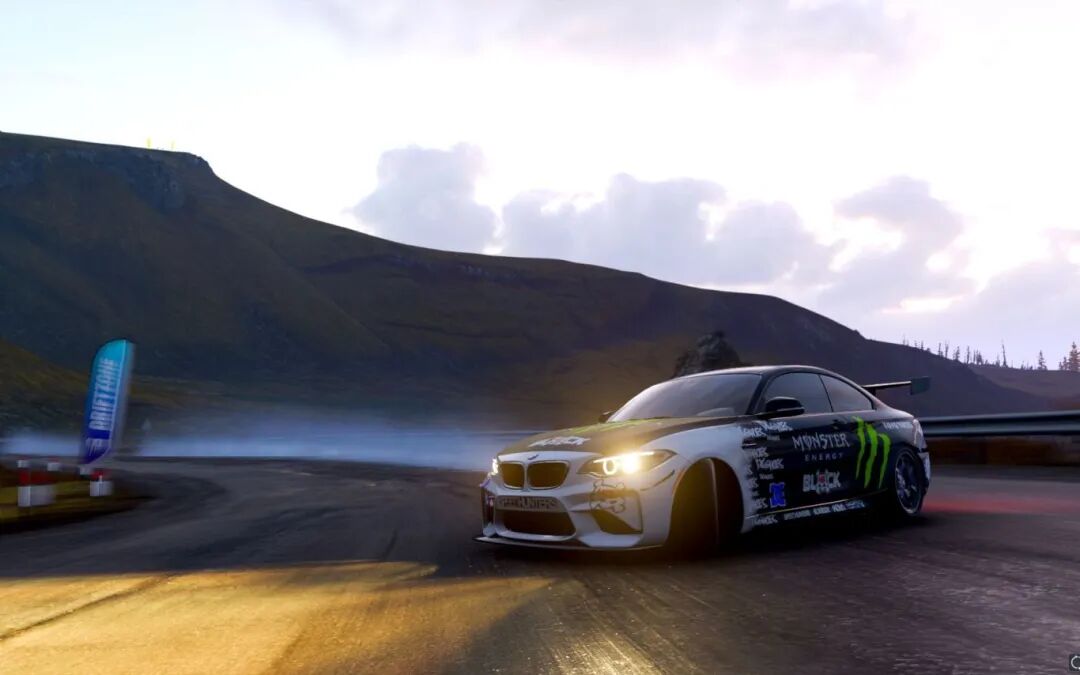
Judging from the current market trend, more and more automakers, especially domestic brands, are starting to invest a huge amount of manpower, material resources, and financial resources to try to make up for this gap and even turn it into their own strength.
For example, a typical representative is Xiaomi. Whether it's the first - generation SU7 or the subsequent YU7, the first impression these two products leave on the outside world is that they are "driver's cars". Even the SU7 Ultra version's conquest of the Nürburgring was aimed at strengthening this label.
Although in the process, due to various reasons and oversights, Xiaomi paid a relatively high price, but in terms of the phased results, there are indeed many consumers willing to pay for it.
With the new SU7, you'll find that Xiaomi is becoming more and more proficient in explaining what a "driver's car" is.
In contrast, when ZEEKR launched its flagship six - seat SUV, the 9X, last year, it emphasized more than once that in addition to being a flagship six - seat SUV, it was also a "driver's car".
In terms of marketing, it also spent a lot of effort and resources to strengthen its product attributes, hoping to differentiate its brand image from many competitors.
With the 8X, a similar operation was undoubtedly repeated skillfully.
The setting of the "New King of the Road" allows it to avoid the brutal internal competition among domestic brands and instead smartly target joint - venture competitors like the BMW X5 and Porsche Cayenne.
While other competitors are still frantically competing in "refrigerators, color TVs, and big sofas" and making "dad cars" and putting intelligent driving in the most important position of the press conference, ZEEKR has clearly found a more suitable path for itself.
It's particularly gratifying that, judging from the small - order situation officially disclosed so far, potential customers of "driver's cars" are quite receptive.
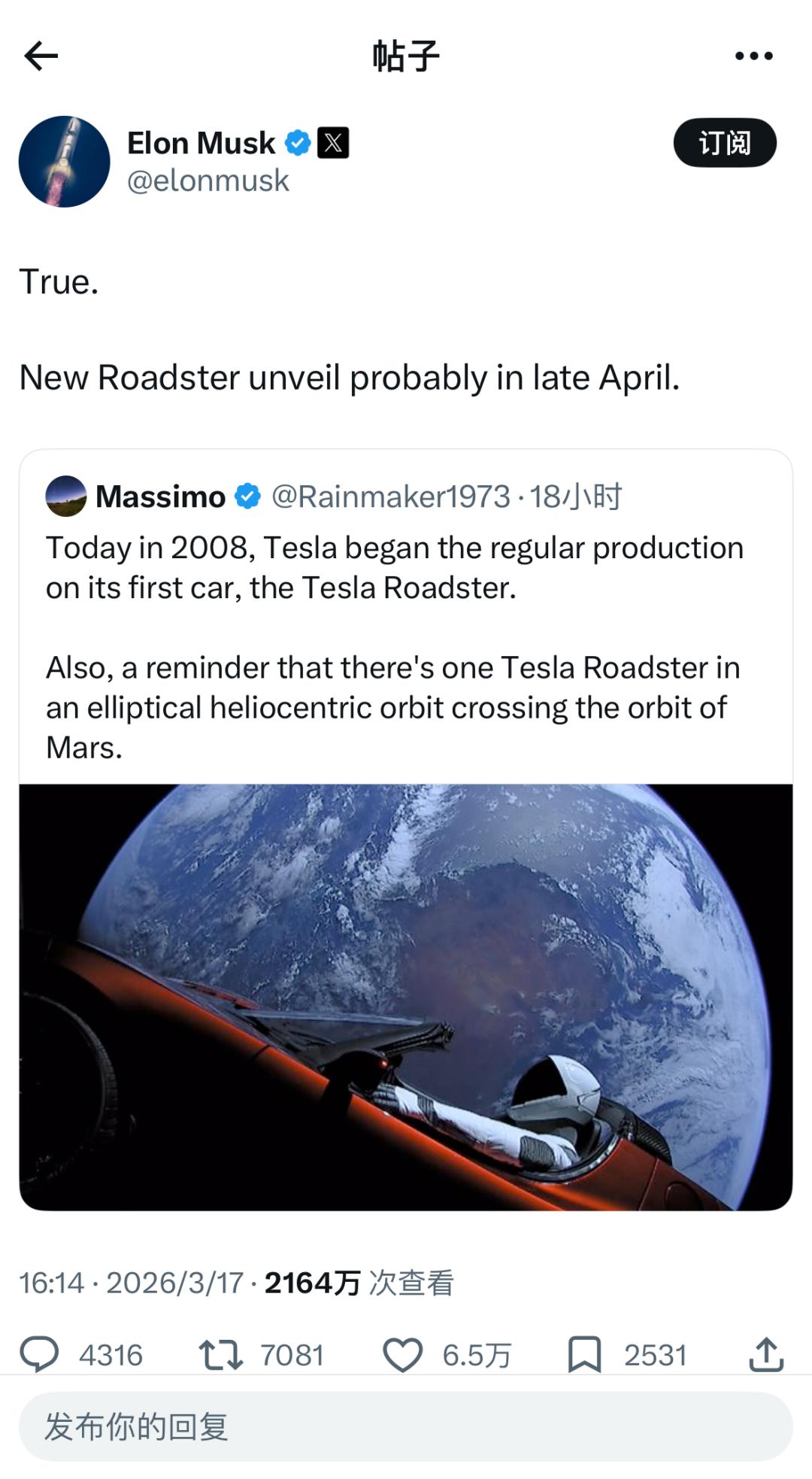
Coincidentally, just this week, Elon Musk, a firm promoter of the popularization of autonomous driving, posted on his personal social platform, "The new Roadster may be released in late April."
If we follow the logic of the earlier - mentioned doubt, with such a powerful FSD, Tesla should not waste time, effort, and money on building an electric super - car. But the fact is that even after rounds of delays, this American new - energy automaker still decides to build this "driver's car".
By the way, trying to understand Musk's business strategy, perhaps in his eyes, the popularization of autonomous driving will mainly revolutionize the mainstream mass market.
In contrast, the ultra - luxury segment, which can provide substantial profits and premiums, will always require the support of performance, handling, and horsepower. That's exactly why the new Roadster came into being.
At a press conference last year, when the president of Honda was asked how he viewed the current industry trend, he also expressed his firm belief: "Even if autonomous driving becomes a reality, vehicles that offer driving pleasure will not disappear."
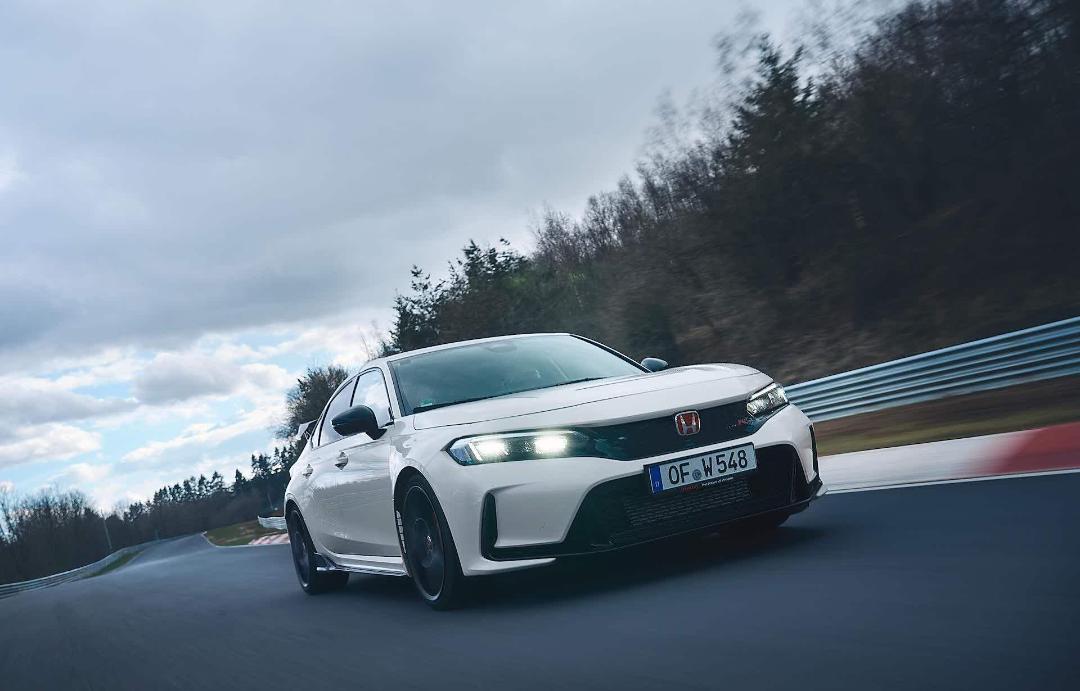
In just thirty words, it echoes the deepest theme of this section. No matter when and how, there will always be consumers willing to pay for "driver's cars".
Just as some people still like to cook by themselves even though takeout is very convenient, and some people still like to ride motorcycles even though high - speed trains are very fast. Autonomous driving is for saving time, while driver's cars are like toys, hobbies, and a source of emotional value, which are for spending time.
This also explains why Li Auto, the pioneer of "dad cars", officially announced that the new L9 Livis version will be equipped with an active suspension, steer - by - wire, and rear - wheel steering.
This new - force car - making company clearly knows that in the highly competitive Chinese auto market, if it wants to regain the leading position in range - extended products, in addition to maximizing comfort features, it also needs to establish a real "moat" in terms of dynamics.
In the past, being just okay might have been enough; now, it has to strive for excellence.
02
Good handling and good intelligent driving are not in conflict
To be rational and objective, I really don't understand the mentality of those who put forward the "cars are for sitting, not driving" extreme statement. Maybe they just want to gain traffic, create confrontation, and blindly take sides.
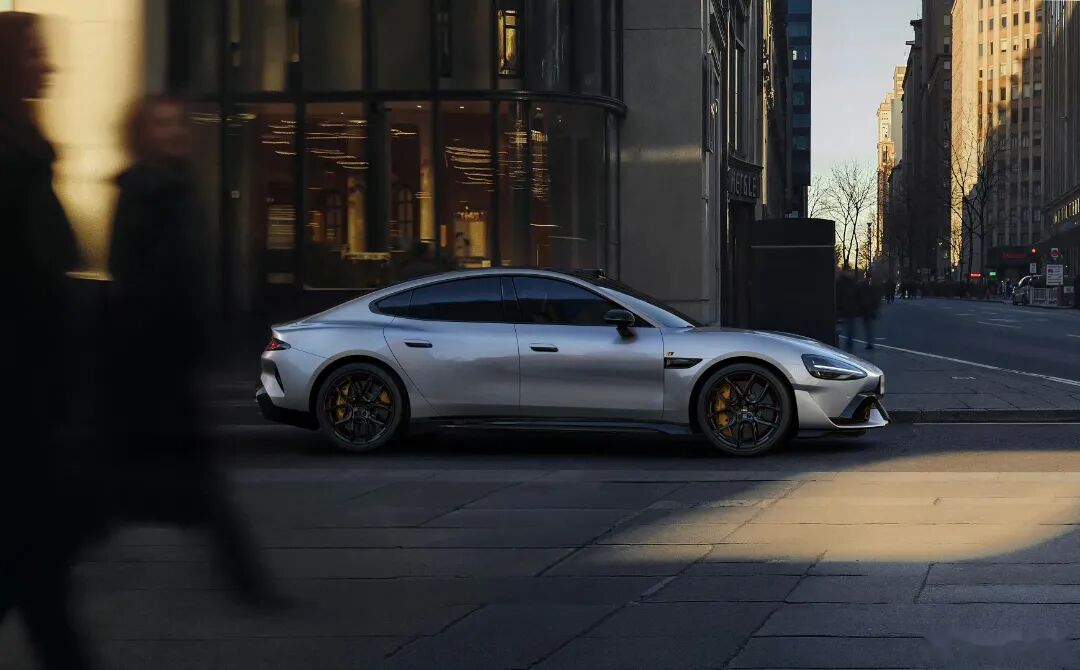
Because, in essence, good handling and good intelligent driving are not in conflict. In other words, even if the era of autonomous driving really arrives, driver's cars will still have their place.
Taking Tesla as an example again, if you've driven a Model 3 for a long time, especially the top - of - the - line performance version, you'll definitely give a big thumbs - up to its chassis and suspension performance. It can be regarded as a real "driver's car" in the new - energy era.
But when you don't want to hold the steering wheel and want to enjoy the thrill of adrenaline, you can start the FSD with one click. Under supervision, the car can take you to the destination on its own.
It's still the same principle: "As we stride into the era of intelligent electric vehicles, good handling and good intelligent driving are not an either - or choice; we need both."
Last year, I participated in a test drive of the NIO ET9. As a domestic brand that was the first to be equipped with an active suspension and steer - by - wire, this D - class executive sedan can also be regarded as a proper "driver's car".
During the communication with its product manager, a sharing was quite impressive: "Intelligent electric vehicles need to have better driving and riding experiences than traditional fuel - powered cars. Because they not only need to meet various needs during manual driving but also make all passengers feel comfortable and unaware when intelligent driving is activated."
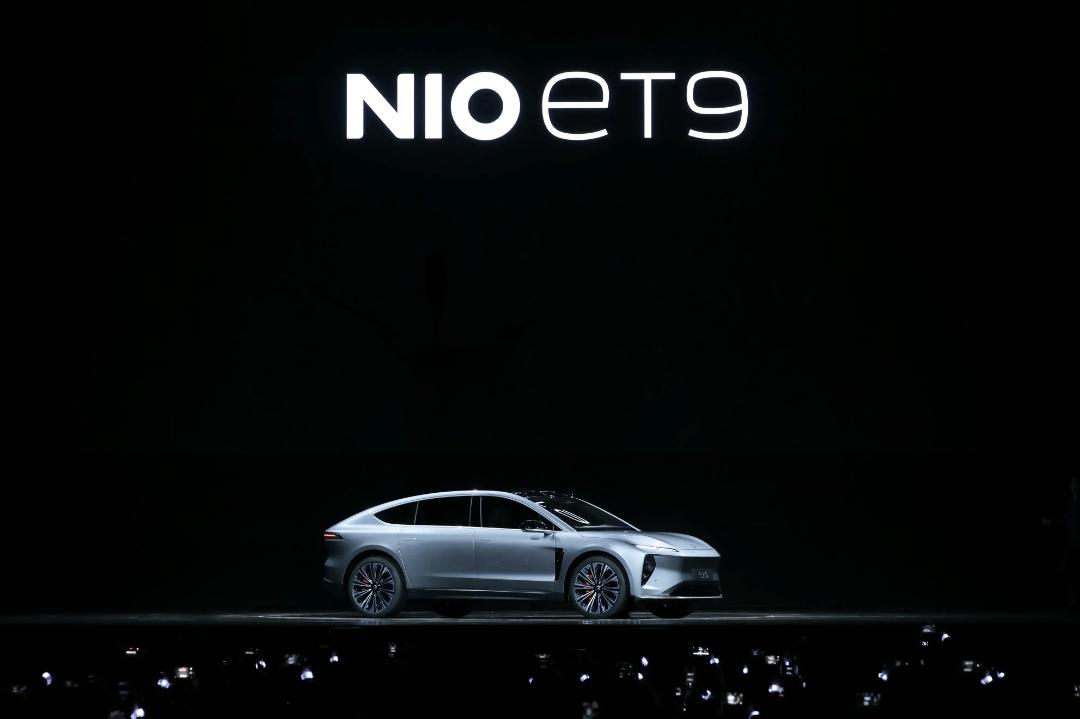
In other words, the working conditions are becoming more and more complex. For new - energy brands with real ambitions, building a "driver's car" is not an option but a necessity.
Of course, in the field of intelligence, we can't be careless either.
Let's turn our attention back to the ZEEKR 8X press conference. In addition to talking a lot about the strength of the "New King of the Road", this plug - in hybrid five - seat SUV will also be the first to be equipped with the world's first super intelligent system "Eva + G - ASD 4.0" that integrates the intelligent cockpit, intelligent assisted driving, and digital ecosystem.
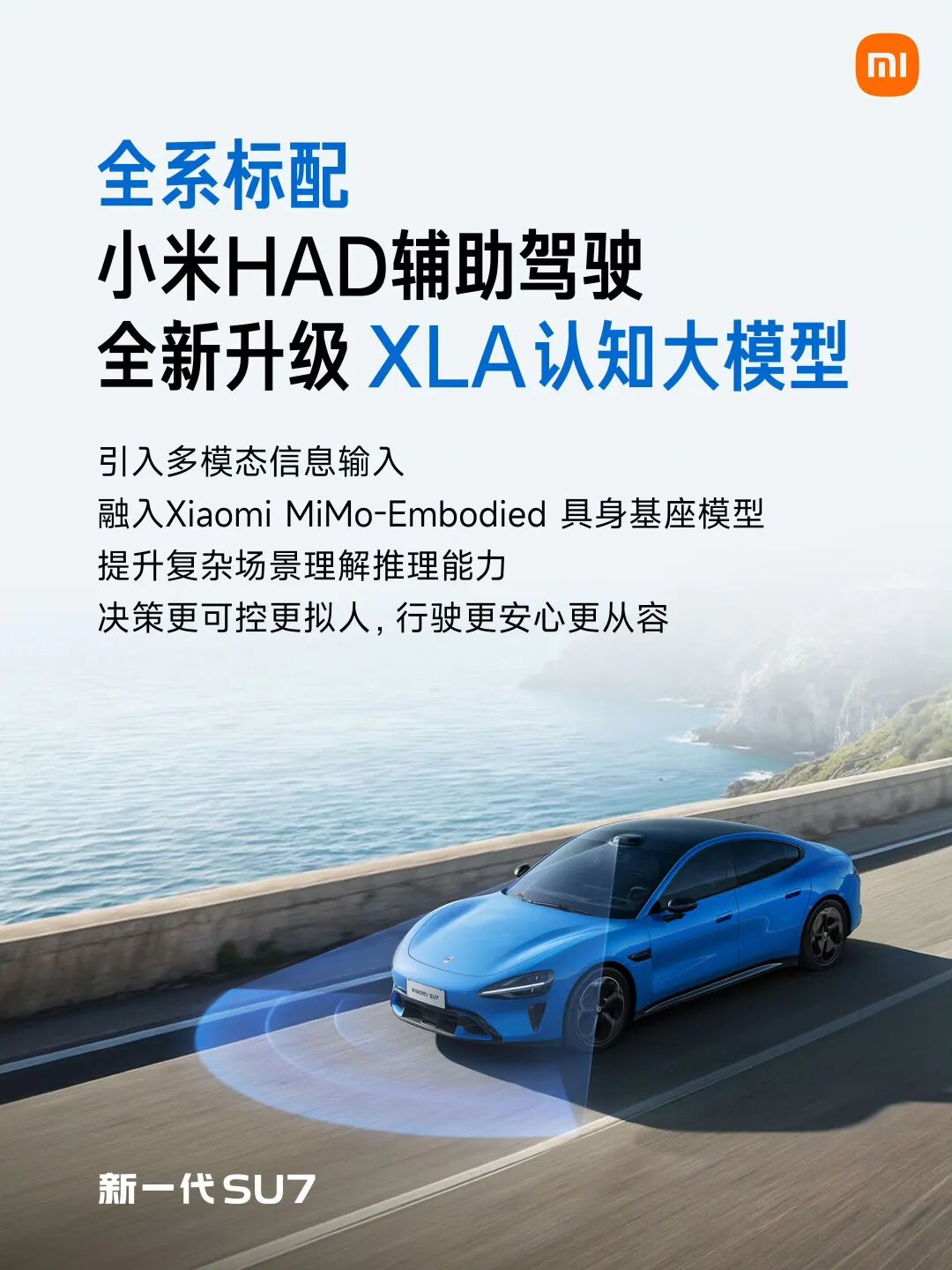
At the new Xiaomi SU7 press conference, Lei Jun also officially announced that the Xiaomi HAD assisted driving system has been upgraded to the new XLA cognitive large model, and this pure - electric coupe will be equipped with it upon delivery.
This also marks that the Xiaomi HAD assisted driving system has for the first time integrated the two tasks of "assisted driving" and "embodied robots", introduced multi - modal input, and incorporated Xiaomi's self - developed MiMo - Embodied embodied base model, which can better learn and understand complex scenarios.
The way these two new - force car - making companies focus on "driver's cars" on one hand and continuously iterate their intelligent driving technology on the other, striving towards the era of autonomous driving, is the best epitome of the mainstream practices of the top - tier players in the current industry.
That's why I'm even more convinced that "cars are for both sitting and driving" is the unwavering future.
Every participant in this industry, especially domestic brands that are making great strides forward, must respect the century - old development law of the automotive industry and thoroughly understand handling and performance.
Moreover, Chinese consumers are also constantly improving and becoming more knowledgeable about cars. Their standards for this aspect will also increase. As their understanding improves, they won't simply and crudely pursue fast 0 - 100km/h acceleration and only like brute - force performance.
Anyway, I always believe that no matter how powerful autonomous driving is, in essence, it's the car taking you around; the meaning of a driver's car is that you take the car around. Steering feel, throttle response, chassis feedback... These are the interactions between humans and machinery, which can never be replaced by cold lines of code.
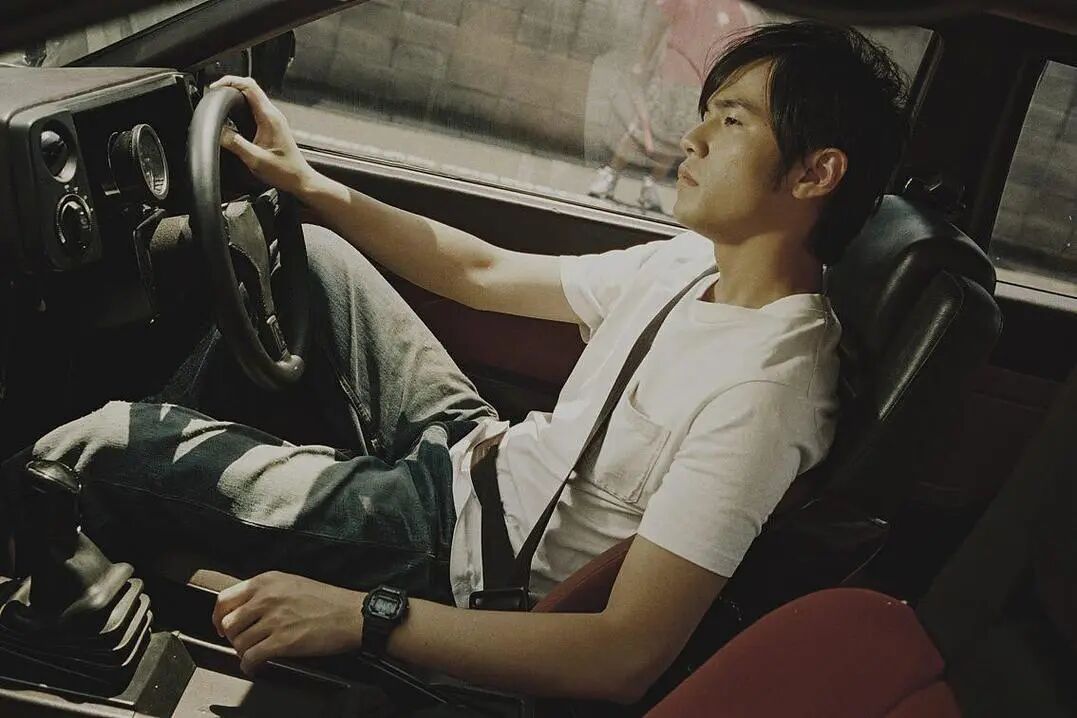
Maybe in the far - off future, products equipped with autonomous driving will account for 90% of the market share; but "driver's cars" will still exist and firmly occupy the remaining 10%.
Just as horses and carriages were eventually replaced by cars, horse racing and equestrian sports are still top - level sports.
I've always believed that even though the arrival of the autonomous driving era is certain, people's need for a sense of control will never disappear. Moreover, one solves efficiency problems, and the other creates happiness, which is logically not in conflict.
Currently, refining the handling and performance of products is an important task for every automaker.
Because, considering the current situation in the Chinese auto market, the competition will inevitably return to its most basic form. Don't forget, "driving" is the soul of a car.
Only with a solid foundation can we build a skyscraper.
This article is from the WeChat official account "Automotive Commune" (ID: iAUTO2010), author: Cui Liwen, editor: He Zengrong, published by 36Kr with authorization.