None of these are real solid-state batteries. Don't be deceived when buying a car in the future.
Countdown to the finalization of the national standard for solid-state batteries! It's time to end the farce of hyping "pseudo-solid-state batteries."
Currently, the domestic new energy vehicle market has long bid farewell to the blue-ocean stage of wild growth and entered the red ocean of fierce competition.
Since the penetration rate of new energy vehicles exceeded 40%, the competition among car companies has become increasingly brutal. Every product selling point may become a crucial bargaining chip for seizing the market. From the initial involution in styling design, to the close combat in intelligent configuration, and then to the numerical competition in cruising range, the tricks of industry competition have been constantly extended, and consumers' choices have also been continuously increased.
Therefore, in order to stand out in the homogeneous competition, car companies have racked their brains to dig out new publicity highlights. From the paint color, interior materials to the in-vehicle system and assisted driving, almost all the details that can be optimized have been repeatedly polished and overpublicized.
Among many product selling points, cruising range and safety have always been the core considerations for consumers when buying a car, and also the top priority of car companies' competition. Especially as the technical bottleneck of liquid lithium-ion batteries gradually appears, the improvement of energy density has slowed down, and the safety hazards under extreme working conditions are difficult to eradicate. The industry urgently needs a new technological breakthrough to break the deadlock.
Until last year, solid-state batteries became the focus of the industry and also the "traffic code" for many car companies. Whether it is traditional car companies or new force brands, almost all mentioned solid-state batteries in various press conferences and publicity materials, often claiming to "be equipped with all-solid-state batteries" or "achieve mass production of solid-state batteries." It seems that overnight, solid-state batteries have moved from the laboratory to mass-produced vehicles.
However, people with discerning eyes know that behind this "national solid-state" trend, it is mostly the publicity and hype of car companies. In fact, the all-solid-state batteries in the current industry are still in the stage of R & D and attack, and there is still a long way to go before large-scale mass production. Most of the products promoted by car companies as "solid-state batteries" in the market are essentially transitional semi-solid-state batteries.
However, this phenomenon of false hype will change in 2026.
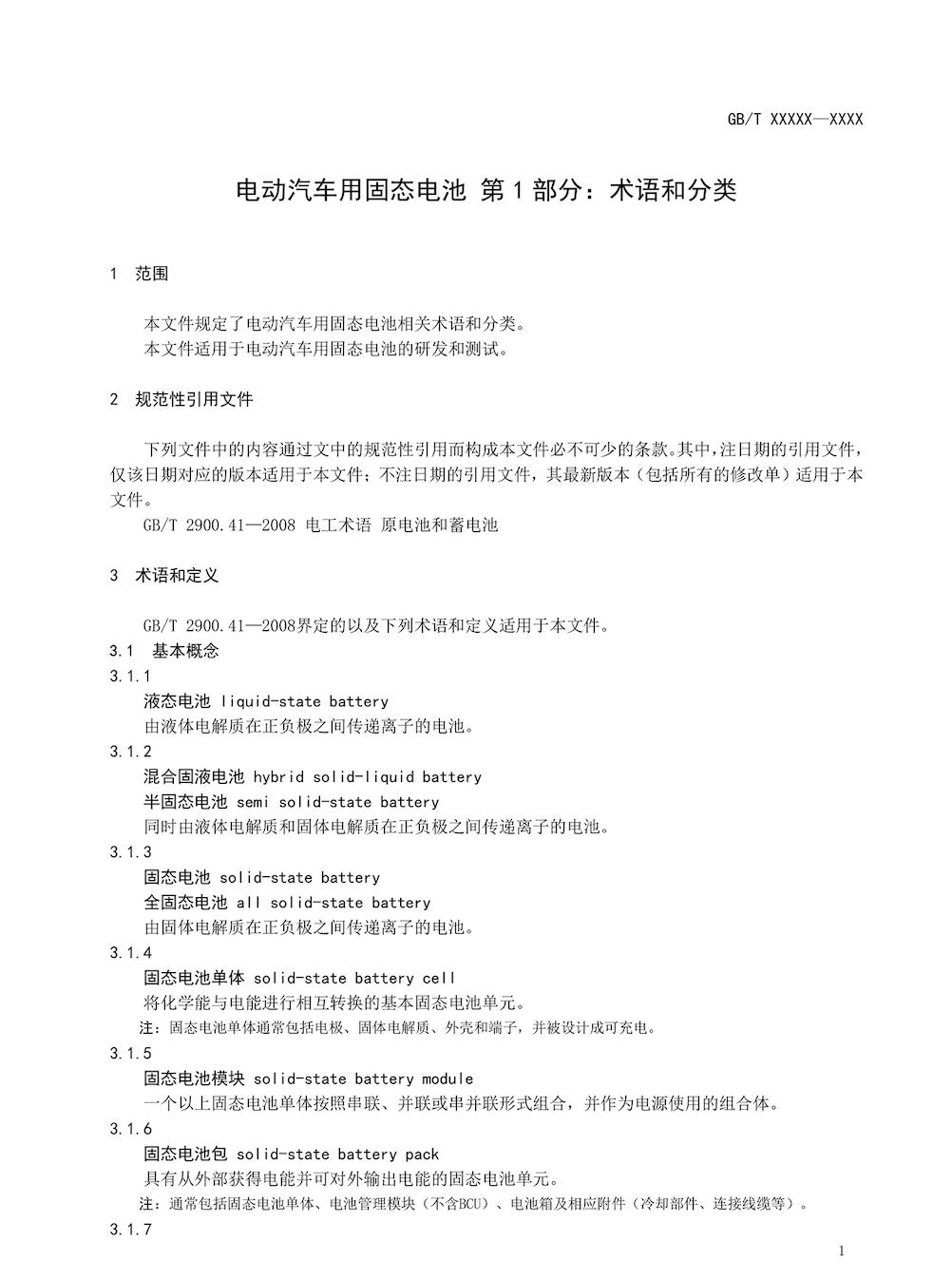
Previously, it was reported that the compilation of the draft for soliciting opinions on the terms and classification in Part 1 of solid-state batteries for electric vehicles has been completed, and it is expected to be officially released in July. The formulation of this national standard will clearly define the terms and standards of various types of batteries, and those "pseudo-solid-state" batteries falsely boasted and over-packaged by car companies will not be recognized.
01
The exaggerations car companies have made about "solid-state batteries"
Looking back at the publicity chaos in the new energy vehicle industry in the past one or two years, solid-state batteries are definitely one of the most hyped concepts.
For car companies, the cost of hyping solid-state batteries is low. They don't need to achieve much technological breakthrough. They only need to play with the publicity words to attract a lot of traffic, increase brand attention, and even drive up the sales volume of models and the stock price. As a result, all kinds of exaggerated and false publicity words emerge in an endless stream, which not only confuses consumers' cognition, but also seriously disrupts the healthy development of the industry.
Among them, the most common hype routine is to package "semi-solid-state batteries" as "all-solid-state batteries" and deliberately blur the technical boundary between the two.
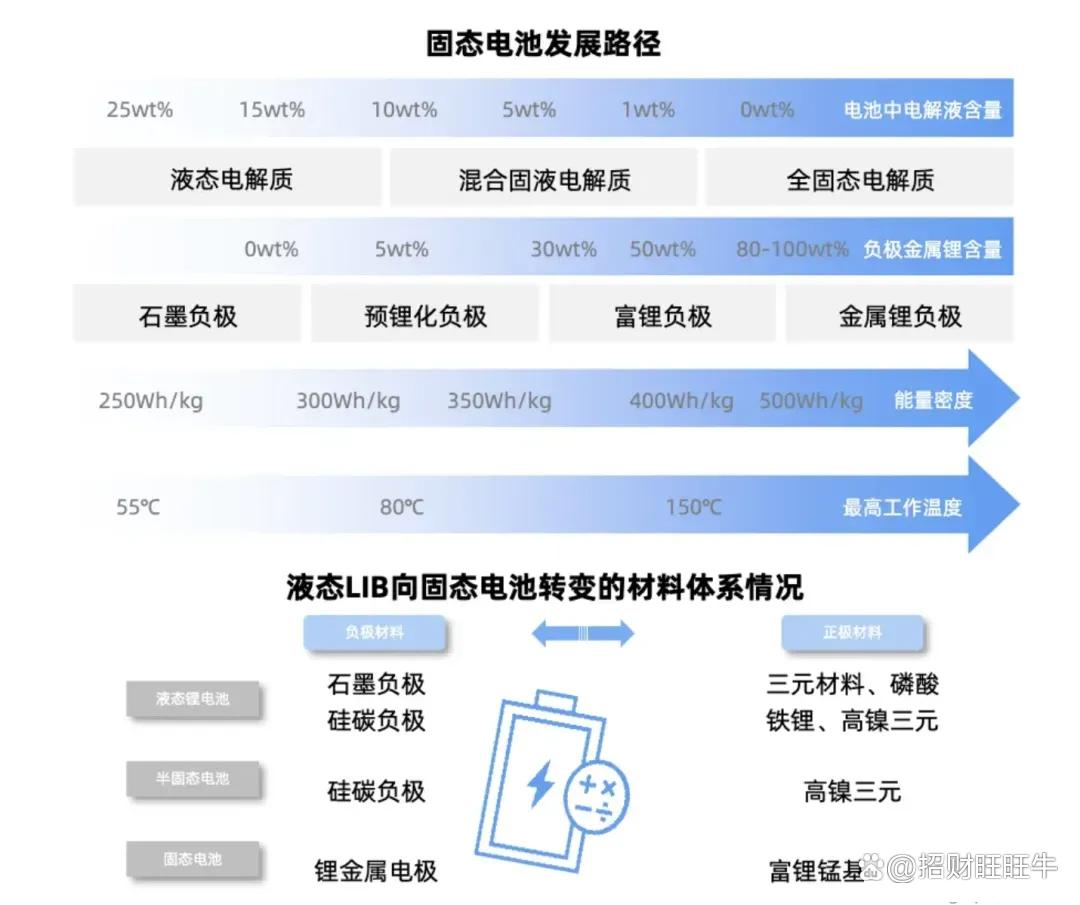
From the perspective of technical essence, semi-solid-state batteries are still an intermediate product in the transition from liquid batteries to solid-state batteries. There is still a certain proportion of liquid components in their electrolytes, and there is a big difference in core performance between them and real all-solid-state batteries. Among them, all-solid-state batteries completely replace liquid electrolytes with solid electrolytes, which fundamentally solves the safety hazards, and the energy density can easily exceed 400Wh/kg. While the proportion of liquid electrolytes in semi-solid-state batteries is usually between 5% - 15%, the energy density is only about 30% higher than that of mainstream liquid batteries, and there is no qualitative leap in safety.
However, in many publicity materials, this core difference is deliberately avoided. "Semi-solid-state" is simplified to "solid-state", and "about to be mass-produced" is publicized as "already mass-produced."
Such cases are numerous in the industry and are no longer a secret. In 2024, a car company once announced high-profile that "solid-state batteries will be the first to be mass-produced and applied", which attracted the attention of the industry. Many consumers were looking forward to the launch of the first solid-state battery vehicle. However, subsequent verification found that the so-called "solid-state battery" was actually a semi-solid-state battery that still retained the battery separator, and until the end of 2025, this battery had not been truly mass-produced for vehicle installation.
Even so, the hype did not stop. When promoting the model later, it still put forward the slogan of "the world's first mass-produced vehicle equipped with a semi-solid-state battery", but in fact, the model version equipped with this battery has never been launched. However, a model completed the delivery of 10,000 units within one month of its launch with this publicity, which shows the power of the hype of the "solid-state battery" concept.
What's even more outrageous is that some shell companies without even the qualification to build cars dare to follow the trend and hype solid-state batteries.
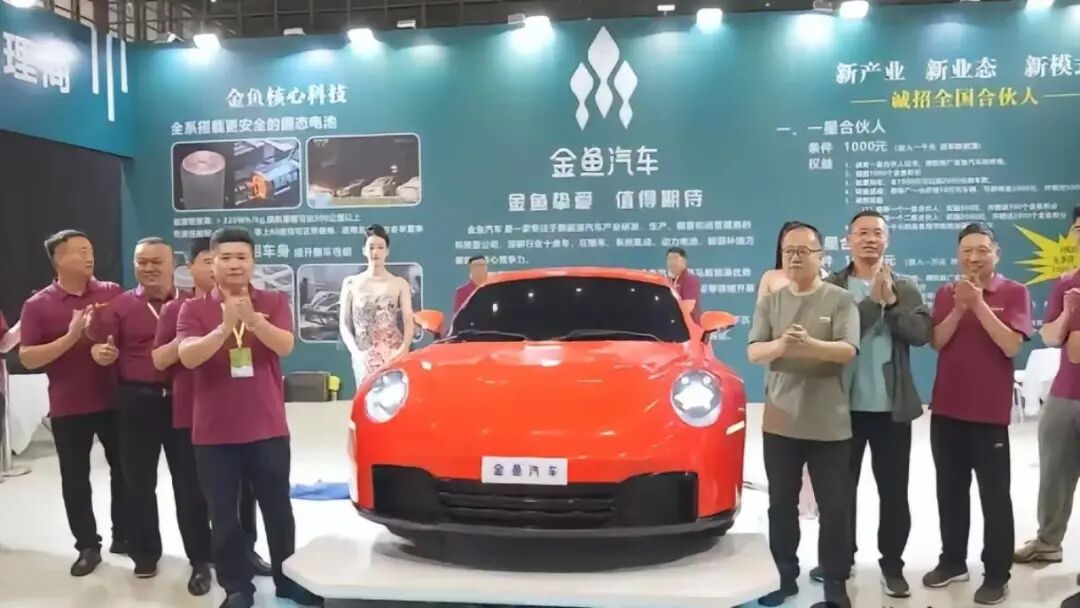
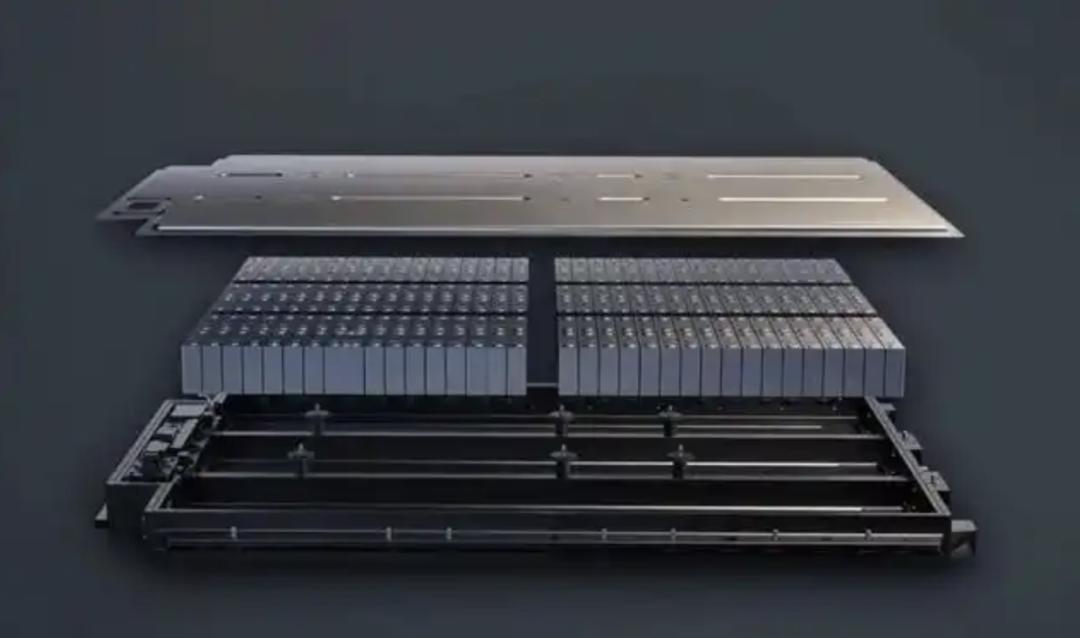
In June 2025, Jinyu Automobile announced high-profile that it had "breakthroughly mastered solid-state battery technology" and planned to launch a mass-produced model equipped with this technology. It also announced parameters such as "energy density of 320Wh/kg and cruising range of over 500 kilometers." However, after investigation, it was found that this company, which had been established for only 14 months and had zero insured employees, not only did not have a legal qualification to build cars, but the picture of the so-called "solid-state battery" it announced was suspected of plagiarizing the lithium battery photo of Tesla. The so-called technical parameters had neither patent publicity nor verification by a third-party institution. In essence, it was a capital scam in the guise of solid-state batteries, and was finally exposed for suspected technology fraud and illegal fund-raising.
The harm of these false hype behaviors to the healthy development of the industry cannot be ignored.
For consumers, many people bought the so-called "solid-state battery vehicles" at a high price based on the publicity of car companies, which not only damaged the legitimate rights and interests of consumers, but also reduced consumers' trust in the new energy vehicle industry. For the industry, some car companies are indulged in hype and ignore the R & D investment in core technologies, resulting in a slowdown in the technological iteration speed of semi-solid-state batteries and a lag in the R & D progress of real all-solid-state batteries, and the phenomenon of "bad money driving out good money" has emerged.
Fortunately, the formulation and upcoming implementation of the national standard for solid-state batteries will end this farce and draw a clear red line for the industry development. It is reported that the national standard will clearly define the terms of liquid batteries, hybrid solid-liquid batteries and solid-state batteries, define "semi-solid-state batteries" as the allowable term for "hybrid solid-liquid batteries", and also set a hard indicator of 0.5% weight loss rate, completely blocking the hype loopholes.
02
Set standards so that you won't be deceived when buying a car
The formulation and upcoming formal implementation of Part 1 of the national standard for solid-state batteries will be an important milestone in the field of new energy vehicle batteries in China. It is not only expected to end the chaos of false hype in the industry, but also guide the industry to shift from "concept competition" to "technology competition", and promote the solid-state battery industry to usher in a new opportunity for high-quality development. With the implementation of the national standard, the hype will cool down, R & D will return to rationality, and car companies, battery companies, the upstream and downstream of the industrial chain and even consumers will all benefit from it.
For car companies, the implementation of the national standard means that the hype space is completely compressed, forcing enterprises to return to the essence of technology R & D. Previously, the core reason why some car companies were indulged in the hype of solid-state batteries was that "the hype cost is low and the income is high". They didn't need to invest a lot of R & D funds to attract traffic and even increase sales. However, with the implementation of the national standard, car companies must standardize the naming and publicity of batteries according to the definition of the national standard, and can no longer casually call "hybrid solid-liquid batteries" "solid-state batteries". Those car companies with false publicity and exaggeration will not only be spurned by the market, but may also face penalties from relevant departments.
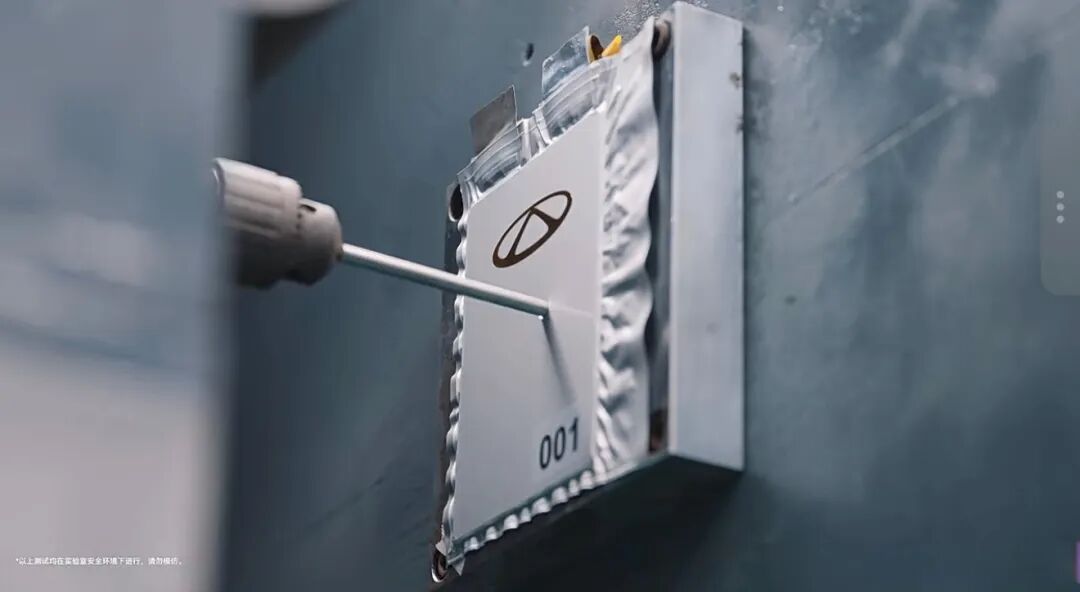
This change has begun to appear in the industry. Recently, many car companies that were good at hyping the concept of solid-state batteries have quietly adjusted their publicity words, changing "all-solid-state batteries" to "hybrid solid-liquid batteries" and publicly announcing the core parameters of the batteries, no longer deliberately avoiding technical shortcomings.
At the same time, more and more car companies have begun to increase R & D investment to create truly competitive transitional products. For example, FAW Hongqi has launched the first prototype of an all-solid-state battery, and its 66Ah all-solid-state battery cell has passed the 200℃ extreme thermal abuse test; BYD plans to start small-scale mass production of all-solid-state batteries in 2027, and the first batch will be applied to high-end models such as Yangwang. These measures all show the trend of car companies' R & D returning to rationality.
For battery companies, the implementation of the national standard will bring opportunities for collaborative development. For a long time, due to the lack of a unified national standard, different battery companies have different definitions of "semi-solid-state" and "all-solid-state", and there are also great differences in technical routes, resulting in poor compatibility and low universality of battery products. This not only increases the procurement cost of car companies, but also hinders the industrialization of solid-state batteries. This national standard clearly defines the terms and classification standards, and also sets strict judgment indicators. For example, the weight loss rate of solid-state batteries should not be greater than 0.5%. This not only distinguishes real solid-state batteries from hybrid solid-liquid batteries, but also provides guidance for enterprises' R & D.
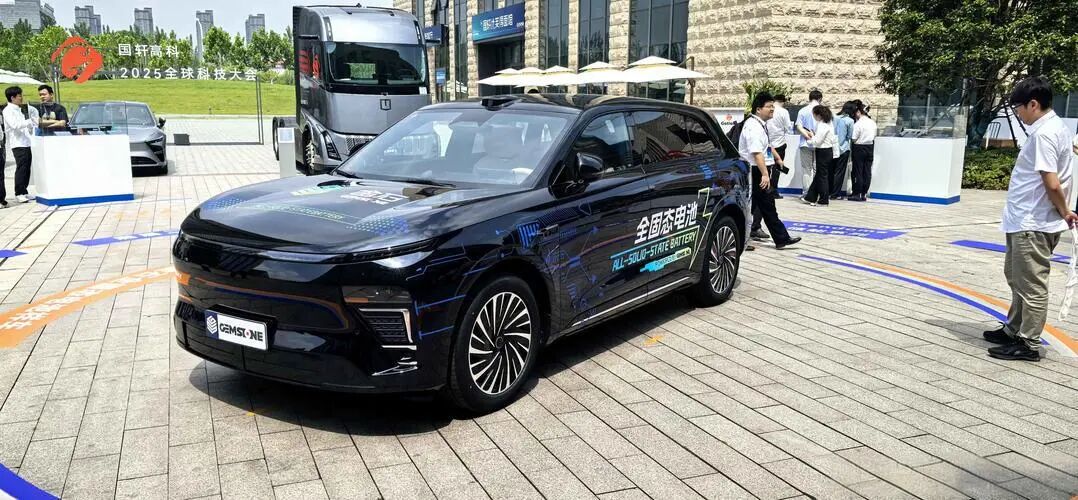
The unification of standards will promote battery companies to focus on core technology R & D and reduce repeated investment and resource waste. At present, domestic leading battery companies have accumulated profound technical reserves in the field of solid-state batteries. With the implementation of the national standard, these companies will welcome greater development opportunities.
For example, the energy density of the hybrid solid-liquid battery of Qingtao Energy reaches 368Wh/kg, and the cycle life exceeds 3000 times. It has performed excellently in the core tests of the national standard and has received additional investment from car companies such as SAIC; the 360Wh/kg hybrid solid-liquid battery of Guoxuan High-tech has entered the vehicle installation test stage of many car companies and meets the standard of no fire after acupuncture; the high-nickel all-solid-state cathode material of Rongbai Technology has achieved ten-ton-level shipments, demonstrating the technical strength of leading enterprises. With the implementation of the national standard, these leading enterprises will occupy a larger market share with their technical advantages, forming a "Matthew effect".
For the entire solid-state battery industrial chain, the implementation of the national standard will promote the improvement and upgrading of the industrial chain and usher in the dual empowerment of capital and technology. The R & D and production of solid-state batteries involve multiple fields such as electrolyte materials, electrode materials, separators and production equipment, forming a huge industrial chain. Previously, due to the lack of unified industry standards, the collaborative cooperation between upstream and downstream enterprises in the industrial chain was not close enough, resulting in low efficiency of technology R & D and serious waste of resources. After the implementation of the national standard, upstream and downstream enterprises in the industrial chain will have a unified "ruler" and can better cooperate and achieve resource sharing and complementary advantages.
At the capital level, with the implementation of the national standard, the solid-state battery industry is welcoming a period of intensive capital injection. In recent years, Weilan New Energy has launched an A-share IPO, Xinjie Energy has completed hundreds of millions of yuan in Series A financing, and enterprises such as Do-Fluoride and Easpring have received a large number of institutional investigations and investments. The injection of these capitals provides sufficient financial support for the R & D and industrialization of solid-state battery technology.
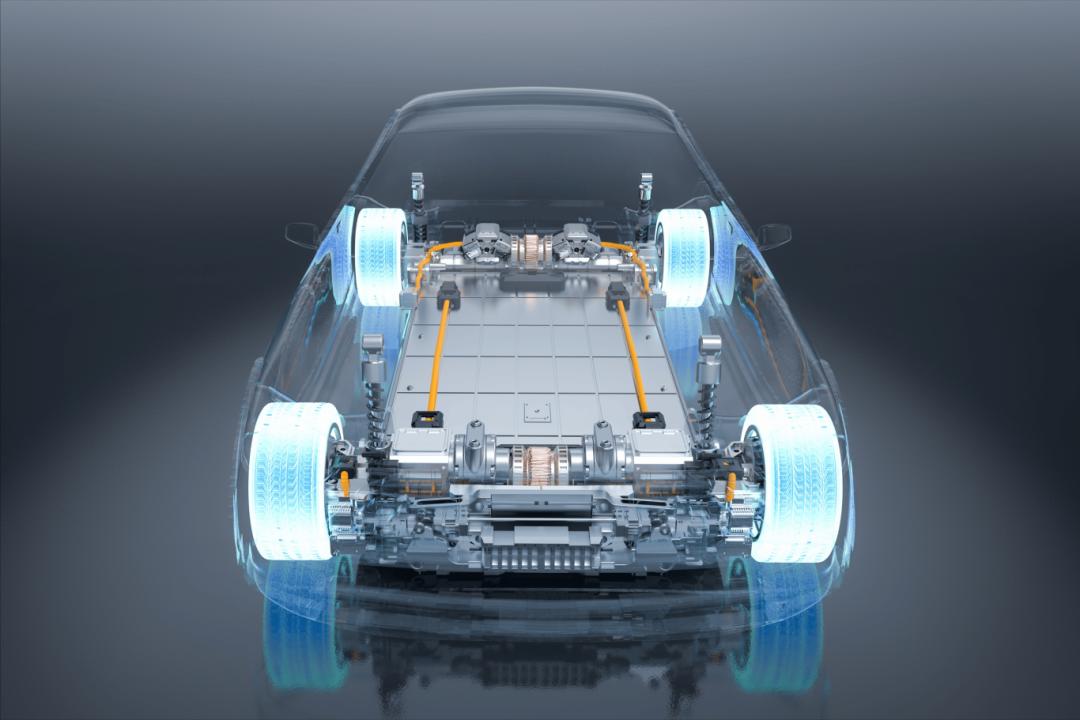
At the technical level, the national standard clearly defines the technical route and judgment indicators of solid-state batteries, which will guide scientific research institutions and enterprises to focus on core technical problems such as electrolyte materials and interface impedance and accelerate technological breakthroughs. For example, the LZACO new electrolyte jointly developed by the University of Science and Technology of China and Minmetals New Energy has a cost of only 5% of that of traditional sulfide electrolytes, which is expected to break the cost shackles of all-solid-state batteries; the continuous breakthrough of the ionic conductivity of sulfide electrolytes also lays a foundation for the mass production of all-solid-state batteries.
Therefore, from the perspective of the industry development pattern, the implementation of the national standard is expected to promote the development of China's solid-state battery industry and enhance its competitiveness in the global field. Currently, as the world's largest new energy vehicle market and power battery producer, China has occupied a leading position in the global liquid battery field, and the implementation of the national standard for solid-state batteries will further consolidate China's industrial advantages.
For consumers, the implementation of the national standard is even a