Small tablets end the "seven-year itch": Huami, OPPO, VIVO, and Honor enter the market collectively. Has AI ripened this product category?
A few years ago, it was unimaginable that the "small tablet" product line of Lenovo Legion Y700 could still have "stable updates" until 2026.
On March 18th, Lenovo released the fifth - generation Legion Y700. The small 8.8 - inch size remained unchanged, and the concept also remained the same. In addition to using the latest flagship mobile phone chip, the fifth - generation Snapdragon 8 Extreme Edition, as well as LPDDR5T 10667Mbps full - blooded memory and UFS 4.1Pro full - blooded storage, the fifth - generation Legion Y700 also significantly increased the battery capacity to 9000mAh and continued to support bypass charging.
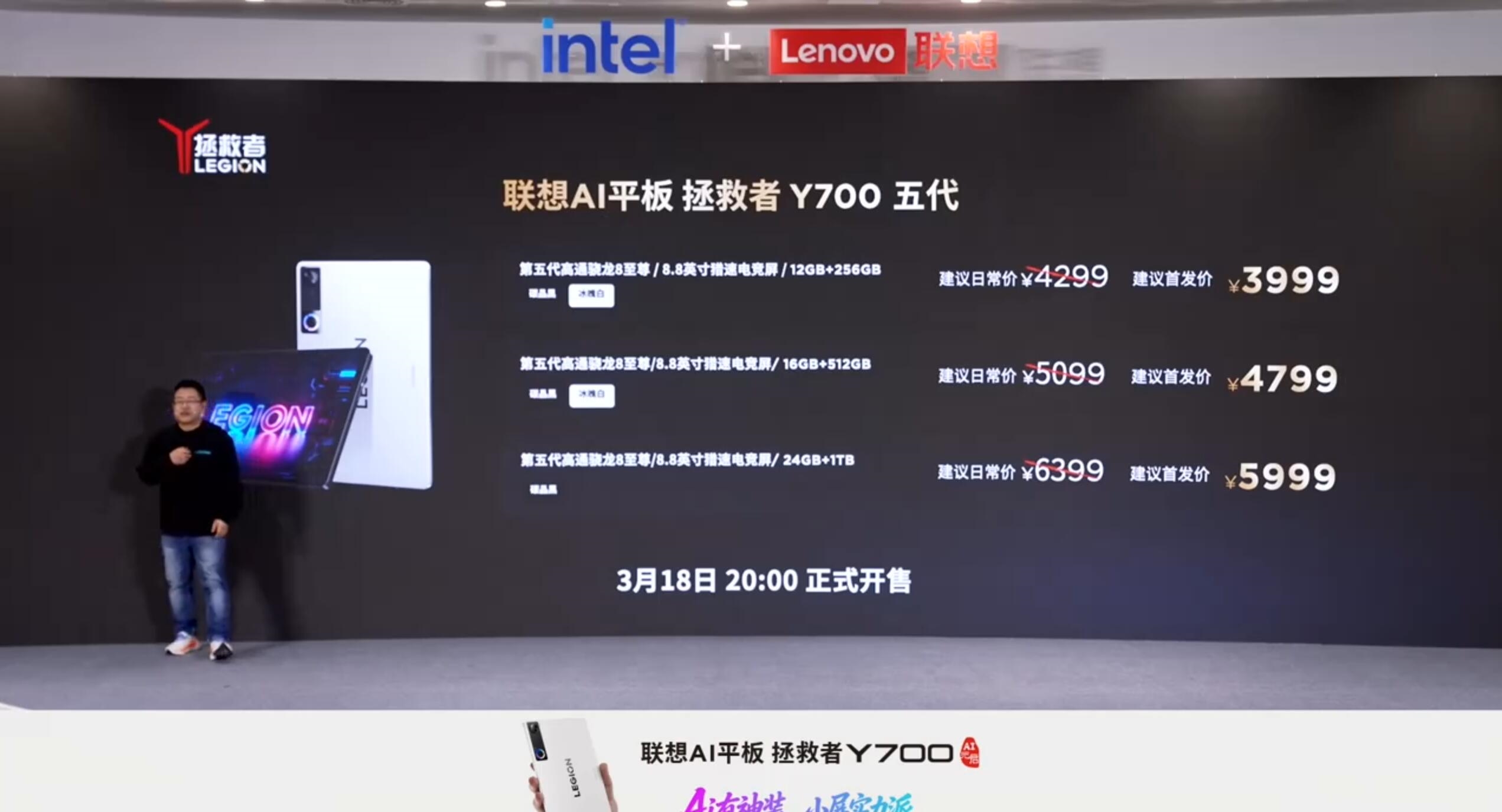
Image source: Lenovo
As a large - screen mobile gaming device mainly targeted at gamers, the fifth - generation Legion is fully loaded with high - end components. In terms of design, it has been steadily iterated and improved. However, the starting price has also increased from 3299 yuan in the previous generation to 4299 yuan (3999 yuan for the first - launch price).
Frankly speaking, considering the upgrade of core configurations such as the chip and the price increase of memory, this price increase is understandable. However, the bigger problem is that in 2026, the Legion Y700 has too many competitors in the small tablet market.
The well - known blogger @Digital Chat Station revealed that currently, including Apple, Huawei, Redmi, OPPO, OnePlus, vivo, iQOO, and Red Magic are all "polishing" their small tablets, and Lenovo will also launch an OLED model later.
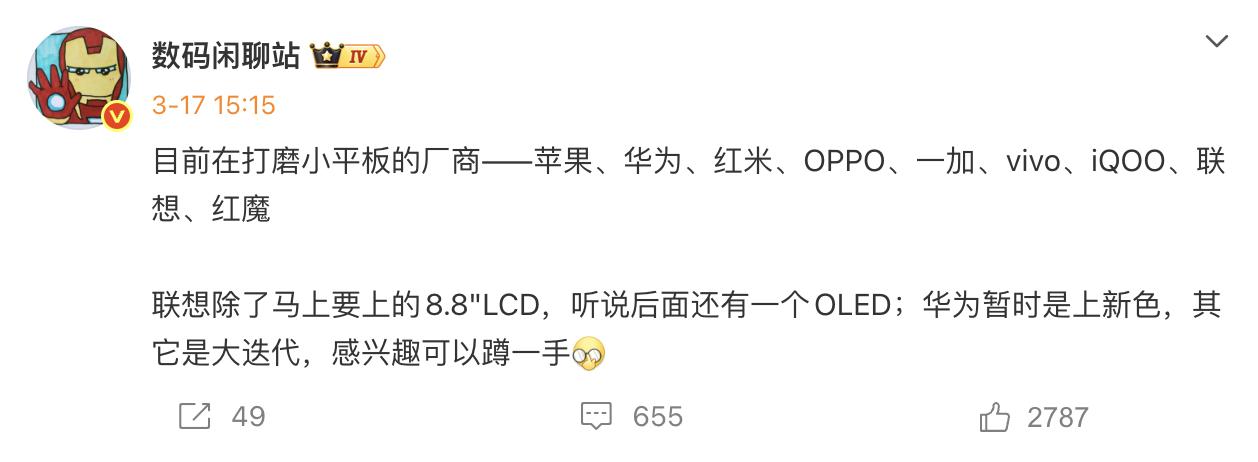
Image source: Weibo
In addition, Honor's small tablet project has gone through many twists and turns. As of the end of last year, the news was that "the project was suspended", but the participation of major manufacturers this year may change Honor's mind again.
However, it doesn't matter. Anyway, the entire small tablet market is going to be in a complete mess.
Interestingly, before 2025, except for Apple slowly updating its iPad mini product line, only Lenovo Legion and Nubia Red Magic were continuously iterating their small tablets for gamers. The rest were unknown small manufacturers such as Cube and Teclast.
Last year, the successive launches of REDMI K Pad and Huawei MatePad mini made many people exclaim that small tablets were "making a comeback". However, it seems that 2026 is the real starting point.
But why have small tablets changed from "few people making them" to "everyone starting to compete" in just one or two years?
All are small tablets. Should they be like Legion, Red Magic, or Apple and Huawei?
Just looking at the parameters, the fifth - generation Legion Y700 is actually easy to understand. With an 8.8 - inch small size, top - level chip, aggressive heat dissipation, and bypass charging, this whole combination essentially turns the tablet into a "handheld game console without a controller".
The target users are also very clear. It's not for office work or reading documents, but for those players who are no longer satisfied with the mobile game experience but are not willing to carry a large tablet or even a handheld game console with them.
From the very beginning, the Legion Y700 didn't try to be a "general - purpose tablet", but actively positioned itself as a highly specialized gaming device. Red Magic is on the same path. Designs such as fans, active heat dissipation, and high - performance release, which seem a bit radical on mobile phones, become reasonable on small tablets - because it's not an "everyday device" in the first place.
More importantly, mobile game players really need it. On the one hand, after "Genshin Impact", the trend of mobile games becoming more like 3A games is becoming more and more obvious, and the performance requirements are also getting higher and higher. On the other hand, the physical limitations of mobile phones in terms of performance release, screen size, and battery cannot be broken. That's why we can see the fifth - generation update of Lenovo Legion Y700.

For example, the latest "stress - testing software". Image source: "Arknights: Endfield"
But if small tablets were only "gaming devices", this market wouldn't suddenly become so lively that almost all mainstream brands have entered the fray.
Looking at the REDMI K Pad and Huawei MatePad mini launched last year, they both use 8.8 - inch screens but take completely different directions.
REDMI's idea is very straightforward - to make a "cheaper high - performance small tablet". A high - refresh - rate screen, flagship - level chip, large battery, and heat dissipation system are essentially centered around the gaming experience, and then the price is brought down. The target group is actually those users who would originally buy the Y700 but care more about cost - performance and ecological experience.
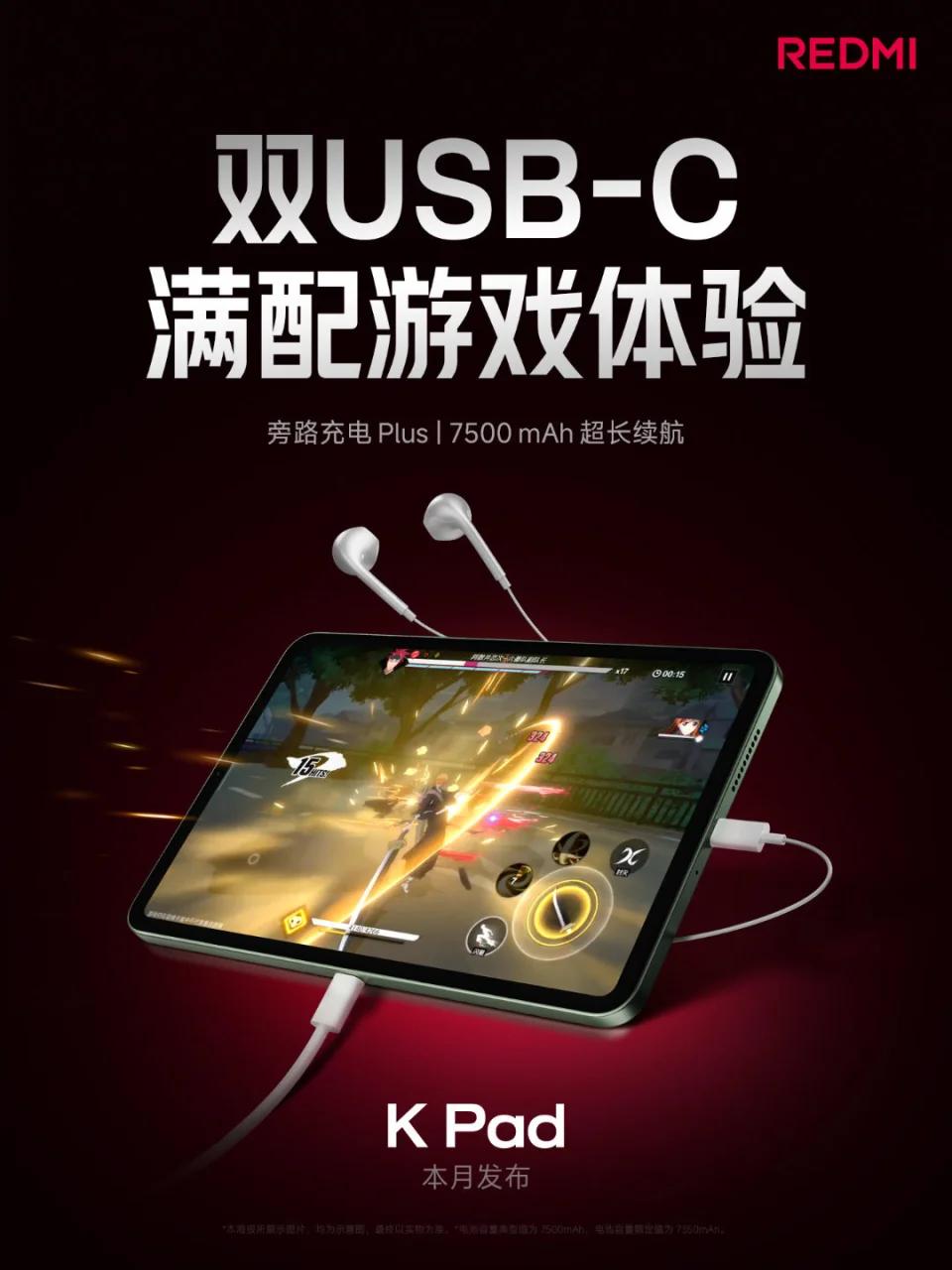
Image source: REDMI
The Huawei MatePad mini is a completely different product. It is lighter, thinner, supports cellular networks, emphasizes portability and ecological synergy, and is essentially closer to a "large - screen device that can make calls". It can even be said that it is more like a part of the mobile phone ecosystem rather than a tablet.
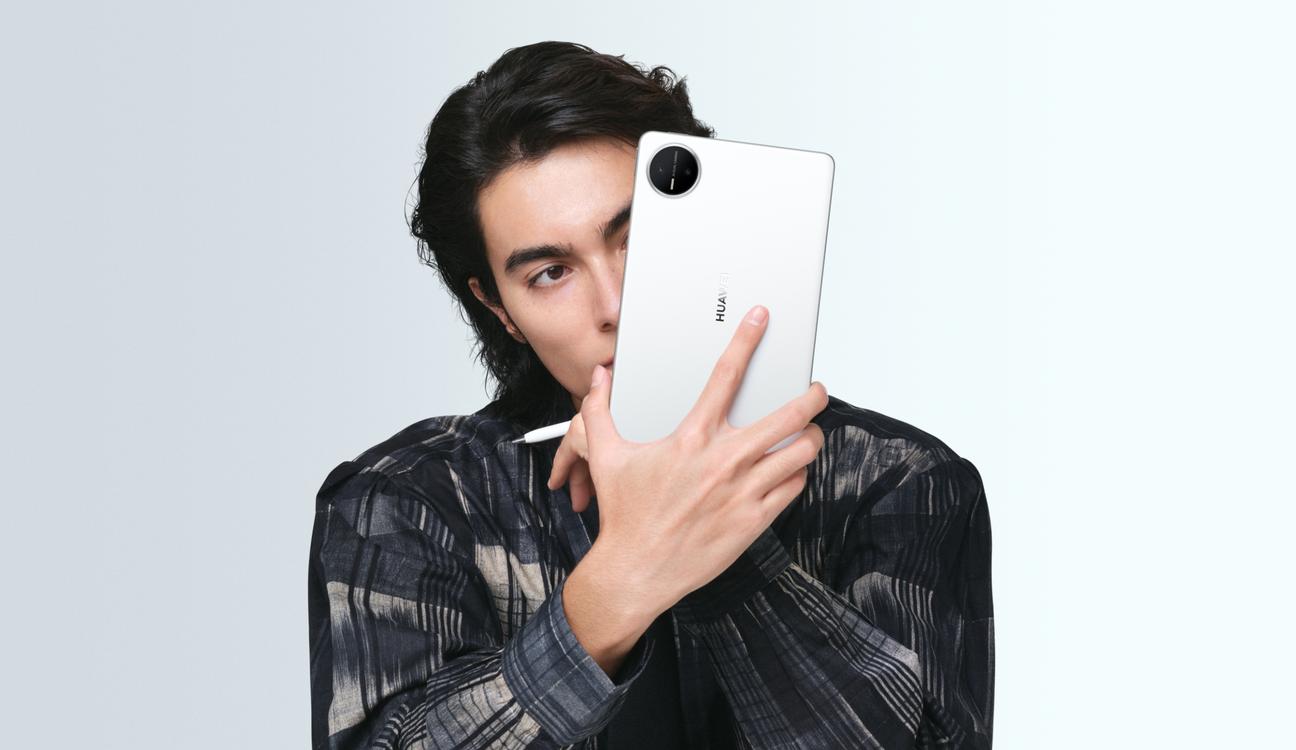
Image source: Huawei
If we add the iPad mini, this differentiation becomes even more obvious. Apple's product line has hardly changed. With a 4:3 ratio, it emphasizes reading, browsing, and light applications. It is still a typical content - consumption and light - creation device.
The so - called "small tablets" are actually no longer a unified product.
So how will these brands that entered the market in 2026 position their "small tablets"? Judging from the current signals, the choices of these manufacturers are already taking shape.
Xiaomi probably won't make a "copy" of the REDMI K Pad. After all, REDMI has occupied the "high - performance and cost - effective" path. Xiaomi itself is more likely to move towards a higher - end direction - emphasizing workmanship, screen, and even adding AI and ecological capabilities to make a small tablet closer to an "all - around device".
OnePlus may be similar to the REDMI K Pad, still focusing on the gaming experience and also taking into account some cross - ecological experiences. OPPO definitely won't take the extreme - performance route. It has more advantages in system and ecological synergy. A more reasonable direction is to turn the small tablet into an "extended screen", serving as a secondary screen for the mobile phone, an interaction entrance for AI, and an entertainment + light - gaming device.
The vivo series is similar. iQOO will lean towards gaming and be more motivated to make a real high - performance small tablet. And vivo itself is more likely to take the lightweight and experience route, similar to the Huawei MatePad mini, but emphasizing imaging synergy and system experience more.
Undoubtedly, this year's melee around small tablets is not essentially a parameter competition. The real difference lies in what to make of it.
The "comeback" of small tablets is inseparable from games, size, and AI
Looking back today, small tablets are not a new story. In fact, it is a product form that once failed.
Back in the first few years when the iPad mini was launched, small tablets had a brief boom. The logic at that time was simple: mobile phones were not big enough, and the iPad was too heavy. Small tablets just fit in between, being both portable and having a larger screen.
But this logic soon became invalid.
On the one hand, the size of mobile phones increased rapidly, from 4 inches to 6 inches or even larger, directly swallowing up the usage scenarios that originally belonged to small tablets. On the other hand, tablets themselves were also getting bigger. From the iPad Air to the iPad Pro, the entire industry was evolving towards "larger screens and stronger productivity".
Caught in the middle, small tablets couldn't compete with the portability of mobile phones or the efficiency of large tablets, so they were almost abandoned by the market. For a long time, only the iPad mini was still being slowly updated, and the Android camp basically withdrew, leaving behind low - cost products from marginal manufacturers such as Cube and Teclast.
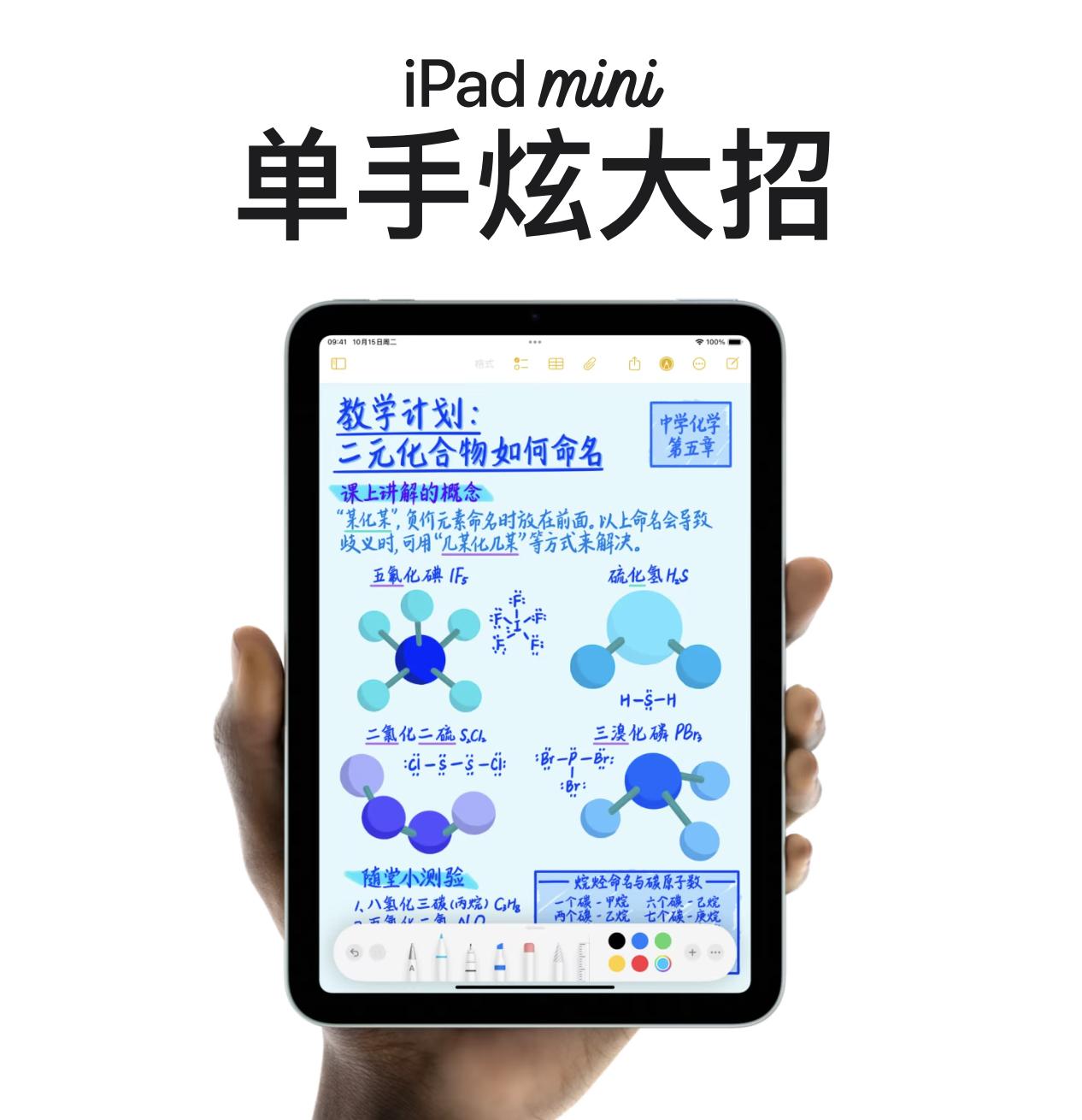
Image source: Apple
If following the trend at that time, small tablets should have disappeared. But the situation today is completely different. Small tablets didn't "resurrect" but reappeared in a different way. The real changes come from three variables.
The first variable is games.
In recent years, a very obvious trend is that mobile games are rapidly becoming more like 3A games. After "Genshin Impact", more and more games are approaching traditional console and PC games in terms of graphics, map scale, and system complexity, and the performance requirements are also rising accordingly.
But as games become heavier, mobile phones start to become "insufficient". At this time, small tablets just fill this gap. Their size is large enough to provide a more spacious operation space; the larger body can accommodate a more aggressive heat dissipation system and a larger battery; at the same time, they are not as bulky as tablets over 11 inches and can still be held for a long time.
In other words, small tablets don't replace mobile phones but take over the part of the capabilities that mobile phones can no longer expand. That's why Legion and Red Magic can continue to develop this product line.
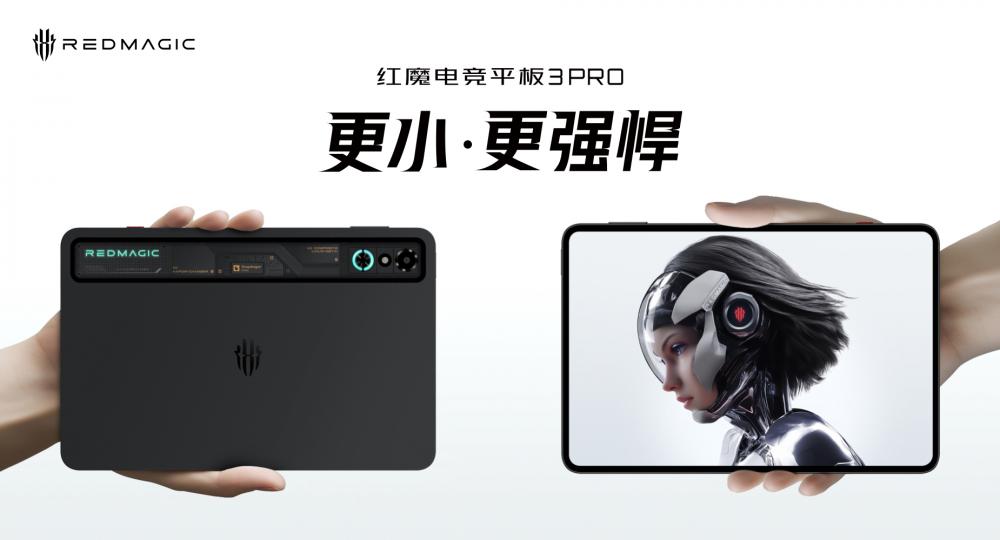
Image source: Red Magic
The second variable is size.
Most of the past small tablets were 7.9 inches with a 4:3 ratio, essentially "shrunk - down iPads". Now, almost all new products are unified around 8.8 inches and use a more horizontal - screen - oriented ratio. This is not just a simple change in size but a change in design logic.
The 7.9 - inch size is more suitable for reading and browsing and serves "content". The 8.8 - inch size, on the other hand, is obviously for "operation". The larger horizontal space makes game operations more comfortable and also makes UI layout, split - screen, and multi - tasking more natural. At the same time, the increase in body size also provides room for the battery and heat dissipation, making high performance possible.
It can be said that the 8.8 - inch size is not a random choice but a balance found between games, interaction, and hardware structure. After this "critical size" is determined, small tablets truly have the foundation to become an independent product form.
The third variable is AI.
If games solve the question of "whether performance is needed", then AI solves the question of "whether performance is useful". In the past, a core problem with small tablets was that no matter how powerful the performance was, there was no clear usage scenario.
But after the emergence of AI, this problem has started to change.
Whether it's the changes in various AI interaction forms or the increasing number of AI capabilities running locally, they are all strengthening a trend: terminal devices need more computing power and also a larger interaction space. Mobile phones can complete tasks, but in many scenarios, the screen is too small. Large tablets can provide space but are not portable enough.
Small tablets are in a more balanced position. They can serve as an AI interaction interface, such as for split - screen, multi - window, and information - flow integration, and can also undertake some local computing tasks without being as restricted as mobile phones. More importantly, they are still a relatively portable device.
Conclusion
Small tablets won't go back to the past. The trend of mobile games becoming more like 3A games makes their existence necessary, the size makes them physically feasible, and AI enriches and makes their usage scenarios more important. After the combination of these three factors, this once - abandoned category seems to be gradually finding its own position.
This article is from "Leikeji", and 36Kr is authorized to publish it.