After the automotive industry collectively switched sides to support the "no longer backward" range-extended technology, the executives started arguing again.
The debate about the extended - range technology route and the online quarrels have never truly ceased. Recently, this discussion has heated up again. The resurgence of the public opinion focus behind this is because a group of auto - industry giants have collectively entered the field.
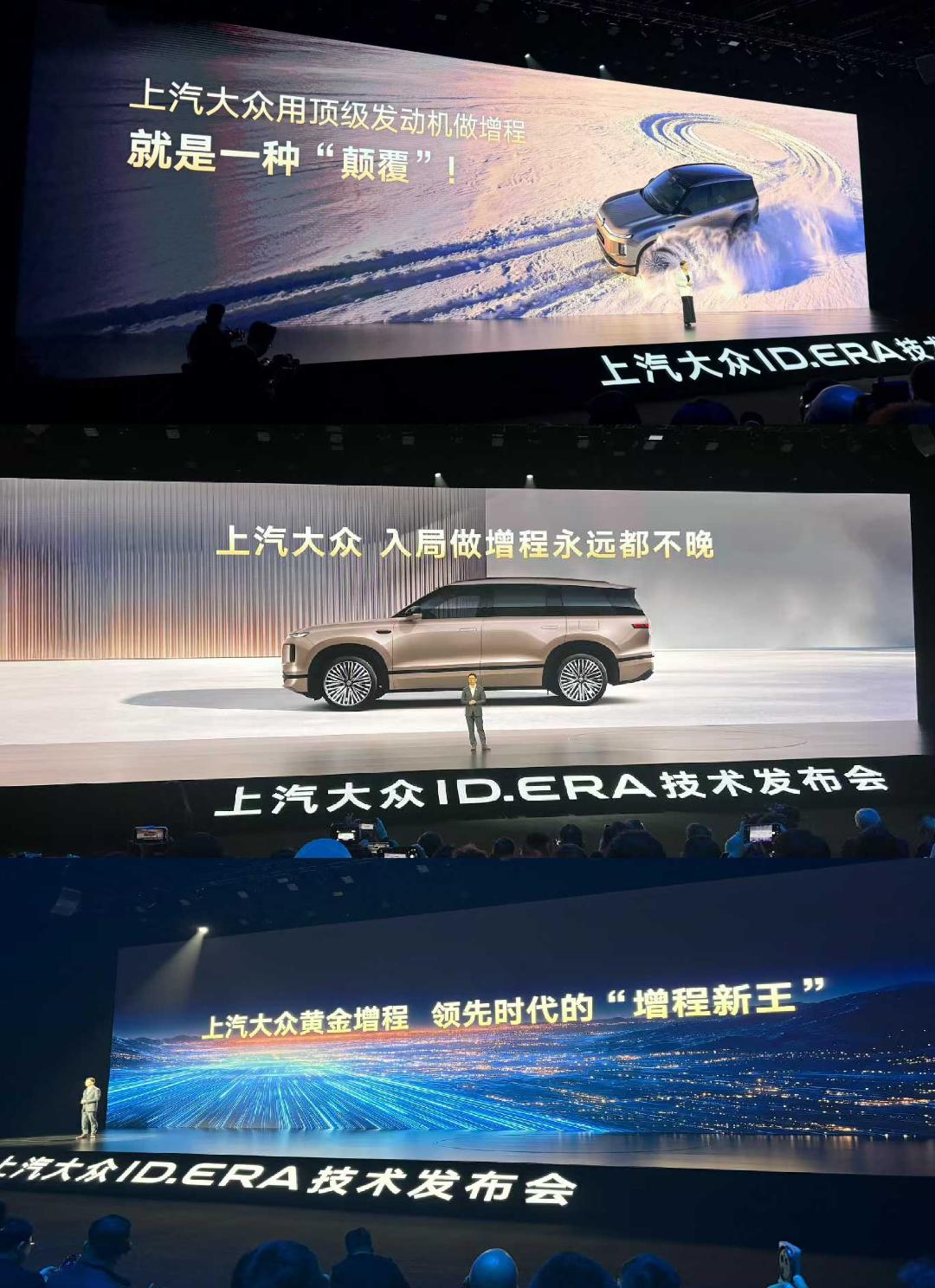
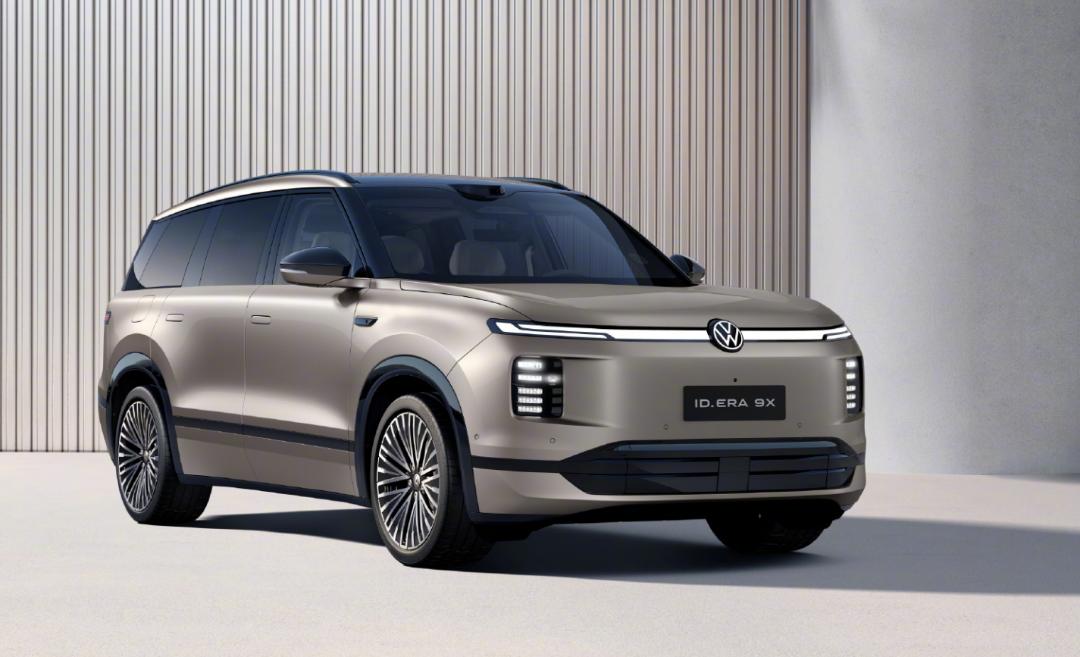
SAIC Volkswagen has modified the EA211 engine into an extended - range generator and launched the Golden Extended - Range Power. It claims that "it's never too late to enter the extended - range field". This extended - range generator is installed on its new energy flagship SUV, the ID.ERA 9X, thus kicking off Volkswagen's new new - energy layout in China. This shows Volkswagen's high level of attention to this technology.
Subsequently, Nissan's first long - range extended - range vehicle, the NX8, is about to be launched. It claims to redefine the new generation of extended - range technology and also mentions that the inspiration for Li Auto to start the domestic large - battery extended - range route also originated from Nissan's e - POWER extended - range concept.
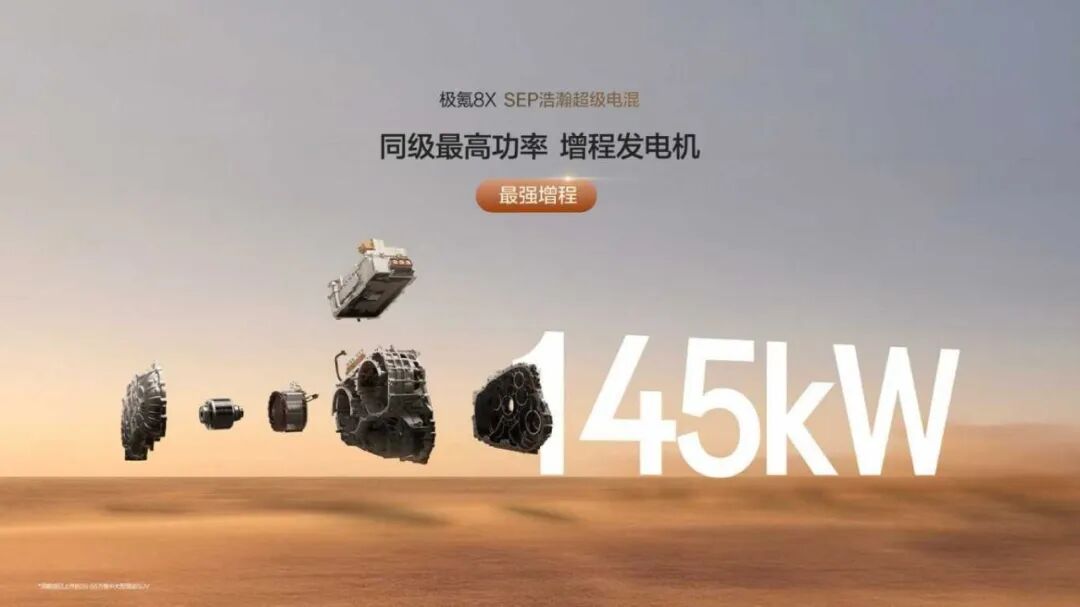
Geely, which has multi - path plug - in hybrid technology, after its first extended - range vehicle, the Galaxy V900, is also about to launch its first extended - range SUV, the Boyue REV, into the market. It claims to have a super - platinum new - generation long - range extended - range system and is accelerating its entry into the extended - range race. Even Zeekr, which follows the super - hybrid route, promoted at its press conference that the 8X is equipped with a 145kW extended - range generator with the highest power in its class, extending the public opinion to the big PK of extended - range technology.
In fact, the auto companies entering the extended - range race are far more than these. In 2024, Mazda was the first to adopt Changan's extended - range technology, starting the wave of joint - venture extended - range vehicles. In 2025, the Zhijing L7 equipped with Buick's "True Dragon" extended - range system and the Jiangling Ford Bronco extended - range version were successively launched. Beijing Hyundai also clarified its extended - range product plan from 2026 to 2027. Even Toyota, which has been deeply involved in hybrid technology, plans to launch extended - range versions of the Highlander and Sienna in 2026.
Even a group of new - energy startups that once believed that pure - electric vehicles were the future, from ARCFOX to XPeng, from AION to Xiaomi, have all defected to the extended - range race. The extended - range technology has transformed from a once - questioned and criticized role into a popular choice. As more technological models enter this field, there will surely be more quarrels in the future.
Although they are no longer discussing "whether extended - range technology is a bad and outdated technology", it is undeniable that the subsequent PK of extended - range technology has shifted from "whether to do it" to "how to do it" and "whose is better".
01
A unique consumption environment gives rise to a new technology route
The popularity of the extended - range race does not come out of thin air. It is driven by real market demand and also hides the past competition among different technology routes.
Years ago, after auto companies entered the new - energy race one after another, they split into different technology camps. Auto companies betting on pure - electric vehicles naturally regarded extended - range technology as a transitional technology, while the plug - in hybrid camp criticized the extended - range technology for having no direct - drive mode and relatively high fuel consumption when the battery is low.
The quarrels at that time were essentially market competition among different technology routes. The pure - electric and plug - in hybrid camps tried to consolidate their own technological advantages by magnifying the shortcomings of extended - range technology.
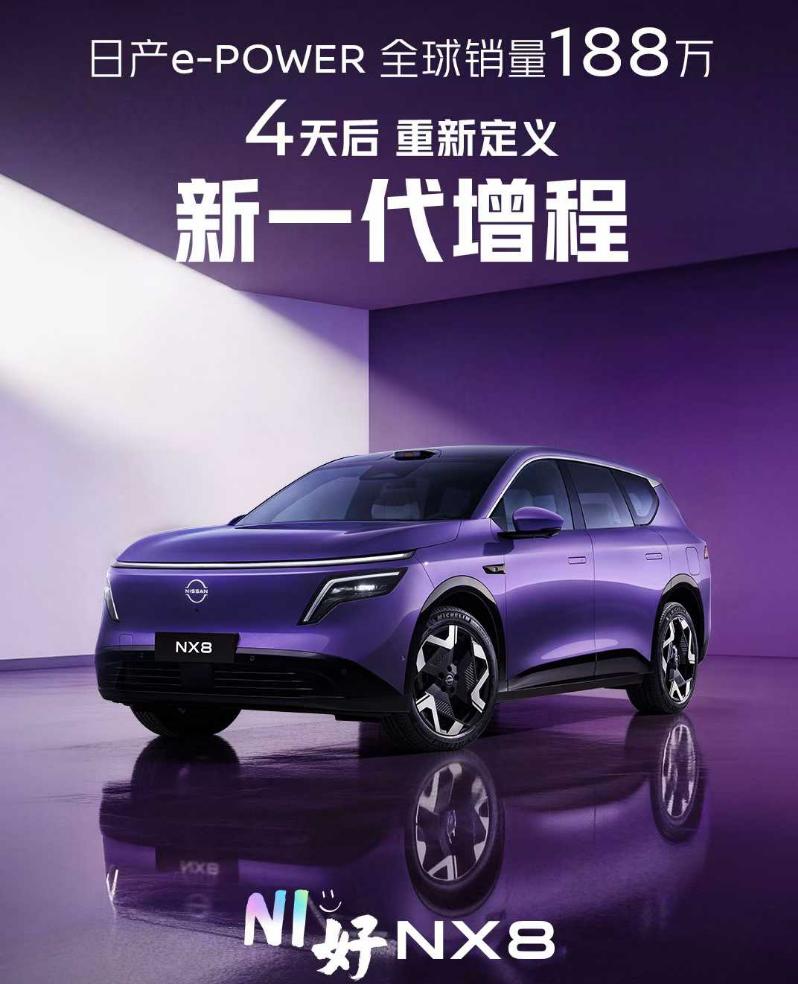
Initially, the industry's understanding of the extended - range system was based on Nissan's e - POWER or Chevrolet's Volt. Their strategy of converting fuel into electricity and then using the motor to drive the vehicle was called "a redundant step" by the outside world. However, this view ignores the poor fuel economy of gasoline vehicles in low - speed environments. Extended - range technology precisely makes up for this biggest shortcoming of gasoline vehicles through energy conversion.
However, for domestic consumers, these extended - range vehicles with small - battery designs cannot provide a pure - electric driving experience. Coupled with the explosion of battery technology and the industry in the domestic new - energy field, the market acceptance of such extended - range vehicles has been greatly reduced.
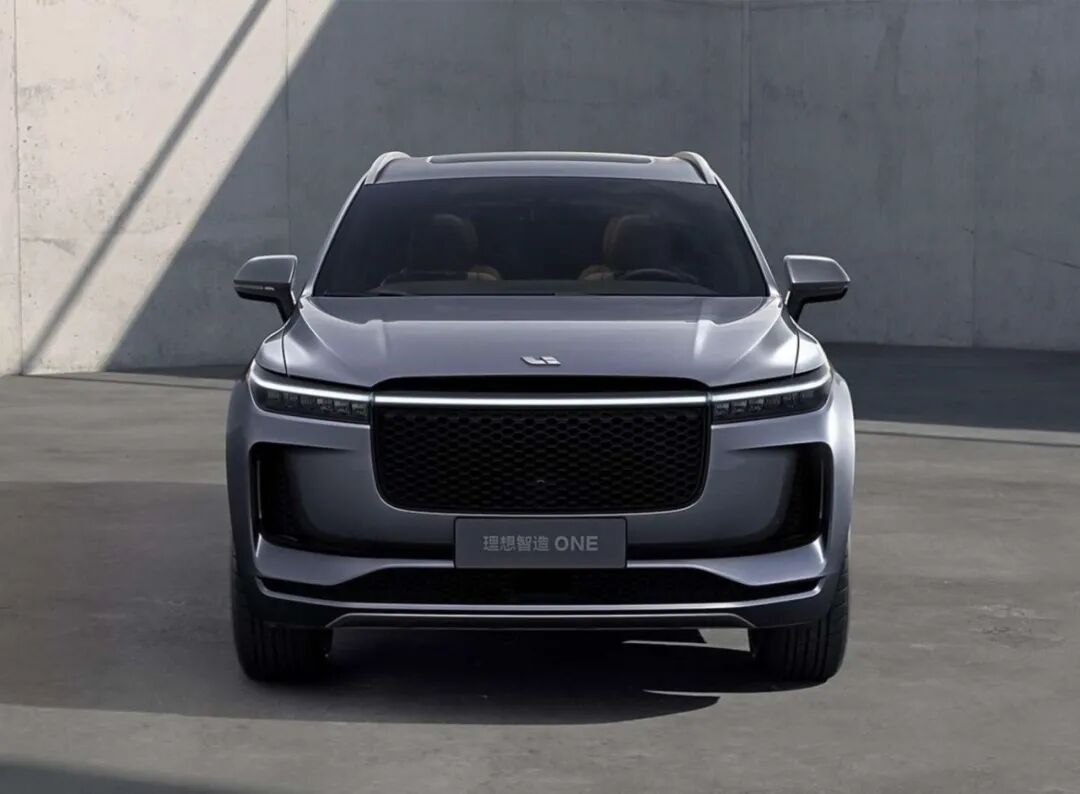
It was not until Li Auto, based on the logic of e - POWER, increased the battery capacity, enabling extended - range vehicles to combine the quiet experience of pure - electric vehicles with the advantage of no range anxiety, that a new extended - range hybrid race was truly opened, and this technology route gained a foothold in the market.
Especially in the whole year of 2025, the total sales of extended - range vehicles reached about 1.2 million. This figure made the industry re - evaluate the extended - range technology. Now that the penetration rate of the new - energy market has exceeded 50%, the market demand for new - energy vehicles has become more diverse, and the doubts about extended - range technology have also disappeared.
The collective entry of auto companies has further confirmed the feasibility of the extended - range technology route through practical actions. It is not a substitute for plug - in hybrid or pure - electric vehicles. Instead, it fills the market gap of "requiring pure - electric range while completely getting rid of charging anxiety". It also makes auto companies realize that in the vast Chinese market, consumer demands vary. Extended - range technology will surely become an inevitable choice for mature auto companies to improve their new - energy product matrix.
02
There is still room for competition in extended - range technology
After the route debate comes to an end, the core of the extended - range competition focuses on the technical essence of "how to do extended - range well". Is it easier for auto companies with engine technology to develop extended - range vehicles, or does an auto company like Li Auto, which has market experience from the first two generations and has developed the third - generation extended - range technology after absorbing user feedback, have more advantages? It is difficult for the outside world to make an accurate judgment for the time being.
In the view of some auto companies, the core of extended - range vehicles is the engine's thermal efficiency. The higher the thermal efficiency, the more electricity can be generated with the same amount of fuel, and the longer the driving range for users, making vehicle use more economical. Therefore, some auto companies pursue higher thermal efficiency. For example, Geely has achieved an industry - leading thermal efficiency of 47.26% for its extended - range generator.
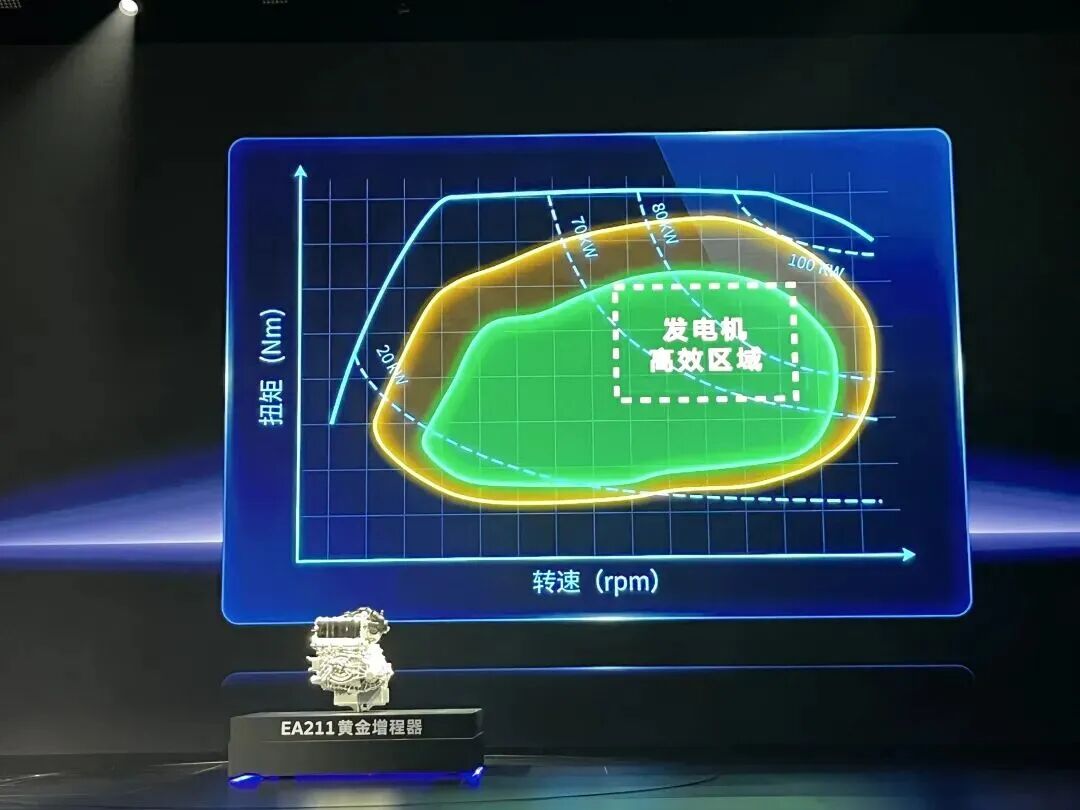
However, for a joint - venture auto company like Volkswagen, although the thermal efficiency of the Volkswagen EA211 extended - range generator is only 40%, its VTG variable - geometry turbocharger can optimize low - speed response, increase charging power, maintain performance when the battery is low, and reduce fuel consumption under low - battery conditions. In addition, Volkswagen believes that its advantages also lie in a wide and stable high - efficiency operating range and long - term market verification with more than 20 million units installed, which can ensure excellent performance and long - term reliability.
According to Zhang Guiqiang, the person in charge of Li Auto's extended - range technology, an extended - range generator is not a simple modification of a traditional engine. The R & D priorities of the two are fundamentally different. In other words, auto companies with engine technology and experience may not do well in developing new - energy extended - range generators.
He said that traditional engines focus on power, torque, and fuel economy, with NVH and size being secondary considerations. However, the core requirements of an extended - range generator are completely reversed. Since extended - range vehicles mostly run on pure - electric power, NVH quietness is the top priority, followed by fuel economy brought by power, long - term maintenance, and size optimization.
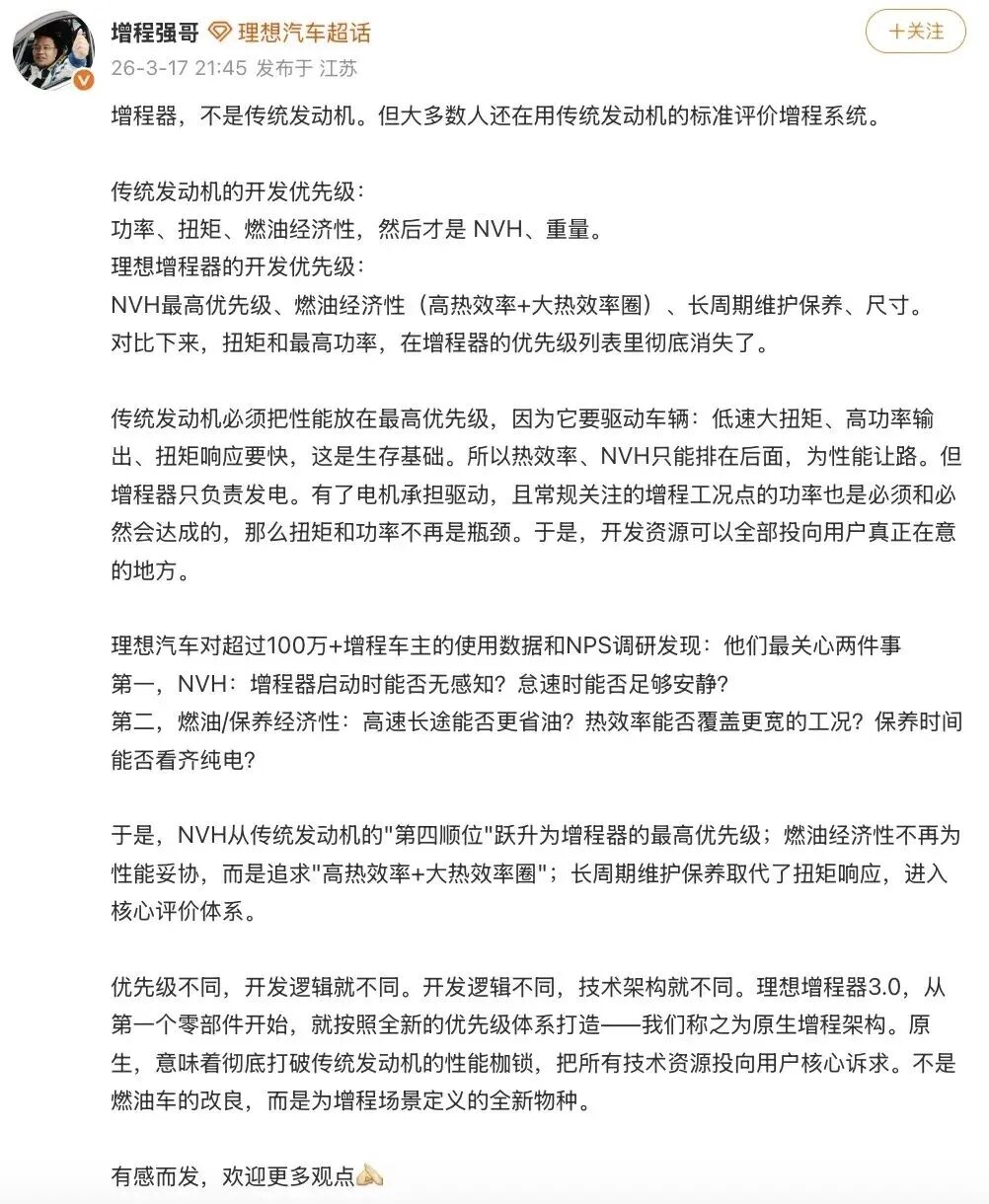
Especially in terms of maintenance economy, the maintenance of the two systems in hybrid vehicles increases the cost for consumers compared with pure - electric vehicles. Therefore, how to optimize the maintenance cycle and reduce maintenance costs has become an important direction for the iteration of extended - range technology. For example, most extended - range vehicle owners start the extended - range generator very rarely in a year. So, can the maintenance cycle of the extended - range generator be extended to, say, three years?
In fact, the pain points expressed by each company are valid, and they also have different positions in terms of technical ideas. As for why Volkswagen and Li Auto have different ideas for solving the problems of extended - range vehicles, the author believes that the core issue lies in the differences between Volkswagen's users and Li Auto's users. Perhaps Volkswagen focuses more on performance, while Li Auto cares more about the user experience.
But at least, as more auto companies join the competition in extended - range technology, future consumers will be able to use better extended - range technology and enjoy a better experience.
03
Give way to users and coexist diversely
When more auto companies are eager to enter the extended - range vehicle race, the market situation has given them a wake - up call. Since the second half of last year, the growth rate of the extended - range market has slowed down compared with that of pure - electric and plug - in hybrid vehicles, leading to some new doubts in the market.
However, the author believes that the short - term decline in sales is more affected by the sales volume, rhythm, and layout of some auto companies, rather than the decline in the value of the race itself. Now, the extended - range market has formed a diversified pattern where new - energy startups and traditional auto companies compete on the same stage, and plug - in hybrid auto companies make cross - border layouts. The technological exploration of different companies has continuously improved the product strength of this race.
Driven by both policies and the market, the development of extended - range technology has embarked on the path of upgrading to a native platform and high - efficiency. For example, the policy has put forward stricter requirements for the fuel consumption of extended - range vehicles, forcing auto companies to abandon the simple "gasoline - to - electric" extended - range solution and instead invest in more in - depth technological R & D. For example, the intensified market competition has also made auto companies start to explore more possibilities of extended - range technology.
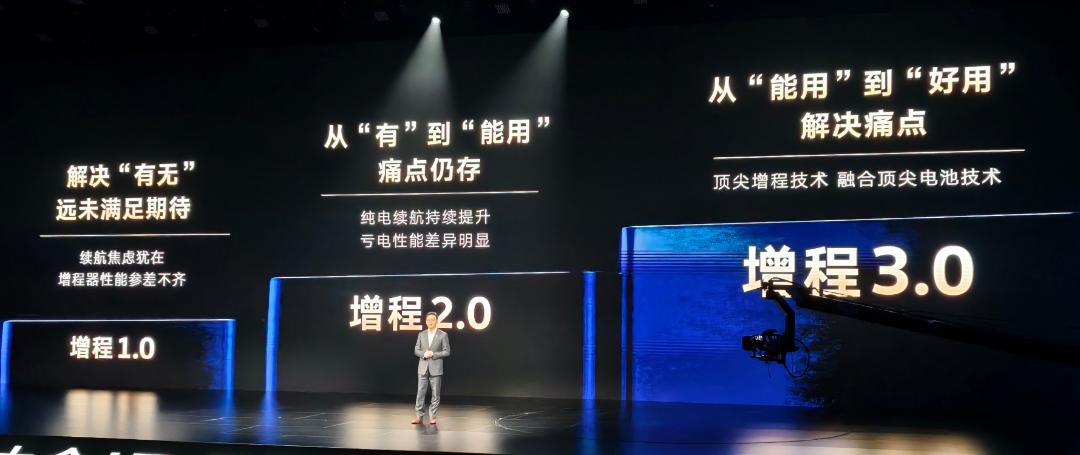
Just as Li Auto adheres to the core requirements of quietness, efficiency, and maintenance economy, IM Motors' Stellar Super Extended - Range Generator focuses on ultra - fast charging, Leapmotor's 80 - kWh large - battery vehicle focuses on inductance, and SAIC Volkswagen and Nissan rely on their traditional engine technology accumulation to optimize the fuel efficiency of the extended - range generator. The future of extended - range technology is no longer a one - size - fits - all solution but to play its own advantages in a precise race and form a complementary relationship with pure - electric and plug - in hybrid technologies.
In terms of vehicle model adaptability, extended - range technology has particularly prominent advantages in the large - SUV race. The user group of large SUVs is relatively less sensitive to price and maintenance costs. Their core requirements are large space, long driving range, and a comfortable driving experience. The two - power - system of extended - range vehicles can perfectly meet these requirements, and the high price of the whole vehicle can also offset the costs of the extended - range generator and the large battery.
However, for Class A entry - level models or Class B family cars, extended - range technology seems "unsuitable". The users of these models are highly sensitive to price and vehicle - use costs. The two - system of extended - range vehicles will increase the vehicle price and maintenance costs, which is inferior to pure - electric products and most plug - in hybrid models with higher fuel - use frequency in meeting consumer demands.
Undoubtedly, the extended - range technology has evolved from being questioned to being recognized, from a route debate to an experience debate. In essence, it is the positive guidance of market demand on technological development. In the future new - energy market, no single technology route will dominate. Pure - electric, plug - in hybrid, and extended - range technologies will each have their own positions and play their own strengths. Therefore, let the users decide the final pros and cons and the choice.
But it is certain that the quarrels about extended - range technology will not stop. Eventually, the market will return to the core logic of the automotive industry, that is, there is no absolutely advanced technology, only technology that suits the market and strategies that suit the enterprise. For example, NIO does not produce extended - range vehicles because of the constraints of its battery - swapping system, and Tesla does not develop extended - range vehicles because Musk's focus is not on how many cars to sell.
Let's see when Great Wall, which has always insisted on "never doing extended - range vehicles", will hold on to its bottom line.
This article is from the WeChat official account "Automobile Commune" (ID: iAUTO2010). Author: Du Yuxin, Editor: He Zengrong. Republished by 3