The battle of the "Series 9" SUVs. No one should act like a sure winner.
"Everyone should be grateful to Li Auto. If this new - force car - making company hadn't launched the Li L9, there wouldn't have been such a prosperous scene of large six - seat SUVs in recent years."
In the past two days, when chatting with a friend, he shared the above view with me. I deeply agree. To some extent, the Li L9 is indeed the undisputed "pioneer" in this segment.
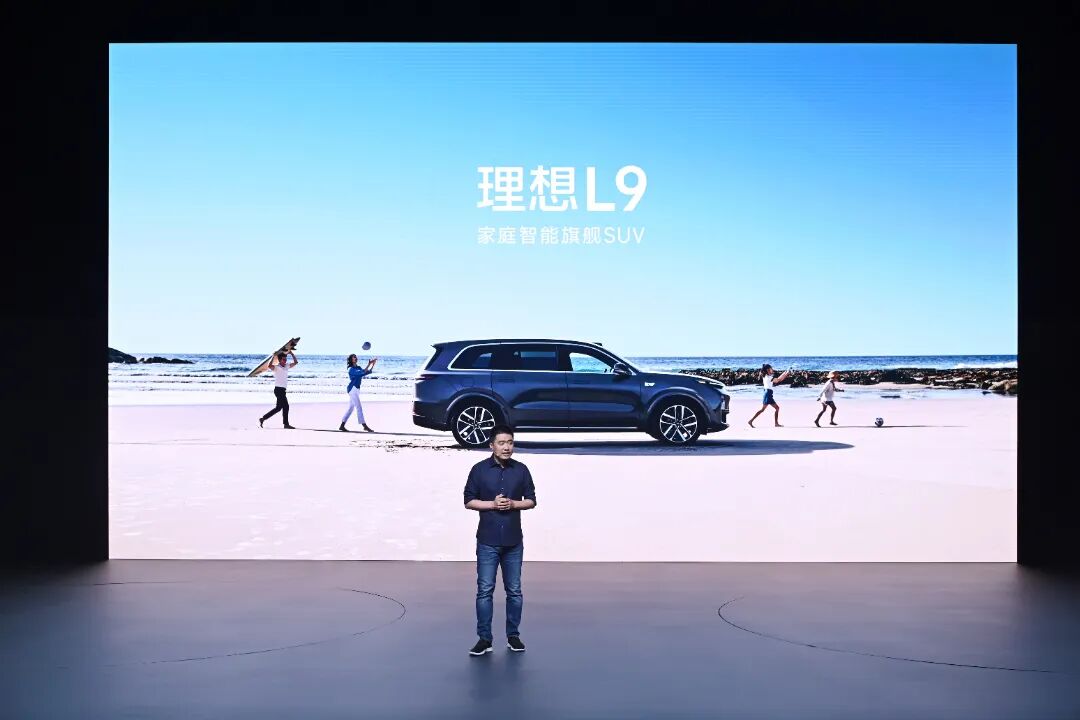
Its great success pointed out the right direction for everyone. As a result, large six - seat SUVs have become an absolute "hot commodity" in the Chinese auto market.
Riding on the wave of electrification transformation, many domestic brands have seized the opportunity and made a fortune. According to incomplete statistics, there were no less than 20 models entering this segment last year alone.
This year, the competition at the terminal has become even more intense. With a continuous influx of new players, almost every automaker is eyeing the seemingly attractive but actually perilous "cake" of large six - seat SUVs.
Precisely against this background, a never - before - seen heavyweight battle, the "Series 9" battle, is attracting close attention from the entire industry.
In the era of traditional fuel - powered vehicles, in the naming system of joint - venture brands, the "Series 9" represents the family flagship, meaning absolute high - end and is the embodiment of top - notch technology and ultimate configuration. In the era of intelligent electric vehicles, similar product - definition rules are also followed.
There is a consensus in the entire industry that only by doing well in the "Series 9" can the other models in the family better spread out and shine.
However, in the previous Chinese auto market, there were too many "pseudo - Series 9" models that only made a superficial attempt. Now, the purest "Series 9" battle for domestic brands has begun.
01
Four - way competition: Who will emerge victorious?
I believe many readers are curious about my criteria for a real "Series 9" model. The answer is straightforward: First, it must be a full - size SUV. Second, it must be equipped with a host of cutting - edge technologies. Third, the price of the main version should be at least 500,000 yuan or higher.
Only by meeting the above three conditions is a model eligible to participate in the battle.
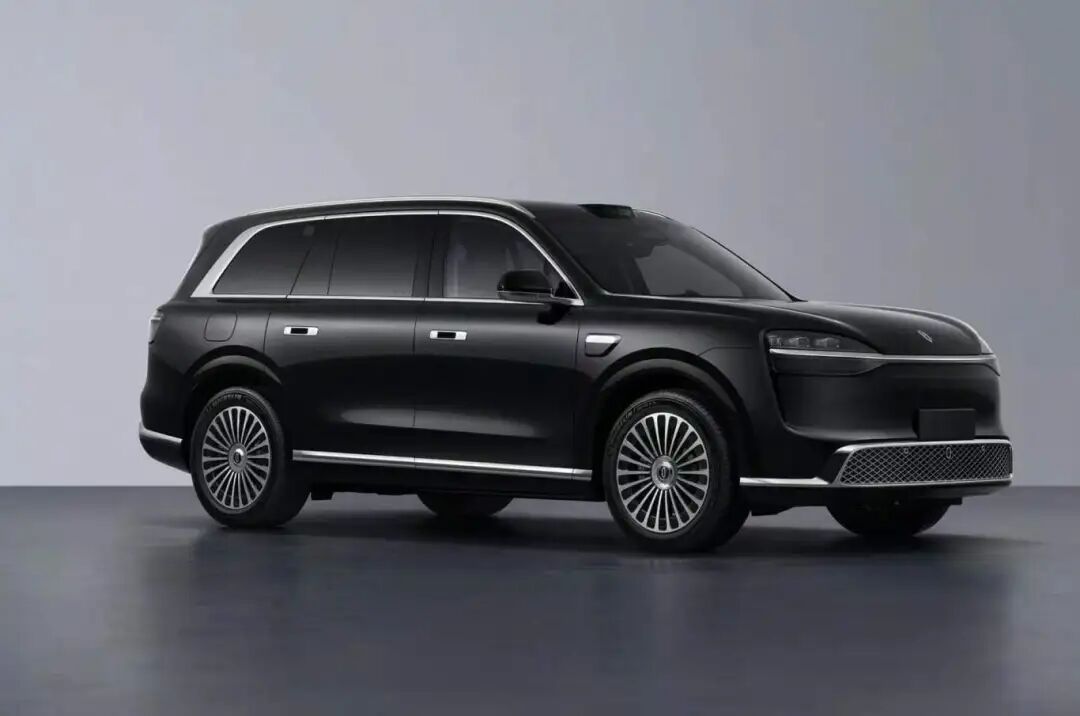
A week ago, the Ministry of Industry and Information Technology released a new batch of new - vehicle access catalogs, and the new AITO M9 was prominently listed. Objectively speaking, it is a strong candidate in this year's "Series 9" battle.
Speaking of this flagship large six - seat SUV strongly endorsed by Huawei, it can be said that it has single - handedly dethroned the Li L9 and set a series of sales records for Chinese automakers in the luxury market.
Undoubtedly, the most crucial task for the new AITO M9 this year is to continue to consolidate its position and act as the so - called "defender of the throne".
From the currently known product - power upgrades, in addition to minor adjustments in appearance, the overall size of the vehicle has been increased. It is equipped with Huawei's latest 896 - line lidar. Moreover, both the pure - electric version and the extended - range version have increased battery capacity and extended range.
Facing the "Series 9" battle, the new AITO M9 seems to be fully prepared. However, even so, it's hard to say it will surely win this year.
Because the competitors are also well - equipped.
Let's focus on the new Li L9. Even before the Spring Festival holiday, Li Xiang, the leader of Li Auto, couldn't wait to reveal a lot of information about its top - of - the - line Livis version.
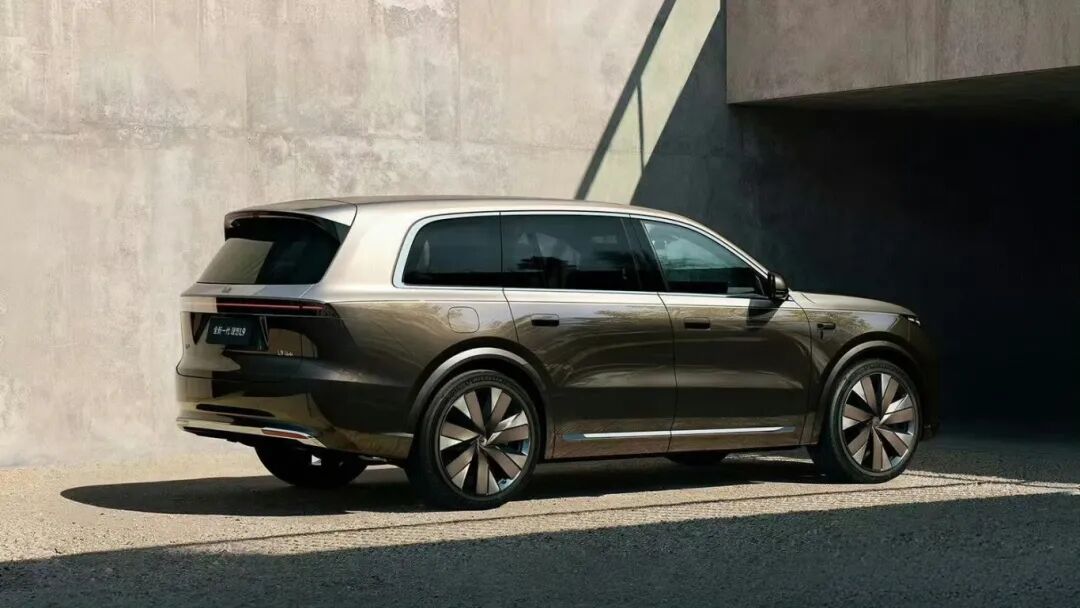
Similarly, compared with the old model, the appearance has been completely renewed, and the overall size has been further increased. More importantly, it is equipped with an active suspension, steer - by - wire system, and self - developed intelligent - driving chips, with a comprehensive computing power of 2560 TOPS.
It has also upgraded to an 800V high - voltage electronic and electrical architecture. After the battery capacity is increased, the pure - electric range exceeds 400 kilometers, combined with a pre - sale price of 559,800 yuan.
The new Li L9 Livis version has become what Li Xiang calls the "decisive work".
As for its core mission, it not only needs to regain the lost ground of this new - force car - making company in the "family flagship SUV" market but also re - establish the brand's perception of technological leadership through its self - research and integration capabilities in core fields such as suspension, chassis, chips, and intelligent driving to respond to the overwhelming doubts.
For Li Auto, this crucial product launch cannot afford to fail. However, unlike the vast blue ocean when the first - generation Li L9 entered the market, the pressure to expand now has multiplied several times.
For example, the NIO ES9 is a formidable opponent that it can't avoid.
At last week's earnings conference call, Li Bin officially announced that the technical launch event of this pure - electric flagship SUV is scheduled for April 9th. In an exclusive interview after the offline ceremony of NIO's 1 millionth new car at the beginning of the year, Li Bin confidently said, "The ES9 will achieve the same success as the ES8."
As we all know, the latter is the biggest contributor to this new - force car - making company's ability to achieve quarterly profitability, and its cumulative delivery volume is about to exceed 80,000 units. Such a strong performance also implies that the former also aims for both high sales volume and high price.
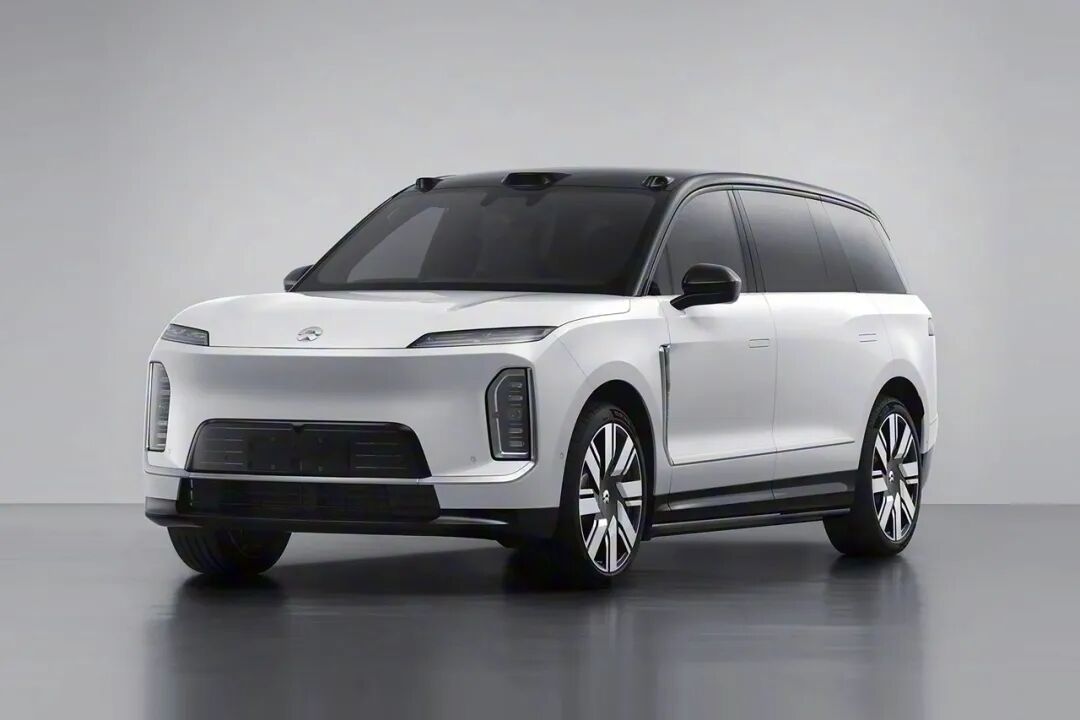
Li Bin clearly knows that it will be the key to whether NIO can reach the annual profitability threshold this year.
Based on the known information, the product power of the NIO ES9 can be described as "terrifying", representing the current strongest technological reserve of this new - force car - making company. Active suspension, steer - by - wire system, and self - developed chips will all be included.
In addition, you can always trust NIO in terms of aesthetics, style, and the creation of a sense of luxury. Coupled with another killer feature, the BaaS battery - separation program.
Now, it's easier to understand why Li Bin is so confident about this pure - electric flagship SUV.
Of course, if it had entered the market at this time last year, with its strength, the NIO ES9 would surely have dominated the market. But entering the market this year, the result is really hard to predict.
After all, in addition to being besieged by the new AITO M9 and the Li L9, the ZEEKR 9X, which has already proven itself in terms of terminal sales, cannot be ignored either.
In February, even in the off - season, its delivery volume was close to 5,000 units, demonstrating strong anti - risk ability. Its imposing appearance and excellent driving experience are its greatest advantages.
This year, in the real "Series 9" battle, who will emerge victorious in this four - way competition? It is destined to be one of the biggest highlights in the Chinese auto market.
The new - energy flagship SUV segment above 500,000 yuan has never been so full of undercurrents.
02
Build bigger cars to stand a chance
By now, I believe there will be skeptical voices wondering why the names of other players haven't been mentioned when discussing the "Series 9" battle.
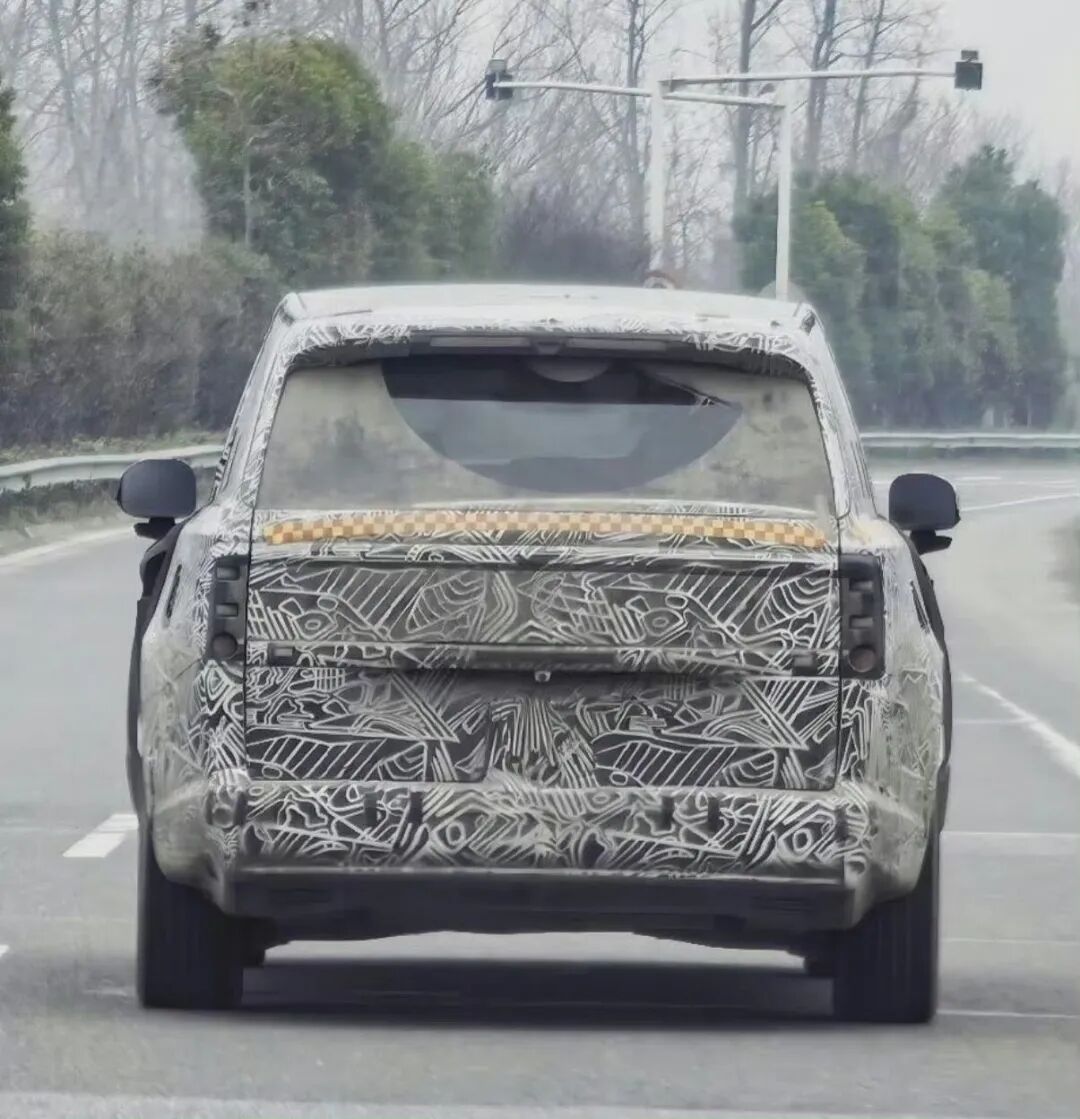
For example, the well - known "X factor", the Xiaomi YU9? And the long - launched Denza N9, Lynk & Co 900, LeDao L90, Geely Galaxy M9, as well as the upcoming Volkswagen ID. ERA 9X, Leapmotor D19, and Great Wall Wei V9X?
The most fundamental reason is, as mentioned at the beginning of the article, they are more like entering the relatively broader mid - to - high - end segment under the name of "Series 9" and haven't directly entered the market above 500,000 yuan.
Take the Xiaomi YU9 as an example. It probably won't actively participate in the flagship battle like the "four - way competition". Instead, it will start the first shot in the extended - range field at a relatively attractive price, avoiding direct competition.
To be honest, such a choice is neither right nor wrong as long as it conforms to the brand's development logic. Not blindly aiming for high - end markets essentially suits the situation of most domestic brands.
As an onlooker, on the one hand, I clearly know that the real "Series 9" battle has gradually begun this year; on the other hand, I can't help but sigh again that the large six - seat SUV market this year offers no respite but only suffocating competition. All participants are facing a surging red ocean.
In terms of quantity, a rough estimate shows that there are more than thirty models. They are densely distributed in the price range of 150,000 to 600,000 yuan. The underlying logic points to: "Build bigger cars to stand a chance."
Recently, I came across this view: "With the continuous increase in income levels, the gradual relaxation of the family - planning policy, and China's vast territory, Chinese car - buying habits will increasingly resemble those in the North American market."
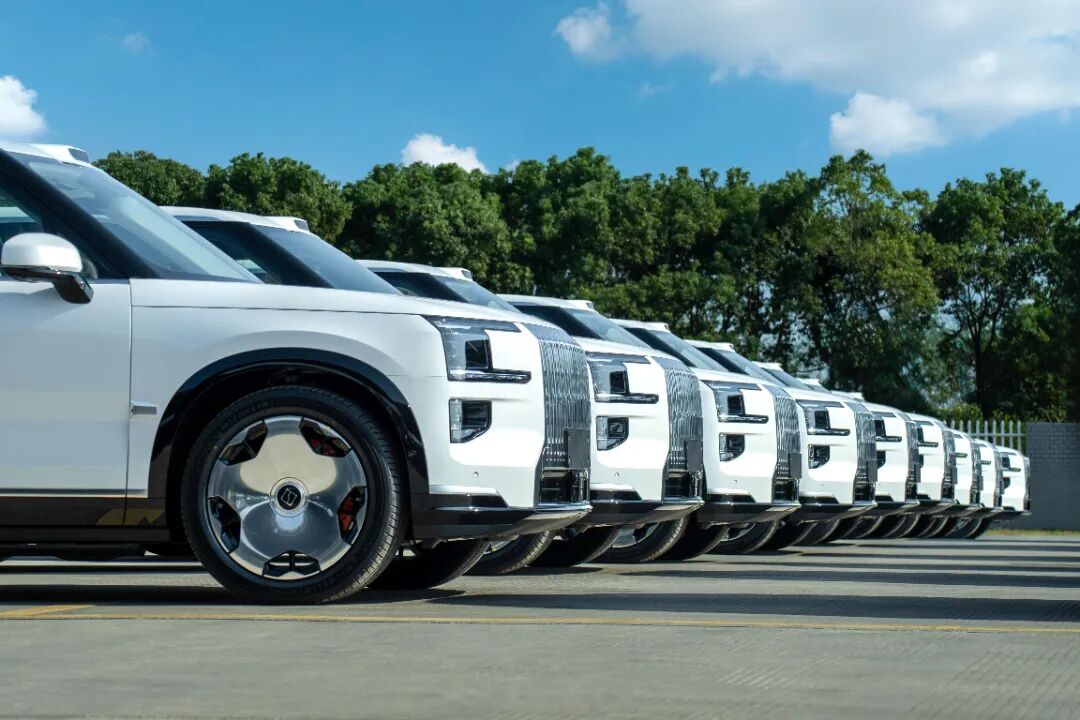
In other words, large cars, especially SUVs over 5 meters in length, will gradually become the mainstream. In the future Chinese auto market, it is destined that "those who have large cars will win the market."
No matter who it is, they must have one or several large six - seat SUVs that can "show off", so that other lower - level products can spread out from this starting point.
Behind this phenomenon lies the truth that "for Chinese consumers, the pursuit of large cars is the same as the pursuit of big houses. It is both a form of self - affirmation, a way to meet needs, and a form of consumption upgrade."
Of course, although the opportunity is clearly there, it doesn't mean that everyone can get a share of the "cake". Next, I'd like to pour some cold water on all the participants.
Last year, the overall sales volume of large six - seat SUVs was about 1 million units. Excluding a few leading players who tasted success, most models became "cannon fodder".
The results prove that there is a threshold for building large six - seat SUVs.
To sell well while maintaining price and profit, in addition to having no obvious flaws or weaknesses in the product itself, corresponding support is also needed in terms of marketing, service, energy replenishment, and delivery. At the same time, the brand image often affects consumers' final decisions.
In contrast, if a brand doesn't have a significant advantage in brand power, it has to choose a more difficult path: lower expectations and use low - price and low - profit strategies to increase sales.
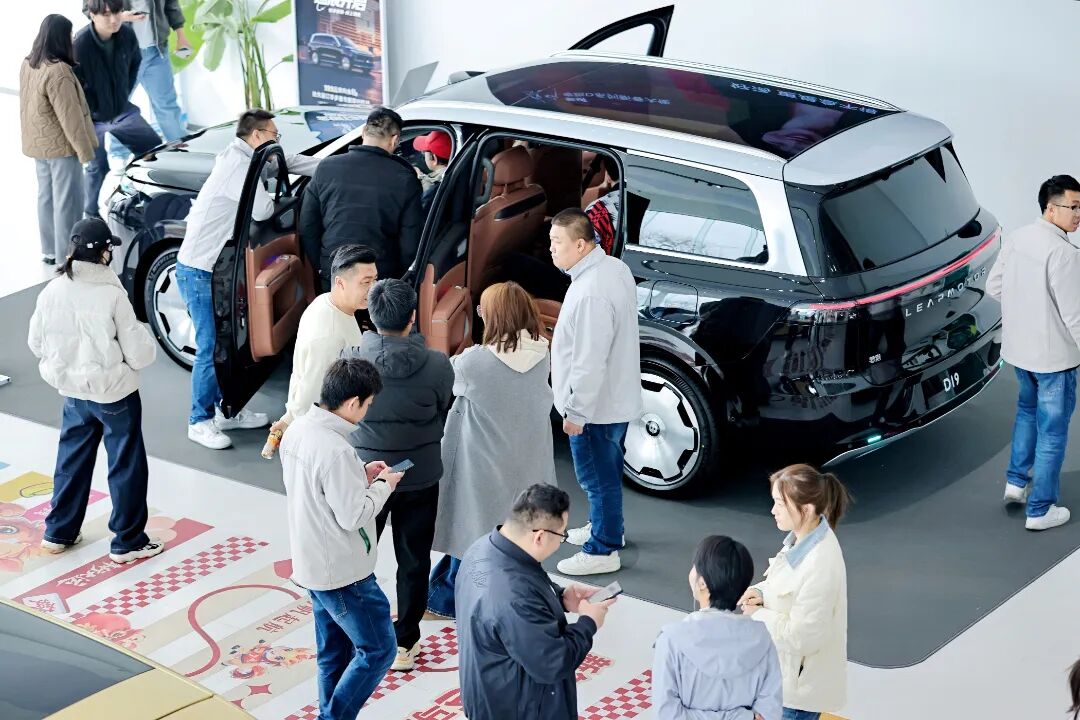
In short, large six - seat SUVs seem to have a bright future but actually have various hidden rules. If you enter the market blindly without sufficient preparation and can't find a suitable industry foothold, you will probably end up in a complete failure.
This year, the share of this segment is bound to increase on the basis of last year's 1 million - unit sales volume.
But whether you can get a share really depends on your own capabilities.
Especially in this era of increasingly homogeneous product experiences, brands are showing more and more overlapping characteristics in terms of vehicle configuration, marketing slogans, technological advantages, and even target customer groups.
Selling a large six - seat SUV well will increasingly test an automaker's systematic capabilities.
Of course, this is not only a battle for profit to stay alive but also a battle for future industry rankings.
This week, it's also worth noting that with the pre - sale of the ZEEKR 8X, the large five - seat SUV segment has also become more turbulent this year.
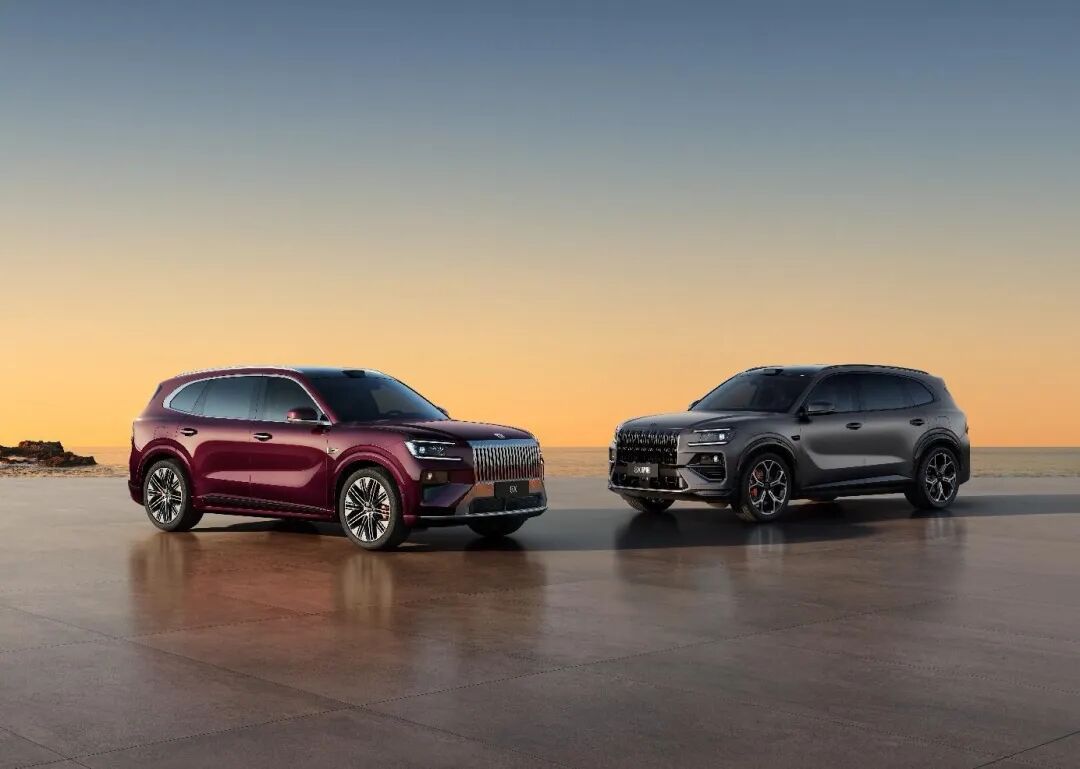
After that, with the continuous entry of new players such as the LeDao L80, NIO ES7, IM LS8, and AITO M6, it is bound to have a significant impact on and squeeze the share of large six - seat SUVs.
The terminal battle situation is becoming increasingly unpredictable.
In such a context, it fully tests whether each automaker's strategic choices are firm and whether its deployment is reasonable.
At the end of the article, I'd like to share a warning issued by Li Bin about this year's Chinese auto market.
"First, the total volume of the passenger - car market will not increase and may even decline slightly. Don't have any illusions in the next few years. Second, technology is evolving too fast, and no one can say for sure that they can stay ahead of others for half a year. Third, the marketing paradigm has changed, and there is a 'death valley' in the new - car effect - the sales volume is likely to drop sharply after the initial sales period. This is an industry rule that must be respected."
In the competition of the large six - seat SUV segment and the real "Series 9" battle, this warning is undoubtedly very appropriate.
At this moment, I don't think anyone dares to