After the AI craze during the Spring Festival, have netizens really started using AI?
During the Spring Festival in 2026, AI introduced new ways of having fun: using large models to grab red envelopes, participating in interactive card - drawing activities, and generating New Year greetings with a single click... It may seem like just another holiday marketing campaign to "offer benefits and attract users." However, the difference this time is that all the red - envelope activities and interactions point to the same action: using AI.
This poses a bigger question to everyone: Can AI become as integral a part of ordinary people's daily lives as mobile payment by scanning QR codes or watching short videos?
To answer this question, the T - ask research platform collected 1,098 valid user questionnaires during the Spring Festival (from the first to the eighth day of the first lunar month), focusing on the reach, usage, experience, and retention intention of the Spring Festival AI activities. The research subjects were mainly young netizens, with those aged 18 - 35 accounting for 68.7% of the total sample, and the ratio of male to female netizens being 51:49.
The research found that this round of Spring Festival AI activities presented a clear behavioral chain: starting with high reach, followed by behavior attempts, situational embedding, experience differentiation, and then forming retention. This is not just a simple marketing exposure but more like a large - scale technology diffusion experiment.
For many people, this Spring Festival was not just about "touching AI incidentally while getting red envelopes" but a real choice: I'm going to start using AI.
"Red envelopes" play the role of a "magic catalyst" in the diffusion of new technologies
Spring Festival red envelopes represent the world's largest - scale "synchronous blessing - giving" event. In 2015, WeChat red envelopes transformed this ancient custom into a social game at our fingertips. So, in 2026, when red envelopes meet AI, how much diffusion will it bring?
The answer is: Almost everyone noticed. T - ask research data shows that nearly 90% of the respondents "clearly noticed" the Spring Festival AI activities, and only about 1% said they "didn't notice at all." This high reach rate sends a clear signal: AI is rapidly embedding itself in various scenarios of daily life.
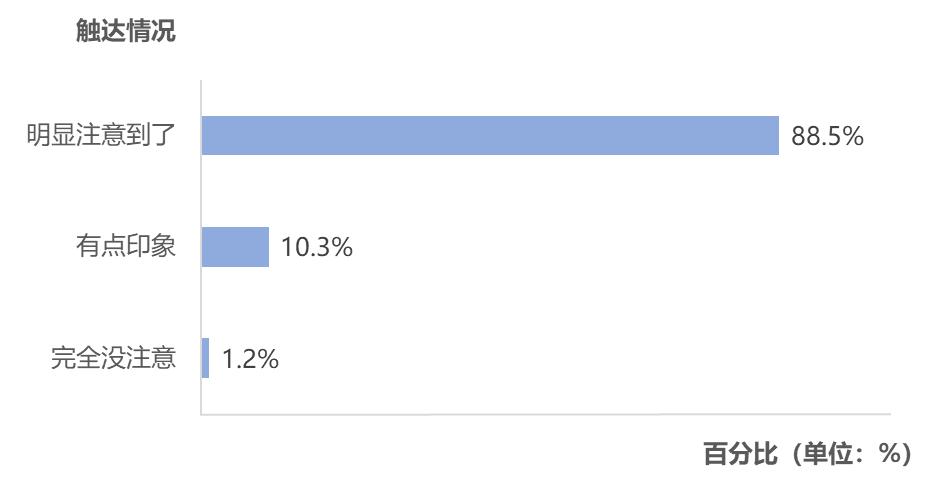
Figure 1. Statistical chart of the reach of AI Spring Festival creative activities (Data source: T - ask research - Did you use AI this Spring Festival? Take a test)
What can make people willing to try a new technology? This question has been studied for decades. In China, one of the answers is: giving red envelopes during the Spring Festival. This method has always worked - but it is also constantly being questioned: Does it still work?
The research data responds to this doubt to some extent: During the Spring Festival 2026 AI activities, red envelopes, as a marketing method, had an obvious effect on attracting new users and increasing user activity. Cash red envelopes (88.6%), preferential benefits (87.7%), and card - drawing by collecting likes (75.5%) were the three most widely - reached activity forms among the research group.
More notably, the Spring Festival AI creative activities not only made people "see AI" but also led to an obvious behavioral transformation of "using AI." Data shows that after exposure, nearly three - quarters of the research subjects said they increased their frequency of using AI.
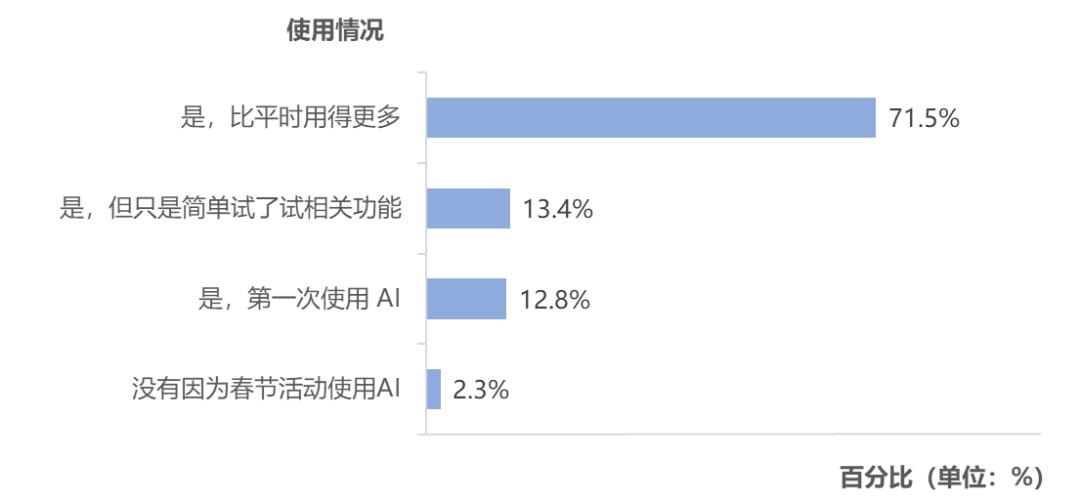
Figure 2. Statistical chart of the usage situation brought by AI Spring Festival creative activities (Data source: T - ask research - Did you use AI this Spring Festival? Take a test)
Figure 2 shows that offering benefits is not just a simple exposure of AI products but actually pushes some users over the threshold of AI usage. From the perspective of media sociology, methods of "offering benefits" such as red envelopes, discounts, and task rewards are not just marketing means but also play the role of a social device for technology adoption. In other words, red envelopes are not just about giving benefits but are a "magic catalyst" for the diffusion of new AI technologies, serving as a behavioral bridge for technology adoption.
So, through which channels do these "magic catalysts" take effect?
Social media platforms are still the most important reach channels. 85.5% of netizens came into contact with the AI Spring Festival creative activities through platforms such as WeChat official accounts, Weibo, Douyin, and Xiaohongshu. At the same time, the acquaintance network also played an important role: 48.0% of netizens learned about relevant content through their WeChat Moments, 32.8% through group chats, and 28.8% through offline communication. In addition, the Spring Festival Gala or large - scale events also became important exposure channels, with about 40.9% of netizens seeing AI - related content through such scenarios.
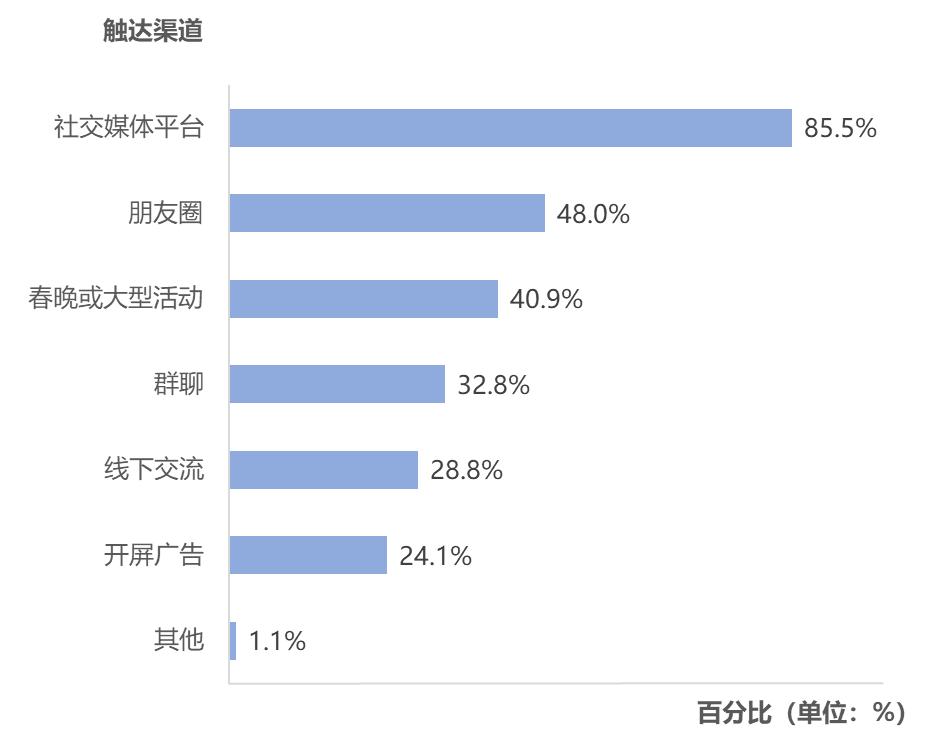
Figure 3. Statistical chart of the reach channels of AI Spring Festival creative activities (Data source: T - ask research - Did you use AI this Spring Festival? Take a test)
There are differences in the contact channels between male and female netizens. Men are more likely to learn about relevant activities through the acquaintance network, while women are more likely to come across relevant information while browsing content platforms. For example, the proportion of men who saw the AI Spring Festival creative activities through their WeChat Moments was 50.5%, higher than the 44.2% of women. The proportion of women who came into contact with the AI Spring Festival creative activities through platforms such as WeChat official accounts, Weibo, Douyin, and Xiaohongshu reached 87.7%, more than 6 percentage points higher than that of men.
The high - frequency reach communication channels not only made more people aware of AI but also promoted users to move from curious attempts to actual use. Taking social media platforms as an example, among the netizens who came into contact with the activities through this channel, 74.7% said they used AI more during the Spring Festival than usual. For those who did not come into contact with the activities through social media platforms, this proportion was only 52.9%.
The Spring Festival scenario makes the abstract AI capabilities concrete
Across the country, at this special time of the Spring Festival, the AI boom has ridden on the world's largest annual population migration, starting a surge in time and space. AI has quietly integrated into more daily social environments such as families, friends, and communities from being a topic discussed by the Internet industry or technology enthusiasts.
During the Spring Festival, activities such as AI red envelopes significantly increased the usage rate of AI, and this trend is closely related to the uniqueness of the festival scenario.
On the one hand, kinship is the main scenario for AI to embed in society during the Spring Festival. This research divided the usage scenarios into four dimensions: kinship, geographical relationship, professional relationship, and interest - based relationship. Three specific scenarios were set under each dimension, and the participation degree of netizens in each scenario was statistically analyzed using a 5 - point scale. The higher the score, the higher the participation degree in the corresponding scenario. The research data shows that the participation degree in kinship relationships was the highest, while the participation degree in professional relationship scenarios was the lowest.
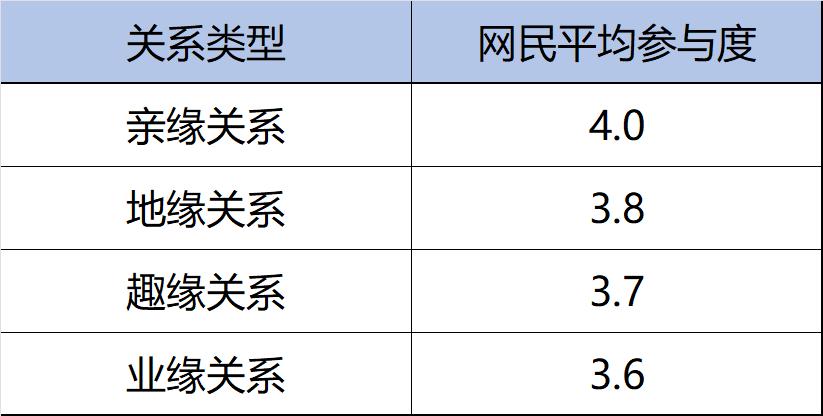
Table 1. Statistical table of the participation degree of netizens in AI Spring Festival creative activities in different scenarios (Data source: T - ask research - Did you use AI this Spring Festival? Take a test)
There are significant differences in the usage degree of netizens in different scenarios based on gender and age. Men are more active than women in scenarios such as helping in community groups, forwarding in colleague groups, and sharing in interest communities. Young netizens aged 18 - 35 are generally more involved than the middle - aged group in helping elders participate, getting assistance from fellow villagers or classmates, and participating in generative or other gameplay for fun, showing the characteristics of "socialization + fun" in communication.
On the other hand, the Spring Festival scenario provides very clear task clues for "first - time users," and clear tasks are highly correlated with high satisfaction and retention rates. If first - time users don't know what to do, it's difficult for them to form a first impression and develop subsequent usage habits. The Spring Festival scenario provides a natural "first - use task" for AI.
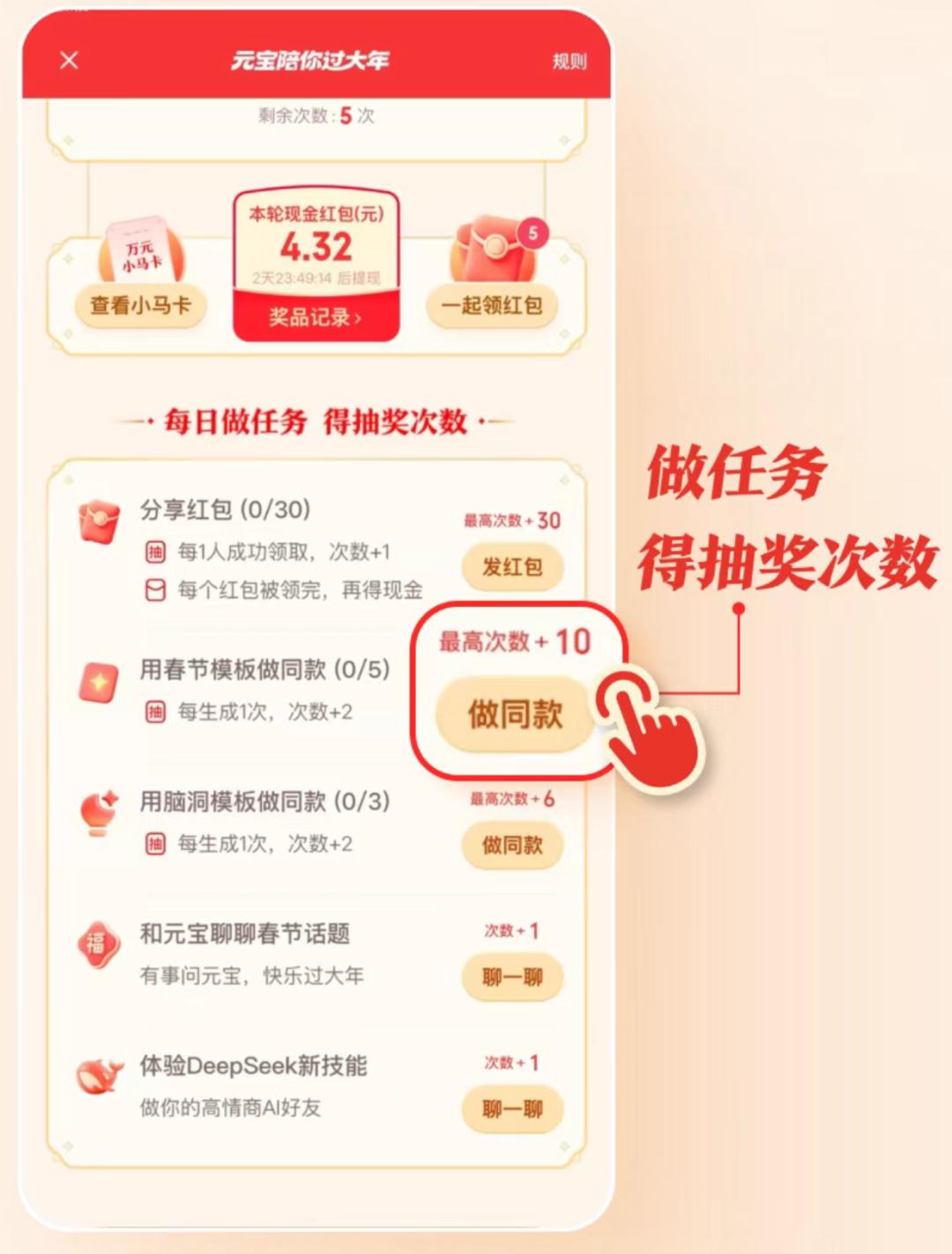
Figure 4. Taking Tencent Yuanbao as an example, sharing red envelopes provides netizens with a clear AI usage task chain
The Spring Festival scenario provides users with various tasks such as making New Year greeting pictures and helping elders participate in AI activities. For example, default product prompts like "Create a shower of red envelopes for the Spring Festival" or "Generate a video of toasting with a certain celebrity" transform the abstract AI capabilities into specific and tangible real - life applications.
The research data shows that family and acquaintance relationships form the soil for AI adoption during the Spring Festival. In the Spring Festival scenario dominated by kinship, the frequency of netizens' AI usage behaviors from high to low is as follows:
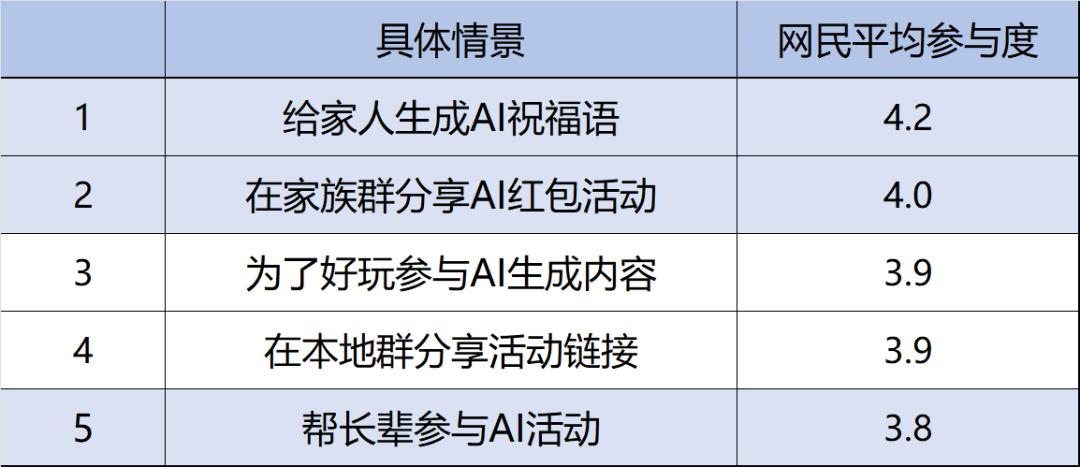
Table 2. The most active scenarios of AI Spring Festival gameplay are concentrated in kinship relationships (Data source: T - ask research - Did you use AI this Spring Festival? Take a test)
Another very inspiring finding is that those who use AI for the first time are most likely to stay. The retention intentions of different user groups are as follows:
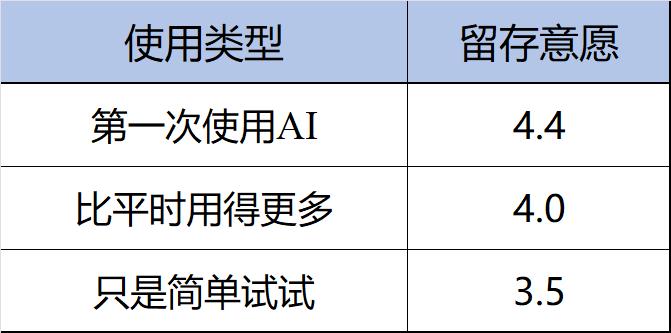
Table 3. Statistical table of the willingness of different types of netizens to continue using the AI used during the activities (Data source: T - ask research - Did you use AI this Spring Festival? Take a test)
For users who are new to AI, the Spring Festival activities are not just a superficial exposure but more like an efficient novice education process. Around specific tasks in specific scenarios, first - time AI users follow a clear task line, transforming the abstract AI capabilities into real - life needs. The initial experience of being practical, user - friendly, and easy - to - use then translates into satisfaction and retention rates.
Social media is still the main entry point for people to access AI. However, this wave of AI boom has not stopped in the tech circle but has spread to families and acquaintances. AI has not "broken through the circle" through technology communities and professional applications but has entered daily life along with human relationships and Spring Festival traditions.
But the Spring Festival only comes once a year. Can the above findings represent daily life? To this end, the T - ask research further investigated people's overall evaluation of AI - not just the Spring Festival activities but their views on daily AI tools such as AI voice assistants, large - language models, and intelligent recommendation systems.
What we want to know is: Do ordinary people think AI is worth using? The research measured this from two dimensions - perceived benefits (useful, easy - to - use, fun) and perceived costs (effort - consuming, risky), with a total of 5 indicators.
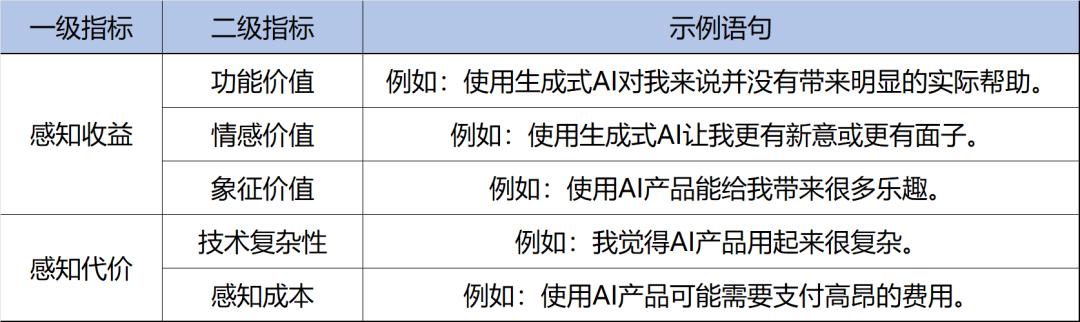
Table 4. Measurement scale of netizens' perception of the value of AI (Three statements were set for each indicator, and each statement was scored from 1 to 5)
Netizens experienced an obvious "sense of gain" in the adoption of new technologies. The research data shows that the perceived benefits are greater than the perceived costs, with a net perceived value of 0.5, presenting a cautiously optimistic distribution.
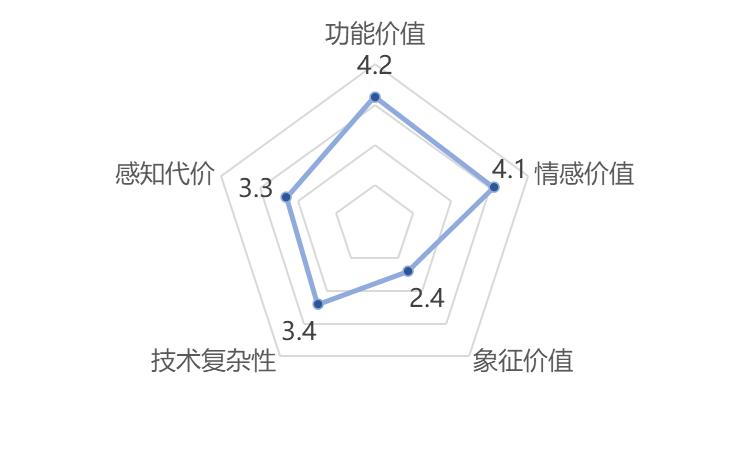
Figure 5. Statistical chart of netizens' general attitude towards AI products or systems (Data source: T - ask research - Did you use AI this Spring Festival? Take a test)
Functional value and emotional value bring the strongest sense of experience to netizens, while the symbolic value scores lower. People adopt AI because they find it "useful" and "fun" and don't pay much attention to "face - saving" factors. At the same time, complex operation remains a technological threshold for AI adoption. Moreover, regardless of the reason for using AI, netizens are anxious about privacy leakage and social embarrassment. It can be seen that in this round of the migration of Internet entry points, people's behavior patterns are still complex, showing the rich forms of "digital - intelligent living."
Benefits bring users to the door, and the "wow" factor determines whether they stay
The Spring Festival AI boom can be regarded as a social experiment on the relationship between the public and AI technology. Through this window, we can ask: What did the AI red - envelope shower water? Is it waiting for the next chance to get freebies, or is it a major switch in Internet entry points?
Overall, more than 80% of netizens gave positive feedback on the Spring Festival AI activities. Among them, 40.1% of netizens thought it was "better than expected but not really surprising," and 39.2% said it was "significantly beyond expectations and a bit of a wow," with the proportions of the two being close.
