Li Auto's market value has evaporated by 60%. Can a turnaround still come?
From the Darling of Capital to a Hot Potato
Two years ago, Li Auto was the most profitable among the new car - making forces. Li Xiang said proudly that he wanted to build "the best SUV under 5 million yuan". Now, its market value on the US stock market has dropped from $46 billion to $18 billion, a 60% evaporation.
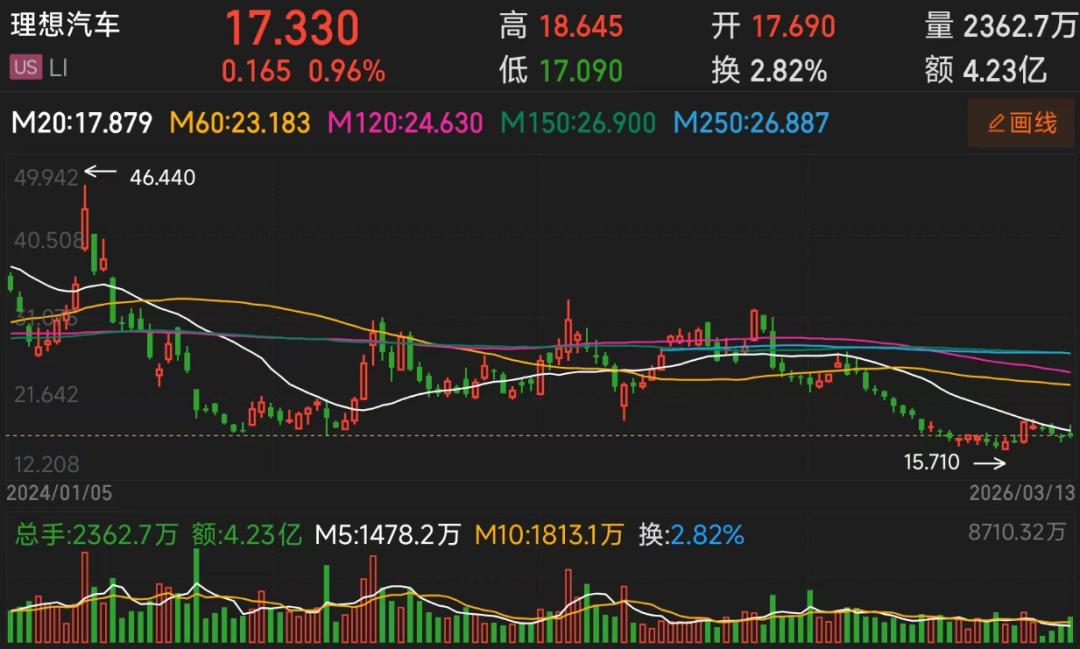
Image source: Flush
In 2025, Li Auto's revenue was 112.3 billion yuan, a sharp year - on - year decline of 22.3%; the net profit was 1.14 billion yuan, a shrinkage of 85.8% compared with 8.05 billion yuan in the previous year. The annual delivery volume shrank from 500,500 vehicles in 2024 to 406,300 vehicles, a decline of more than 18%. What's more worrying is the guidance for the first quarter of this year: it is expected that the revenue will be between 20.4 billion and 21.6 billion yuan, far lower than the market expectation of 24 billion yuan. This means that the year - on - year decline in the first quarter may continue to be between 16.7% and 21.3%.
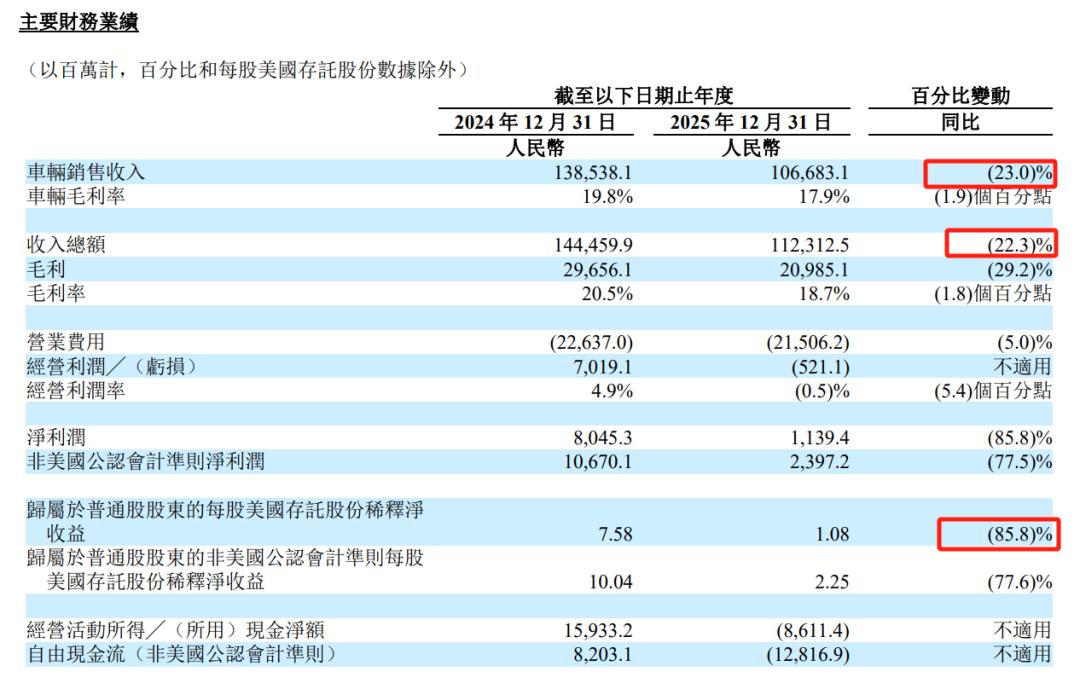
Image source: Li Auto's announcement
What's more dangerous is that among the new car - making forces, Li Auto is the only company with a negative annual sales growth. During the same period, XPeng achieved 122.7% of its sales target, and Leapmotor achieved 119.3%. Even XPeng, which used to lag behind, has turned the tables, with its revenue doubling and losses shrinking by 80%. Although, against the backdrop of fierce competition in the new energy vehicle industry, Li Auto is still the only new - force car company in China with revenues exceeding 100 billion yuan for three consecutive years and achieving profitability for three consecutive years, its profit margin has shrunk significantly.
Therefore, all the market's attention is focused on the same question: Is there any possibility for this former top student to make a comeback? Should it ride out the industry's downward cycle, or must it make a desperate decision in its own business?
Behind the Continuous Decline is the Change in Market Logic
Li Auto's glory in the past three years was built on a specific era narrative. At that time, the "dual - carbon" goal was not only an industrial policy but also an important criterion for the capital market to understand the future. Driven by the long - term and certain growth expectation over several decades, the valuation system of new energy vehicles has perfectly shifted from the "cyclical automobile manufacturing industry" to the "technology growth stocks supported by national strategies". Coupled with the large - scale liquidity injection by global central banks in response to the pandemic, abundant liquidity flowed into this most powerful main line, thus creating Li Auto's market value of $46 billion.
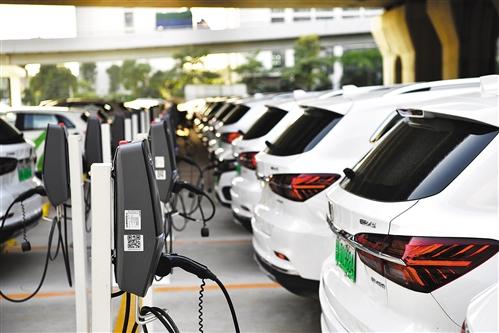
Image source: Xinhua News Agency
However, the change in the situation was so rapid that it caught most industry insiders off guard. After 2024, the pillars supporting this narrative collapsed one by one. First, the nature of the industry was exposed. Under the trend of technological equalization, product homogenization made "differentiation" a luxury, and finally led to a fierce price war.
In 2024, more than 200 models in the domestic auto market participated in price cuts. In 2025, this battle intensified. In the first seven months alone, 106 new models cut prices. The price cut of some models even exceeded 30%. For example, the official price of some new energy models was cut three times in a year, dropping from more than 200,000 yuan to about 120,000 - 130,000 yuan.
Secondly, the "windfall profits" in the upstream began to backfire on the mid - and downstream. Since 2021, the prices of raw materials such as lithium ore and silicon materials have skyrocketed. In the early stage, the exuberant market sentiment could digest it, but when the growth rate of terminal demand slowed down marginally, the high cost became a direct killer eroding the profits of mid - and downstream enterprises. Finally, the "time - delay bombs" buried by the previous crazy expansion of production capacity began to explode intensively. During the peak period of production capacity release from 2024 to 2026, the supply curve rose steeply. Under the imbalance of supply and demand, "valuation killing" became the only rational choice in the market.

Image source: Internet
Objectively speaking, Li Auto's product definition ability and product strength are very excellent, which is also what Li Auto's founder Li Xiang is quite confident about. Whether it is the early extended - range models of the L series or the current pure - electric models of the i series, they have brought a lot of new ideas to the highly homogeneous new energy vehicle industry.
The "refrigerator, color TV, and big sofa" - this "experience differentiation" strategy that accurately hits the needs of family users was Li Auto's core moat in the early stage. However, in the era of technological equalization, "experience" is precisely the area that is most easily copied and overtaken. Competitors such as Wenjie and Leapmotor not only offer extended - range technology and comfortable configurations but also provide more aggressive solutions in terms of intelligence and design. When the differentiation dividend disappears, the "comfort zone" that Li Auto painstakingly built has become a "red ocean" of homogeneous competition among multiple players.
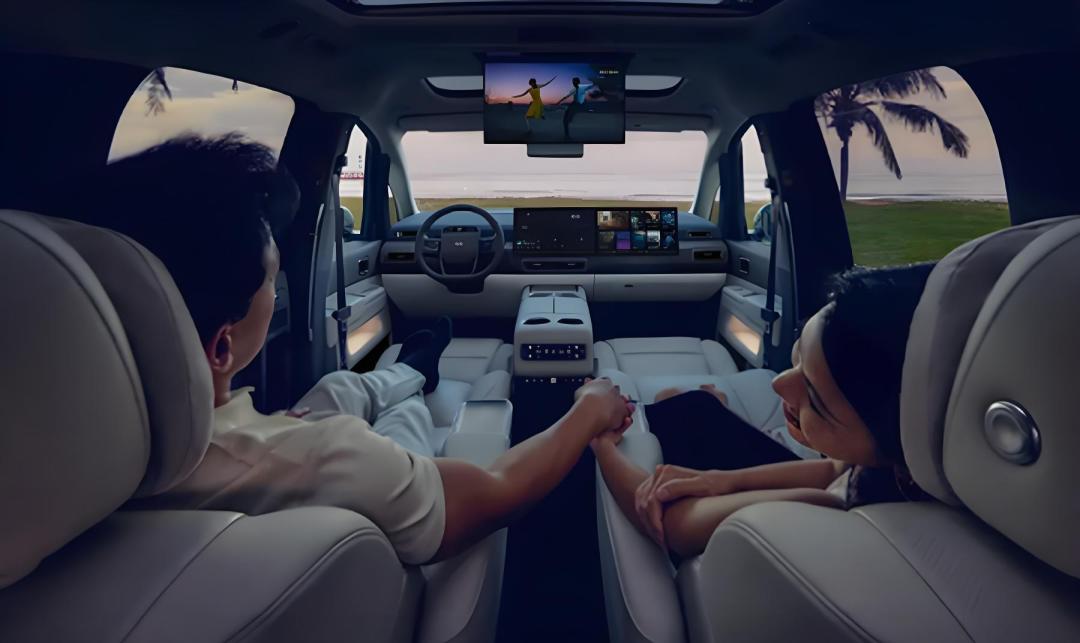
Image source: Internet
According to the data disclosed by Li Auto's senior management, the proportion of pure - electric driving mileage of Li Auto users exceeds 65%, and the pure - electric usage rate of users in first - tier cities such as Beijing, Shanghai, Guangzhou, and Shenzhen on weekdays is close to 90%. The underlying implication of this official data is that "users use electricity for urban work and gasoline for highway driving", indicating that most users still use the car as an electric vehicle.
Therefore, Li Auto is abandoning the old route of "small battery + large fuel tank" and switching to the new route of "large battery + small fuel tank + fast charging". It is reported that the new - generation L9 may be launched in the second quarter of 2026, which will be equipped with a 72.7 - degree large battery, and its CLTC pure - electric range will exceed 420 kilometers. In terms of fast charging, Li Auto has also applied the 800V 5C ultra - fast charging technology of MEGA to its extended - range vehicles, allowing extended - range vehicle owners to enjoy the fast - charging experience of "10 - minute charging for 400 - kilometer range".
Why Hasn't the Pure - Electric War of the i Series Started?
In 2025, Li Auto's L series - the former cash cow - began to lose money across the board. The annual sales volume of the L6 was 166,500 vehicles, a decrease of about 13.4% compared with last year. The L7 sold 80,700 vehicles, a decline of 39.8%. The L9 declined by 47.2%, and the L8 declined by 44.3%.
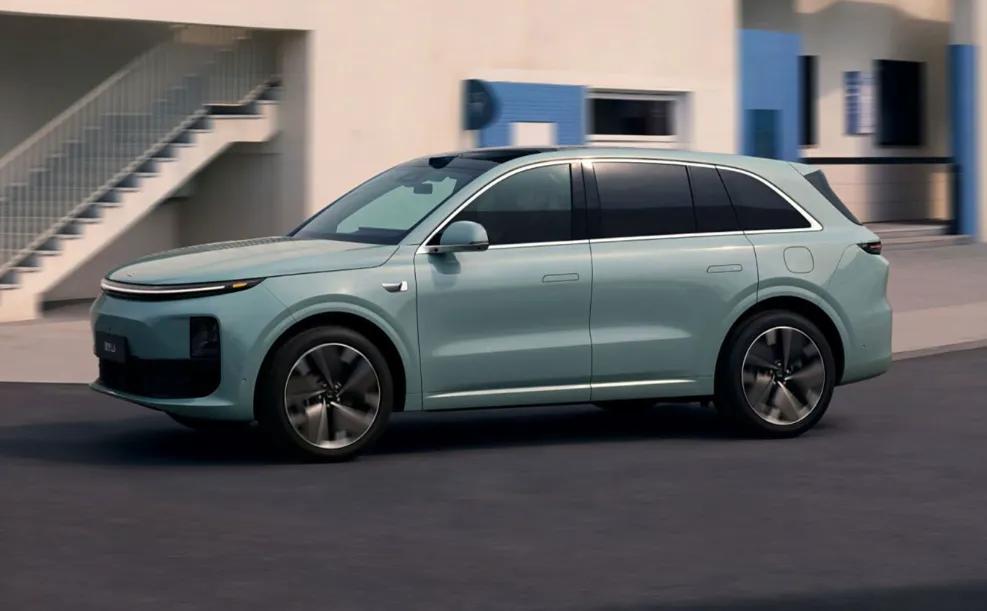
Li Auto L6. Image source: Li Auto's official website
Li Auto's pure - electric product line, which was supposed to become the second growth curve, has not been able to gain traction. When the i8 was launched, its SKU was too complex. The Pro version lacked a refrigerator and a screen, and the price of the Ultra version was inflated. Two versions were cut off just one week after its launch, leaving only the Max version with a unified price cut to about 339,800 yuan. Although the order volume of the i6 exceeded 23,000 vehicles, the supply - chain bottleneck was serious, resulting in a delivery ratio of only 18% for the two pure - electric vehicles in the third quarter.
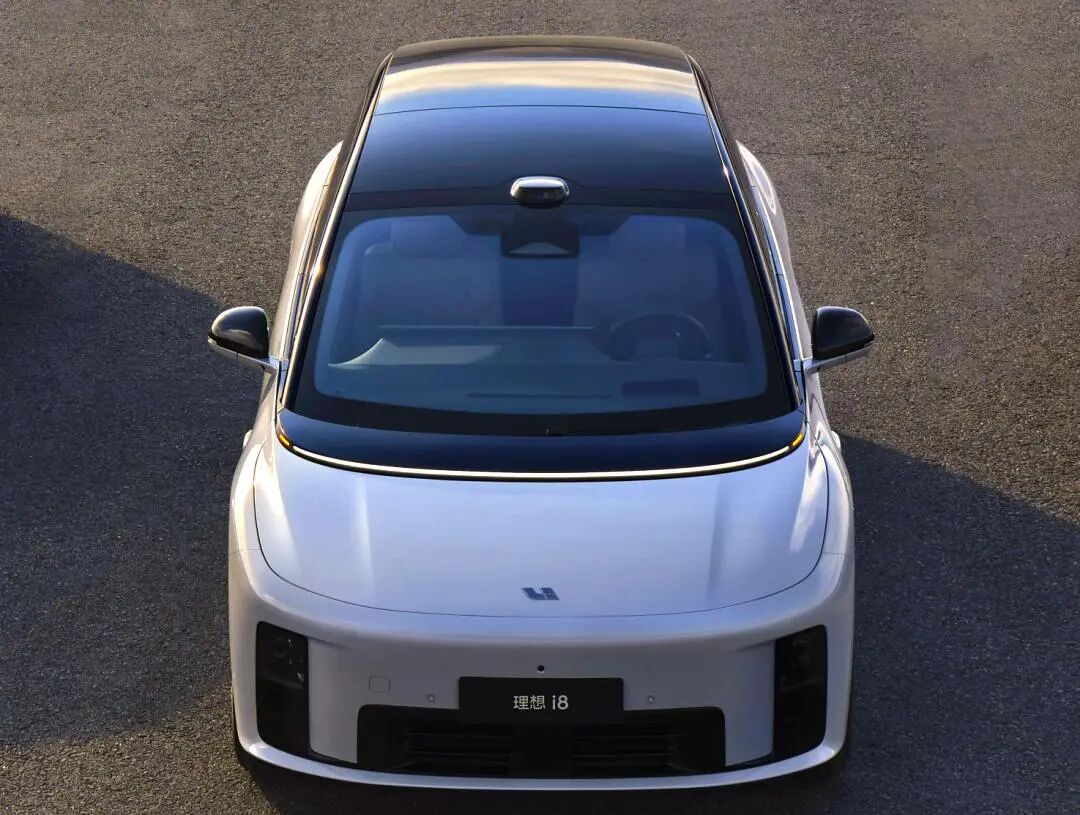
Image source: Internet
The Li Auto i8 adopted a pricing strategy of "same price for gasoline and electric vehicles" and launched a total of three models: the Pro version at 321,800 yuan, the Max version at 349,800 yuan, and the Ultra version at 369,800 yuan. All new cars have a six - seat layout and are standard - equipped with hardware such as dual motors, 5C ultra - fast charging batteries, and dual - chamber air suspension. However, in the eyes of consumers, it is "not enough". The Pro version is not equipped with signature configurations such as a "refrigerator and color TV", and the rear - seat entertainment screen is still an optional feature on the Max version, which has triggered a series of complaints. Some consumers who gave up on the i8 even said bluntly, "Li Auto still doesn't understand how to sell pure - electric vehicles."
Li Auto's pure - electric models feature "5C ultra - fast charging" (10 - 12 minutes of charging for a 500 - kilometer range), but this technology has extremely high requirements for infrastructure. Previously, due to the insufficient number of ultra - fast charging stations, which were not as widespread as gas stations, some users still worried about "not finding a charging pile" or "the pile being broken" during long - distance travel.
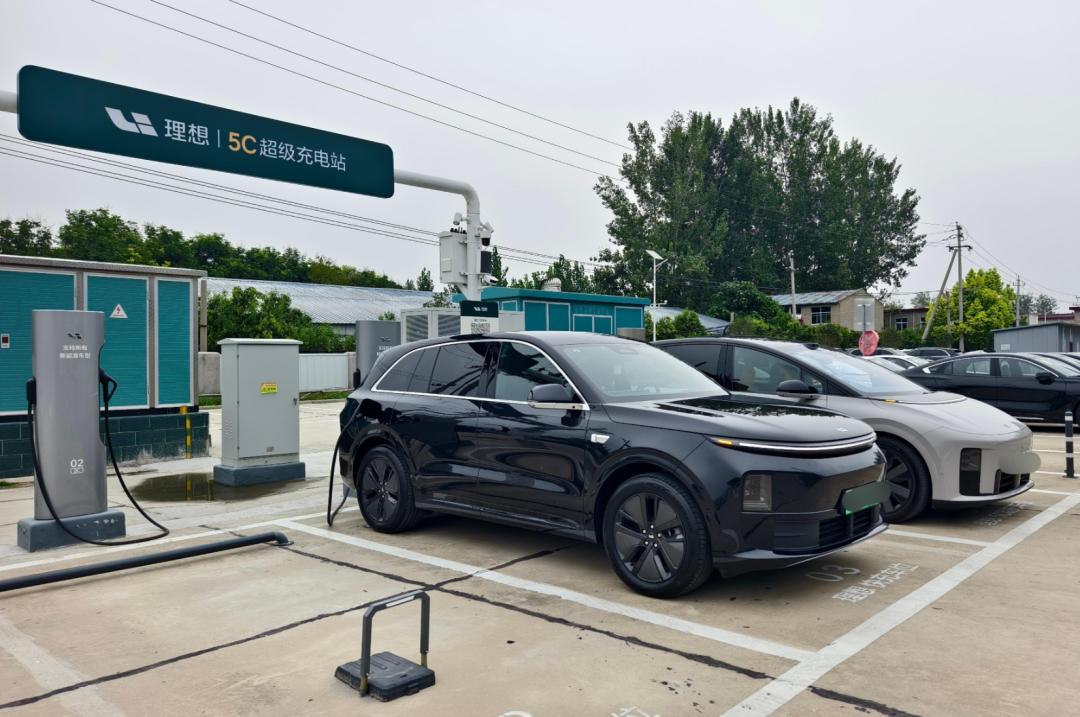
Image source: Internet
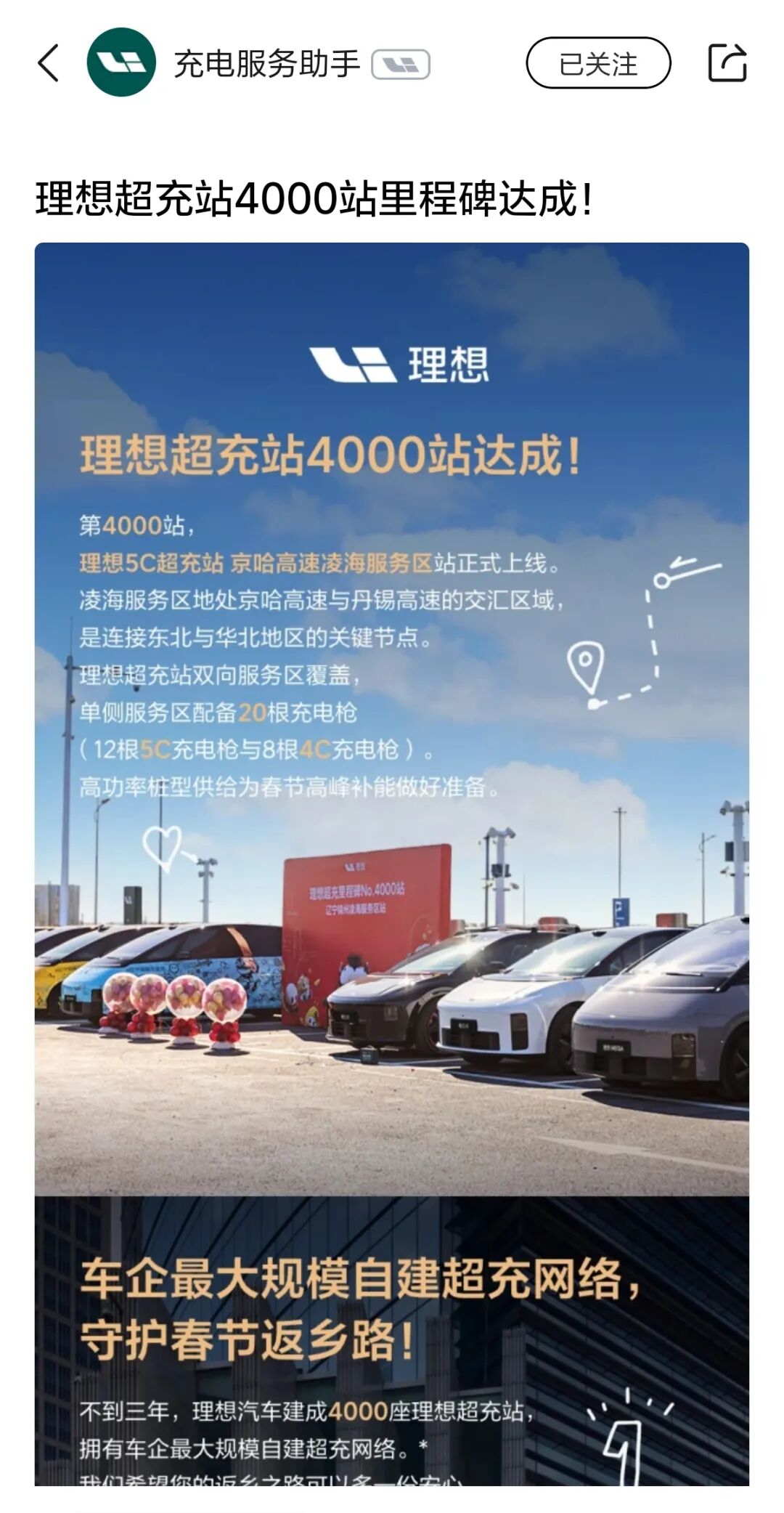
In 2026, according to the data released by Li Auto, the number of self - built ultra - fast charging stations (more than 4,000) plus more than 3,400 preferred ultra - fast charging stations is still increasing. During the Spring Festival this year, we saw many cars of other brands charging at Li Auto's ultra - fast charging stations, indicating that the charging - station network has been initially recognized by the market. It is believed that as Li Auto continues to expand its ultra - fast charging stations and third - party charging stations become more popular, charging anxiety will no longer be an issue.
In the latest earnings conference call, Li Xiang also recognized the problems with pure - electric vehicles. He clearly stated that Li Auto will launch a new Li L9 series in the second quarter. In terms of configuration, the new Li L9 will be standard - equipped with an 800V platform and 5C ultra - fast charging technology, and will also be equipped with Li Auto's new - generation full - stack self - developed extended - range 3.0 system, as well as EGR low - temperature start - up technology and an AI intelligent oil - maintenance system.
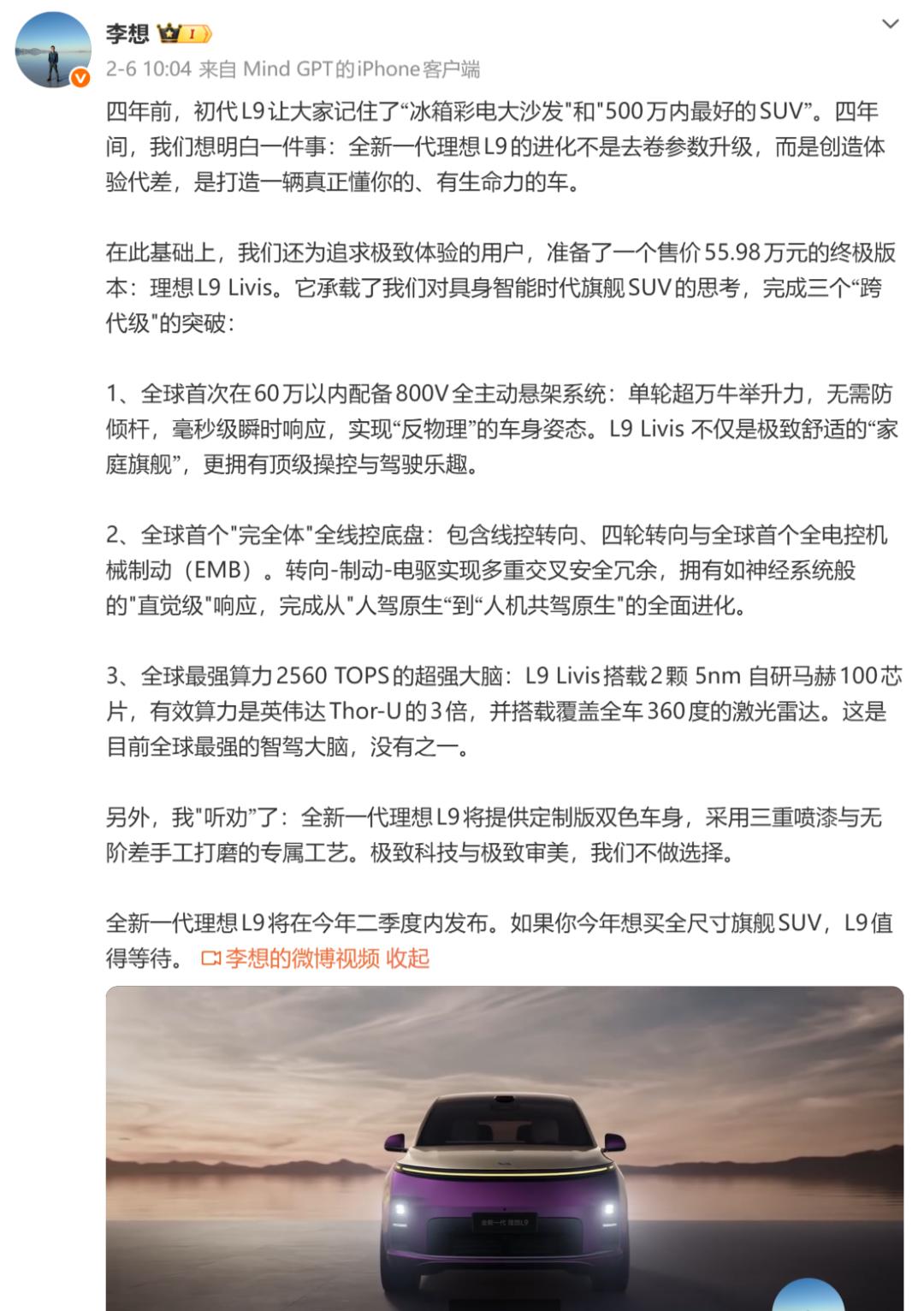
Image source: Weibo
However, the more difficult part is that the competitive landscape has changed, and the competitors are all super - strong players who have survived the fierce competition.
Above, Tesla is continuously launching a dimensionality - reduction attack. The price of the new - version Model Y is anchored in the 250,000 - yuan range, directly cutting into the core price range of Li Auto's L7. The high user penetration rate of its FSD driving system and brand appeal put double pressure on Li Auto in terms of psychology and pricing.
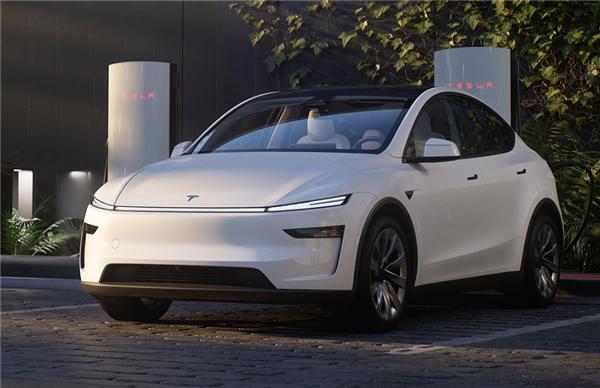
Image source: Internet
Below, BYD, Xiaomi, etc. are launching structural involution through stronger cost control and economies of scale. BYD's DM - i technology has established a price barrier, and Xiaomi's SU7 and YU7 have even more aggressively priced high - end intelligent driving hardware in the 210,000 - yuan range. This "technological equalization" has compressed the living space for Li Auto to obtain high gross margins through configuration premiums in the past.
