AWE 2026 Panoramic Observation: AI Cross - border Integration, Four Major Industrial Trends Emerge
Just as the enthusiasm for 6G and flagship phones at MWC 2026 faded away, the domestic tech circle welcomed an annual high - profile event. On March 12, 2026, the AWE (China Appliance & Electronics Expo) officially kicked off in Shanghai.
The scale of this year's AWE reached a new high, with an exhibition area of over 170,000 square meters. It gathered thousands of enterprises such as Haier, Huawei, Hisense, TCL, Sony, LG, Bosch, Siemens, and BYD. The 13 exhibition halls almost covered the entire industrial chain, including home appliances, consumer electronics, robots, AI chips, and intelligent mobility.
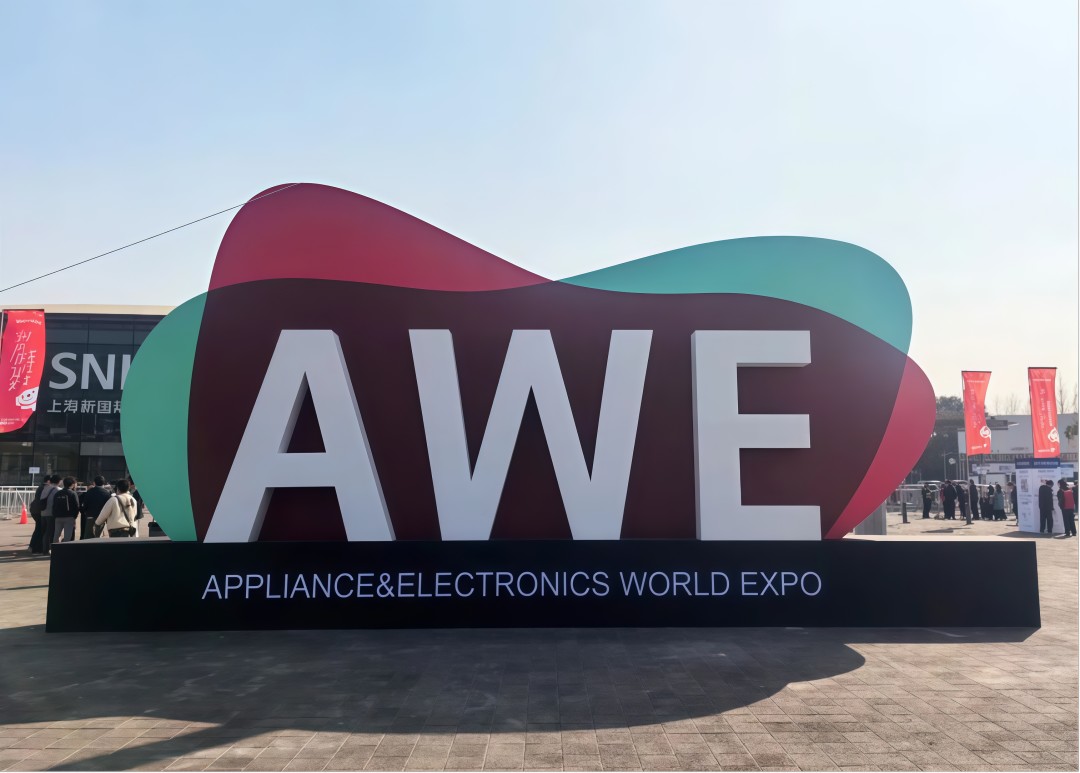
Different from previous exhibitions that focused on single - product iterations, this year's AWE adopted the "One Exhibition, Two Zones" model for the first time, linking the Shanghai New International Expo Centre and the Oriental Hub International Business Cooperation Zone. With the core theme of "AI Technology, Smart Future", more than 1,200 enterprises and an exhibition area of 170,000 square meters turned the exhibition into a real - life test field for AI to be implemented in daily life.
If the focus of MWC was on the future of 6G and mobile terminals, then AWE 2026 seemed to answer a question closer to our daily lives: When AI enters households, kitchens, living rooms, and mobility scenarios, as well as the consumer electronics and home appliance industries, what qualitative changes have actually occurred? We dissected the industry secrets hidden in this exhibition from three dimensions: new products on - site, technological announcements, and industrial trends.
Forum Consensus: Reject AI Show - off, "Practical Implementation" Becomes Industry Consensus
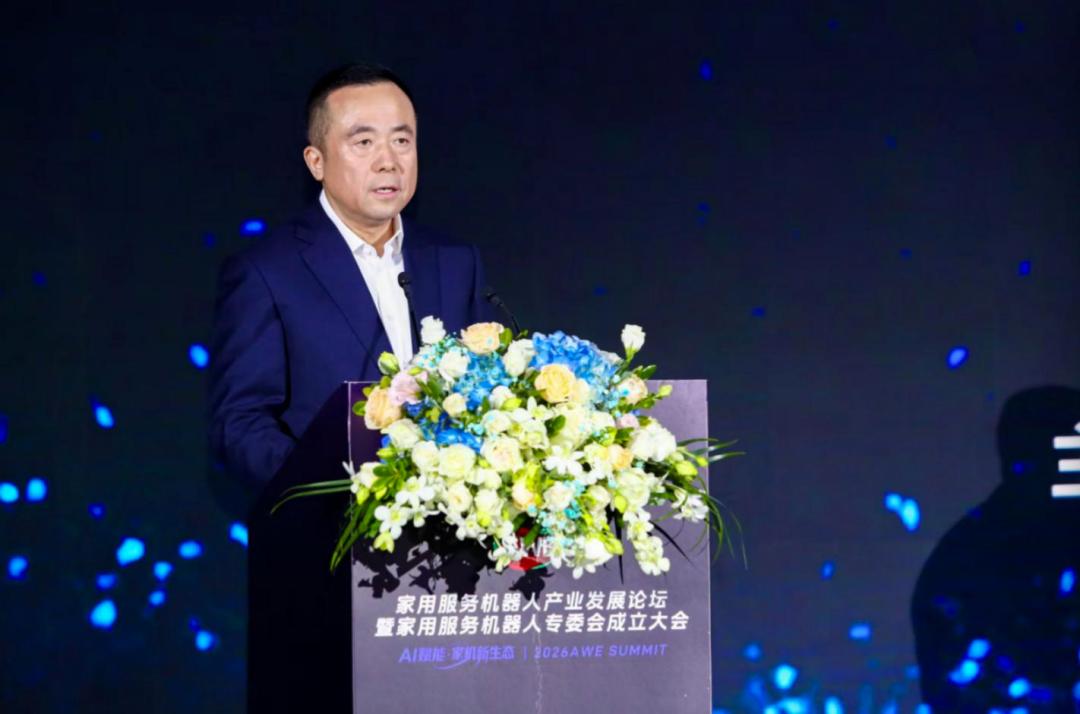
The AWE Summit Forum held on the first day of the exhibition didn't stay on the grand narrative of "AI vision" but focused on a more realistic question: How can AI truly serve users?
Ren Xue'an, the Party Secretary of the General Manager's Office of China Media Group, said directly that the core of industry upgrading lies in AI implementation and ecological leap. AI innovation cannot deviate from mainstream needs. Only by considering both technology and the ecosystem can Chinese consumer electronics stand firm on the global stage.
Regarding the form of AI terminals, Xu Chi, the founder of XREAL, put forward a core view: AR glasses are the most natural native terminals for AI. In the future, the ultimate form of AI will be the physicalization of intelligent agents, and hardware will be the carrier. He admitted that the industry still faces four major bottlenecks, such as hardware miniaturization and ecosystem unification. However, Chinese enterprises are expected to dominate the global AI glasses market with their supply - chain and iteration advantages, making AR the biggest dark horse in the consumer electronics track at this year's AWE.
In the round - table dialogue session, the practical experiences of various enterprises hit the nail on the head. Li Ying, the vice - president of Baidu Group, emphasized that "scenario + AI + hardware" is the key to breaking the deadlock. Any intelligence that deviates from users' pain points is a false demand. Xiaodu achieved device linkage through the OpenClaw framework, aiming to make AI move from "passive response" to "active service". Miao Wei, the president of Anker Innovations in China, pointed out a new industry trend: AI is reconstructing the product logic. The consumerization of professional capabilities and the shift from "buying products" to "buying capabilities" by users have become the new consumption orientation.
Guests from Yanshan Technology and Ninebot also mentioned that edge - side AI deployment, swarm intelligence, and scenario - based ecosystems are the core directions for future development. They completely abandoned the gimmick of "being intelligent for the sake of being intelligent" and made "real AI" an experience that users can perceive.
On - site New Products: AI Penetrates All Scenarios, Flourishing from Home Appliances to Robots
The consensus reached at the forum became tangible products at the exhibition site. The AI innovation at this year's AWE was no longer limited to single - function upgrades but covered four major scenarios: smart homes, consumer electronics, mobility, and embodied robots. There were also popular highlights such as AI - powered lobster farming, humanoid robot battles, and real - machine experiences of high - end mobile phones from Dreame, which continuously dominated the online discussions. E - commerce platforms like JD.com and Tmall also created non - traditional scenario - based experiences. Each new product was interpreting "AI empowering life". The core change was that the implementation of AI in the home appliance field had shifted from passive command execution to active perception and autonomous decision - making.
Smart Homes: From Remote Control to Active Thinking, Home Appliances Become "Butlers"
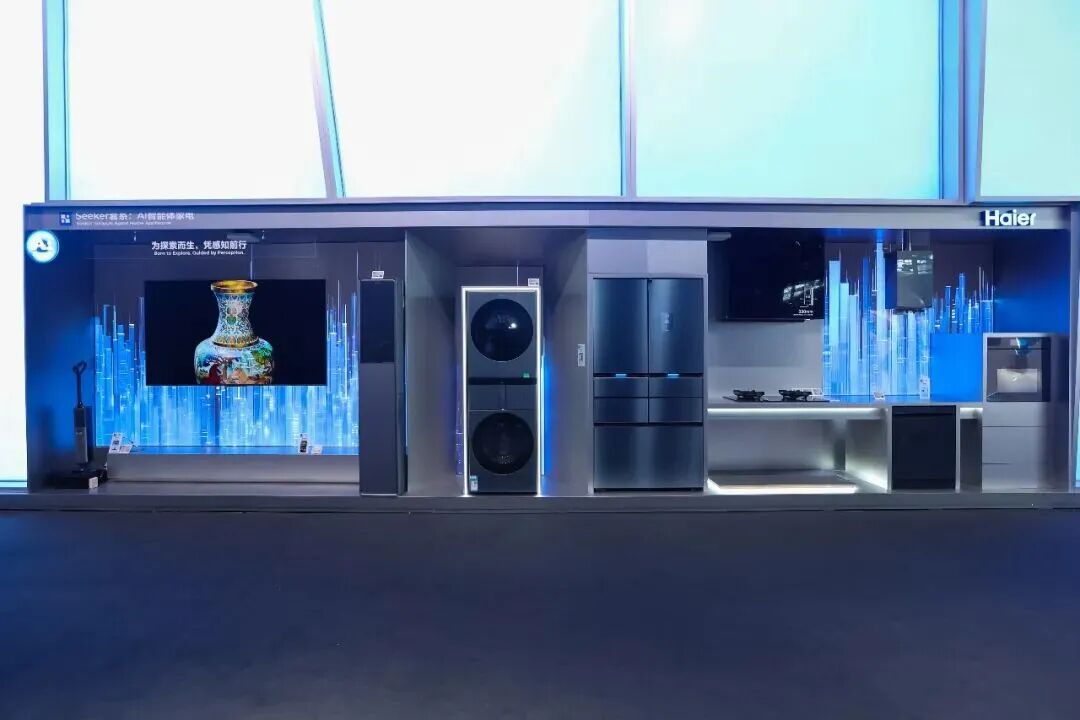
Traditional home appliances have officially entered the era of AI active perception. The core of new products from major brands focuses on the practical implementation of AI technology. Haier demonstrated new progress in the field of smart homes, focusing on the leap from device intelligence to "space intelligence" and "system intelligence" in smart homes.
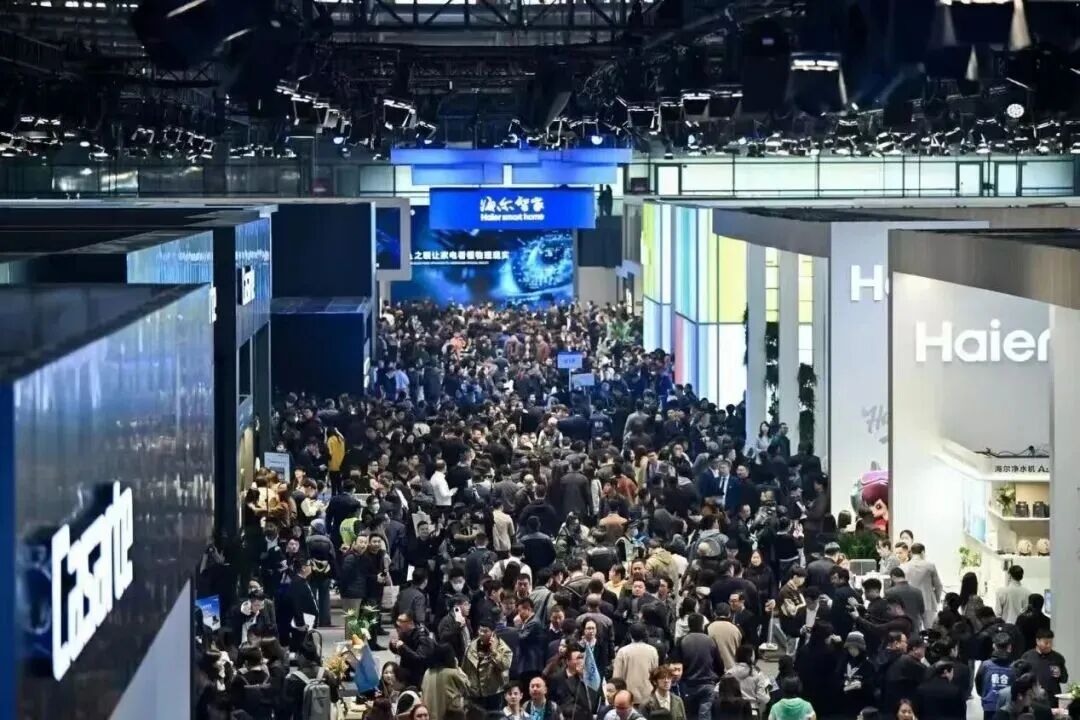
From the perspective of industry development, smart homes have gone through three stages: networked control, device linkage, and scenario - based home appliances. Now, AI technology represented by large models has become the key driving force, promoting the upgrade of homes from a scattered "collection of devices" to an "intelligent system" with complete perception, decision - making, and execution capabilities.
The core system framework of Haier's smart home demonstrated this time can be summarized as the trinity of "eyes, hands, and brain", clearly constructing the core logic of system intelligence. Among them, AI Eye 2.0, as the "eyes" of the system, greatly improved the visual recognition ability, enabling home appliances to truly "understand" the physical world. For example, the refrigerator can automatically identify ingredients and manage freshness, the range hood and stove can monitor the cooking status and adjust autonomously, and the air - conditioner can sense the human position and adjust the wind direction and volume, completely realizing the transformation from "passive reaction" to "active participation".
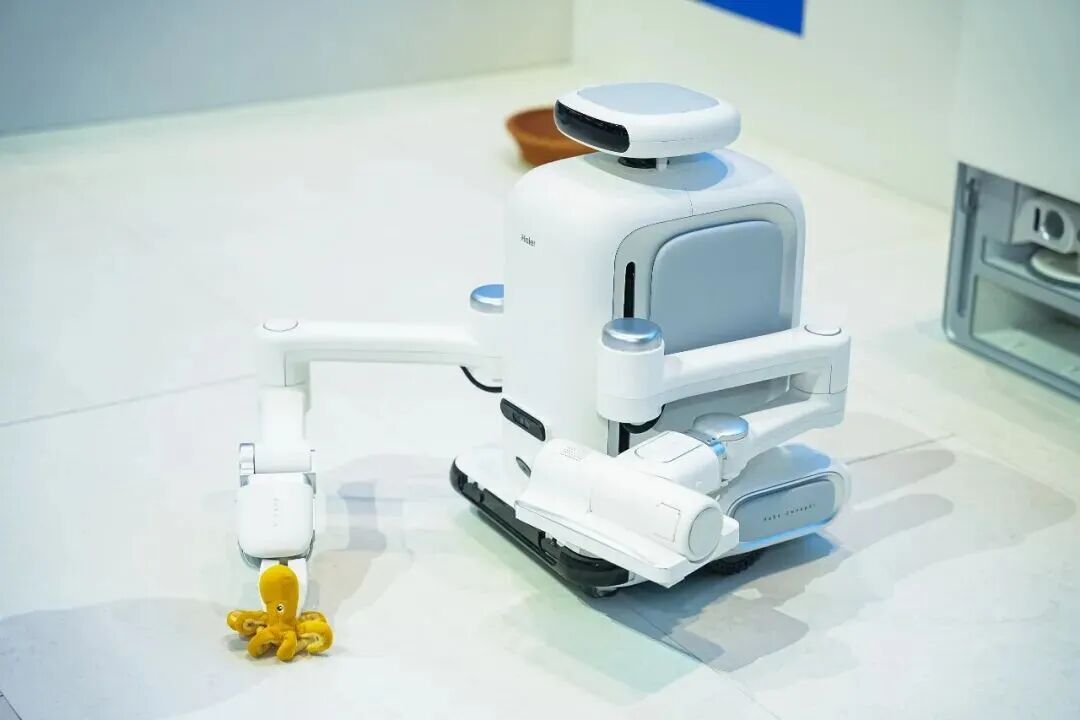
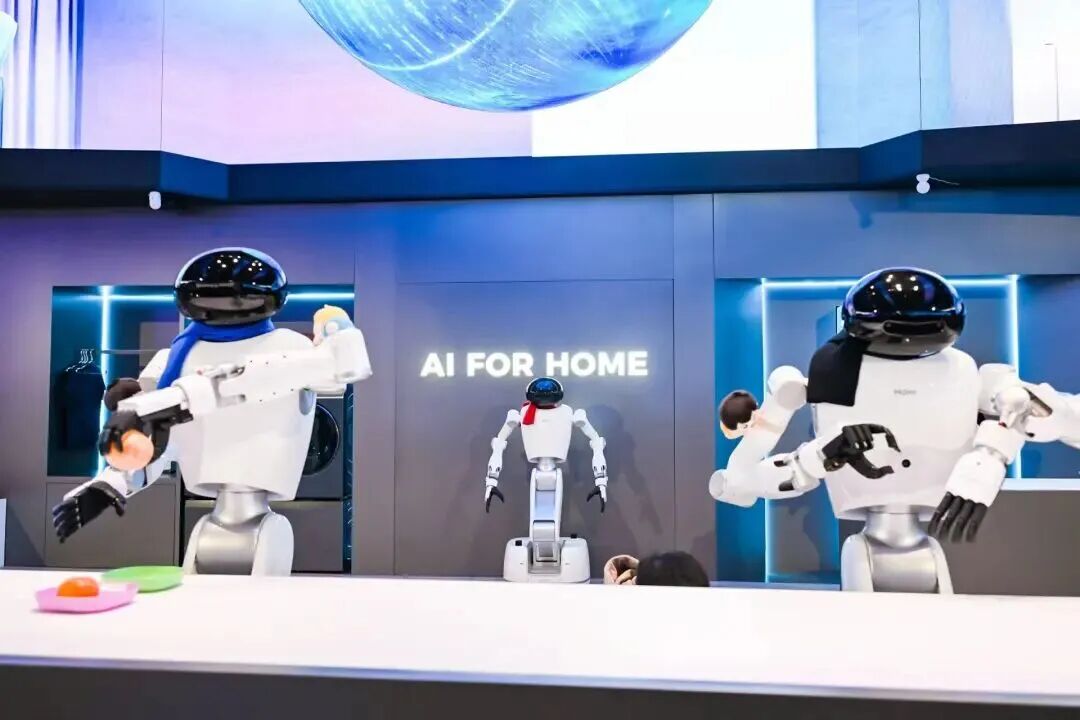
As the "hands" of the system, Haier released three types of household robots to fully liberate human labor. They are the Haiwa household robot that can complete delicate tasks such as picking and placing ingredients and storing meals, the Haiwa embodied cleaning robot that can achieve 3D space storage and dry - wet cleaning, and the Haiwa companion robot specially designed for the elderly, which can provide fall detection, medication reminders, and health companionship. The three types of robots work together to cover the daily household chores and companionship needs of families.
The smart home brain, as the "brain" of the system, undertakes the core responsibility of understanding user needs and planning task processes after a new upgrade, relying on UhomeOS and vertical large models. By constructing a 3D digital twin space of the home, it not only makes user interaction more intuitive but also enables the entire system to better coordinate various devices based on spatial data, achieving efficient operation.
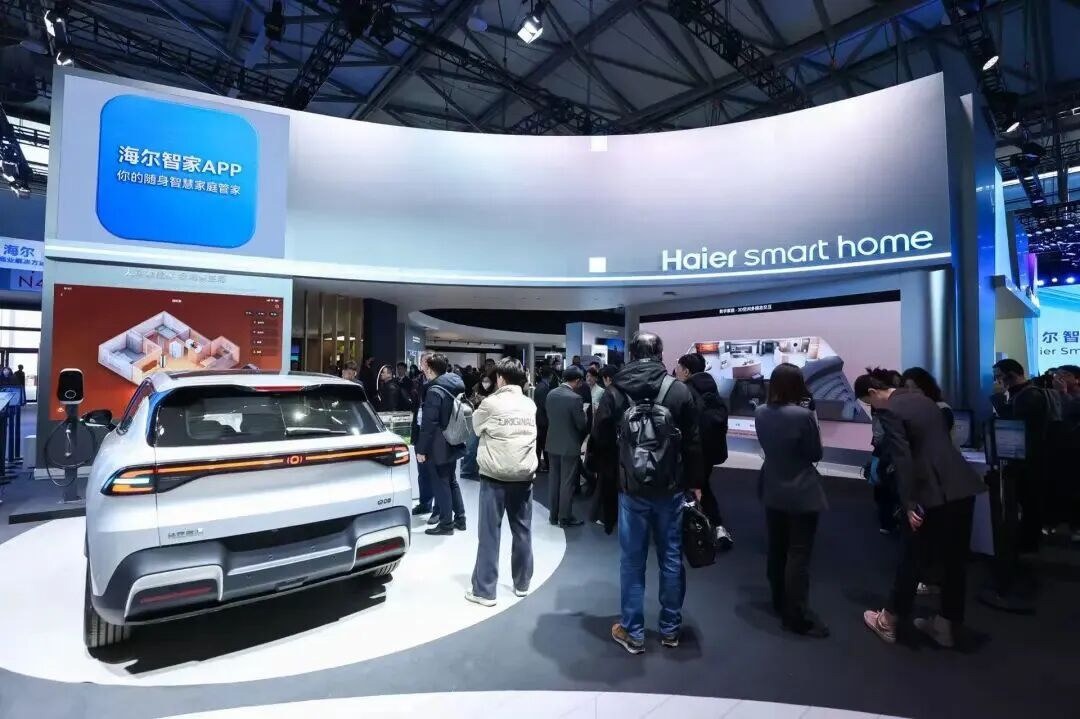
At the same time, Haier is constantly expanding the boundaries of the smart home, extending it from the interior of the home to a larger living ecosystem, proposing a complete system of "people - vehicle - home - community - city" and striving to make the home system the core entrance connecting various living scenarios.
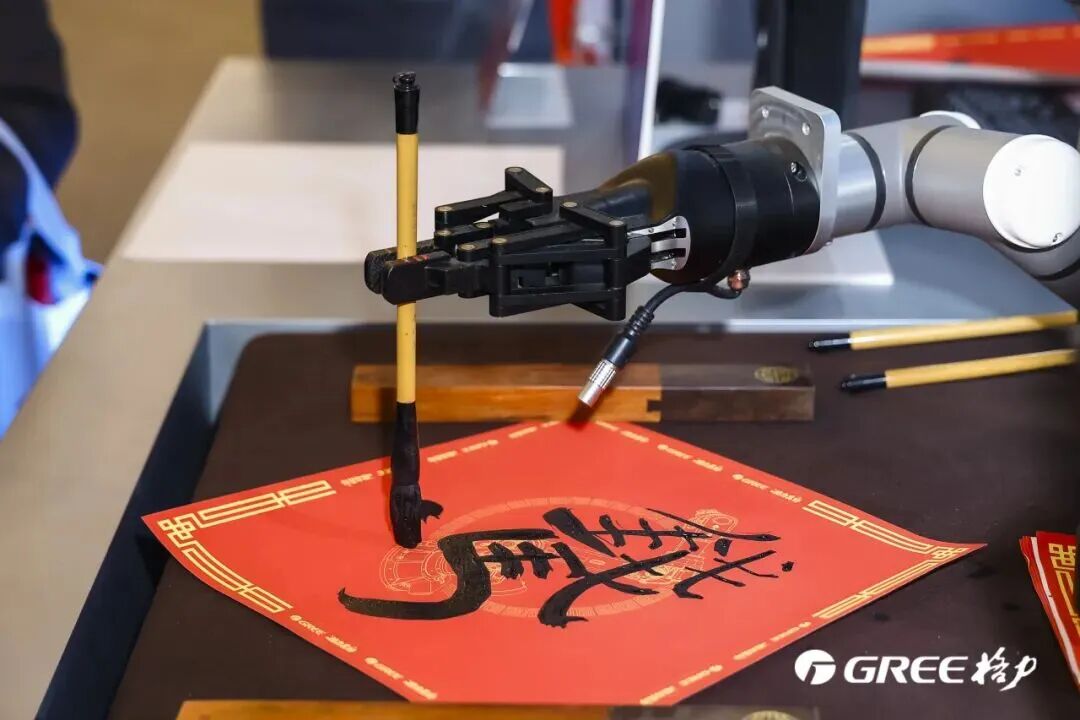
Gree took "True AI Love" as the theme. The AI Cool King cabinet - type air - conditioner is equipped with a self - developed AI large model for home appliances, serving as the central hub of the whole - house intelligence to achieve seamless linkage of multiple devices and can still operate stably without an Internet connection. The Star5 AI central air - conditioner relies on the self - learning ability of the large model to optimize parameters in multiple rooms and predict user habits, promoting the application of large models to upgrade from single - function to full - scenario experience.
Its Gree EAI chip is equipped with advanced artificial intelligence algorithms, achieving low - power and high - efficiency intelligent control. It won the world's first TICK - MARK certification and is widely used in scenarios such as energy - saving control, UI interaction, image, and voice processing.
Brands such as LG, Siemens, and Robam also followed suit. AI - intelligent dishwashers and AI - digital kitchen appliances were unveiled one after another. Home appliances have been upgraded from "executing commands" to "predicting needs", completely reconstructing the household chore scenarios.
Consumer Electronics: AR Glasses Break Through, AI Phones Impact the High - end Market
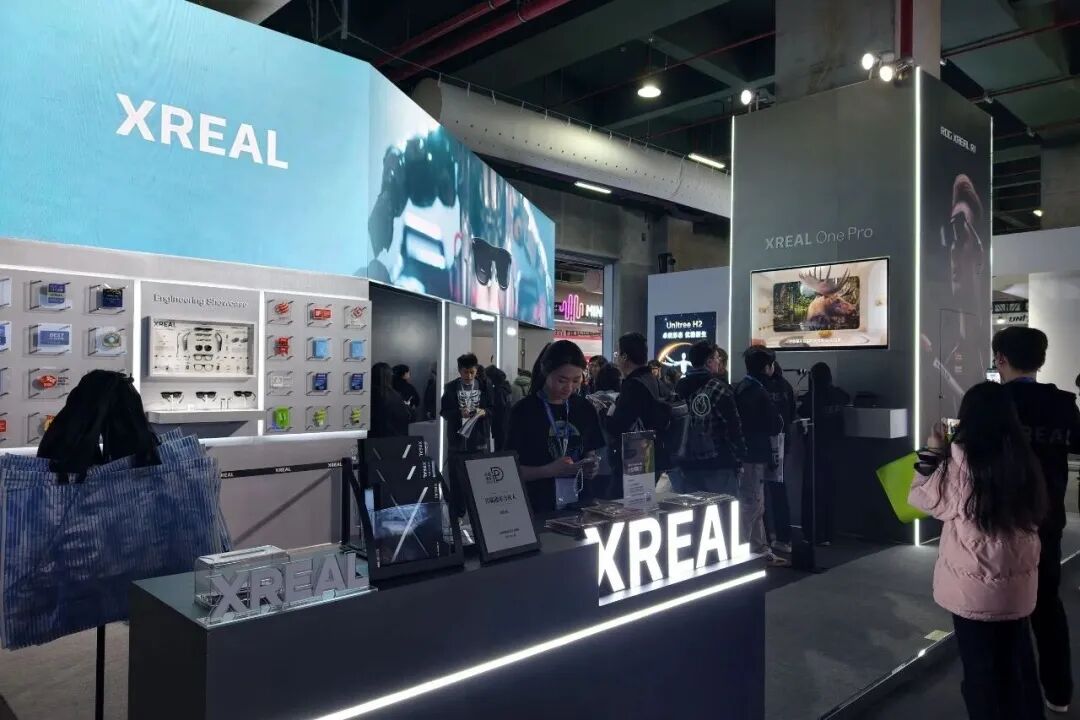
AR glasses became the star of this year's AWE. The XREAL One Pro AR glasses, with its self - developed X1 chip, reduced the latency to less than 3ms. At a distance of 10 meters, it is equivalent to a 556 - inch large - screen, completely solving the problem of dizziness. The Project Aura jointly developed with Google promoted AI to move from "screen intelligence" to "space intelligence". Thunderbird also launched the world's smallest full - color MicroLED AR glasses, marking the official transition of AI glasses from concept to mass production.
There were also surprises in the mobile phone track. Dreame Technology took "Dreame Universe" as the theme, and for the first time, it rented an independent exhibition hall (Hall E7) at the Shanghai New International Expo Centre. With an exhibition area of 11,193 square meters across 5 exhibition halls, it became the brand with the largest exhibition scale in the history of AWE. Dreame Technology globally premiered its AURORA high - end mobile phone. The flagship model is equipped with a magnetic external lens, and its telephoto ability is comparable to that of a mirrorless camera. At the same time, it announced a huge R & D investment of 10 billion yuan to strengthen its AI system and imaging technology, breaking the monopoly pattern of traditional mobile phone manufacturers.
In addition, single products such as AI pet hardware, smart headphones, and panoramic cameras are also embedded with AI perception capabilities, comprehensively upgrading the experience in segmented scenarios.
At the exhibition site, Huawei's new full - scenario terminal products covered five major scenarios: Hongmeng office, sports and health, Hongmeng smart home, Hongmeng smart mobility, and audio - visual entertainment. Through the Hongmeng operating system, users can achieve seamless collaboration between mobile phones, in - vehicle infotainment systems, and central control screens. They can remotely turn on the air - conditioner through the in - vehicle system before arriving home and enjoy a comfortable environment as soon as they get home. When going out, they can check the home security status in real - time through the Smart Life App, and receive immediate alerts in case of abnormal situations such as fire or gas leakage.
As of March 2026, the number of terminal devices equipped with Hongmeng OS 5 or higher versions has exceeded 47 million. Hongmeng Zhilian has brought together more than 3,200 brands and over 400 product categories, continuously strengthening its ecological collaboration ability.
Smart Mobility: The Closed - loop of People - Vehicle - Home is Formed, Mobility Becomes a Lifestyle
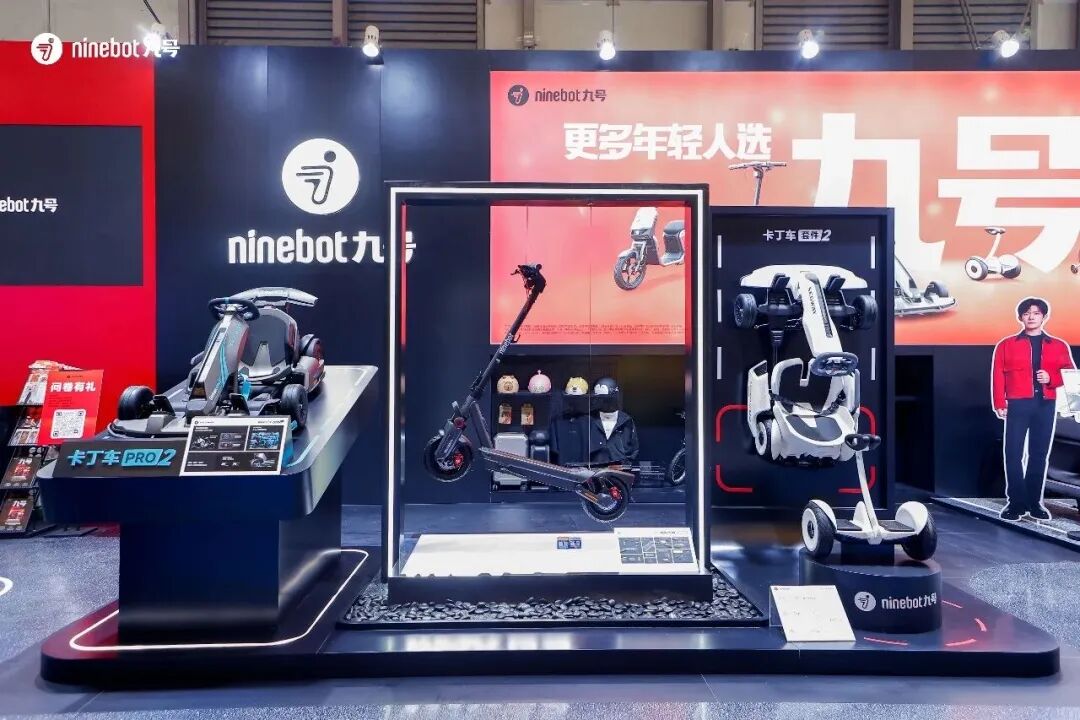
The boundary between home appliances and mobility has been completely broken, and the "people - vehicle - home" ecosystem has become the standard. As the first enterprise in the intelligent short - distance mobility industry to participate in the exhibition, Ninebot brought a product matrix of intelligent mobility solutions covering multiple scenarios to the AWE 2026 site, including the grand premiere of the new electric scooter MAX G3, and diversified product lines such as balance bikes, go - karts, and electric vehicles. It comprehensively demonstrated its technological achievements in algorithms, motor control, and intelligent interaction, building a full - scale ecosystem of "intelligence + scenario + social interaction", and upgrading short - distance transportation products from simple means of transportation to carriers of lifestyle.
BYD participated in the exhibition with brands such as Denza and Fangchengbao, demonstrating fast - charging technology, the "Heavenly God's Eye" assisted - driving system, and full - scale ecological services such as vehicle - home interconnection and mobile phone - vehicle interconnection.
