Could the screen of the brand-new iPhone you bought have been secretly replaced by someone?
Before we start the article, let's imagine this scenario first ——
You've saved up for months and finally gritted your teeth to order the latest iPhone. When the courier hands it to you, you must be really excited, right? You tear open the plastic seal, turn on the phone and activate it. That smooth feeling makes you feel like you own the whole world.
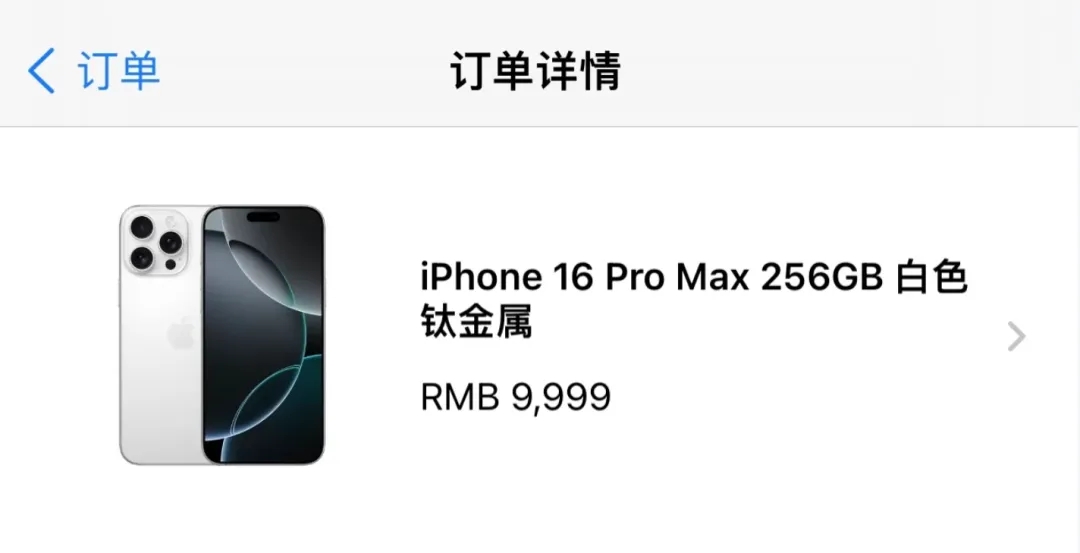
But is it possible that this "brand - new" iPhone in your hand is actually a second - hand one that has been "tampered with"?
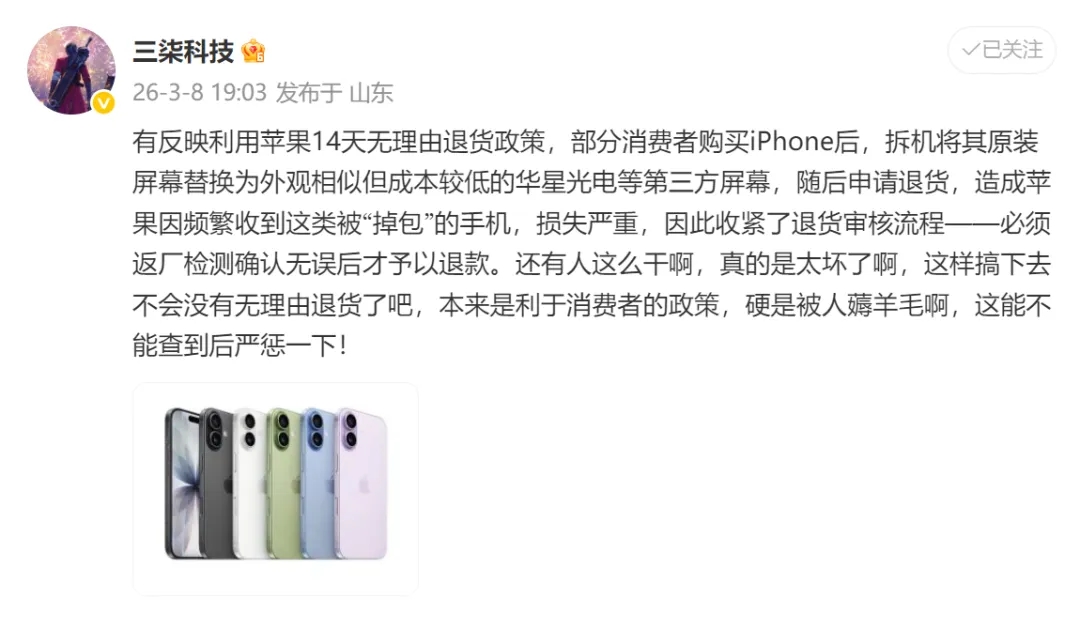
Don't rush to say I'm scaremongering. Recently, there was a hot revelation on Weibo. It said that a group of people took advantage of Apple's official 14 - day no - reason return policy to pull off a big scheme. Their modus operandi is extremely simple and crude ——
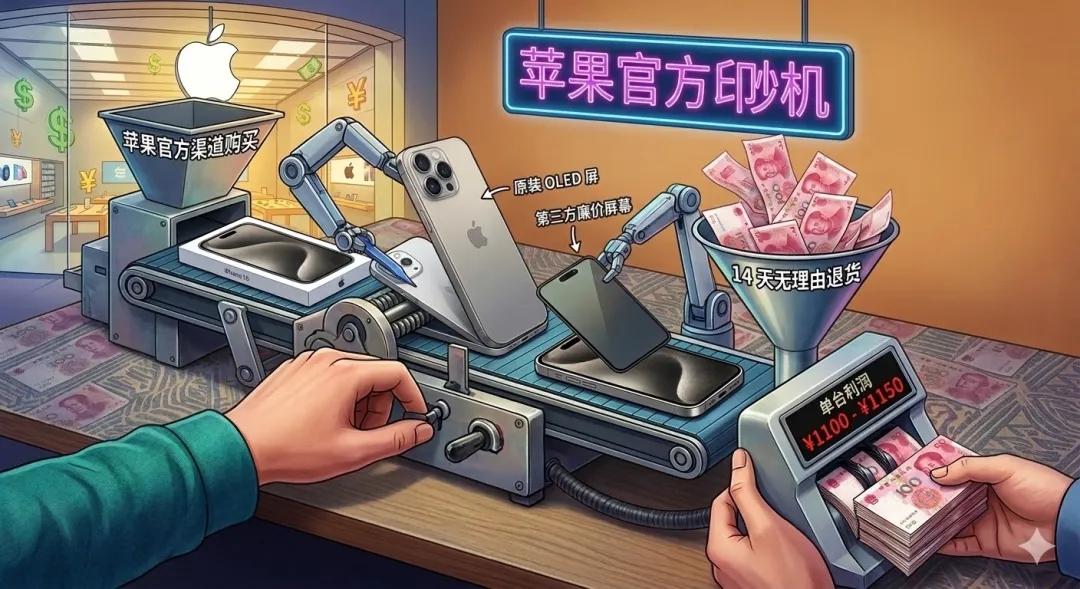
They buy a brand - new iPhone from Apple's official channel. As soon as they get it, they privately disassemble the phone, remove the original OLED screen, replace it with a third - party screen that looks similar, and then apply for a return.
According to the information we've got, the original Apple screens can be sold for up to 1,600 - 2,000 yuan in the spare parts market. It is said that the profit from "exchanging one" iPhone can be as high as 1,100 to 1,150 yuan.
To be honest, when I heard this figure, I almost spat out the milk tea in my mouth. If you can do two or three such deals a day, the income would be better than going to work. This is not a return at all. It's like using Apple as a money - printing machine, making huge profits without any cost...
Moreover, if this is true, we need to be more careful when buying iPhones on third - party platforms or even on the Apple official website in the future.
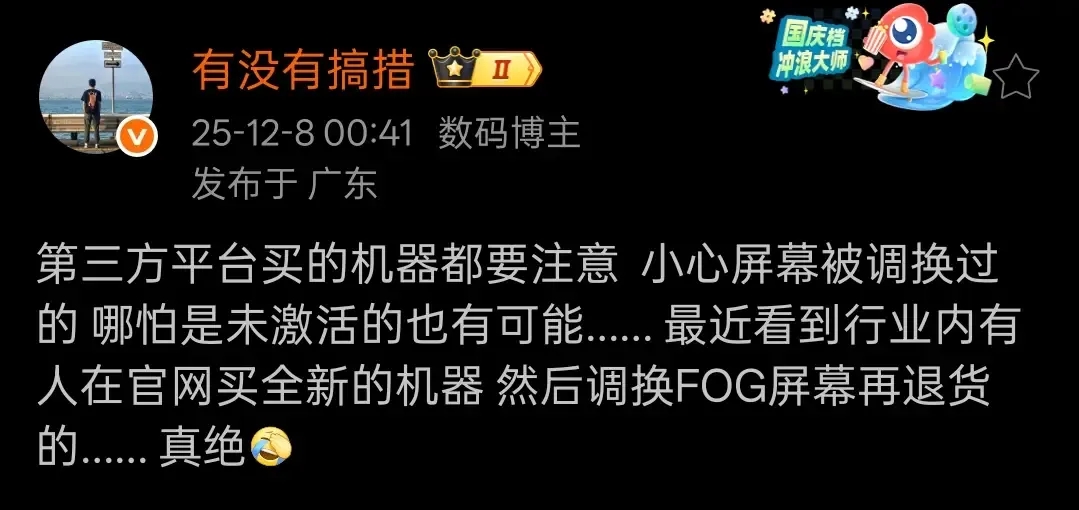
Actually, when this screen - swapping incident was exposed, many people thought it was a new trick. But when we looked it up, we found that a blogger mentioned it at the end of last year.
After discovering this situation, I decided to talk to a familiar supply friend. To my surprise, this "black - market routine" not only happened last year, but can even be traced back to ten years ago...
The "screen - swapping game" between the black market and Apple has gone through several versions.
For example, in the early days, these people used a rather crude method: they bought an iPhone from an Apple store, then replaced the screen with a damaged one taken from another device, and then applied for a return on the grounds that "the phone couldn't turn on".
In this process, the black - market operators would also swap the IC between the new screen and the damaged screen at the same time. The screen serial number detected by the software would not change, so the regular detection equipment would not report any abnormalities.
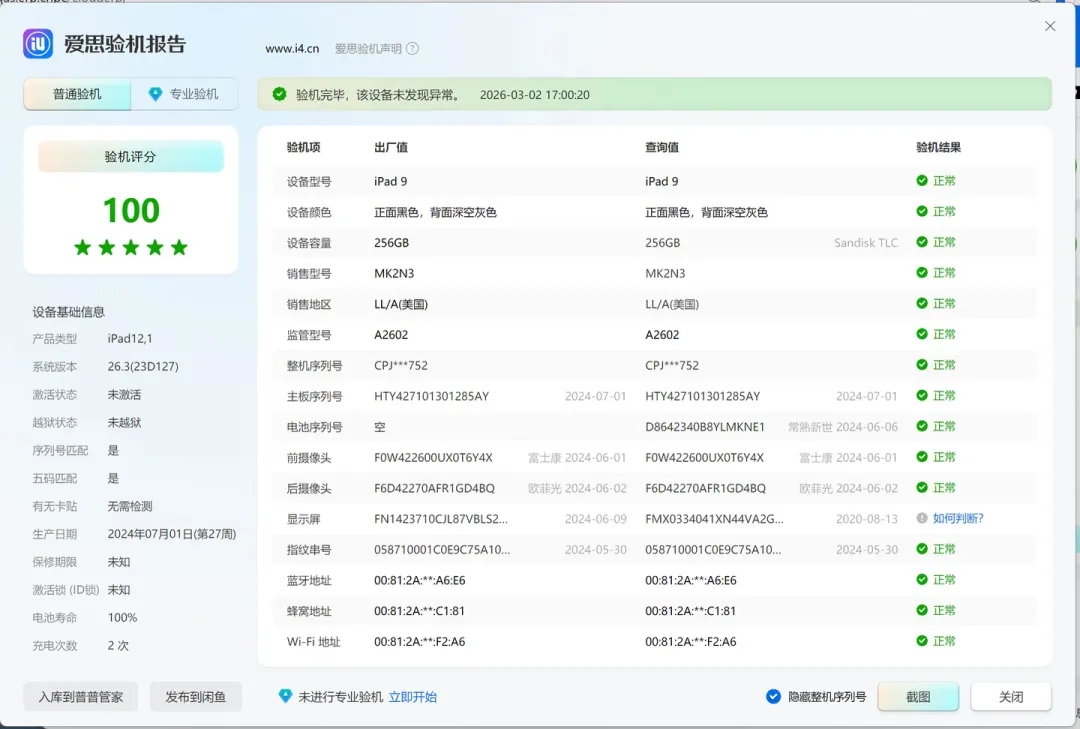
But later, Apple caught on. They added a CT scan procedure for phones being returned due to faults. Whether the screen has physical damage or has been exposed to water is clearly visible under X - rays. This crude method was quickly blocked.
After being exposed, the black - market operators started to think about "technological upgrading".
They found that if the replaced screen can display normally, as long as the phone can be turned on and there are no problems with its appearance, the Apple Store usually won't make things difficult for you, and they won't send the phone back to the factory for inspection easily. So they started to use domestic screens that can display normally for replacement.

Some people may be curious about where these third - party screens come from.
Actually, the source of these screens is legal. Just like Flypower and Flash Repairman customize third - party batteries for iPhones for after - sales service, powerful repair shops in the industry also find screen manufacturers to customize third - party screen spare parts for iPhones.
The performance of these screens is not as good as the original ones, but they are cheap. An original screen can be sold for about 2,000 yuan, while a third - party screen only costs 300 to 700 yuan.
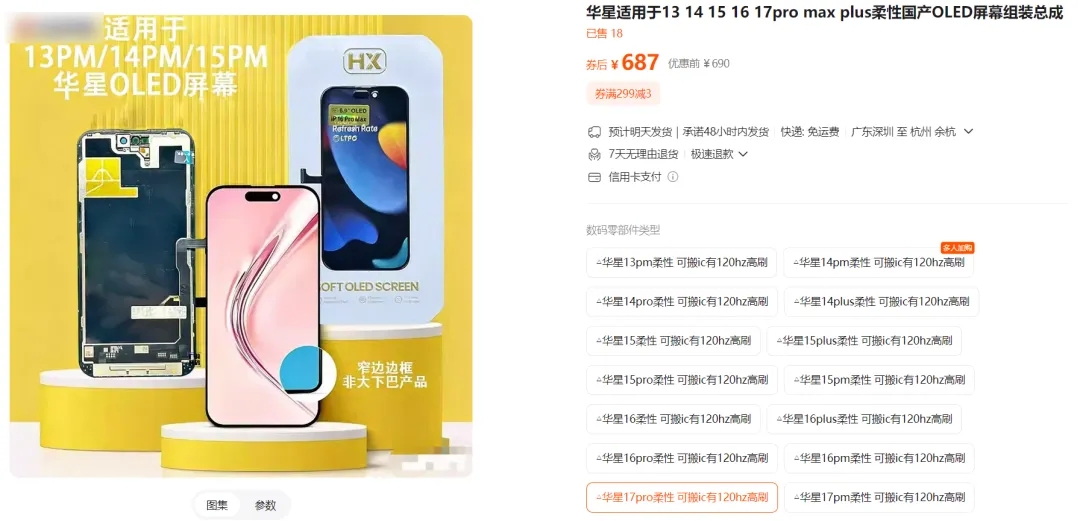
Here's the problem. The black - market operators buy these legitimate third - party after - sales screens, transplant the IC chips removed from the original screens onto them, and then put them into the phones. A "seemingly original" phone is born.
Then the black - market operators take these phones to the Apple Store for a "14 - day no - reason" return and can earn an original screen for free.
This operation is highly concealed. Since the phone can be turned on normally, the display is normal, and the appearance is intact, the IC has been replaced, and the serial number is also normal, there will be no alarm in the iOS system. So it's very difficult for the front - desk staff at the Apple Store to detect this on the spot.
But obviously, Apple has noticed something wrong recently. That's why we can see that Apple has tightened the review criteria for the seven - day no - reason return policy. Now, even if the returned device can be turned on normally, it may be required to be sent back to the factory for a detailed inspection.
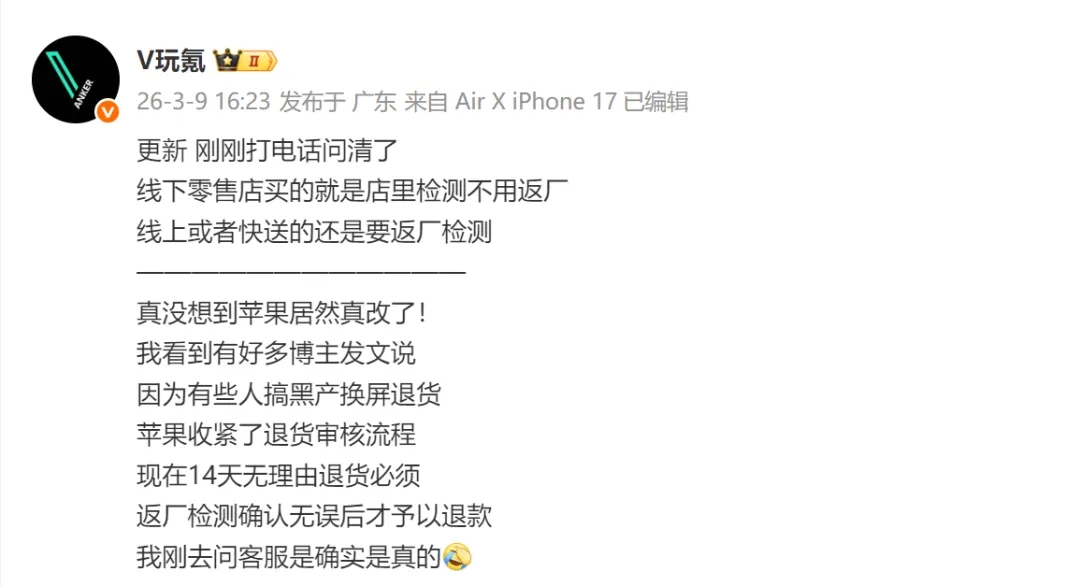
Once it is found that the phone has been tampered with, the account may be blacklisted, the refund may be refused, and legal liability may even be pursued.
In other words, the people who make profits by swapping screens will have fewer and fewer opportunities to take advantage of the system in the future, and the risk of getting caught will only get higher. They may be making a fortune today, but they may end up in jail tomorrow. Anyone would have to think twice about this.
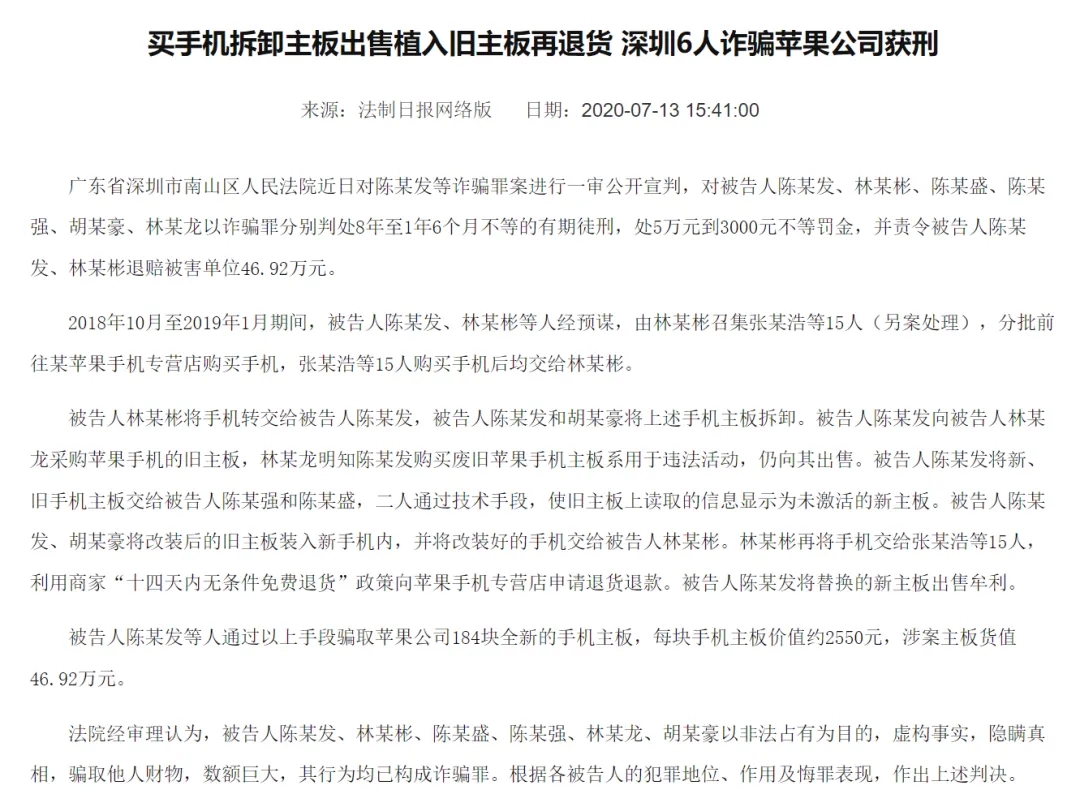
Obviously, the purpose of Apple's 14 - day no - reason return policy is to make consumers feel confident when making a purchase and reduce the cost of trial. In a sense, this is a contract based on trust, but this trust is very fragile.
Once someone takes advantage of it as a profit - making tool, this trust will come to an end. If Apple really cancels the 14 - day no - reason return policy or makes the return process extremely complicated in the future, it will definitely be bad news for ordinary users.
Think about it. If you really buy a defective phone and want to return it, but are told that it needs to be sent back to the factory for inspection for a week or even half a month, how bad would the experience be?
To be honest, this black - market behavior is actually destroying the trust system of the entire second - hand market. In the future, if you want to buy a second - hand iPhone and a seller says, "This is an original or officially - exchanged phone that has only been unpacked and activated and has never been used," would you believe it?
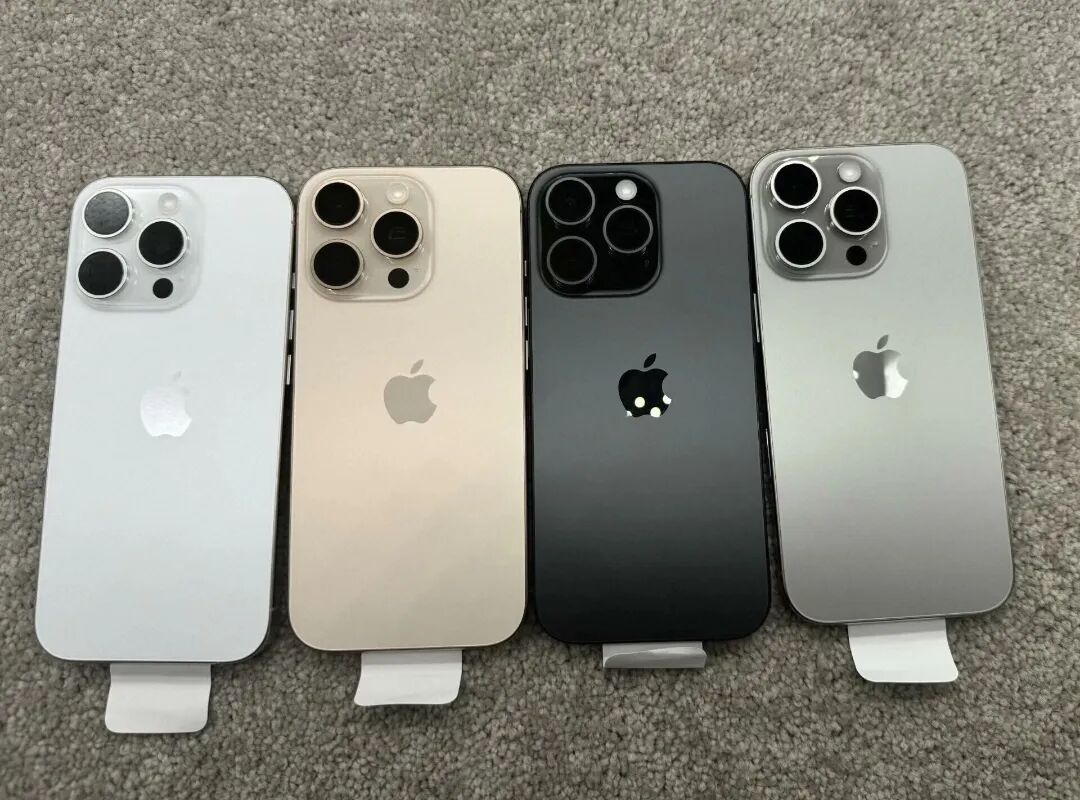
Previously, people may have thought it was almost the same as a new phone. But after knowing about the existence of this phenomenon of swapping original screens, the value of such phones will be greatly reduced.
Of course, when we talk about this topic today, we don't want to cause anxiety. To be honest, with Apple's control over the supply chain and after - sales service and its persistence in quality control, it's still quite difficult for a large number of "screen - swapped phones" to flow into the official website or Apple Stores.
Over the years, we've seen Apple's investment in preventing disassembly and part - swapping. From the early waterproof labels, to the later part pairing, and now the genuine part detection, each technological upgrade is essentially a battle of wits with the black market.
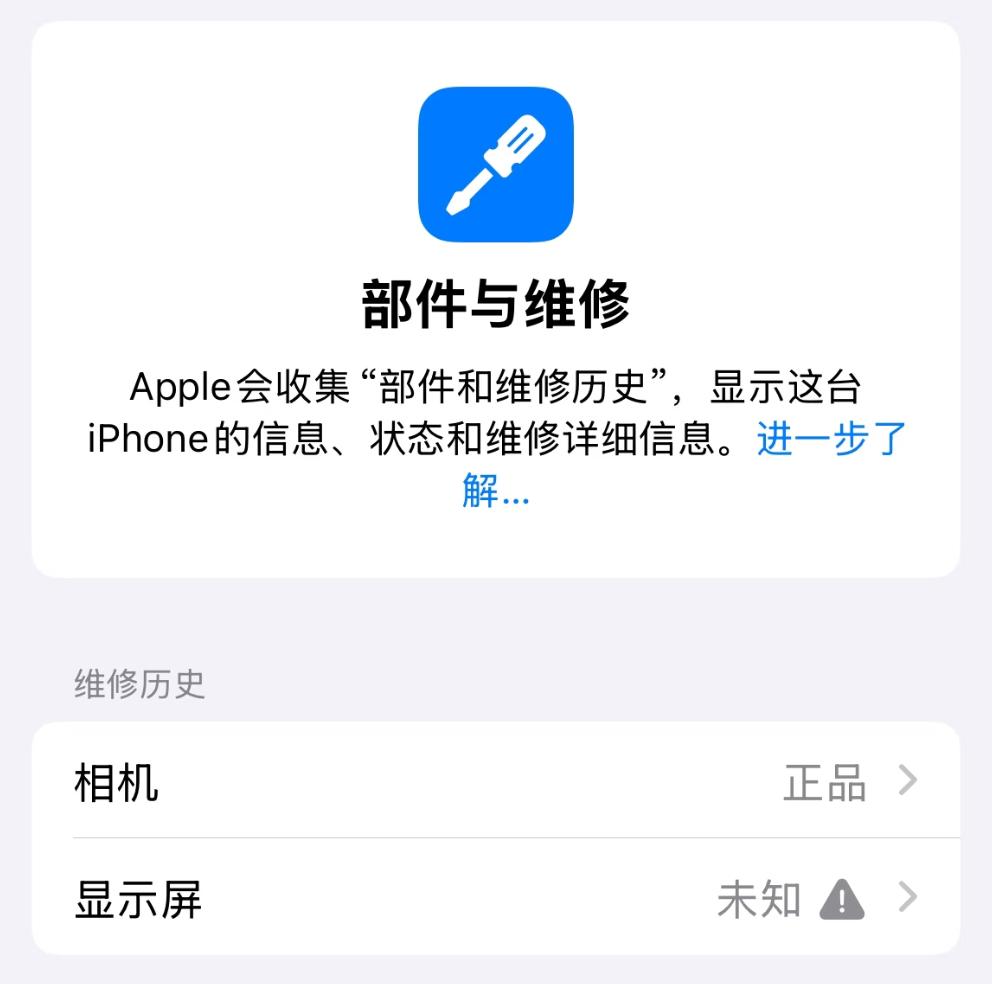
However, the fact that this phenomenon exists and can make money is really worth thinking about.
You know, if your phone screen is broken, if you go to the official service to replace it, the price of two or three thousand yuan is really painful. You could even buy an Android phone with that money. If you go to a third - party service, it's cheap, but consumers can't tell how many of the "original screens" are really original. It's like opening a blind box.
So, if Apple really wants to solve the problem at its root, just tightening the return policy and strengthening technological blockades may not be enough.
If Apple really wants to provide a good user experience and eliminate the breeding ground for the black market, shouldn't it also think about how to lower the repair price? At the same time, if more reliable third - party repair shops can get genuine spare parts, can it give consumers a choice that is both reassuring and not too painful for the wallet?
These questions may be more difficult to answer than "how to prevent the black market", but they are also more worth Apple's consideration.
This article is from the WeChat official account "Chaping X.PIN". Author: Panghu, Editor: Miro & Mianxian. Republished by 36Kr with permission.