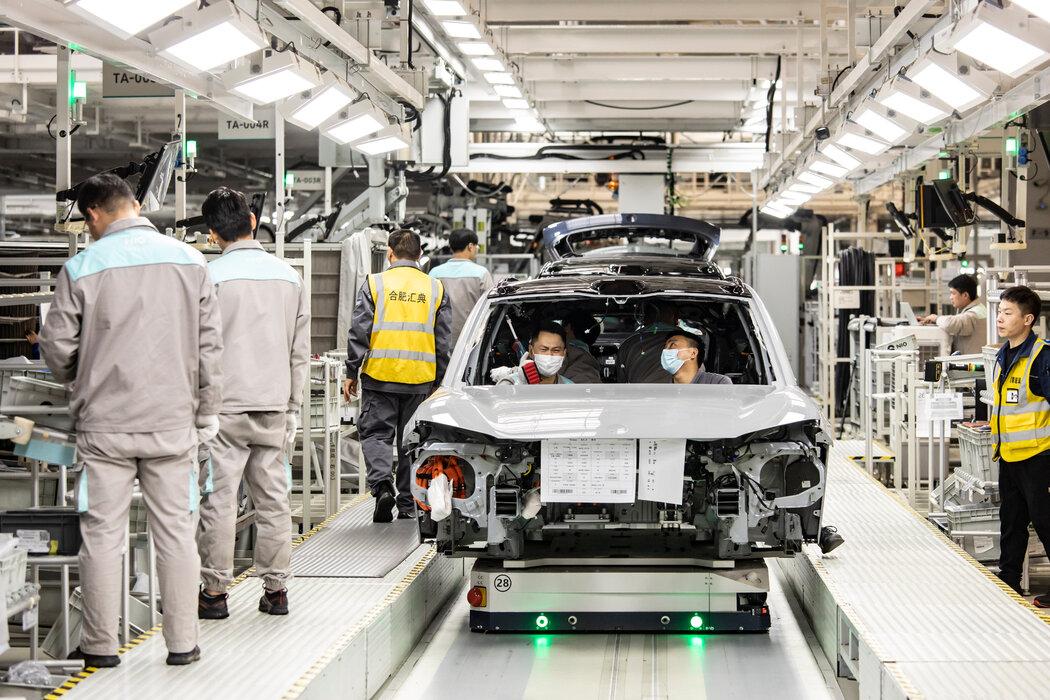
In the automotive battle between China and Japan, the Japanese auto industry's stronghold has finally been breached.
At the very beginning of the Year of the Horse, a chill has swept across the domestic auto market. Not only is the price war continuing, but the financial war is also intensifying. The long - term loans have extended up to 7 years. Obviously, it's becoming increasingly difficult to find growth in the stock market.
However, there's great news for Chinese automakers. There are good reports from overseas. Domestic brands have achieved a great victory in the Australian market.
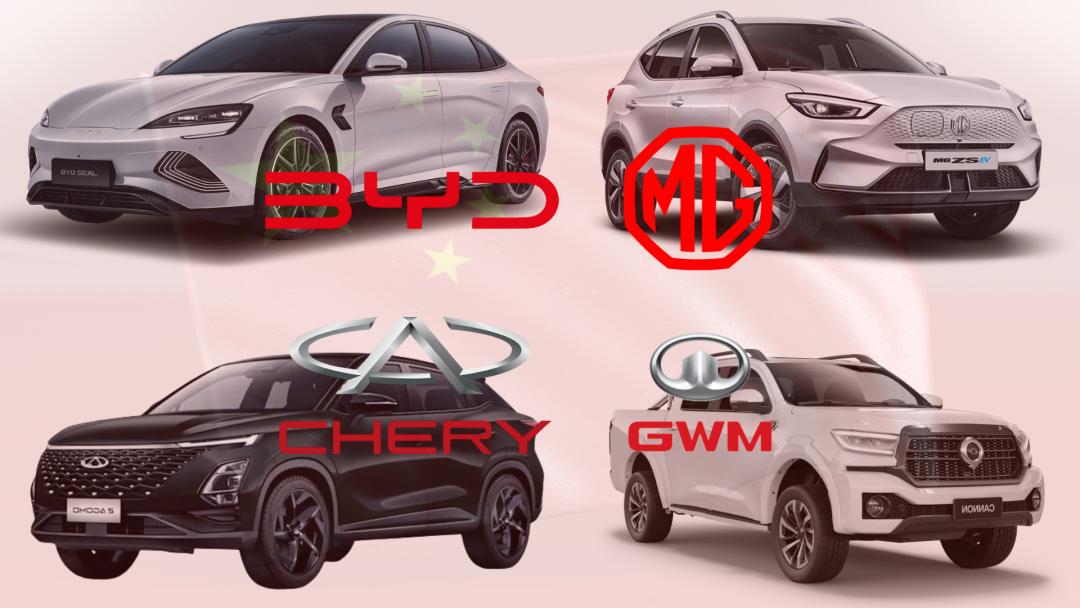
In February 2026, 25,781 Chinese - made cars were delivered in Australia, a year - on - year increase of 50%. For the first time, China has become the largest supplier to the Australian auto market, ending Japan's dominance of this market since 1998.
01 The Comeback of Chinese Cars
It should be noted that in 2015, a decade ago, the annual sales volume of Chinese - made cars in Australia was only 2,175 units, less than the monthly sales of a Toyota Corolla. The combined market share of several Chinese brands was even less than 0.3%. Moreover, they were mainly limited to low - end commercial vehicles and a small number of low - priced sedans. Australian media didn't even bother to include Chinese brands in their rankings, and they posed no threat to Japanese cars.
However, since then, Chinese cars have been gaining more and more momentum, with their sales increasing year after year and are no longer in the shadows. In 2022, China surpassed Germany to become the fourth - largest source of cars for Australia. In 2023, the sales volume of Chinese cars in Australia reached 190,000 units, ranking third.
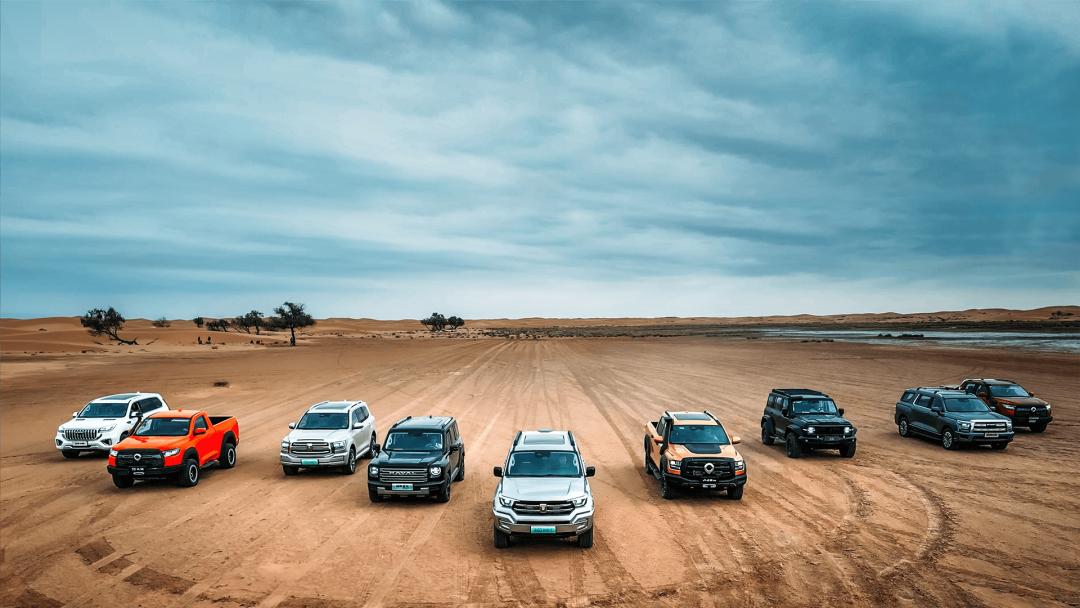
In 2025, the sales volume of Chinese - made cars in Australia hit a new record high, reaching 252,700 units. China became the second - largest source of new cars in Australia, second only to Japan. Moreover, among the top ten best - selling brands, three are Chinese brands, namely Great Wall, BYD, and MG.
Facing the rapid progress of Chinese cars, Japanese media has been in a state of "unease Desu" since last year. The Nikkei's headline reads, "Chinese cars are launching an offensive in the crowded Australian market, with advantages in both price and technology." NNA even predicts, "Chinese brands are bringing products to the market at an amazing speed and expanding their scale. Japanese cars will lose their long - standing leading position." By 2035, Chinese cars exported to Australia will account for 43% of the new - car market, while Japan will only have 22%.
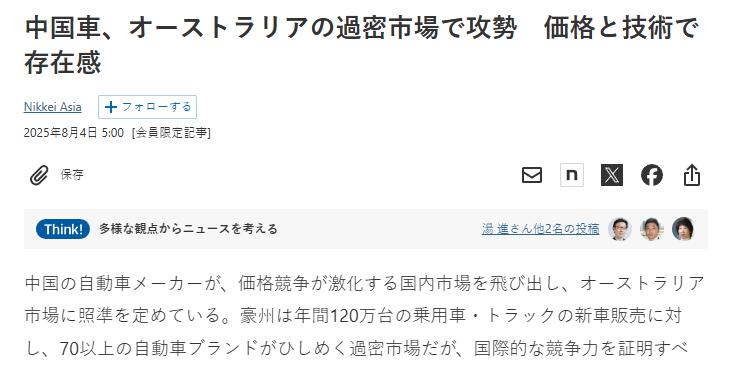
Nikkei
In a sense, this prediction has been half - realized ahead of schedule. In February 2026, 94,131 new cars were sold in Australia, of which Chinese cars accounted for 27.38% and Japanese cars accounted for 23%. Chinese cars have entered the fast lane.
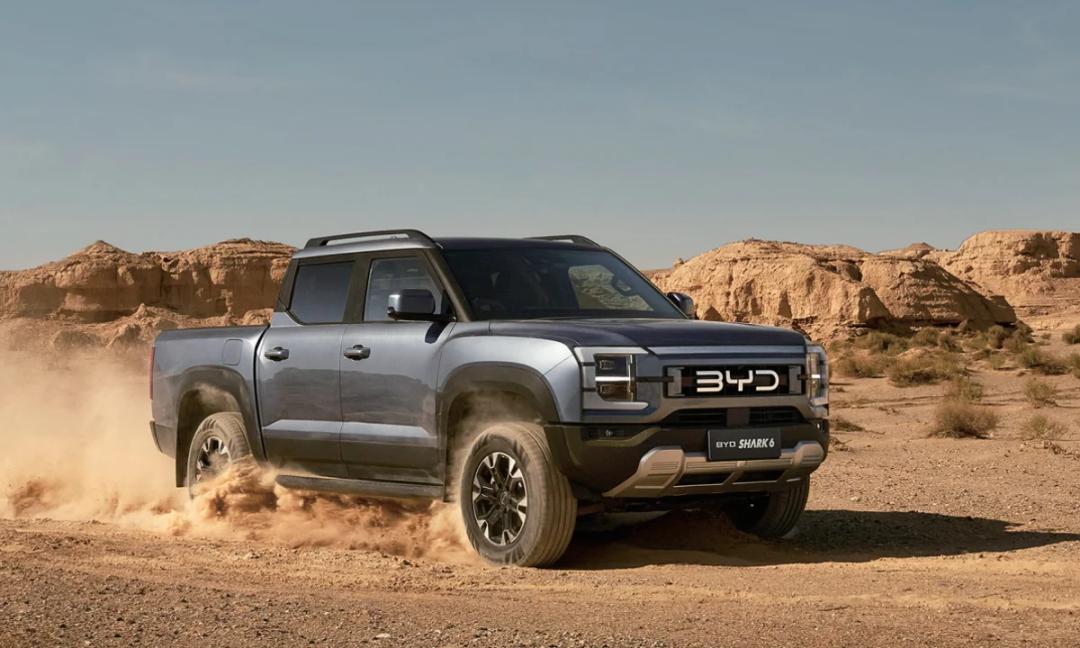
In recent years, there have been many good reports from overseas for Chinese automakers. However, in terms of quality, the achievement in Australia is the most remarkable, like 999 - pure gold. The reason is simple: Australians have a wide range of choices.
It's different from Russia, which "has to" accept Chinese cars due to severe sanctions, and also different from developing countries in Africa and Latin America with limited economic conditions. Australia has an open market where cars from Europe, the United States, Japan, South Korea, and China compete on the same stage. Moreover, it is a developed country with a per - capita GDP of 66,000 US dollars, and its consumers have stronger purchasing power and won't just buy the cheapest products.
Australia modernized relatively early. It produced its first domestic car in 1948 and became one of the countries with the highest per - capita car ownership in the 1960s. Consumers there have seen a lot and know a lot. It is a mature and demanding market. They won't place orders just because a car has a nice appearance or a very low price. They will comprehensively consider the mechanical quality.
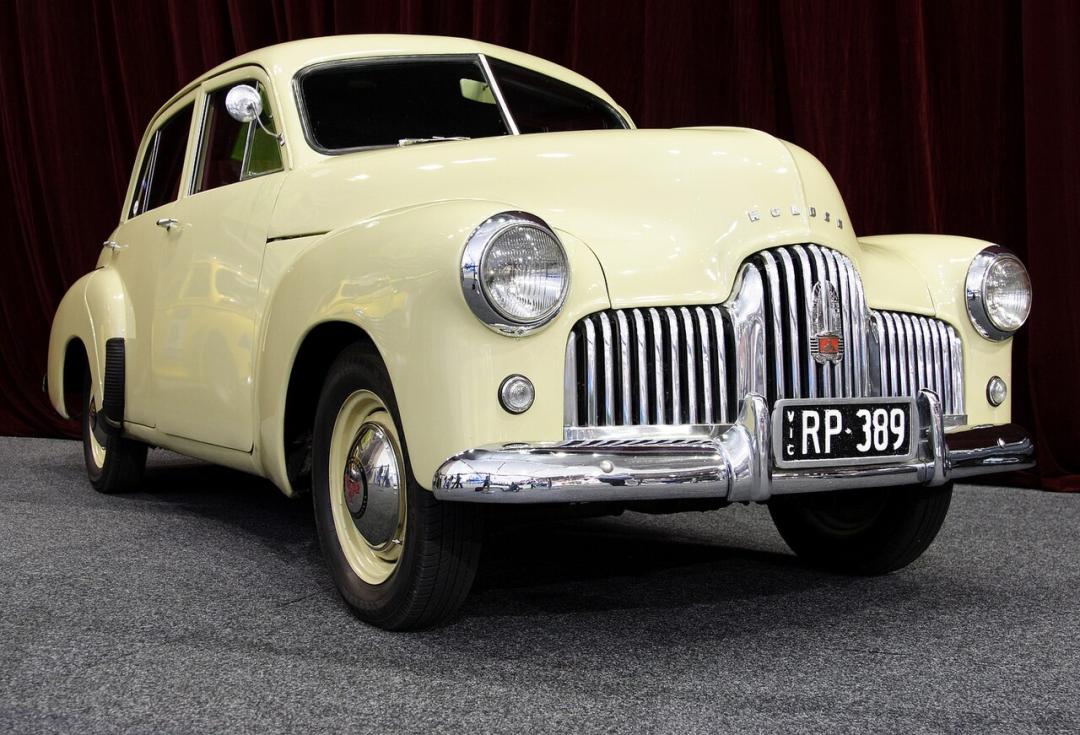
Australia's first domestic car, Holden 48 - 215
To be honest, there is a bit of anti - Chinese sentiment in Australia. In recent years, China has issued travel warnings several times because of this. Even those Australians who are not anti - Chinese don't have a good impression of Chinese cars due to the lack of brand reputation, without any filter.

If the achievements of domestic cars in other overseas markets were somewhat due to additional conditions and opponents could complain about "unfair victory", then this battle in Australia is a direct confrontation. And Chinese cars defeated strong opponents like Japanese cars with debuffs. So, this achievement is of high quality. It can even be regarded as a milestone event for Chinese cars going global.
This leads to an interesting question: How did domestic cars achieve this?
02 The Japanese Dynasty
The development of the Australian auto market can be roughly divided into three stages.
From the post - war period to the 1970s, Australia was influenced by American automotive culture. Consumers preferred to buy General Motors and Ford. The best - selling models were mostly muscle cars or pickups equipped with high - performance V8 engines. This is easy to understand. In the two decades after the war, the industrial strength of the United States reached its peak, and the Big Three in Detroit were at their prime. American cars were synonymous with good cars.
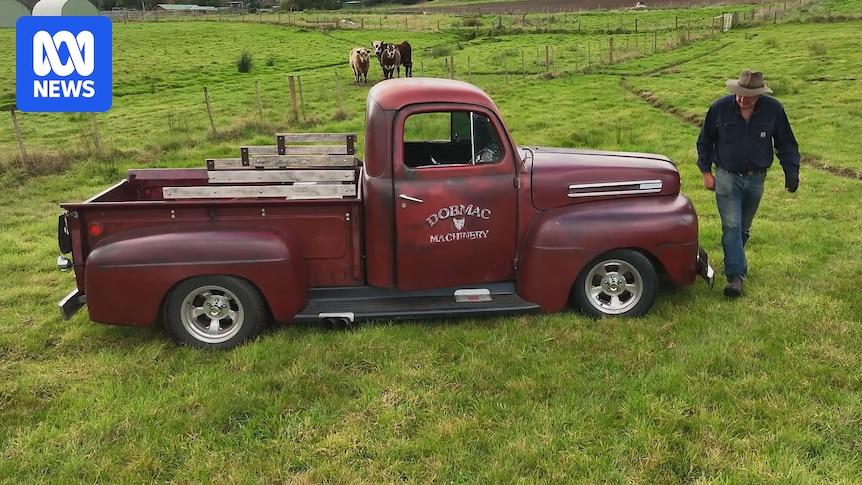
In the 1970s, the oil crisis hit, causing oil prices to soar and supplies to become tight. American cars with V8 engines, which were regarded as family heirlooms, seemed out of place in this context.
Coincidentally, Japanese cars were on the rise at this time. Compared with traditional American large - displacement cars, Japanese automakers such as Toyota, Honda, and Mazda could offer a rich product line of small and medium - sized cars. They had a good driving experience, excellent fuel economy, and were more particular about space utilization. They were suitable for daily use, more reliable, and very cheap to maintain and repair.
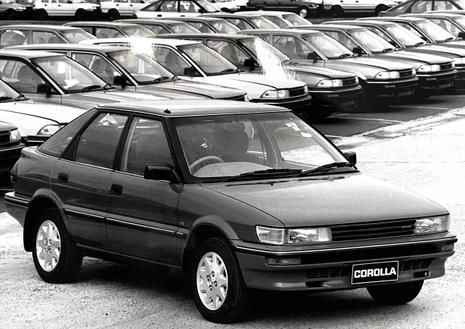
The latter two points are particularly important. Australia is a vast country with a sparse population, and the inland climate is harsh. If your car breaks down, there may be no one to rescue you, and it's difficult to find a repair shop. Moreover, local residents mainly work on farms or in mines, and cars are really used as workhorses, carrying both people and goods. So, users need durable cars.
In this way, the Corolla and Accord dominated several large coastal cities in Australia, while the Hilux and Land Cruiser dominated the inland rural areas. They all became national popular cars.
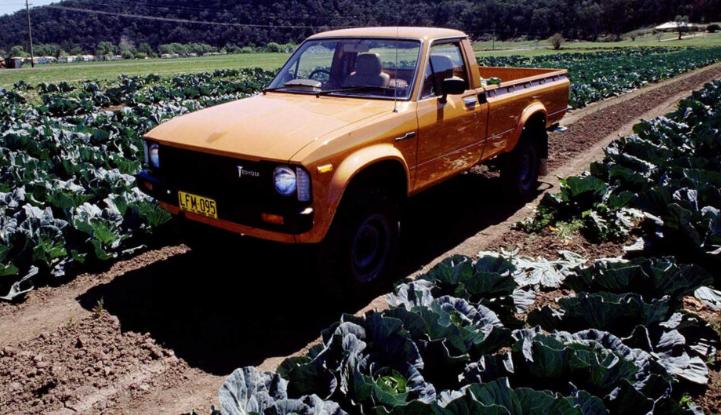
In the 1990s, Japanese cars basically dominated the Australian market, as if it were their backyard. In 1991, the value of Australia's car imports was 5 billion US dollars (without accounting for inflation), of which 3.4 billion US dollars came from Japan. In 1992, the import bill increased to 6.4 billion US dollars, and 4.3 billion US dollars went to Japan. Meanwhile, companies like Toyota began to set up factories in Australia to avoid freight and tariffs, further strengthening their competitiveness and deepening their moat.
Then you'll find an interesting thing. Many classic JDM models from the era of "Initial D" are hard to find in Japan, but there are still many in Australia. So, in recent years, many domestic bloggers have gone to Australia specifically to shoot shows about nostalgic cars.

The dominant position of Japanese cars in Australia is not good news for Chinese automakers trying to enter this market. It's like just leaving the novice village and immediately facing the most powerful boss. Without brand reputation, advanced technology, mature supporting facilities, and an advantage in reliability, why would people buy your cars?
What's worse is that more than a decade ago, China's automobile safety standards were lower than those in Australia. The designs and materials of domestic brands, which were based on the domestic passing standards, made a fool of themselves in Australian crash tests. Sometimes, the A - pillar would break due to insufficient strength, and sometimes, the dummy's head would be hit because there were too few airbags... They were attacked by the Australian media, and consumers also thought that Chinese cars were cheap and of poor quality and could be life - threatening.
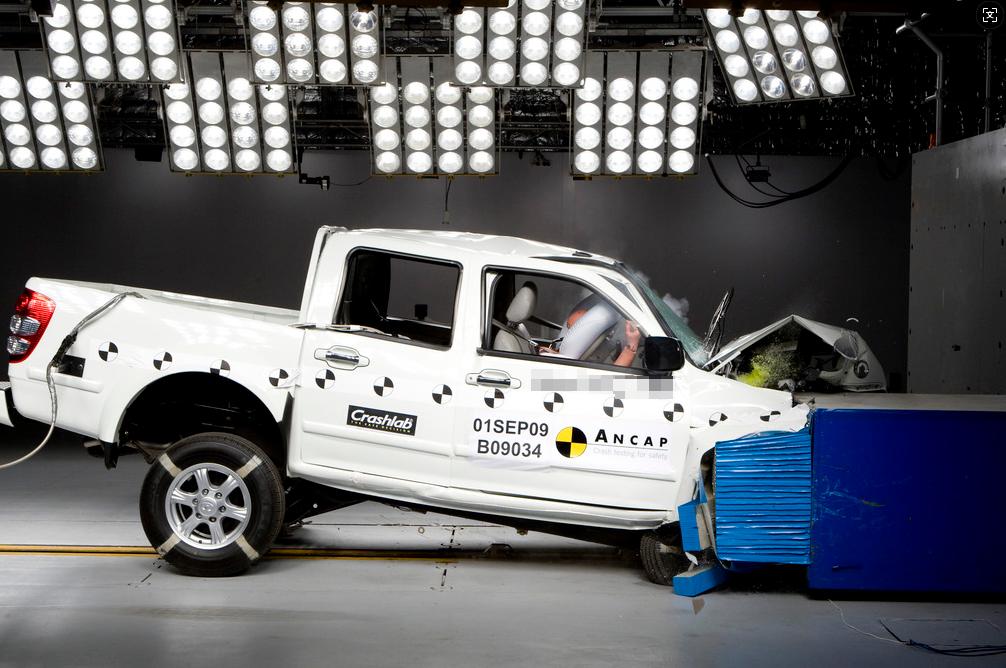
It can be said that in this situation, it was a miracle that Chinese brands could sell more than a thousand cars a year.
03 The New Energy Era
The turning point came in 2015 when the China - Australia Free Trade Agreement came into effect. As a core category, the tariff on cars decreased and gradually dropped to zero tariff. This gave Chinese automakers more room for operation and a greater price advantage compared to European competitors who still had to pay a 5% tariff.
However, this was not enough to threaten Japanese cars because Japan and Australia also reached a trade agreement the same year, reducing the car tariff to zero.
To deal with this strong opponent, Chinese cars chose "scale advantage" as a weapon. In 2008, China became the largest automobile producer and has been growing at a double - digit rate. The huge production volume has continuously shared the costs of technology R & D and production lines. Moreover, a 100 - kilometer automotive industrial circle has been formed in the Yangtze River Delta and the Pearl River Delta. Vehicle manufacturers can purchase more than 90% of parts nearby, with low logistics costs, fast response, and low inventory pressure. Not to mention, China's labor cost is still lower than that in Japan, and the salary level of automotive - related positions is about two - thirds of that in Japan.