BYD unveils 5-minute flash charging. How much faith is left in fuel-powered cars?
Can a 5 - minute charge really be as fast as refueling? Can you now get such a car for as low as 150,000 yuan? And will you be given a free fast - charging service for a whole year?
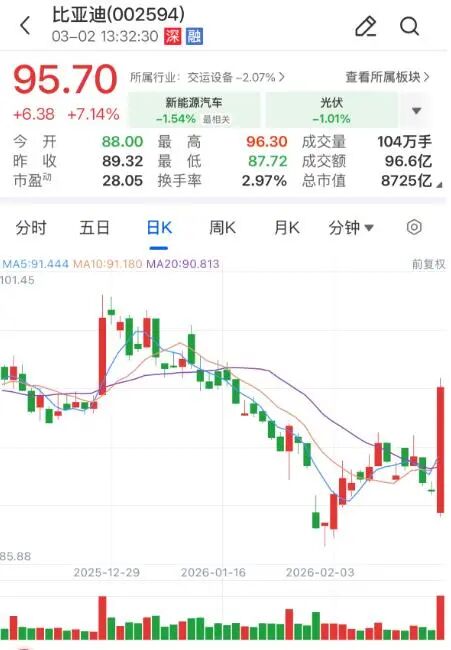
Yes, it's BYD again that played a "trump card" at the beginning of the year. Last week (March 2nd), after the preview of its high - profile technology press conference was released, the capital market responded quickly. Against the backdrop of a global stock market slump, its stock price soared by nearly 8% at one point, standing out like a bright spot.
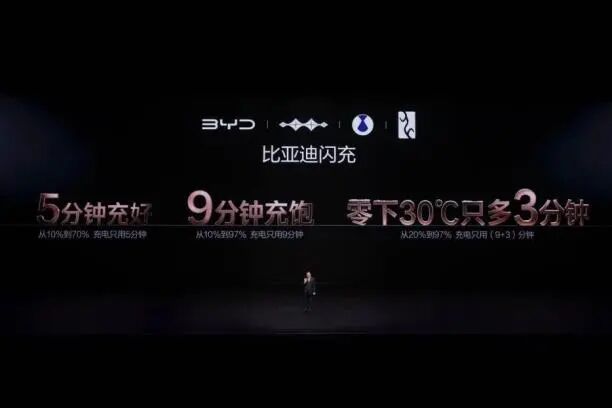
At the press conference, BYD officially introduced the second - generation Blade Battery and Flash Charge technology, claiming to achieve "5 - minute charge to a good level and 9 - minute full charge at room temperature; only 3 more minutes for charging at minus 30 degrees Celsius in low - temperature conditions."
It can be said that at this time when oil prices are fluctuating and charging anxiety has not been completely eradicated, BYD's announcement is like the "Awakening of Insects", shaking the entire industry.
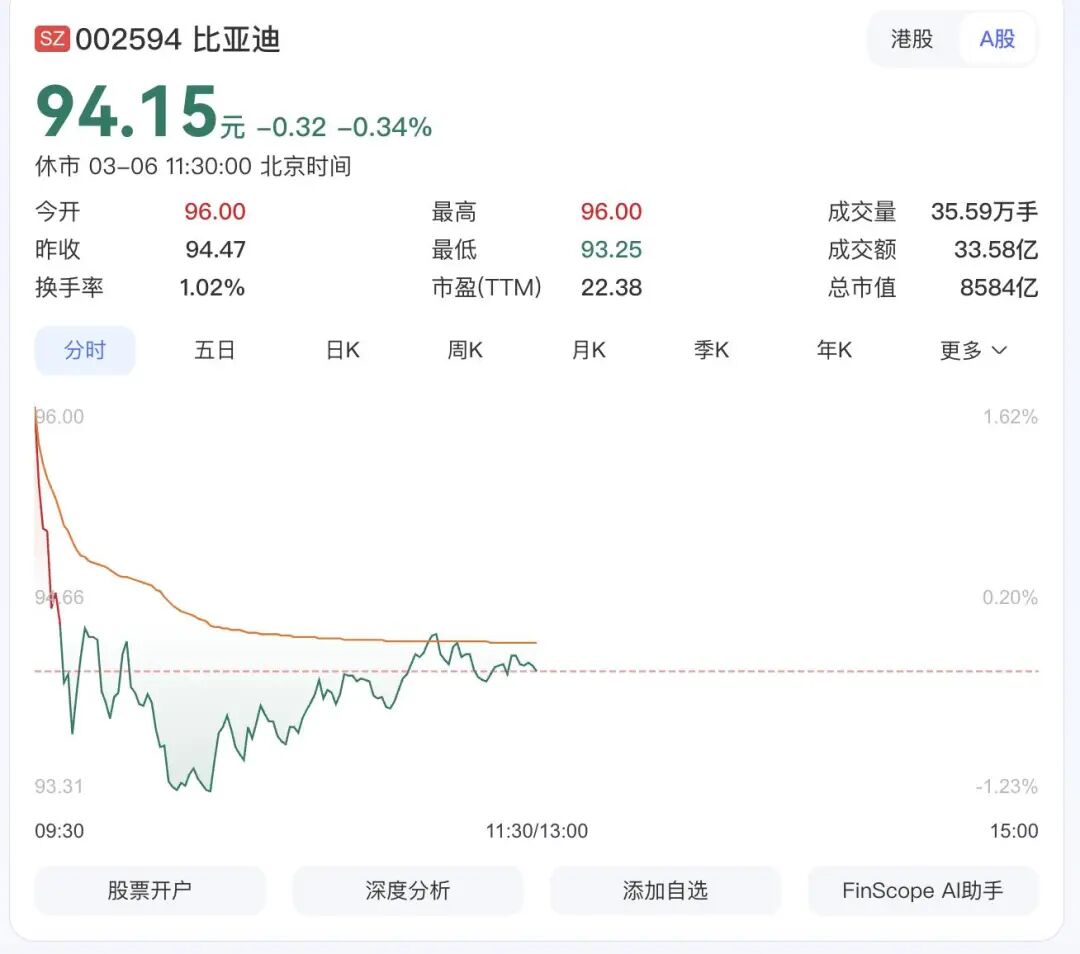
However, an interesting phenomenon is that after the press conference ended, the enthusiasm in the capital market seemed to calm down.
It may be that the positive news was released in advance, or perhaps what was hyped during the preview was the "expectation of disruption", while what is being evaluated after the press conference is the "ability to implement".
Today, let's use plain language to discuss whether it is really that amazing? What hidden challenges are there behind it? And what chain reactions will it bring?
Is the second - generation Blade Battery challenging the sodium battery from afar?
The ultimate problem for electric vehicles has never been to mark the range at 1000 kilometers, but "energy replenishment efficiency". The core goal is only one, to be able to "charge and go" just like refueling.
Ordinary fast charging is like filling water with a thick water pipe. When the water is almost full, you have to turn down the faucet, and the last 20% gets slower and slower to charge. However, BYD's Flash Charge technology is almost "against common sense": it can charge at a very high flow rate until it reaches nearly 90%, and most of the time it operates at peak power.
In the past, fast charging often had to sacrifice battery energy, lifespan, or safety. However, while increasing the charging speed, the energy density of the second - generation Blade Battery has increased by 5% compared to the first generation. The Denza Z9GT has a range of 1036 kilometers.
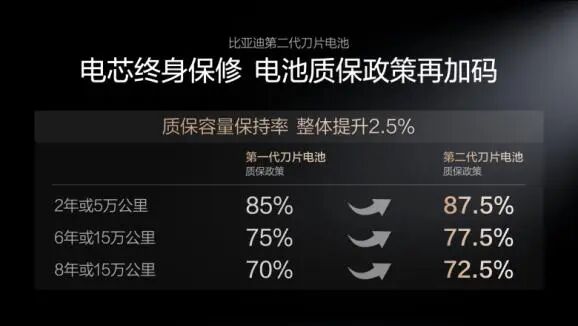
As for the concern of "fast charging damaging the battery", BYD has directly written the commitment into the warranty: the threshold for battery capacity attenuation has been raised from 75% in the first generation to 77.5%, which makes it hard not to believe.
In terms of safety, BYD has also passed the extreme test of stabbing the battery while flash - charging.
How is this achieved? The physical bottleneck of fast charging lies in whether lithium ions can move from the positive electrode to the negative electrode fast enough. It's like lithium ions are a group of "brick - movers". Traditional fast charging increases the current and urges the foreman desperately. If the workers can't keep up, there will be a "traffic jam", and the efficiency will actually decrease.
BYD's solution is: to widen the "road" by improving the electrode materials, optimize the electrolyte, which is like giving the workers "skates", and innovate the cell structure to establish a "three - dimensional transportation system", so that the ion migration is smooth all the way and maintains a high - speed throughout.
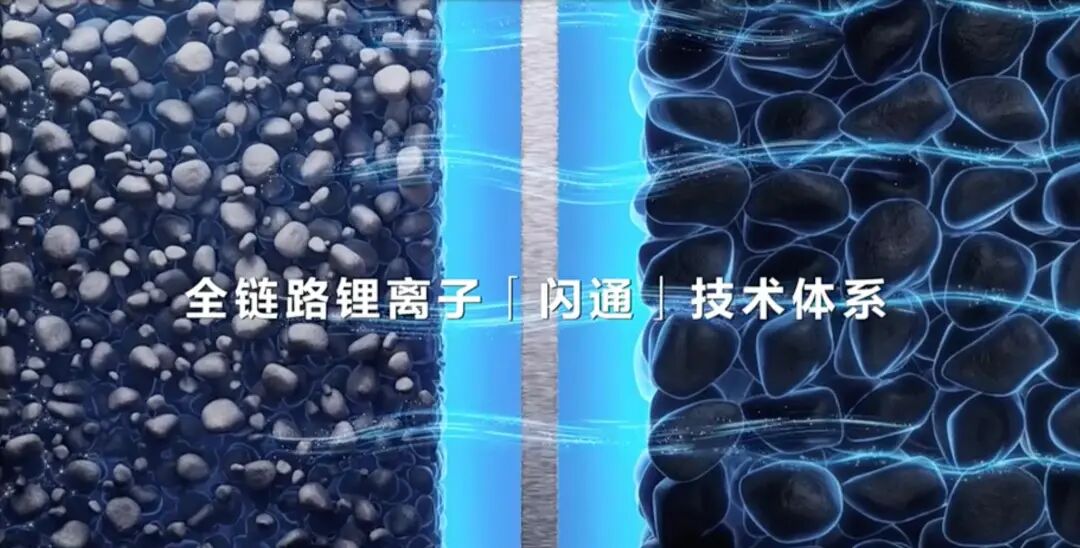
The most important thing is that this is not a future promise! BYD launched 11 new models equipped with this technology on - site, covering from the 150,000 - yuan - level Seal 07EV to the million - yuan - level Yangwang U8. Moreover, buyers will be given a one - year free flash - charging privilege.
Interestingly, some time ago, Zeng Yujun, the chairman of CATL, once judged that sodium batteries are likely to replace 50% of the market share of lithium iron phosphate batteries. And BYD's push of the second - generation lithium iron phosphate Blade Battery to the extreme at this moment is more like a long - distance dialogue and a direct response on the technical route.
Can Flash Charge really achieve a disruptive effect?
Some time ago, someone photographed the first - generation megawatt flash - charging piles being removed in batches. It can be said that BYD has out - competed itself. Last year, the "400 - kilometer charge in 5 minutes" shocked the industry. This year, the single - gun power of the second - generation piles has directly soared by 50%, reaching 1500 kilowatts.
Moreover, BYD has fully considered the implementation of the technology. Previously, such a huge instantaneous power demand would impact the urban power grid, requiring the addition of transformers and the laying of dedicated cables, which would lead to a sharp increase in the cost of building charging stations.
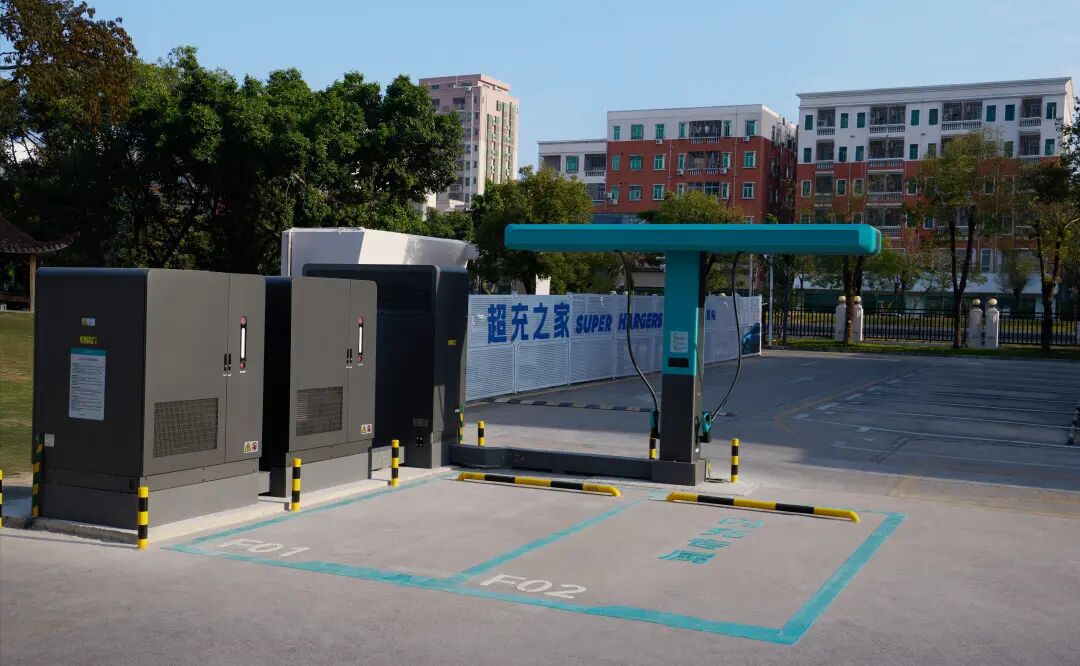
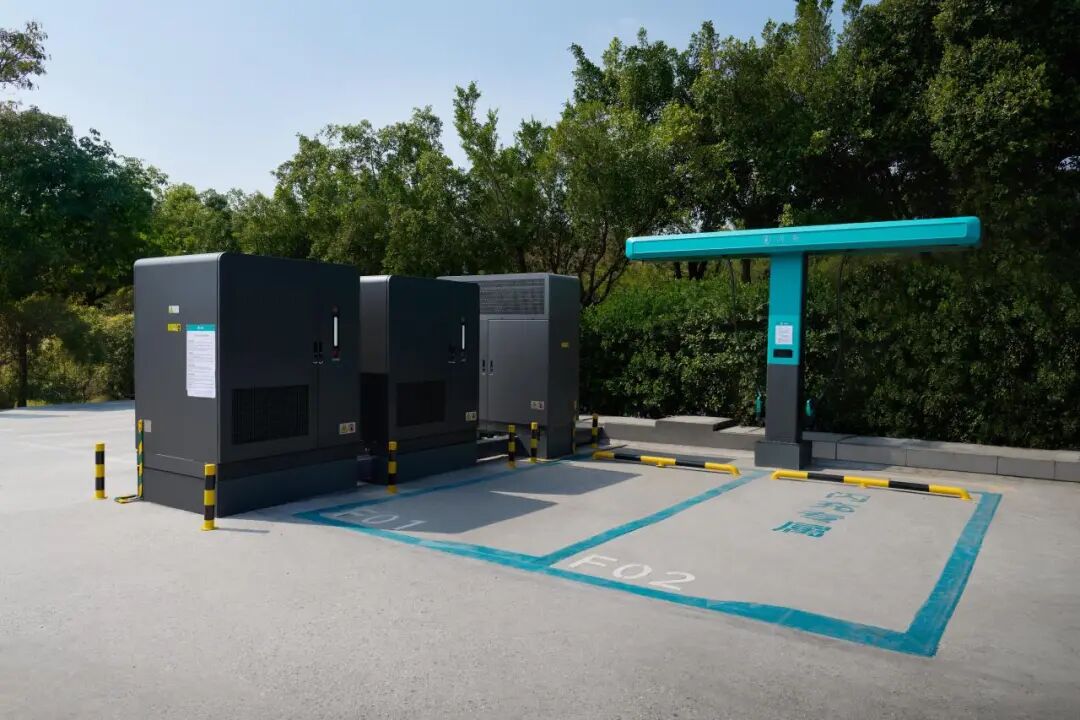
BYD's solution is to install a large - scale energy storage system in each second - generation megawatt flash - charging station, which can be understood as a super power bank. It stores electricity at night when the electricity price is low. When you come to charge during the day, it will use the electricity in the "power bank" first. If it's not enough, it will take electricity from the power grid. At the same time, the charging station operator can also earn a profit by storing electricity at low - peak hours and selling it to the power grid at peak hours, adding an extra source of income.
Of course, the reality has a tough side. It was previously reported that the capacity of this "1 host + 1 energy storage cabinet" system is about 225 kWh.
This means that in a fully - charged state, it can serve about 3 - 4 cars. Once the power is used up, the entire super - charging station can only rely on the power grid.
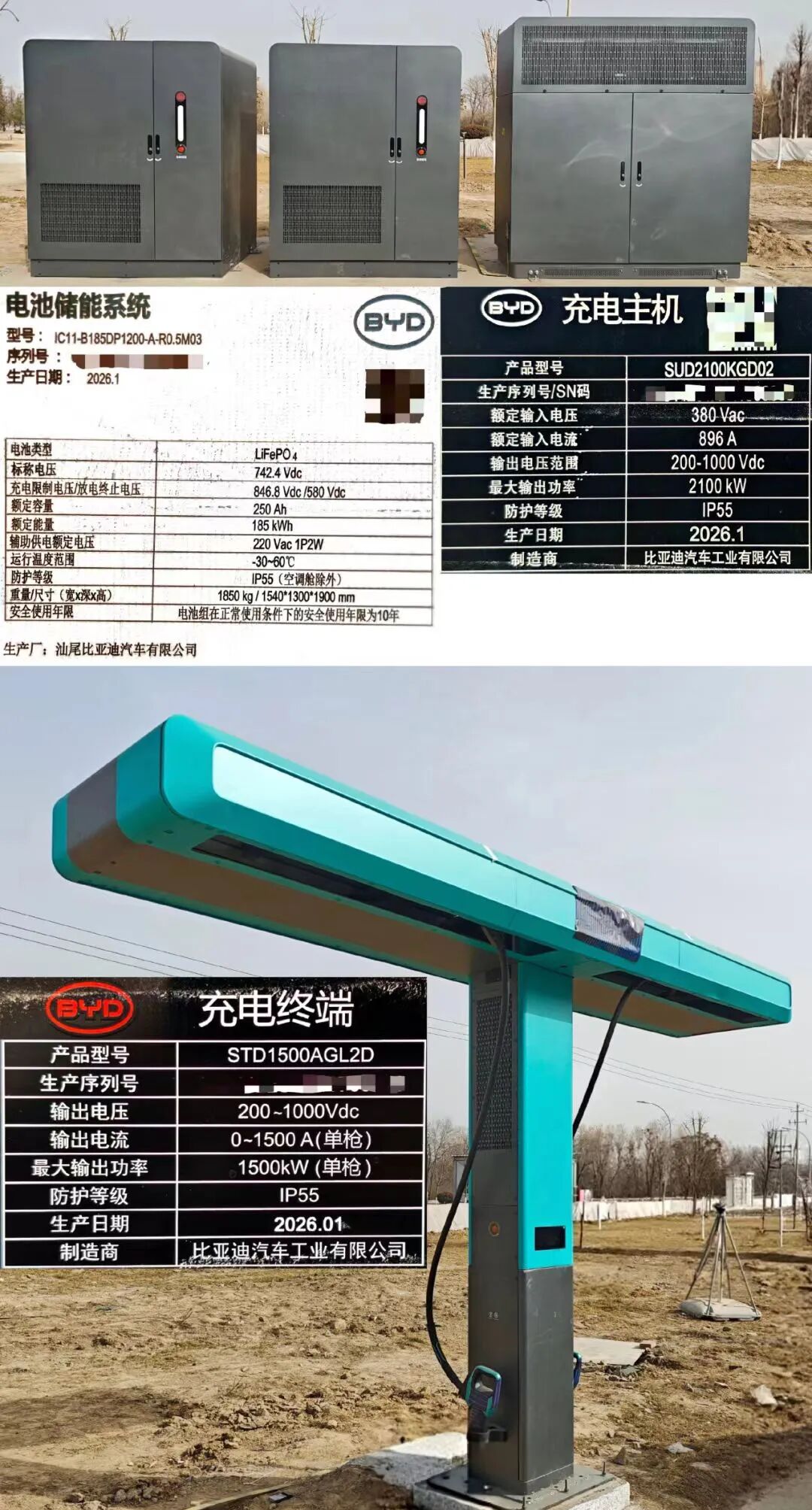
Assuming that the power grid allocation quota for this station is only 100kW, it will take about more than 2 hours to fully recharge the energy storage. So, how many cars can be flash - charged during peak hours depends on the actual implementation.
Can 20,000 flash - charging stations be built on schedule?
Even with great technology, the supporting facilities need to keep up.
BYD, which was often ridiculed as the "charging - pile freeloader" in the past, has great ambitions this time: it aims to build 20,000 flash - charging stations by the end of 2026.
What does 20,000 stations mean? The well - known NIO battery - swapping stations are about 3750, Li Auto's super - charging stations are more than 4000, and Tesla has about 2500. As of March 5th, BYD has already built 4239 stations.
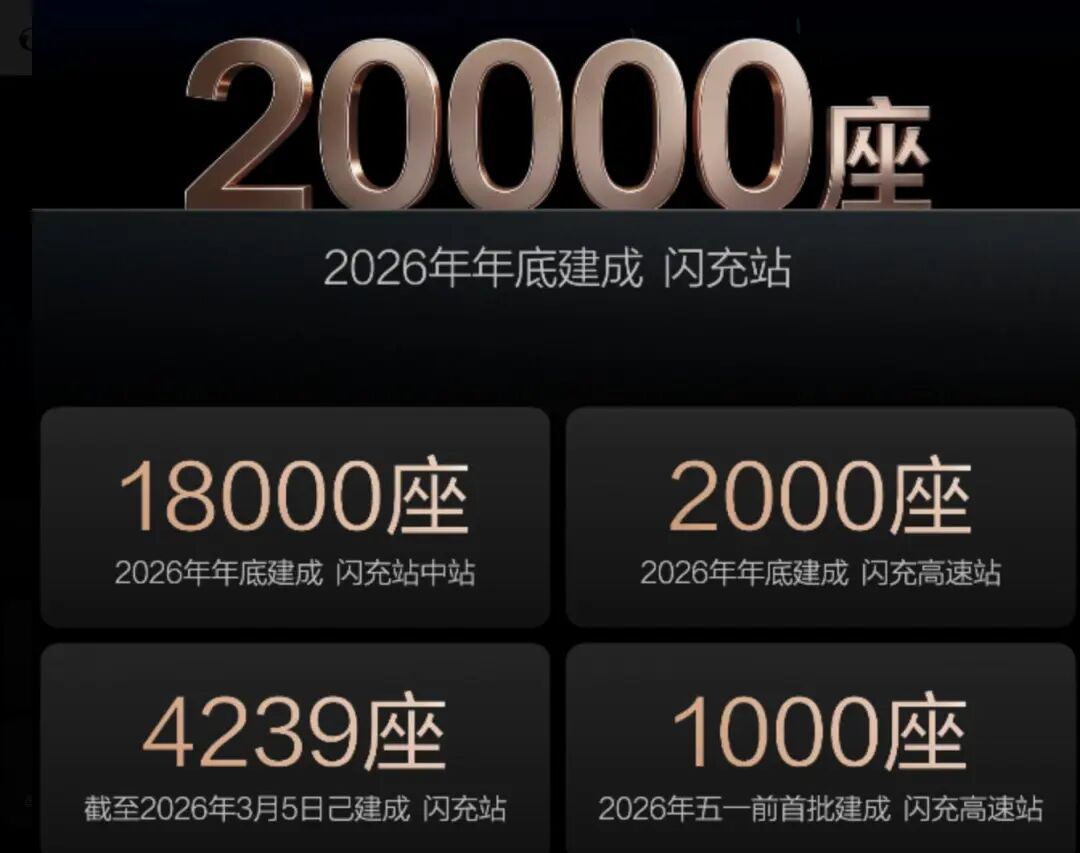
Its strategy is very smart: it doesn't build all the stations from scratch, but "brings its own equipment to enter" existing charging stations, without the need to increase the power grid capacity or go through land approval. This is a typical asset - light and high - speed expansion strategy.
However, in the city center, especially in densely populated residential areas, it is generally difficult to build energy storage stations. This is not only because of the scarcity of land, but also due to a series of technical, safety, and policy bottlenecks. So currently, most of BYD's megawatt flash - charging stations are located around 4S stores and in industrial areas.
Whether the 20,000 stations can be built on schedule and whether there will be a flash - charging station within 5 kilometers in 90% of urban areas depends on BYD's capabilities.
Summary
The background of this press conference is quite delicate.
At the beginning of 2026, BYD's sales fluctuated in the first two months, and it even briefly lost the title of the best - selling domestic brand. At the same time, the "bottom - less price war" in the industry has been stopped, but the raw material costs are skyrocketing. When the "price - cutting" path is getting narrower, "technological breakthrough" has become the only way out.
This just corresponds to Wang Chuanfu's famous "technology fishpond" theory: usually raise a bunch of fish silently, and when the market needs it, catch the fattest one. Now, the flash - charging technology is the selected big fish that can change the game.
The chain reactions it triggers will be far - reaching:
For users, if a 150,000 - yuan car can achieve a "5 - minute charge", will you definitely give up your fuel - powered car?
For super - extended - range vehicles, if charging is so fast, how necessary is it to carry a large battery and a generator?
For the battery - swapping model, if the cost of flash - charging energy storage stations is similar to that of battery - swapping stations, which one has a greater advantage?
This change triggered by technology has just begun.
This article is from the WeChat official account “Autostinger” (ID: autostinger), author: Peng Fei, published by 36Kr with authorization.