The First Year of Robots' "Takeoff": Hot Money, Stories, and an Overdrawn Future
When robots from four Chinese companies made a collective appearance on the stage of the Spring Festival Gala in the Year of the Horse, the tech circle in 2026 was destined to be caught up in the industry hotspot of "humanoid robots".
Since the beginning of the year, many robot companies have intensively announced financing news, and the valuations of humanoid robot companies have skyrocketed. Meanwhile, "robot dances" have also become a regular program in offline activities such as Spring Festival temple fairs and shopping mall openings. It seems that overnight, robots are accelerating out of the laboratory and into factories, shopping malls, and public spaces.
However, does the surface excitement equal the real prosperity of the industry?
Is the jump in financing figures and the increase in the number of orders a sign of technological maturity or the result of phased emotional promotion? When hot money from capital floods in, companies intensively deploy, and public opinion continues to heat up, perhaps we need to calmly ask: Has the robot industry really reached an inflection point of booming development?
01 Capital Influx: Humanoid Robots Become the Top Investment Target
Just as the saying goes, "Ducks are the first to sense the warming of the spring river." Before the Spring Festival Gala turned into a "robot gathering", the capital market had already "predicted" the continuous popularity of the robot track.
Industry statistics show that from the beginning of 2026 to February 11th, there were 19 financing events in the domestic embodied intelligence field in 42 days, with an average of one financing every 2.3 days. The disclosed financing amount exceeded 7.6 billion yuan, and the high - profile exposure during the Spring Festival Gala further strengthened the capital's confidence in the track.
On March 2nd, Songyan Dynamics and Yinhe General, which successfully appeared on the Spring Festival Gala stage, announced their financing progress on the same day. Among them, Songyan Dynamics completed a nearly 1 - billion - yuan Series B financing, and the new - round financing amount of Yinhe General reached 2.5 billion yuan. On the same day, UniX AI also announced the completion of a nearly 300 - million - yuan new - round equity financing.
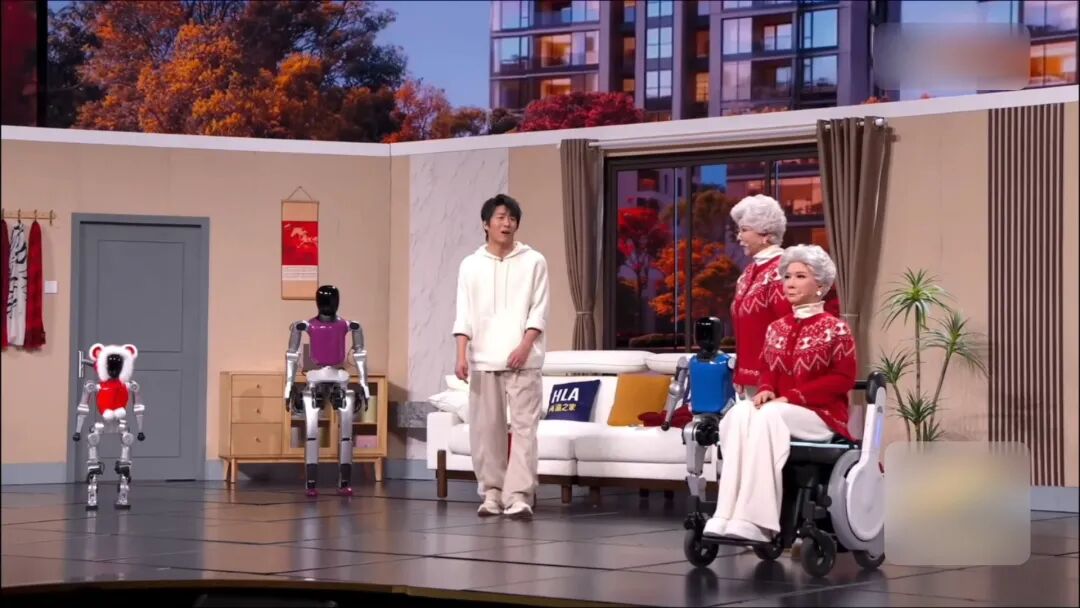
*Songyan Dynamics robots in the Spring Festival Gala sketch "Grandma's Favorite"
According to third - party data, as of March 4th, there had been a total of 88 publicly disclosed financing events in the Chinese embodied intelligence field in 2026, which means an average of about 1.4 financings per day in the industry, with a total financing amount exceeding 20 billion yuan.
If we take a closer look at this wave of financing, we will find that the camp of investors in robot companies not only includes leading VCs, industrial capital, and state - owned funds but also first - tier institutions such as Sequoia China, Hillhouse Capital, Yunfeng Fund, and Baidu Ventures. Even the National Artificial Intelligence Industry Investment Fund and multiple local state - owned platforms have entered the arena with heavy investment, betting heavily on leading enterprises, which has led to a rapid increase in the valuations of many star enterprises.
When the Jingzhe Research Institute checked public reports, it found that as of March 5th, 2026, there were already 9 enterprises with a valuation of over 10 billion yuan in the domestic embodied intelligence track, including Unitree Robotics, Zhipu Robotics, Zhipingfang, Xinghaitu, Lingxinqiaoshou, Shenji Technology, Qianxun Intelligence, Yinhe General, and Xingdong Jiyuan. Among them, Shenji Technology, Qianxun Intelligence, Yinhe General, and Xingdong Jiyuan have all successfully joined the "unicorn" ranks after receiving a new round of financing since February.
In addition, many start - up companies that have been established for less than a year have also successfully completed angel - round and Pre - A - round financings, easily obtaining hundreds of millions of funds. This financing speed and scale are extremely rare in other hard - tech tracks, which also makes people inevitably think of the investment boom under the slogan of "Mass Entrepreneurship and Innovation" 10 years ago.
In fact, the capital's enthusiasm stems from the basic logic of technology investment and the infinite imagination of the industry's future. Currently, humanoid robots are generally regarded as the next disruptive hardware terminal after smartphones. People optimistically believe that humanoid robots are expected to enter a large number of scenarios such as industrial production, household services, commercial reception, and special operations in the future. According to this grand blueprint, the future industrial scale of humanoid robots will definitely not be less than one trillion yuan.
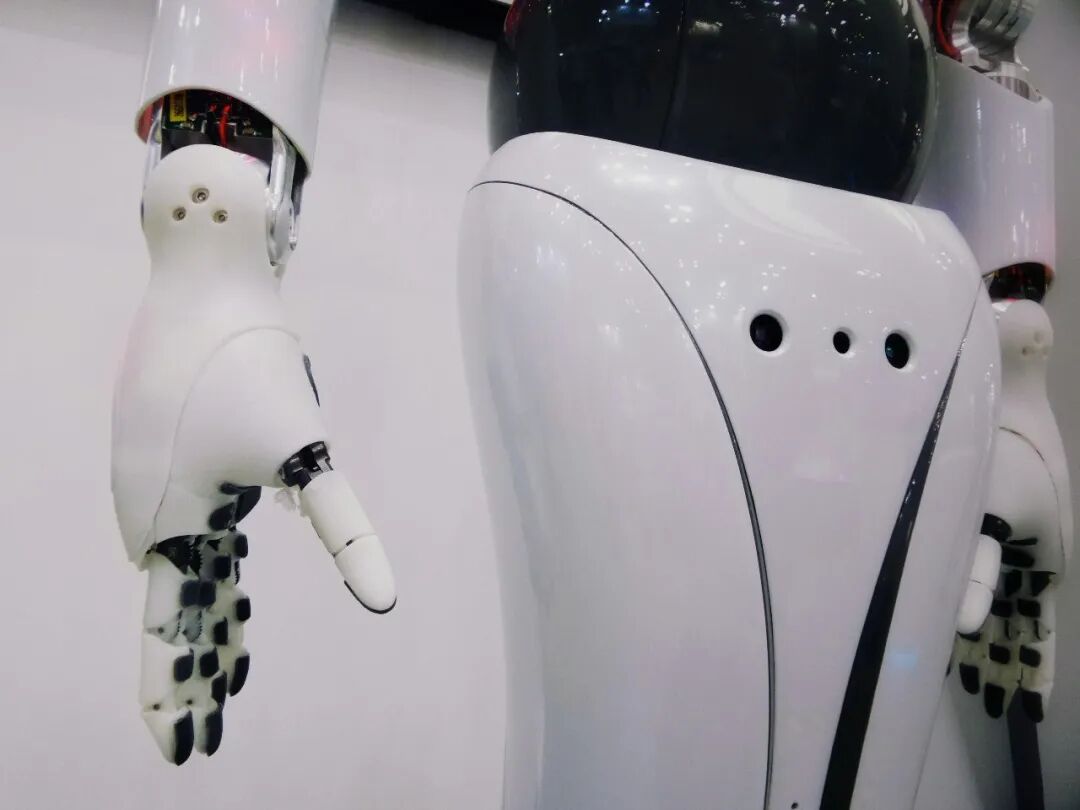
Meanwhile, the simultaneous popularity of the AI track and the continuous iteration of technology have brought topics, making embodied intelligence regarded as an important fulcrum and carrier for the implementation of the AI industry. The specific actions of large technology companies to accelerate their participation in the AI arms race have also stimulated the market to fall into FOMO (Fear of Missing Out) sentiment. As a result, they have invested heavily in humanoid robots, the "ultimate form of AI", even though the profitability is still a long way off. They just want to secure a position in advance and use an expensive "ticket" to bet on a chance to win in the future.
However, the capital's carnival often easily covers up the essential problems of the industry. When everyone is talking about the future and imagining the prospects, few people pay attention to the core contradictions: Have these robot companies that have received huge amounts of financing achieved large - scale commercial implementation? Do they have a stable and sustainable profit model? As the saying goes, "One minute on the stage requires ten years of hard work off - stage." Beyond the national exposure effect obtained from the Spring Festival Gala appearance and the extremely high expectations given by the capital market, how much real ability do humanoid robots actually have?
02 Profitable Robots "Don't Look Human"
If the blind enthusiasm of capital is still harmless to ordinary people, the "collective deviation" of the robot track is somewhat puzzling. Guided by the halo of the popular new concept of embodied intelligence, many companies have plunged headlong into the direction of "humanoid robots". However, it is actually non - humanoid robots that can achieve large - scale mass production, stable profitability, and create actual industrial value.
The "World Robotics Report 2025" released by the International Federation of Robotics (IFR) shows that in 2024, China remained the world's largest industrial robot market, accounting for 54% of the global new installations. China not only installed 295,000 new industrial robots, setting a new annual record, but also saw Chinese manufacturers' sales in the domestic market exceed those of foreign suppliers for the first time. According to data from the National Bureau of Statistics, in 2025, the output of industrial robots in industrial enterprises above a designated size reached 773,000 sets, a year - on - year increase of 28%.
Before humanoid robots became stars at the Spring Festival Gala, non - humanoid products such as handling robotic arms, welding robots, palletizing robots, and AGV automatic guided vehicles had already achieved large - scale implementation and commercial closed - loops in core fields such as automobile manufacturing, 3C electronics, logistics warehousing, and new energy production, becoming the core support for the transformation and upgrading of the manufacturing industry.
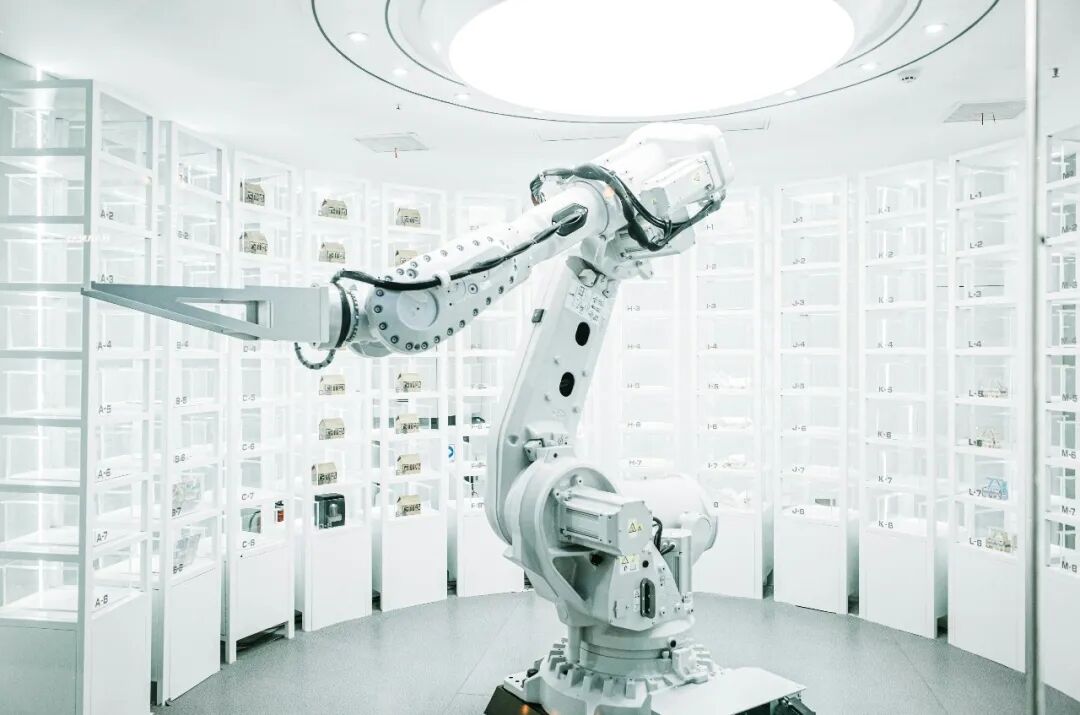
In contrast, the publicly reported applications of the highly sought - after humanoid robots seem to be concentrated in scenarios such as scientific research, education, or exhibition halls, which are more for display purposes. This also leads to two soul - searching questions: What actual value do humanoid robots bring? Does a robot have to be in a human form to be a cutting - edge product?
First of all, it should be noted that there is no problem with the strategic direction of humanoid robots.
Since the Ministry of Industry and Information Technology issued the "Guiding Opinions on the Innovative Development of Humanoid Robots" in 2023, clarifying the "big model + robot" route, humanoid robots have become another popular technology track parallel to AI. In 2024, OpenAI collaborated with Figure to launch Figure 1, which made the specific form of humanoid robots equipped with large models attract global attention.
In 2025, embodied intelligence was first written into the government work report, becoming a core track for the country's future industries. At the same time, the entry of the national large - scale fund is also a clear endorsement of embodied intelligence as a national strategic new - quality productive force, marking that the industry has officially entered the stage of national - level strategic deployment and large - scale implementation from "frontier exploration".
However, after humanoid robots broke through the circle through the Spring Festival Gala and became a national topic, the water in the field of embodied intelligence began to get muddy.
Amid the shouts of "physicalization of artificial intelligence" and "the next - generation productivity revolution", there are companies that are making prototypes in droves, seeking attention, and riding on the wave, trying to pass off the fake as the real. This speculative chaos is very similar to the scene of the "battle of hundreds of models" in the domestic large - model field after the popularity of ChatGPT in 2023.

Not long ago, Fu Sheng, the chairman and CEO of Cheetah Mobile, said in an interview that the reason why robot entrepreneurship is popular is, first, because it is easy to raise money, and second, because it is not difficult. According to his description, with the mature supply - chain system in Shenzhen, an investment of 2 million yuan can be used to customize a prototype of a humanoid robot with basic walking functions. By sticking a self - owned brand logo on it, a company can claim to be deploying in the humanoid robot track and then package PPTs to attract capital for financing.
Coincidentally, Jia Yueting, the founder of Faraday Future, also high - profilely released what he called a "self - developed humanoid robot" in February this year. However, the entire press conference only showed a 20 - second video of basic walking, and no core technical parameters, mass - production time plans, or actual application scenarios were disclosed throughout the process.
After the press conference, many technology media compared and found that the Master series of humanoid robots released by Jia Yueting were highly similar to the Lingxi X2 previously released by Zhipu Robotics, and the core parameters were almost the same. Therefore, they questioned that his core purpose was not to deeply engage in technology R & D but to create momentum for financing and transfer debt pressure by riding on the wave, completely replicating the old path of PPT - based car - building.
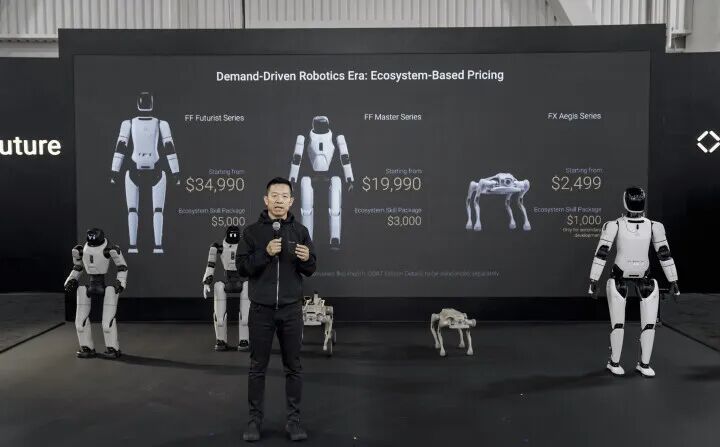
*Image source: Faraday Future official website
Some naughty netizens also pointed out that the wholly - owned robot subsidiary of Faraday Future (FF) was just established in January, and on February 5th, it launched three robot products on stage. It is likely that in that one - month period, they were not engaged in technology development and testing but were waiting for the humanoid robots shipped from Shenzhen while "self - developing" PPTs. Another netizen commented wittily: Completing the transition from PPT to product launch in one month is the limit of express delivery, not the limit of embodied intelligence.
03 Narrative "Running Ahead": Creating an Industrial Bubble
In fact, another underlying reason for the robot entrepreneurship boom is that on the embodied intelligence technology route of "big model + humanoid robot", compared with the high threshold of large - model R & D, which requires a large amount of computing power, long - term training, and strict evaluation, the "assembly - style entrepreneurship" shortcut in the humanoid robot track is too obvious. As a result, the speculation threshold has been deliberately lowered, leading to a chaotic situation.
In addition, the current public's perception of robots in social public opinion has deviated from the technical laws of the industry itself. Many ordinary people have ignored a core fact: Robots are not single - hardware products but complex engineering systems that integrate technologies from multiple disciplines and fields, such as mechanical engineering, electronic circuits, AI embodied intelligence algorithms, high - precision sensors, power systems, and precision control.
At the industrial level, to achieve large - scale implementation of humanoid robots, it is necessary to rely on a complete industrial - chain supporting system and connect multiple key links, such as self - research of core components, mature mass - production processes, cost reduction, and scenario adaptation. It is not just about simply assembling a prototype that can walk a few steps without falling.
Miao Rentao, the deputy dean, professor, and doctoral supervisor of the School of Labor Economics at the Capital University of Economics and Business, once pointed out that China's intelligent robots still lag behind international giants in core technologies such as motion control algorithms, precision reducers, and high - precision sensors. The single - unit cost of humanoid robots is as high as hundreds of thousands of yuan, and the proportion of core components relying on imports still exceeds 40%, which seriously restricts large - scale applications.
From the perspective of industrial design and practicality, the human form (especially the bipedal form) is not the optimal solution for robots at present.
The bipedal walking function of robots has extremely high requirements for balance control algorithms, high - precision joints, servo motors, and power systems. However, in indoor spaces with limited space or in relatively uncomplicated public areas, bipedal walking can be completely replaced by wheeled movement. Moreover, the cost of a ordinary humanoid robot prototype is often hundreds of thousands or even millions of yuan, making it difficult to achieve civilian popularization. Non - humanoid robots customized for specific scenarios have a more streamlined structure, higher work efficiency, and controllable costs, and can quickly meet actual production and living needs.
However, the "illusion" created by capital and public opinion for people is as if humanoid robots will enter thousands of households to "work" for humans tomorrow, and only humanoid robots are the "future". This serious disconnect between technological progress and social expectations has directly given rise to an "over - attention and blind praise" public - opinion bubble, causing many companies to deviate from the core R & D track and instead become obsessed with creating momentum for financing, completely putting the cart before the horse.
The capital boom can quickly create a hot spot, but it cannot support the long - term healthy development of an industry; the public - opinion halo can attract short - term attention, but it cannot cover up technological shortcomings and implementation difficulties.