Charge to 80% in 5 minutes, fully charge in 9 minutes. BYD's flash charging technology fills the last piece of the puzzle in the new energy transformation.
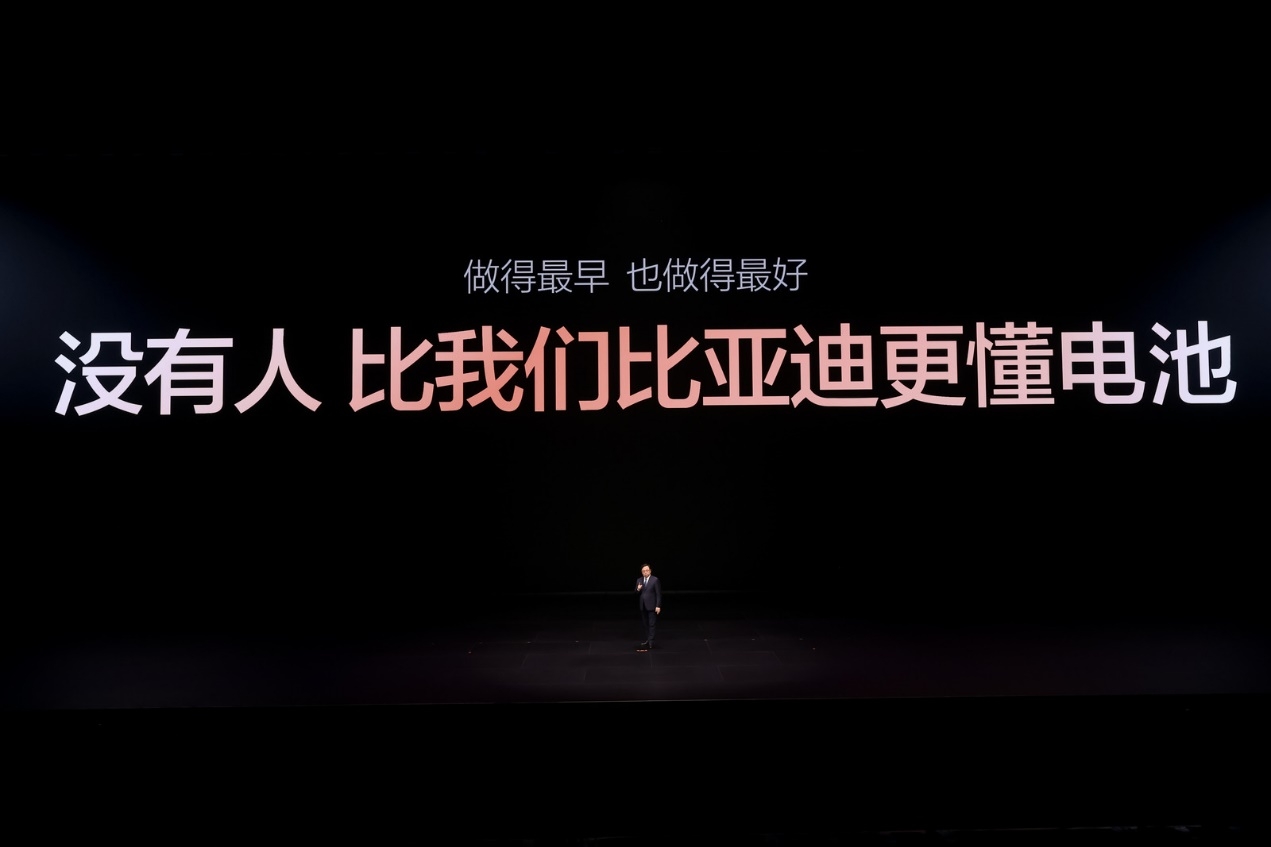
"No one understands batteries better than BYD."
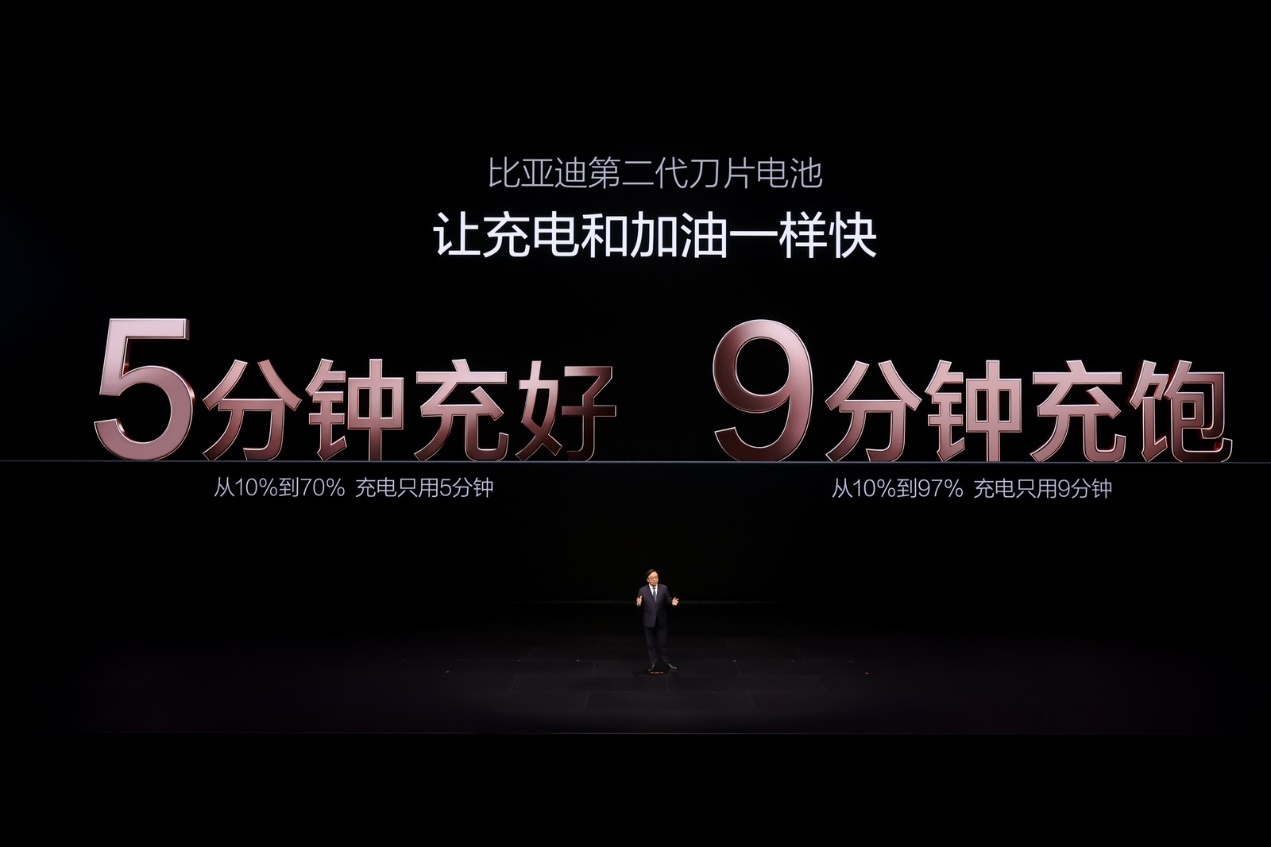
At BYD's "Flash Charging China, Changing the World" press conference on March 5th, Wang Chuanfu, the Chairman and President of BYD Group, unveiled BYD's second - generation Blade Battery and flash charging technology, and announced a revolutionary charging speed:
Charge from 10% to 70% in 5 minutes;
Charge from 10% to 97% in 9 minutes;
Even at -30 degrees Celsius, the charging time only increases by 3 minutes.
BYD summarizes it as - fully charged in 5 minutes, fully topped up in 9 minutes, and only 3 more minutes at -30 degrees Celsius.
This means that BYD has once again broken the charging speed record for new energy vehicles, and the problems of "slow charging" and "difficult charging in low temperatures" that have plagued the popularization of pure - electric vehicles have been greatly alleviated.
How does BYD achieve 1500kW flash charging?
How exactly does BYD achieve such a fast flash charging speed?
If we conduct an engineering breakdown of "BYD Flash Charging", it's not hard to see that it is a system jointly constructed by the battery, the whole vehicle, and the charging network, with each part closely linked and indispensable.
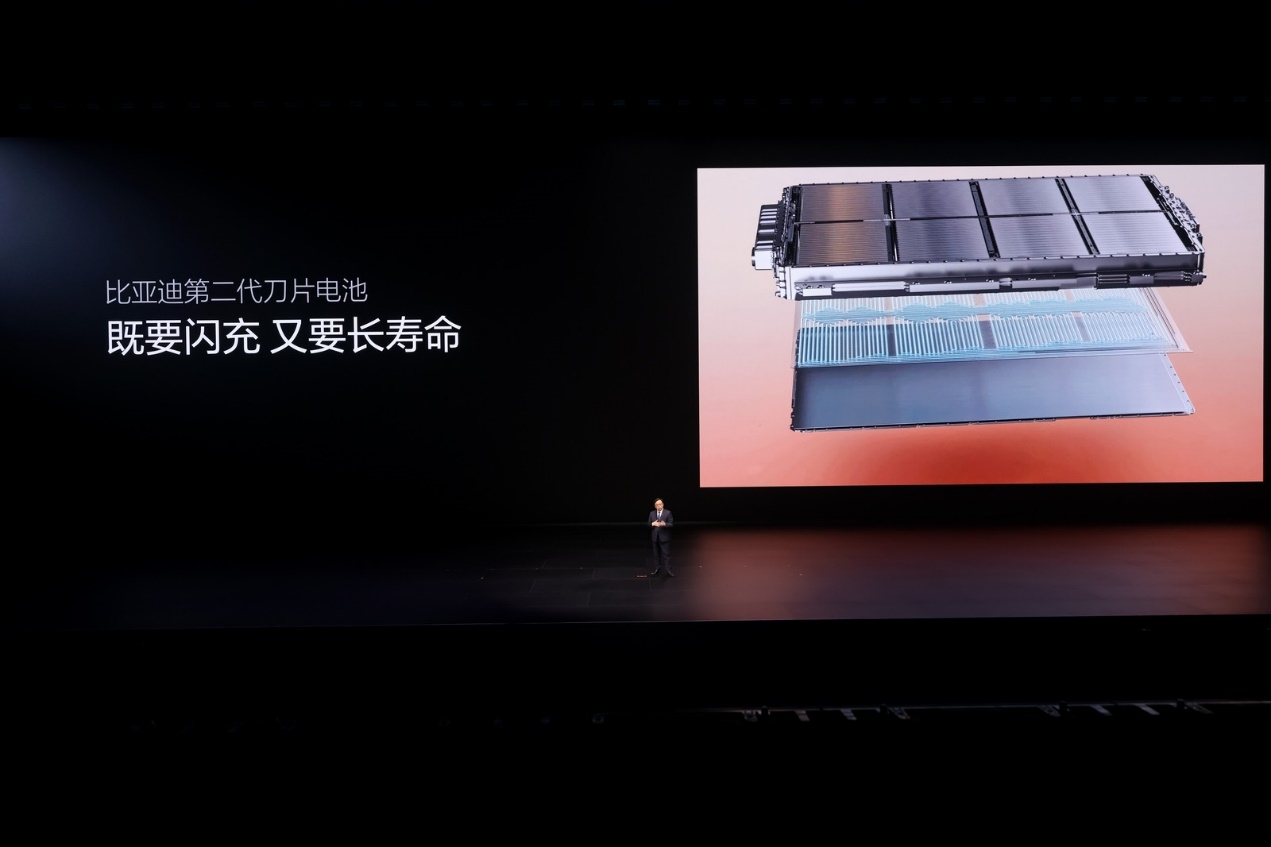
The battery is the cornerstone of the entire flash charging system. Based on the first - generation Blade Battery launched in 2020, BYD's second - generation Blade Battery has further improved the battery's energy density and safety.
Technically, the charge - discharge rate, energy density, and safety of a battery form an "impossible triangle". Generally speaking, the higher the charge - discharge rate of a battery, the more severe its heat generation and the more dangerous it becomes. Manufacturers can enhance safety by adding safety designs, but this will sacrifice energy density. Therefore, it is extremely difficult to create a good - performing and safe flash - charging battery.
Starting from the underlying battery technology, BYD has innovated a full - link ion "Flash - Through" technology system, achieving technological innovation in multiple dimensions such as the cathode, anode, and electrolyte, significantly reducing the battery's internal resistance and reducing battery heat generation at the source. At the same time, at the battery pack level, BYD has further improved battery safety by upgrading the all - temperature - range intelligent thermal management system, achieving a balance between flash charging and safety.
The support of the whole vehicle is also crucial for achieving flash charging. As early as in the previous generation of megawatt flash - charging products, BYD used the "electric drive reuse" technology, using the motor coil as a transformer to boost the voltage for the whole vehicle during charging, thereby increasing the charging speed.
In the power battery and new energy vehicle industries, BYD is one of the few automobile manufacturers that straddle both industries. It self - develops and self - produces batteries and also develops and manufactures whole vehicles. This allows BYD to deeply integrate the two technical systems of the battery and the whole vehicle, solving many electrification problems. This not only raises the upper limit of the technical system but also enables agile development, eliminating the need for repeated communication between other automobile manufacturers and suppliers.
In the era of fuel vehicles, automobile manufacturers with the ability to self - develop and self - produce engines were called "original equipment manufacturers" (OEMs). Only OEMs were the core players in the automotive industry, while automobile brands without their own engines were marginalized. In the era of new energy vehicles, BYD, with its ability to self - develop and self - produce batteries, has become the "OEM of the new era", and is using technologies such as flash charging to widen the gap between itself and other manufacturers.
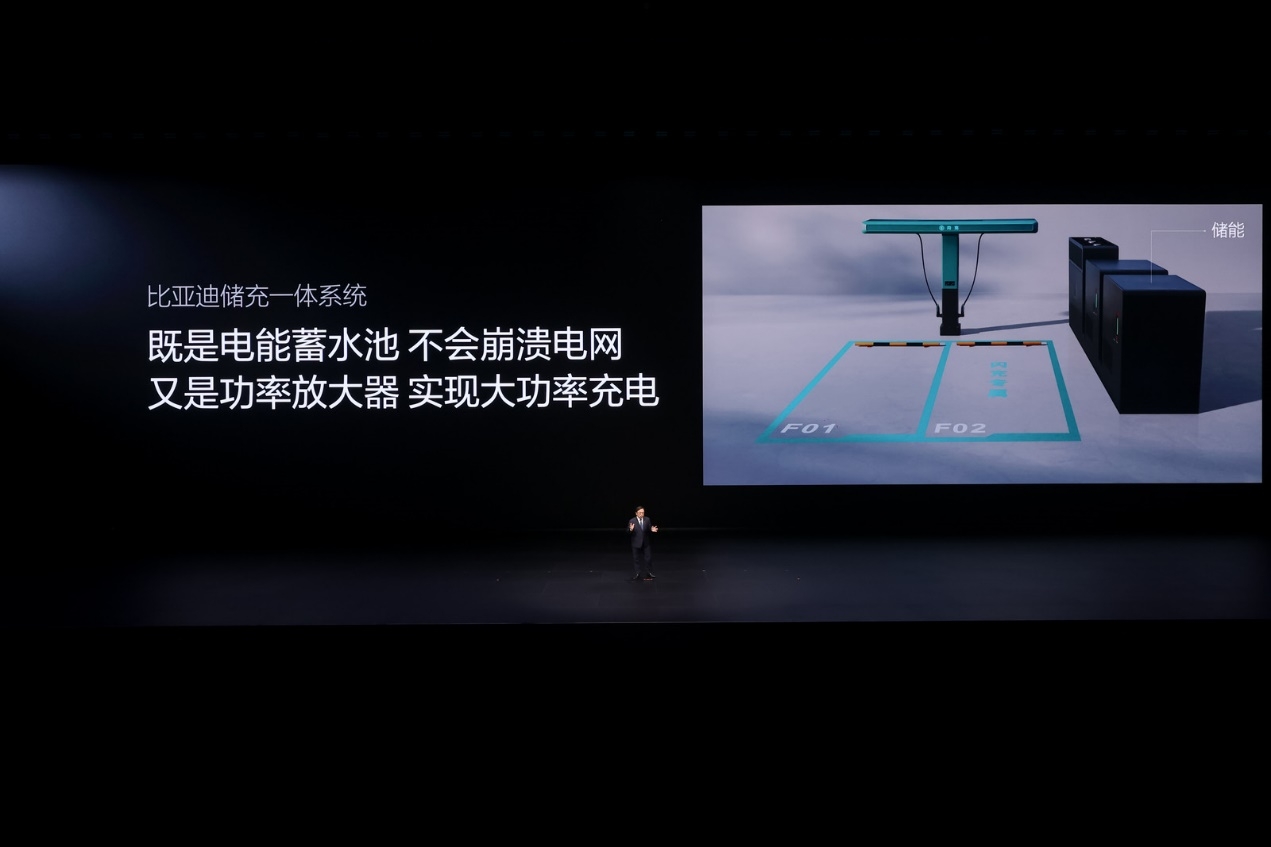
The last link of flash charging is the supporting charging network. Compared with the previous two, its technical difficulty is not very high, but there are more commercial challenges. Technically, BYD has solved the problem of grid impact of traditional ultra - fast charging piles through its own energy storage solution, enabling the construction of flash - charging stations to be free from the constraints of grid capacity.
In addition, BYD also emphasized the "Flash - Charging Station within a Station" model this time. Existing third - party charging service providers can install BYD's flash - charging equipment on the basis of existing charging stations to create a "station within a station". It is expected that this policy will help BYD quickly build a charging network.
Carry out the new energy revolution to the end
At the press conference on March 5th, BYD showed a very different style from before.
In the eyes of the outside world, compared with new - force brands, BYD is a relatively restrained manufacturer in terms of publicity. However, this time, BYD shouted out some quite topical slogans such as "Changing the World", "No one understands batteries better than BYD", and "The first half of electrification has come to a perfect end". Judging from the industry feedback after the press conference, the outside world also quite recognizes the technical strength of this press conference.
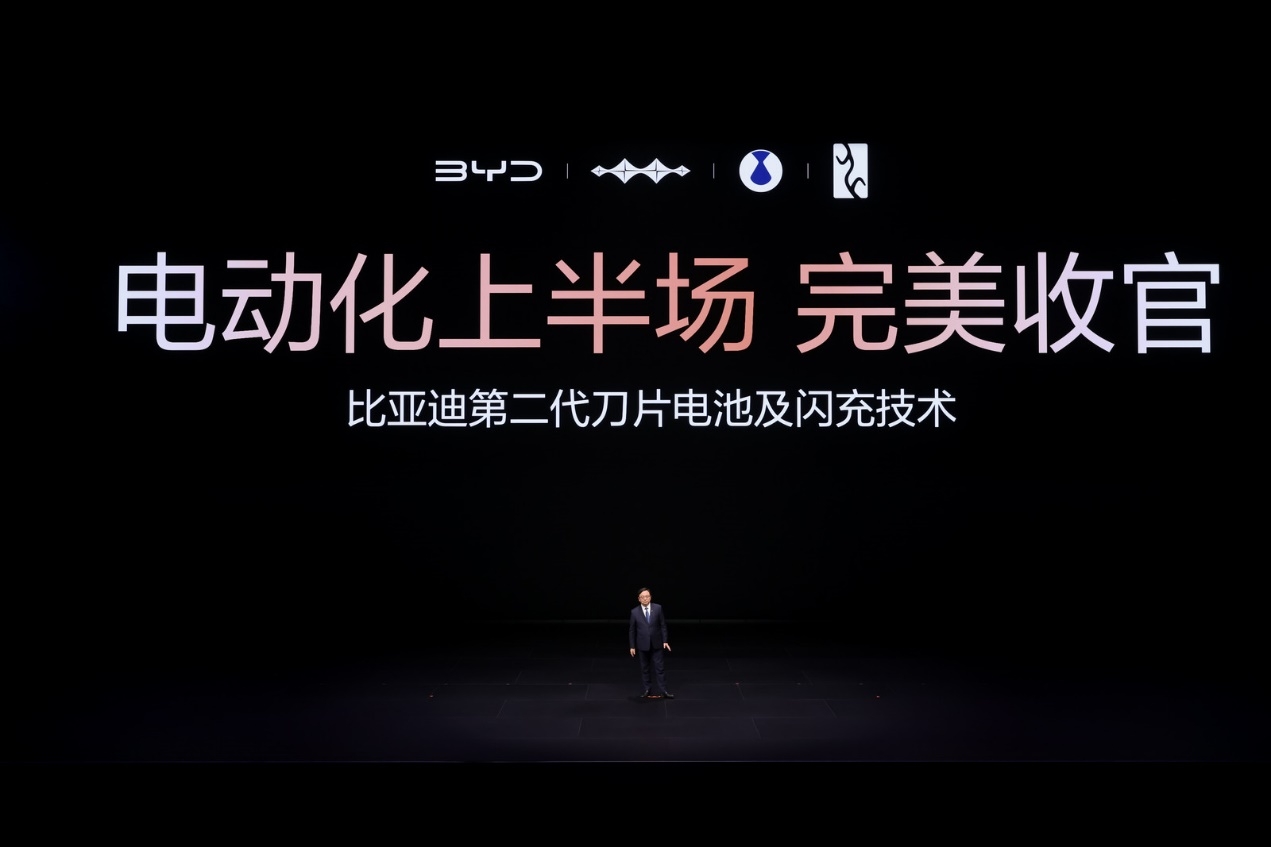
In the narrative logic of the press conference, BYD regards the second - generation Blade Battery and flash - charging technology as the "finale" of the automotive electrification transformation. To some extent, BYD believes that these two products are close to the ultimate solution for electric vehicles.
If we look back at history, electric vehicles have successively solved the problems of performance, cost, and safety. Currently, there are mainly two factors still restricting the popularization of electric vehicles, namely energy replenishment efficiency and low - temperature performance. These are also the focuses of BYD's press conference this time.
Even today, the penetration rate of new energy vehicles in high - altitude and cold regions such as Northeast China, Northwest China, and the Qinghai - Tibet Plateau is still significantly lower than that in the southern regions. The problems of battery attenuation and energy replenishment efficiency of electric vehicles in low - temperature regions have always been a headache for local car owners.
At the press conference on March 5th, BYD showed the winter flash - charging test results measured by the media in Harbin, Beijing, and other places. Compared with warm regions, BYD's flash - charging speed to "fully top up" is only 3 minutes slower, which is enough to refresh the perception of local car owners.
Through this press conference, BYD has conveyed its determination to "carry out the new energy revolution to the end". The last piece of the puzzle for the automotive electrification transformation is being put in place by BYD.
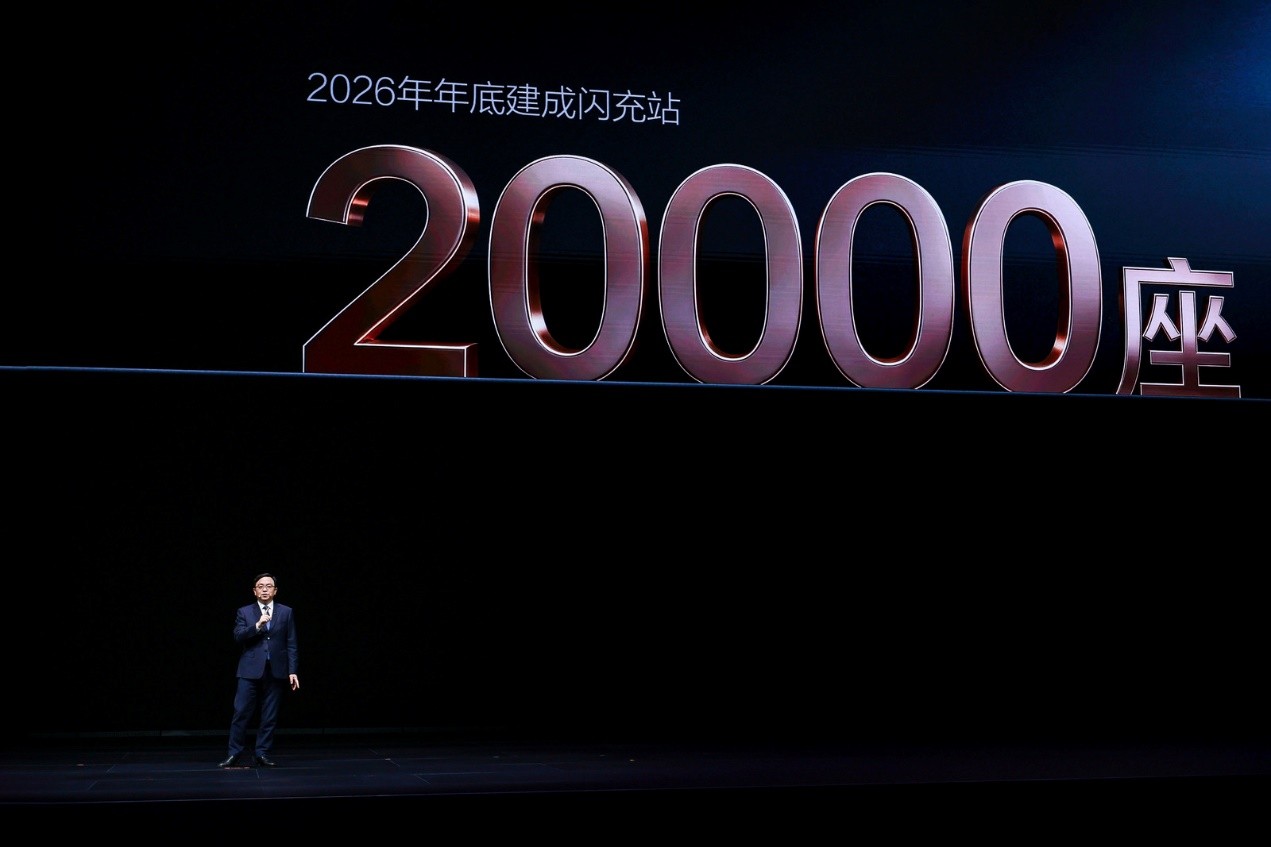
According to the plan, BYD will build 20,000 flash - charging stations across the country by 2026. If the goal is achieved, BYD is expected to become the automobile manufacturer with the largest number of self - built charging stations in China. In addition, BYD also plans to expand its flash - charging technology overseas and enter the global market in 2027. By then, the solutions from Chinese new energy vehicles are expected to profoundly change the global travel mode of mankind once again.