Domestic mobile phones forced to raise prices are about to face tough times.
There is a passage that has frequently appeared in major media reports recently: Since March 2026, the Chinese mobile phone industry has witnessed the largest and most extensive price increase wave of all brands in the past five years, involving mainstream brands such as OPPO, vivo, Xiaomi, and Honor.
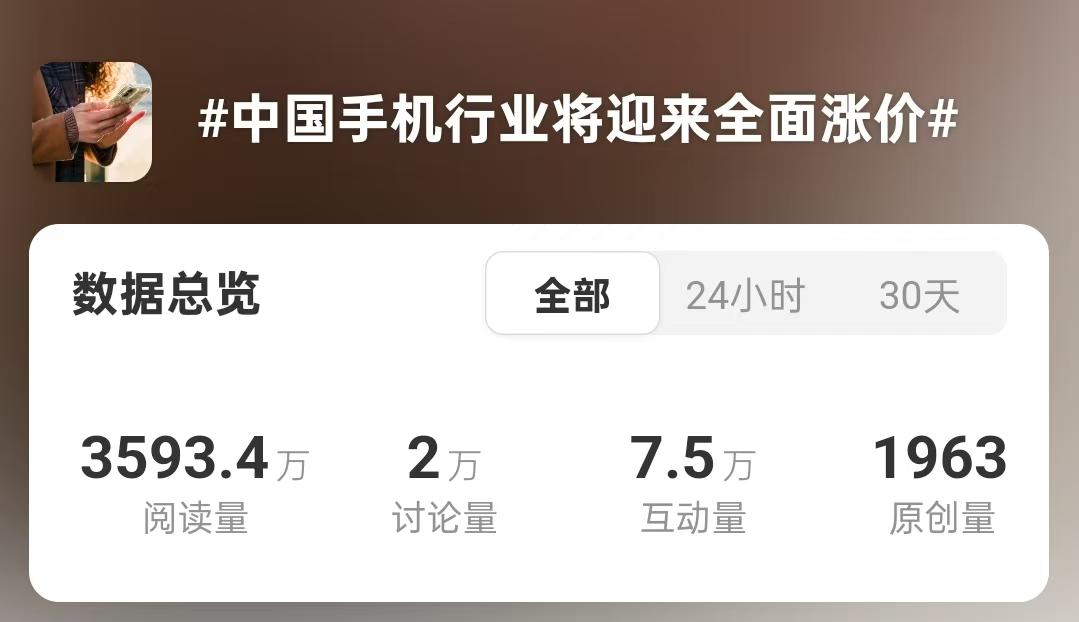
However, the reason why this price increase wave is unprecedented is not entirely because of its wide coverage.
The amplitude and duration of this round of price increases are also unprecedented.
Counterpoint Research predicts that after March, the average price of new mobile phones in the Chinese market will increase by 15% - 25% compared with models in the same price range in 2025. That is to say, the price of mid - and low - end models may increase by a few hundred yuan, and the price increase of high - end flagship models may even reach 2,000 - 3,000 yuan.
Recently at the MWC conference, Lu Weibing judged that this round of storage price increase is a long - term cycle, which will last from the second quarter of 2025 to the end of 2027, nearly three years.
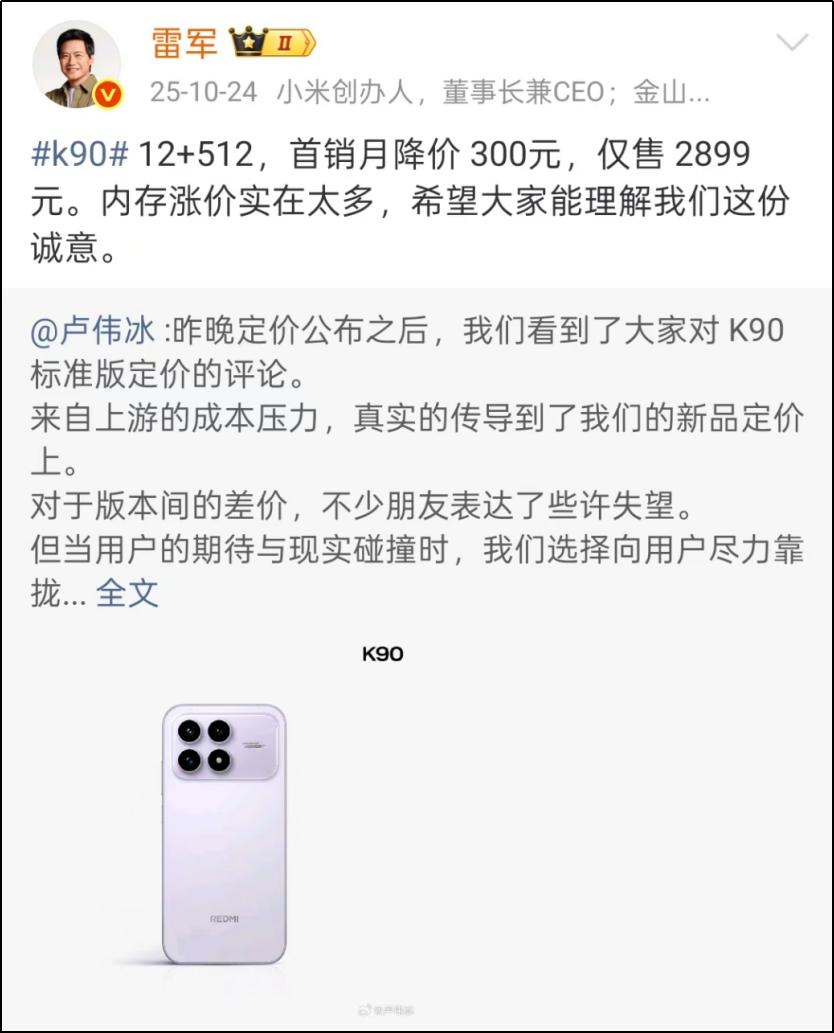
After the release of the Redmi K90 last year, Lei Jun once helplessly revealed the trend and reasons for the price increase.
Consumers are definitely not happy about the price increase: "I originally wanted to change my phone, but now I'll just replace the old battery and use it for another two years." "I can go three years without buying a phone, but they can't stop selling for three years."
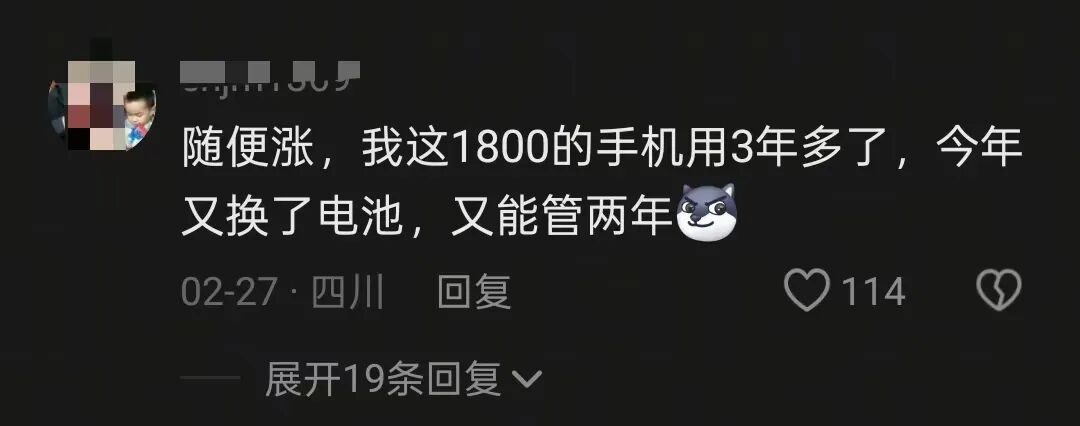
Such remarks reveal a cruel conclusion: Domestic mobile phone manufacturers are going to face tough times.
Domestic mobile phones have changed from "dominant party A" to "pathetic party B"
Just two years ago, the mobile phone industry was a completely different scene.
In 2024, due to internal and external problems, the price of the storage market collapsed. Mobile phone manufacturers raised the banner of "storage equality", and cost - effective mobile phones with 512GB/1TB storage were everywhere. At that time, manufacturers had absolute initiative and really enjoyed being in the dominant position.
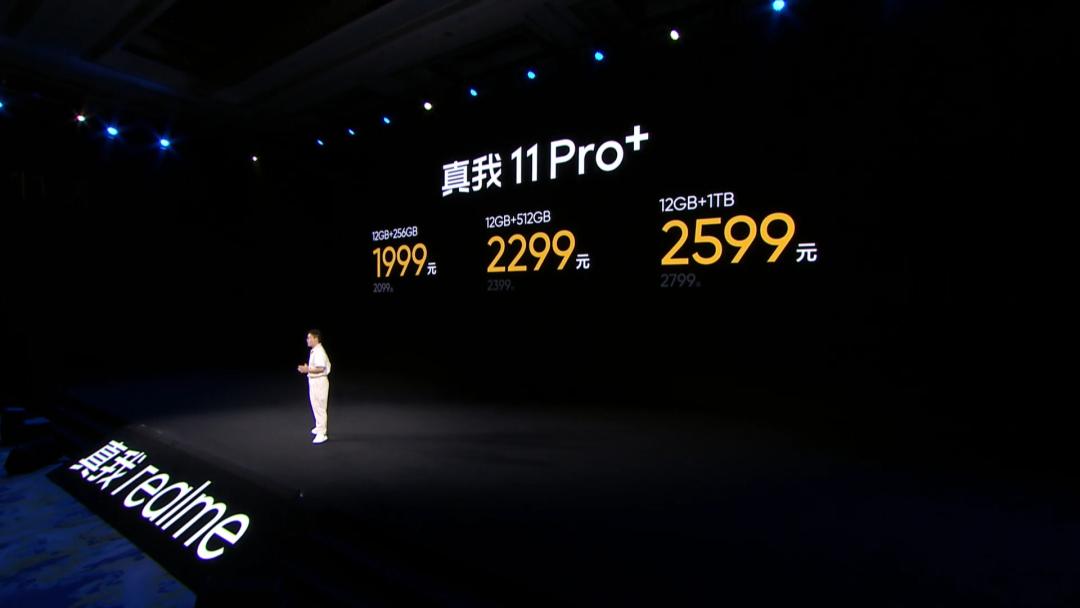
But now, such a scenario has completely changed.
The AI industry has exploded, crazily consuming storage production capacity, and the production capacity of consumer - grade chips has been severely squeezed. Just OpenAI alone has locked in the production capacity of up to 900,000 DRAM wafers per month from Samsung and SK Hynix after their expansion, almost consuming 40% of the global supply.
As the saying goes, rarity makes things precious. At the most exaggerated time, someone said that a box of memory sticks was as expensive as an apartment in Shanghai.
Data from TrendForce in February 2026 shows that the spot price of mobile phone storage chips has increased by more than 300% in the past three months. A supply chain insider revealed that the current procurement cost has increased by more than 80% compared with the same period last year, and "the price changes every half - day."
In order to maximize profits, Samsung's semiconductor department has even "turned a blind eye" to its own mobile department. It directly abandoned the long - term supply agreement with its mobile department and changed to a quarterly contract.
In addition, it is rumored that Samsung's semiconductor department also "stabbed" Apple hard. Their initial goal was to raise the price by 60%, but in the first round of negotiations, they directly proposed a 100% price increase for testing. Unexpectedly, Apple hardly bargained and quickly accepted the doubled price.

If even Apple accepts the price increase, what can domestic manufacturers do?
They can only absorb the cost on their own while constantly warning consumers about the upcoming price increase.
However, no matter how much preparation and publicity domestic manufacturers have done, the market impact is inevitable. IDC predicts that the global smartphone market will shrink by nearly 13% in 2026, reaching the lowest level in the past decade.

The most affected is, of course, the mid - and low - end market.
The cost of memory semiconductors in mid - and low - end models has approached 30%. If the price continues to rise, some budget phones may even fall into negative gross profit. That is to say, manufacturers have to pay out of their own pockets for each budget phone sold.
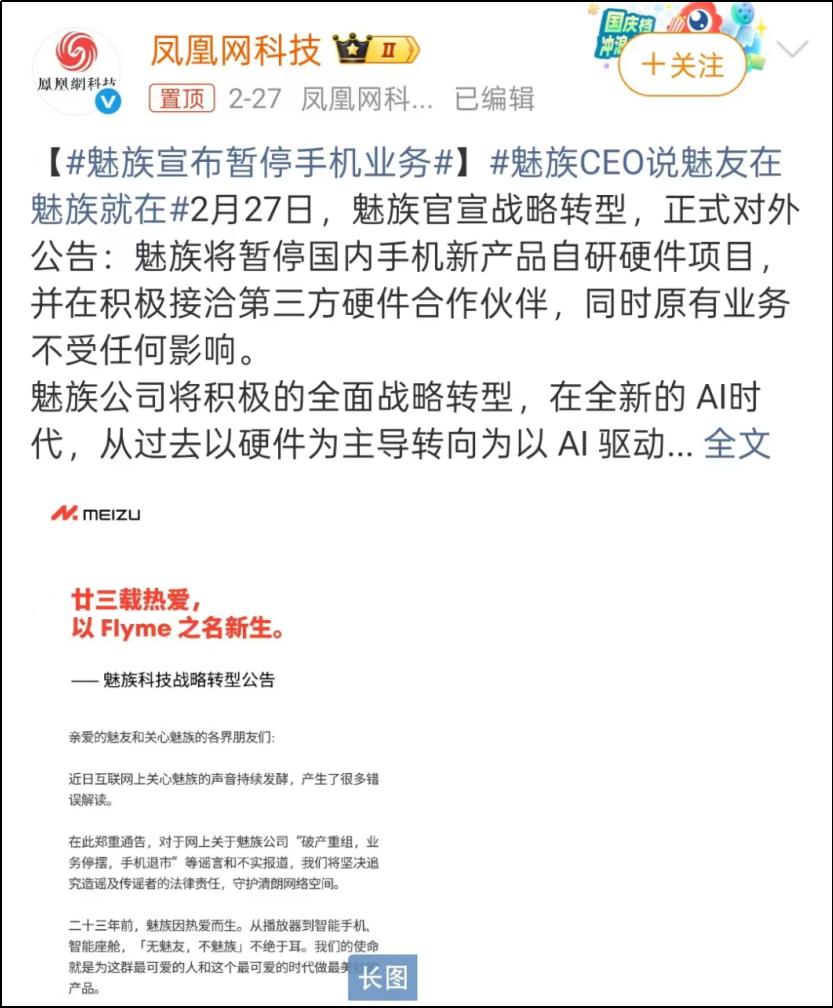
Therefore, Transsion, known for its cost - effectiveness, had a revenue of 68.7 billion yuan in 2025, with a year - on - year decline of less than 5%, but its profit was almost halved, with a year - on - year decline of up to 54%. Meizu also canceled its new phone launch plan at the beginning of the year. On February 27, Meizu officially announced that it would suspend the self - developed hardware projects of new domestic mobile phones, citing "the continuous sky - rocketing memory prices, which make the normal commercialization of the next new products impossible."
The mid - and low - end market is in turmoil, and even non - cost - effective players are under great pressure. For example, the starting price of the 12GB + 256GB version of Honor Power2 is 2,499 yuan, a direct increase of 500 yuan compared with the previous generation. The starting prices of the standard and Plus versions of the Samsung Galaxy S26 series have increased by 1,000 yuan.
From being the "dominant party A" who gives orders to the "pathetic party B" who has to watch the suppliers' faces, and at the same time not being understood by consumers, mobile phone manufacturers have a lot of grievances.
The forced price increase exposes a major weakness
Facing this wave of price increases, manufacturers cannot remain indifferent.
The simplest way to deal with it is to raise the price of mobile phones.
Secondly, they can cut orders. It is reported that Xiaomi, OPPO, and vivo have reduced their annual overall machine orders by 15% - 20%, and mid - and low - end models have become the focus of adjustment.
There is also a more covert way to deal with it: reducing configuration. Some mobile phone brands have started to reduce the single - machine DRAM capacity and compensate for the configuration change through software optimization. Some models have adopted the lower - cost QLC instead of TLC in the flash memory scheme.
However, these are only temporary solutions and cannot solve the root problem. They may survive this round of upstream price increases, but they may not be able to survive the next round.
The real root of the problem is: Why are domestic manufacturers so sensitive to upstream price increases? Why don't they have enough confidence to absorb cost fluctuations?
The answer points to a weakness of many manufacturers: Service ecosystem.
In the past, many mobile phone manufacturers had an idea called "getting the wool from the pig", and even believed in the traffic thinking of "negative hardware profit and making money from Internet services".
There is nothing wrong with this idea, but it is quite difficult to implement.
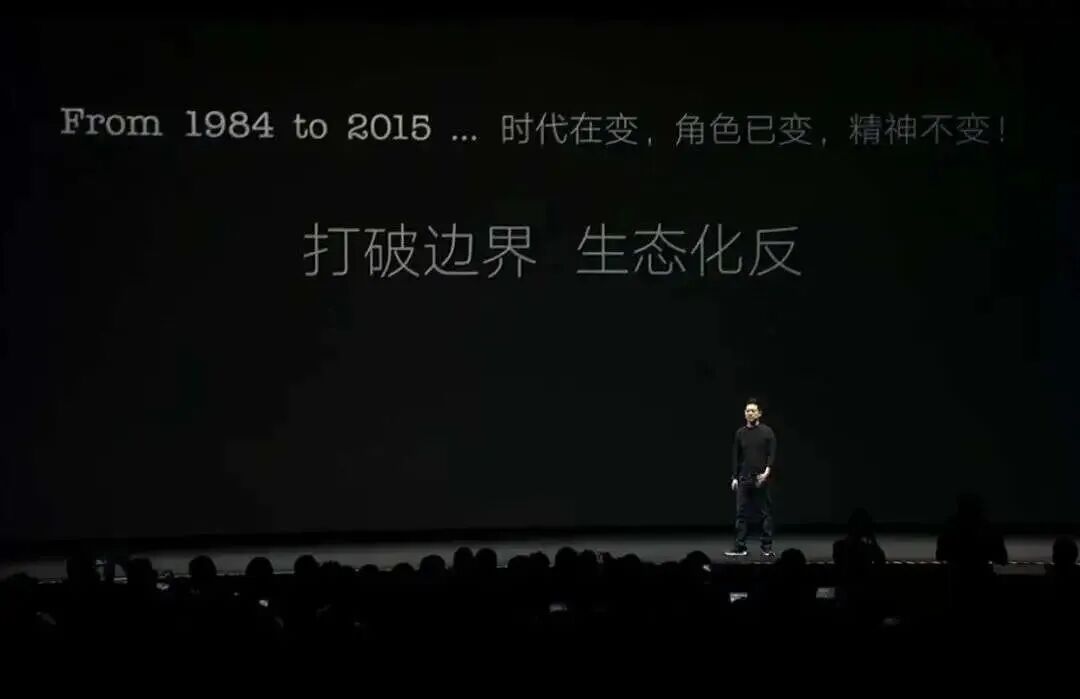
In April 2015, Jia Yueting stood on the stage and shouted the slogan of "free hardware". His logic was straightforward: For the LeTV 1 mobile phone, users could get it for free by buying a five - year membership (490 yuan/year), with a total cost of 2,450 yuan - more expensive than the bare - machine price, but users could get five - year content services. The calculation was also clear: once users entered the LeTV ecosystem, they would be continuously exploited.
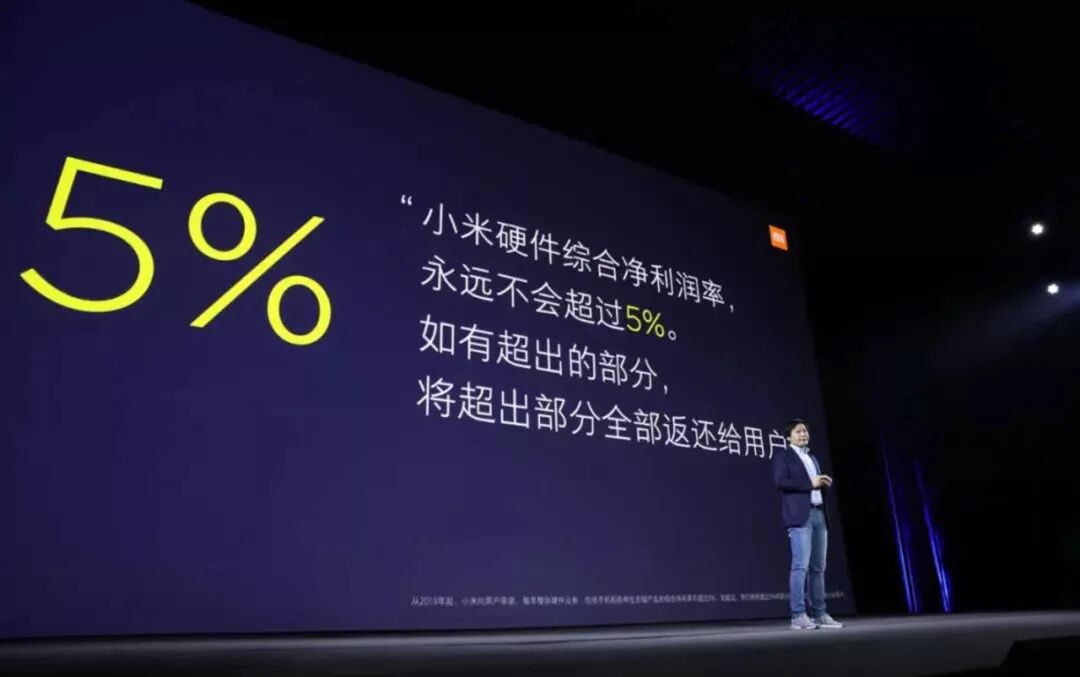
In 2018, Lei Jun promised that the comprehensive net profit rate of Xiaomi's overall hardware business would not exceed 5% per year. If it exceeded, the excess part would be returned to users. The financial report of that year showed that the comprehensive net profit rate of hardware was even less than 1%. Xiaomi's confidence also came from Internet services.
However, to this day, the service ecosystems of mobile phone manufacturers are not as perfect as expected.
Their income mainly comes from advertising, games, cloud services and other businesses. The value generated by users' behaviors such as watching short videos, scanning codes for payment, watching short and long dramas, listening to music and reading books has little to do with manufacturers. The limited income from the service ecosystem naturally makes it difficult to make up for the large losses in hardware.
So when the upstream raises the price too much, they are helpless.
Apple is an opposite example.
In the fourth quarter of fiscal year 2025, Apple's service business revenue was 28.8 billion US dollars, with a gross profit margin of 75.3%. With a revenue share of 28%, it contributed 45% of the company's total gross profit.
The "Apple tax" is collected all over the world, and even Tencent can't escape it. Therefore, a little loss in hardware has far less impact on Apple than on its peers.
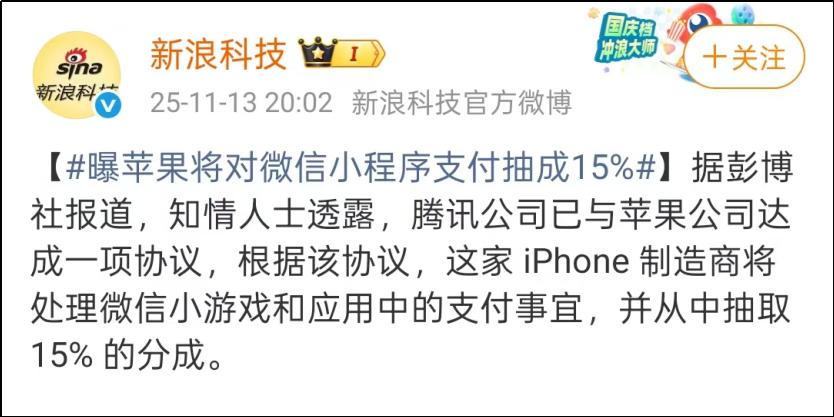
In addition, iPhone's memory only accounts for 8% - 10% of the component cost, so the iPhone may even become a cost - effective player this year. Guo Mingji said that Apple will try its best to avoid price increases. The starting price of the standard version of the iPhone 18 will remain at 5,999 yuan, the same as the iPhone 17, and the prices of large - storage versions such as 512GB/1TB may be appropriately increased.
In contrast, manufacturers who have to constantly watch the faces of hardware suppliers need to continue to strive to catch up with Apple.
The "wait - and - see party" who will never be slaves forces the giants to compete in a different way
No matter how many reasons and difficulties there are for the mobile phone price increase, many consumers still won't pay willingly.
Consumers who resist the price increase can now be divided into three groups.
The first group doesn't buy new phones and continues to use their old phones for another three years. The second group turns to second - hand phones or old flagship models. Anyway, the current mobile phone performance is over - sufficient, and these phones are enough. The third group becomes the "wait - and - see party" and waits for the day when manufacturers lower the prices. A firm "wait - and - see party" will never lose. If they do, it means they haven't waited long enough.
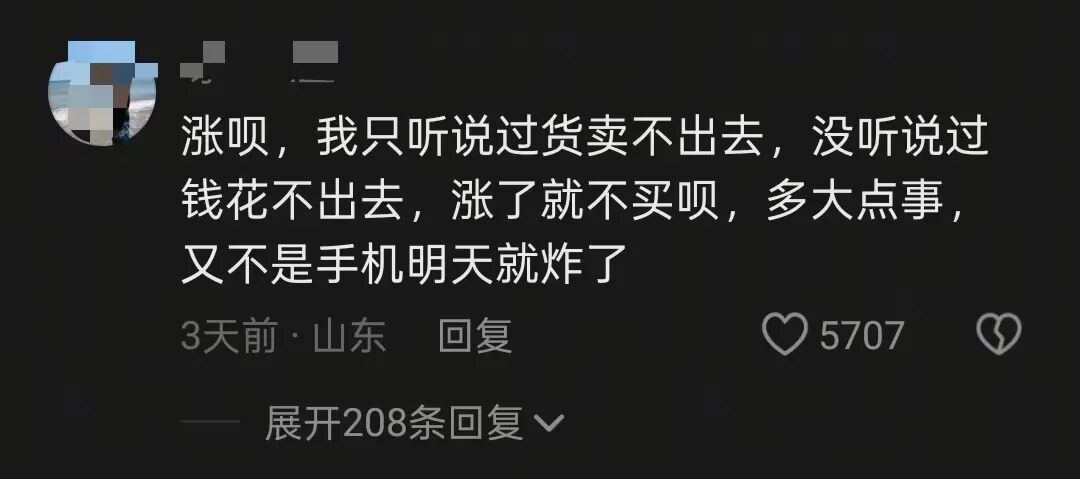
These people also pose a problem for mobile phone manufacturers: How can they give consumers a sufficient reason to buy a phone under the premise of having to raise the price?
The first simple and feasible operation is to make the price increase as "invisible" as possible.
The standard version of the Redmi K90 series has increased by 300 yuan, but during the first - sale month, the large - storage version has a direct price cut of 300 yuan, shifting the price - increase pressure to users of small - storage versions. By increasing the price difference between versions, users with real needs can buy small - storage phones, and users willing to spend more can buy large - storage phones. This not only relieves the cost pressure but also maintains the cost - effectiveness image.
