MWC Unveils the Second Half of the Automotive Industry: Chips, AI, and Communication Become Core Industry Tracks
On March 2nd local time, MWC2026 kicked off in Barcelona, Spain. As the world's largest and most influential exhibition in the mobile communication industry, it has always been the vane of the global technology and communication industries.
In the past, MWC was undoubtedly the home ground for communication, smartphones, and consumer electronics. However, in the wave of automotive intelligence, cars are no longer isolated means of transportation but have become mobile intelligent terminals highly dependent on communication capabilities. Every aspect, such as vehicle - machine interconnection, intelligent cockpits, Internet of Vehicles, and high - level intelligent driving, relies on the underlying support of communication technology.
At the MWC2026 site, the reporting team of Lei Technology found that Xiaomi Auto made its debut with the Vision Gran Turismo concept car, and soon a large number of spectators gathered around it to take pictures.
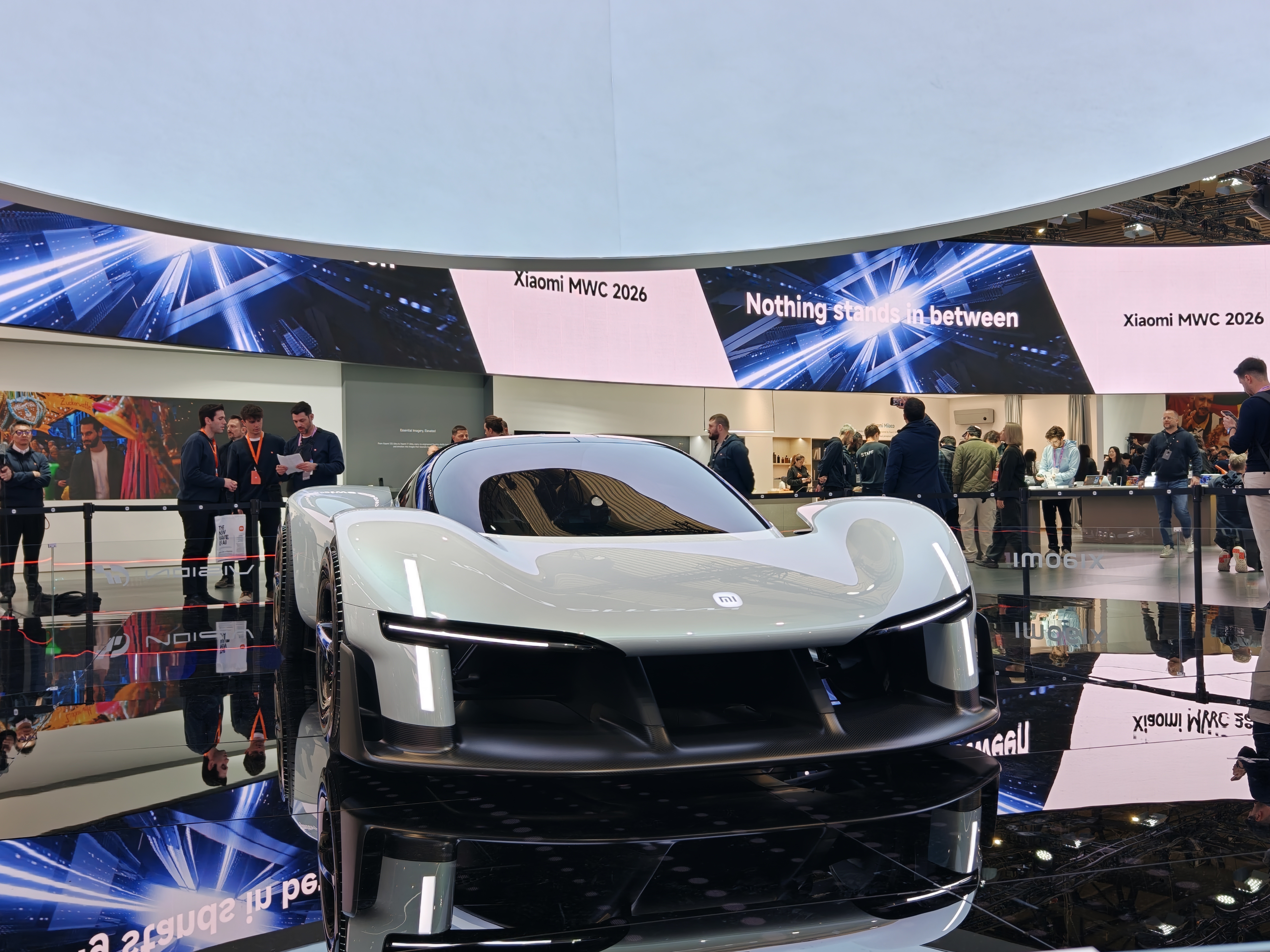
Image source: Photographed on - site by Lei Technology/Electric Vehicle Connect
Of course, Xiaomi is not the only one worth paying attention to at MWC2026. A number of technology manufacturers such as MediaTek and LG have also shown their true capabilities. For example, in areas such as in - vehicle communication, intelligent cockpits, AI connection, and in - vehicle display, they have demonstrated remarkable technological innovation achievements.
Satellite communication in cars: Keep vehicles "always online"!
As a global leading chip manufacturer, MediaTek brought a number of significant in - vehicle achievements to MWC2026, such as a new in - vehicle communication chipset and the Dimensity automotive cockpit platform based on 3nm process. The most surprising one is the world's first demonstration of an in - vehicle 5G NR NTN satellite video call solution.
For a long time, in - vehicle communication has mainly relied on terrestrial cellular networks. Once a vehicle enters areas without signals such as remote mountainous areas or deserts, it will completely lose connection. Navigation and entertainment functions will all fail, and even emergency rescue cannot be guaranteed. Currently, only a few high - end models such as Yangwang U8, Zunjie S800, and Wenjie M9 are equipped with satellite communication functions.
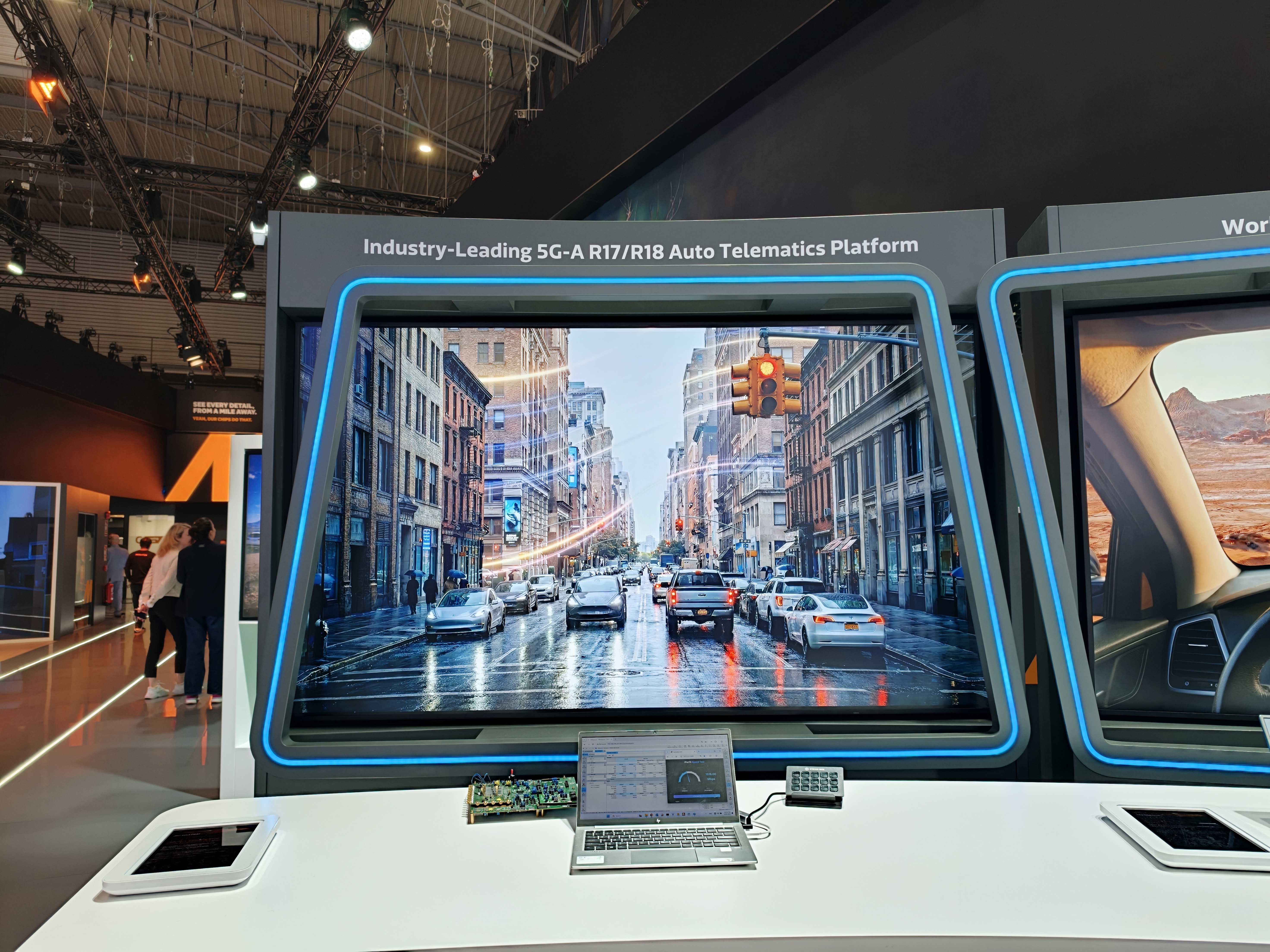
Image source: Photographed on - site by Lei Technology/Electric Vehicle Connect
The NR NTN technology launched by MediaTek can break through the coverage limitations of traditional terrestrial networks and provide high - speed satellite communication capabilities such as audio - video streaming, App usage, and Internet access.
However, we learned about the advantages of this technology from the on - site staff, but the staff did not give a clear answer about the cost of this technology, which may be due to factors such as trade secrets and is inconvenient to disclose.
Satellite communication functions have been applied in the automotive field. Once the cost of this technology comes down, it may mean that satellite communication will no longer only appear in high - end models and may even become one of the basic capabilities of smart cars.
More importantly, stable and uninterrupted satellite communication can provide more reliable underlying support for functions with extremely high requirements for network continuity, such as autonomous driving, remote vehicle control, and high - precision map updates.
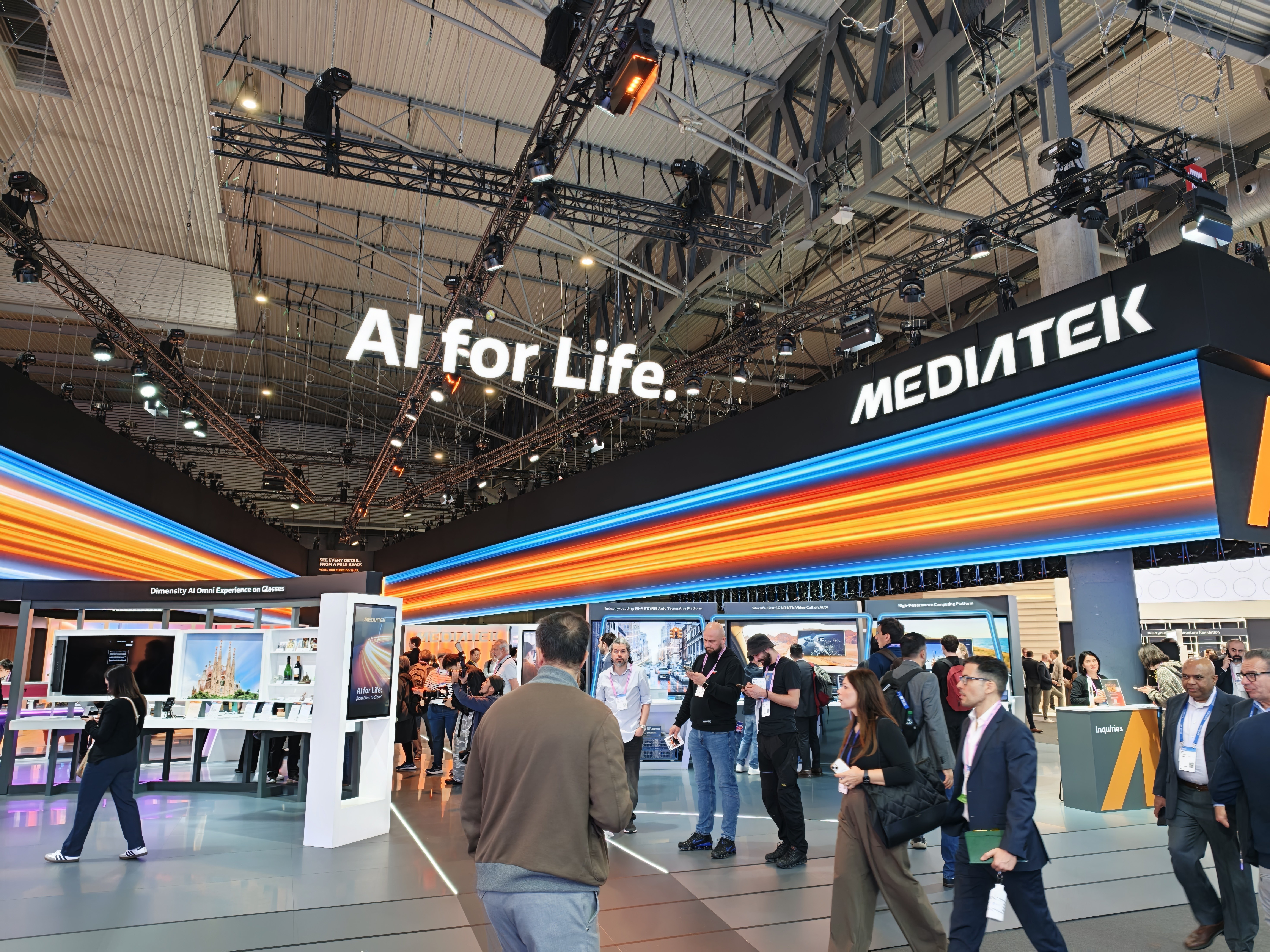
Image source: Photographed on - site by Lei Technology/Electric Vehicle Connect
However, for satellite communication to be truly applied in cars, having just chips and solutions is far from enough. It must pass strict automotive - grade tests.
The test and measurement company Rohde & Schwarz (R&S) has specifically launched an NTN in - vehicle network and Hybrid eCall test solution. On the one hand, it comprehensively verifies the performance of 5G + satellite communication in terms of signal, latency, anti - interference, etc., to ensure no disconnection; on the other hand, it integrates terrestrial and satellite networks to achieve automatic emergency rescue in areas without signals, which can save lives in critical moments.
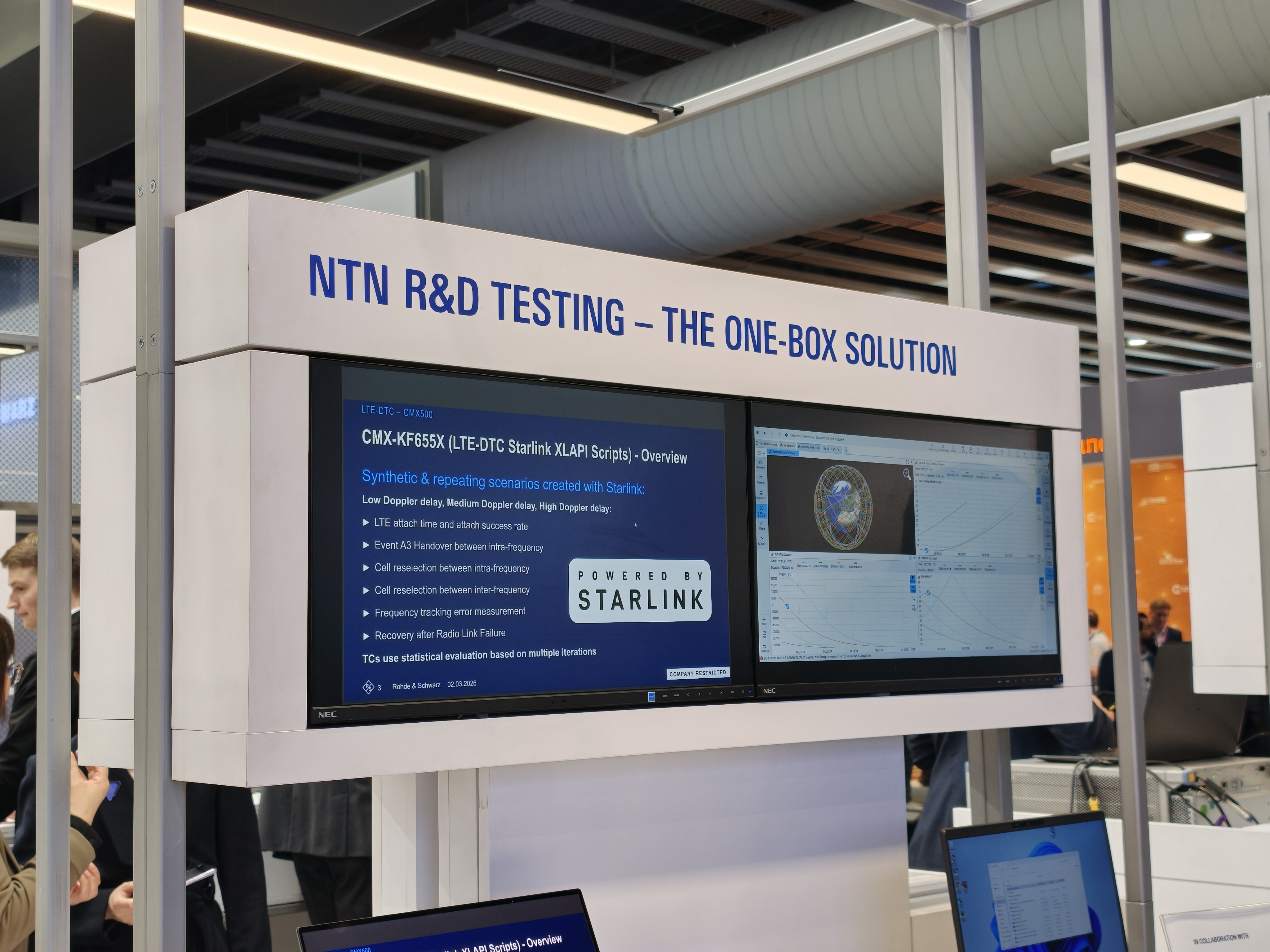
Image source: Photographed on - site by Lei Technology/Electric Vehicle Connect
In the view of Electric Vehicle Connect, most users don't need satellite networking in their daily commuting and urban travel. Many people even think it's just a "gimmick configuration" for high - end cars. However, it's precisely this kind of function that is not used on a daily basis but can save lives in critical moments that requires the utmost attention.
In - vehicle networking and emergency calls are directly related to driving safety. They must pass strict automotive - grade tests before they can be used with confidence.
L4 autonomous driving and 5G Internet of Vehicles are all here
Communication is the soul of MWC, and intelligence is its core driving force. Especially in the automotive field, the depth and breadth of intelligence are determining the future of the industry.
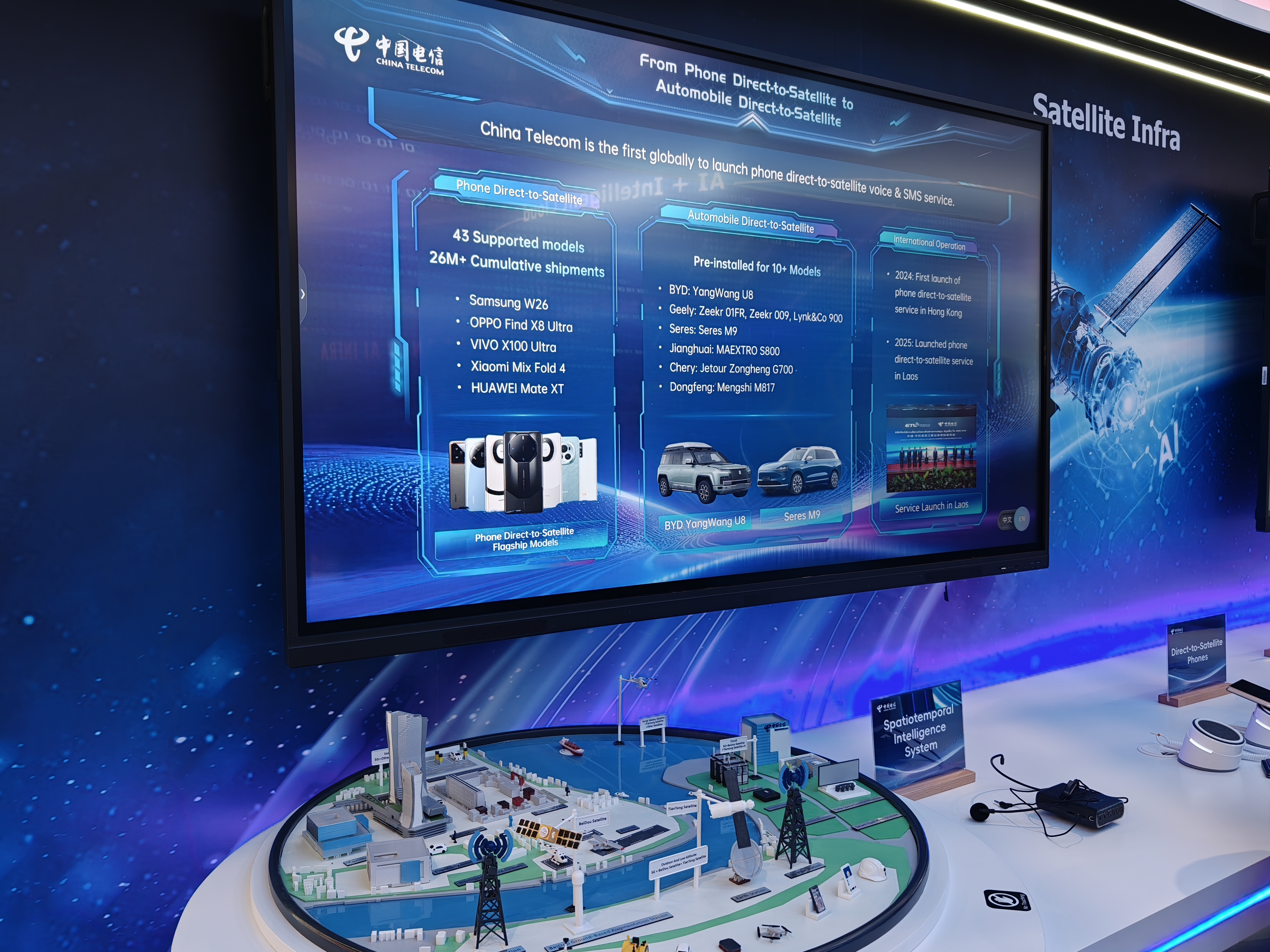
Image source: Photographed on - site by Lei Technology/Electric Vehicle Connect
Huawei has been deeply involved in areas such as intelligent networking, intelligent driving, and cloud computing. During MWC2026, it released the Agentic Core solution, which provides a new - generation intelligent network support for scenarios such as autonomous driving and vehicle - road collaboration, making the entire connection system more efficient and intelligent.
To put it simply, this technology makes the network connecting various hardware smarter and more capable.
According to the official statement, relying on the three major capabilities of network element intelligence, network intelligence, and service intelligence, Agentic Core can solve the problems of the surge in devices, the explosion of traffic, and the differentiation of service requirements in the AI era. At the same time, it helps operators open up new spaces and enables the large - scale implementation of intelligent devices.
It's a pity that Huawei's relevant exhibits are located in a non - public area. You need a pass to enter, so it's impossible to experience the latest technology on - site.
If Huawei paves the way for smart cars from the underlying network, then KDDI focuses more on scenario implementation.
As the second - largest telecommunications operator in Japan, KDDI brought a real - vehicle demonstration of L4 - level autonomous driving. Audiences can experience safety functions such as intelligent camera recognition of sudden illnesses on - site. At the same time, it demonstrated a remote monitoring system to ensure the safety of intelligent driving vehicle R & D and testing. The official said that the optimized intelligent model can significantly improve the driving experience, safety, and personalized services.
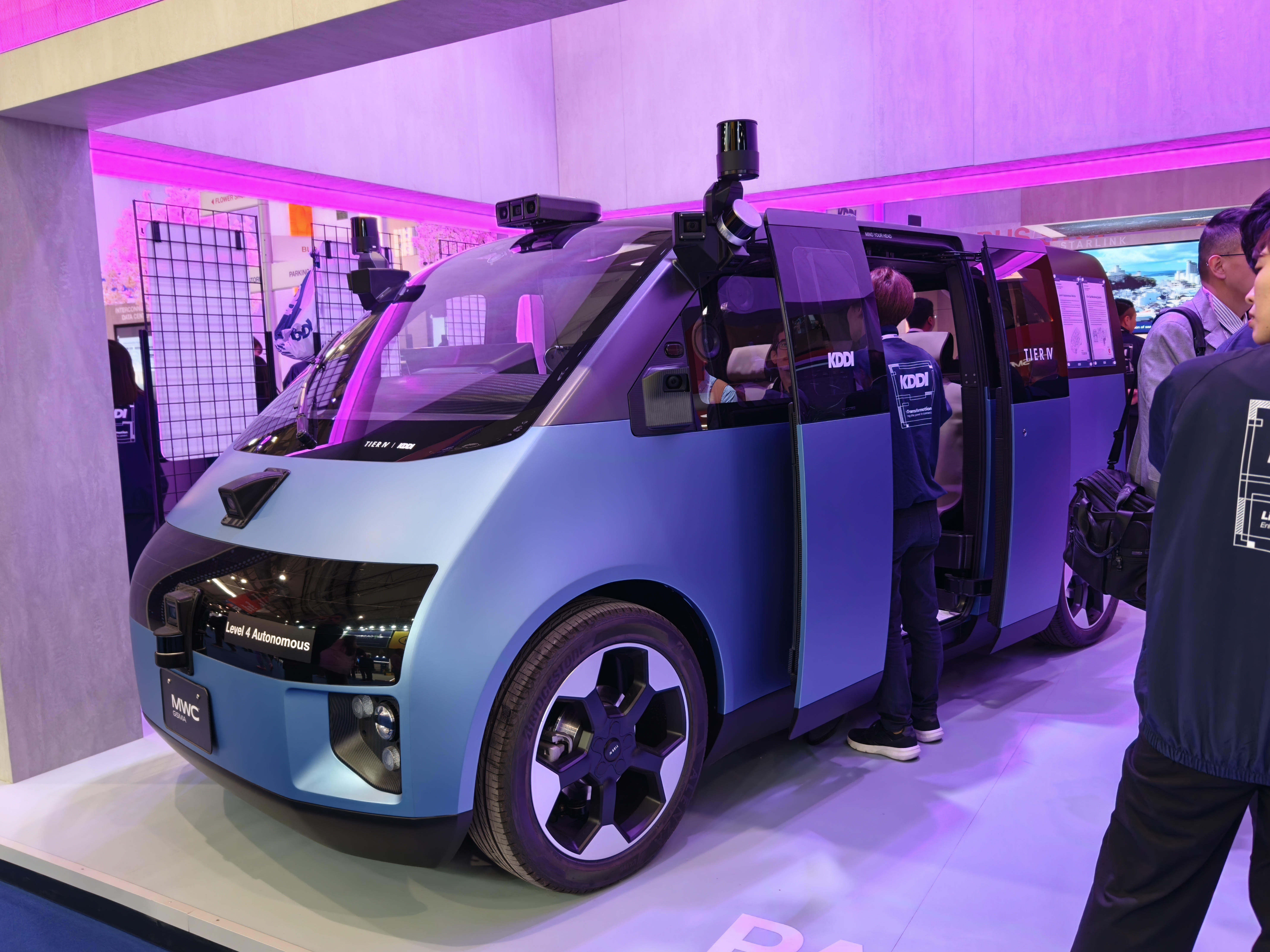
Image source: Photographed on - site by Lei Technology/Electric Vehicle Connect
WINDRIVER, a company under Aptiv, also exhibited a Ford Mustang Mach - E at MWC2026 to demonstrate the strength of the next - generation 5G connected cars. Interestingly, perhaps to ensure the vehicle's communication and perception capabilities, the official placed a module similar to a camera at the logo position.
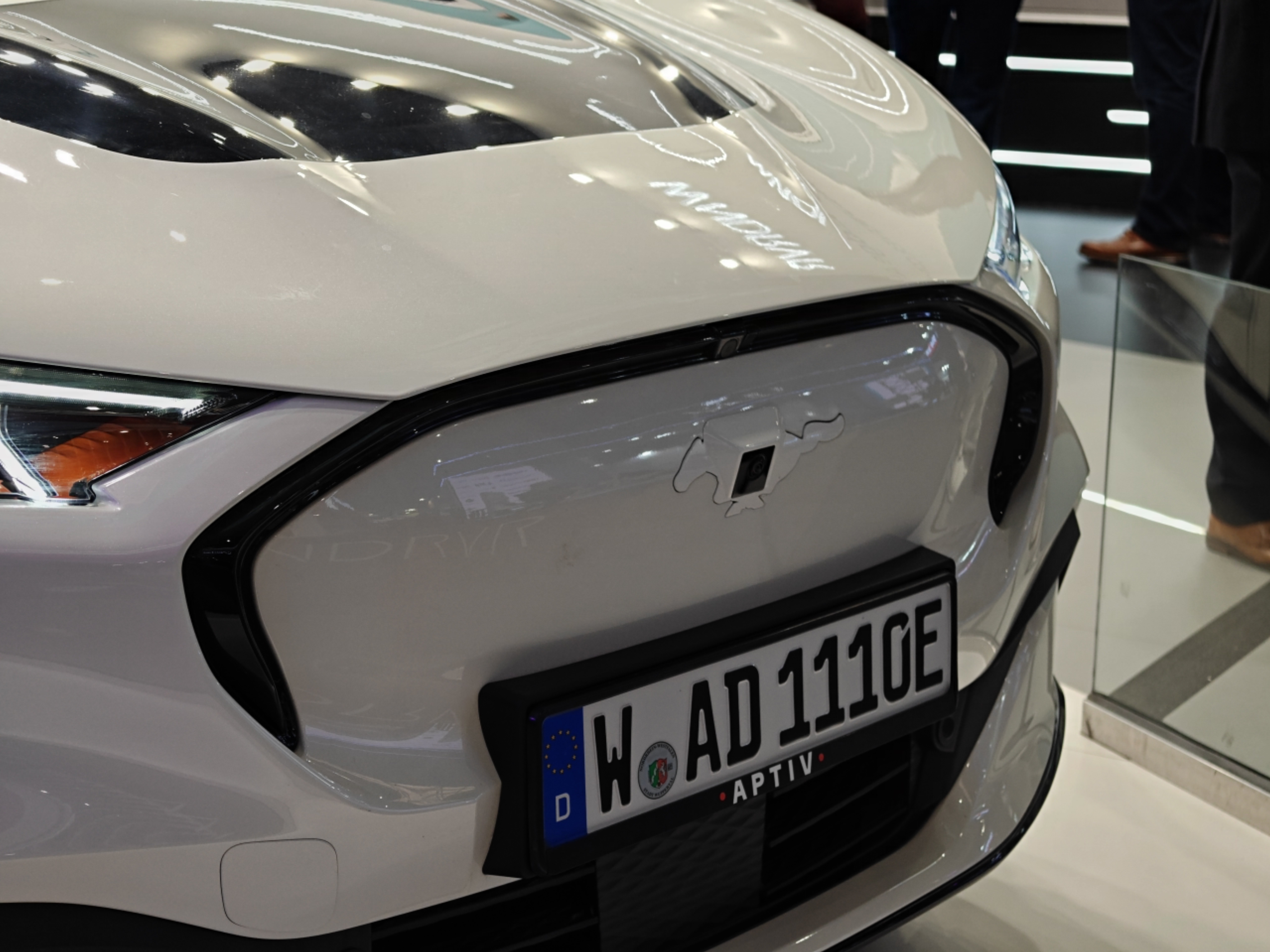
Image source: Photographed on - site by Lei Technology/Electric Vehicle Connect
LG is also a powerful player in the fields of intelligent cockpits and in - vehicle communication.
LG has been deeply involved in automotive electronics for many years and has accumulated rich experience in cockpit interaction, Internet of Vehicles, and software - hardware integration. At this MWC, LG released a new - generation intelligent in - vehicle information service solution, which highly integrates multi - mode antennas supporting 5G, GPS, V2X, and satellite communication with the TCU unit, significantly improving system efficiency and providing a more concise and reliable in - vehicle communication solution for car manufacturers.
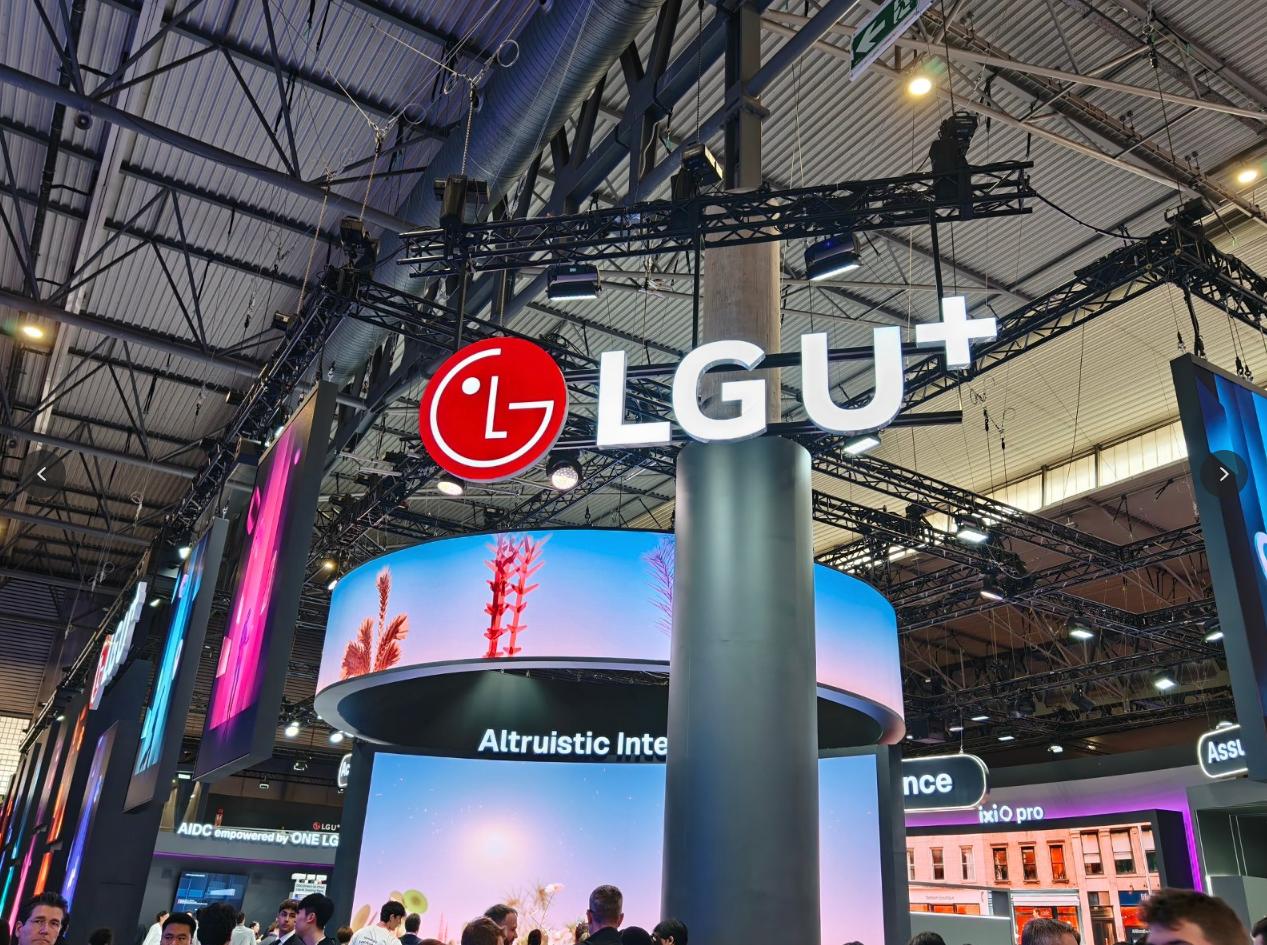
Image source: Photographed on - site by Lei Technology/Electric Vehicle Connect
Technology companies don't build cars themselves, but the automotive industry is no longer an era where victory can be achieved only by engines and chassis. Communication, networks, AI, and in - vehicle electronics are becoming the real cores that determine whether a car is easy to use, safe, and intelligent enough.
In - vehicle hardware is not absent, with dual upgrades in vision and hearing
Communication and AI are pushing the intelligent cockpit to the center of the stage. As one of the most core hardware in the cockpit, in - vehicle display has become a must - fight area for technology companies.
Electric Vehicle Connect noticed on - site that TCL CSOT brought two core technologies, Super Pixel and printed OLED, to MWC2026. Among them, printed OLED is clearly targeted at medium - sized in - vehicle displays and has become its key industrialization direction.
This technology uses an inkjet printing process, which has advantages such as lower cost, low - carbon environmental protection, and high material utilization rate, and is suitable for large - scale mass production of in - vehicle screens. At the same time, the Real Stripe RGB pixel arrangement brings more stable colors and purer pictures, and still performs stably in harsh automotive - grade environments such as strong light and long - term operation, perfectly meeting the needs of intelligent cockpits.
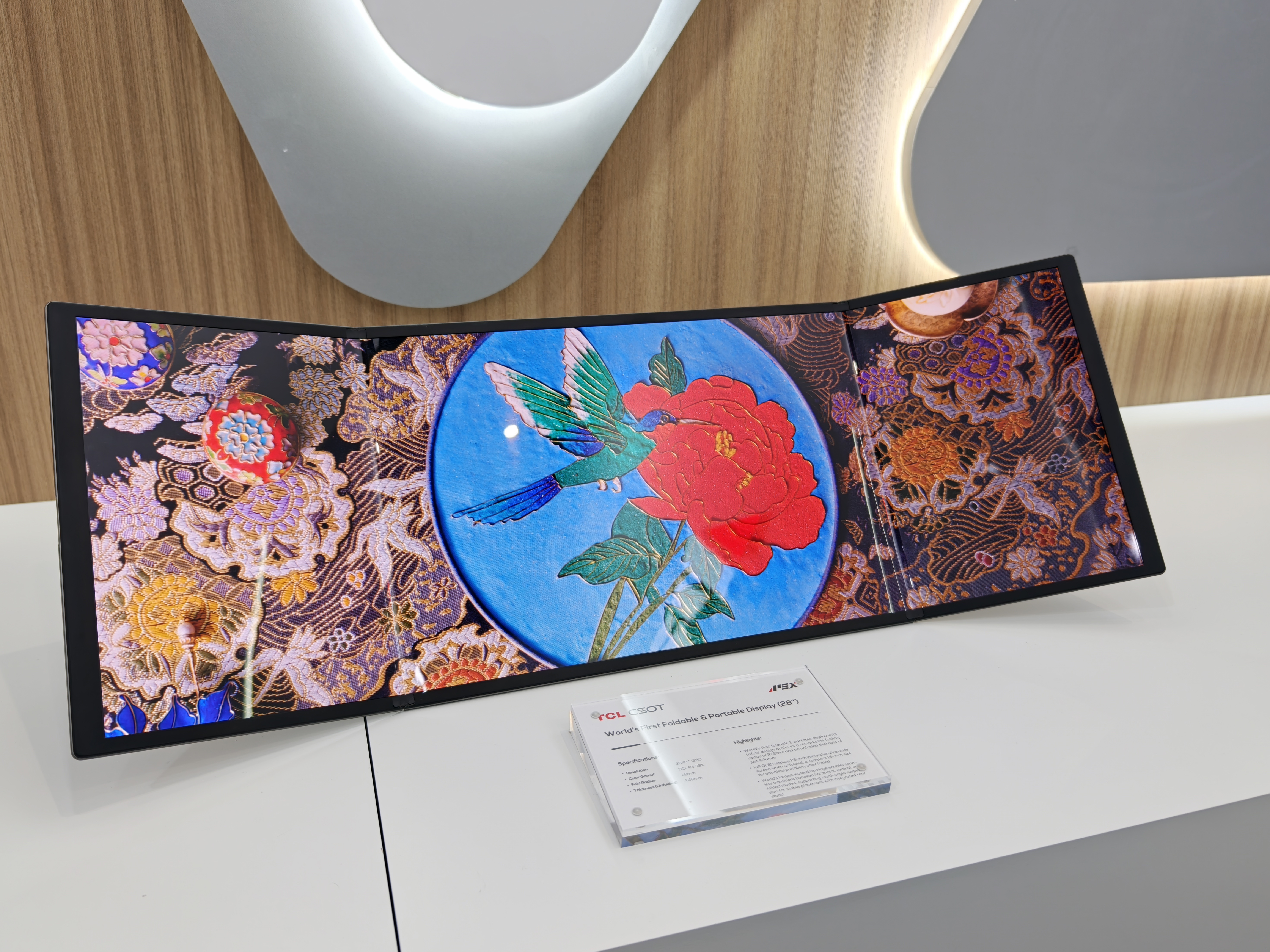
Image source: Photographed on - site by Lei Technology/Electric Vehicle Connect
Of course, the experience upgrade of the intelligent cockpit is never limited to the visual level. An excellent in - vehicle audio system can make the cockpit more warm and immersive, and is also a key part of the differentiated experience.
At the Harman Automotive booth, a BMW X5 exhibition car attracted the attention of Electric Vehicle Connect. It demonstrated the Harman Embedded Audio (HEA) integrated software - hardware audio solution on - site, intuitively presenting its strong strength in creating a high - end cockpit auditory experience.
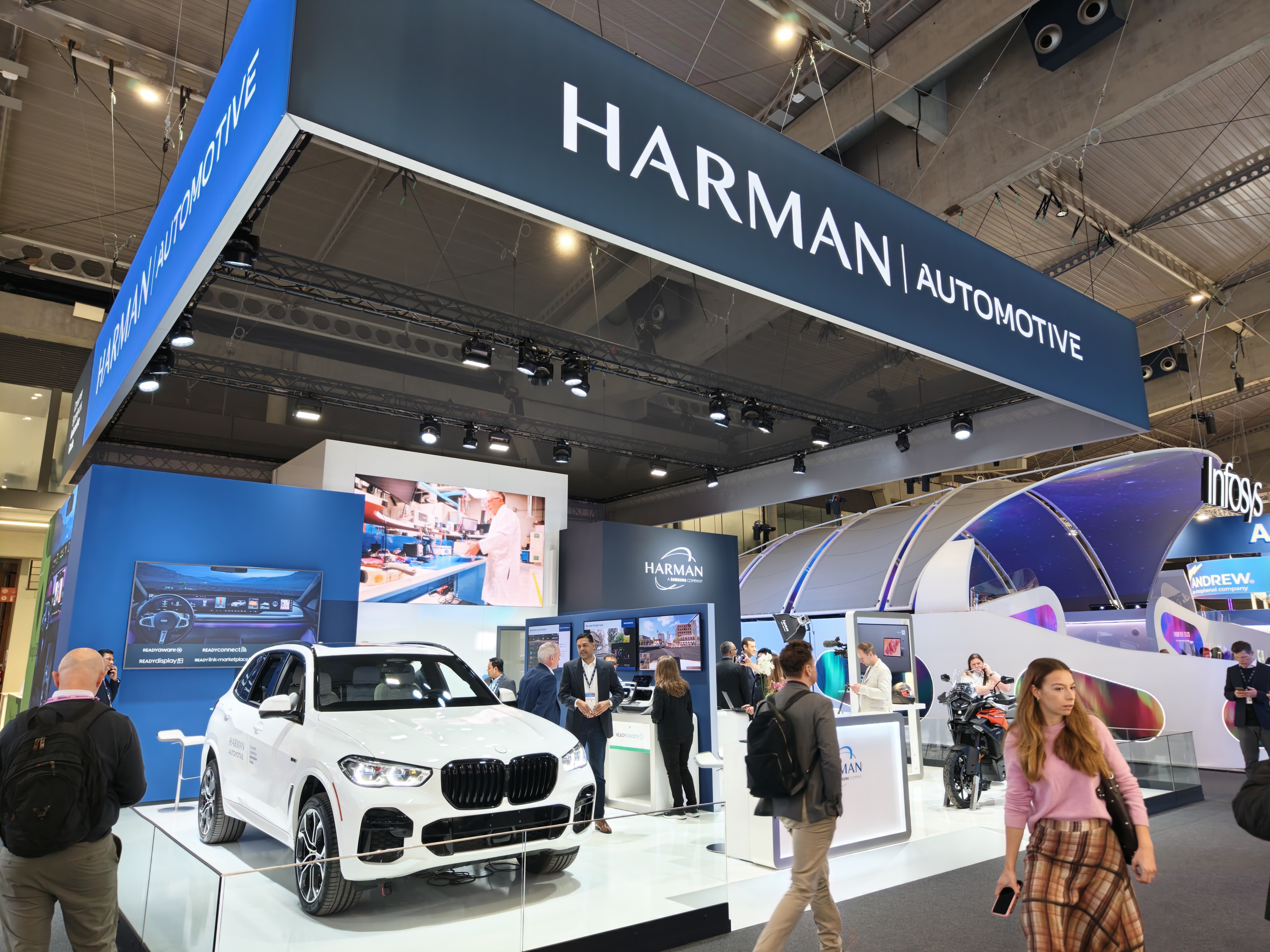
Image source: Photographed on - site by Lei Technology/Electric Vehicle Connect
In the future, it's not just about the car, but also the ecosystem
While people still regard MWC as a grand event in the communication industry, smart cars have quietly become the main battlefield.
By sorting out the various cutting - edge technologies mentioned above, it's not difficult to find that in core areas such as intelligent cockpits, in - vehicle chips, AI connection, and full - domain connection, technology companies have changed from supporting roles to leading roles, starting to define standards, output technologies, and lead the experience.
In - vehicle chips with higher computing power and lower power consumption, smoother edge - side AI, and higher - definition and more reliable in - vehicle screens are the weapons for future smart car competition.
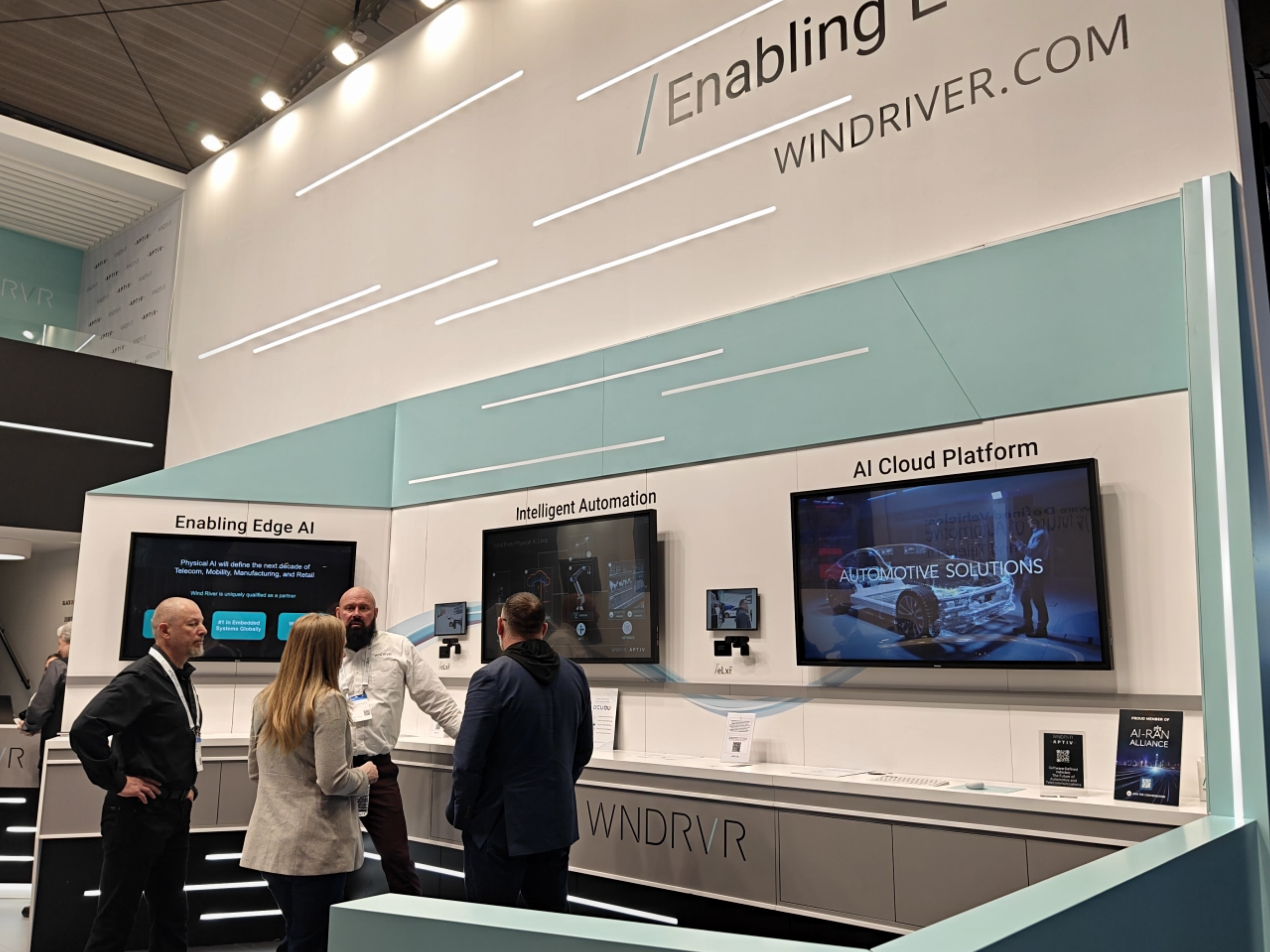
Image source: Photographed on - site by Lei Technology/Electric Vehicle Connect
Electric Vehicle Connect also noticed that the focus of the smart car industry is also changing.
In the past five years, car manufacturers have competed in electrification, battery life, and fast charging. Now that the industry has entered the second half, the intelligent cockpits and assisted driving features promoted by car manufacturers can no longer create a gap with competitors. The real decisive factor is whether the vehicle can continuously evolve, be online in all scenarios, and achieve the interconnection of all things.
In short, in the future, smart cars will no longer compete in the number of screens but in display quality, computing power, and smarter AI. This requires car manufacturers and technology companies to strengthen cooperation.
In addition, CircuitX, which was unveiled before the exhibition, is also worth paying attention to. This innovative project focusing on mobile technology and motorsports, in cooperation with Ericsson, demonstrated scenarios such as remote driving, real - time telemetry, drone security, and AR/VR race - watching, proving with real experiences how networking technology can reshape transportation and motorsports