After AI fills all the pitfalls
At the beginning of 2026, a "lobster" swept through the entire AI circle.
It's called OpenClaw, an open - source AI agent tool, which users call "a big lobster with many hands". It can simultaneously call multiple tools such as email, documents, and social platforms, and autonomously execute tasks 24/7. As of March 2026, its star count on GitHub has exceeded 228,000, setting a record for the fastest growth.

But in the midst of this frenzy, a more fundamental question emerged.
Many users in developer communities were confused after deployment: "What on earth can this thing do?"
There was even an awesome - openclaw - usecases project on GitHub. Users had to rely on the community's compilation to realize, "So it can also do this."
OpenClaw is extremely versatile. It can write code, do design, process documents, and manage schedules. Theoretically, it can do almost anything. But precisely because it can do everything, users don't know what to let it do.
This is not a defect of OpenClaw. It's a metaphor for our era.
Human beings have had a tough time over the past few thousand years. In a nutshell, it's all about "filling holes".
If there's no food, go farming; if there's no house, go building; if you can't write code, learn those obscure languages. Your dignity in life and your bank balance depend on how well you can fill these holes.
This logic has persisted for thousands of years, but suddenly it doesn't work anymore. Because there's an ultimate hole - filling machine: AI. It can fill all the "practical" holes.
OpenClaw's dilemma is like humanity's confusion standing on a plain: there's no lack of ability, but a lack of direction.
But a few decades ago, people faced a completely different dilemma - there were holes everywhere.
In 1975, Steve Wozniak faced a hole. He wanted to assemble a computer, but the Intel 8080 chip was too expensive, costing $170 each. "It's more expensive than my monthly rent," he said. He found a substitute, the $20 MOS 6502, and assembled the Apple I. The $150 saved on the chip later cost Apple millions of times more.
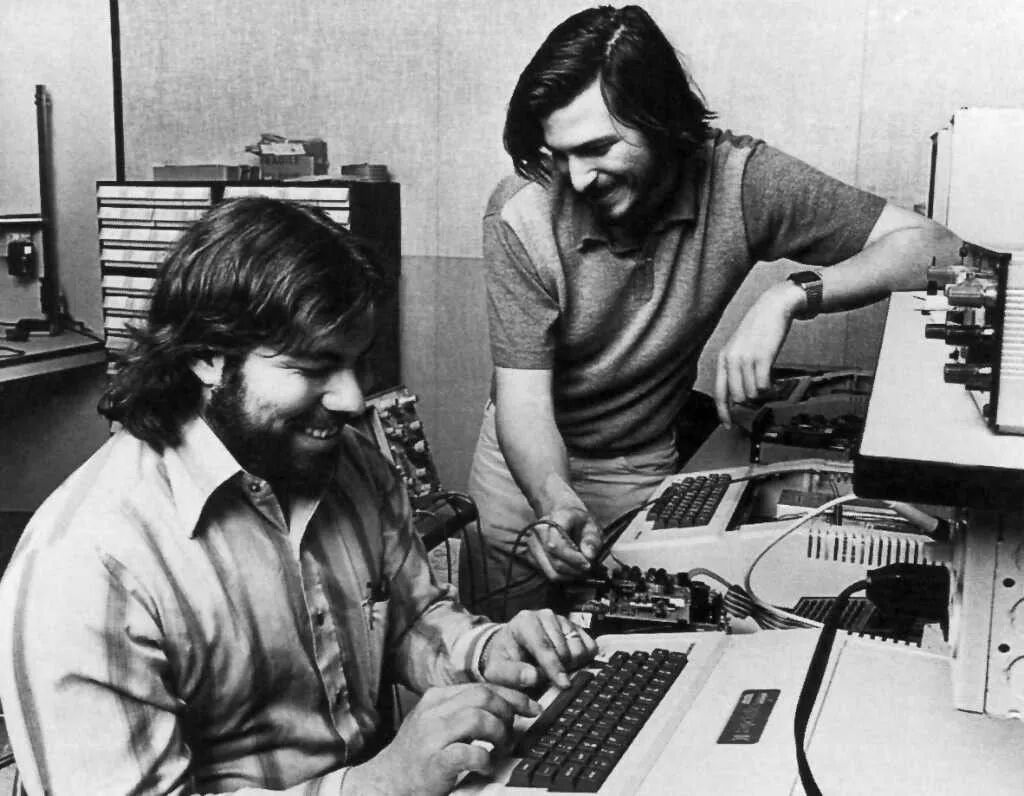
Back then, the world rewarded those who filled holes. Wozniak filled the hole of "unaffordable chips" and was rewarded. But he didn't know that this choice would make Apple pay a heavy price for chips in the following decades - from Motorola to PowerPC, from the AIM alliance to switching to Intel, each hole - filling was extremely difficult.
But it was precisely these hole - filling experiences that made Apple realize another thing: instead of running on others' tracks, it's better to create a new one.
From filling holes to digging holes, this is Apple's story, and it's also the story we're going to tell today.
I. The Golden Age of Hole - Fillers
1.1 What the World Once Rewarded
In the autumn of 1989, there was a sentence in Japan's economic white paper: "We have finally caught up with the West."
That year, the Nikkei index soared to a high of 38,957 points. The land price of the Tokyo Imperial Building was more expensive than the entire California. Mitsubishi Estate bought the Rockefeller Center, and Sony acquired Columbia Pictures. Americans panicked and read "Japan Can Say No". In the book, Akio Morita and Shintaro Ishihara wrote: "Japan should become the leader of Asia."
That was the peak moment for hole - fillers.
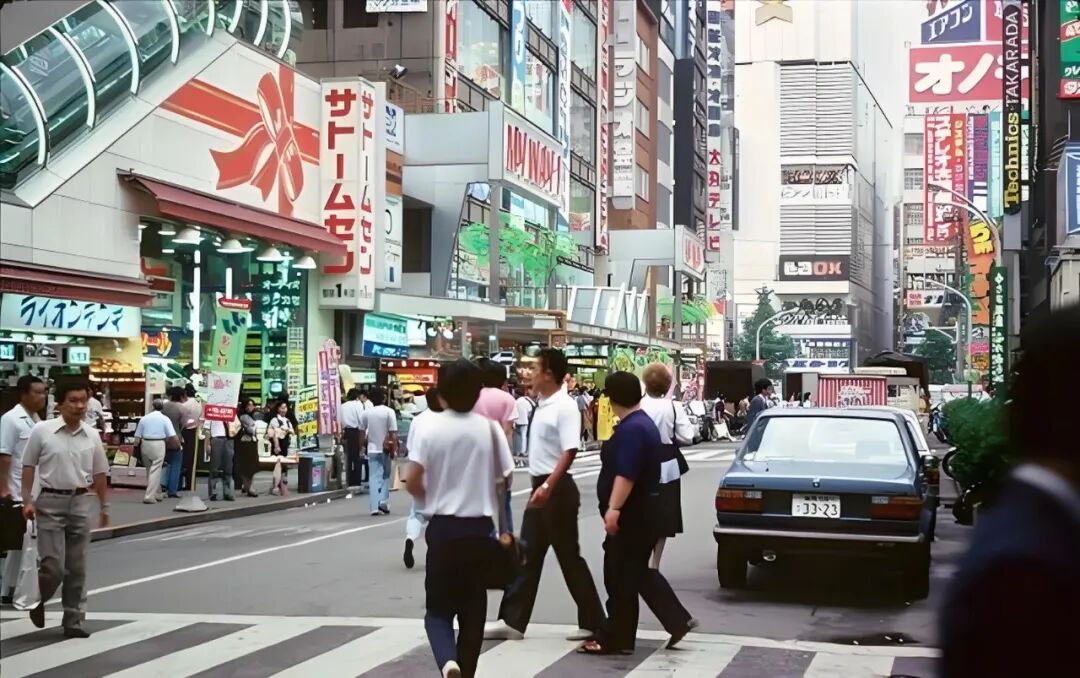
In the past two hundred years, the world has been a "history of hole - filling". The Industrial Revolution dug a hole: machines could work, but they needed coal. Britain filled it and became the "empire on which the sun never sets". The discovery of oil dug a hole: internal combustion engines could run, but they needed fuel. The United States filled it and became a superpower. The information revolution dug a hole: computing could be popularized, but it needed chips. Silicon Valley filled it, and technology giants emerged.
The national script is simple: those who have resources fill the holes; those who master technology fill the holes. Saudi Arabia's oil fills the energy hole, Japan's lean manufacturing fills the quality hole, and Germany's industrial standards fill the precision hole.

The logic at this stage is: possession means power. Those who have mines under their feet win.
But the problems are obvious. You can't control the price, and you can't control the cycle. Argentina fell from a developed country because it only stayed at this level. Venezuela has the world's largest oil reserves, but its per - capita GDP is less than 3% of Norway's.
This is the primary form of hole - fillers: filling the holes dug by nature.
1.2 Reward for Creation: Making a Living with Skills
From after World War II to the early 21st century, the reward mechanism shifted to the second level: creation.
The logic at this stage is: if you can create something that others can't, you can take the lion's share of the profit.
The United States creates chip designs, operating systems, and IP. The iPhone only does the design but takes 58% of the profit. Japan makes cameras, cars, and precision machine tools. Germany makes cars, chemicals, and industrial equipment. South Korea makes semiconductors and screens. China became the "world's factory" between 1990 and 2020, manufacturing 80% of the world's air conditioners, 70% of mobile phones, and 60% of shoes.
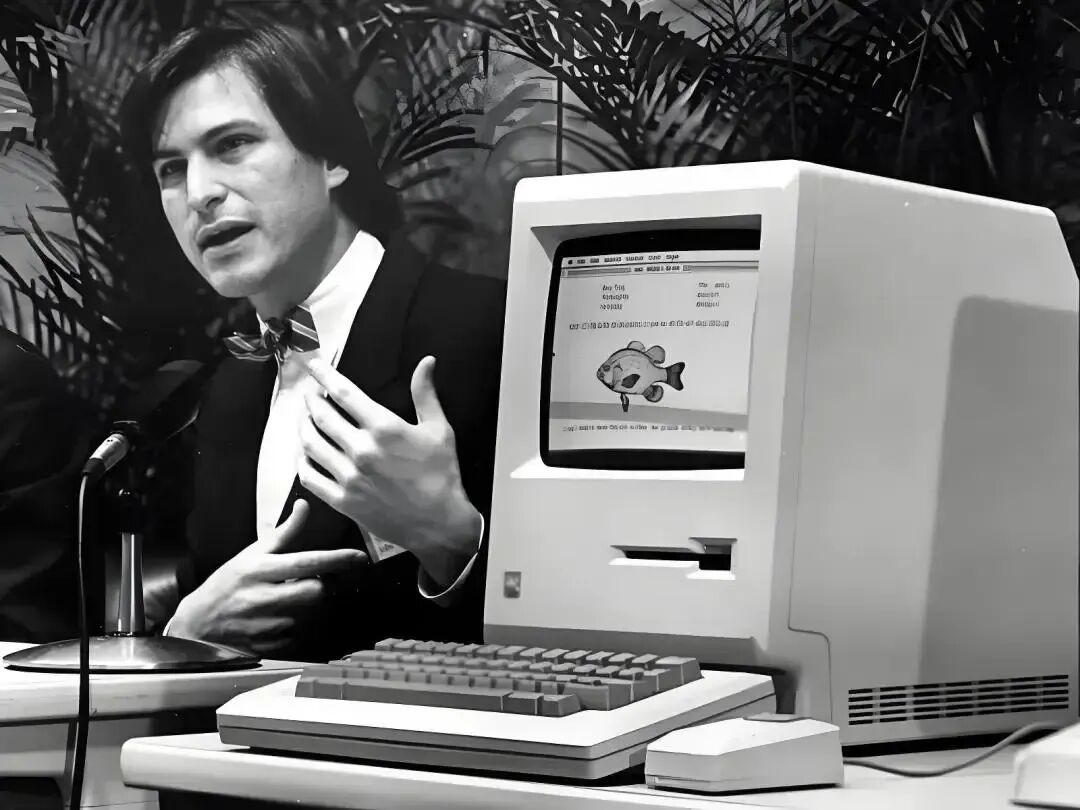
This is the two ends of the "smiling curve": R & D and brand. Japan took this path to the extreme in the 1980s and 1990s, with its cars and electronics sweeping the world.
But there's a fatal problem at this level: what you can do, others can also learn. When everyone rushes towards the same hole, the rewards will diminish.
This is the advanced form of hole - fillers: filling the holes dug by humans.
1.3 Tokyo in 1990: They Didn't Know the Party Was Over
In January 1991, "Tokyo Love Story" premiered on Fuji TV.
The streets of Tokyo in the show were bustling. Rika and Kanji ran on the streets at night, with neon - lit high - rise buildings in the background. The show's ratings exceeded 20% that year, making the whole of Asia envious.
Yuji Sakamoto later recalled the creative background: "At that time, Japan's bubble economy hadn't collapsed yet. Everyone was indulging in pleasure, spending a lot of money on dating, and pursuing a trendy and eye - catching lifestyle."
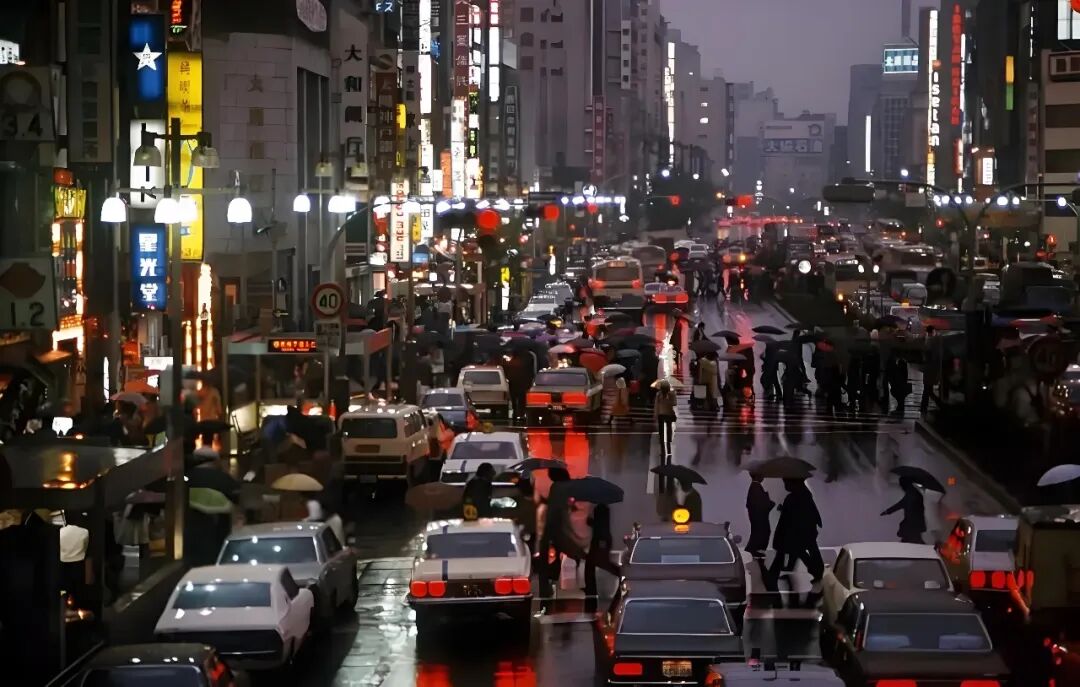
That year, Japan had just experienced a sharp drop in the stock market and land prices from 1989 to 1990. The Nikkei index dropped by 35% from 38,957 points, and Tokyo's land prices began to "loosen". But no one took it seriously. All economic experts said it was just a technical correction, and the Japanese government had deliberately burst the bubble.
Why were they so confident?
Because Japan's industrial advantages seemed unshakable. The trade surplus of Japan's two major industries, automobiles and electronics, with the United States remained high in the 1990s and even reached a new high in 1998. The working - age population had just reached its post - war peak, and aging was still a distant concern. In 1991, NHK broadcast a documentary titled "Building a Nation on Electronics: Japan's Autobiography". The opening paragraph read: "Following automobiles, electronic products have become another powerful weapon for Japan to earn foreign exchange."
The Japanese believed: as long as they had the industries, they had the world.
Yukiko Kaneko wrote in "A Life Unshackled by Ideals": "Our youth was spent in Japan in the mid - to - late Showa era, a time of continuous progress."
No one knew that it was the best era and also the last.
1.4 Japanese Electronics: From Peak to Abyss
Japanese scholar Yoshio Nishimura published a book in 2013 called "Why Has Japan's Electronics Industry Declined?" In the book, he compared the automobile and electronics industries: why is Japan's automobile industry still booming while the electronics industry has collapsed?
The reason is that the automobile industry features "incremental innovation". The core technology is mature and fixed, and subsequent minor innovations rely on long - term process accumulation, making it easy to form a situation where the strong get stronger. Japanese car companies have taken lean production and continuous improvement to the extreme.
However, the electronics industry features "disruptive innovation". The core technology is constantly changing, and the technology iteration speed is extremely fast. The power of a car engine won't increase tenfold in a decade, but the number of transistors in a chip can really increase a hundredfold in ten years.

The first "laptop", Thorn EMI Liberator. Image source: the register
This means that the electronics industry needs to invest a large amount of profit in the R & D of next - generation technologies and maintain competitiveness through frequent technology iterations.
But what were Japanese technology companies doing during that decade?
According to economist Richard Koo's theory of "balance - sheet recession", Japanese technology companies in the 1990s were busy repairing their balance sheets instead of investing in keeping up with technological progress.
The Japanese panel industry is a case in point. In 1994, Japan's liquid - crystal panel production accounted for 95% of the world's total, but most of this production capacity was from the early first and second - generation lines. Japanese companies had the best technological accumulation but were hesitant to invest in large - size panels. Two years later, South Korean companies that heavily invested in third - generation lines surpassed Japan.
After Sharp was acquired, Japan's panel industry was left with only JDI, far behind South Korea and mainland China.
What's even more fatal is that the 1990s was exactly the period when the electronics industry experienced the fastest technological progress. The popularization of PCs created an extremely large consumer electronics market, driving the trend of chip miniaturization and cost reduction and deepening industrial division of labor. Toshiba, Mitsubishi, and NEC, the pride of Japan's electronics industry, could only be awkward onlookers.
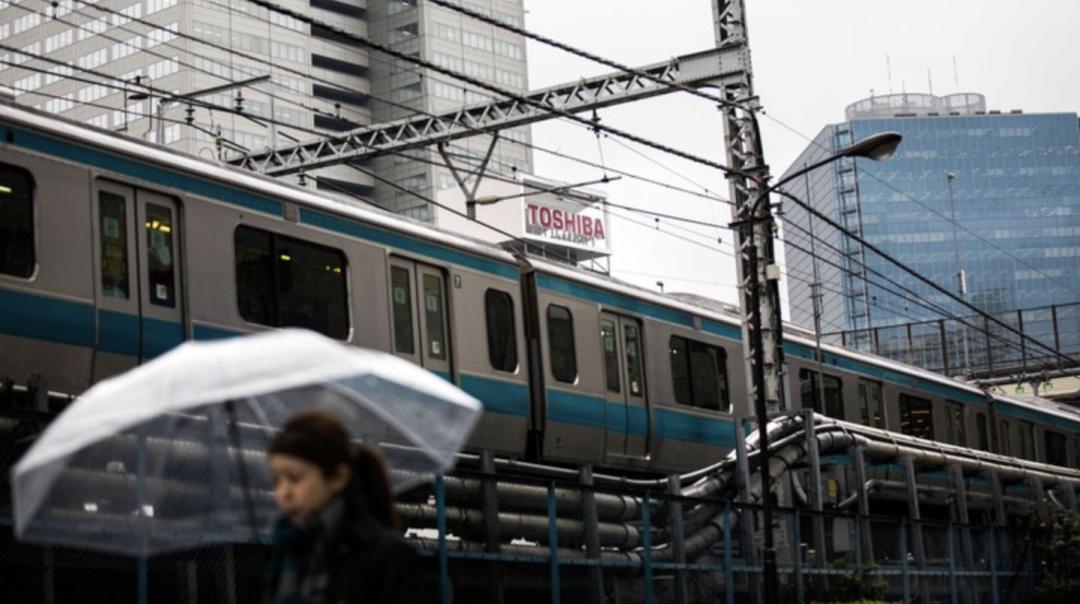
Repeated macro - economic recessions made it impossible for the industry to focus on long - term issues. The bubble burst from 1989 to 1991 was just the first round of the "Heisei recession". The second round came with the Asian financial crisis in 1997, and the third round came with the global technology bubble burst in 2000.
By around 2010, the electronics industry had lost its last chance. Terminal products failed, and upstream components were divided up by China and South Korea. Only a few high - value - added segments such as semiconductor materials and equipment were retained.
When "Why Has Japan's Electronics Industry Declined?" was published in 2013, Yoshio Nishimura regarded the automobile industry as a "model case". Coincidentally, in the same year, the American car magazine Motor Trend awarded the "Car of the Year" to the Tesla Model S. This honor was once monopolized by Japanese car manufacturers: the Honda Civic in 2006, the Toyota Camry in 2007, and the Nissan GT - R in 2009.
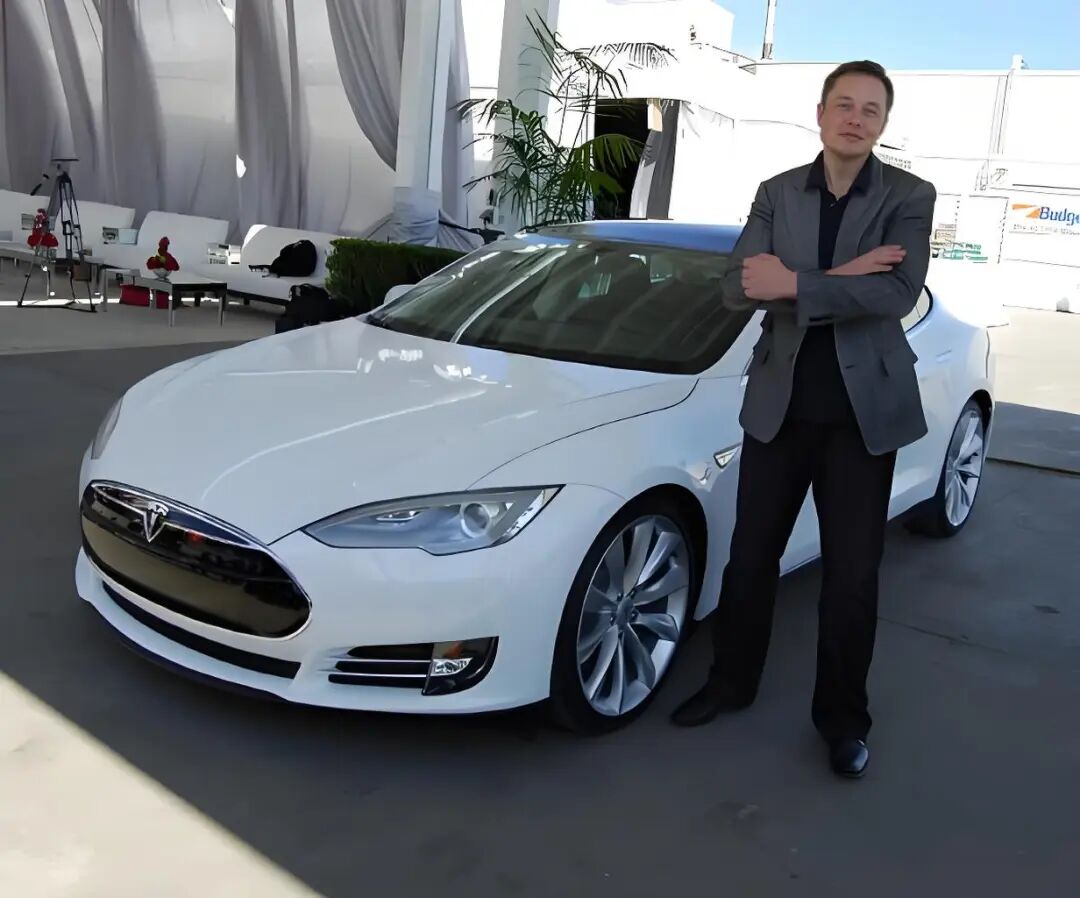
The once "incrementally innovative" automobile industry has witnessed "disruptive innovation".
Japan started early in the new - energy vehicle field. The Toyota Prius was even the world's first hybrid car with sales exceeding 5 million. But in the new wave of pure - electric vehicles, Japanese manufacturers led by Toyota and Honda are clearly lagging behind. In 2021, 3.68 million cars were sold in Japan, but only 21,694 were pure - electric vehicles, with a penetration rate of less than 1%.
If Japan fails to keep up with the electrification wave, by 2040, the output value of Japan's automobile industry may decline by 50% - about the same decline rate as the electronics industry from 2