After the visit of the German Chancellor to China, we have witnessed some changes.
After all, in today's era when the global automotive industry is accelerating its transformation towards electrification and intelligence, symbiosis and win - win cooperation is the only optimal solution.
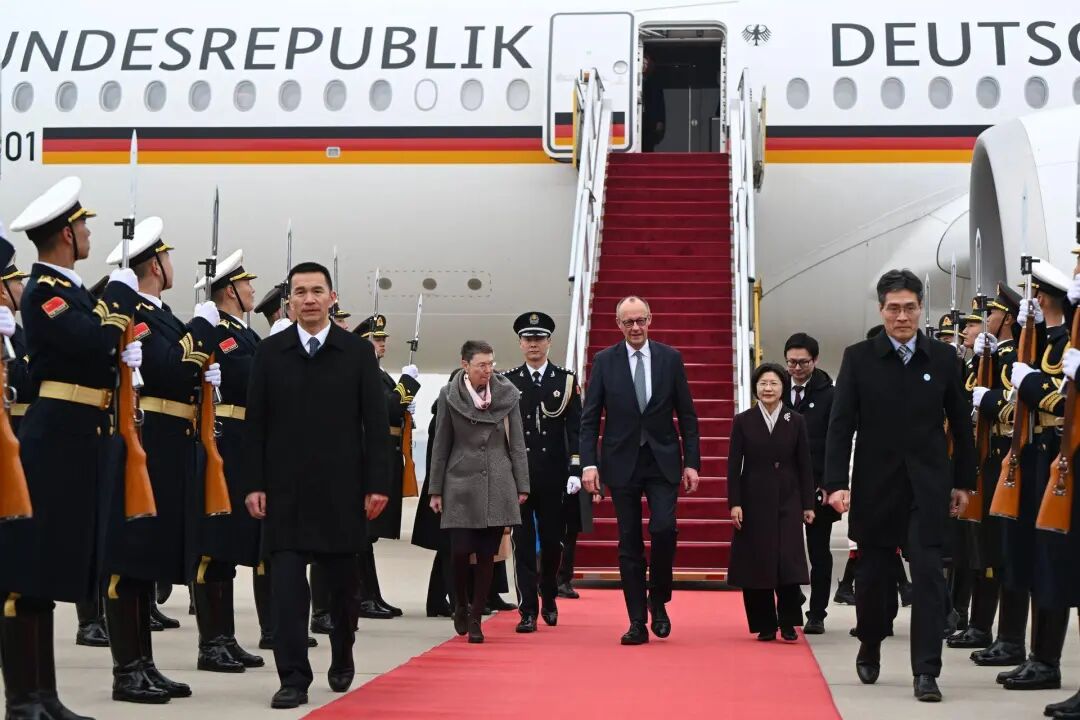
The picture is from Xinhua News Agency.
Shortly after the Spring Festival of the Year of the Horse in the Chinese lunar calendar in 2026, German Chancellor Merz led a high - level delegation composed of executives from 30 top German companies to visit China, which became a highlight of high - level interactions between China and Europe since the Spring Festival. Among them, the automotive industry, as the "ballast stone" of Sino - German economic and trade cooperation, occupied the core agenda throughout. In this issue, we will comprehensively analyze the past, present, and future of Sino - German automotive cooperation behind this visit from four dimensions: industrial foundation, official stance, corporate layout, and changes in cooperation, in combination with various cooperation projects to be implemented by Sino - German automotive companies.
01 Reaching a Consensus of "You in Me, Me in You"
The cooperation between Chinese and German automotive industries has long gone beyond the simple "buy - sell relationship" and formed a deeply - bound industrial symbiotic pattern. This binding relationship was further strengthened during Merz's visit to China through a series of upcoming cooperation projects.
In the era of fuel - powered vehicles, German brands such as Volkswagen, BMW, and Mercedes - Benz quickly captured the Chinese market and reaped a large number of users and considerable profits with their profound mechanical manufacturing skills, precise chassis tuning, and brand accumulation. China has also become the largest single market for German automotive companies globally. More than 30 years of cooperation has laid a solid foundation for the subsequent in - depth collaboration between the two sides, and the strategy of "In China, for China" has become a consensus among German automotive companies.
As the global automotive industry transforms towards electrification and intelligence, the complementary advantages of the two sides have become more prominent. China has established the most complete new - energy vehicle industry chain in the world, forming a full - process ecosystem from R & D to mass production, covering areas from power batteries, intelligent cockpits to advanced driver - assistance systems. Germany, on the other hand, adheres to its core advantages in high - end manufacturing processes and vehicle - grade quality control, and also has a well - established global sales network and access to the European market.
A series of upcoming cooperation projects are vivid manifestations of complementary advantages. The following is a summary of the core cooperation projects:
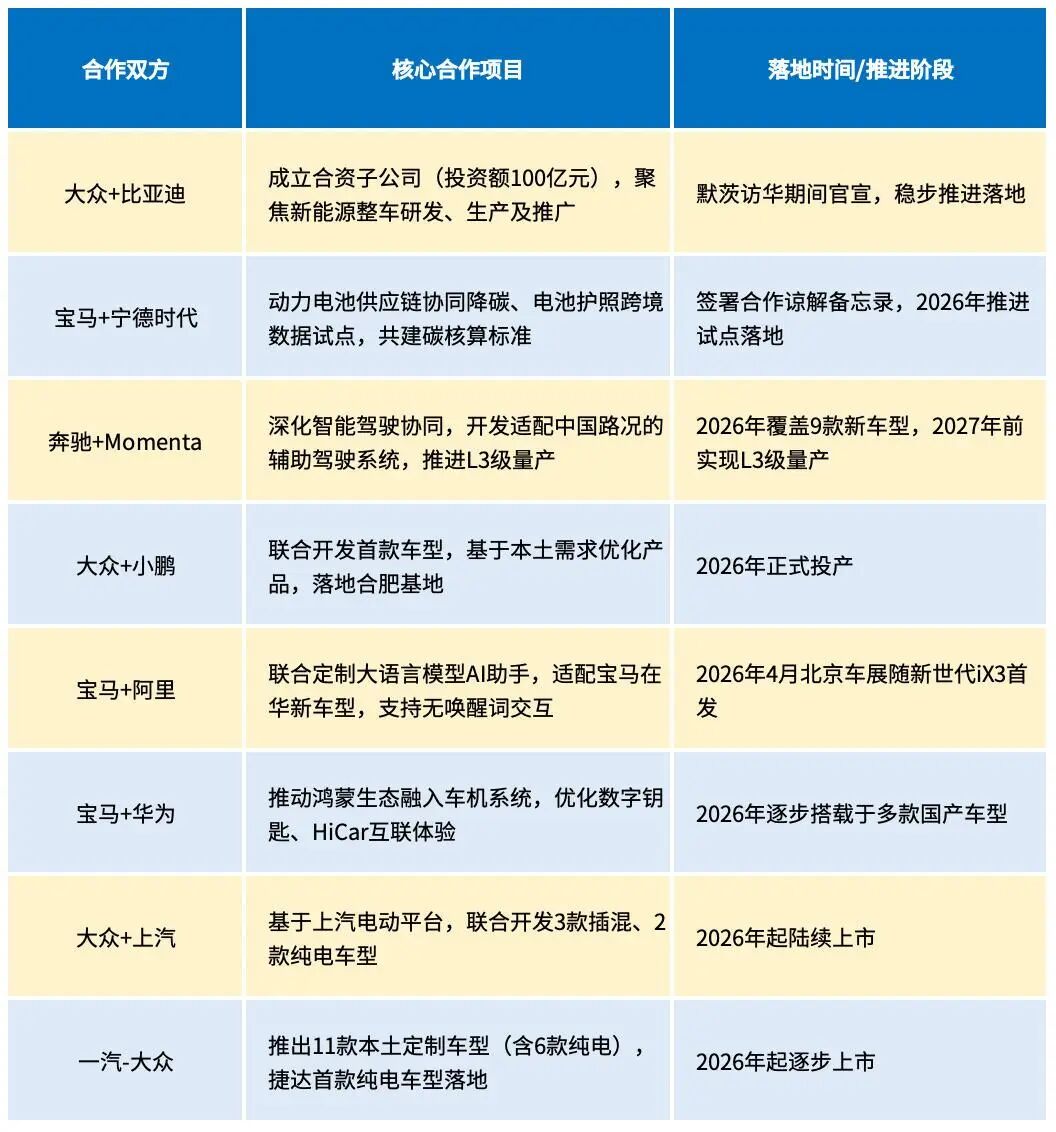
Note: Summarized according to the information sources at the end of the article, for reference only.
We will elaborate on this in the following sections. However, it is not difficult to see that the characteristic of complementary advantages provides an irreplaceable foundation for Sino - German automotive cooperation. No single country can cover the entire automotive industry chain alone. Only through collaborative cooperation can the transformation cost be reduced, technological risks be dispersed, and a win - win situation be achieved.
02 Merz's "Pragmatic Signal"
The most core signal of Merz's visit to China is that the German government has completely abandoned confrontational statements, returned to pragmatic dialogue, and clearly opposed decoupling from China. A large number of upcoming cooperation projects between Chinese and German automotive companies are direct manifestations of this pragmatic stance.
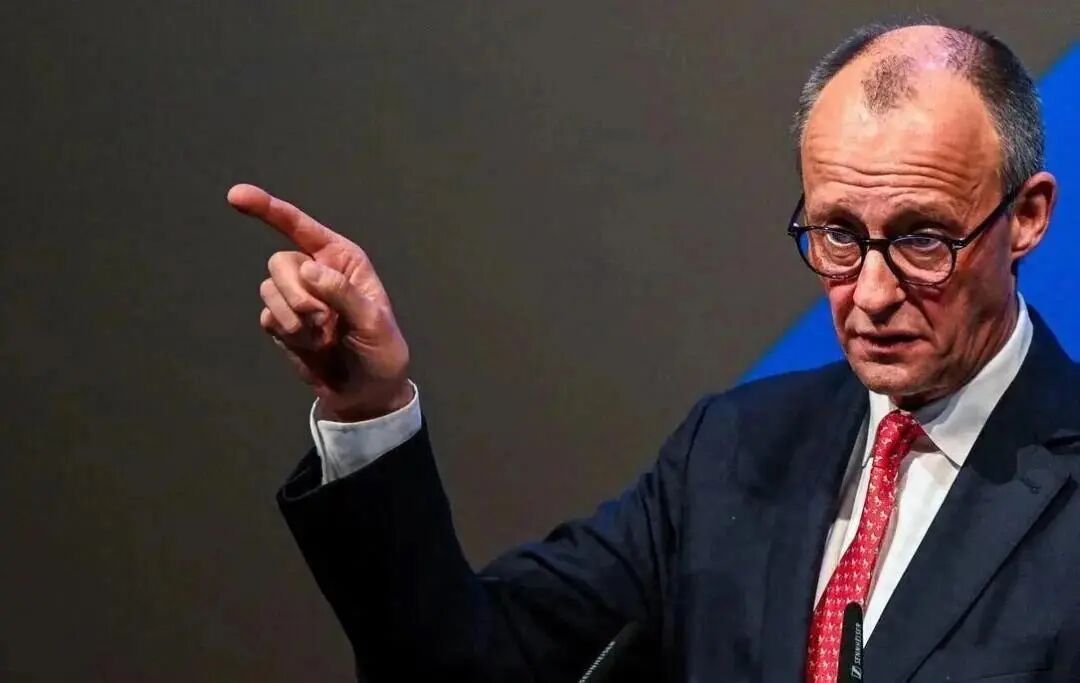
The picture is from Sina Finance.
Merz publicly stated on multiple occasions that the decoupling policy would only harm Germany itself, and the stability of the global industrial and supply chains cannot be achieved without the collaboration of the two major manufacturing countries, China and Germany. As a highly globalized field, artificially splitting the market and blocking technological exchanges in the automotive industry will ultimately increase the operating costs of enterprises, delay industrial transformation, and damage the common interests of consumers and the industry on both sides. When Merz test - drove the new - generation Mercedes - Benz S - Class sedan in Beijing, he personally experienced the intelligent driver - assistance system jointly developed by Mercedes - Benz and Chinese company Momenta, and sincerely praised the close integration of German and Chinese enterprises. This detail also serves as a direct manifestation of Germany's support for bilateral industrial cooperation.
It is worth noting that Germany's opening - up is not without limits, but rather emphasizes "both opening - up and rules".
The German government emphasizes that open cooperation must be based on fair competition, transparent rules, and effective protection of intellectual property rights. The European market welcomes Chinese automotive products and investments that comply with international rules. At the same time, it also expects bilateral trade and investment to maintain balanced and sustainable development and will not tolerate behaviors such as dumping, over - capacity, and intellectual property infringement.
This statement takes into account the real interests of the German automotive industry and echoes the policy orientation within the European Union, demonstrating a rational, pragmatic, and balanced attitude. The cross - border data pilot project of battery passports jointly promoted by BMW and CATL, and the CEA electronic and electrical architecture jointly developed by Volkswagen and Chinese enterprises are typical examples of deepening cooperation between the two sides within the framework of rules.
A series of upcoming cooperation projects are being steadily promoted and gradually implemented within the framework of "opening - up + rules".
03 Collective "Acceleration" and "Increased Investment"
Under the guidance of high - level officials, the executives of German automotive companies accompanying Merz conveyed their firm determination to deeply cultivate the Chinese market through their actual statements. China is no longer just a sales market but the core hub for global R & D, supply chains, and innovation. A series of upcoming cooperation projects have made this determination more tangible.
Oliver Zipse, the Chairman of the BMW Group, said bluntly that companies that ignore the potential and innovation vitality of the Chinese market will find it difficult to seize long - term opportunities in global competition. BMW's layout in China has entered the "full implementation stage", and the upcoming cooperation projects cover multiple dimensions such as products, technology, and supply chains:
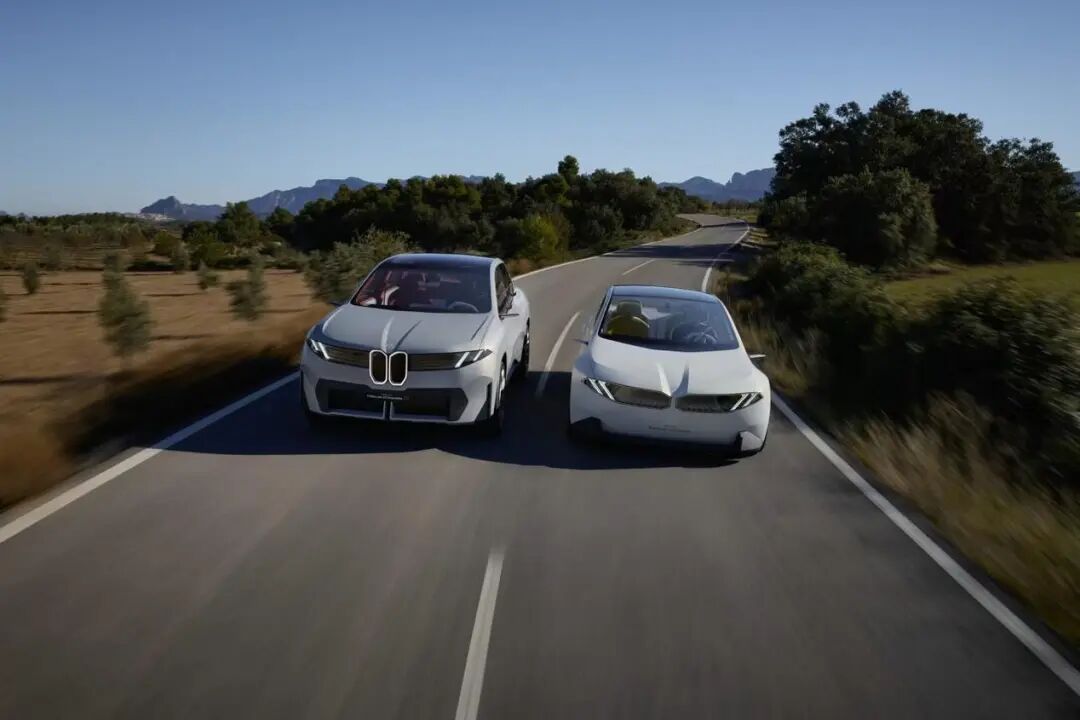
At the Beijing Auto Show in April 2026, the long - wheelbase version of the new - generation BMW iX3, specially customized for the Chinese market, will make its global debut. The wheelbase of this model is more than 100 millimeters longer than that of the overseas version. The seats are specially developed by the Shanghai team to suit the preferences of Chinese users. It is equipped with an 800V high - voltage platform and a new - generation cylindrical battery. The comprehensive CLTC cruising range exceeds 900 kilometers. It also integrates a large - language - model AI assistant jointly customized with Alibaba, supporting interaction without wake - up words.
Meanwhile, the battery cooperation between BMW and CATL is progressing steadily. They are jointly establishing a carbon accounting standard based on the European Catena - X blockchain platform, helping BMW's electric models with the green label of the Chinese supply chain to enter the global market. In addition, the full - scenario navigation driver - assistance system jointly developed by BMW and Momenta is being optimized for complex road conditions in China and will be gradually installed in multiple domestic models. At the same time, BMW is deepening cooperation with Huawei Terminal to promote the integration of the Hongmeng ecosystem into the in - vehicle system.
In 2026, the three major brands under BMW will bring about 20 new or facelifted products to the Chinese market, with pure - electric models accounting for more than half. The Shenyang production base is also steadily promoting the mass - production preparation of the sixth - generation power battery project.
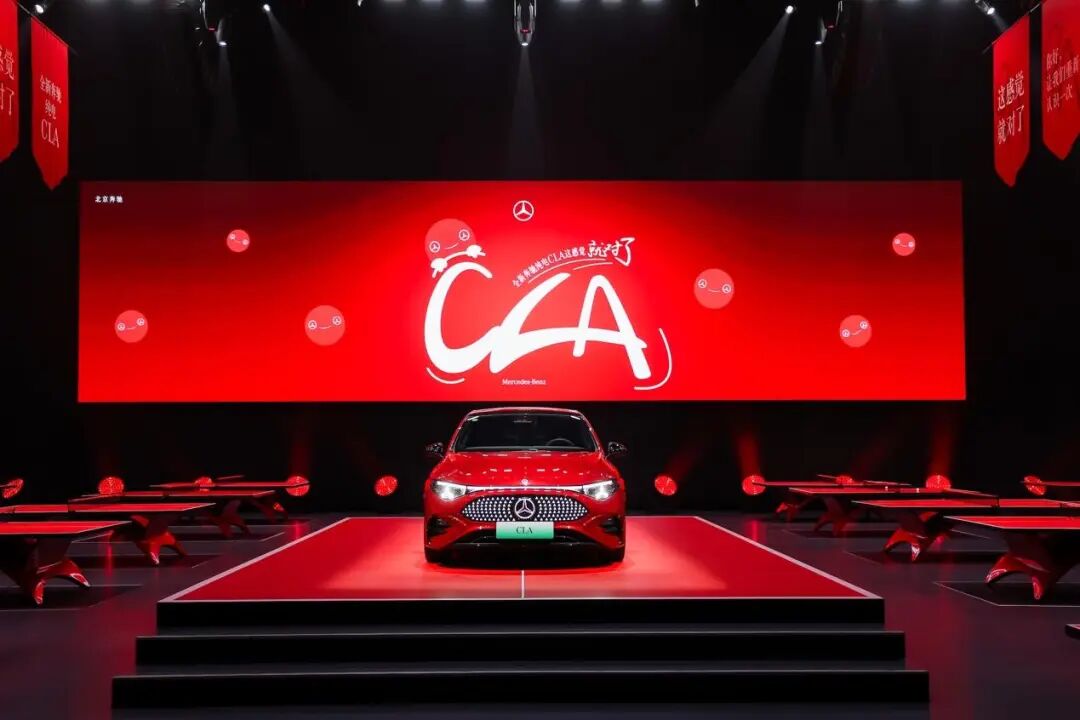
Ola Källenius, the Chairman of the Board of Management of the Mercedes - Benz Group, said that the technological iteration speed and innovation ecosystem in China are the key supports for the intelligent upgrade of the automotive industry. The cooperation between Mercedes - Benz and China is accelerating, and the most notable is the in - depth collaboration in the field of intelligent driving:
The intelligent driver - assistance system jointly developed by the two sides covers highway, urban, and parking scenarios. The innovative concept of "human - machine co - driving" brings a smoother lane - changing experience. The system has been first installed in the new all - electric CLA and will be installed in 9 new Mercedes - Benz models in 2026, including the all - electric long - wheelbase GLC SUV and the new - generation S - Class sedan, covering all market segments. In the future, the two sides will also upgrade the system based on Momenta's R6 reinforcement learning large model to optimize the response ability in sudden risk scenarios. At the same time, they will promote the mass - production of the L3 - level intelligent driver - assistance system in China before 2027 and expand the production capacity of new - energy vehicles.
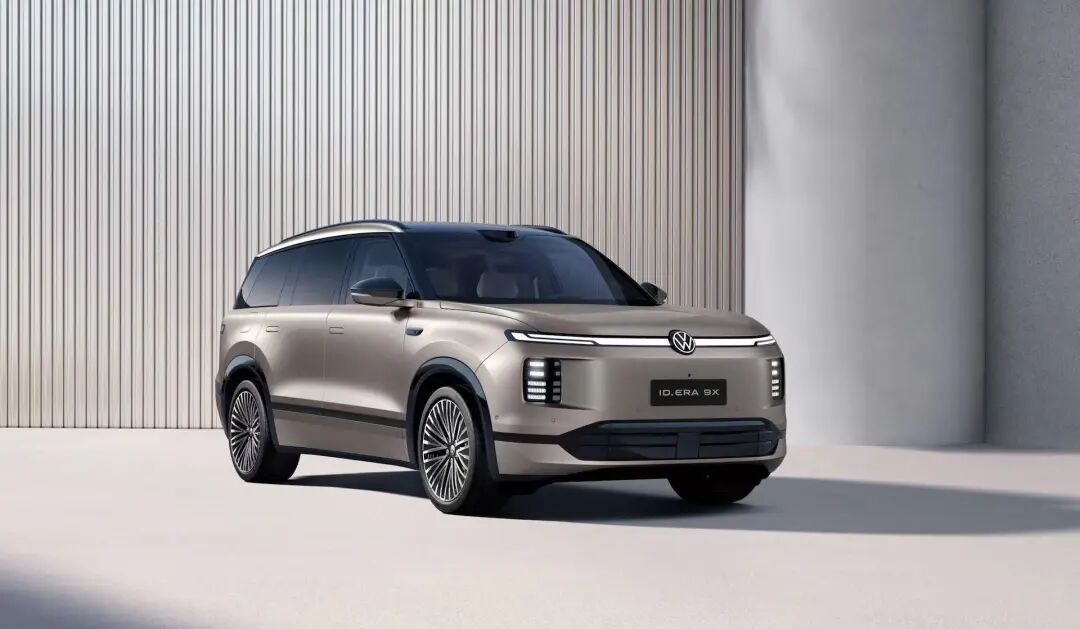
Volkswagen regards China as its "second home market". During Merz's visit to China, Volkswagen and BYD officially announced the establishment of a joint - venture subsidiary, integrating Volkswagen's high - end manufacturing advantages and BYD's power - battery technology to create a competitive new - energy product portfolio. In addition, Volkswagen's cooperation projects in China are flourishing:
First, the Hefei base is increasing its investment. The first model jointly developed with XPeng is planned to be put into production in 2026. At the same time, the CEA electronic and electrical architecture specially developed by Volkswagen for the Chinese market has been completed. The first model, the Volkswagen Yuzhong 07, equipped with this platform will be mass - produced and launched at the Anhui factory in the second quarter of 2026, combining German driving control and local intelligent experience.
Second, the cooperation between Volkswagen and SAIC is deepening. During Merz's visit to China, the two sides further consolidated their cooperation results. They not only extended the joint - venture agreement of SAIC Volkswagen until 2040 but also jointly developed 3 plug - in hybrid and 2 all - electric models. Relying on SAIC's mature electric - platform technology to empower the joint - venture enterprise in reverse, multiple new - energy models will be launched successively from 2026, demonstrating a new cooperation situation of two - way empowerment.
In addition, starting from 2026, FAW - Volkswagen's Volkswagen brand and Jetta brand will add 11 new models specially tailored for the Chinese market. The first all - electric model of the Jetta brand will be launched in 2026, equipped with the SOA electronic and electrical architecture and industry - leading intelligent solutions. At the same time, Volkswagen plans to use 100% renewable electricity in its production in China by 2030. FAW - Volkswagen will also lead the joint development of hybrid powertrains and launch more than 20 new models by 2030, achieving the goal of "simultaneous development of fuel and electric vehicles, full intelligence of fuel and electric vehicles".
04 From "Trading Market for Technology" to "Two - Way Empowerment"
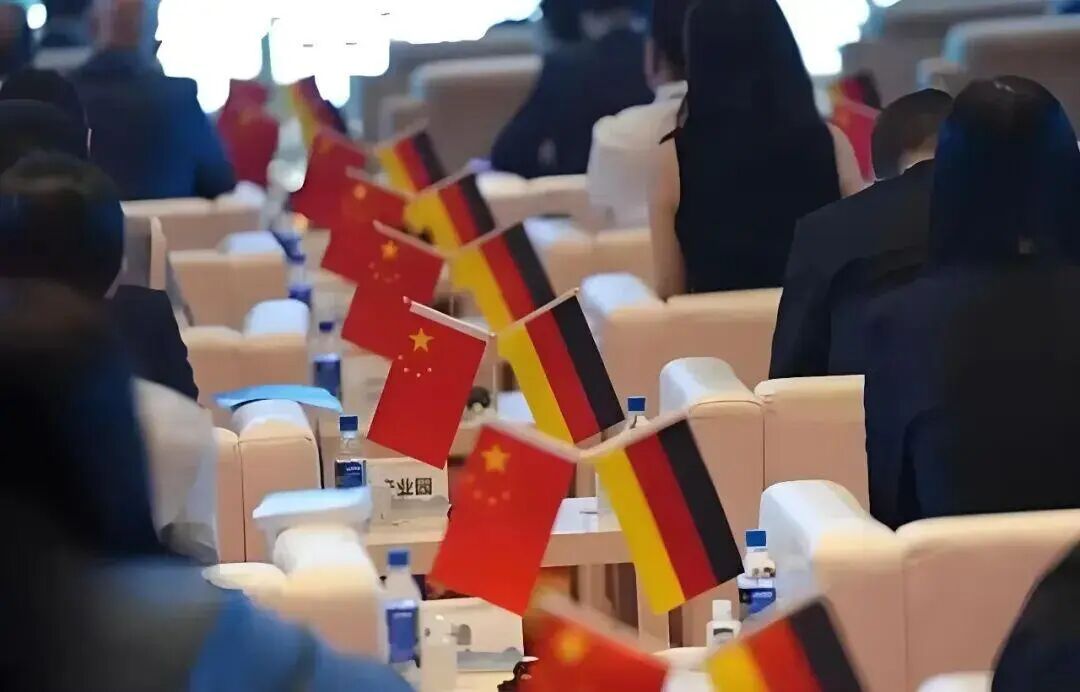
During Merz's visit to China, the implementation results of Sino - German automotive cooperation reflect a structural transformation in the industrial relationship between the two sides. They have completely bid farewell to the single - mode of "foreigners provide technology, Chinese provide the market" in the past and entered a new stage of two - way technology integration and full - chain collaboration.
The picture is from Sina Finance.
In the past, the core of Sino - German automotive cooperation was "trading market for technology". Foreign companies provided mature vehicle platforms and core technologies, while Chinese companies were responsible for production and market expansion. However, under the wave of electrification and intelligence, the flow of technology has begun to show two - way interaction. Many upcoming cooperation projects clearly demonstrate the new logic of two - way empowerment.
Chinese enterprises' technological accumulation in areas such as battery integration, software architecture, in - vehicle operating systems, and vehicle - cloud collaboration has begun to be exported to German automotive companies in reverse.
For example, Volkswagen and SAIC signed a technology cooperation agreement to jointly develop three plug - in hybrid and two all - electric models based on SAIC's electric - platform technology, which are planned to be launched successively from 2026. This marks that Chinese self - developed technology is officially empowering German - Chinese joint - venture brands. FAW - Volkswagen has exported the high - voltage system assembly of power batteries to Germany for the first time. The precision assembly integrating 17 types of components will be directly supplied to Volkswagen Group's global factories, realizing the transformation from a "technology importer" to a "value exporter". The core technologies of the intelligent cockpit in BMW's new - generation models and the intelligent driver - assistance system in Mercedes - Benz's new models all come from Chinese partners. German local factories are also gradually increasing the procurement scale of Chinese components, relying on the efficiency advantages of the Chinese supply chain to shorten the production cycle and reduce operating costs.
Meanwhile, German automotive companies' high - end manufacturing experience and global compliance operation capabilities are also helping Chinese automotive enterprises improve their globalization level. For example, the carbon accounting standard jointly established by BMW and CATL helps Chinese battery enterprises better comply with the new EU Battery Regulation and expand the European market. The joint - venture cooperation between Volkswagen and BYD deeply integrates Chinese power - battery technology with German vehicle - manufacturing experience, helping both sides' products enter the global market. In addition, Desay SV's German factory is expected to be put into production in 2026, mainly serving mainstream European automotive companies such as Volkswagen and Volvo, and becoming an important carrier for Chinese automotive parts enterprises to integrate into the European industrial chain.
Obviously, two - way empowerment has become an inevitable trend, upgrading Sino - German automotive cooperation from "single - dimension cooperation" to "full - chain symbiosis" and forming a new pattern of "you help me transform, I support your development".
05 Symbiosis is the Only Optimal Solution
The new cycle of Sino - German automotive cooperation is not all smooth sailing but is full of both opportunities and challenges.
In terms of challenges, the adjustment of industrial policies within Europe, changes in the global trade environment, intensified competition in technological routes, and the rapid shift in consumer preferences will all bring new issues to the cooperation between the two sides. Germany will emphasize more on rule - based equality and fair competition, while China will pay more attention to high - quality development and global compliance operation. The two sides still need to further coordinate and connect