Following the concealed door handles, another "inhumane" automotive design is about to be forcibly phased out.
Following the Ministry of Industry and Information Technology's clear and mandatory safety requirements for hidden door handles, the "half - spoke steering wheel," which has sparked extensive discussions in the intelligent electric vehicle field, will also face strict regulatory restrictions.
It is reported that the mandatory national standard GB 11557 - 202X "Regulations for Preventing Injury to Drivers from Vehicle Steering Mechanisms" will be officially implemented on January 1, 2027.
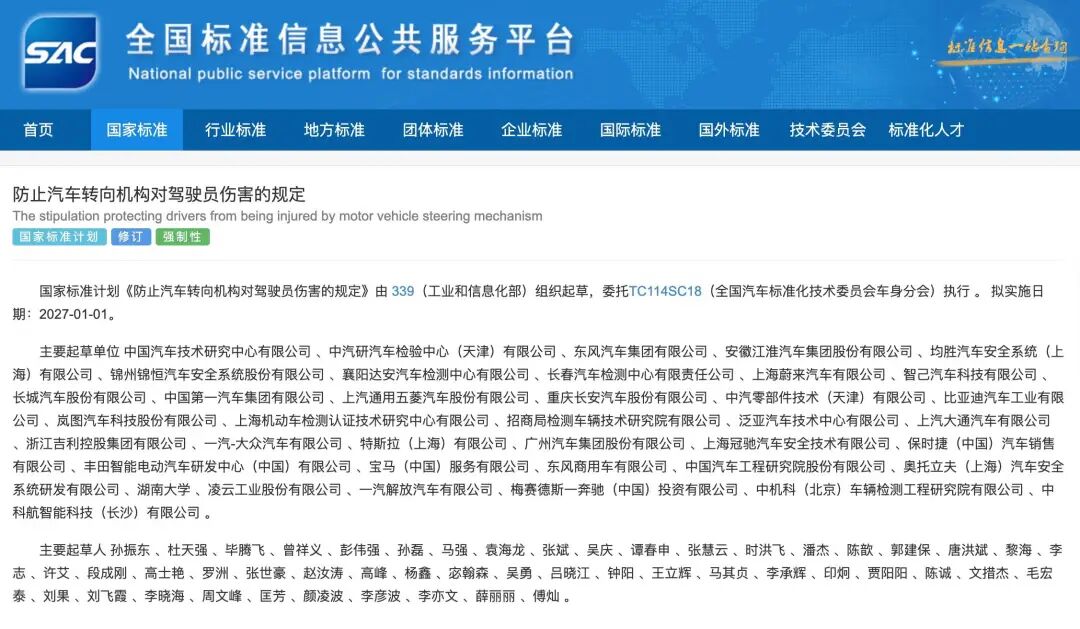
In this new national standard, the original definition and adaptation specifications for the half - spoke steering wheel have been completely deleted.
In the automotive industry's regulations and access approval system, if a design loses the support of definitions and specifications in the national standard, it usually means that it will no longer have a legal and compliant status and will not be allowed to be used continuously.
Since the new regulations have removed the support for the half - spoke steering wheel, new models adopting this type of steering wheel design will face the situation of being unable to pass the access approval after the new regulations are implemented in 2027.
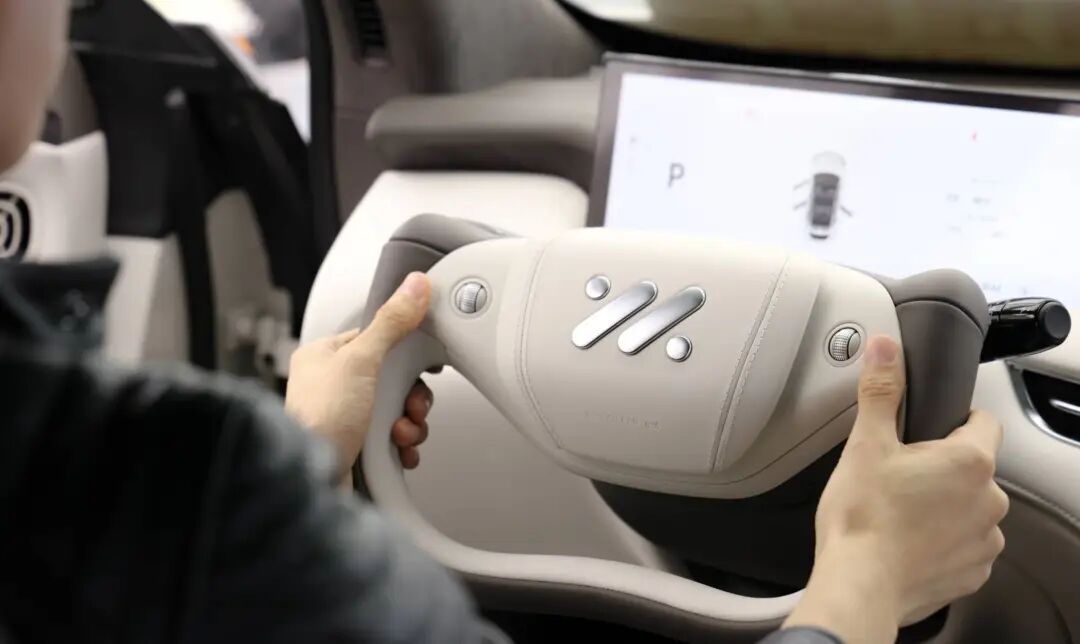
For automobile manufacturers, this basically means a ban on the half - spoke steering wheel at the regulatory level.
For existing models that have been launched and sold before the implementation of the standard and have obtained access qualifications, the new regulations have specially set a 13 - month transition period.
The so - called half - spoke steering wheel is relative to the traditional full - circle steering wheel that has been used for a century since the birth of the automobile. It removes the upper part, presenting a "truncated" visual effect.
This trend was initially set off by Tesla Model S. Because its shape is similar to the control lever of an F1 racing car or an aircraft, it breaks the public's traditional perception of automobile interiors. It attracted a lot of attention at the beginning of its launch and quickly became the main marketing configuration for some new - force car companies.
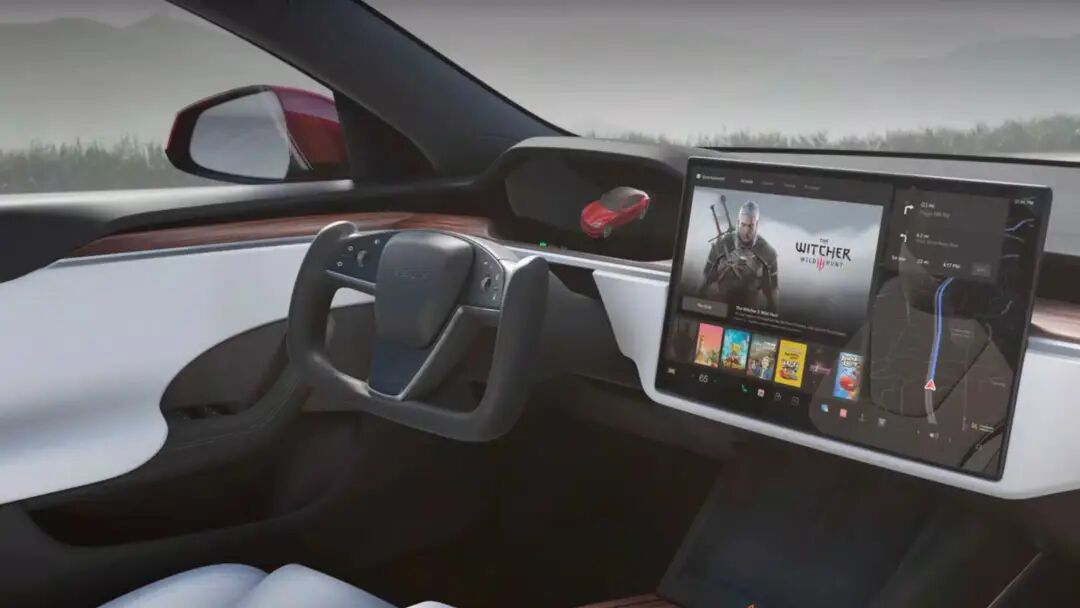
In addition to the pursuit of novelty, the emergence of the half - spoke steering wheel is also an engineering compromise made by car companies in the face of changes in the physical space inside the vehicle and the increasing demand for intelligent cockpit displays.
New energy vehicles differ from traditional fuel - powered vehicles in chassis structure. Since a thick power battery pack needs to be laid at the bottom of the vehicle, the thickness of the battery pack inevitably encroaches on the space at the bottom of the cockpit, resulting in a raised vehicle floor.
At the same time, in order to reduce the air resistance during vehicle driving, new energy vehicles generally tend to adopt a fastback - style streamlined body design, which further lowers the height of the roof.
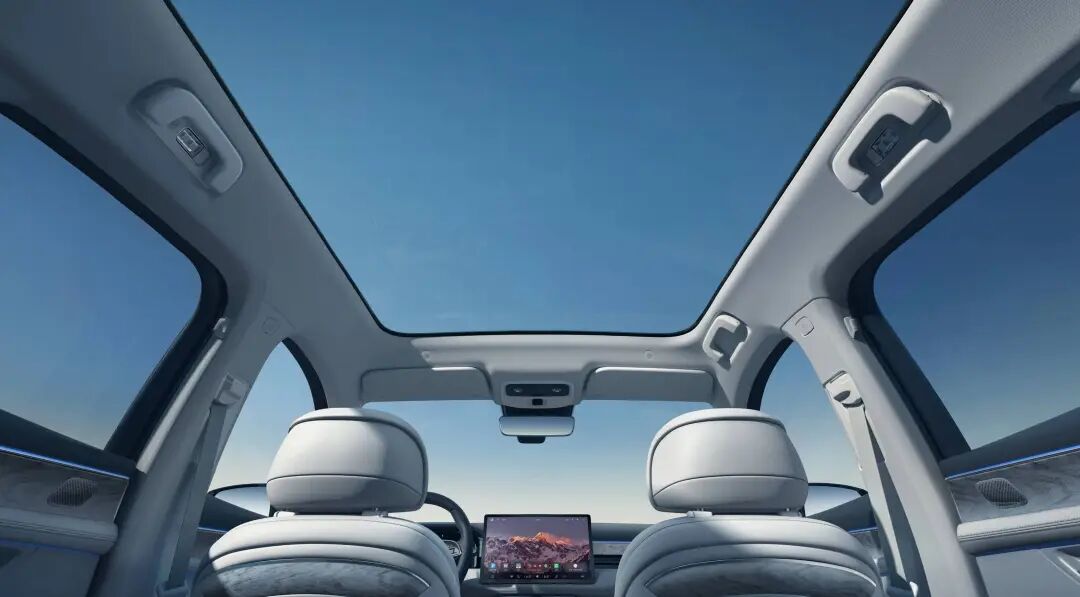
The raised bottom and the lowered top directly lead to the compression of the vertical space inside the new energy vehicle cockpit. This is also the reason why current electric vehicles generally use large - sized sunroofs, mainly to increase headroom within the limited size and relieve the passengers' sense of oppression.
In such a narrow and flat vertical - space compartment, if the traditional large - sized full - circle steering wheel is still retained, it will block the driver's legs when getting in and out of the driver's seat.
To solve this problem, car companies' initial attempt was to flatten the bottom of the steering wheel, that is, the common flat - bottom steering wheel.
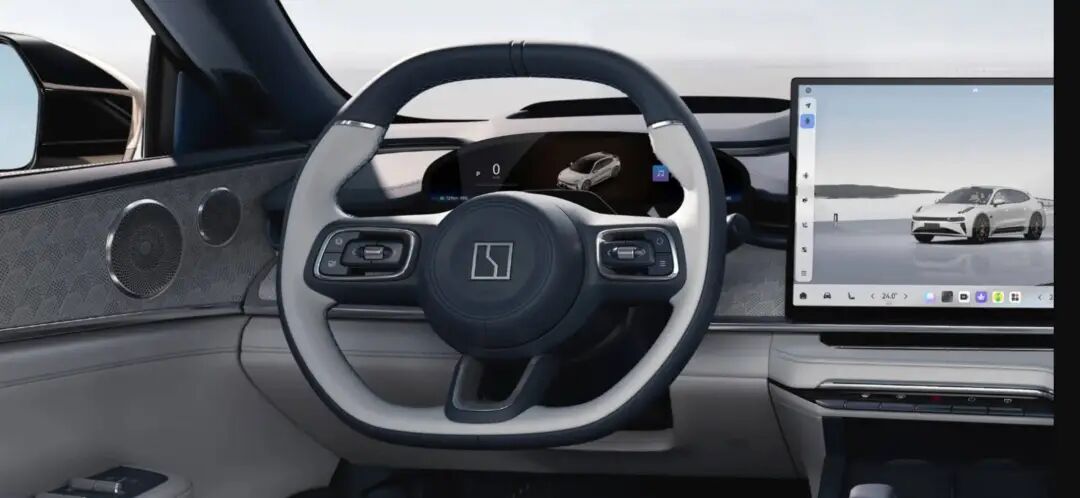
With the development of intelligent driving technology, another conflict has emerged.
The instrument panel of new energy vehicles needs to display an increasingly complex amount of information. In addition to the vehicle speed, it also needs to display the lane - keeping status, the target speed of adaptive cruise control, speed - limit prompts, and intelligent driving environment simulations.
At this time, the upper half - arc of the steering wheel becomes an obstacle to the line of sight. In order to allow the driver to clearly see the content on the screen in front without obstruction, some car companies choose to directly cut off the upper part of the steering wheel.
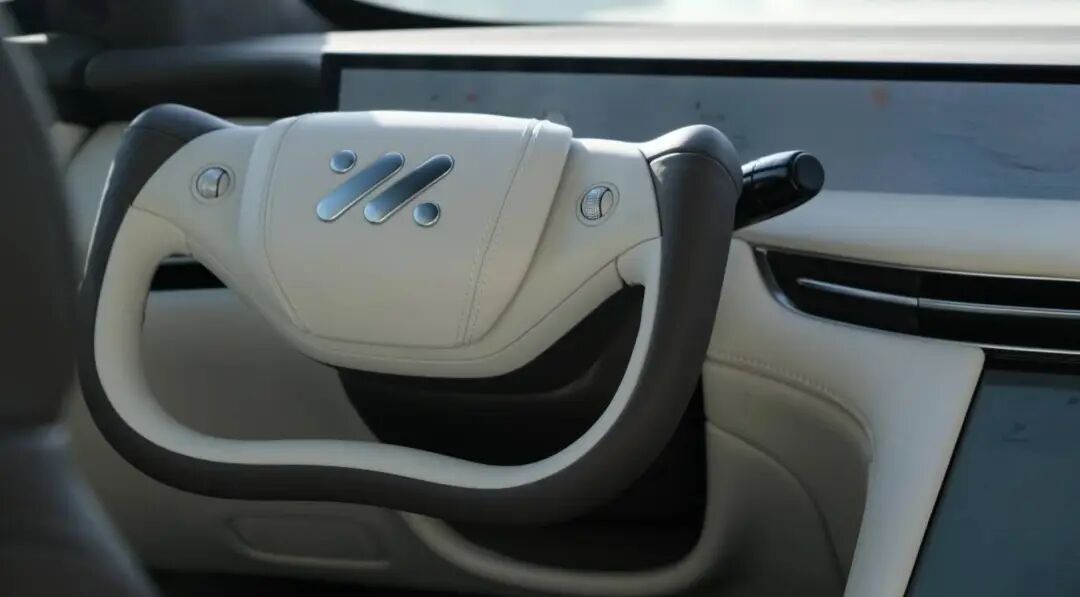
Liu Tao, the CEO of IM Motors, once said:
Equipping this type of steering wheel is first to provide a wider field of vision for the driver, and second to simplify the complex steering wheel in the era of technological minimalism.
However, in actual use, the disadvantages brought by the half - spoke steering wheel far outweigh the benefits of vision and space it brings.
The design of the half - spoke steering wheel mainly refers to that of F1 racing cars, but there are fundamental differences between racing cars and daily family cars in terms of driving environment and mechanical settings.
In F1 racing cars, the steering ratio is usually set close to 1:9. This means that when a racing driver is driving on the track, they can complete lane changes and cornering with only a very small turn. Their hands can always be fixed at the 3 o'clock and 9 o'clock positions on the steering wheel, without the need for continuous full - turns, and their hands will not leave the steering wheel.
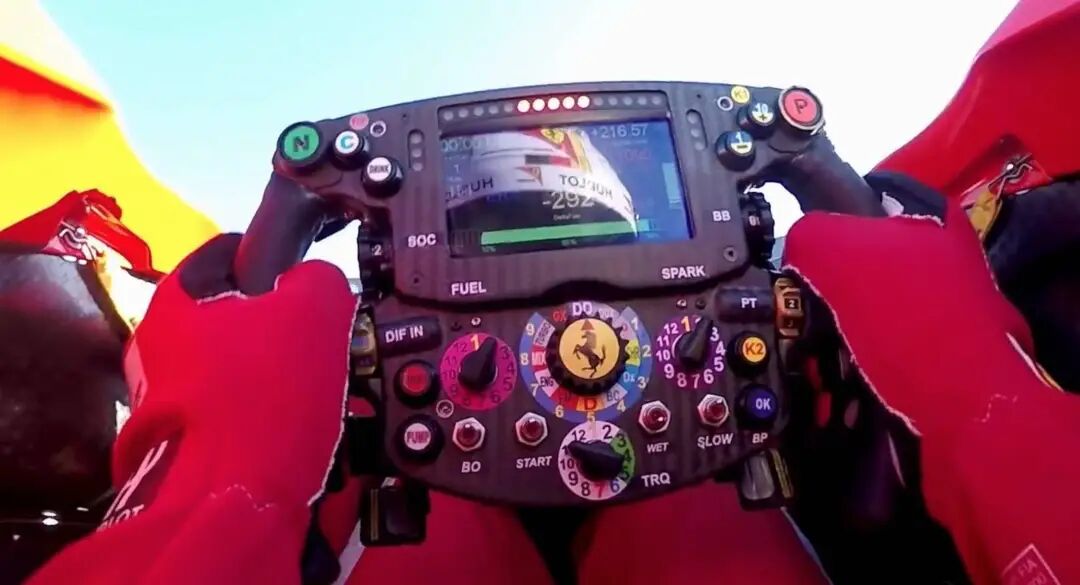
For daily - use civilian vehicles, in order to accommodate the operating habits of ordinary drivers and ensure the stability of straight - line driving, the steering ratio is usually set in the range of more than 1:15.
This means that in common scenarios such as U - turns, parallel parking, and side - parking, the driver often needs to turn the steering wheel one and a half or even two full turns to one side.
When using a traditional full - circle steering wheel, no matter what kind of steering posture the driver adopts, even when operating with one hand during parallel parking, the entire outer ring of the steering wheel can ensure that the driver's hand can always find a support point and a grip point.
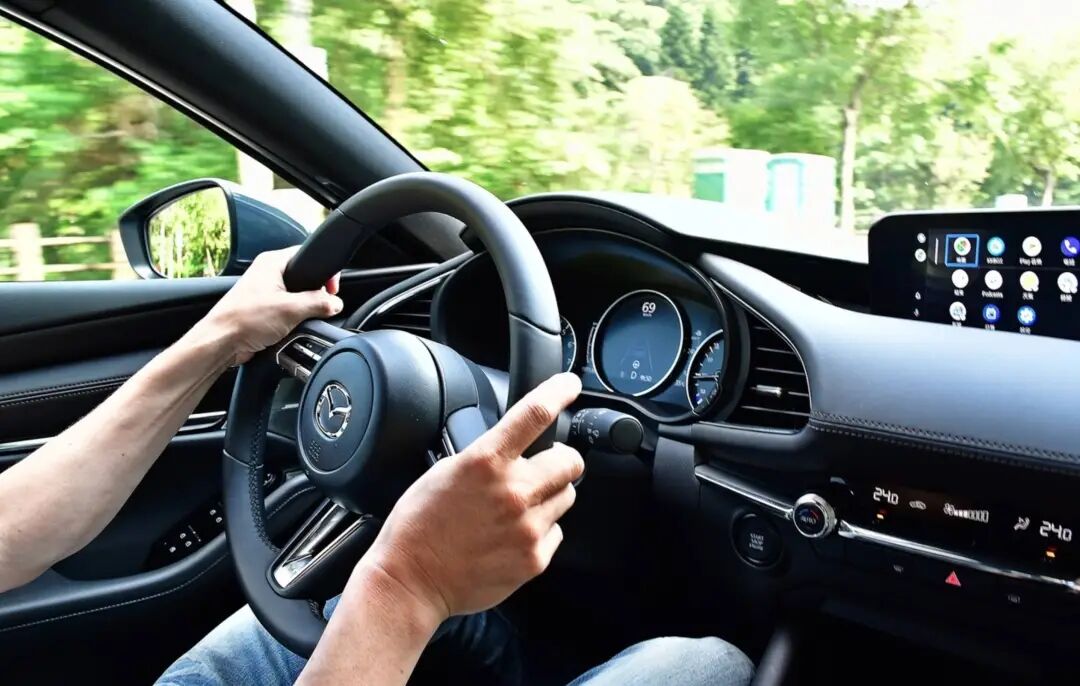
In contrast, the half - spoke steering wheel changes the daily driving habit due to the lack of the grip area in the upper half - circle.
If an emergency situation occurs in a complex road environment and the driver needs to take emergency evasive action, or if the driver turns the steering wheel sharply in a panic, there is a high possibility of missing the grip or slipping.
Although a few car companies have tried to reduce the number of steering wheel turns by introducing variable steering ratio technology to match the use of the half - spoke steering wheel, the reduction of hand support points still brings safety hazards during actual turning or U - turning.
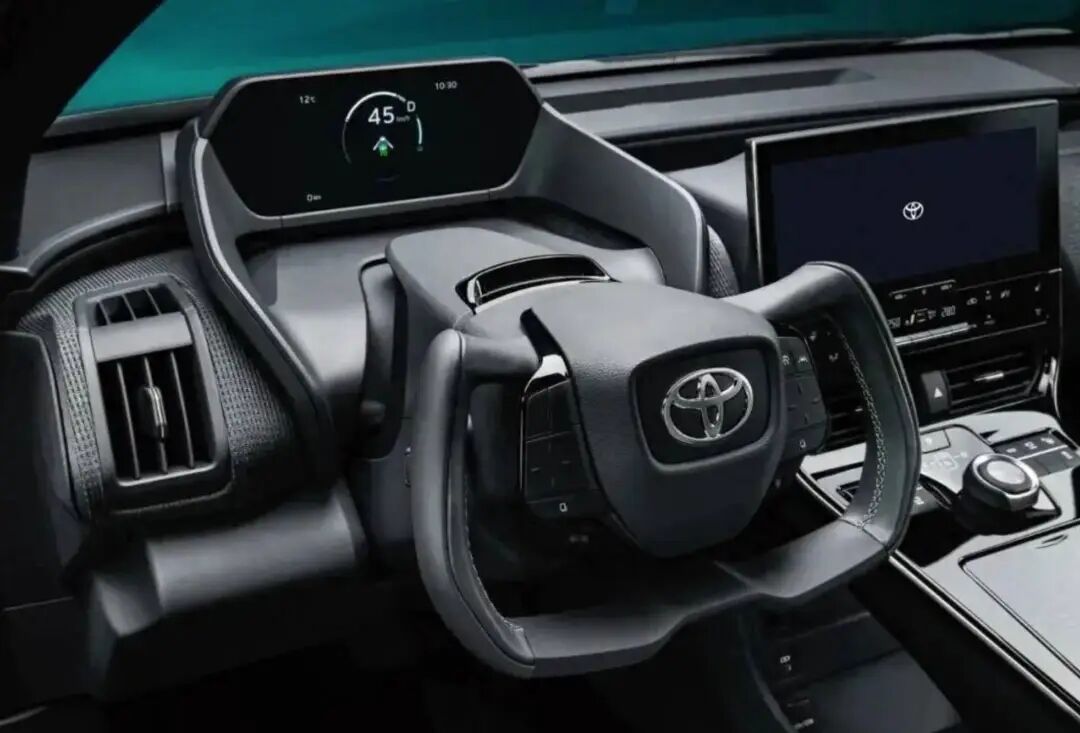
In addition to problems at the active operation level, the half - spoke steering wheel also poses challenges in terms of vehicle passive safety.
The airbag systems and steering column collapse mechanisms of modern cars are all tested and designed based on the traditional full - circle steering wheel.
When the physical structure of the steering wheel changes significantly, in the event of a serious frontal collision, the airbag may change its shape when deployed due to the lack of support from the upper frame, and it may even cause damage to the internal components of the steering wheel.
In the event of a secondary collision, due to the lack of the upper half of the steering wheel for blocking, the driver's body is at risk of directly hitting the steering column.

In fact, before the regulatory policy was officially implemented, the market and car companies had already begun to adjust their strategies regarding the half - spoke steering wheel.
As the first car company to mass - produce the half - spoke steering wheel, Tesla has also faced great pressure from user feedback in actual applications. Its overseas official website has long adjusted the configurations of Model S and Model X, canceling the default half - spoke steering wheel option and restoring the base version to the traditional full - circle steering wheel.
In the past few years, the cabins of intelligent cars have been like a huge testing ground, where car companies have tried various unconventional designs, trying to make cars look more like future vehicles in science - fiction movies.
However, from the requirement for hidden door handles to retain mechanical switches to the current situation where the half - spoke steering wheel is facing elimination, these changes are all reiterating a basic consensus - there are thousands of roads, but safety comes first.
This article is from the WeChat official account "Dongchehui", author: Jiemo. It is published by 36Kr with authorization.