After leaving Tencent, he wanted to create a Three Kingdoms game that could change history.
Text | Beiguoshu
Editor | Guofu
For players familiar with the history of the Three Kingdoms, the gaming experience of "My Three Kingdoms" may be similar to that of a time - travel novel where the protagonist gets the script.
In 264 AD, more than a decade before Chen Shou wrote "Records of the Three Kingdoms", Chen Shou was still a junior official in the officialdom. But you value Chen Shou's talent and plan to promote him to the position of Taichang. The senior official Dong Jue comes out to dissuade you, saying that this may not convince the public. However, you know you won't misjudge people, so you confidently type in the dialog box: "This young man will surely leave his name in history in the future."
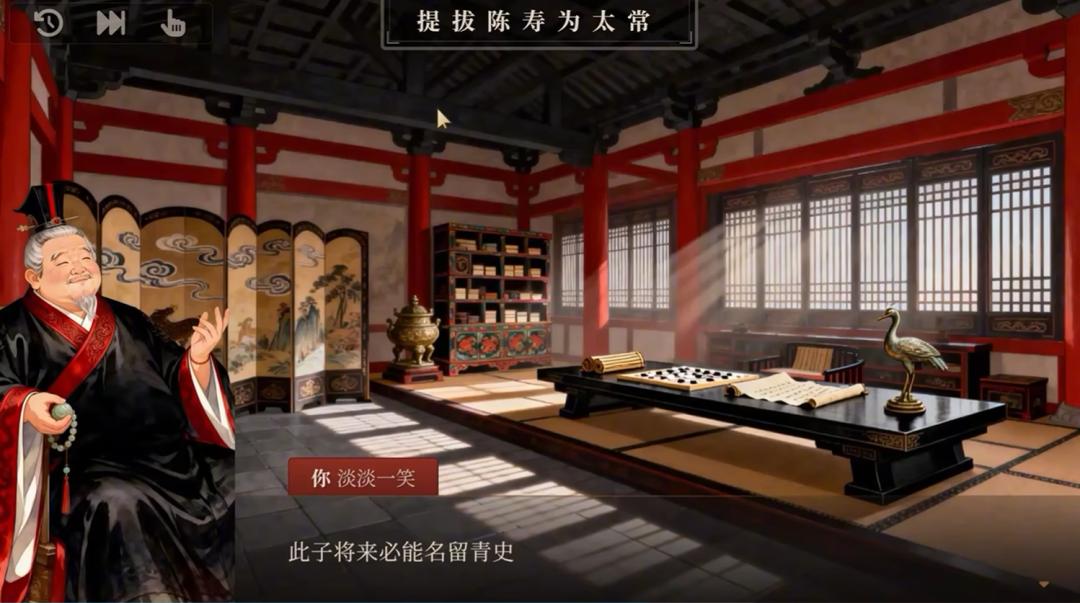
This young man will surely write "Records of the Three Kingdoms" in the future.
This is the content in the real - machine demo of "My Three Kingdoms" released on January 2nd. "My Three Kingdoms" is a history - simulation game driven by AI. Players will act as characters in the Three Kingdoms story, issue commands, trigger events, and advance the course of history.
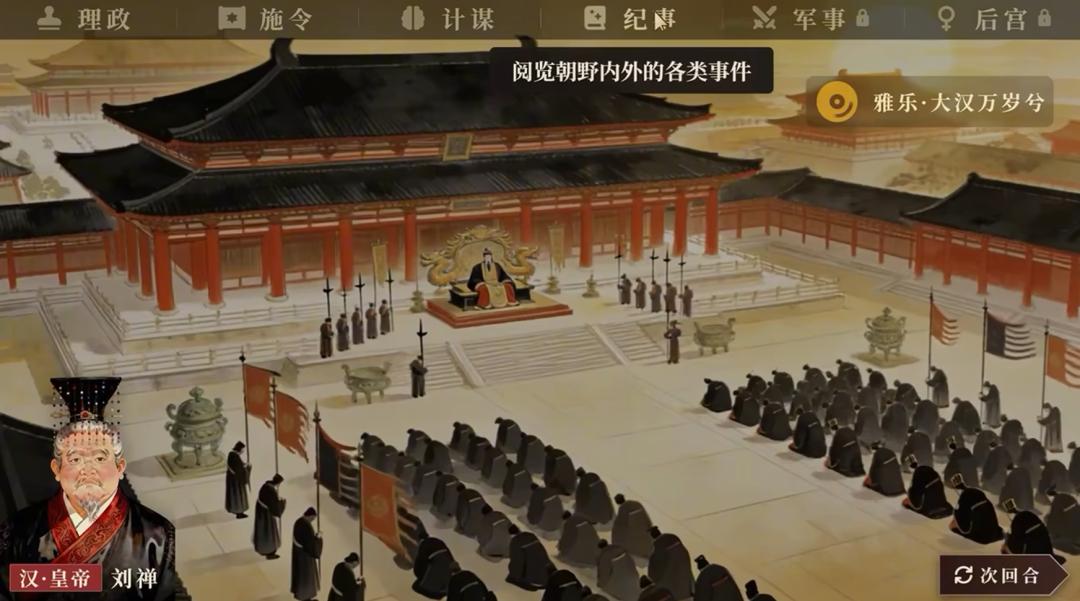
Screenshot of the real - machine game demo
Some players said in the comment section that this is a "3A" masterpiece with "AI art, AI copywriting, and AI voice - over". In the game, AI will deduce the plot according to the player's choices, offering a great degree of freedom. And this "3A" work finally received 330,000 views on Bilibili.
The birth of "My Three Kingdoms" stems from the original intention of producer Hu Jinghao to "make an unprecedented game with AI".
When working at Tencent, Hu Jinghao thought that "if you just add AI to traditional games, it can't fully reflect its value". Generative AI has a powerful content - creation ability. He believes that in terms of content richness alone, it's possible to make a game with a scale beyond that of GTA5 or "Baldur's Gate 3" using AI.
The participation of AI has brought some differences to game development. Except for Hu Jinghao, the members of the Choupijiang Studio are all students. Some are still in their sophomore or junior years. He intends to maintain this young state: with the "technological equalization" brought by AI, "work experience is actually not that important".
There are also some new problems. In the comment section of the real - machine demo, many players questioned how AI "retains memory"; how to choose the revenue model when interaction is linked to Token cost; and how to deal with the review of AI - generated content?
Currently, "My Three Kingdoms" doesn't have a truly playable version yet, and they are still exploring. But Hu Jinghao believes that "when people can really play the game, they will feel the potential of AI games".
The following is the content of our conversation with Hu Jinghao, the producer of "My Three Kingdoms", presented after sorting.
Make an "unprecedented" game with AI
Why did you choose to leave Tencent to make games on your own?
My work at Tencent can be divided into two stages. Before the emergence of large - models, we mainly worked on NLP (Natural Language Processing), CV multi - modality and related things. After the emergence of large - models, we started to explore the application of large - models in some games, such as empowering "Peacekeeper Elite" and "League of Legends: Wild Rift" to add some icing - on - the - cake features.
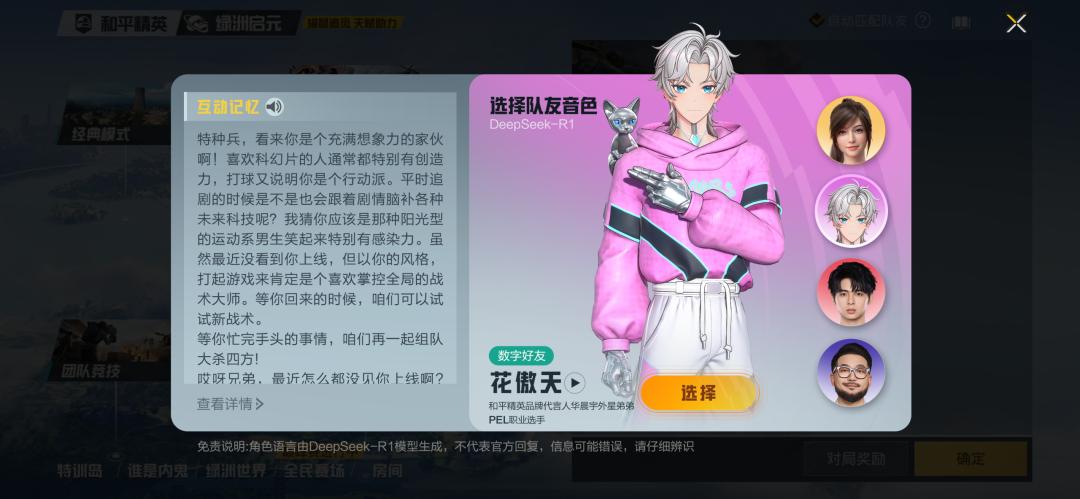
The AI teammate "Hua Aotian" in "Peacekeeper Elite"
But from my personal perspective, if you just add AI to a traditional game, it may not maximize its value in the game. I hope to use AI to re - develop an unprecedented game, or a game that was previously impossible to achieve technically.
Regarding this, during my tenure, I did a lot of brainstorming on my own and also tried to develop some small AI games. After repeated tests, I thought this thing was feasible and very interesting. Coupled with the fact that I already had a certain concept of "My Three Kingdoms" in mind, I finally decided to leave my job in September last year to make my own game.
In your vision, where does this "unprecedented" specifically manifest?
There are three aspects.
The first is using AI for role - playing, which previous games couldn't do. AI can make game characters give players a real sense of "human". In the case of "My Three Kingdoms", it means making Zhang Fei act like Zhang Fei and Guan Yu act like Guan Yu.
The second is dynamic narrative. In all previous games, the plots were pre - generated, while AI can dynamically generate plots as the game progresses.
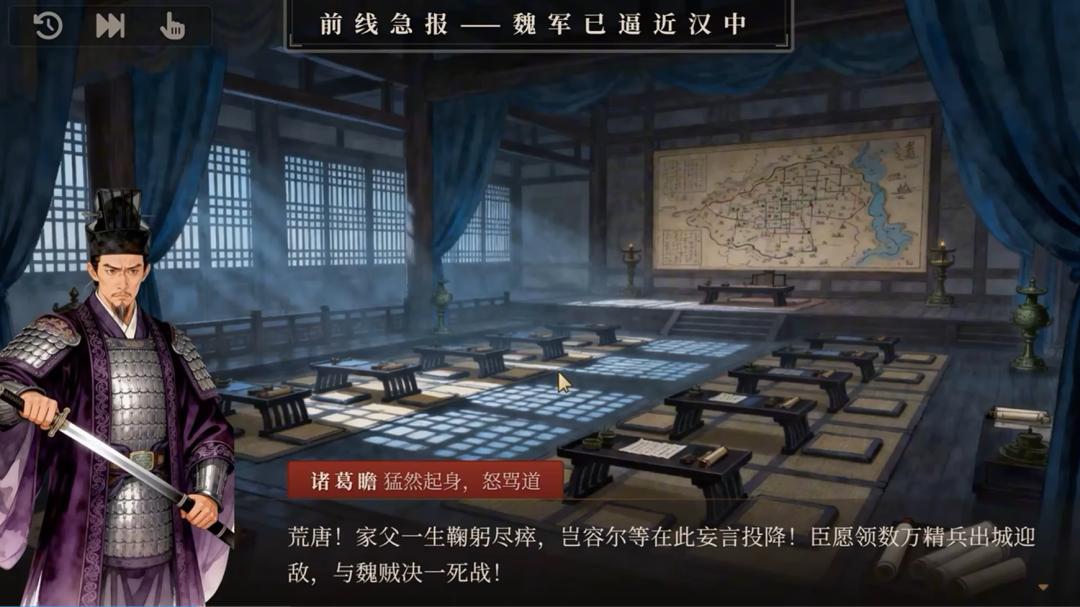
Screenshot of the real - machine game demo
The third is AIGC. Many current games use AI to generate game materials, but our goal is to make these materials and content be generated in real - time. Or even if they are generated offline, we hope that the part involving human participation is as small as possible, and let AI generate as many AIGC assets as possible.
It seems that these capabilities are all related to generative AI. Most of the AI in this wave is generative AI. What's the difference compared to before?
In the previous wave, what AI could do was more tool - oriented. For example, NLP functions were mostly used to classify players' remarks and filter illegal content. It was used to improve efficiency rather than generate content.
In this wave, AI has become a creator. The core of our game is to let AI release its creative ability as much as possible.
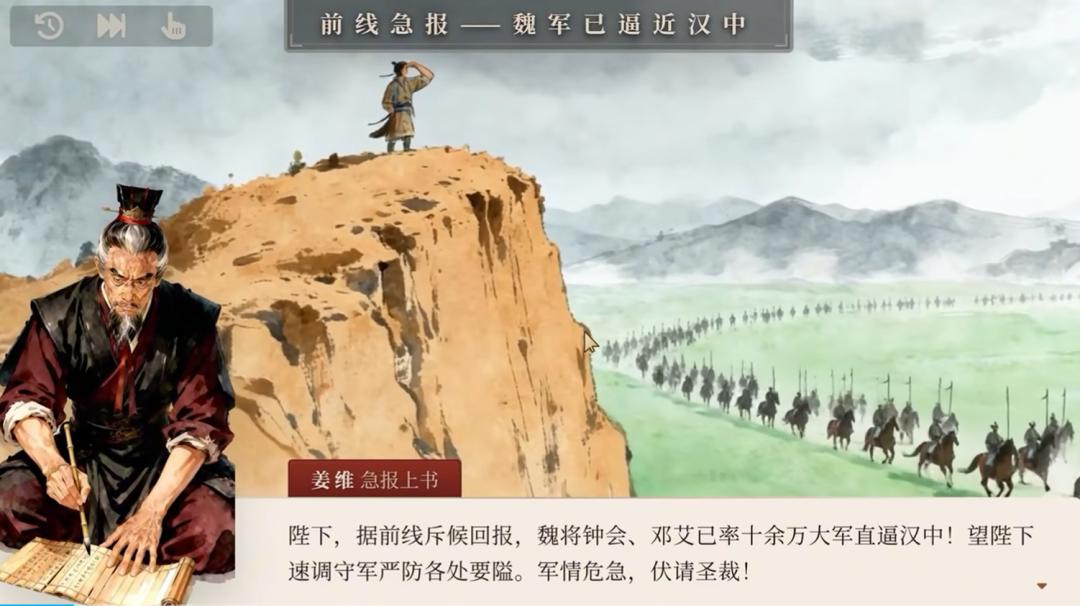
Screenshot of the real - machine game demo
With the creative ability of AI, how large - scale a game can you make now?
If we put aside the accumulation of 3A masterpieces in engine and rendering technology, in terms of the richness of narrative content alone, I think we can even make a game with a content scale beyond that of GTA5 or "Baldur's Gate 3". AI has a powerful content - creation ability. We just need to guide AI to generate corresponding content, and we can build enough freedom to make the game present an almost endless content ecosystem.
A different Three Kingdoms game
Why did you choose the Three Kingdoms theme?
Regarding this, we actually have several dimensions of consideration.
First of all, the most difficult part of making an AI game is how to make AI understand the game's worldview. If it is a fictional worldview, AI actually doesn't know what the people in it are and doesn't understand the operating rules of this world. Therefore, it can't speculate on what events may happen, which ultimately leads to hallucinations easily occurring when generating content.
If it is a specific historical theme, AI has already fully learned the corpus in it, including understanding every character, every event, and every setting and background. During the development process, we don't need to instill too much additional knowledge into AI. We just need to ensure that it can complete a reasonable narrative logic.
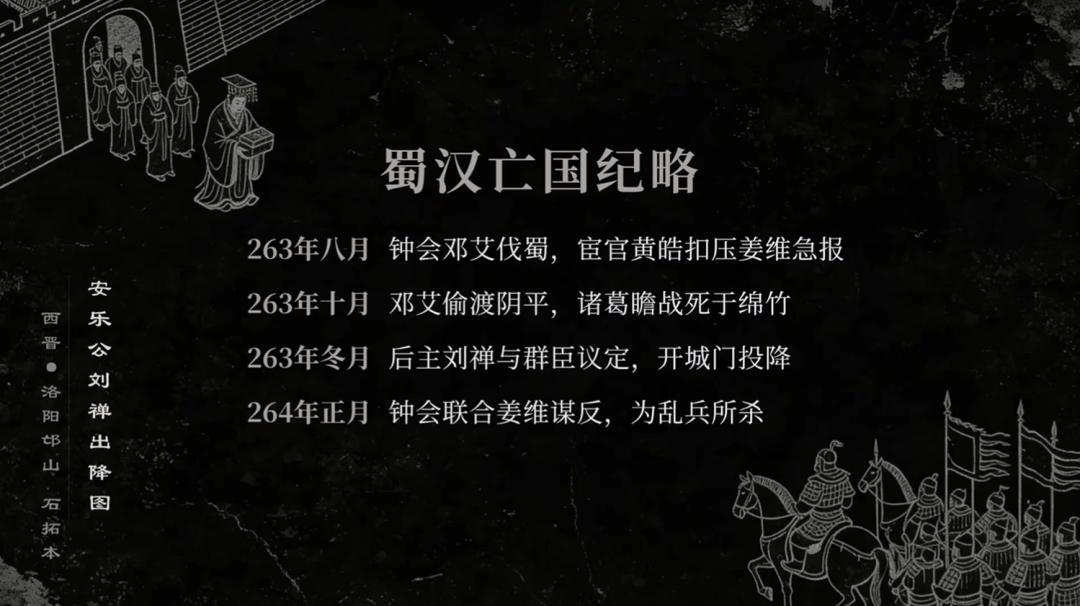
Screenshot of the real - machine game demo
Secondly, in China, the Three Kingdoms is a very big IP. People like the Three Kingdoms IP mainly because they like the Three Kingdoms stories. But most previous Three Kingdoms games were lacking in plot, strategy, and character building, and more focused on numerical and mechanical gameplay. In "My Three Kingdoms", we hope that players can participate in the progress of the story and change history through different strategies and choices.
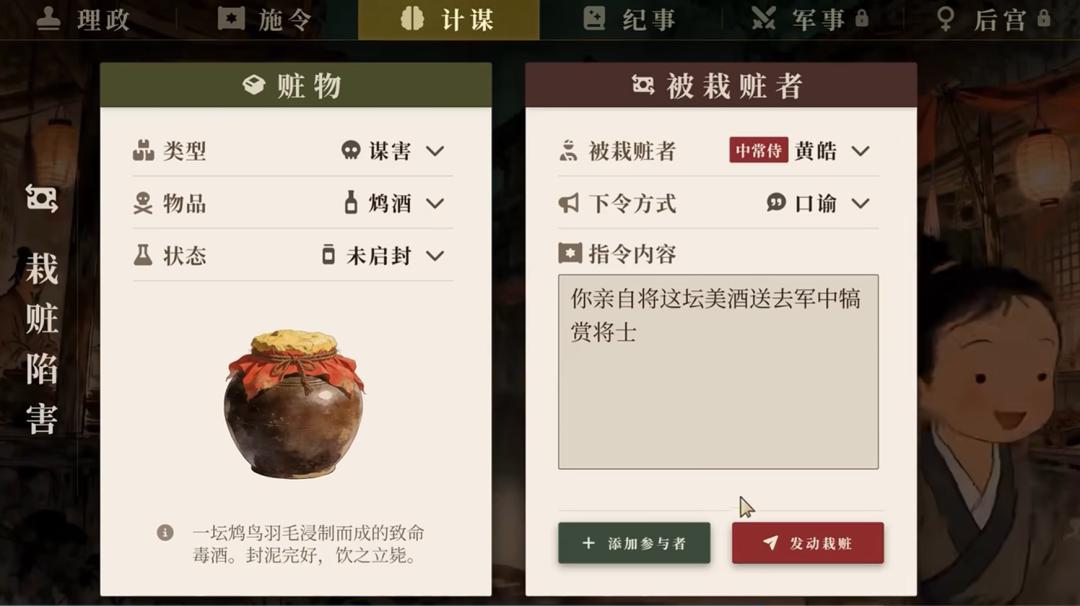
Screenshot of the real - machine game demo
Finally, considering that currently AI in content generation is more inclined to the graphic or audio modules, and it can't be as real - time in game engines and actions. But we observed that some historical game enthusiasts have a high acceptance of this graphic - interaction gameplay, and AI can upgrade these experiences.
But actually, there are a small number of Three Kingdoms games that match your description, such as "Hero's Ambition: Records of the Three Kingdoms". Compared with them, what are the differences of "My Three Kingdoms"?
"Hero's Ambition: Records of the Three Kingdoms" combines many mechanisms to make a very comprehensive Three Kingdoms game. But from the perspective of experience, the biggest difference between AI games and traditional games lies in the way of presenting freedom.
In traditional games, interaction is limited to the exposed gameplay. For example, increasing attribute values or triggering events through interaction. But they can't really deduce history or conduct grand narratives. For example, what changes will happen to the world after killing Cao Cao? It's difficult to do this without AI. If AI is added to traditional games, the playability will be greatly improved, which is also what we want to do.
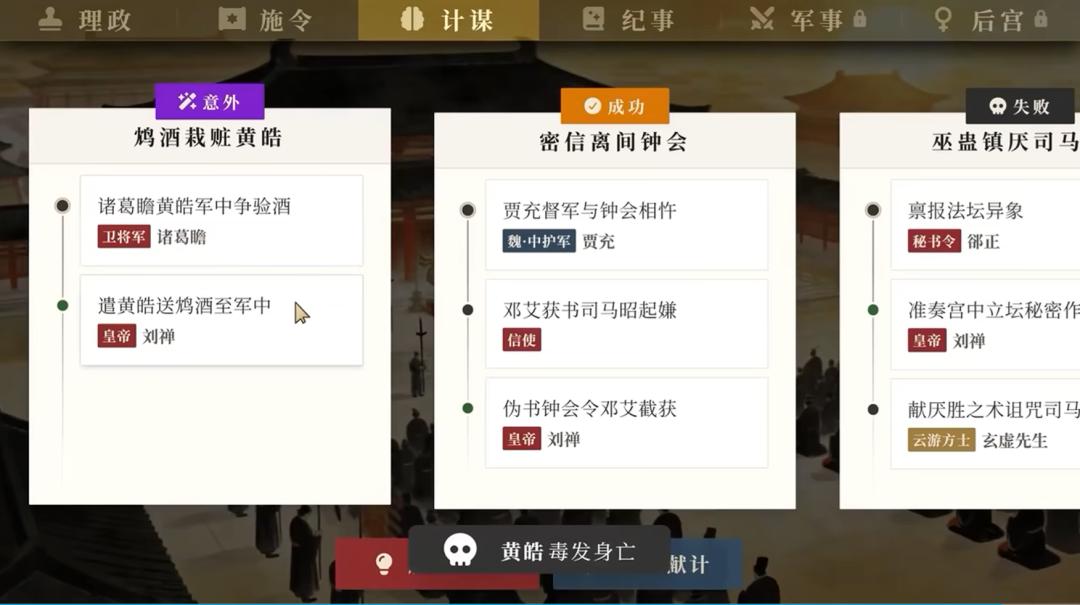
Screenshot of the real - machine game demo
This will incur Token costs. Some previous products used the IAA model to maintain revenue. For example, if you run out of Tokens, you need to watch ads. What kind of revenue model will "My Three Kingdoms" adopt in the future?
"My Three Kingdoms" will be a pay - once game. In our game, the Token cost is controllable. The content we generate in real - time is mainly text, and the price of current text models is not that high.
Moreover, we have a caching mechanism. When different players reach the same state, the game will load the previously generated content instead of generating it in real - time. So the cost will gradually decrease as the game progresses.
The reason for choosing the pay - once model is that we hope to price based on game quality rather than cost. The subscription model or IAA is like buying beef by weight, caring about how much cost the customer spends. The pay - once model is priced based on the overall presentation of the content. Just like whether a dish is delicious, if the customer thinks it is, there can be some premium.
If we think we are making a good game, then the pay - once model is actually more reasonable.
But from the players' perspective, some people may still prefer to make choices in the plot rather than think and output. How high is the acceptance of the typing - input mode among players?
The game will provide players with a large amount of choice space. For example, your subordinates will offer some strategies, and you can choose to adopt or modify these suggestions. Most of the input in the demo is to show the better freedom of the game. But for some players with less demand for creation, they can also play the game through preset options.
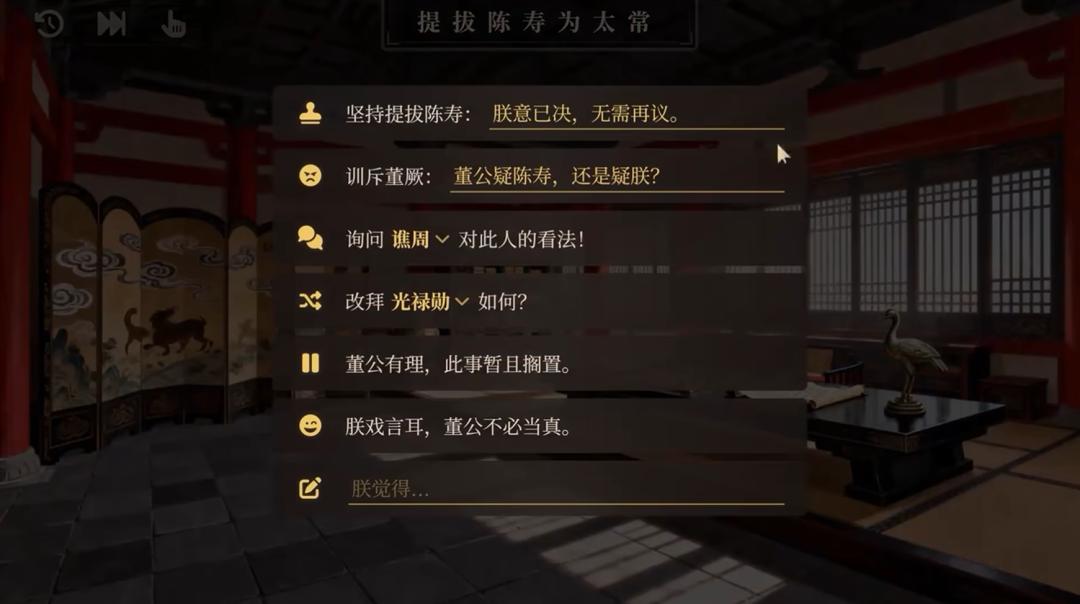
Players can directly select preset options or modify them
Many players are also concerned about whether AI memory can be retained. How to solve this problem?
The core solution is to regularly settle the scripts generated by AI into the game's system state. For example, after a battle, we only record who has obtained how much land, whose numerical value has increased, and which general has died, and discard the specific plot development process.
This is a selective memory. We will define which content needs context memory and which doesn't. Settlement is to turn a story into a recordable game state. As the game time increases, we only record the important content that will affect the subsequent game development, which is a bit like the feeling of a dungeon settlement. So we won't face the memory system problem of traditional AI games.
In addition to the existing gameplay in the Demo, what aspects of content will be added in the future?
In the future, an interactive map system will be added, and there will also be a very interesting harem system. For the functions that have been released, we will also redesign them to make the interface more beautiful and the interaction more natural. We may refactor and adjust the functions demonstrated.
The participation of AI has changed the traditional development process
Your studio is called Choupijiang Studio. Can you briefly introduce how you formed this team and how you divided the work?
We initially formed the studio with three classmates, but now the team has expanded to nine people.
Our division of labor is not very clear. I am in charge of the product and technology, but I also write code and do research; our design and art classmates do some front - end development; and the programming