Can you "unbox" passers-by just by wearing glasses? It's reported that Meta is developing a facial recognition function. This time, it's really become "Facebook".
Meta's smart glasses may become a "surveillance weapon" for law enforcement agencies in the United States.
On February 14, foreign media reported that Meta is re - evaluating the addition of facial recognition functionality to its smart glasses and may implement it as early as this year. The relevant function is internally called "Name Tag". The concept is to recognize faces through the camera on the frame and use an AI assistant to retrieve corresponding identity information.
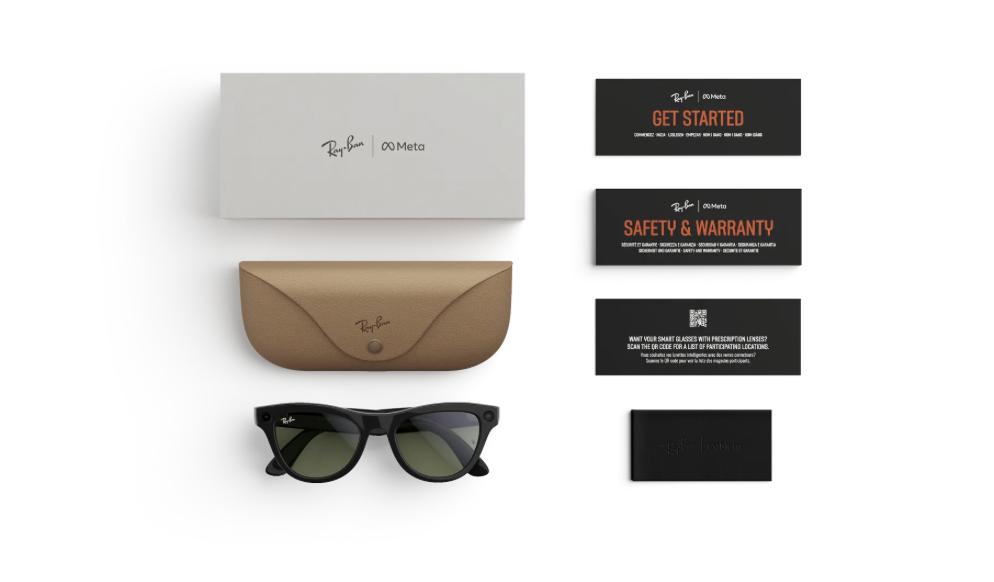
Image source: Meta
Actually, as early as 2021, Meta discussed similar capabilities when planning its first - generation smart glasses. However, due to technical difficulties and ethical controversies, it was not implemented in the end. Now, as the sales of smart glasses have exceeded expectations, the company has put this direction back on the agenda.
However, the problem is that the issues behind smart glasses with facial recognition are not simple.
The personal privacy risks behind smart glasses with facial recognition
Technically speaking, facial recognition is not a complex technology. Unlocking mobile phones with facial recognition has become a daily routine. Airport security checks in various countries and facial recognition access control systems in domestic communities actually use facial recognition technology. While it is "useful" and "convenient", there have always been controversies about the information security of facial recognition. For example, the community where Xiaolei used to live stopped using the facial recognition access control system under strong resistance from residents.
However, whether it is airport security checks or community access control systems, these scenarios have clear "boundaries" - users know that they are being recognized by facial recognition and are clear about the purpose of the recognition.

Image source: Meta
However, smart glasses obviously do not follow this logic. Different from facial recognition access control systems, smart glasses give almost no hint to the "person being recognized". Yes, the indicator light on the outside of the smart glasses will light up, but this indicator light is just for the camera and will also light up when taking photos or videos. Moreover, most people won't notice that faint light without knowing it.
In addition, for facial recognition on mobile phones and access control systems, users actively show their faces to the device; for facial recognition on smart glasses, users actively read the identity information of others. This shift in initiative turns recognition from a self - behavior into an act of obtaining others' information. The person being recognized has no right to participate and can hardly control the data flow.
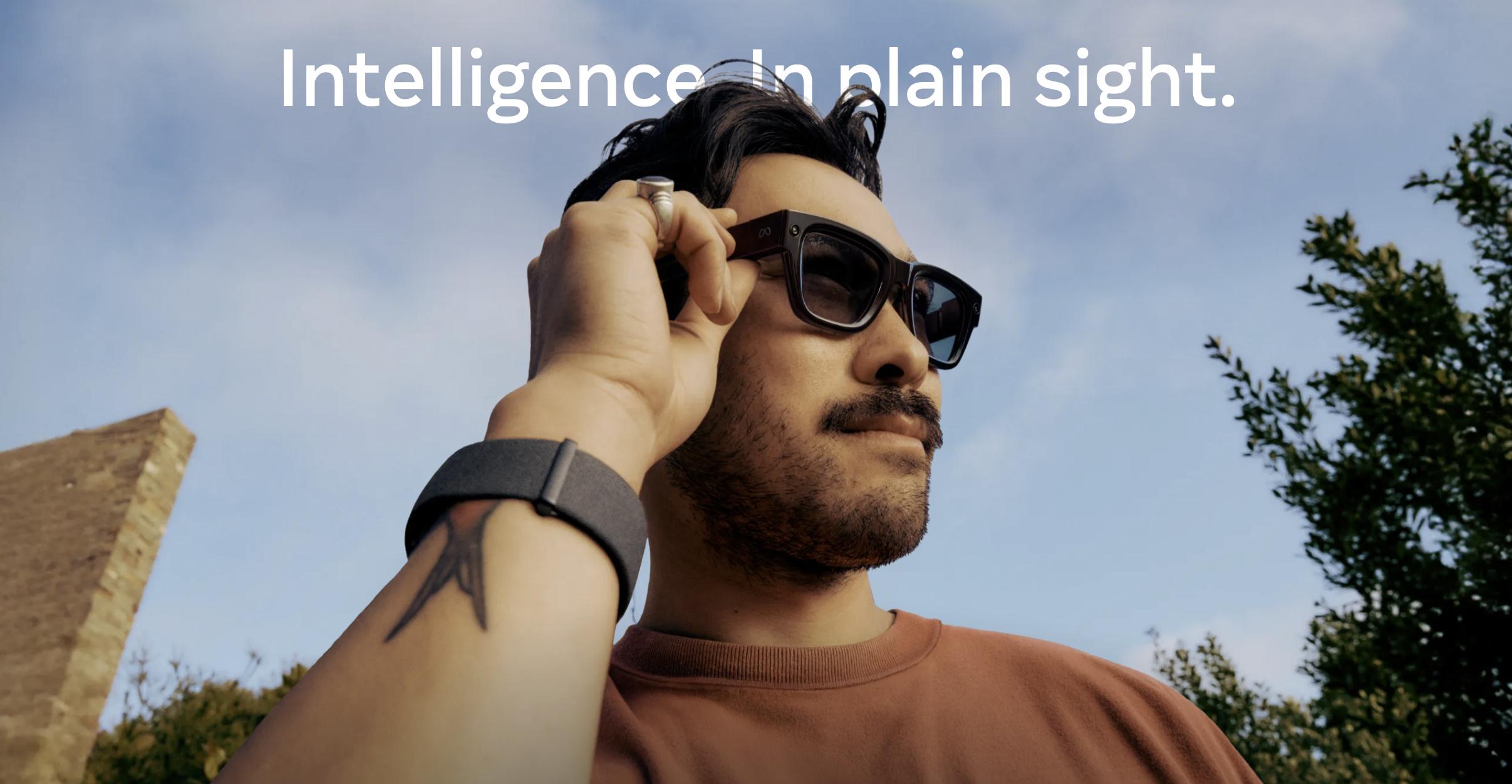
Image source: Meta
More importantly, Meta (Facebook) operates multiple social platforms (Facebook, Instagram, Threads). This practice of "matching online and offline information" will inevitably bring extremely serious information security risks. With the ability to "unbox" at any time and anywhere, even if Meta emphasizes that it only uses public information, the public will not feel at ease.
Even if Meta wants to do it, it's hard to achieve technically
However, even if we don't discuss the privacy disputes behind the "unboxing glasses", from a technical and commercial perspective, it's not easy to implement this function in the form of smart glasses.
Real - time facial recognition means that the camera needs to work more frequently, and at the same time, it needs to perform image processing and feature matching, which requires extremely high computing power. At present, the computing power of smart glasses is divided into local computing power (AR1 platform capabilities) and cloud computing power. Obviously, the computing power of smart glasses is not enough to support such strong operations.
But even if the glasses use cloud computing power, long - term data interaction will bring a huge power gap. Lei Technology tested several models of smart glasses in 2025. According to Lei Technology's experience, this category has not been able to find a balance among weight, volume, and battery life at present, and the battery life is already in short supply. Adding high - frequency recognition capabilities will inevitably cause the battery life of the glasses to "plummet" and the heating to get out of control.
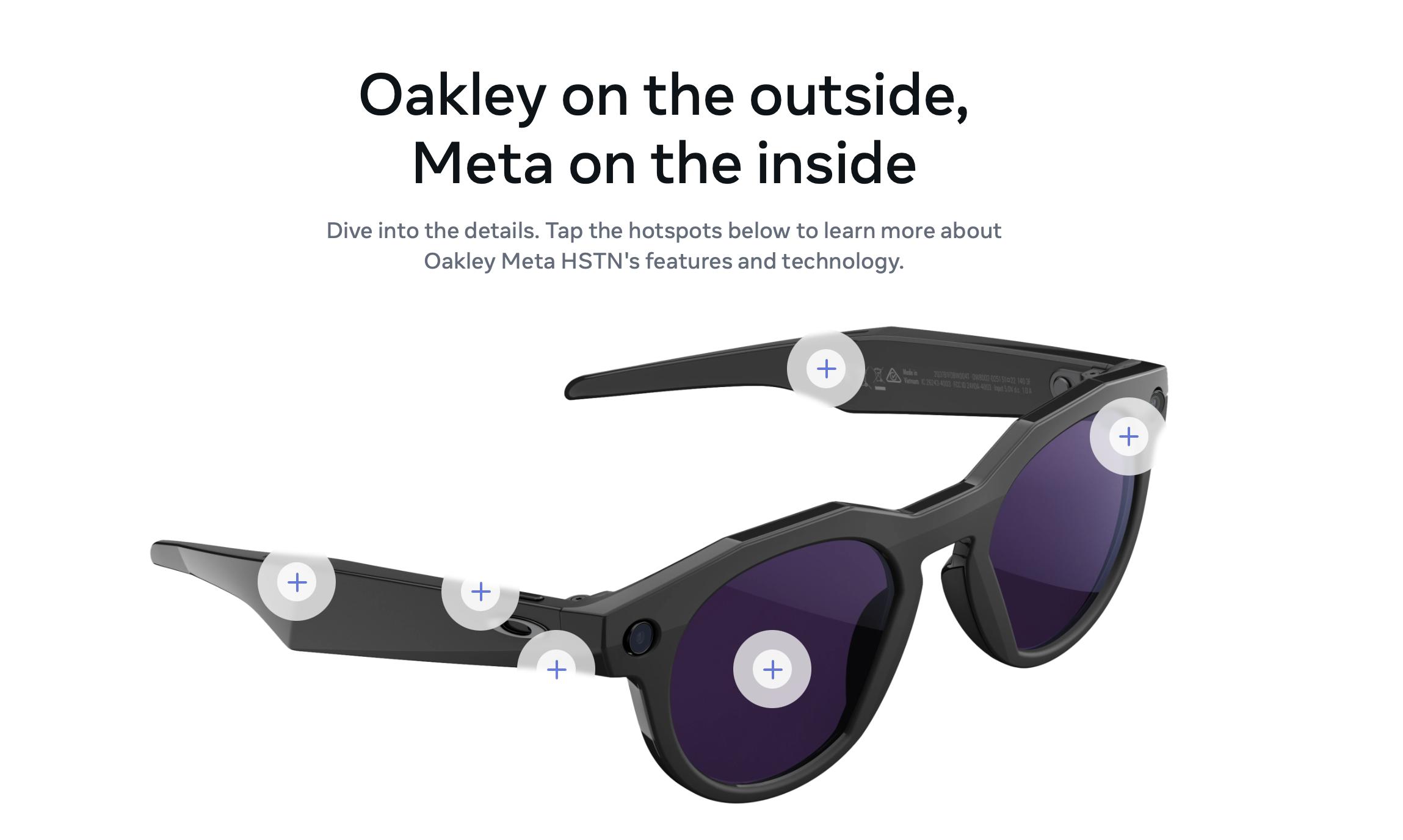
Image source: Meta
In addition, American society has always been highly sensitive to biometric technology. Many cities and institutions have discussed the legality of facial recognition. Coupled with the almost out - of - control immigration law enforcement in the United States, if Meta really launches a wearable "unboxing weapon" at this time, it will inevitably affect Meta's already not - so - good user reputation.
Therefore, in the view of Lei Technology, at least at this time, Meta (or other US smart glasses companies) has neither the technology, nor the motivation, nor the courage to bring such "unboxing glasses" to the public. Even if the relevant products are mature, they will be released after American society becomes relatively stable, and at the same time, Meta will try to cut ties with law enforcement agencies as much as possible.
Beware of Meta selling "facial profiles"
In addition, in the view of Lei Technology, the fact that Meta wants to make "unboxing weapon" glasses is a bit of black humor. We know that the predecessor of Meta was Facebook, a company that used users' social relationships as its core selling point. When Meta really puts "face recognition and unboxing" into wearable devices, it actually confirms the satirical concept of "Facebook" back then.
In the past few years, Meta has been involved in many disputes over data usage and privacy protection. After the setbacks of products such as Oculus VR and the metaverse, smart glasses have become Meta's only product that can keep up with the times. Therefore, Lei Technology believes that although Meta is promoting relevant technologies, the relevant products should not be launched in the short term.
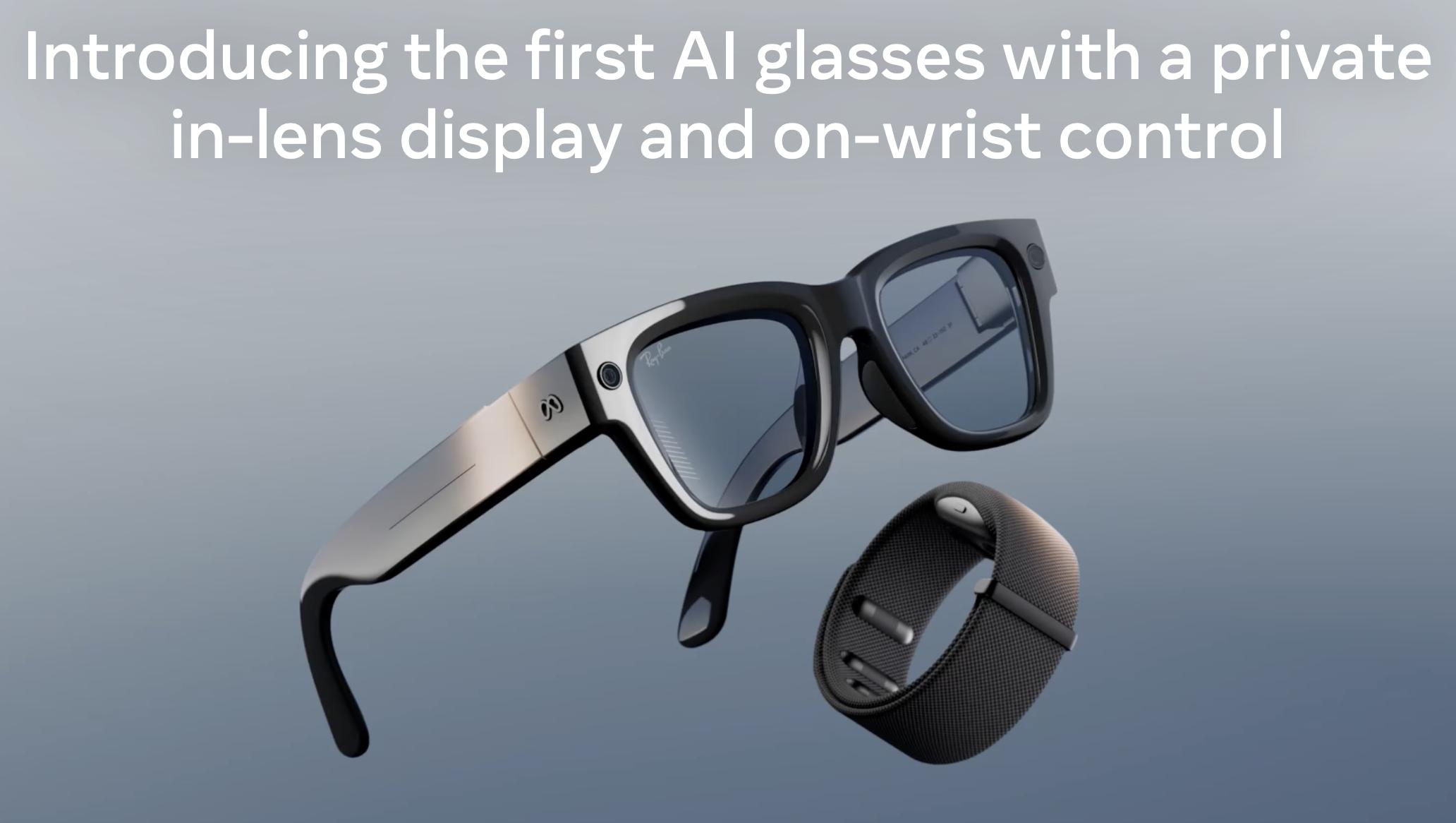
Image source: Meta
However, although Meta has become the first Internet giant to "stand up and be criticized", with the development of intelligent wearable hardware, the increasingly powerful "perception" ability of intelligent devices will inevitably bring more and more privacy risks. However, both at home and abroad, there is still a lack of a unified industry standard for the disputes between intelligent devices and personal privacy.
Take the simplest example. Xiaolei tested several smart glasses with shooting functions last year. No matter which pair of glasses, the front - facing shooting indicator light can be "hidden" through some simple means; the shooting indicator light of the Looki L1 experienced at the beginning of the year was almost invisible outdoors.
In other words, for intelligent wearable devices, it is far from enough to rely on the "self - awareness" of brands to protect public privacy.
In China, the regulations on intelligent camera hardware still mainly focus on information storage and data security; overseas, the supervision of biometric technology mainly focuses on the use by law enforcement agencies. Consumer - grade wearable devices are in a relatively vague area. They are neither as strictly restricted as surveillance systems nor completely regarded as personal devices like mobile phones.
In the view of Lei Technology, if smart glasses are really going to add facial recognition functionality, regulators need to clarify at least three things:
1. The reminder of facial recognition behavior must be two - way;
2. The person being recognized should have the right to refuse, rather than just passively accept;
3. There must be a physical or institutional isolation between recognition capabilities and social data.
Otherwise, the so - called "intelligent upgrade" is just over - drawing users' trust in wearable devices.
After all, for a company like Meta with a "long criminal record", instead of patching up the loopholes after the product is launched, it's better to clarify the rules when the function is still in the PPT and internal memo stage. Without rules, nothing can be done. If the basic rules for these wearable devices are only realized after the "unboxing glasses" are on the market, it will be a bad thing for users, Meta, and even the entire smart glasses ecosystem.