An AI-native health hardware company secures nearly 100 million yuan in financing, with AfterShokz and GAN Jie participating, and GAO Bingqiang as a previous investor | Exclusive report from Yingke
Author | Huang Nan
Editor | Yuan Silai
Hard Kr has learned that the AI-native health hardware company "Shanmu SHANMU" recently completed a nearly 100 million yuan Series A financing round. This round was led by Shixi Capital (a strategic investment fund under GigaDevice Semiconductor), and co-invested by multiple institutions including AfterShokz, Bojiang Capital, Yonghua Investment, and Shanghai Angel Club. Existing shareholders, including the Zhixing No. 1 Fund under Professor Gan Jie and Wanweiwei Capital, also increased their investment in this round. Gengxin Capital served as the financial advisor for this round.
Previously, the company had received support from multiple institutions, including Professor Gao Bingqiang, Songhe Capital, Qifu Capital, Haofang Venture Capital, and the ICANX Fund under Professor Zhang Haixia of Peking University. The funds from this round will be used for the launch process of its DTC consumer medical products, the implementation of customized B-side modules, and the application for domestic and international medical registration certificates.
Home health detection is not a new concept. In the past two decades, blood glucose meters, blood pressure monitors, and uric acid meters have already entered households, but their underlying logic has never changed: they always remain in the mode of "user-initiated, single-point collection, and sliced cross-sectional data."
This is an execution chain transferred from hospitals to households. The cumbersome operation process results in extremely low long-term user compliance. "Invasive, hard to remember, and troublesome" make it difficult for users to keep using, ultimately turning the instruments that should have played a role in health management into idle items scattered at home.
Meanwhile, the boundaries of wearable devices have also become clear. Smartwatches, bracelets, and rings have achieved large-scale popularization in heart rate, blood oxygen, and sleep monitoring, but they cannot break through physical limitations: Photoplethysmography can only sense blood flow changes below the epidermis and cannot reach the molecular, cellular, and protein levels. Clinical gold standards such as uACR in chronic kidney disease, HbA1c in diabetes, and serum uric acid levels in hyperuricemia are all located in human tissue fluid.
Hardware cannot bypass sampling, and sampling cannot bypass tissue fluid. This is the niche area that Shanmu SHANMU has targeted.
Shanmu SHANMU was founded in London, UK in 2021. It is the world's first native hardware company focusing on "personal health computing." By integrating medical-grade devices into users' daily lives, it continuously obtains biological indicators such as molecules, cells, and proteins from urine, saliva, and sweat - which is the core data foundation for building personal health computing. Only when the "person" in the physical world is continuously, imperceptibly, and medically digitized every day can AI truly understand the complex physical system of the human body and then drive a closed-loop from monitoring to intervention.
The core team of the company all have master's or doctoral degrees from the world's top 30 universities. After three years of research and development, Shanmu SHANMU independently developed the world's smallest ultra-high-precision fully automated biochemical analyzer. Its optical performance, liquid control accuracy, and detection accuracy all follow the same clinical standard "YY/T0654 - 2017" as the hundreds of thousands or millions of yuan biochemical analyzers in hospitals.
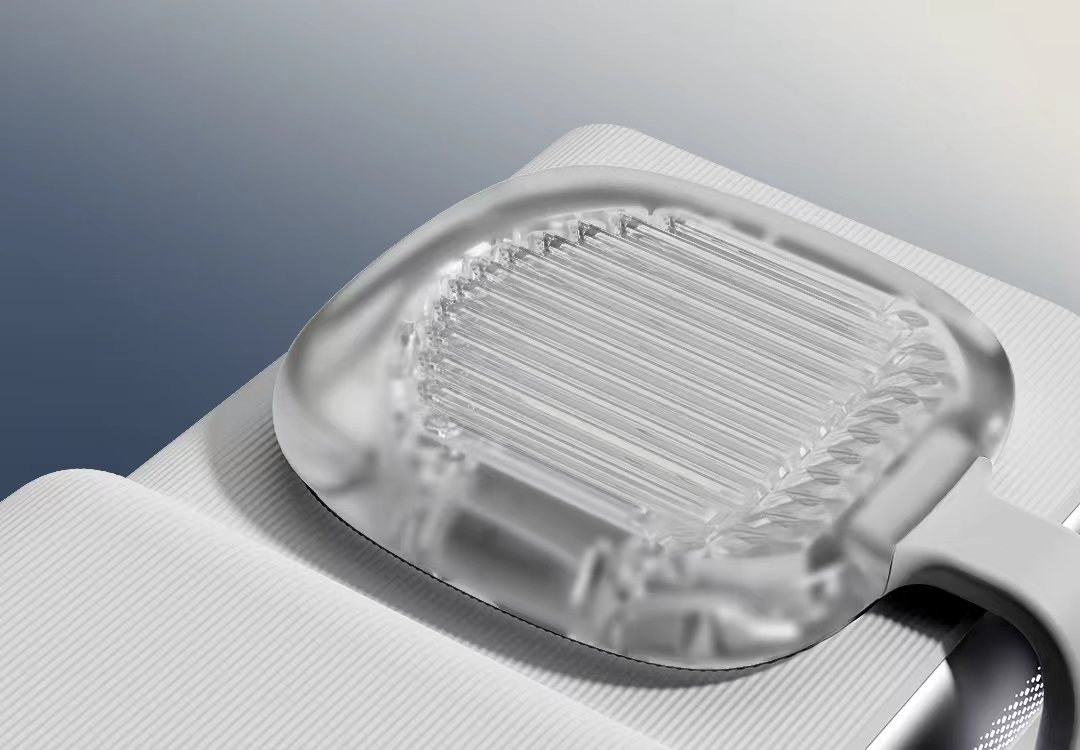
The world's smallest ultra-high-precision fully automated biochemical analyzer (Source/Enterprise)
"The first principle of personal health computing is 'imperceptible, non-invasive, and continuous acquisition.' In essence, it is a data problem, not an algorithm problem. Without continuous, multi-index medical-grade data, no matter how powerful the model is, it is just an empty theory. Any detection that relies on users to initiate actively will ultimately lose its value because it is difficult to keep using, no matter how high the accuracy is." Lin Hequan, the founder and CEO of Shanmu SHANMU, told Hard Kr. "The real core has never been a single examination, but long-term, multi-dimensional, and multi-index trend insights."
For this reason, Shanmu SHANMU starts with the bathroom scenario. Its product can be mounted on the outside of the toilet, equipped with a microfluidic chip and multi-index biochemical reagents, and can complete the fully automated morning urine sampling within 2 seconds when the user uses the toilet.
After 20 microliters of urine (about half a drop of urine) undergoes fully automated biochemical analysis through the microfluidic chip and multi-spectral system, users can obtain quantitative values and dynamic trend graphs of relevant indicators such as uric acid metabolism, glucose quantification, female hormones (HCG, LH), and chronic kidney disease (uACR, uPCR, urinary sodium) on the terminal in just 10 minutes.
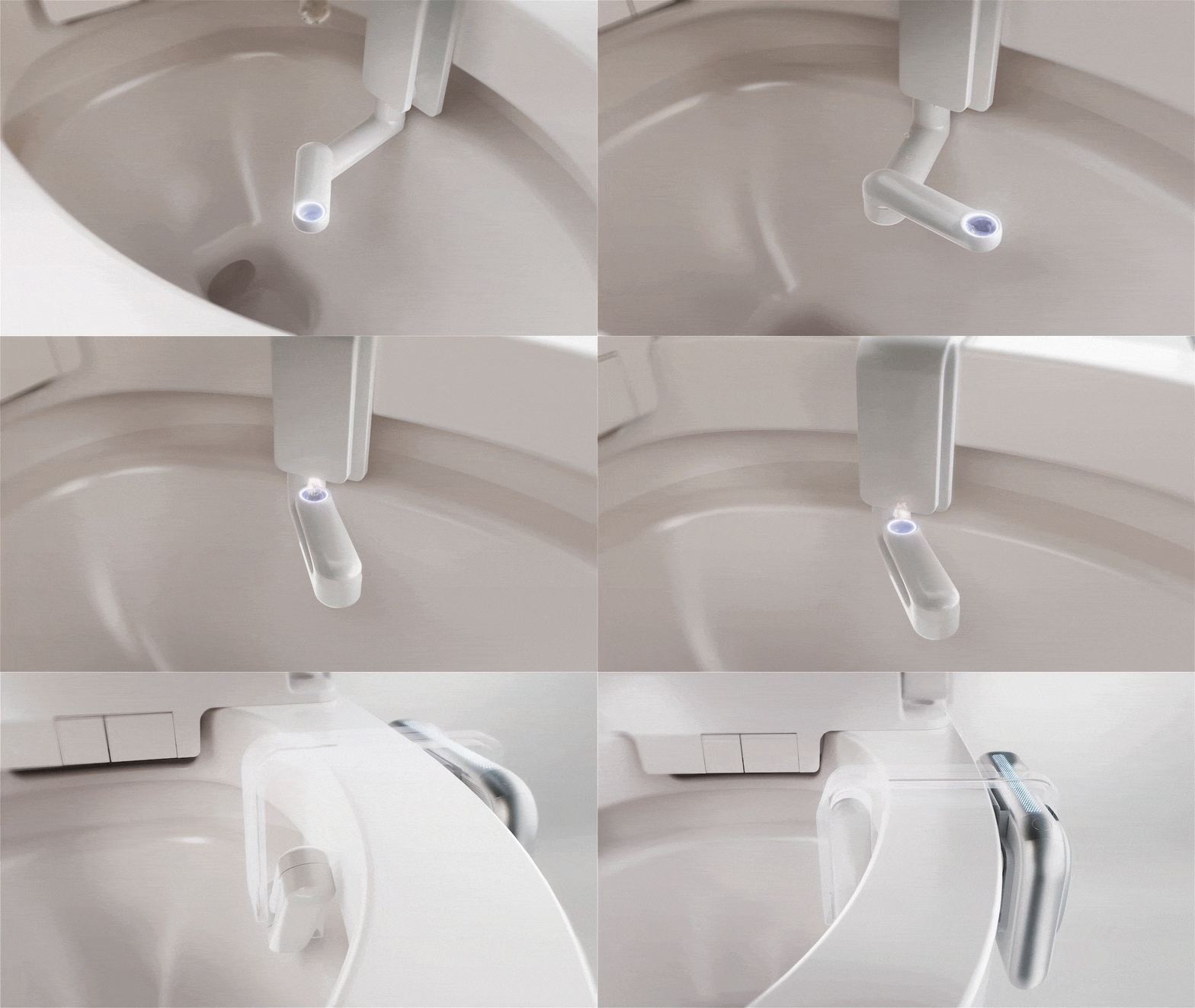
The robotic arm structure of Shanmu's AI health hardware product Dotmax (Source/Enterprise)
Another product line focuses on the fields of saliva and sweat. When brushing teeth, the MEMS microfluidic chip and structured light sensor simultaneously complete oral three-dimensional modeling, breath component analysis, and multi-index saliva detection; during exercise, the sweat sensor patch tracks metabolic indicators such as lactic acid and sodium-potassium ions in real-time to guide scientific recovery.
The real value anchor is not single-item detection, but the integration of multi-modal data. Shanmu SHANMU's thinking logic is a scenario-driven data collection architecture, rather than the product line expansion logic of traditional medical hardware companies; it locks in the intersection of "body fluids + daily high-frequency behaviors" and then designs the hardware form and detection module in reverse.
When the three types of data of urine metabolism, saliva stress, and sweat recovery are "crushed" and reorganized by AI, the system no longer outputs isolated values but identifies cross-dimensional physiological associations. For example, if there is a periodic surge in glucose quantification and C-peptide values in urine, the user may be in the pre-diabetic state. The increase and decrease of cortisol and melatonin in saliva allow the Shanmu Agent to directly draw a trend graph of the user's emotional state and sleep quality.
"When detection no longer requires users to initiate deliberately, the density and continuity of data will undergo a qualitative change. A single tissue fluid sample is a discrete sample, while a three-month multi-index trend graph is a clinical asset." In the view of Shanmu SHANMU, with continuous data flow, the collection density and continuity of health data will achieve a leap, and the intervention logic of AI will also change accordingly.
Previously, most AI medical solutions in the market were still in the responsive AI stage, only able to provide passive interpretations after users actively upload reports and initiate consultations, and unable to achieve pre-judgment and active intervention of health risks.
Shanmu SHANMU wants to build a set of personalized pre-judgment AI based on users.
When the model algorithm continuously tracks the morning urine indicators of a chronic kidney disease (CKD) user and finds abnormal inflection points in the uACR, uPCR, and Kim-1 curves, combined with other tissue fluid data sets, the AI Agent will automatically initiate intervention without waiting for the user to ask actively.
By retrieving the user's urine data from the perception series in the past three months and multi-dimensional data of saliva and sweat when brushing teeth, the system will initiate multiple rounds of follow-up questions on the APP side, such as "Do you feel tired recently?", "Has the frequency of nocturia changed?", "Did you eat high-purine foods yesterday?" and package these structured information and push it to experts in top-tier hospitals. After the expert team completes the analysis, it will drive the Agent to further supplement relevant information such as the user's sleep data and medication records.
Under the repeated deduction and joint decision-making of the AI Agent and the real doctor team, a more accurate next-step medical plan can be provided for the user. During this period, the user can complete the closed-loop from monitoring to diagnosis without any perception or disturbance.
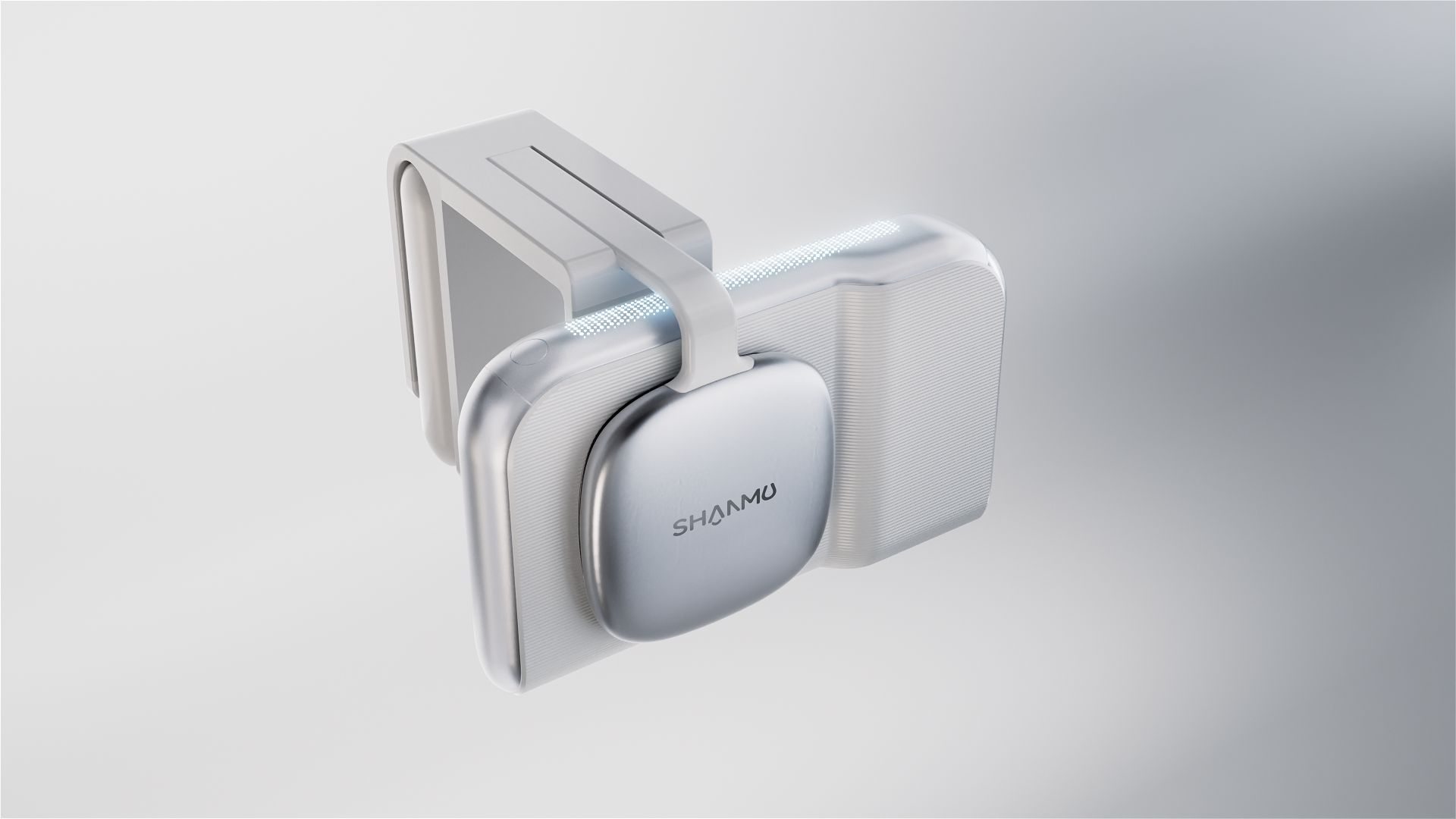
Shanmu's AI health hardware product Dotmax (Source/Enterprise)
"Our positioning is not a medical device company. The goal of Shanmu SHANMU is to build the life OS for users' personal health computing in the future." In the vision of the Shanmu SHANMU team, "Throughout the process, users don't even need to figure out 'Should I go to the hospital today?' It will be transformed into the system actively managing people's health risks. This is not an improvement in efficiency but a transfer of decision-making power."
Today, when nearly three-quarters of global deaths are attributed to non-communicable diseases and 90% of the annual medical expenditure in the United States is consumed by patients with chronic diseases, the pain points of the traditional medical model have become increasingly prominent.
When the information that cannot be obtained through a single physical examination or any wearable device is gradually precipitated into a user's personalized health digital twin through the continuous monitoring of Shanmu SHANMU's products in the "multi-scenario miniaturized medical hardware + AI full-cycle management" model, it will also form an effective reference system for users' future medical decisions.
Hard Kr has learned that Shanmu SHANMU has previously obtained the EU CE medical certification. The domestic NMPA Class II registration certificate and the US FDA 510(k) are expected to be obtained in 2026. Currently, the monthly production capacity of the products reaches hundreds of units, and it is in a critical stage of ramping up production. In terms of commercialization, the company plans to prioritize the delivery to domestic B-side customers. After the C-side products are launched, it will gradually expand to overseas markets.
The core entry point for home medical care does not lie in replicating the detection capabilities of hospitals but in user-centered reconstruction of the scenarios and processes of home medical services.
With the core goal of imperceptibly, non-invasively, and continuously obtaining health data, by embedding medical-grade technologies such as microfluidics into users' daily lives around users' natural high-frequency and essential life scenarios, passive and automated data collection can be achieved. This is also the underlying logic shift in the competition of home medical care in the AGI era.
As large models gradually bridge the knowledge gap between doctors and patients, the competitive barriers no longer lie in algorithm parameters but shift to both ends: one is the density and depth of data, and the other is the embedding and closed-loop of scenarios.
Shanmu SHANMU breaks through the data collection bottleneck with miniaturized medical-grade AI hardware and combines the AI Agent to build a closed-loop for health management, attempting to upgrade the path from disease treatment to active health management.