With tens of millions of views on the second-test PV, is this new product, one of NetEase's aces, worth looking forward to?
Text by: Guofu
As the Spring Festival approaches, many games have started to make their moves, even those that haven't been launched yet. Last Thursday, the new game "Sea of Oblivion" by Joker Studio under NetEase officially started its second round of testing.
Although "Sea of Oblivion" didn't deliberately conduct large - scale promotion this time, the game still received a lot of attention. As of the time of writing, the character PV of the game's mascot "Ais" released on February 5th has already received 2.44 million views on Bilibili, and the earlier test preview has exceeded 10 million views.
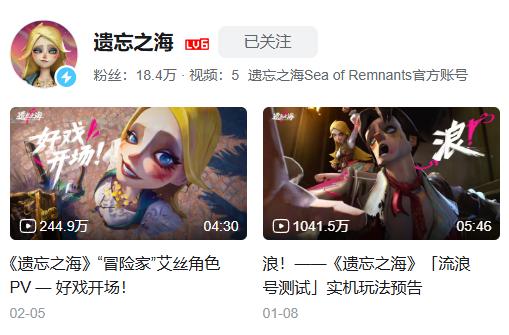
Screenshot of the game's official Bilibili account
Previously, NetEase has shown its emphasis on "Sea of Oblivion" more than once. In the earnings conference call for Q2 2025, the official emphasized that they are confident in making it a top - level game product in China. And CEO Ding Lei has also publicly expressed his optimism about this product.
Looking at the project background, "Sea of Oblivion" is indeed a product worth looking forward to. The previous work of the development team, Joker Studio, "Identity V", is still an important revenue - generating project for NetEase. Even after years of operation, this product can still affect the company's year - on - year revenue growth. Among the player community, "Identity V" also has a fairly large and stable group of loyal players.
So, as one of the aces that NetEase's Joker Studio is about to play, what kind of performance has "Sea of Oblivion" shown so far?
Most people, when talking about "Sea of Oblivion" and even "Identity V", often emphasize their innovation in art themes and worldviews, such as their most iconic "doll" character images, or how they integrate different gameplay elements, combining turn - based, naval battles, search - fight - retreat and other content into one.
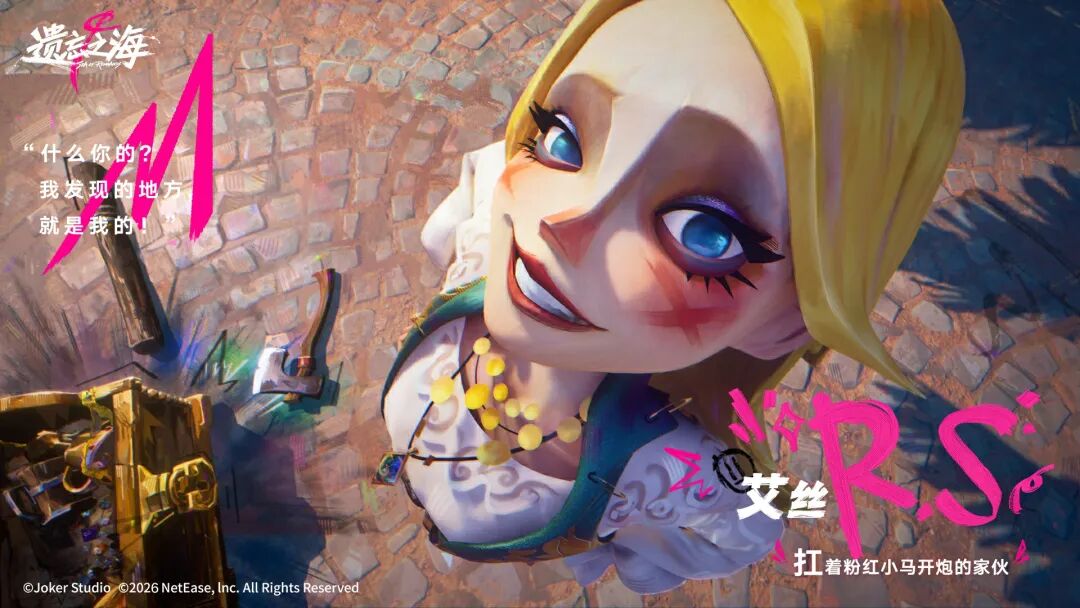
Game promotional poster
However, many people may overlook how calmly the Joker Studio has insight into the market in terms of product design framework.
This is mainly reflected in their deconstruction and re - creation of the underlying gameplay of mainstream products.
An obvious trend is that the importance of randomness in long - term operation games is gradually increasing. A few years ago, "Genshin Impact" set randomness in rewards, advocating that players obtain the most extreme numerical bonuses through long - term and multiple treasure hunts. This long - term operation template centered around "Artifacts" has also been widely applied in most mainstream second - generation games, including Mihoyo's own "Honkai: Star Rail" and "Zone Zero".
At the same time, many popular game playstyles that have emerged in recent years, such as Roguelike, search - fight - retreat, and even popular game role - playing, are more or less centered around randomness. After all, within the controllable range of expectations, random rewards often bring users the fastest and most frequent sense of surprise.
Therefore, it's better to say that "Sea of Oblivion" has grasped the core element of "randomness" rather than simply combining a large number of different game playstyles.
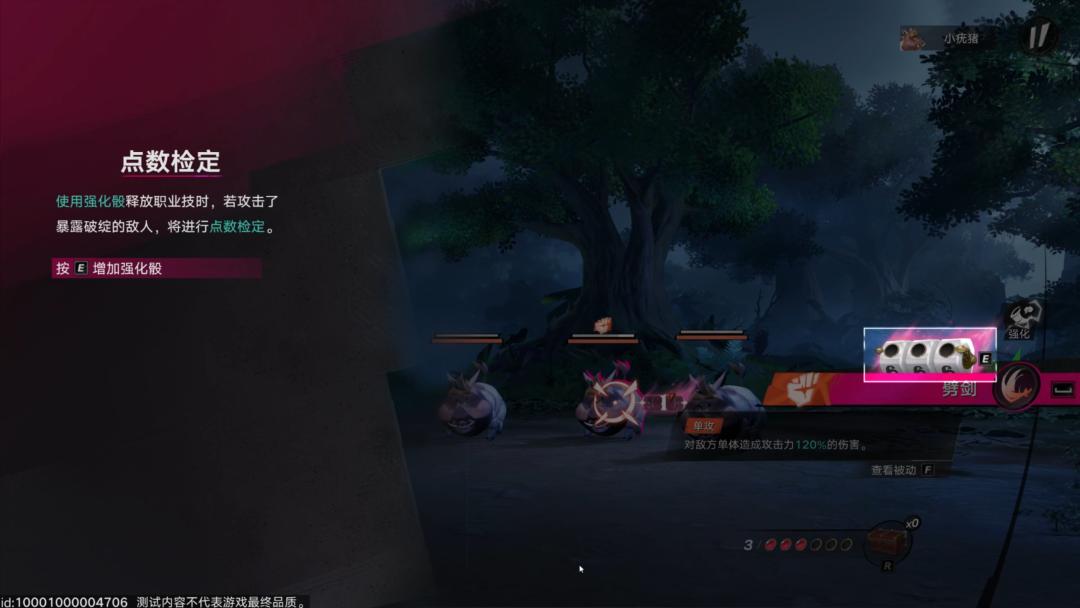
Tutorial
From a large - scale game framework perspective, "Sea of Oblivion" is indeed a search - fight - retreat - like game based on exploration and adventure. Players basically maintain a cycle of "going out to sea - returning to port - going out to sea again". However, what's significantly different from the traditional search - fight - retreat is that the game has greatly extended the cycle of a single search - fight - retreat. A single exploration by players may take several hours or even days of game time.
On this basis, they further layer randomness.
For example, based on the search - fight - retreat sea - going gameplay, "Sea of Oblivion" has added Roguelike gameplay to the map exploration level. Each character has multiple unique career - building routes. Every time players defeat an elite enemy, they can obtain a certain amount of rare supplies and get 3 stat lines to choose from for subsequent career building and upgrading. After each return to port, these upgrade contents are reset, and players can start the cultivation process again.
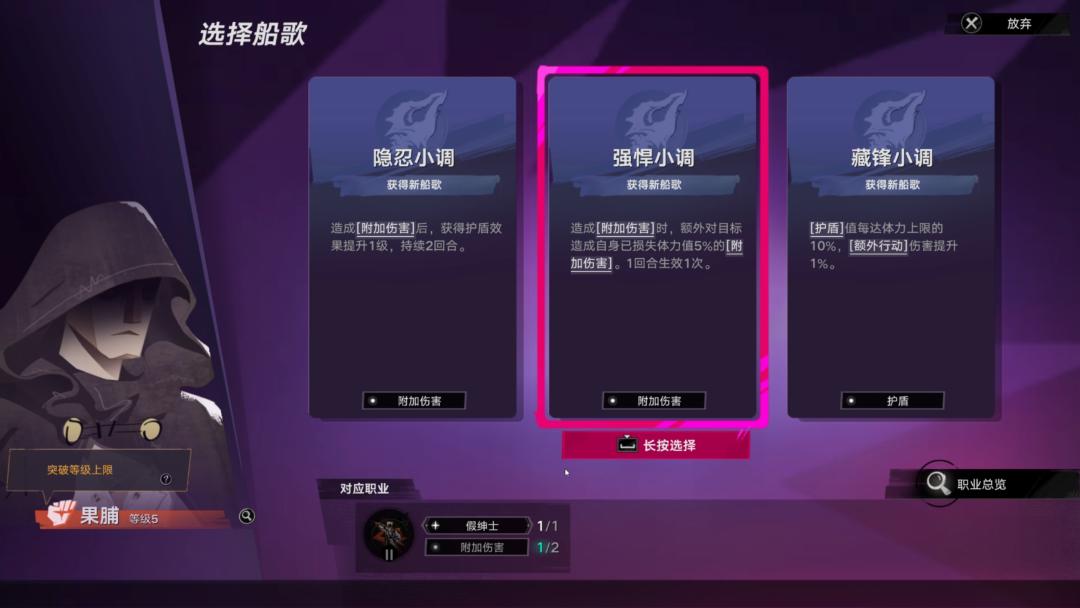
Roguelike gameplay
Furthermore, in the combat level of the game, a dice system commonly seen in role - playing games is added. The turn - based combat gameplay of "Sea of Oblivion" actually shows many shadows of mainstream JRPGs, such as the semi - real - time combat in "Tokyo Ghoul: Re Call to Exist" and the BP points in "Octopath Traveler". However, the final rewards of these designs are all tied to the dice.
For example, if players enter a battle with a triple - hit combo, the system will reward the player with a dice for each hit. The final points rolled on the dice will determine the player's initiative advantage when actively entering a battle.

Game battle entry process
The so - called BP point design also corresponds to the number of dice. In "Octopath Traveler", every time a character consumes 1 BP point, the corresponding skill will receive a fixed enhancement, thereby increasing the success probability of the skill, increasing damage, or extending the duration of the buff.
In "Sea of Oblivion", this design becomes a relatively random and more linear experience. Every time a player uses a BP point, the character will get 1 dice, with a maximum of 3. How much bonus the character's skill can get ultimately depends on the sum of the points rolled on the dice.

Using enhancement points
That is to say, whether a player rolls a 6 on one die or two 3s on two dice, the enhancement effect is exactly the same, but two dice often offer a higher expected return. Therefore, under the limited resource planning in turn - based games, players may also encounter unexpected situations such as taking big risks for big rewards or suffering a complete setback at any time.
If we dig deeper, this randomness is almost everywhere in the smaller details of "Sea of Oblivion". For example, in the common "junk - collecting" gameplay, in "Sea of Oblivion", players must go through a round of checks to determine how much extra resources they can obtain.
After understanding this, the entire experience logic of "Sea of Oblivion" is obvious - the game is not simply forcing the integration of mainstream playstyles such as search - fight - retreat and Roguelike, but grasping the underlying logic of a whole set of "randomness" design.
Based on this core concept, many product decisions of "Sea of Oblivion" are easy to understand.
For example, why choose the turn - based playstyle. Even today, doing turn - based games is often regarded as an "outdated" choice. Because under the current hardware conditions, mobile games can often achieve more refined, complex, and cool game operations. It seems quite old - fashioned to just watch the skill animation scripts in turn - based games.
However, for "Sea of Oblivion", the resource management gameplay of turn - based games is actually the most suitable mechanism design for their underlying randomness.
In fact, most commercial game developers so far have difficulty in making in - depth insights and calm thinking about the market. The most common problem is "how to balance the sense of game creativity and commerciality".
This is reflected in the product market as large - scale following and going with the flow. When second - generation games are popular, people make second - generation games; when search - fight - retreat games are popular, they follow suit. But in the end, a large number of people may end up in failure, leaving only those with more strength and capital to compete.
This is exactly what Joker Studio is good at.
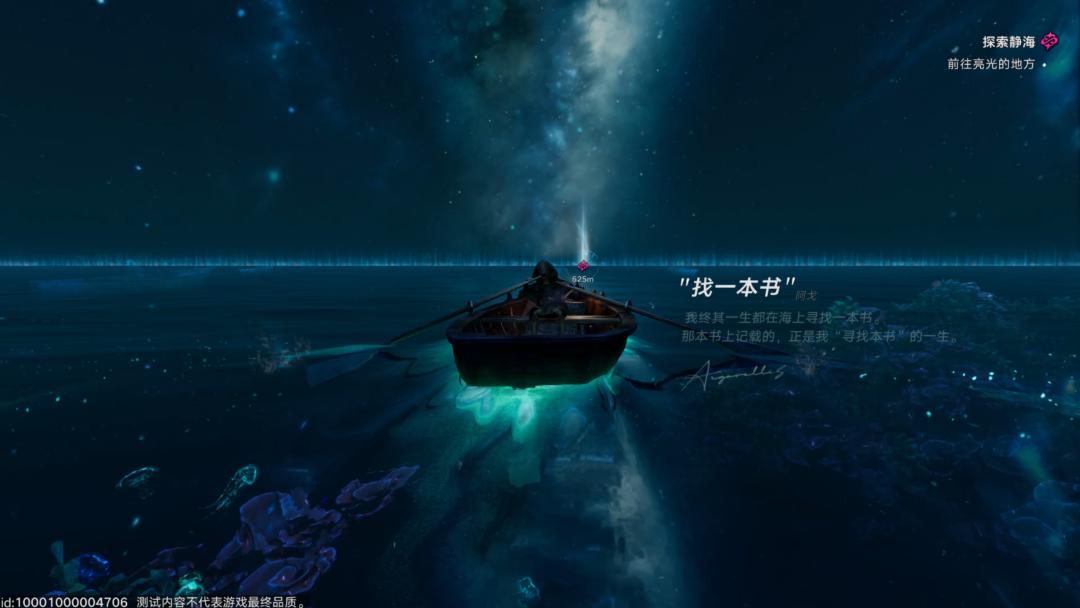
Game opening
For example, they dare to put highly artistic elements at the beginning.
As early as the "Identity V" era, they found their creative focus, that is, based on a unique art style and worldview design, creating a set of gameplay that meets the needs of market users and is different from mainstream products.
At that time, what people were still discussing in the market were MOBA and battle royale games, and asymmetrical competitive games were "done by some but unpopular". And as we can see, "Identity V" is still an important and competitive mainstream product in China, and so far, no other asymmetrical competitive game has achieved similar results.
The planning team also said that when making "Sea of Oblivion", their most important logic was to first determine the theme, content, and texture of the game, rather than first considering what type of game to make and then applying formulas.
Based on this, "Sea of Oblivion", like "Identity V", has its own unique product temperament. In addition to the randomness set for commercial products, the game's naval battle theme, doll art, and content presentation all have strong artistic characteristics.
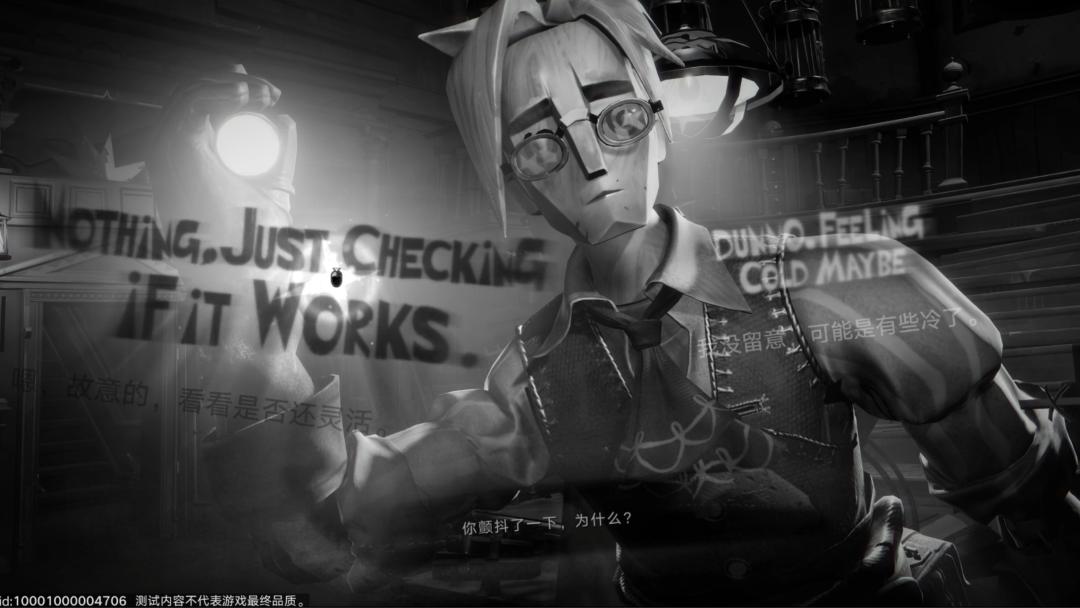
Game opening
Of course, just in terms of the second - round test, although the overall framework of "Sea of Oblivion" is quite complete and interesting, it also exposes many shortcomings of Joker Studio in unfamiliar fields.
For example, they obviously lack a lot of technical accumulation and experience in the design of the large - scale world. In this test, the game often had difficulty loading in the mid - game main city, and there were even more than one serious bugs. Of course, many games face the same problem at this stage, and most of them can be solved through optimization later.
Another problem is that based on the rather complex and novel game mechanism of "Sea of Oblivion", the current in - game guidance is obviously unsatisfactory.
In order to emphasize the sense of immersion and slow - paced gameplay, the game is filled with a large number of cut - scenes in the early stage. Players are more attracted by the content, but they are always confused about the underlying gameplay. Even though they know it's a "search - fight - retreat" game, they still can't quickly understand the whole long - term cycle, and can only be pushed forward by the continuous story content.
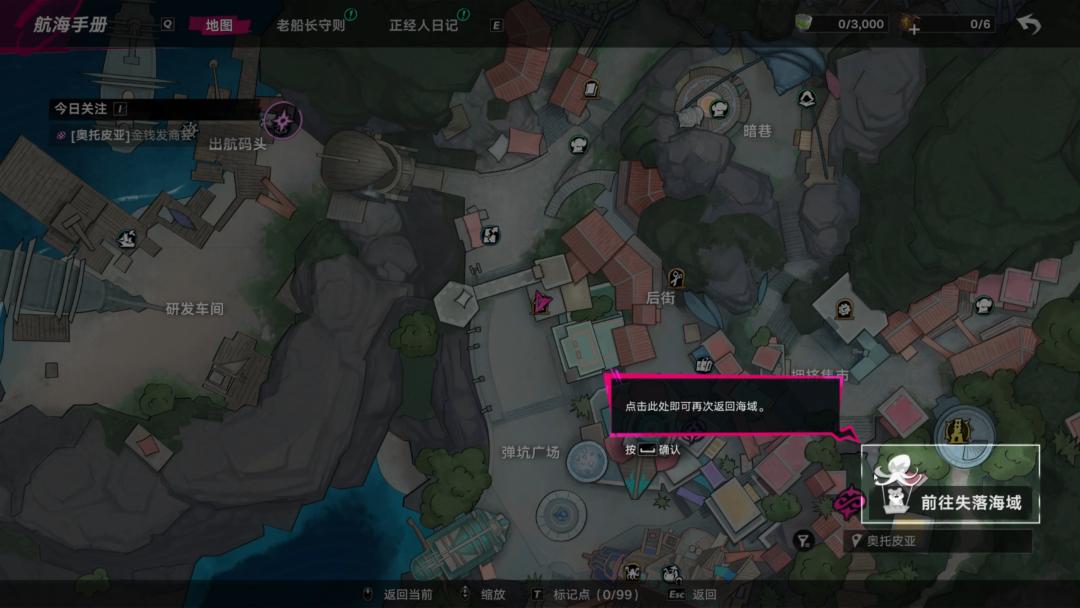
Can return to the main city from the dungeon at any time
In other words, the story is very exciting, but players can't understand how to play at first. This means that it's difficult for players to quickly make energy plans that meet their expectations like in other large - scale world games.
For example, when should one retreat in the search - fight - retreat gameplay, and what's the purpose of retreating? If all items can be taken out, what's the meaning of consuming stamina to send out rare items? On the contrary, if items can only be sent out by consuming stamina, what's the underlying goal of the search - fight - retreat gameplay? Players actually have a hard time finding clear answers to these questions in the early and mid - game stages, and they need to discover and understand them step by step through in - game cards, comics, and interactions.
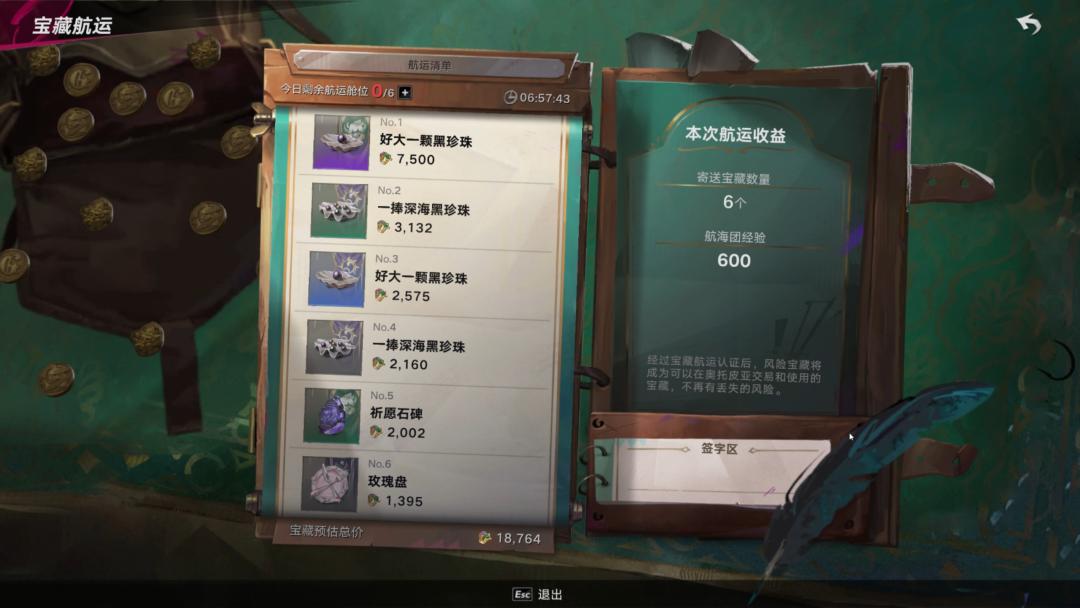
Daily material transportation consumes stamina
For single - player games, this is not a special problem, as players can stop and continue at any time.
However, for long - term operation games with daily resource management goals, the high understanding threshold, although enriching the game's fun and gameplay depth, also means a certain requirement for players' patience. If players can't quickly determine their expectations and the subsequent gameplay experience cycle, some people may find the game a bit "tiring" to start with.
This experience is a bit similar to what people felt about "Identity V" in the early days. Of course, "Identity V" also proved that this path is actually feasible.
According to NetEase's official statement, "Sea of Oblivion" is basically confirmed to be launched in Q3 2026. I don't doubt that "Sea of Oblivion" can achieve good results in the future. However, if it wants to retain players from the start, the game may need to make some content more specific and direct so that players can understand the whole game cycle experience earlier and more clearly.